Basic math application Math Worksheets for Ages 5-7
5 filtered results
-
From - To
Our basic math application math worksheets for ages 5-7 make learning fun and engaging for young learners. Designed to develop foundational math skills, these worksheets cover essential topics such as addition, subtraction, patterns, and number recognition. Colorful and interactive, they cater to different learning styles and help children understand important math concepts in an enjoyable and effective way. Perfect for both classroom and home use, these worksheets provide a blend of play and education, ensuring that kids build a strong mathematical foundation while having fun. Boost your child's confidence and academic performance with our thoughtfully crafted basic math application worksheets!
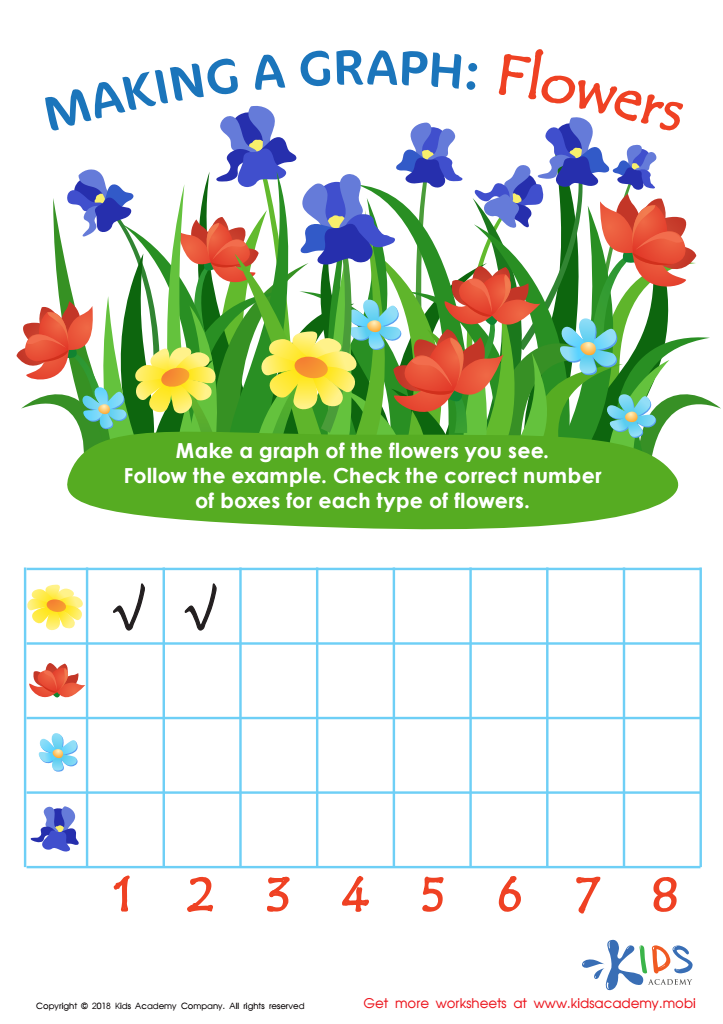
Making a Graph: Flowers Worksheet
 Assign to My Students
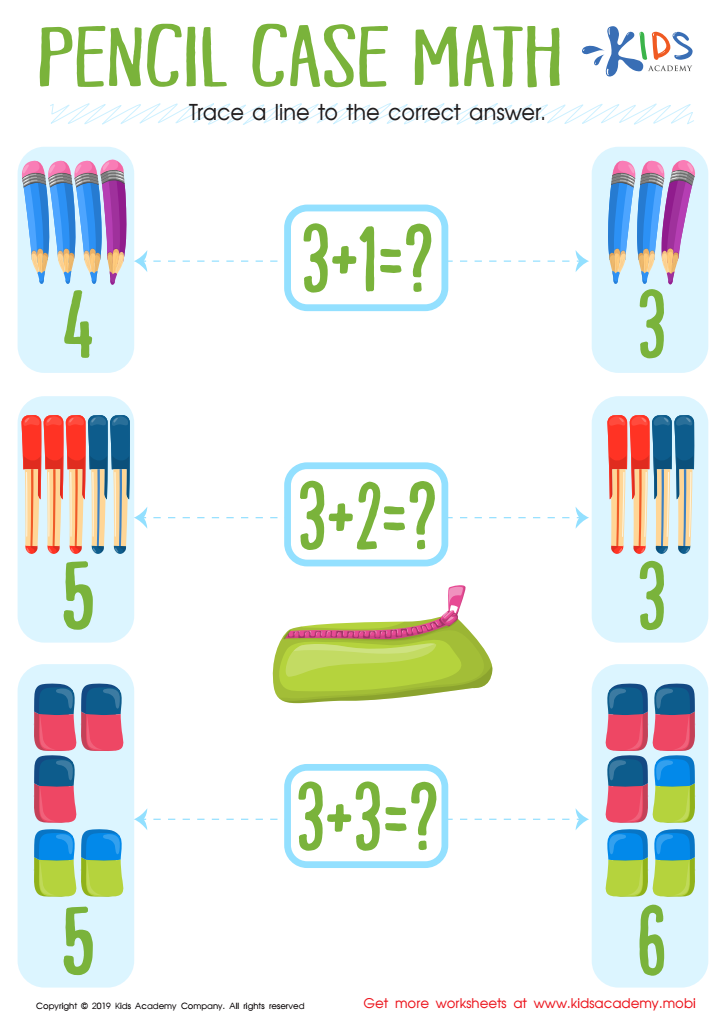
Pencil Case Math Worksheet
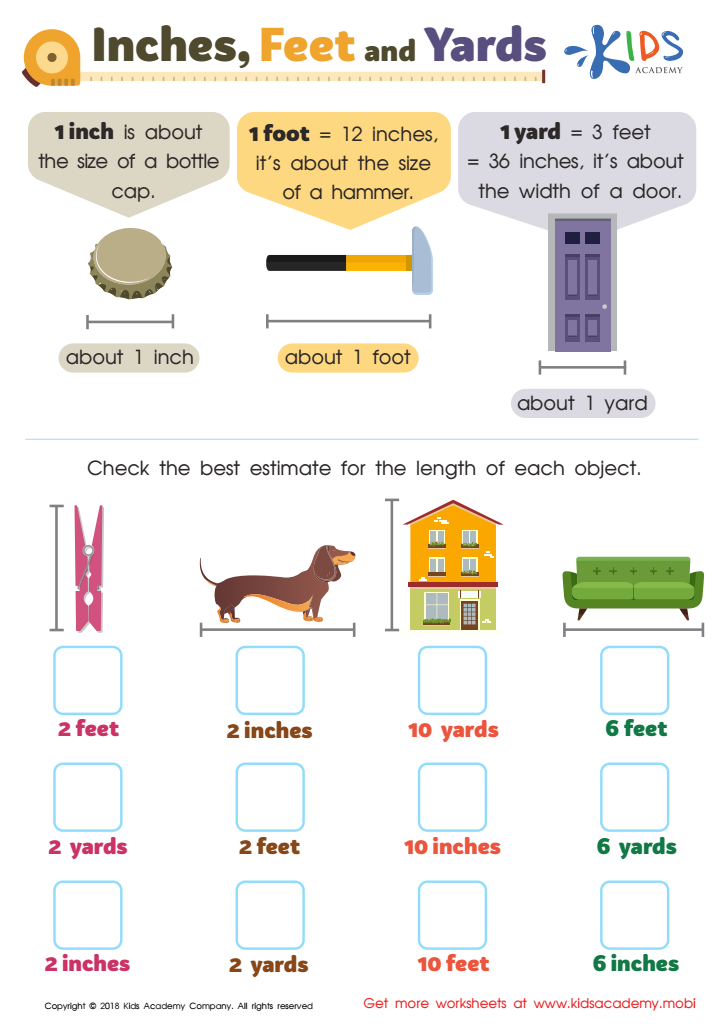
Inches, Feet and Yards Worksheet
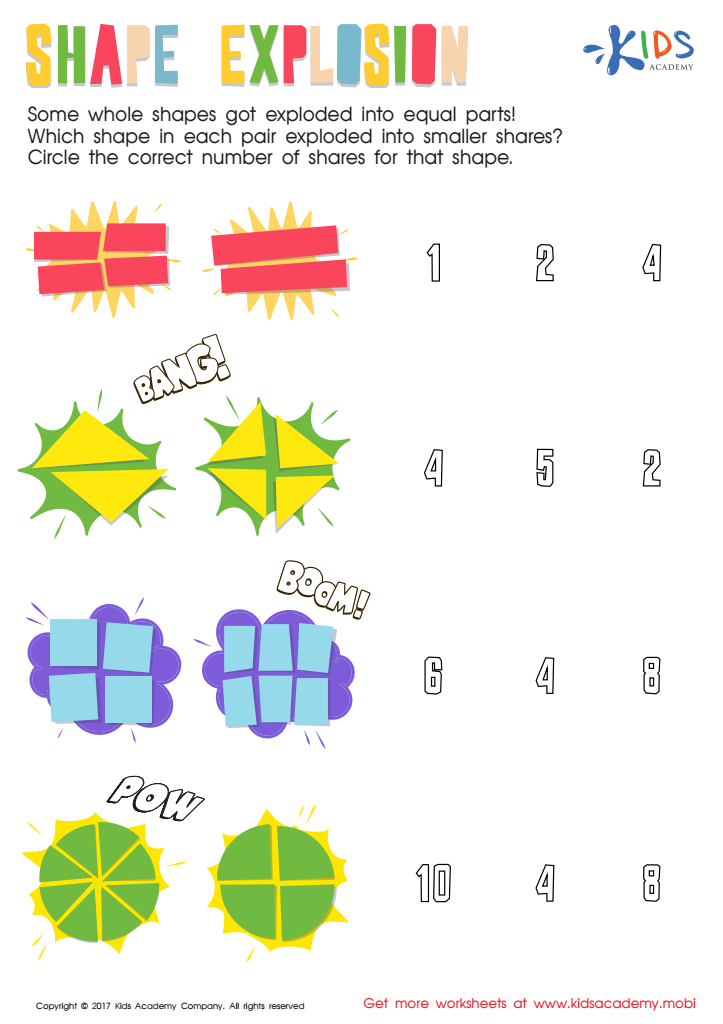
Shape Explosion Worksheet
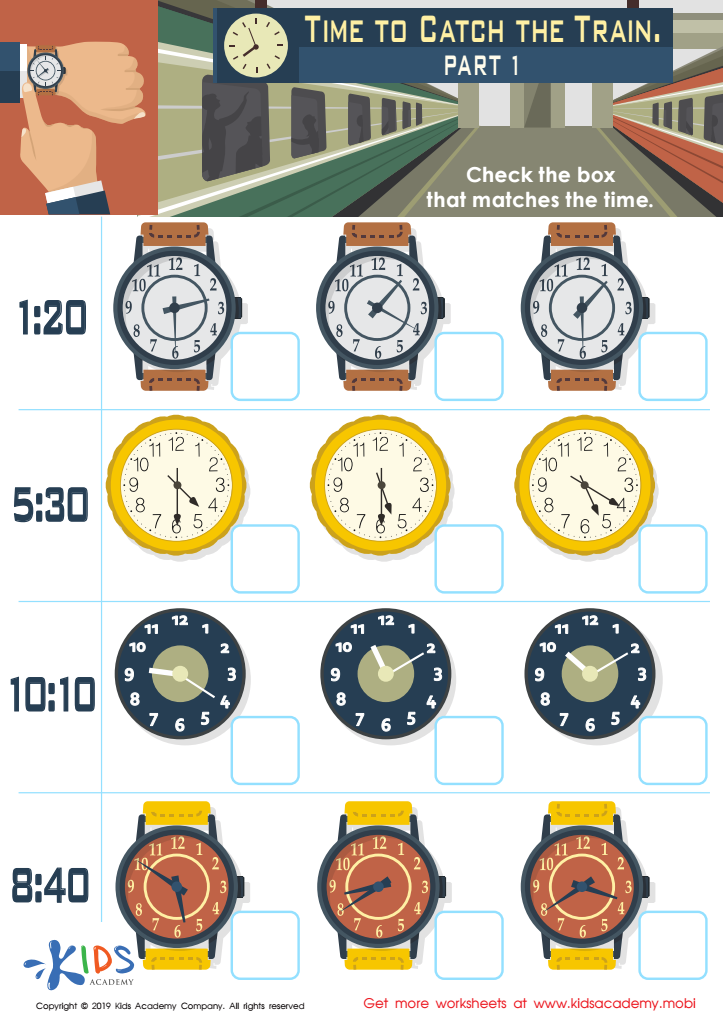
Time to Catch the Train Part 1 Worksheet








Parents and teachers should prioritize basic math application for children ages 5-7 because this foundational skill is essential to their cognitive development and future academic success. During these early years, children’s brains are highly receptive to learning new concepts. Introducing math at this stage fosters critical thinking, problem-solving, and analytical abilities that will benefit them throughout their lives.
Engaging children with basic math helps them understand the world around them. Simple activities like counting objects, identifying shapes, and recognizing patterns build a strong numeracy foundation, making advanced concepts more comprehensible later on. This early proficiency reduces math anxiety, as children gain confidence through familiarity and incremental challenges.
Moreover, incorporating math into everyday play and conversations enhances learning. Children quickly grasp tangible applications, such as sharing toys (division) or comparing quantities (greater than/less than). This relevance makes math relatable and reinforces its importance in daily life.
Strong basic math skills also correlate with academic achievement beyond mathematics. Studies show that early math competencies predict later success in reading and other subjects, as many skills overlap, such as sequence knowledge and logical reasoning.
Investing time in nurturing these skills equips children with the tools they need for both academic and real-world situations, laying a robust foundation for lifelong learning and success.








