Critical Thinking Math Worksheets for Ages 5-7 - Page 2
44 filtered results
-
From - To
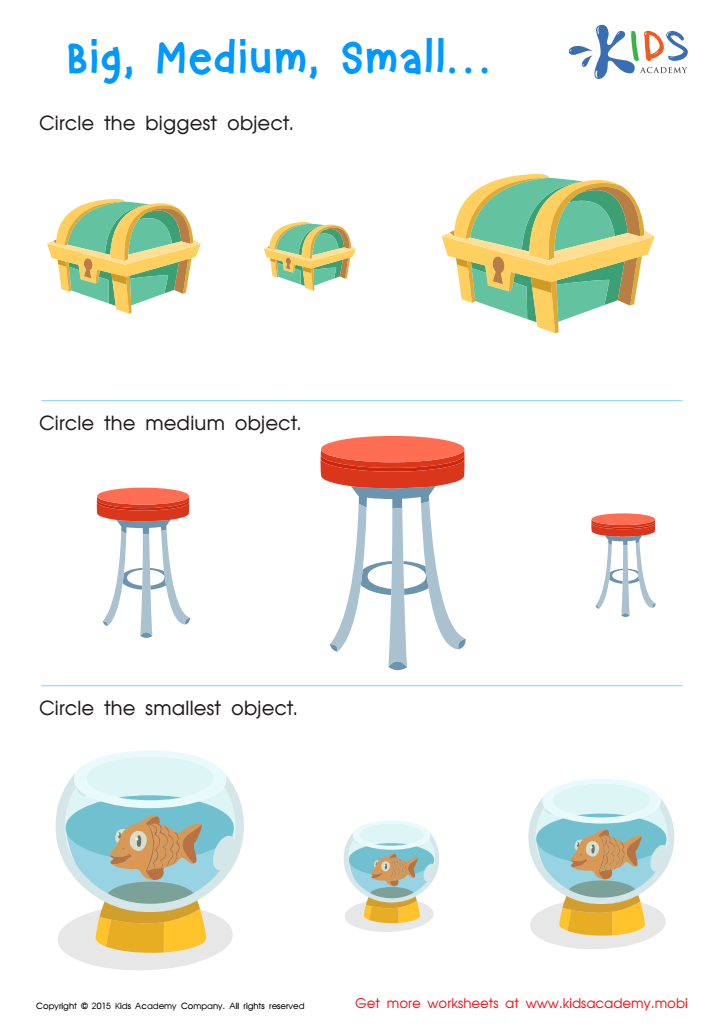
Big Medium Small Worksheet
 Assign to My Students
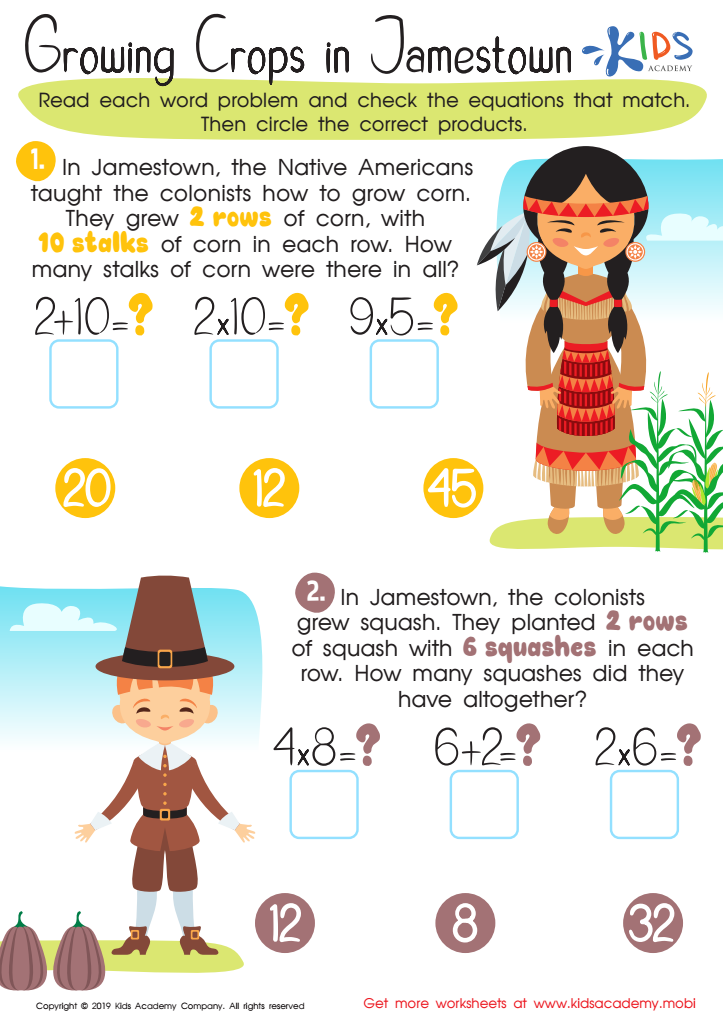
Growing Jamestown Worksheet
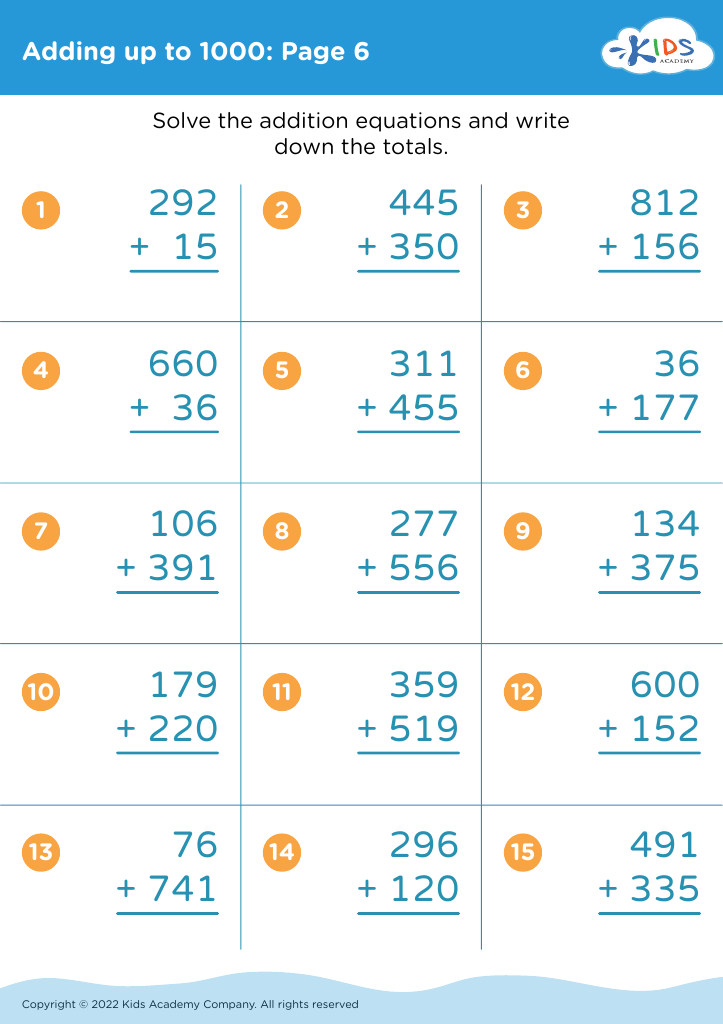
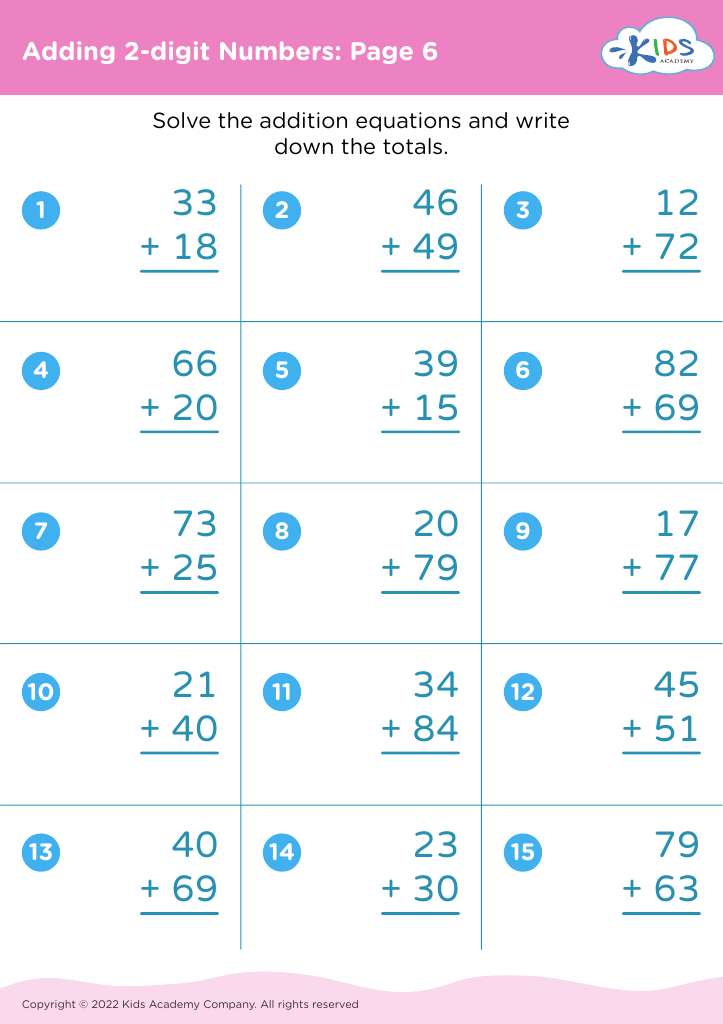
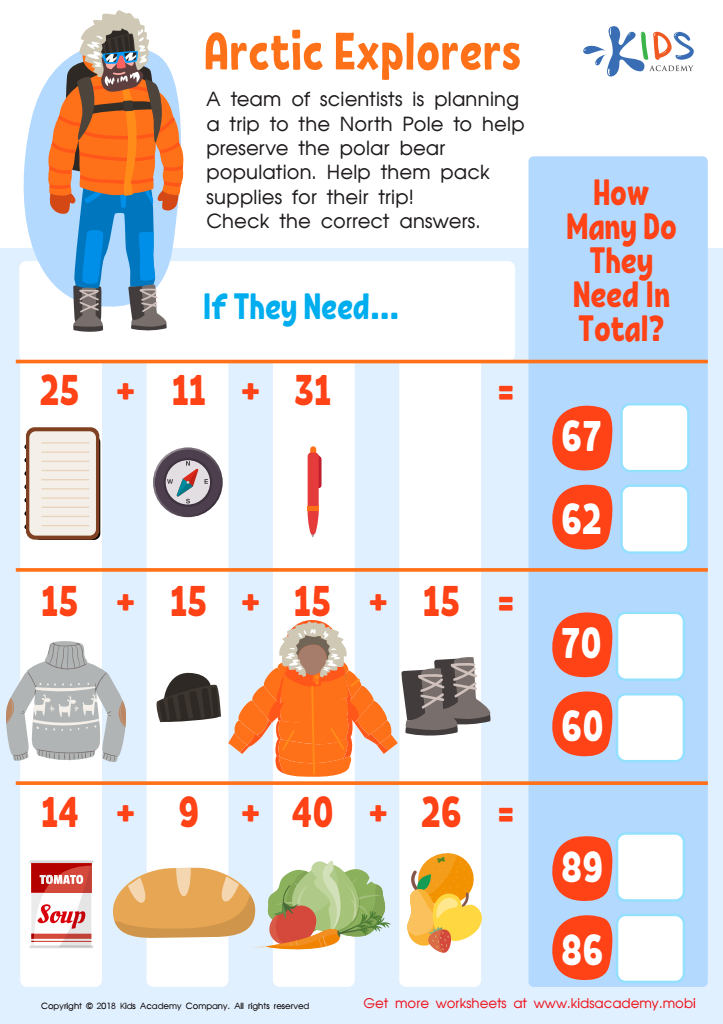
Arctic Explorers Worksheet
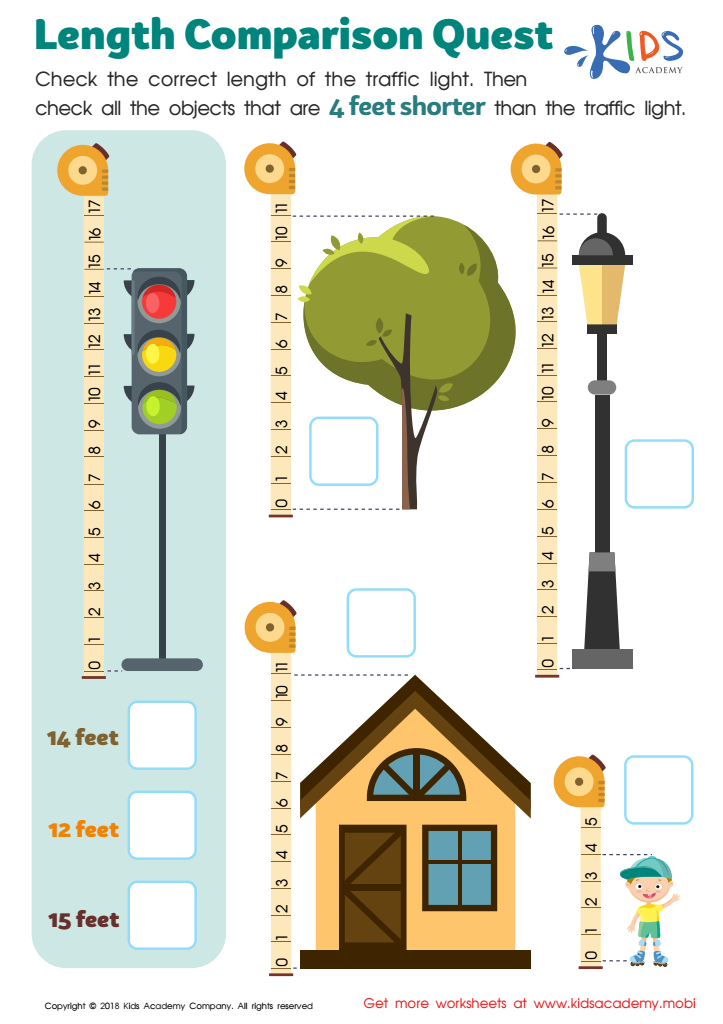
Length Comparison Quest Worksheet
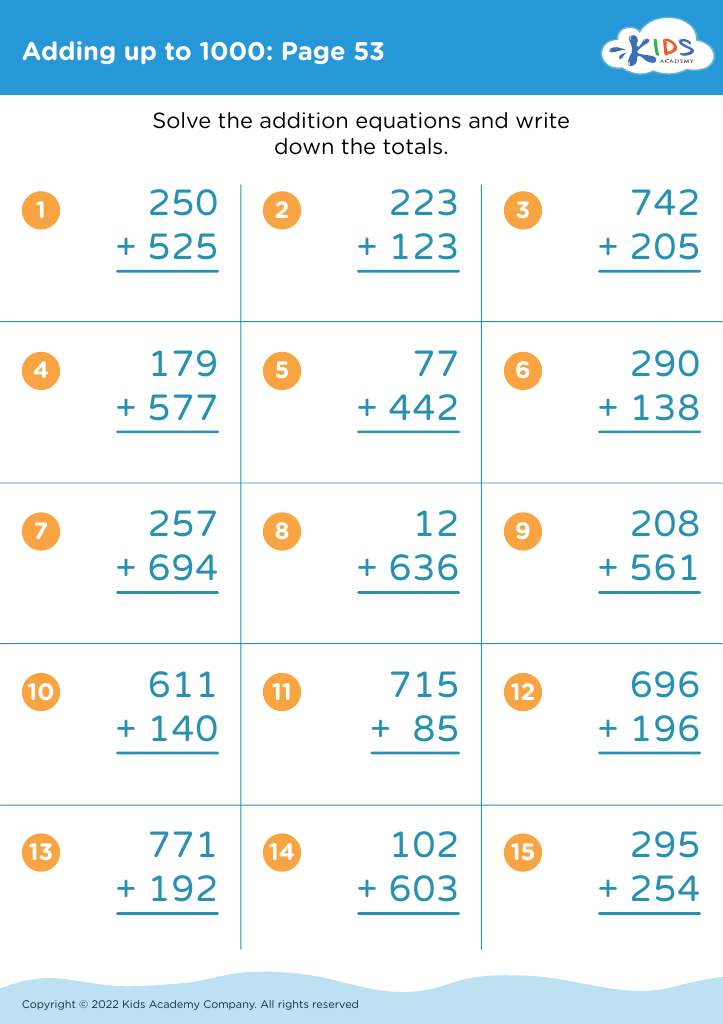
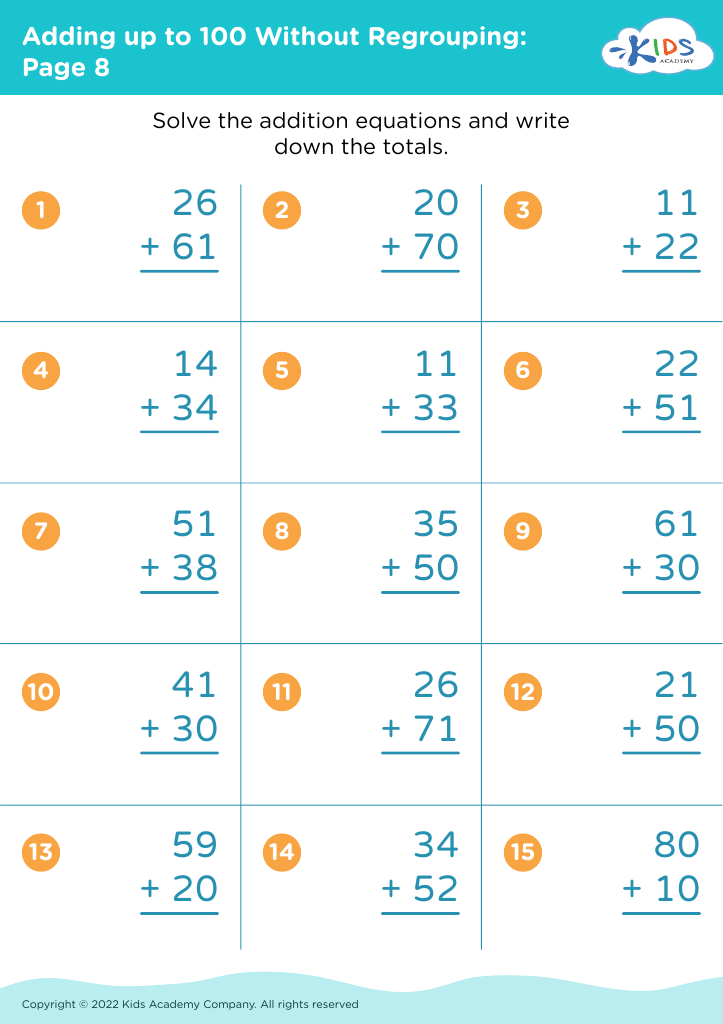
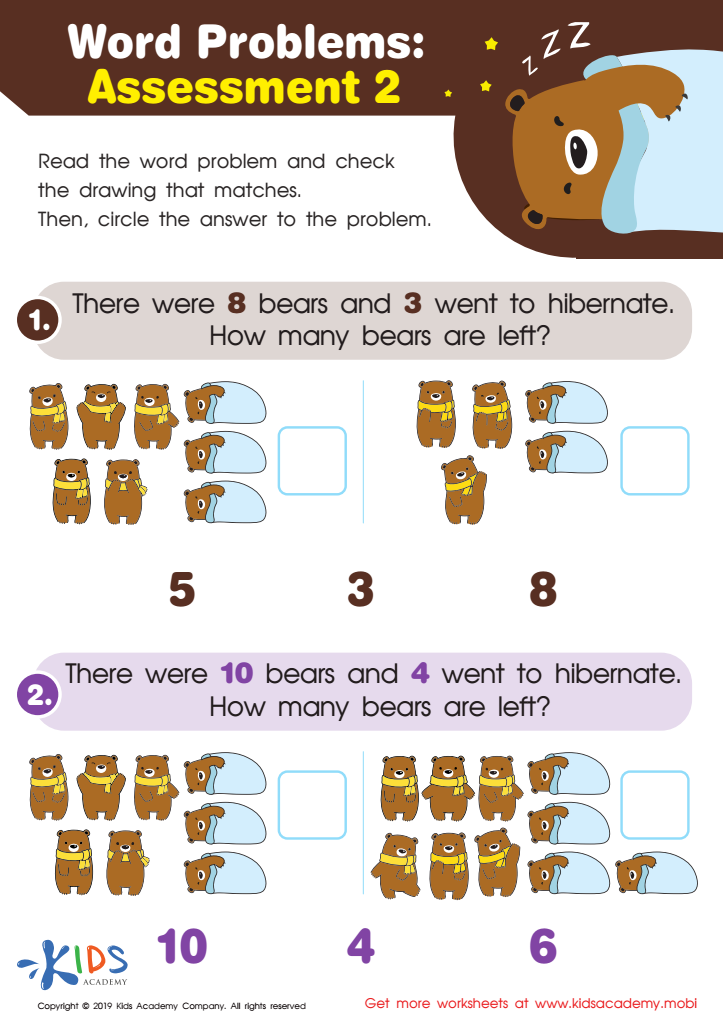
Word Problems: Assessment 2 Worksheet
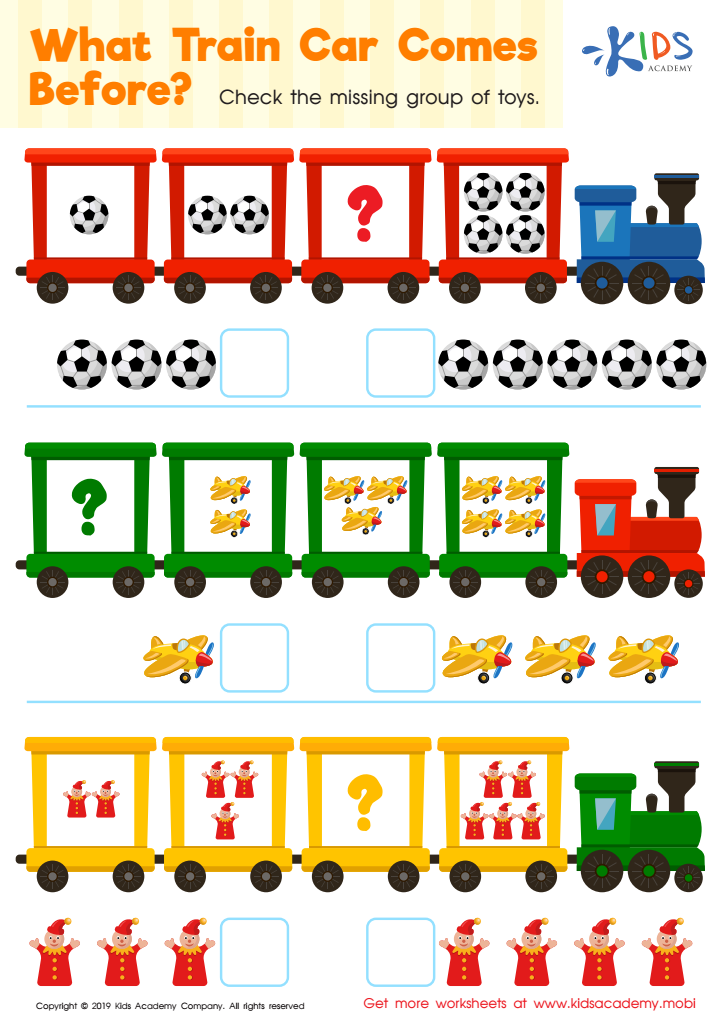
What Train Car Comes Before? Worksheet
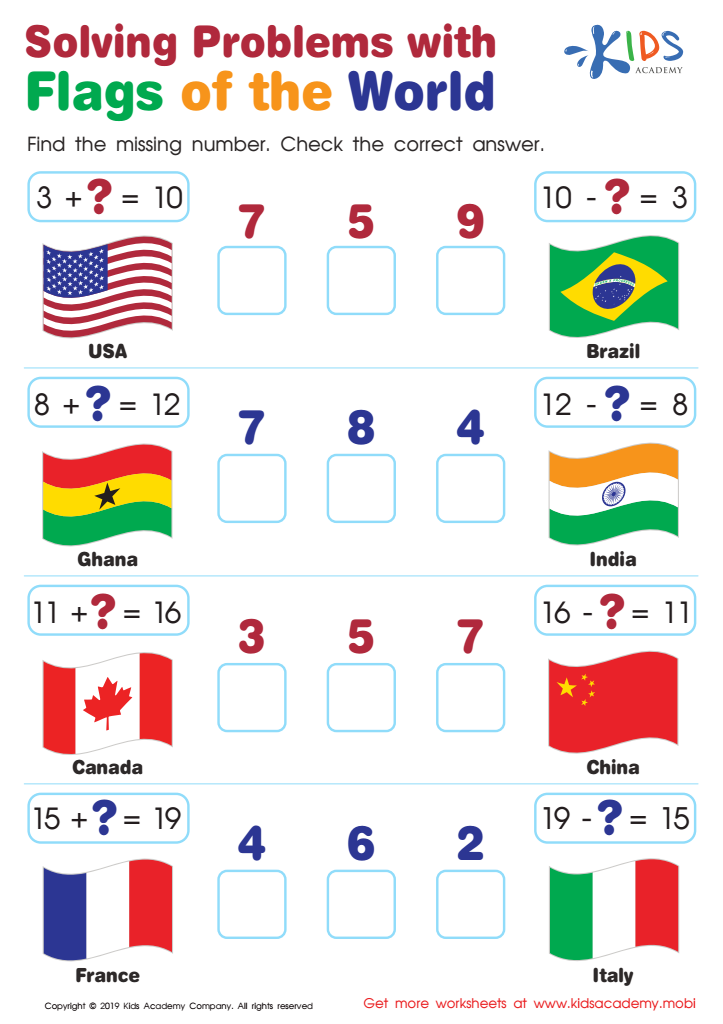
Solving Problems with Flags of the World Worksheet
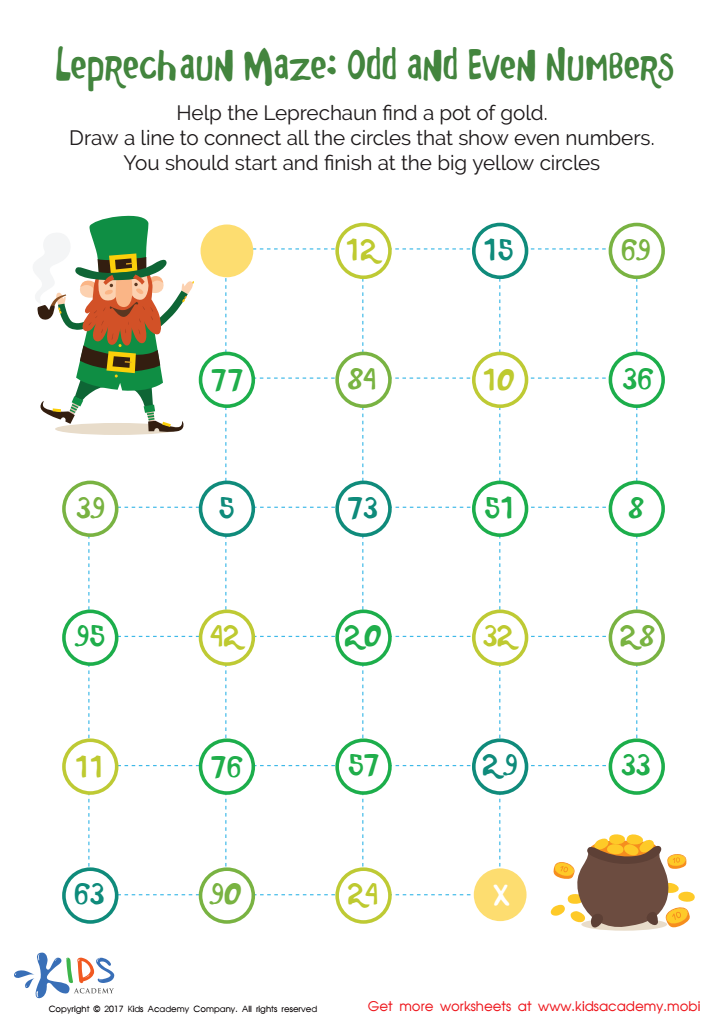
Leprechaun Maze Printable
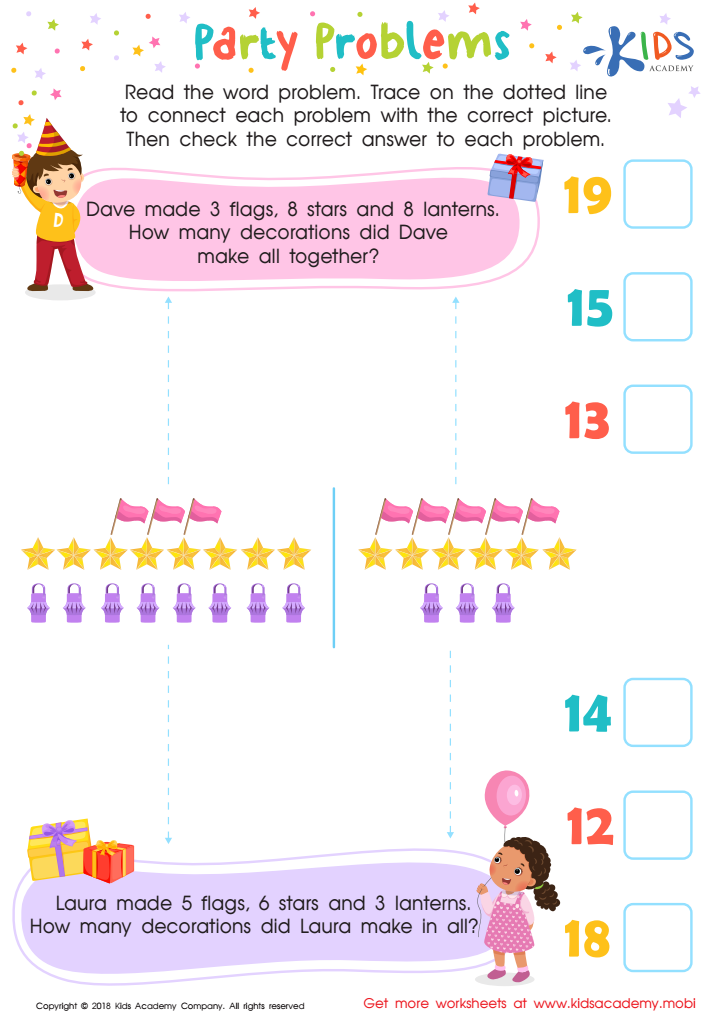
Party Problems Worksheet
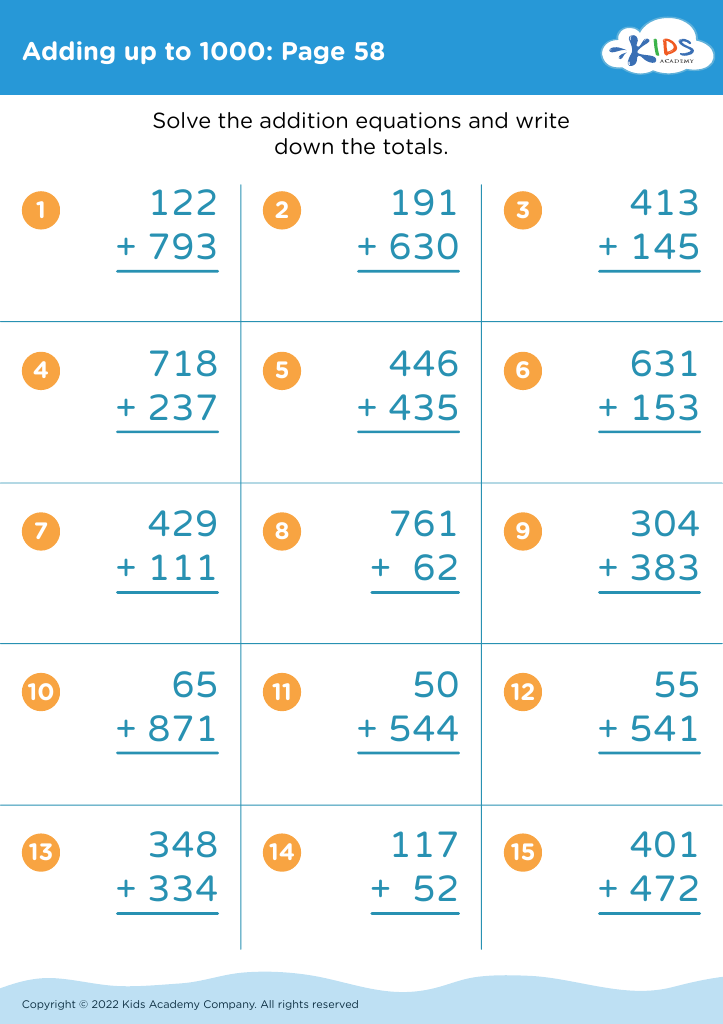
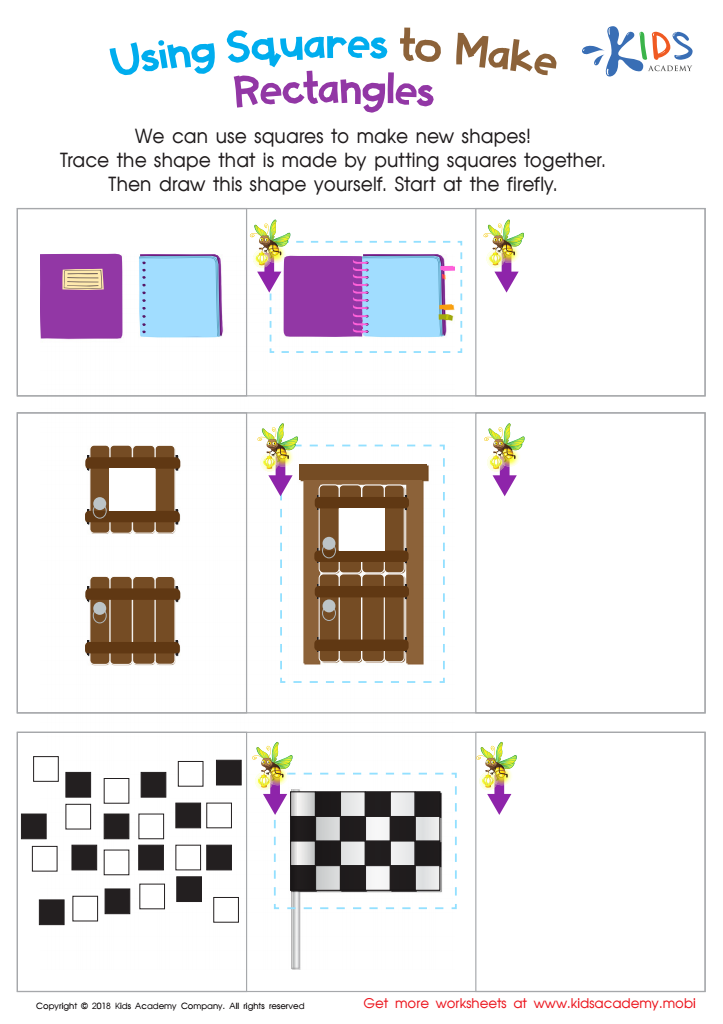
Using Squares to Make Rectangles Worksheet
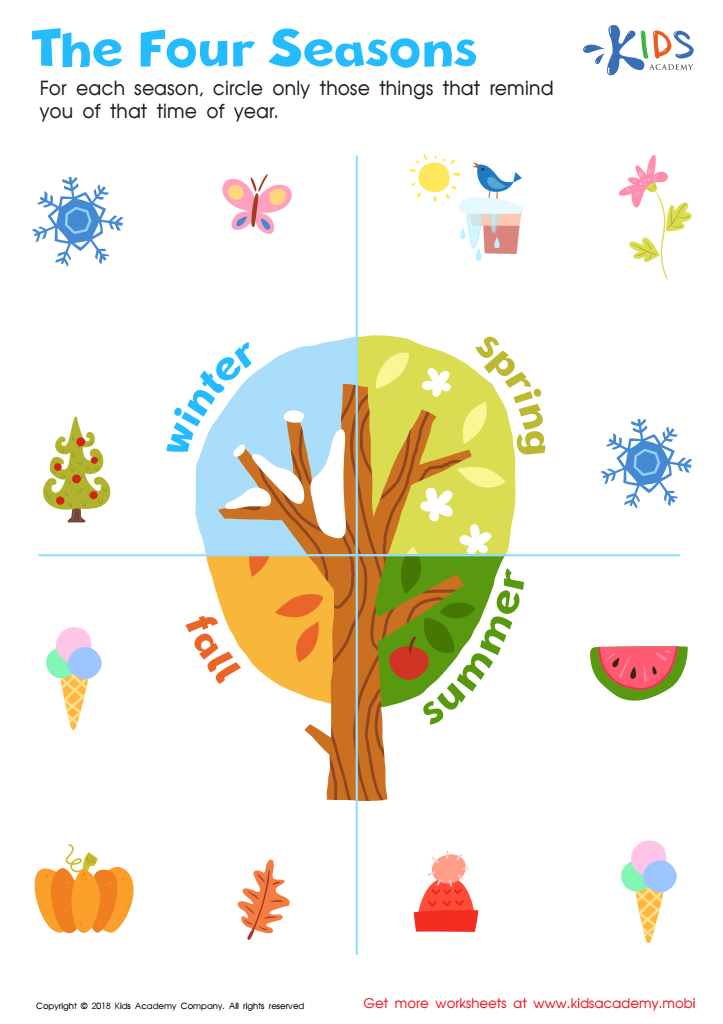
The Four Seasons Worksheet
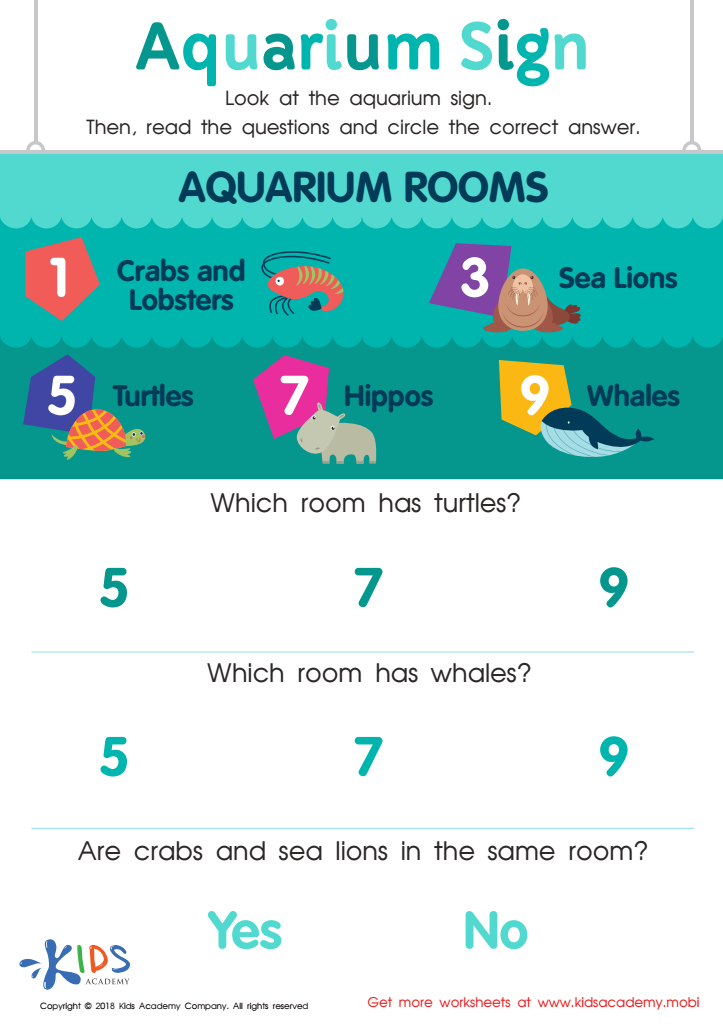
Assessment: Aquarium Sign Worksheet
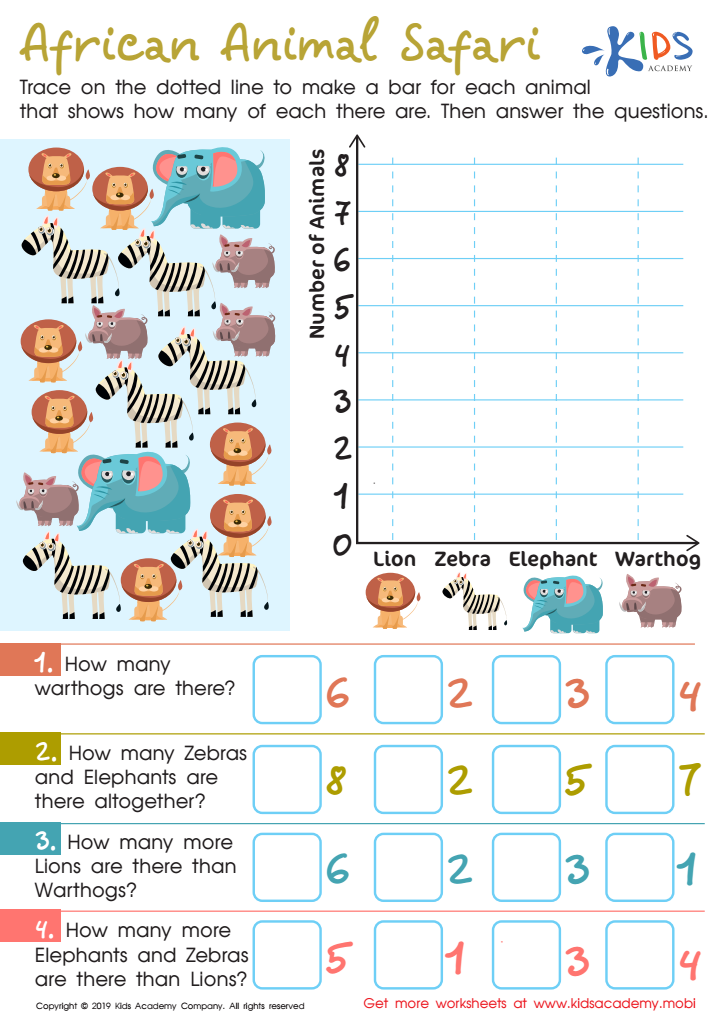
African Animal Safari Worksheet








Parents and teachers should care about Critical Thinking Math for ages 5-7 because it lays the foundation for essential skills that students will use throughout their lives. Engaging young children in critical thinking math activities helps develop their problem-solving abilities, logical reasoning, and decision-making skills. At this age, children's brains are rapidly developing, making it an optimal time to introduce these concepts.
Critical thinking math challenges children to think deeply and approach problems from various angles, which fosters creativity and resilience. It helps them understand not only the "how" but also the "why" behind mathematical concepts. For example, when solving puzzles or story problems, children practice breaking down complex problems into manageable steps. This skill is valuable not just in math, but in everyday situations that require thoughtful decision-making.
Furthermore, early exposure to critical thinking math enhances academic performance and builds confidence. Children who develop these skills early are more likely to excel in higher-level math and other subjects, as they are better equipped to handle more complex concepts. Additionally, critical thinking skills are highly prized in today's workforce, making early development a predictor of future success.
In summary, nurturing critical thinking math in young children equips them with skills that support their academic and personal growth, laying a strong foundation for lifelong learning and problem-solving.








