Developing analytical skills Math Worksheets for Ages 5-7
4 filtered results
-
From - To
Unlock your child's potential with our "Developing Analytical Skills Math Worksheets" designed specifically for ages 5-7. Our engaging, interactive activities focus on enhancing critical thinking, problem-solving, and decision-making abilities through fun math exercises. These worksheets foster an understanding of patterns, comparisons, and logic, laying a solid foundation for future learning. Ideal for both classroom and home environments, they cater to diverse learning styles and abilities, ensuring an effective and enjoyable learning experience. Encourage your young learners to think outside the box while honing their analytical skills, setting them up for academic success. Explore our collection today and watch them thrive!
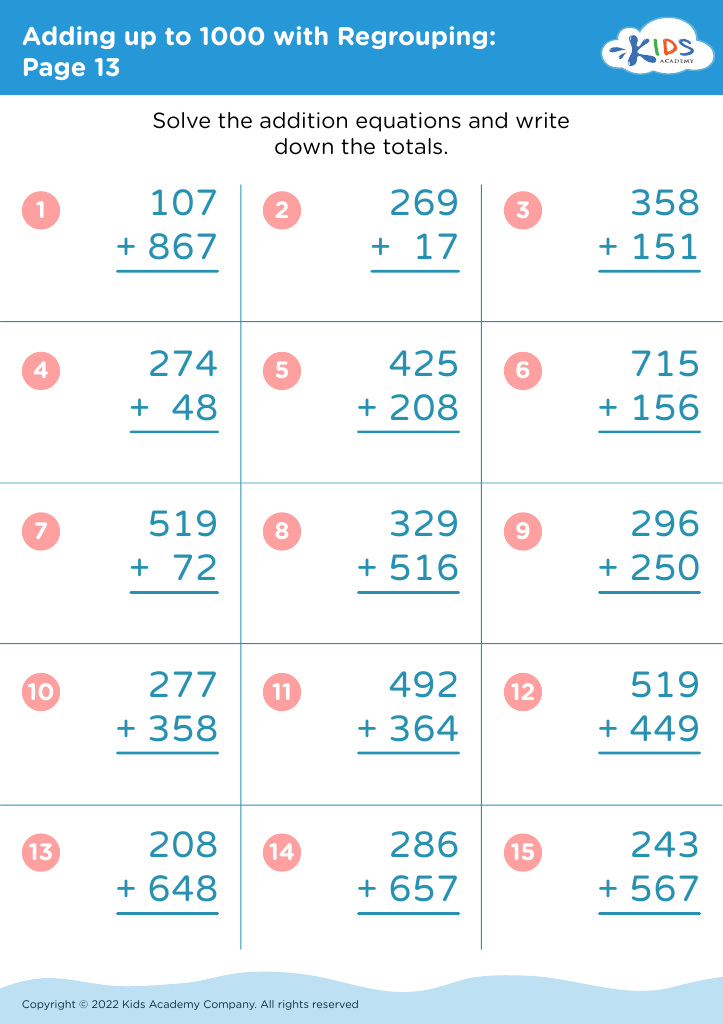
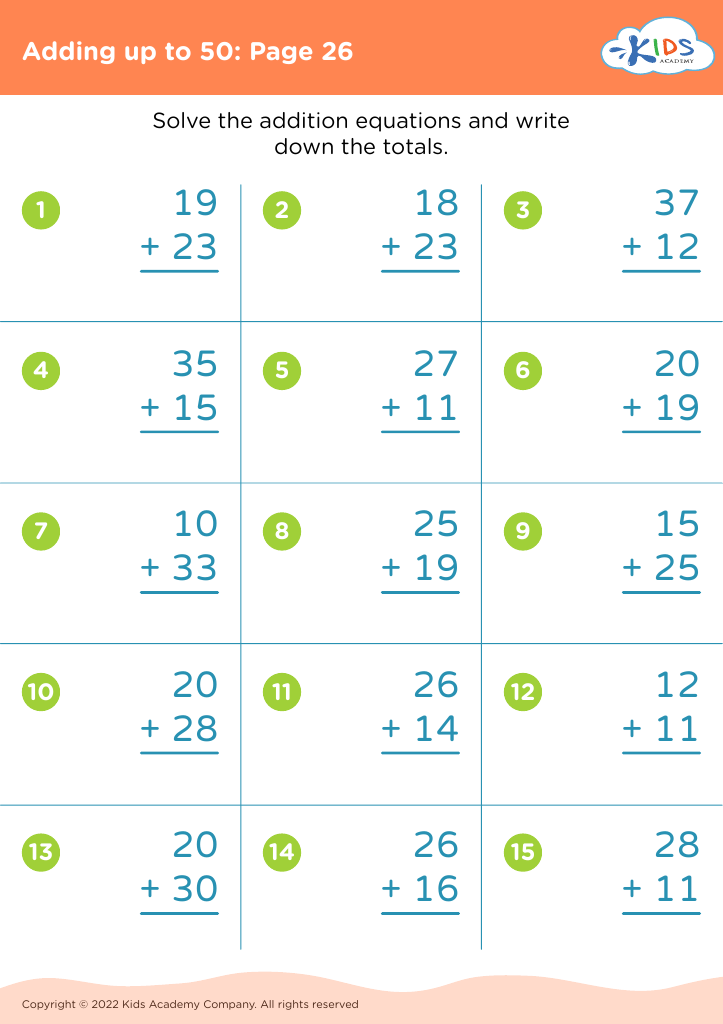

Heavy or Light? Worksheet
 Assign to My Students
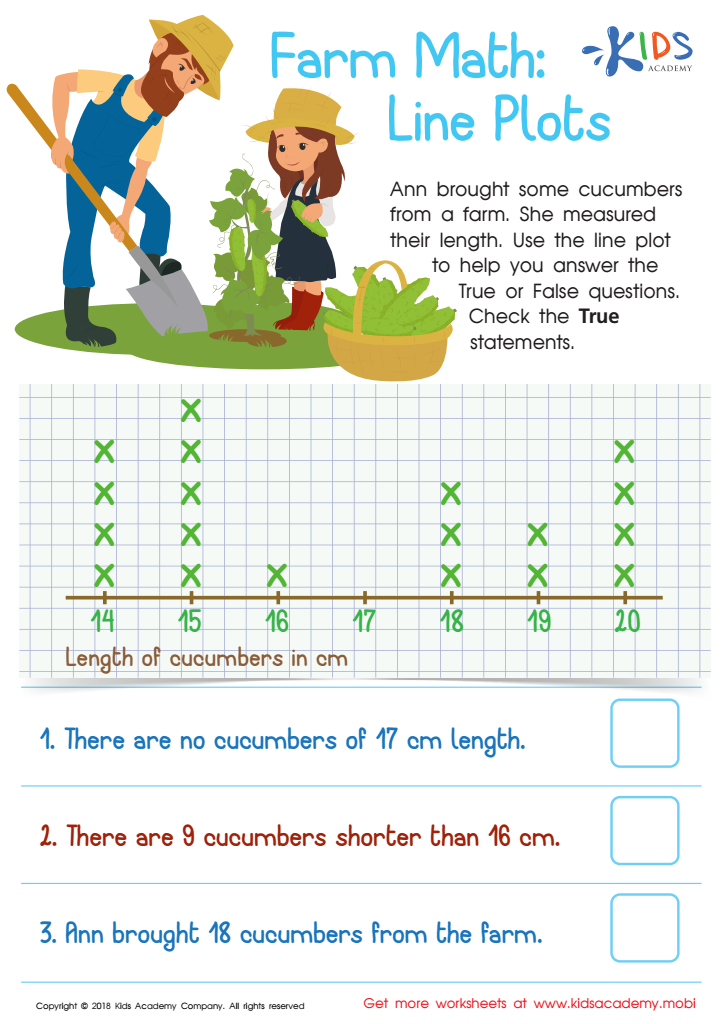
Farm Math: Line Plots Worksheet






.jpg)

Developing analytical skills in mathematics for children aged 5-7 is crucial for fostering a solid foundation in their overall cognitive and problem-solving abilities. At this age, children's brains are highly receptive to learning, and incorporating analytical thinking in math helps them make sense of numerical concepts and build confidence in their skills.
Analytical skills allow young learners to analyze patterns, recognize relationships, and draw logical conclusions. These skills not only enhance mathematical competence but also promote critical thinking and reasoning, which are essential in everyday situations. By engaging children in activities that encourage exploration and reasoning—such as puzzles, sorting games, and story-based problems—parents and teachers can nurture their ability to approach problems systematically.
Moreover, early development of analytical skills can lead to greater success in higher mathematics and academic subjects later in life, paving the way for future opportunities. Fostering a positive attitude toward math during these formative years can also help combat the common fear of math, ensuring children view it as an enjoyable and rewarding subject.
Ultimately, investing in the development of analytical skills in young learners lays the groundwork for a lifetime of curiosity, confidence, and academic achievement.








