Hand-eye Coordination Math Worksheets for Ages 5-7 - Page 3
62 filtered results
-
From - To
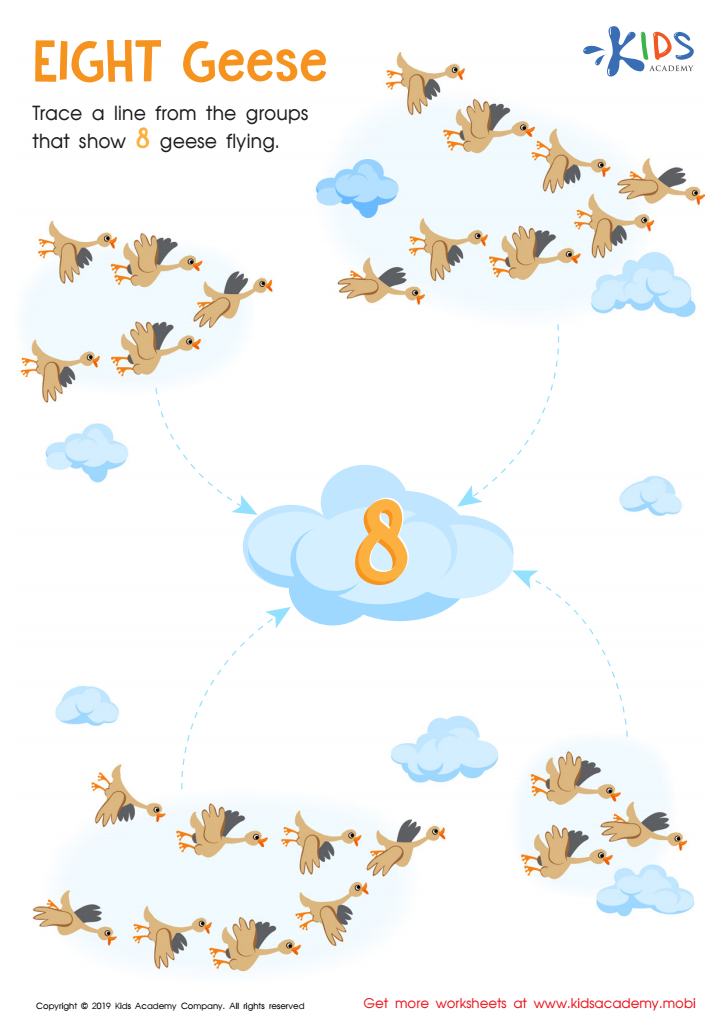
Eight Geese Worksheet
 Assign to My Students
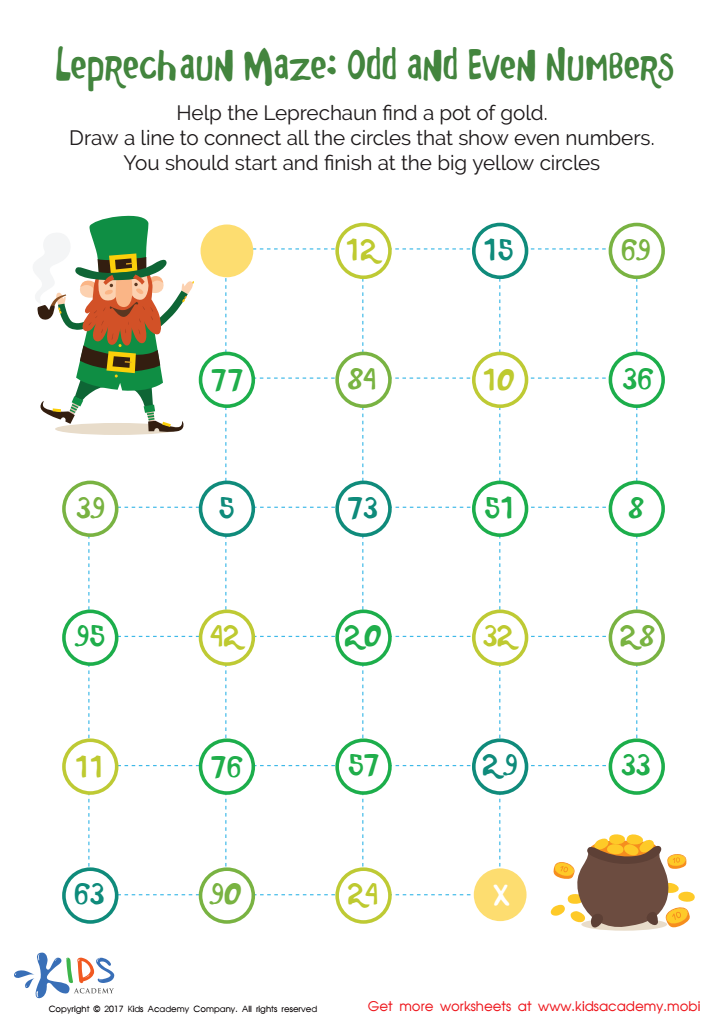
Leprechaun Maze Printable
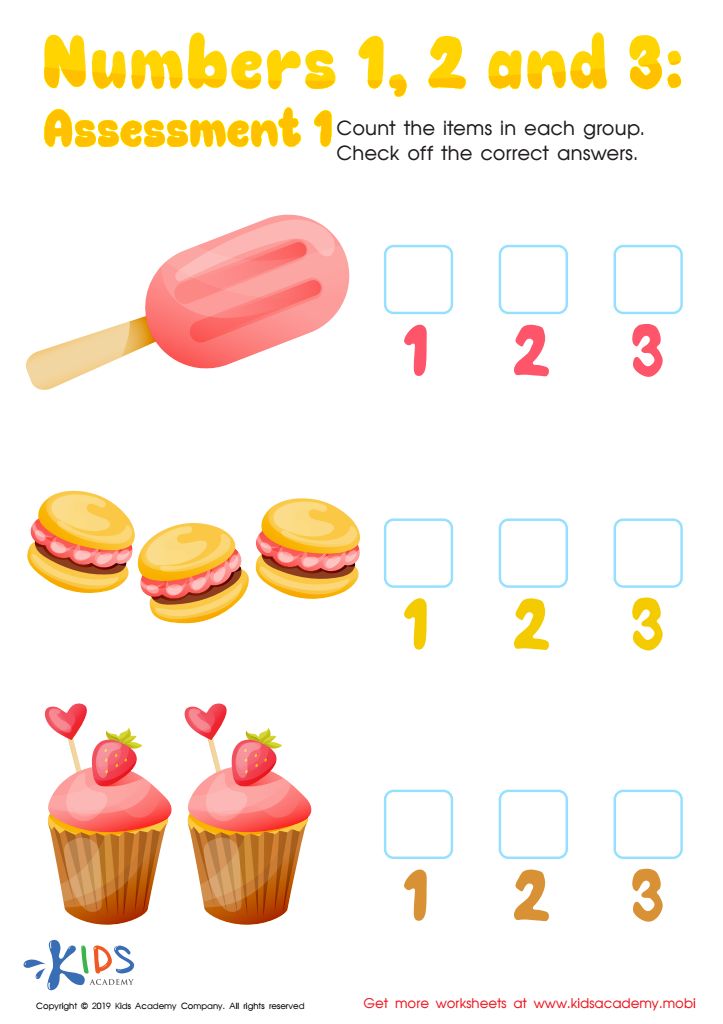
Numbers 1, 2 and 3: Assessment 1 Worksheet
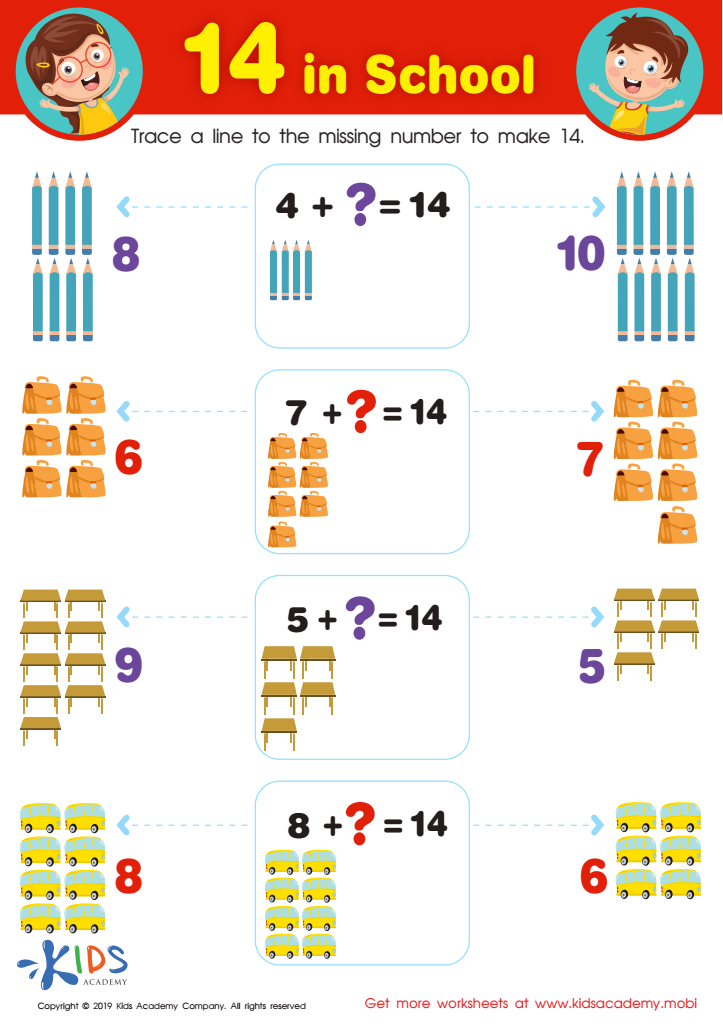
14 in School Worksheet
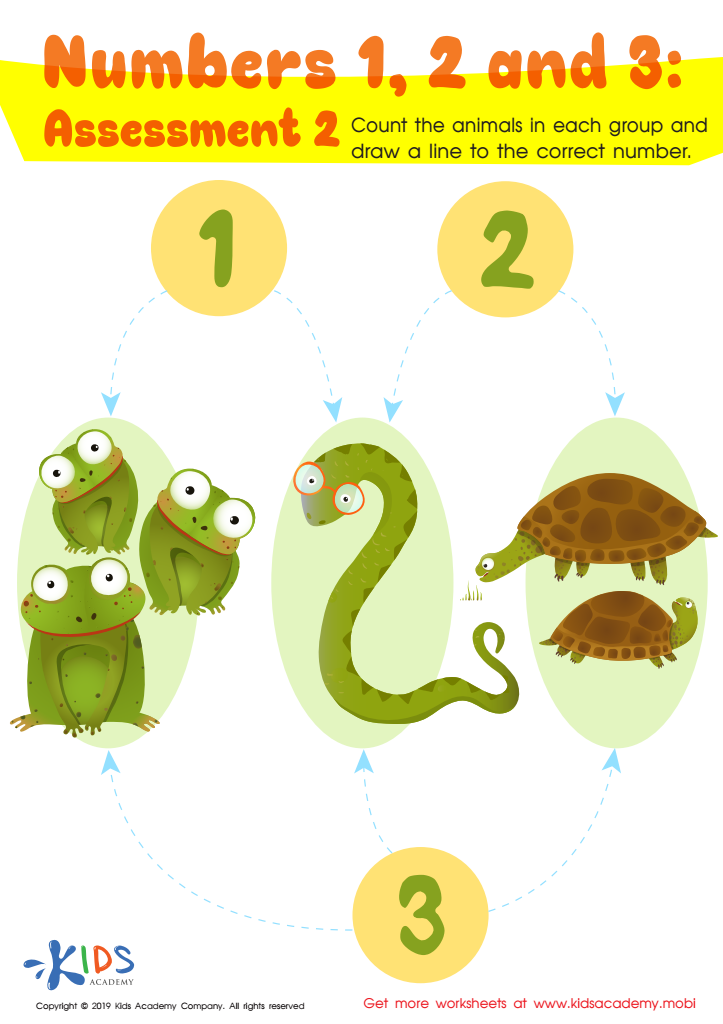
Numbers 1, 2 and 3: Assessment 2 Worksheet
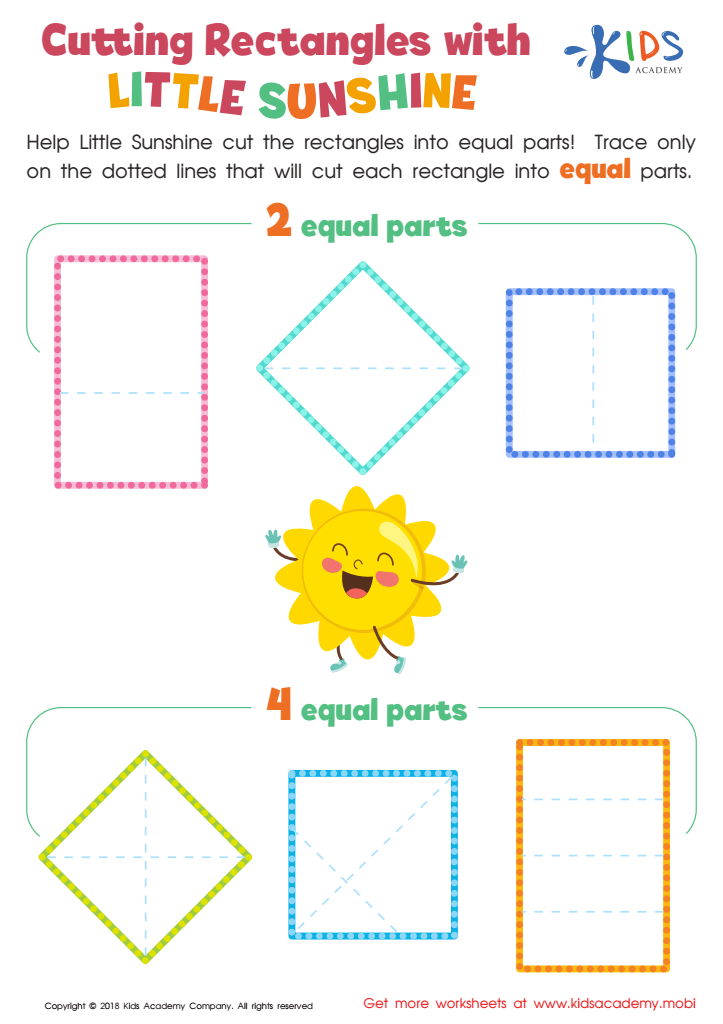
Cutting Rectangles with Little Sunshine Worksheet
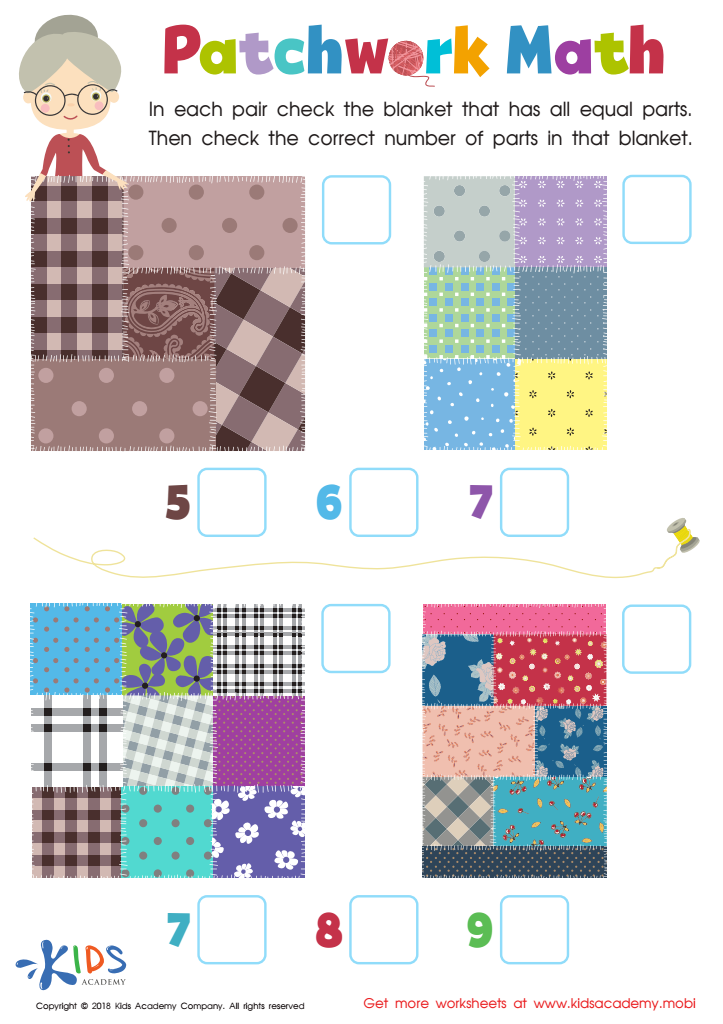
Patchwork Math Worksheet
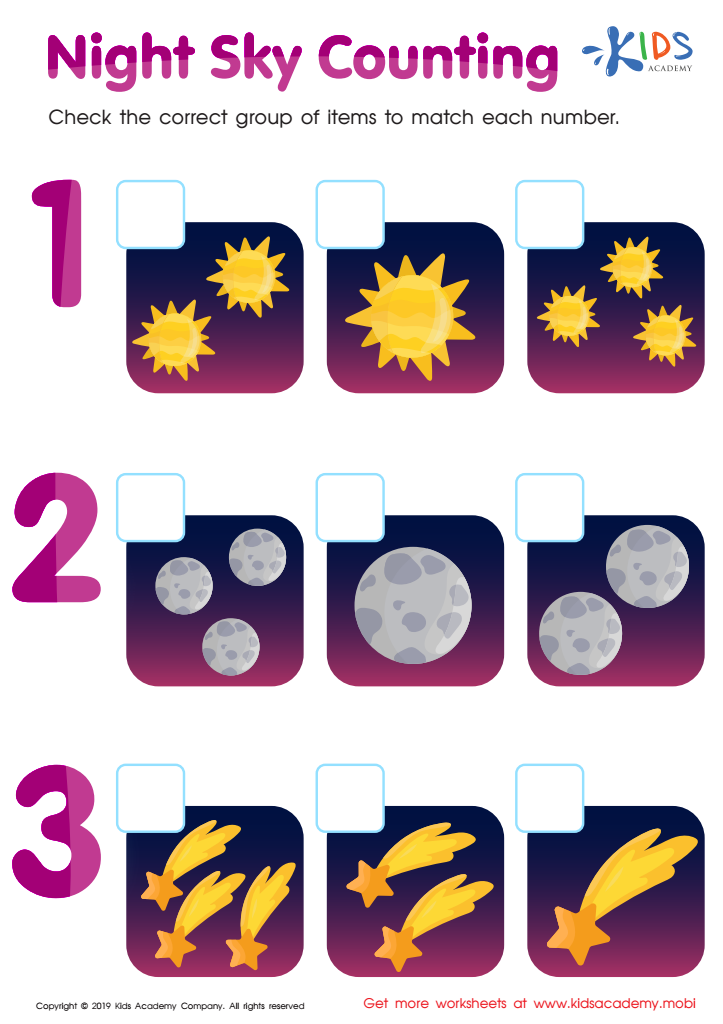
Night Sky Counting Worksheet
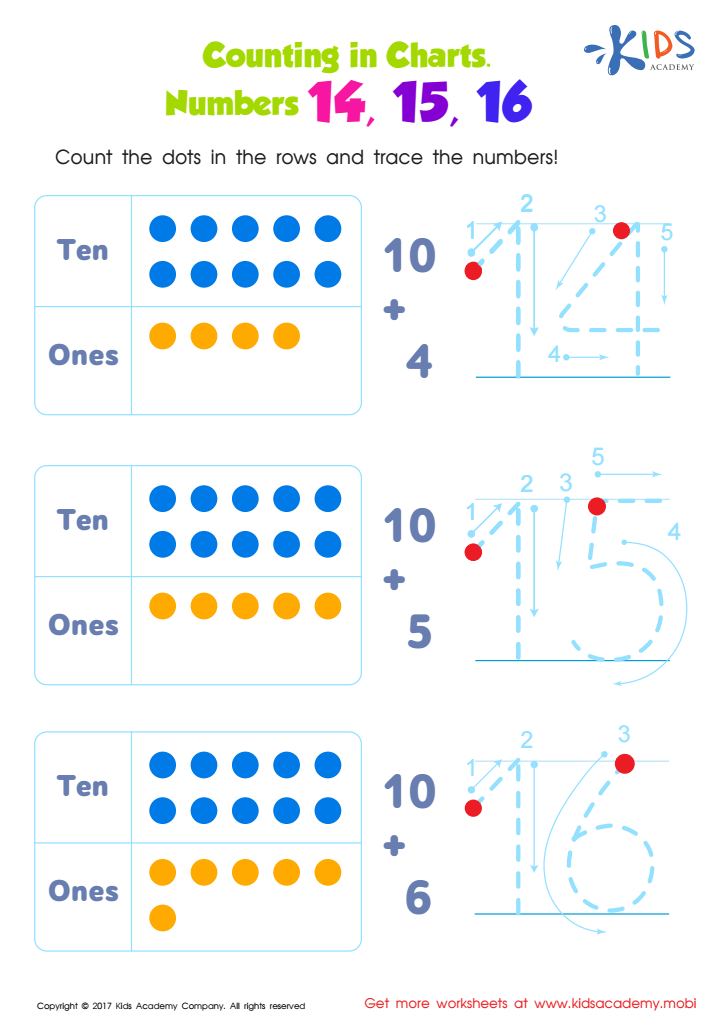
Number Tracing Worksheet
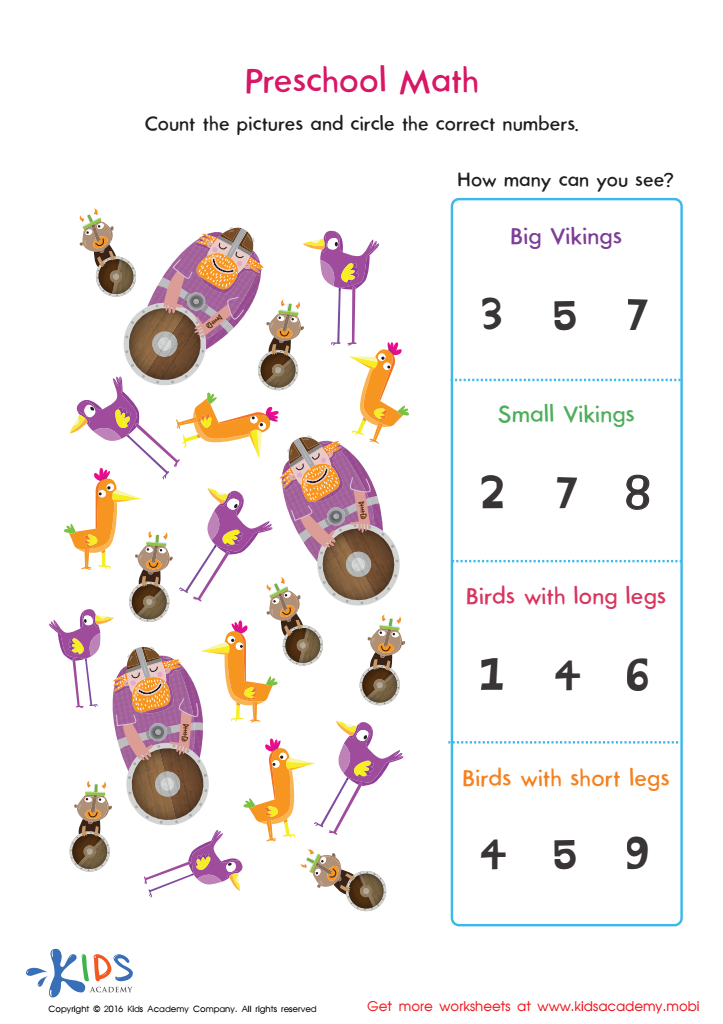
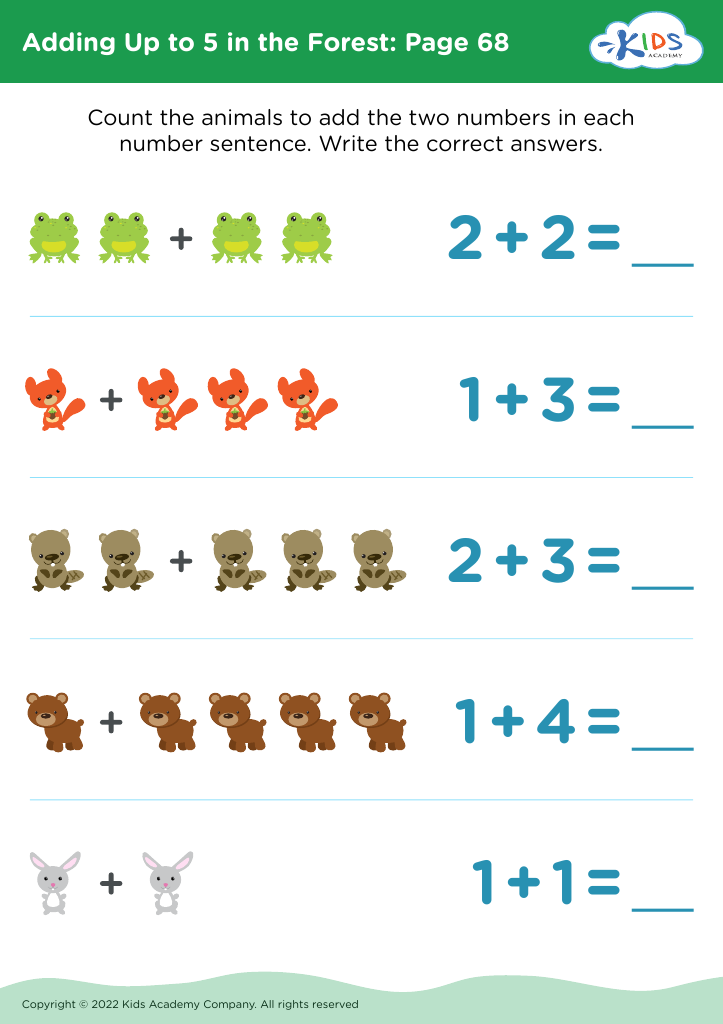
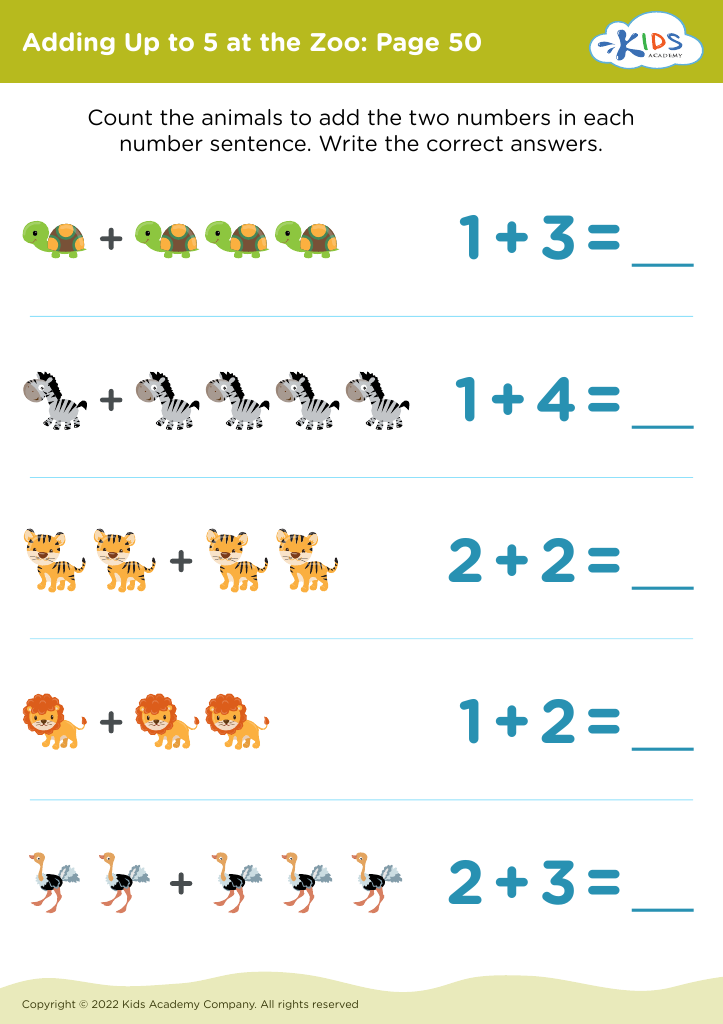








Hand-eye coordination is a crucial developmental skill for children ages 5-7, particularly in the context of learning math. This period marks an important stage in cognitive and motor skill development, where foundational math concepts begin to take shape. Incorporating hand-eye coordination activities into math education can significantly enhance a child's ability to understand and engage with numerical concepts.
When children use their hands to manipulate objects—such as counting blocks, sorting shapes, or drawing numbers—they are not only learning math but also fine-tuning their motor skills. These tasks require precise hand movements paired with visual information processing, leading to improved coordination. As a result, children develop stronger spatial awareness and a better grasp of mathematical concepts like addition, subtraction, and geometry.
Additionally, hands-on activities make learning more enjoyable, providing a multisensory experience that caters to various learning styles. By fostering a positive learning environment where math feels tangible and fun, parents and teachers can cultivate a love for the subject early on. Ultimately, supporting hand-eye coordination in math will empower children to build confidence in their abilities and lay a solid foundation for future learning in both mathematical and everyday contexts.








