Learn new vocabulary Math Worksheets for Ages 5-7
4 filtered results
-
From - To
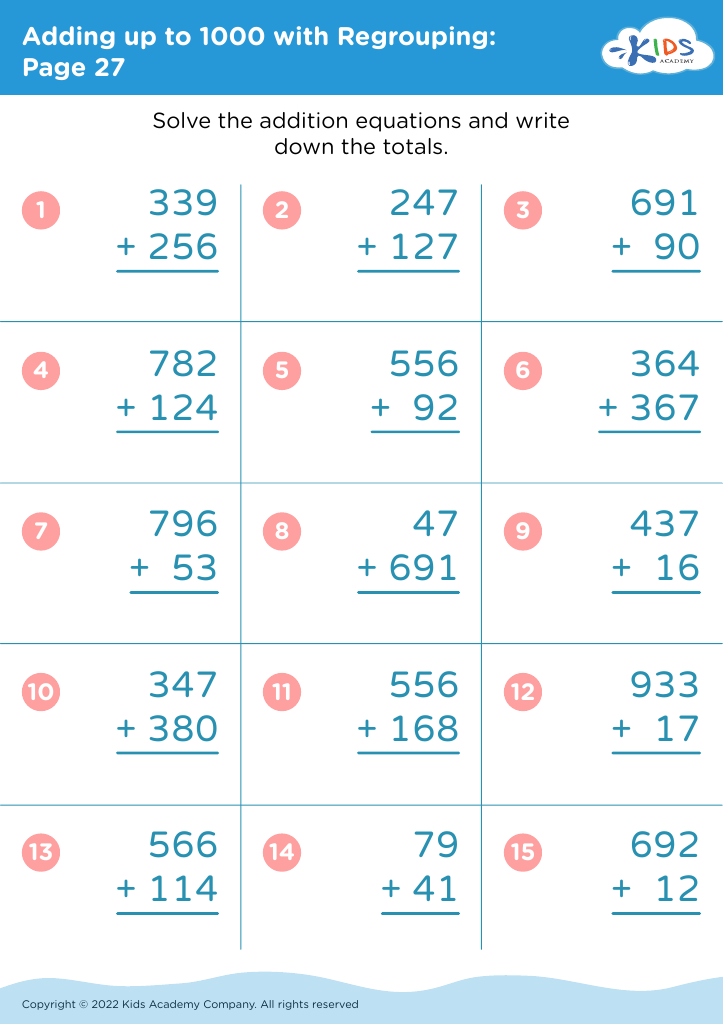
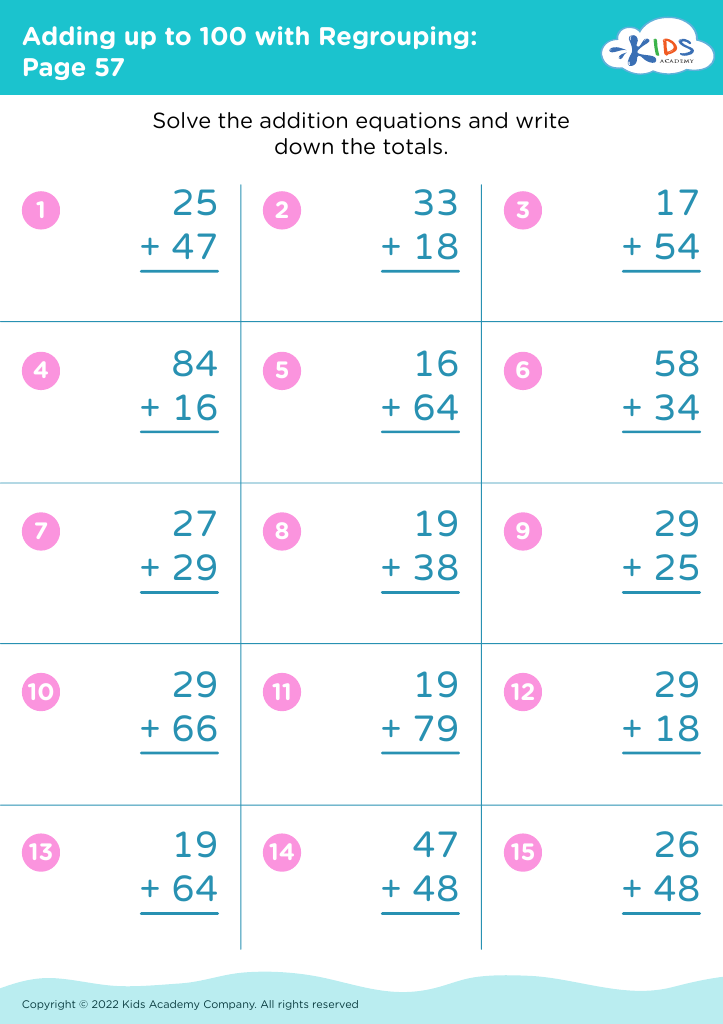
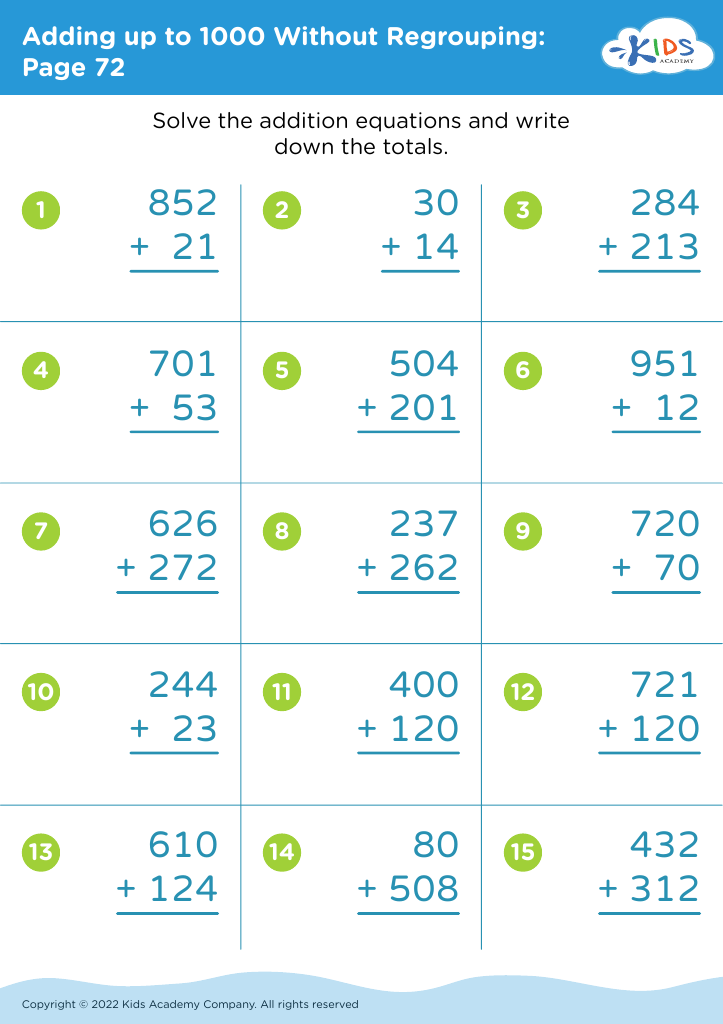
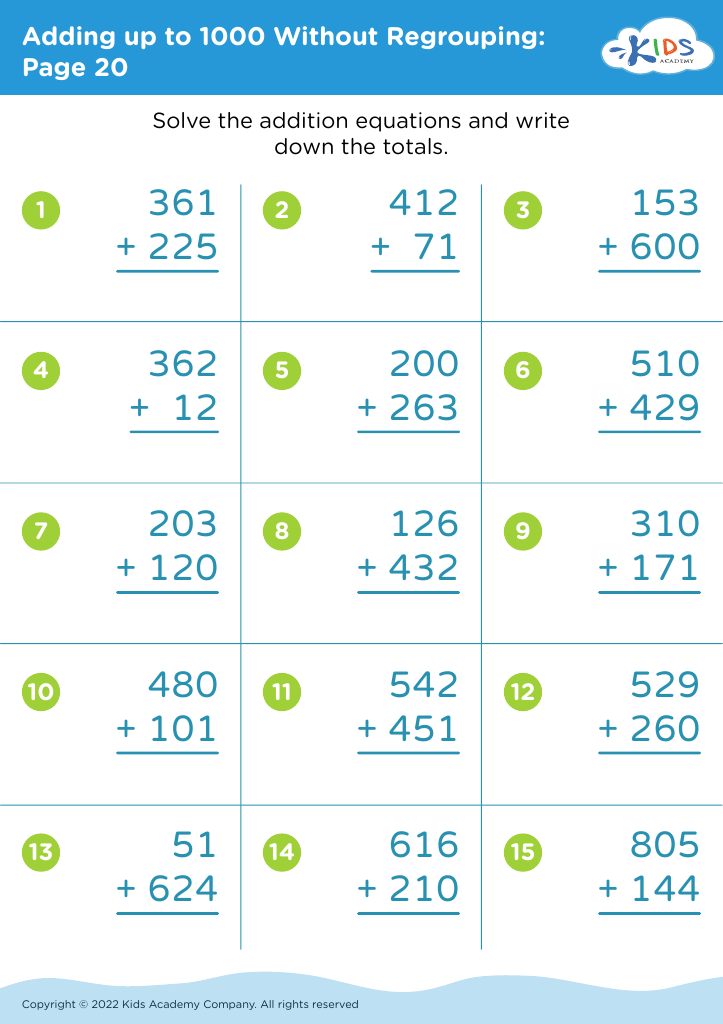
Discover a world of learning with our "Learn New Vocabulary Math Worksheets" designed specifically for children ages 5-7. These engaging worksheets provide young learners with the opportunity to expand their math vocabulary while enhancing their understanding of key concepts. Featuring colorful visuals and fun activities, our resources make learning enjoyable and interactive. Your child will explore terms associated with addition, subtraction, shapes, and more, ensuring a strong foundation in mathematical language. Encourage curiosity and confidence in your young mathematician today! Download our worksheets and watch your child thrive as they unlock the exciting world of math vocabulary!







Parents and teachers should prioritize teaching new vocabulary related to math for young learners aged 5-7 because vocabulary forms the foundation of understanding complex concepts. Early math vocabulary, such as "addition," "subtraction," "greater than," and "equals," helps children articulate mathematical ideas and processes, fostering a more profound comprehension of the subject.
At this crucial stage, children are developing their cognitive abilities and language skills. Introducing math vocabulary enhances their communication skills, enabling them to express their thoughts and reasoning clearly. Moreover, a strong grasp of math-related language supports problem-solving and critical thinking, which are essential for academic success.
Additionally, understanding math vocabulary helps children to connect their knowledge with real-world situations. For instance, recognizing terms related to measurement, counting, and shapes allows them to apply math in everyday life, encouraging practical learning experiences.
Furthermore, building a strong vocabulary in math can increase children's confidence in their abilities. As they become more comfortable with terms and concepts, they are more likely to engage in discussions and ask questions, fostering a positive learning environment. By emphasizing math vocabulary, educators and parents equip children with essential tools for their future educational journeys.








