Motor skills development Math Worksheets for Ages 5-7
6 filtered results
-
From - To
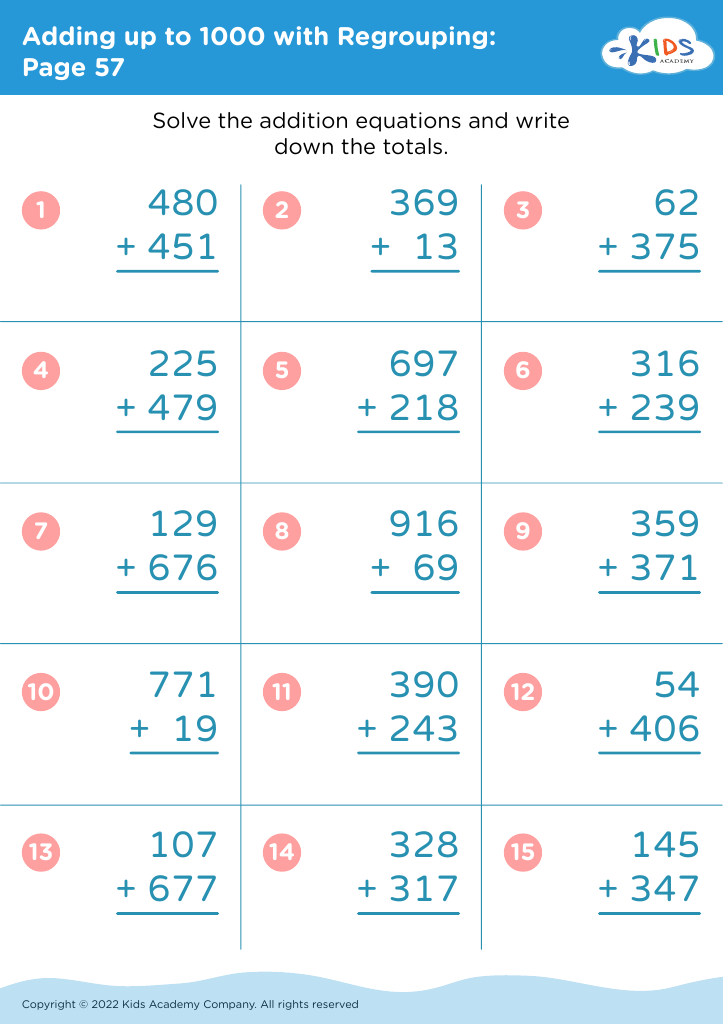
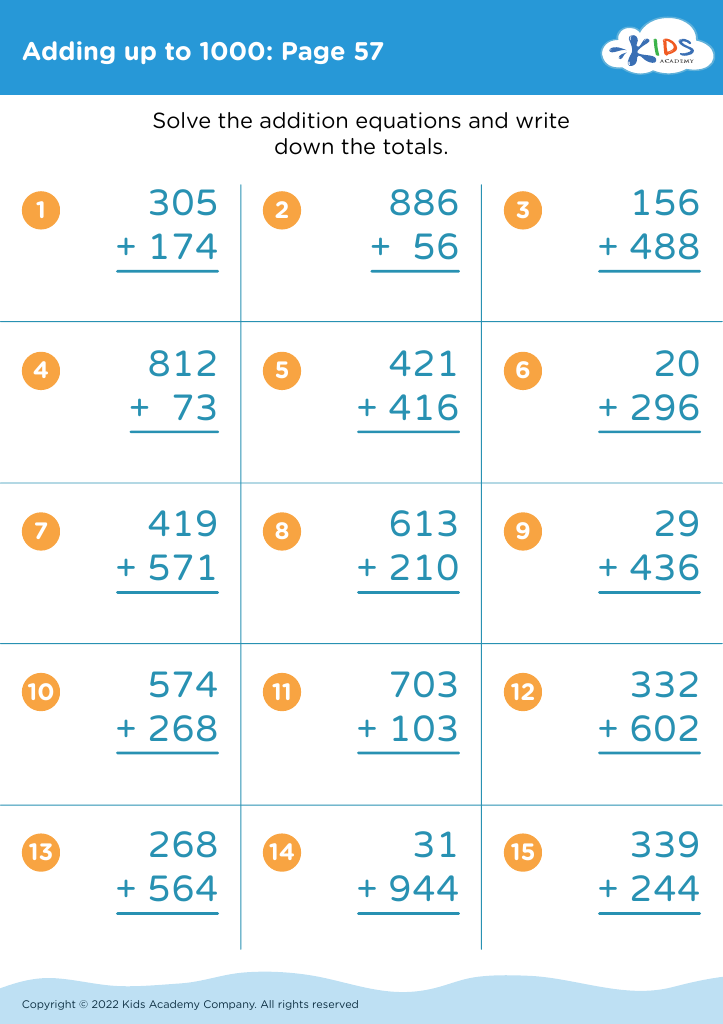
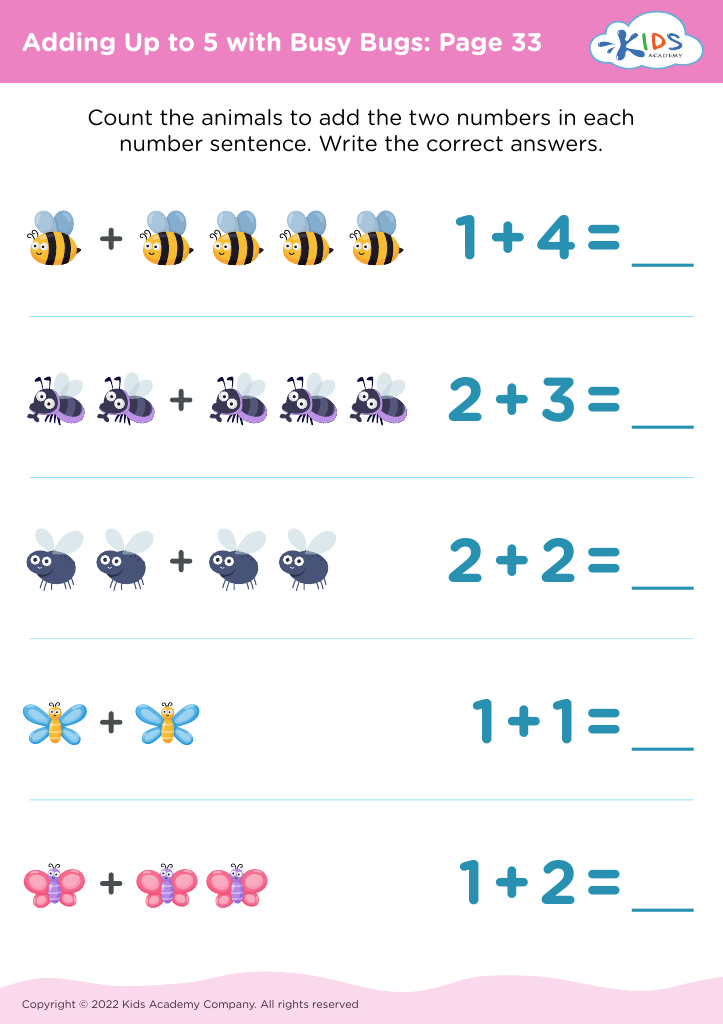
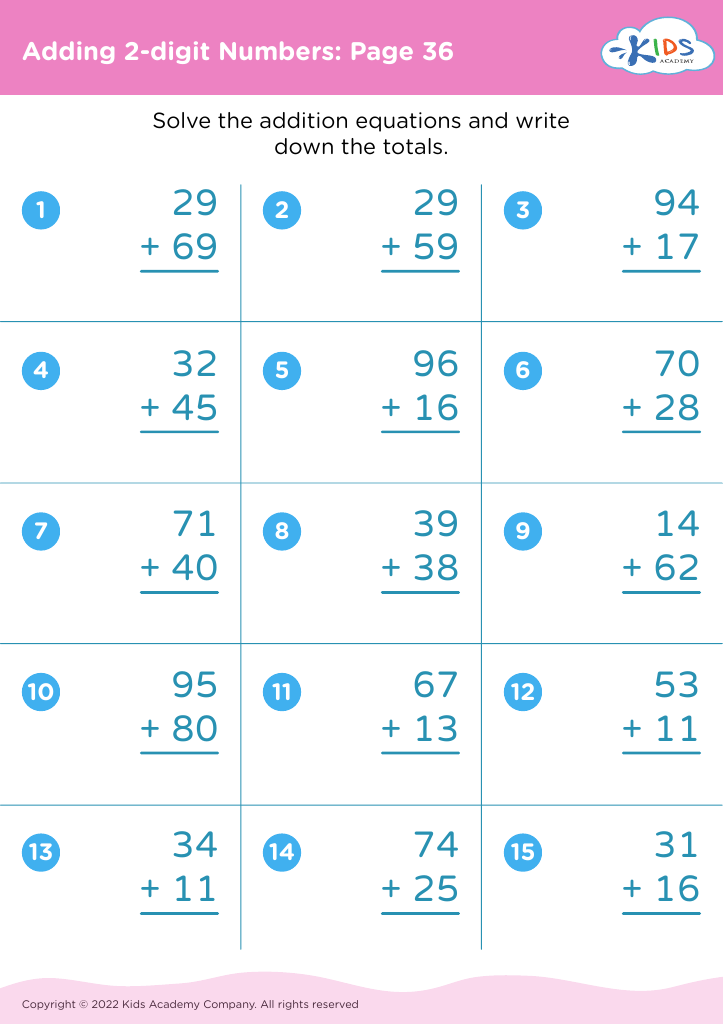
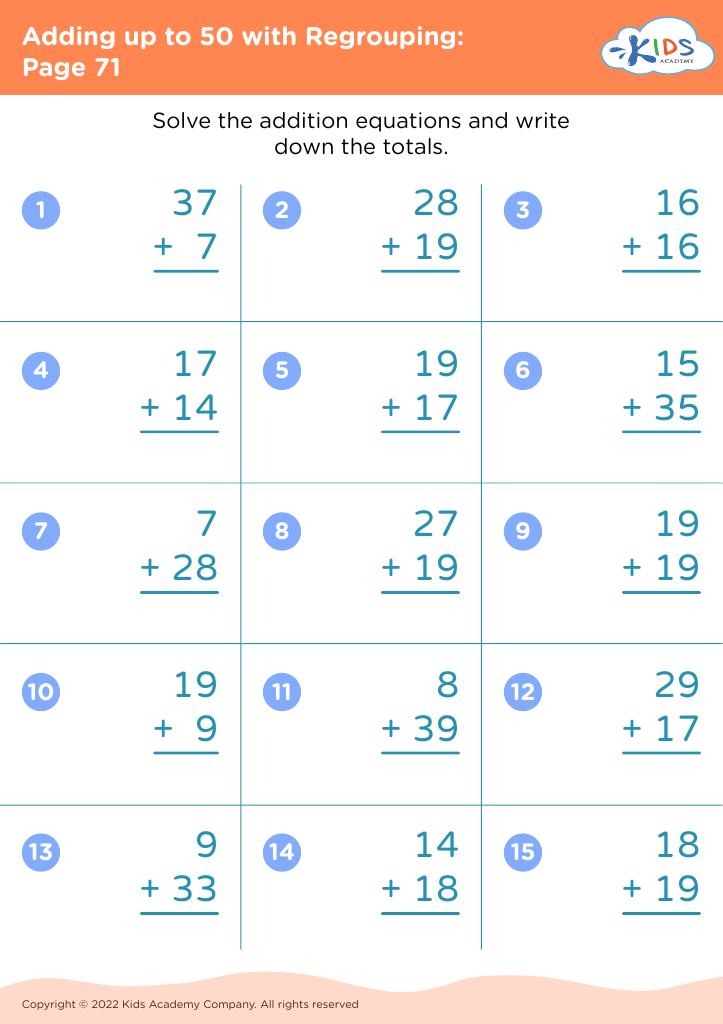
Enhance your child's motor skills while making learning math fun! Our Motor Skills Development Math Worksheets for Ages 5-7 combine essential math concepts with engaging activities that promote fine motor skills. Designed for young learners, these worksheets focus on activities like tracing numbers, cutting shapes, and connecting dots—helping children strengthen their hand-eye coordination and improve their dexterity. As they work through these vibrant exercises, kids will not only practice counting, addition, and subtraction but also develop important motor abilities critical for their academic success. Transform math learning into an enjoyable hands-on experience that prepares your child for future challenges!
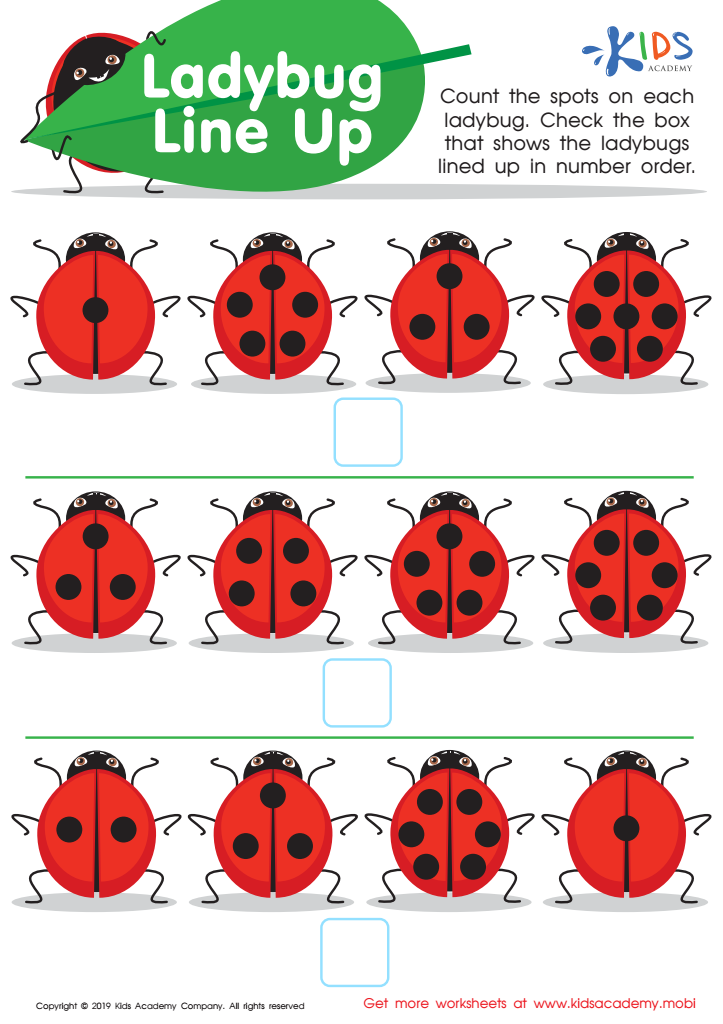
Ladybug Line Up Worksheet
 Assign to My Students








Motor skills development is crucial for children aged 5-7 as it lays the foundation for both academic success and overall well-being. During these formative years, children refine their fine and gross motor skills, which directly influence their ability to engage with mathematical concepts.
Fine motor skills, such as cutting, drawing, and writing, are essential for interpreting and solving mathematical problems. When children can manipulate objects, such as using blocks for counting or grasping pencils for writing numbers, they better understand mathematical concepts. Additionally, improved motor skills boost confidence, allowing children to approach math tasks with a positive attitude.
Gross motor skills also support math learning by enhancing spatial awareness and coordination. Activities like jumping, balancing, and running help children develop an understanding of shapes, patterns, and measurements.
Moreover, engaging in hands-on activities that integrate motor skills with math makes learning enjoyable, encouraging a lifelong love for the subject. Parents and teachers play a vital role in facilitating opportunities for motor skills development through interactive games and fun exercises that promote both physical and cognitive growth. Recognizing the link between motor skills and math proficiency allows educators and parents to provide more effective support for children's holistic development.








