
Recognizing shapes Math Worksheets for Ages 5-7
33 filtered results
Difficulty Level
Grade
Age
-
From - To
Subject
Activity
Standards
Enhance your child's mathematical skills with our engaging "Recognizing Shapes" math worksheets for ages 5-7! Designed to make learning fun, these worksheets help young learners identify and understand various shapes, from circles and squares to triangles and rectangles. Through colorful visuals and interactive activities, kids will build essential shape recognition skills while boosting their confidence in math. Perfect for both home and classroom use, these worksheets cater to different learning styles. Make math enjoyable and accessible for your little ones by introducing them to the wonderful world of shapes today! Explore our collection and watch their understanding grow!
Favorites
With answer key
Interactive
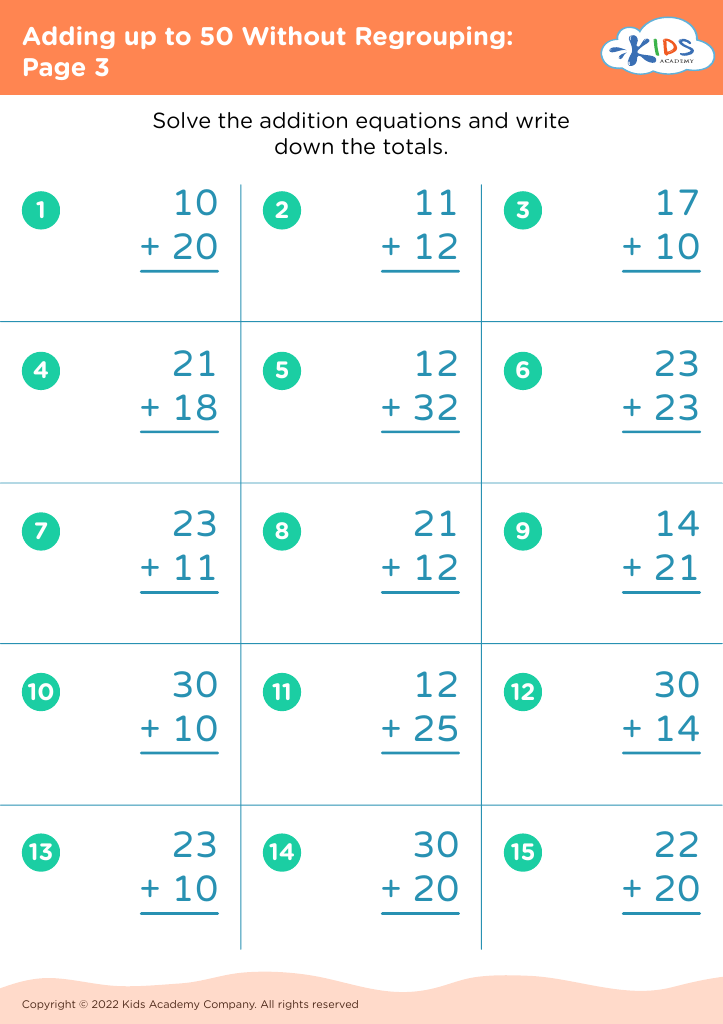
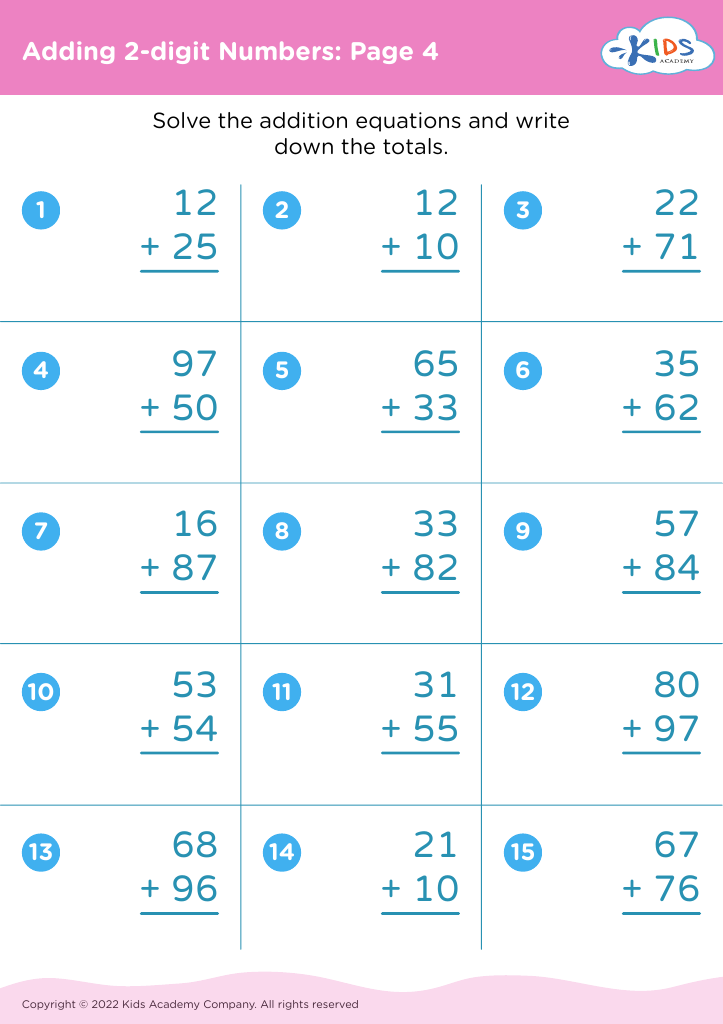
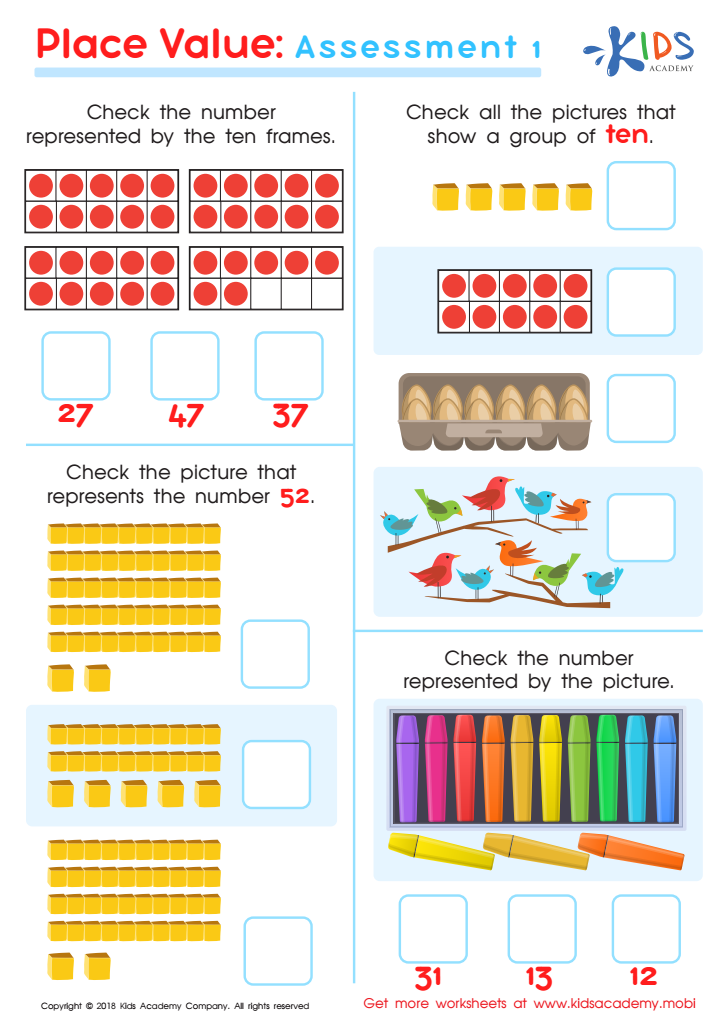
Place Value: Assessment 1 Worksheet
Assess your child's place value and number representation with this PDF worksheet. It lets them count and compare numbers and practice chiseling numbers into groups of ten. It's a great way to identify any concepts that need to be reinforced.
 Assign to My Students
Place Value: Assessment 1 Worksheet
Worksheet
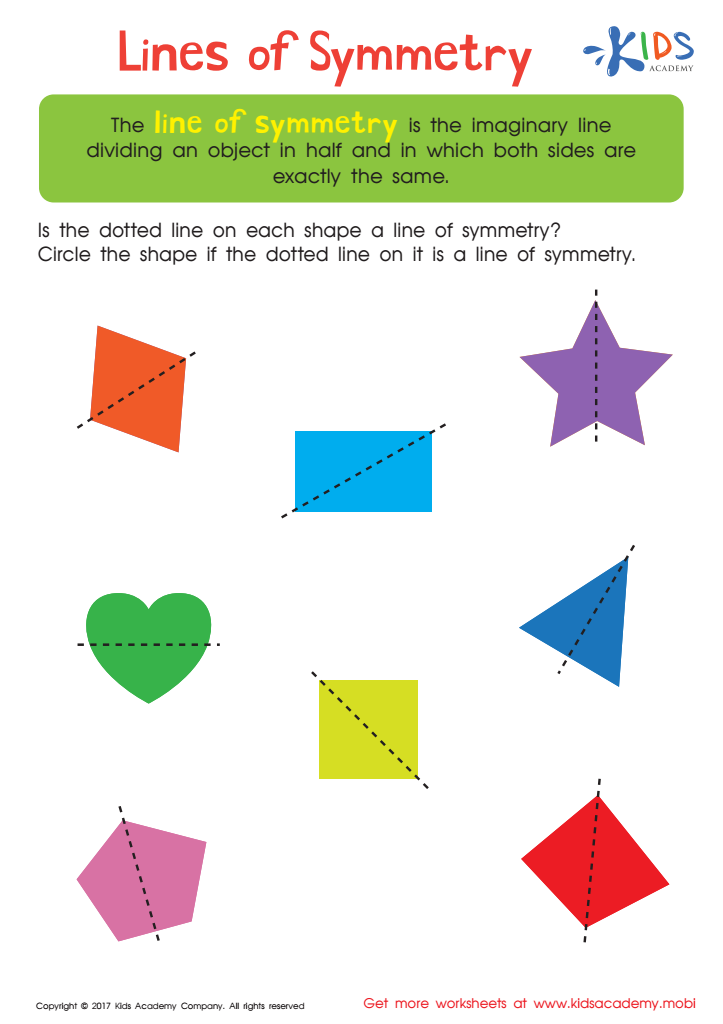
Lines of Symmetry Printable
Symmetry is a key math concept that kids must learn to develop their geometry skills. This fun worksheet helps build this skill, by encouraging kids to recognize symmetrical shapes and find equal parts.
Lines of Symmetry Printable
Worksheet
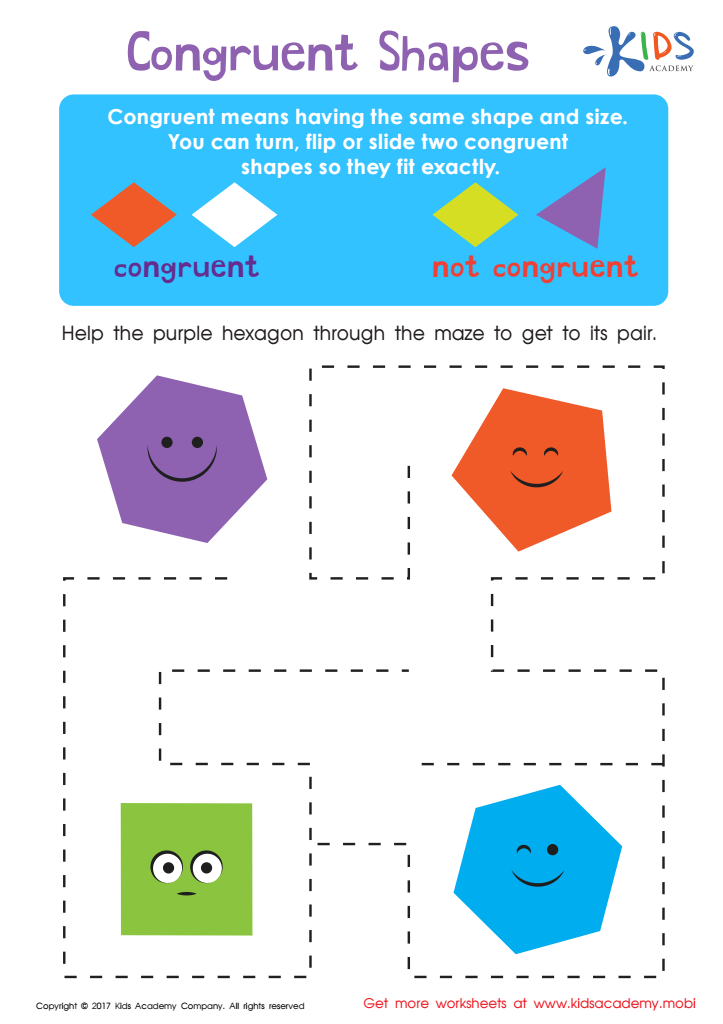
Congruent Shapes Worksheet
Help your child find the twin of the purple hexagon! This congruent shapes worksheet is great for increasing vocabulary while challenging mental rotation skills.
Congruent Shapes Worksheet
Worksheet
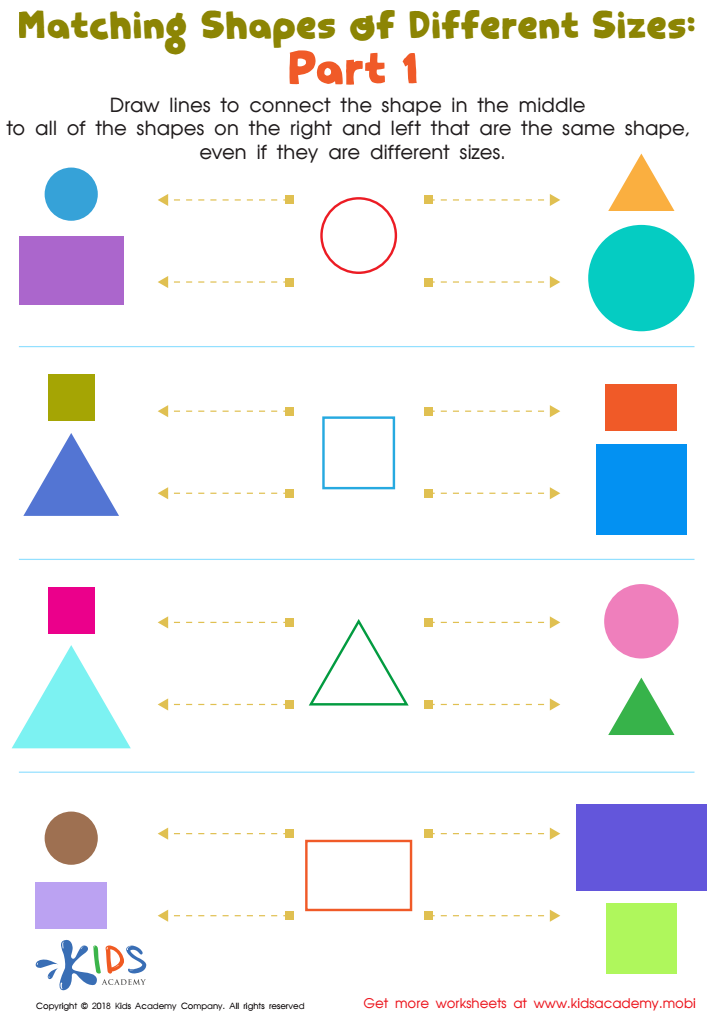
Geometry: part 1 Worksheet
Test your student's shape knowledge with this beginner-level geometry worksheet. This fun, challenging printable PDF will sharpen spacial recognition skills as they match shapes of different sizes. Get started now!
Geometry: part 1 Worksheet
Worksheet
Join Kids Academy for Free
Who is primarily going to use this learning content?







Recognizing shapes is a critical foundational skill for children aged 5-7, and both parents and teachers should prioritize its importance. This early math concept lays the groundwork for geometrical understanding and spatial awareness, essential for later mathematical learning. As children identify and categorize shapes, they enhance their cognitive abilities, boosting critical thinking and problem-solving skills.
Furthermore, shape recognition fosters fine motor skills as children engage in activities like drawing, crafting, or using manipulatives. These hands-on experiences support sensory development and promote creativity. By incorporating shape recognition into daily activities, parents and teachers can create a richer learning environment. For example, turning a walk outside into a shape scavenger hunt can make learning enjoyable and interactive.
Additionally, recognizing shapes can enhance a child's ability to understand complex concepts later, such as fractions, symmetry, and more advanced geometry. It also integrates seamlessly with language development, as children learn to articulate their understanding of shapes and their properties.
Investing time and resources in teaching shape recognition prepares young learners for academic success and cultivates a lifelong appreciation for math and problem-solving. Encouraging this skill now benefits children in their immediate learning and equips them for future challenges in their educational journey.








