Understanding patterns Math Worksheets for Ages 5-7
39 filtered results
-
From - To
Explore our "Understanding Patterns Math Worksheets" designed specifically for children aged 5-7! These engaging resources help young learners recognize, create, and extend patterns using colorful visuals and interactive activities. By working with shapes, colors, and sequences, students will enhance their critical thinking and problem-solving skills, laying a strong foundation for future math learning. Our worksheets are aligned with early education standards and are perfect for classroom or home use. Encourage your child's mathematical curiosity and confidence with fun and hands-on practice that makes learning about patterns enjoyable. Start your journey into the world of patterns today!
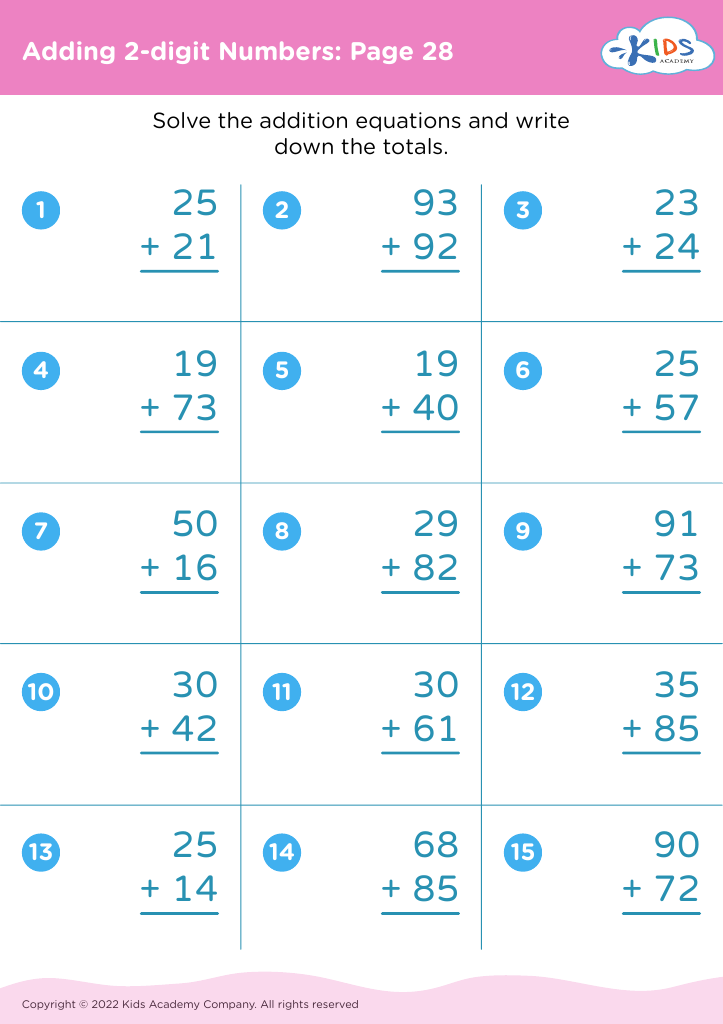
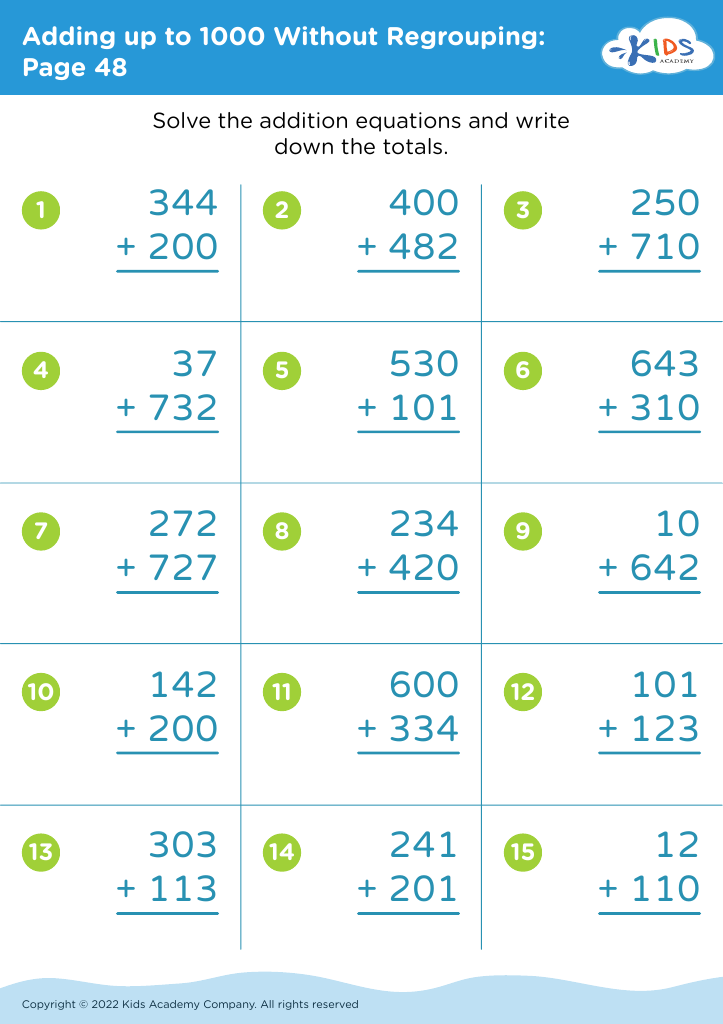
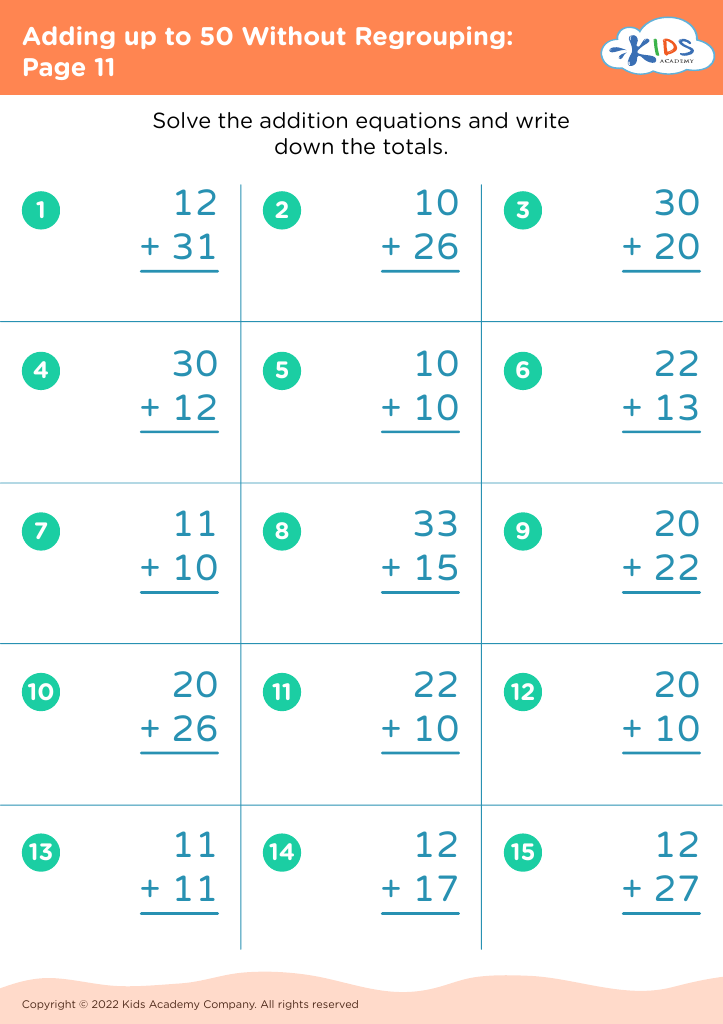
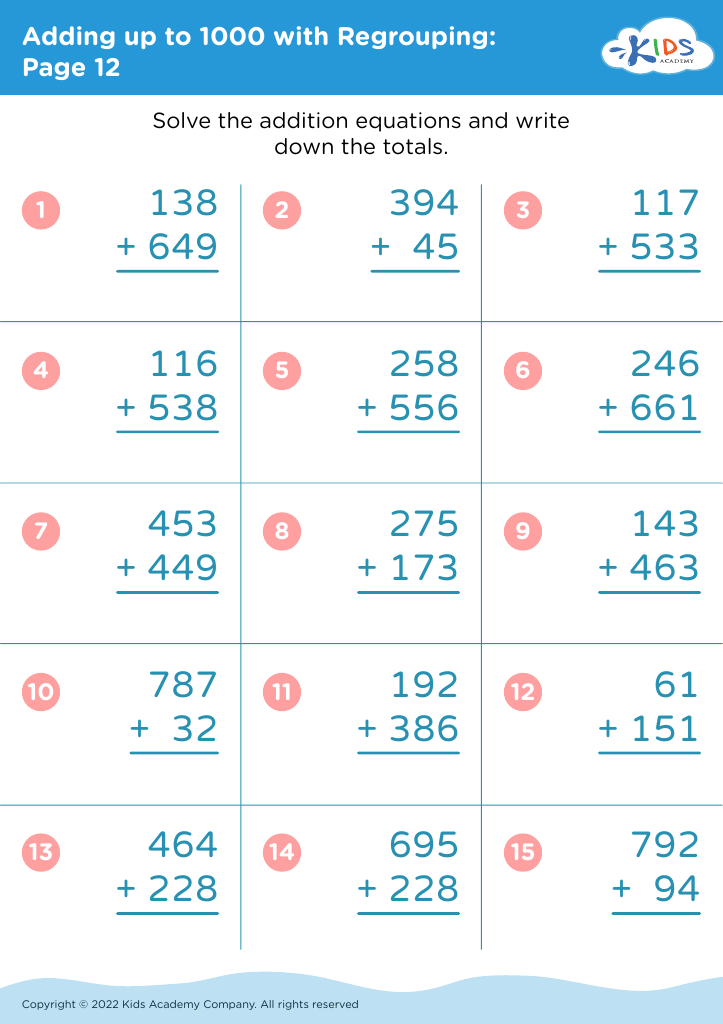
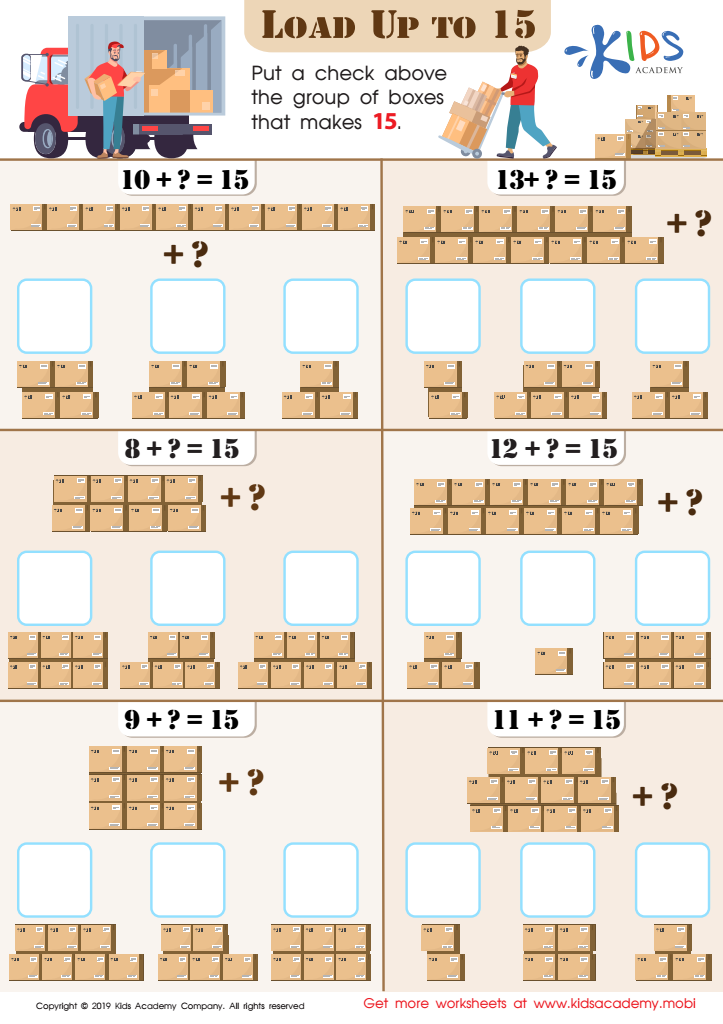
Load up to 15 Worksheet
 Assign to My Students
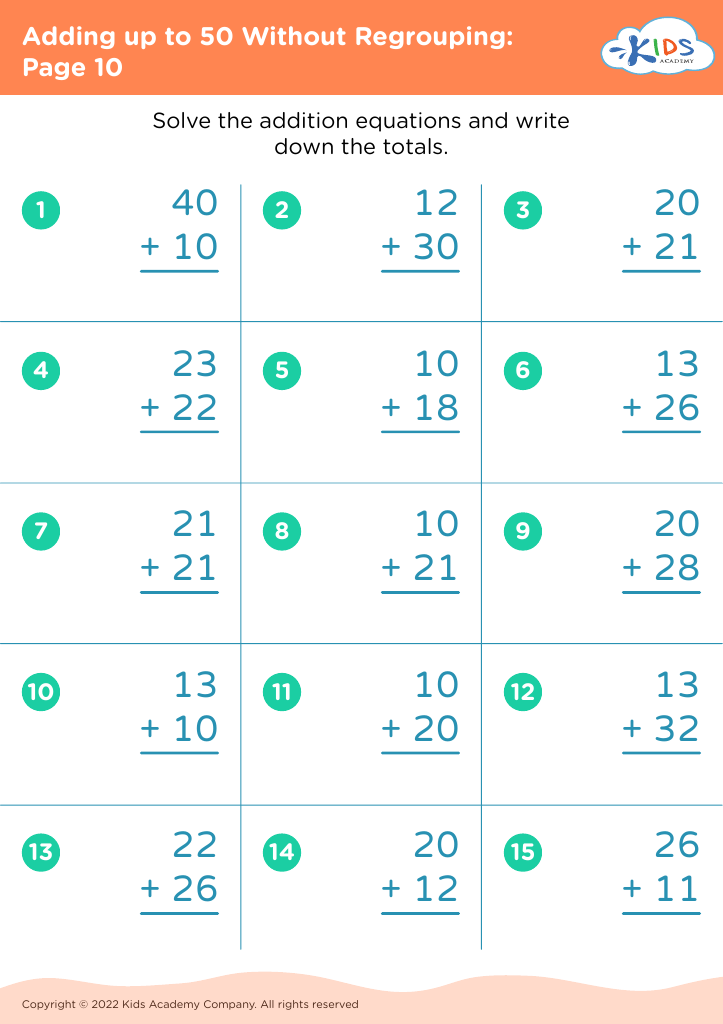
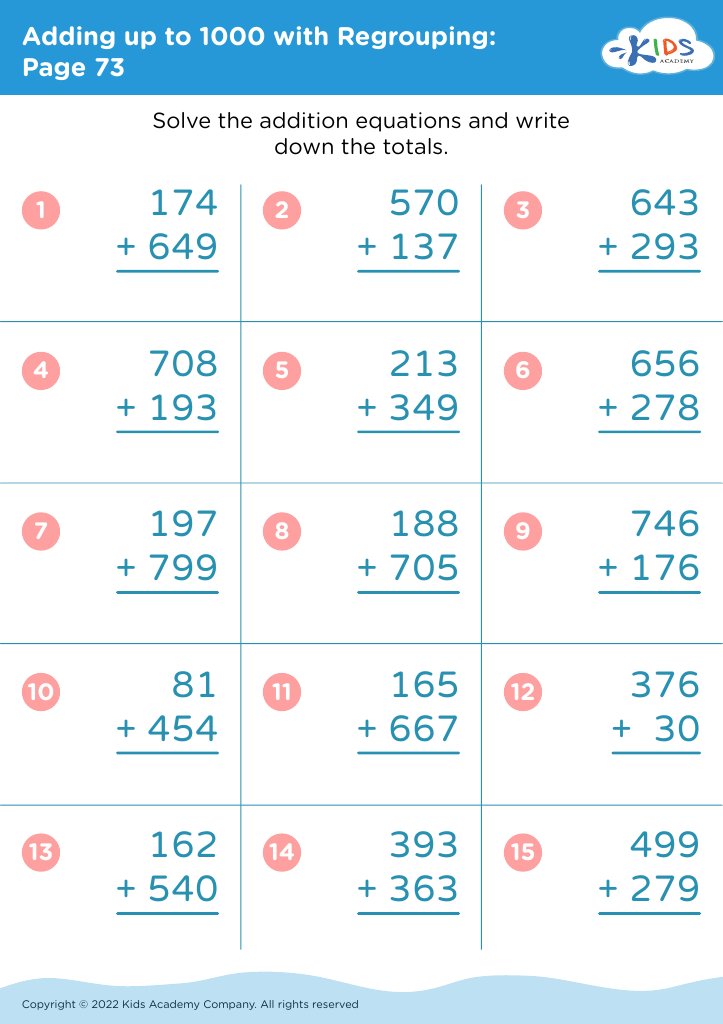
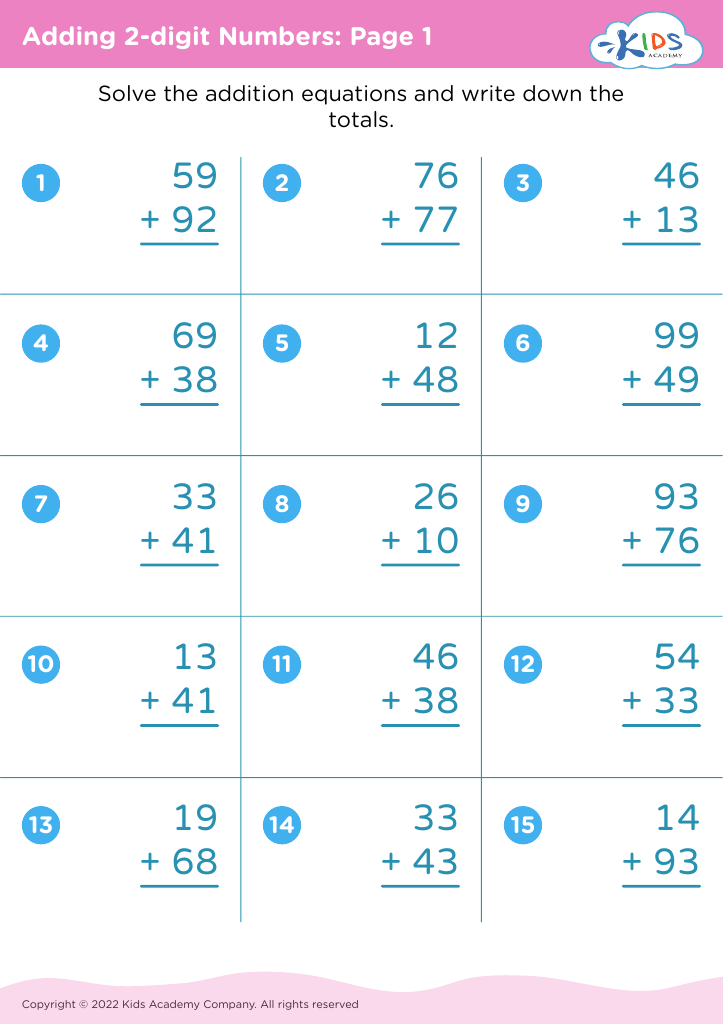
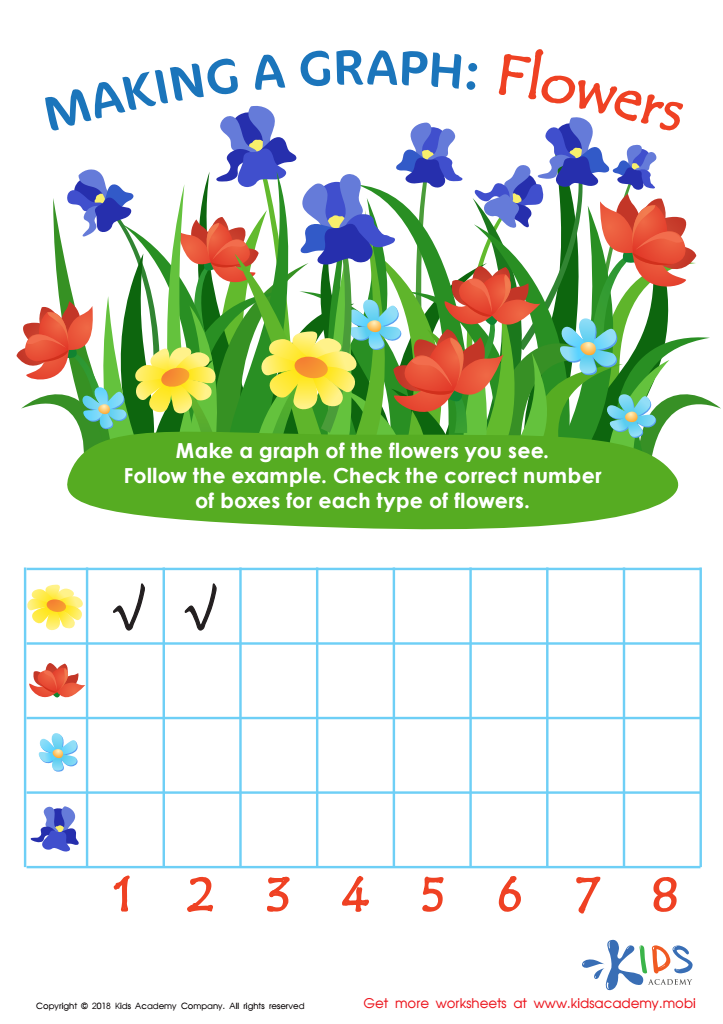
Making a Graph: Flowers Worksheet
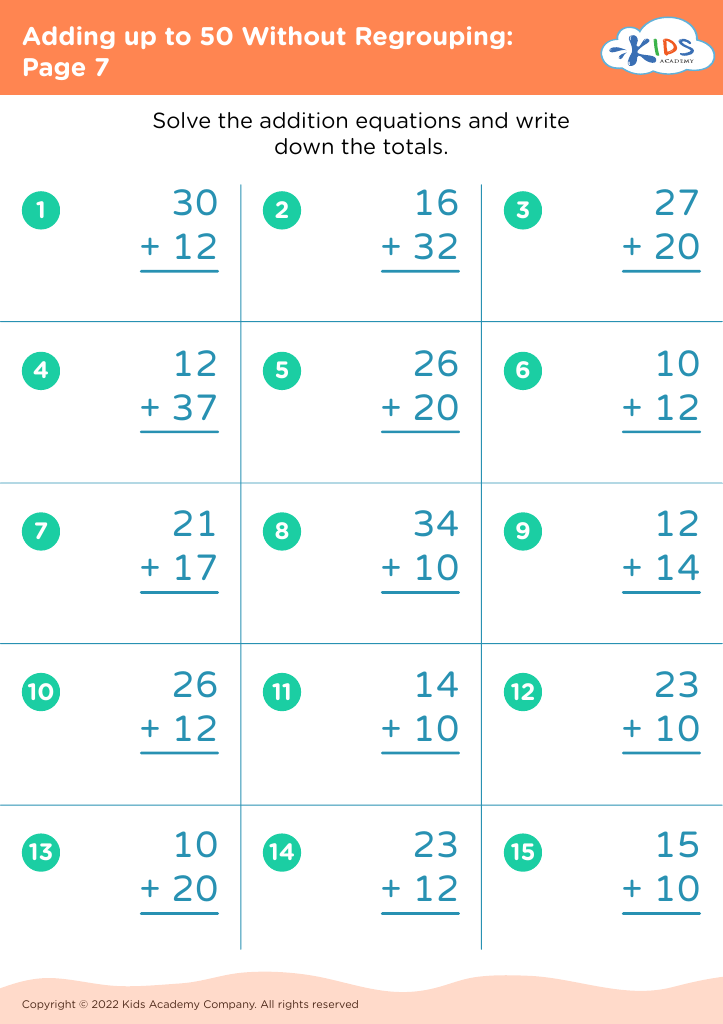
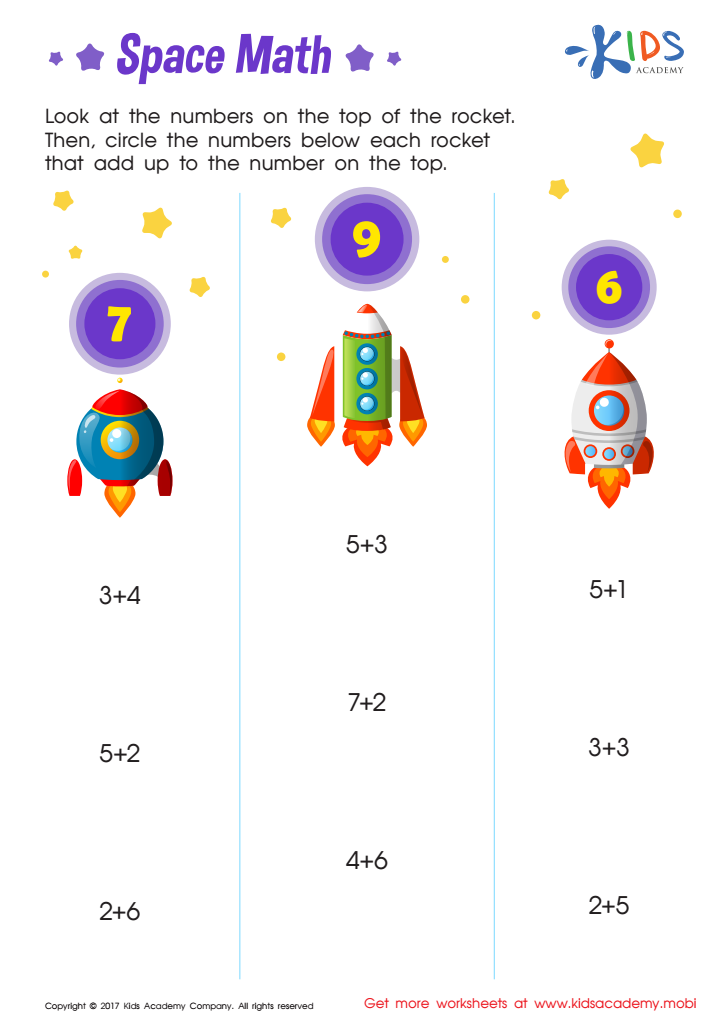
Addition: Space Math Worksheet
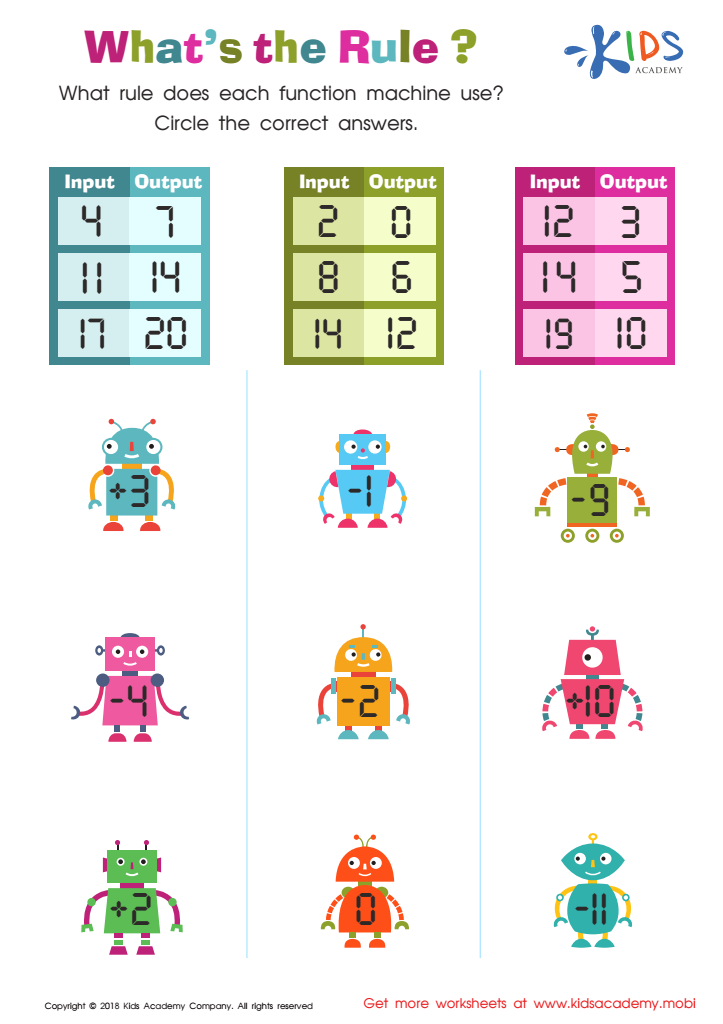
What's the Rule Worksheet
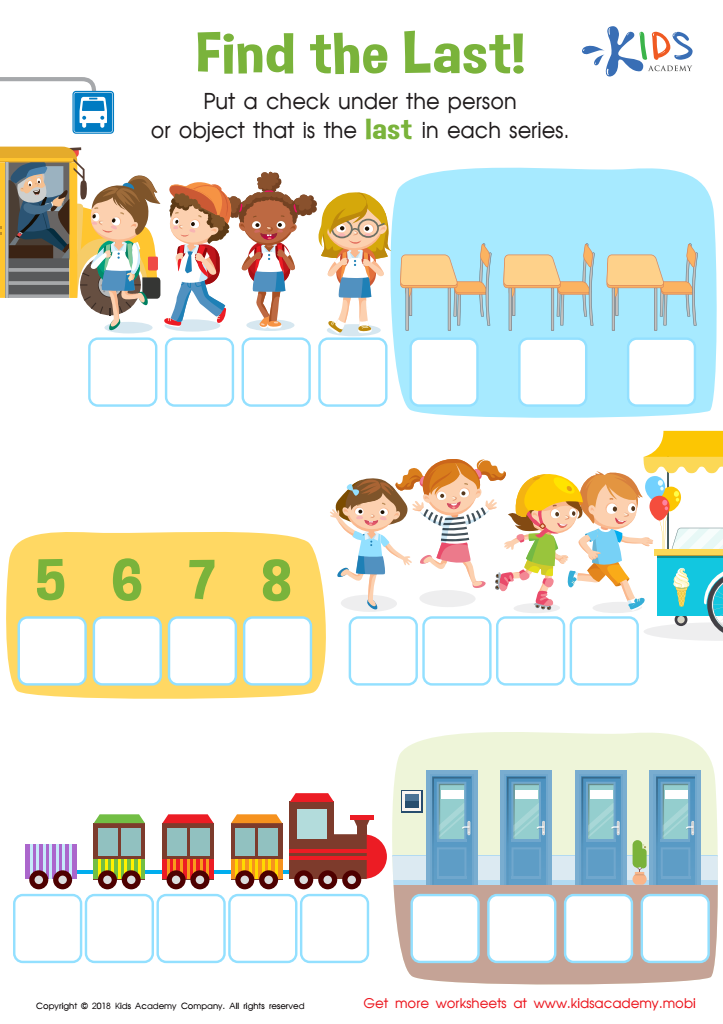
Find the Last! Worksheet
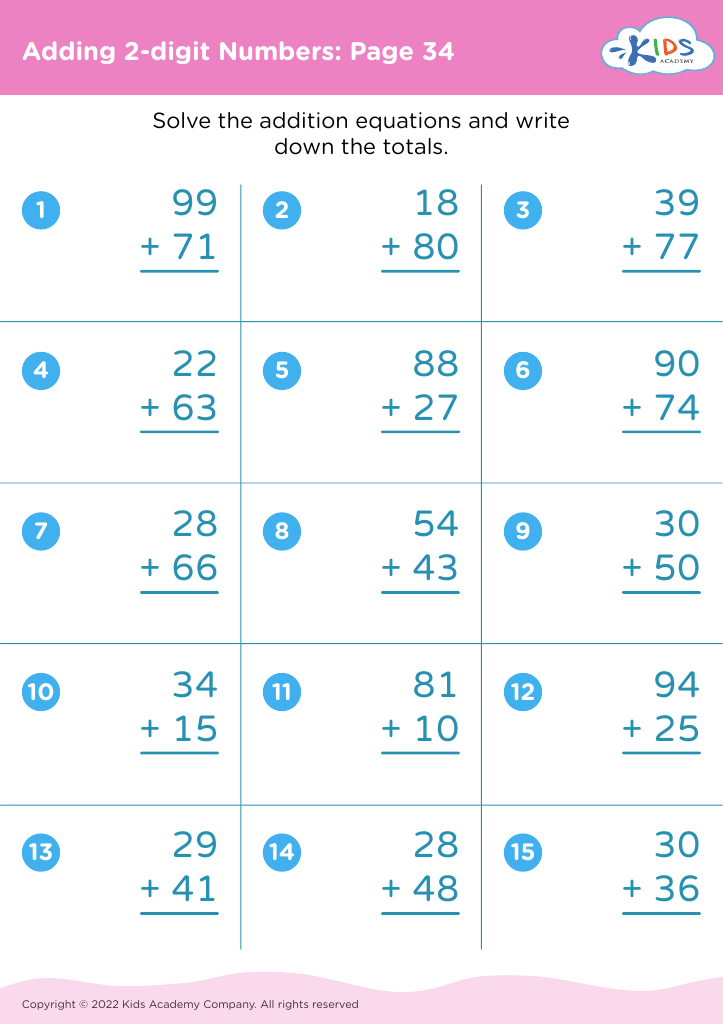
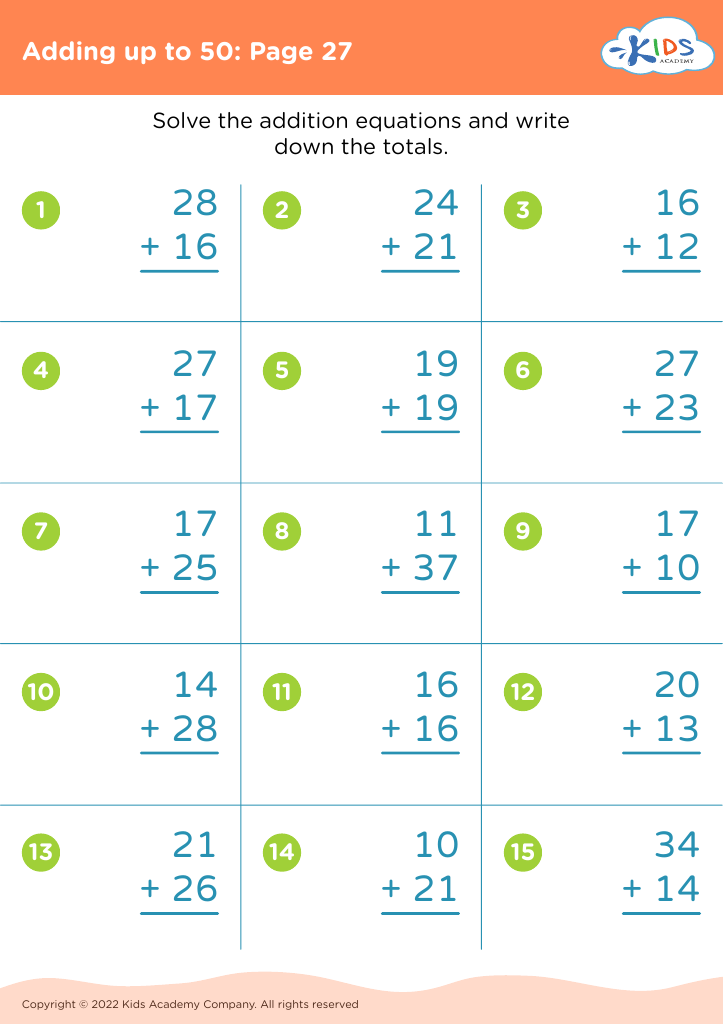
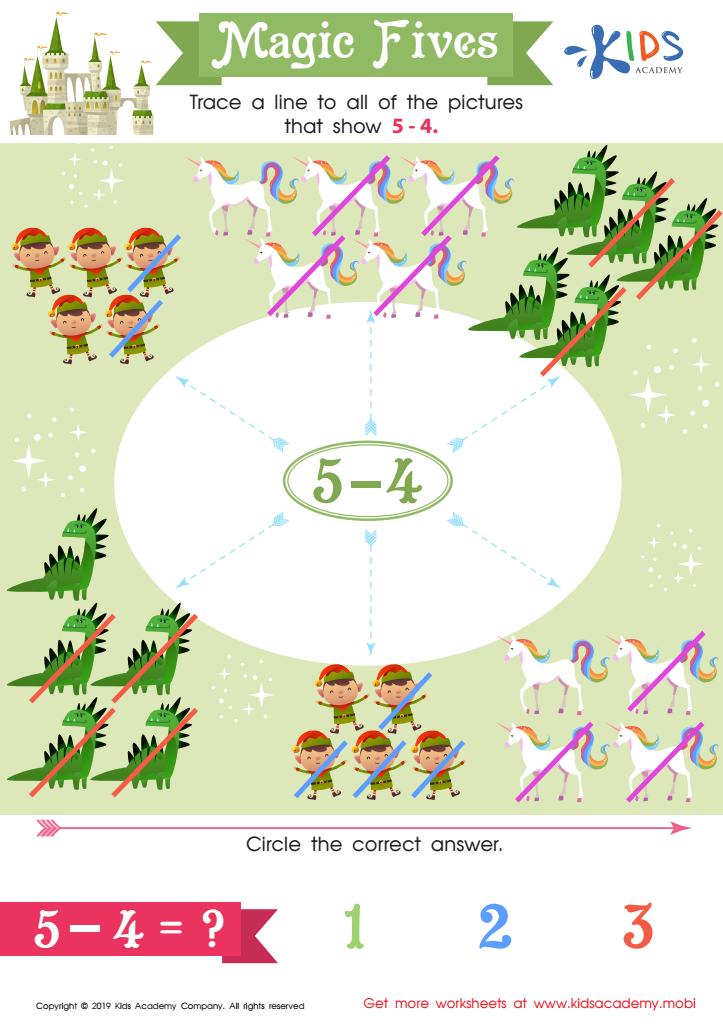
Magic Fives Worksheet
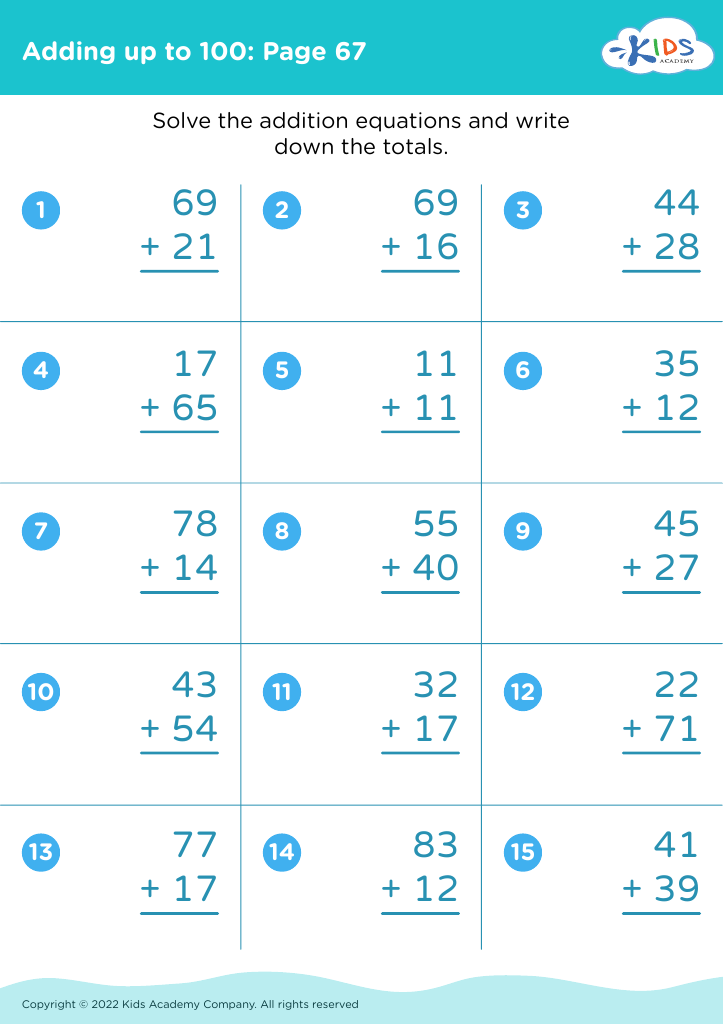
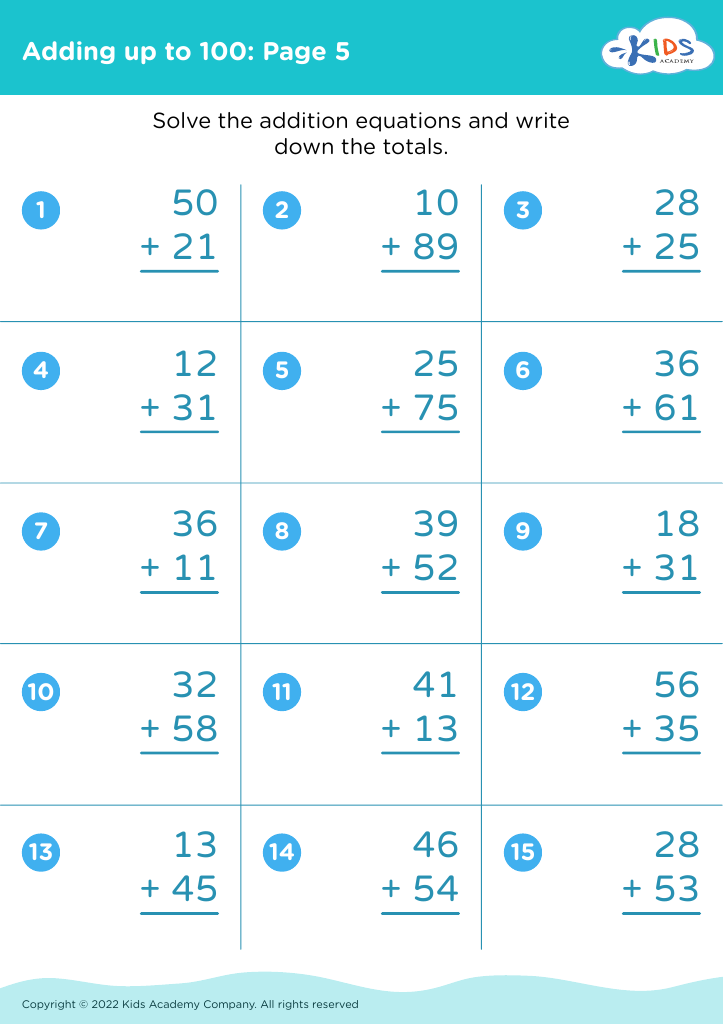
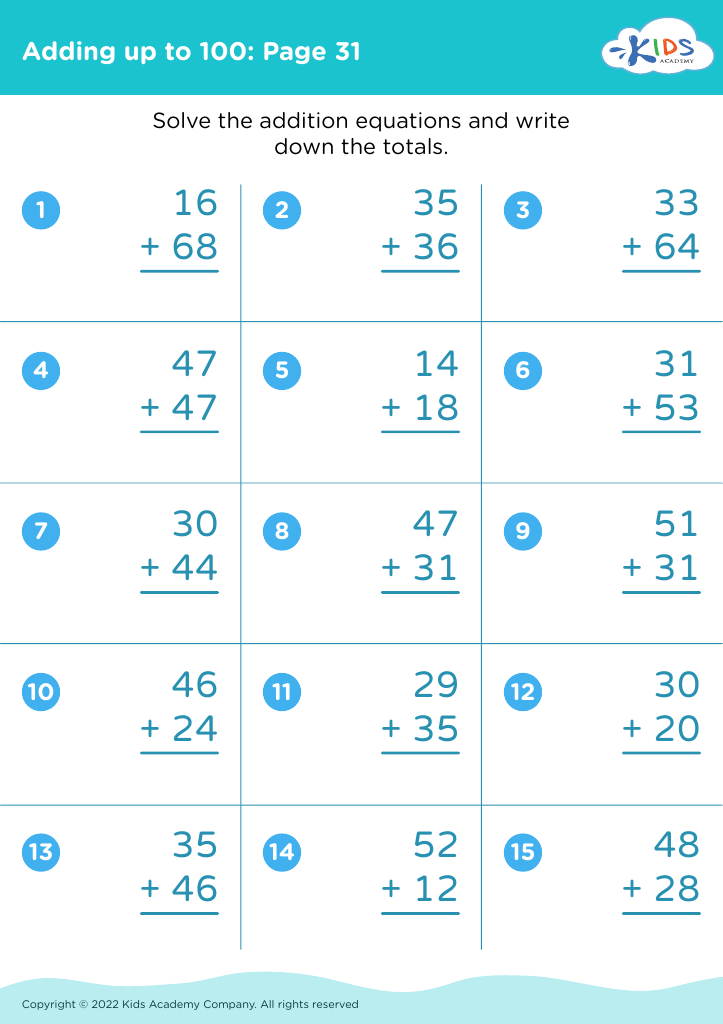
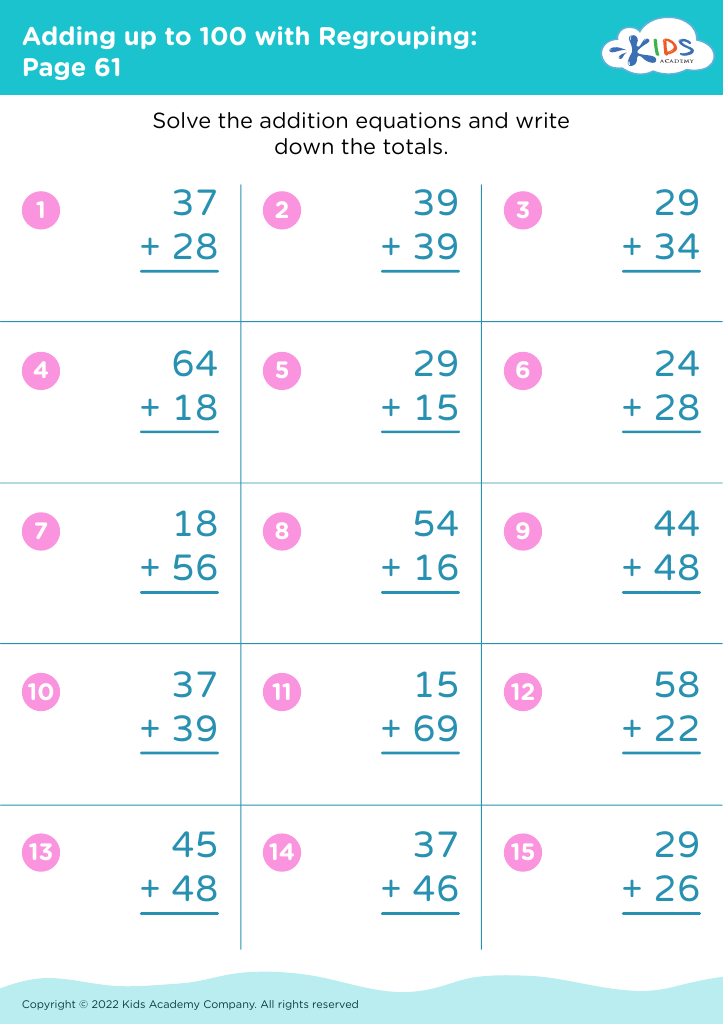
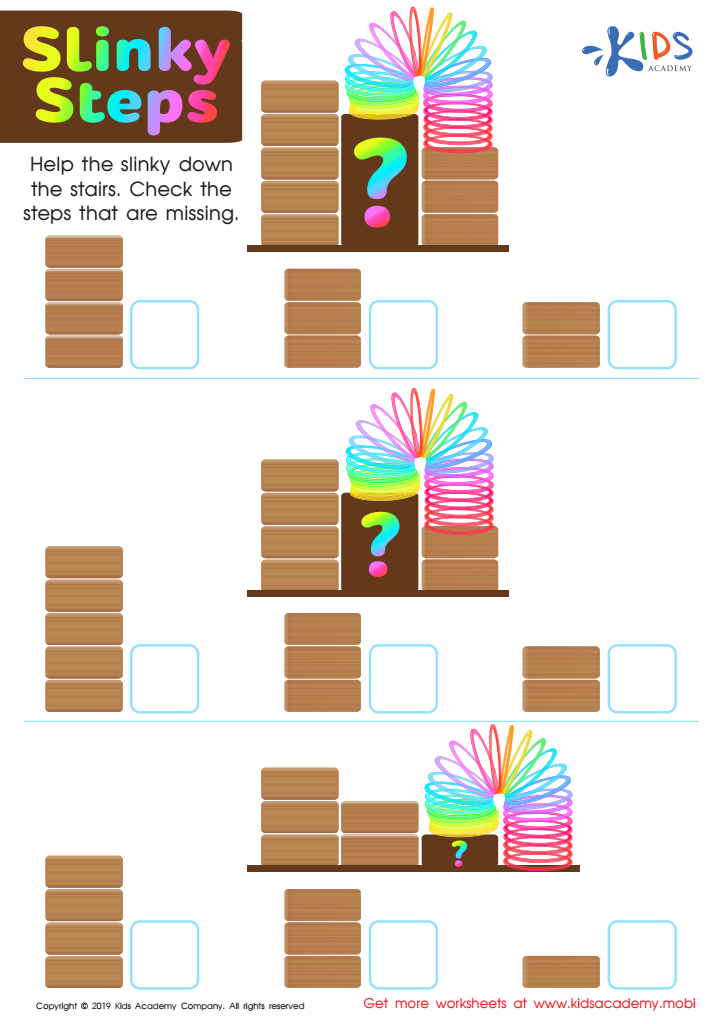
Slinky Steps Worksheet
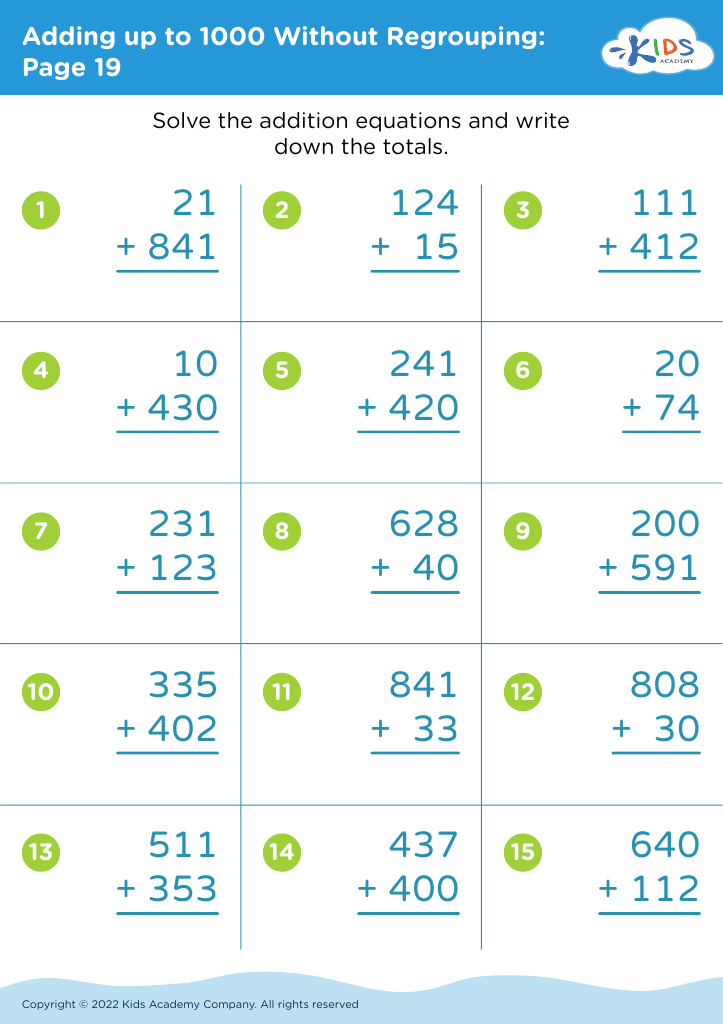
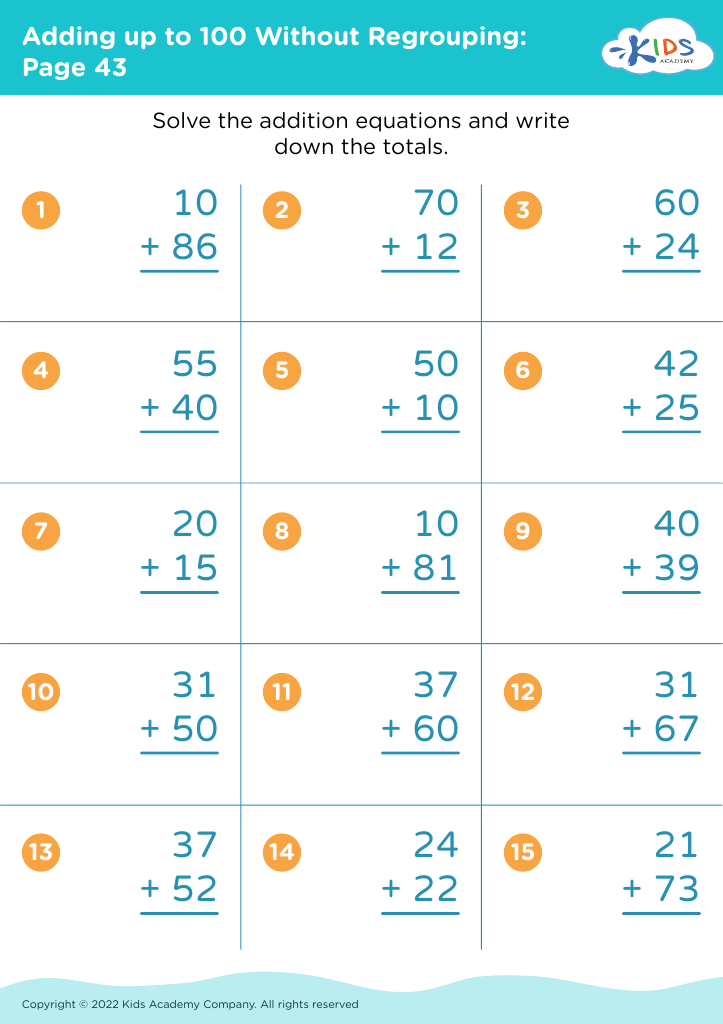







Understanding patterns is a foundational skill in mathematics for children aged 5 to 7 that significantly impacts their overall development. Recognizing and creating patterns enhances critical thinking and problem-solving abilities, essential skills for success in math and other disciplines. When children identify patterns, they begin to see relationships among numbers and shapes, leading to a deeper understanding of mathematical concepts such as addition, subtraction, and even basic algebra later on.
Moreover, patterns are everywhere in daily life—seasonal changes, daily routines, and even nature. Engaging students in pattern recognition makes learning relatable and enjoyable, fostering a positive attitude towards math. This early exposure lays the groundwork for more complex mathematical ideas and nurtures a child’s natural curiosity.
Furthermore, understanding patterns promotes cognitive development, as children learn to anticipate and predict outcomes based on their observations. This ability to recognize and extend patterns also aids memory and cognitive flexibility. By prioritizing pattern recognition, parents and teachers can help support children’s mathematical literacy, paving the way for academic success and lifelong learning. Overall, a focus on patterns creates a solid foundation that enriches both mathematical understanding and overall cognitive growth in young learners.








