Visual Learning Math Worksheets for Ages 5-7 - Page 2
98 filtered results
-
From - To
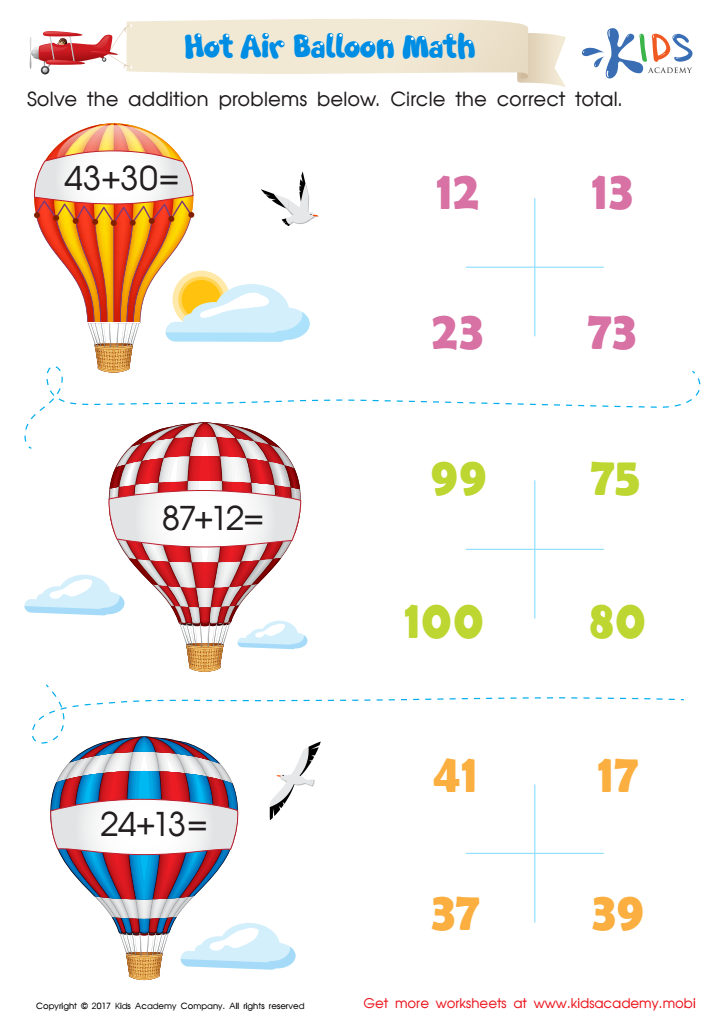
Hot Air Balloon Math Worksheet
 Assign to My Students
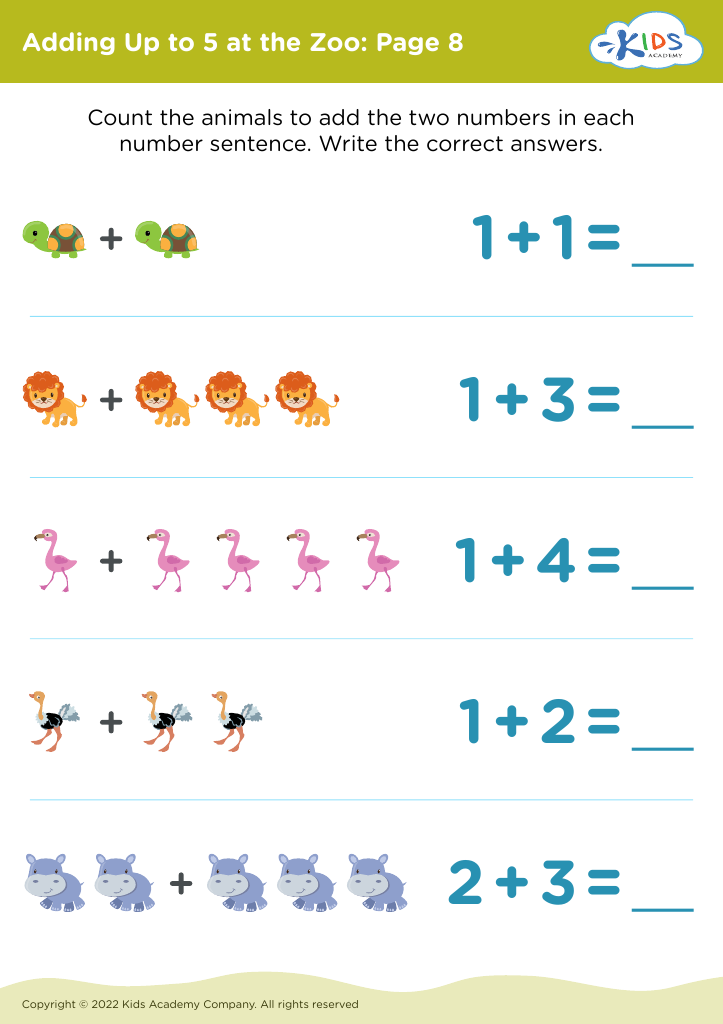
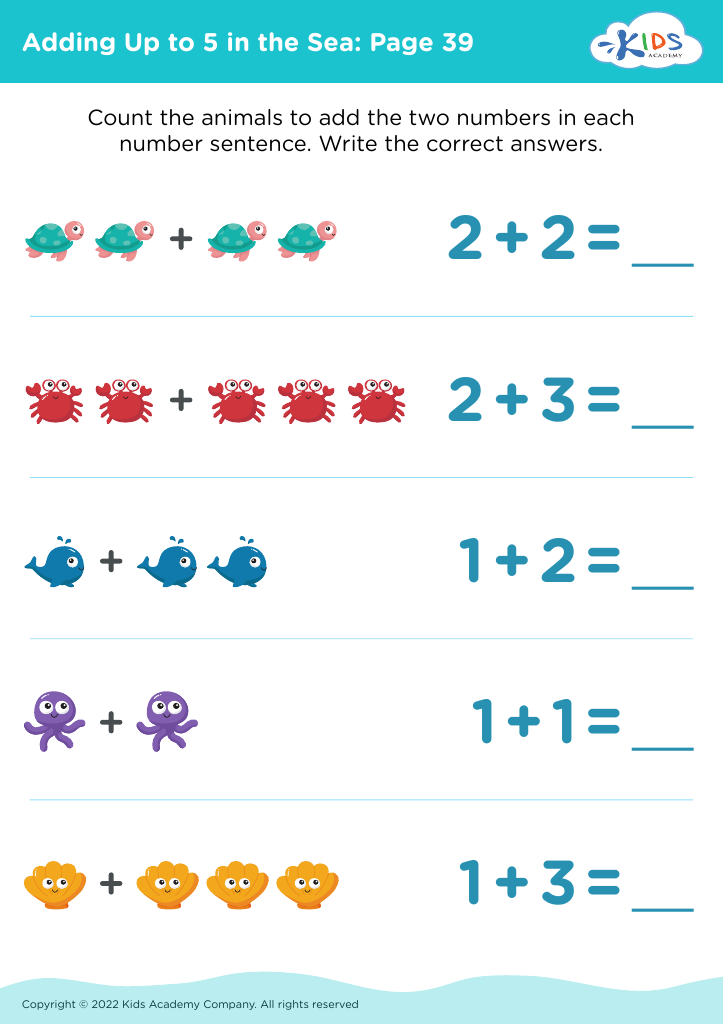
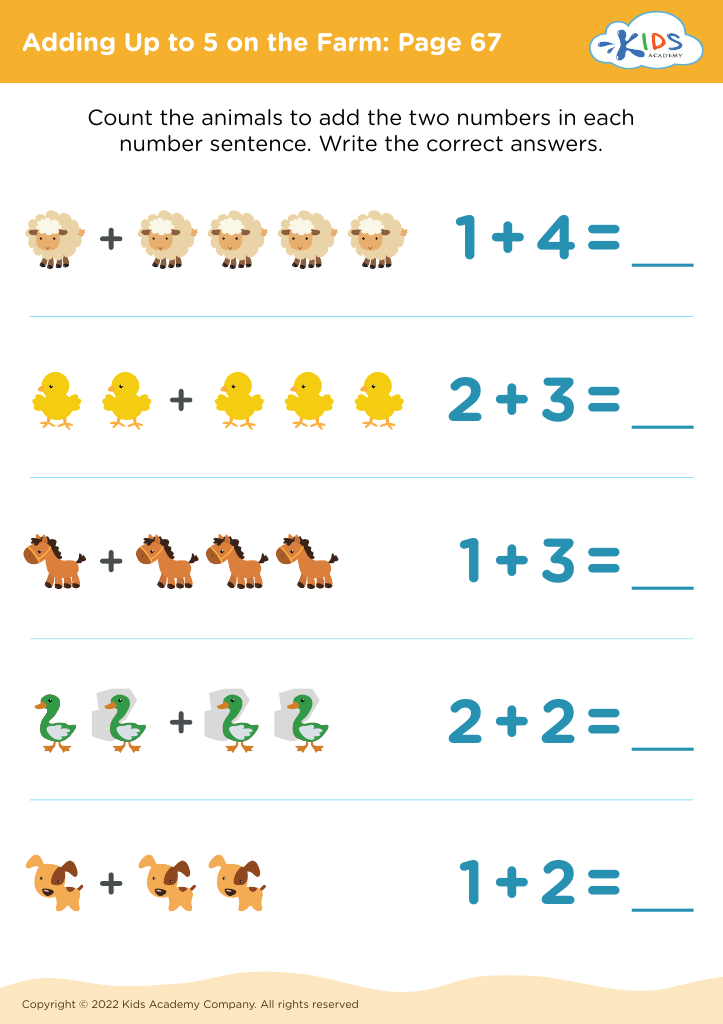
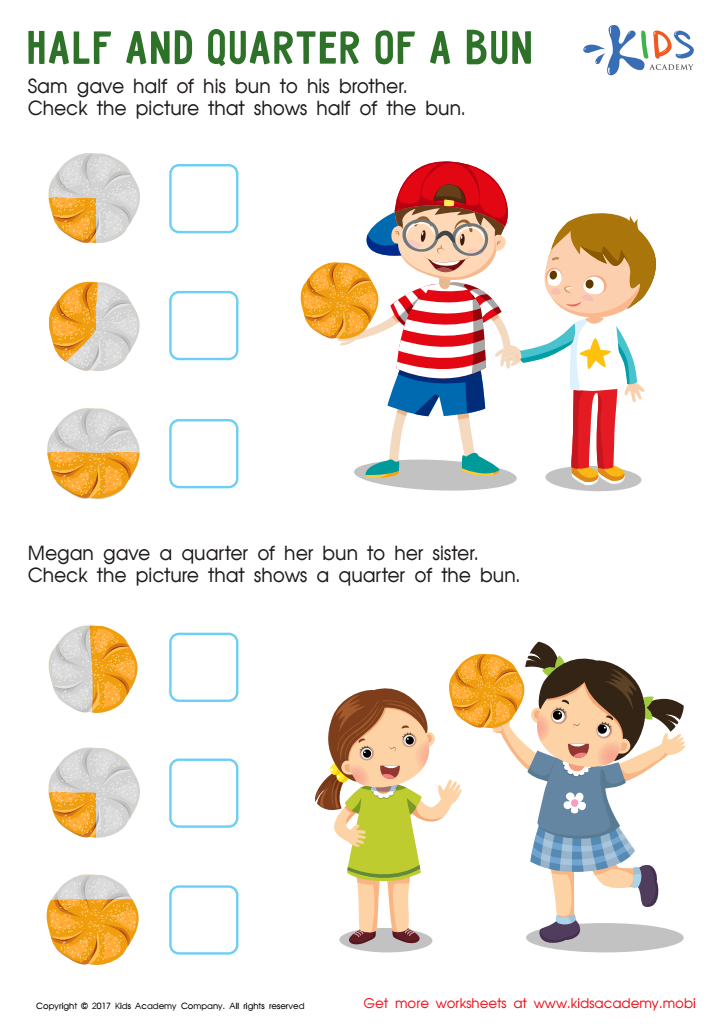
Half and Quarter of a Bun Worksheet
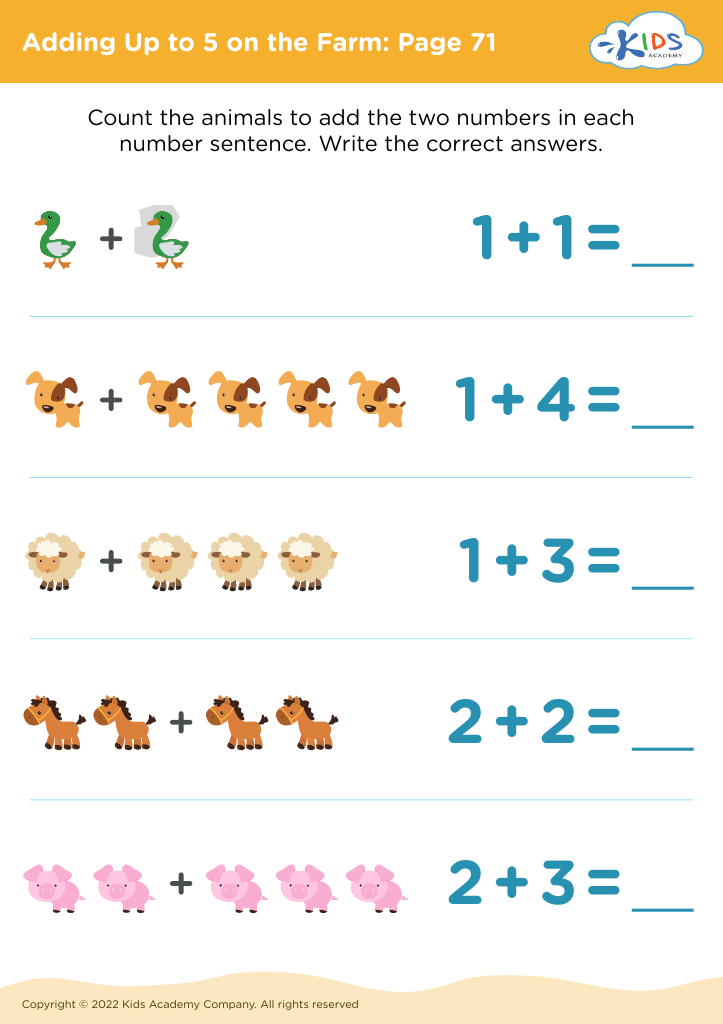
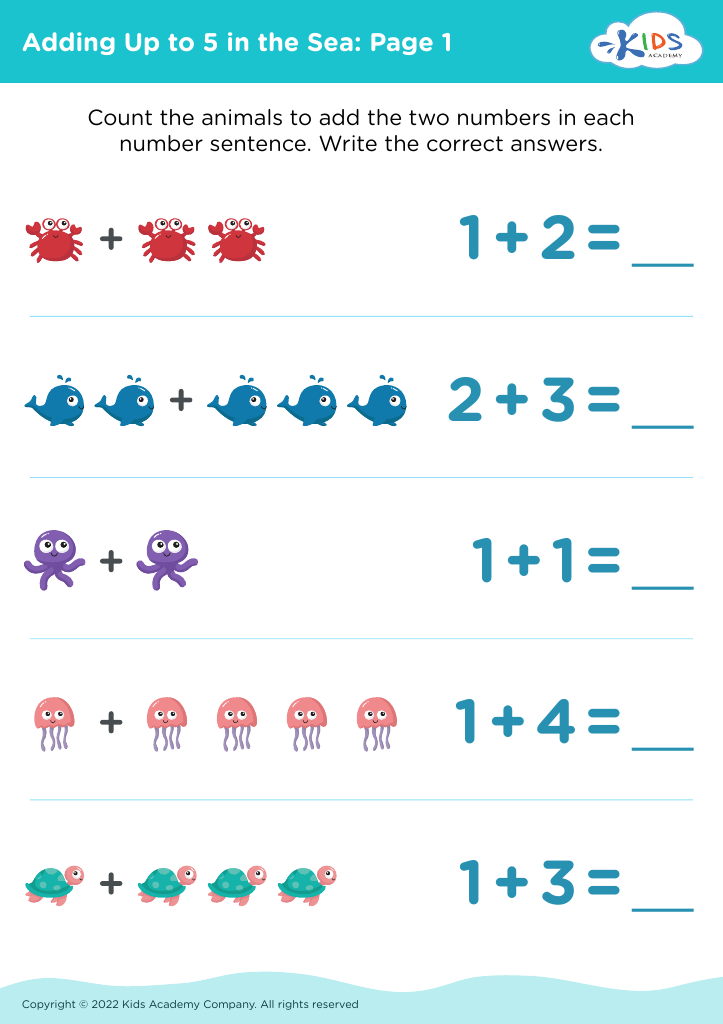
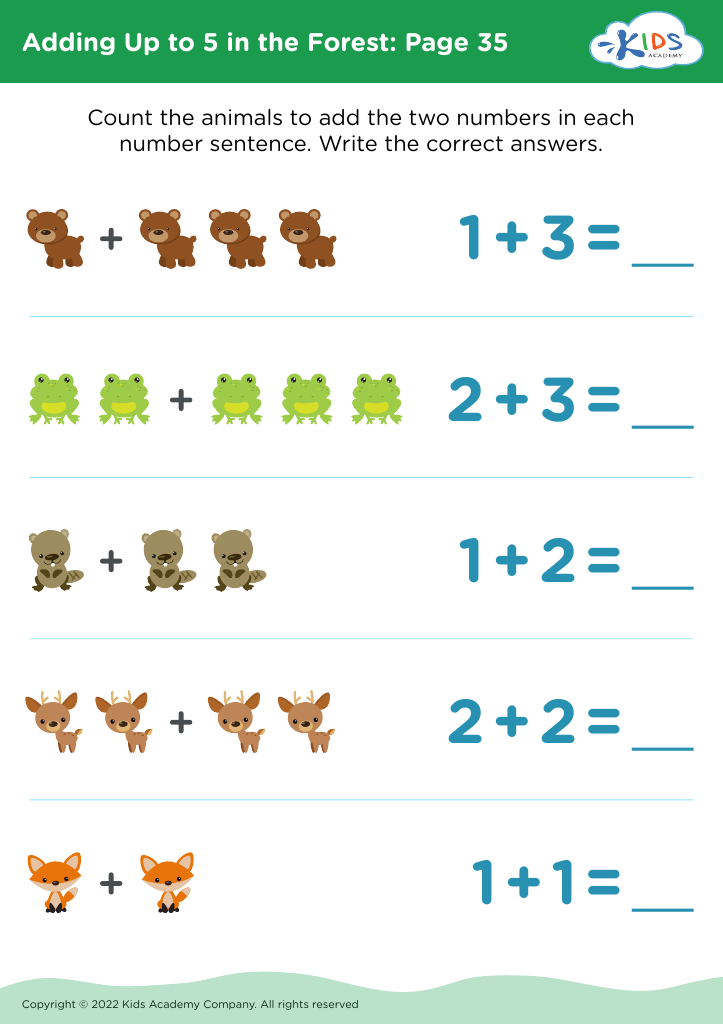
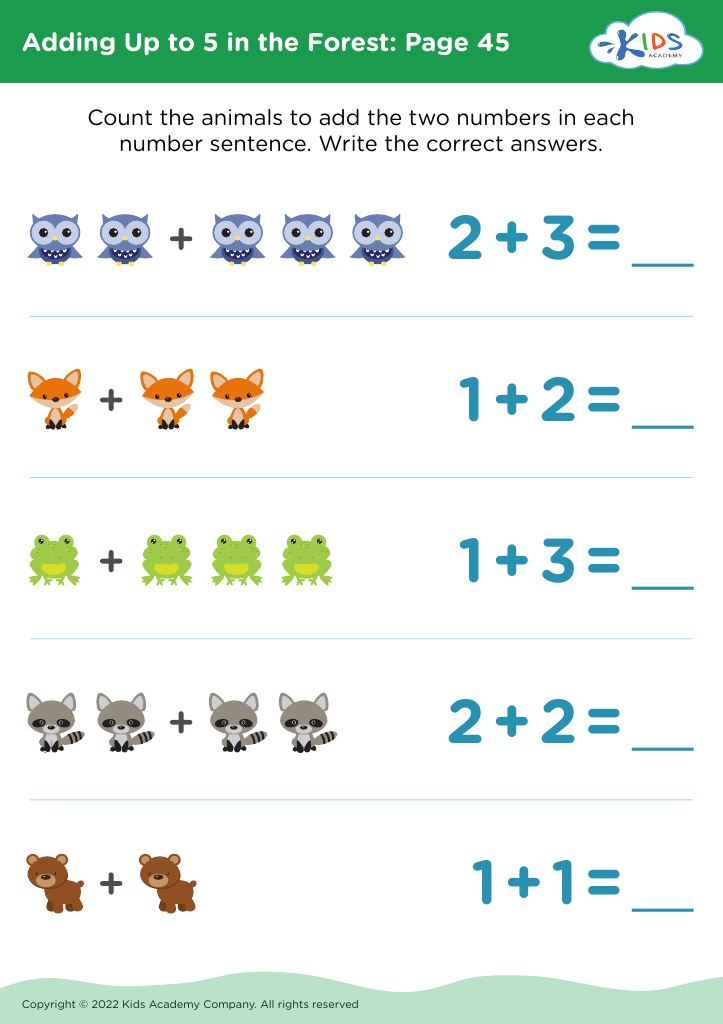
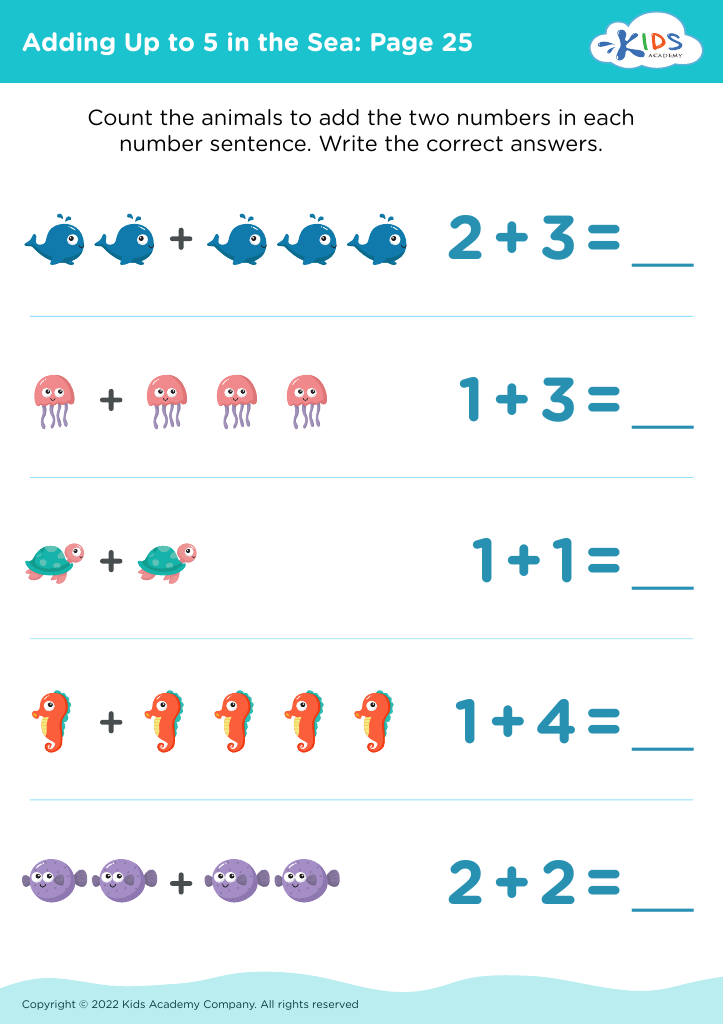
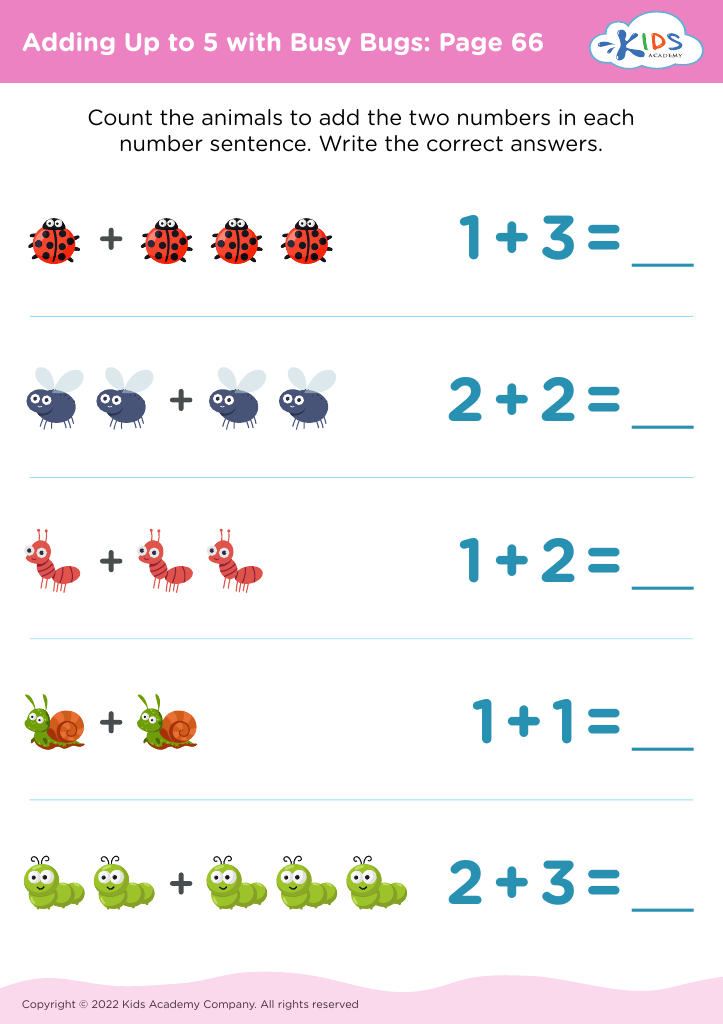
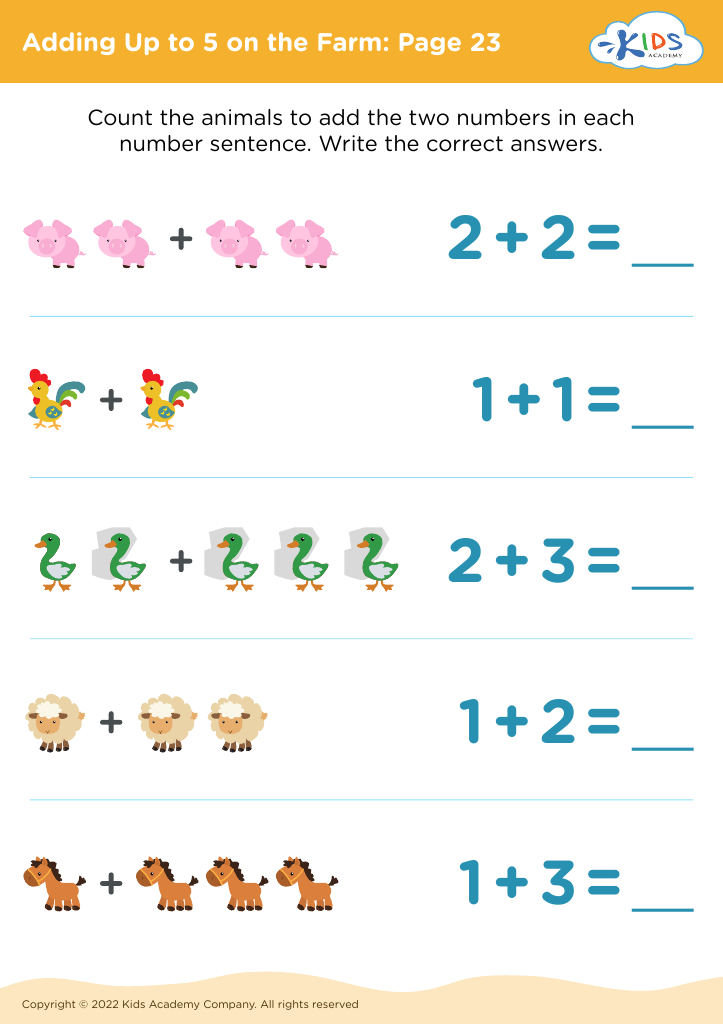
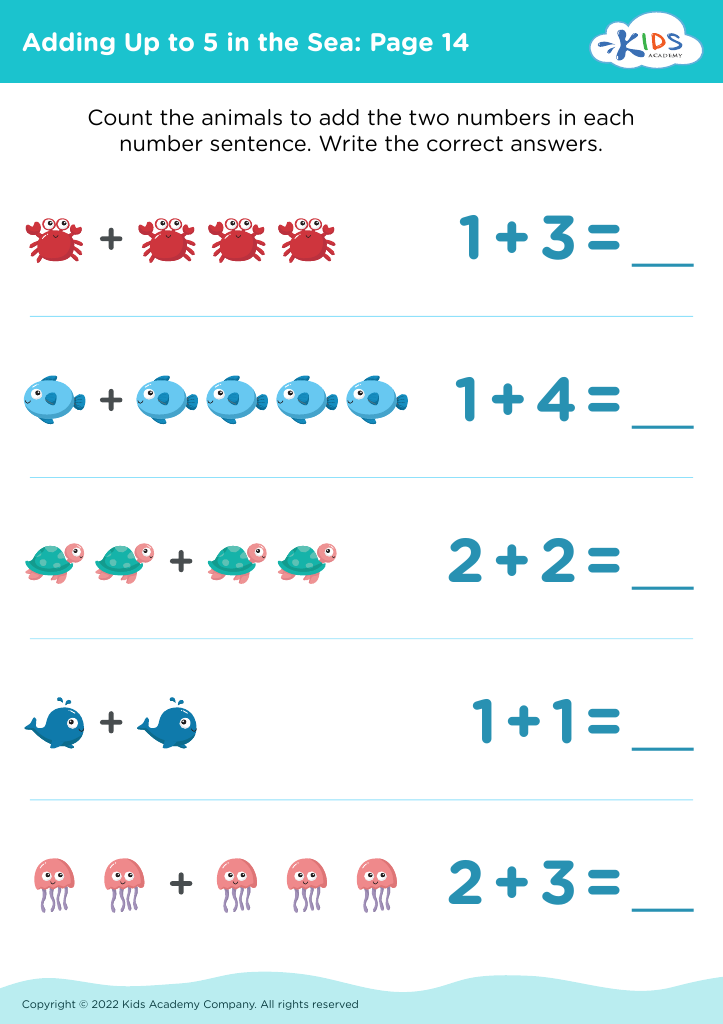
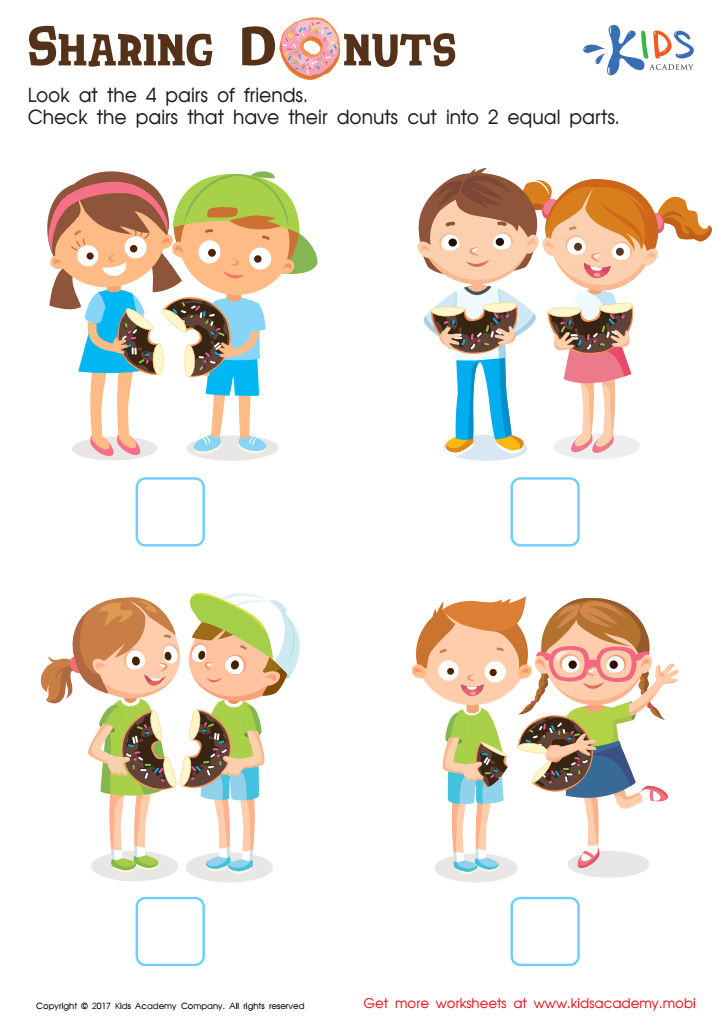
Sharing Donuts Worksheet
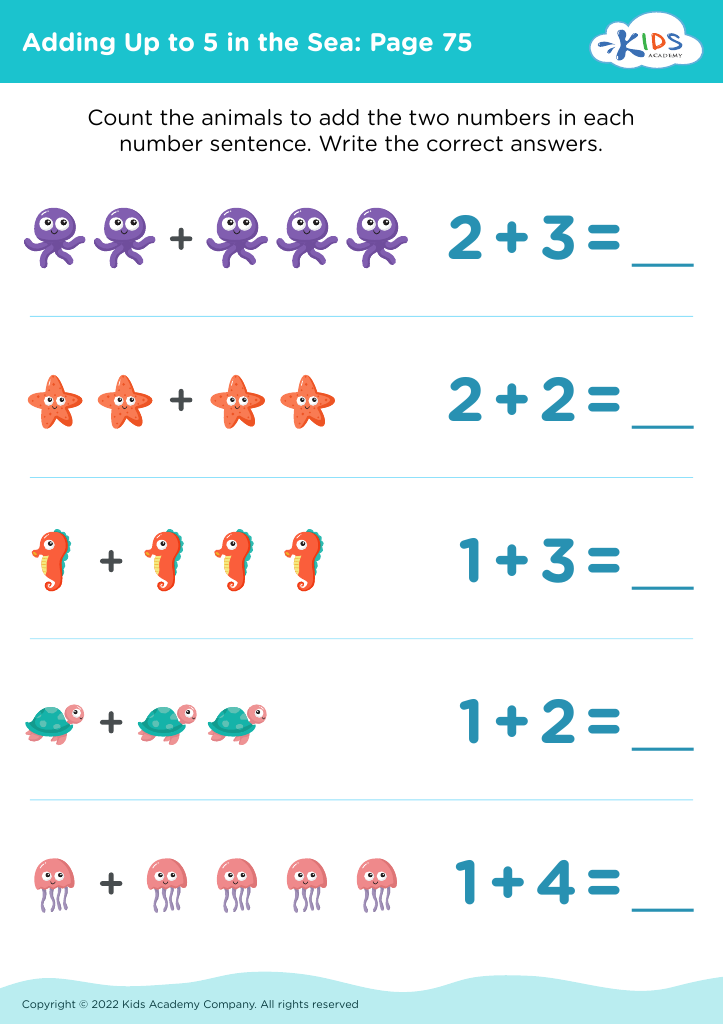
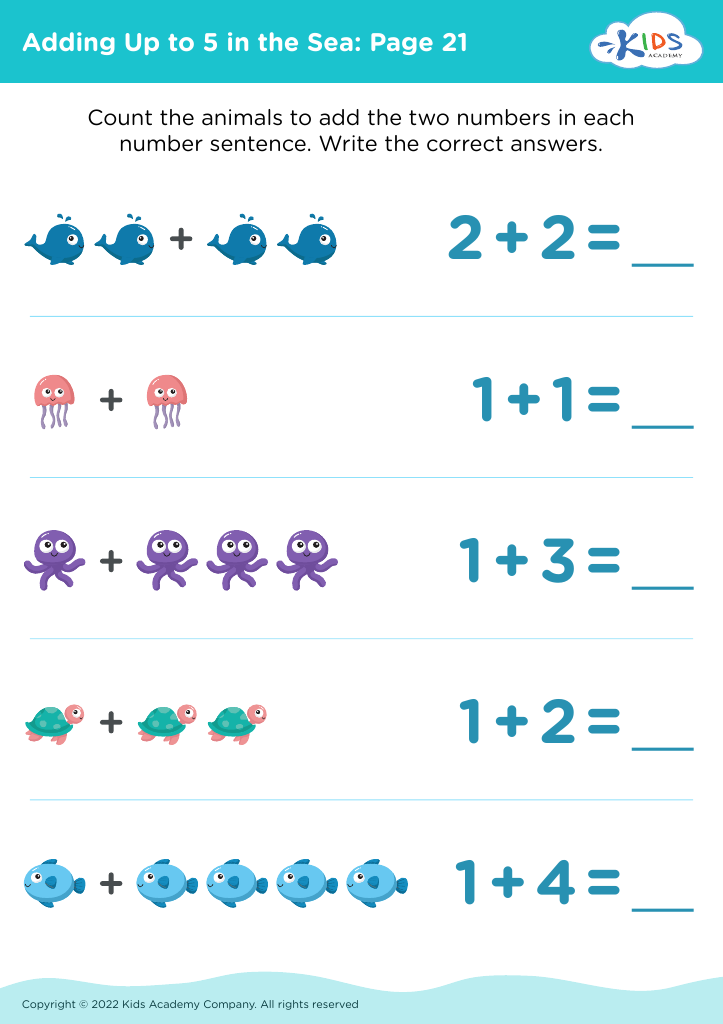
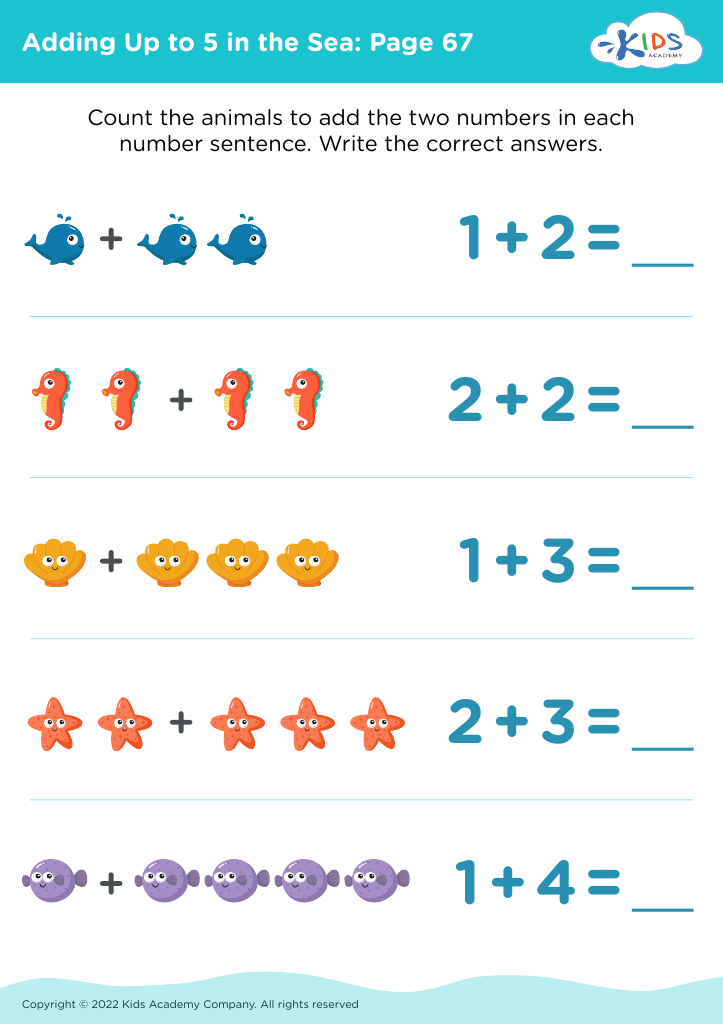
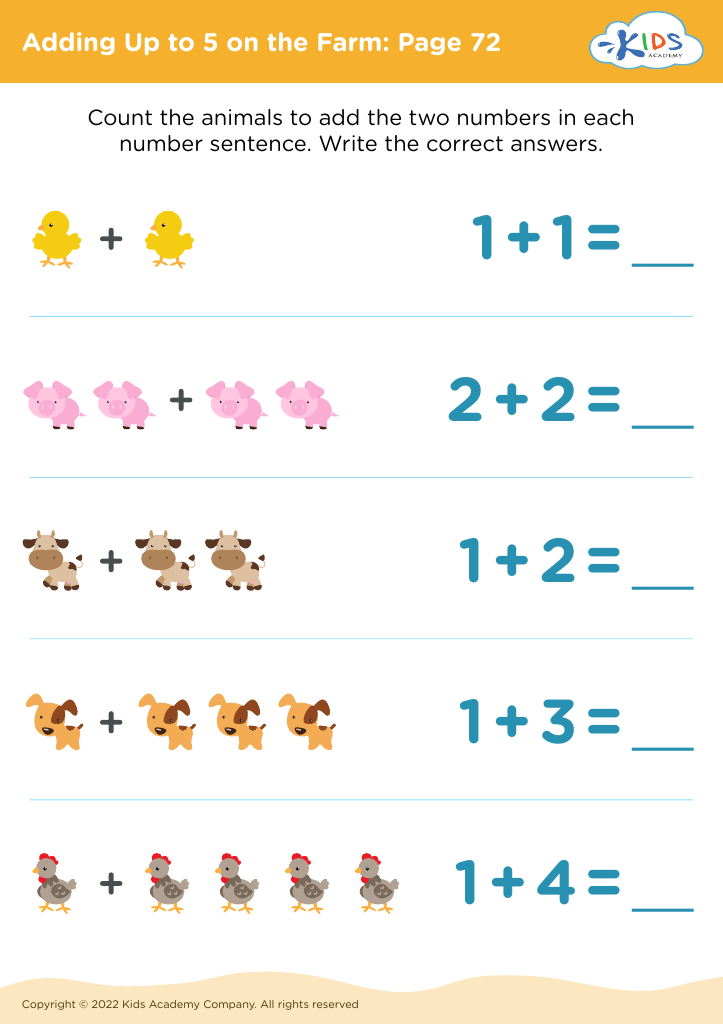
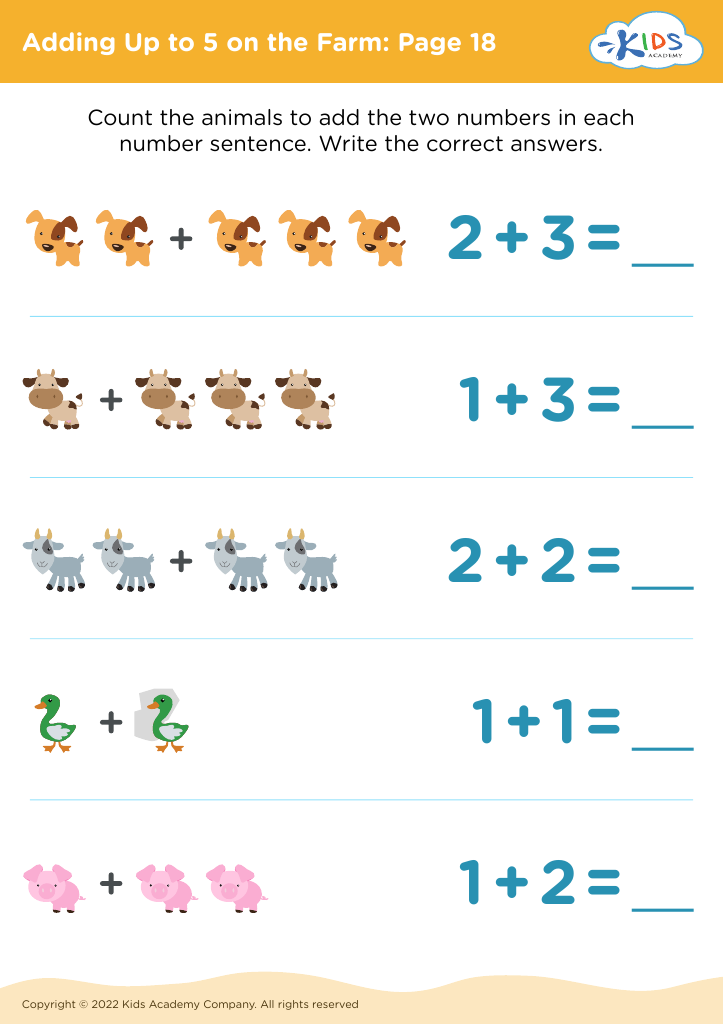
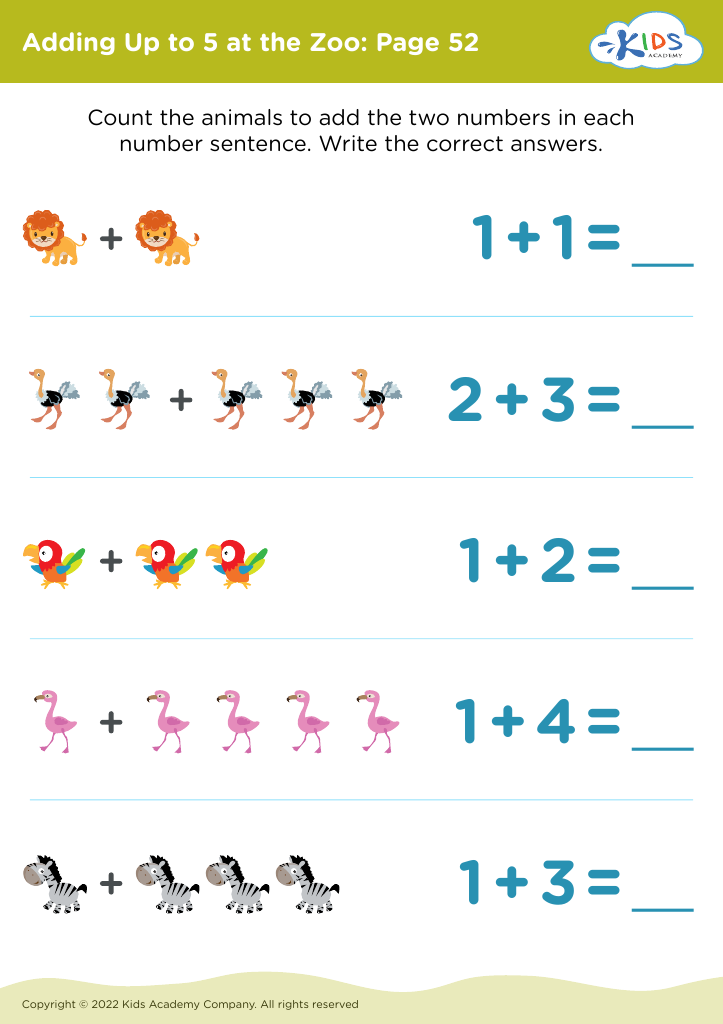







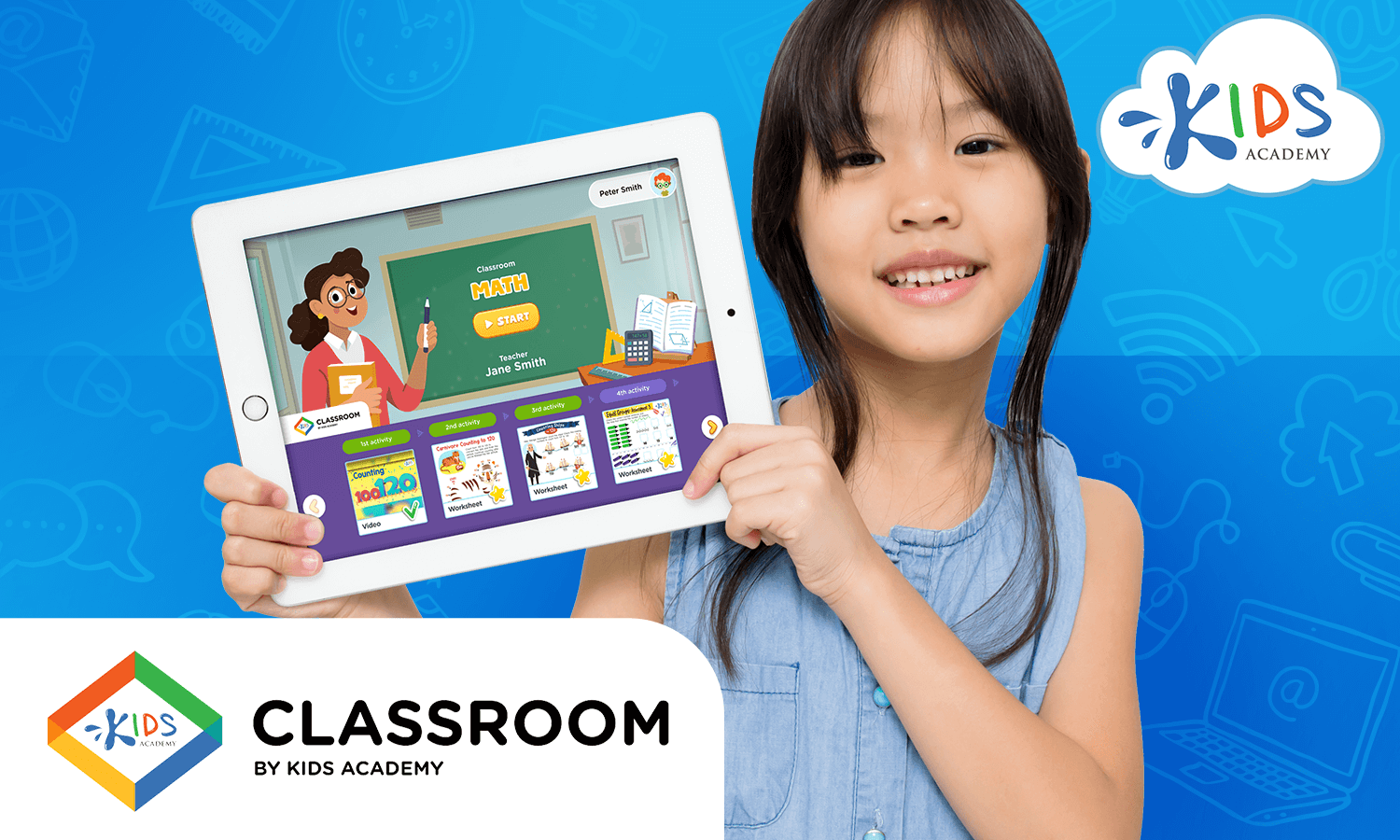
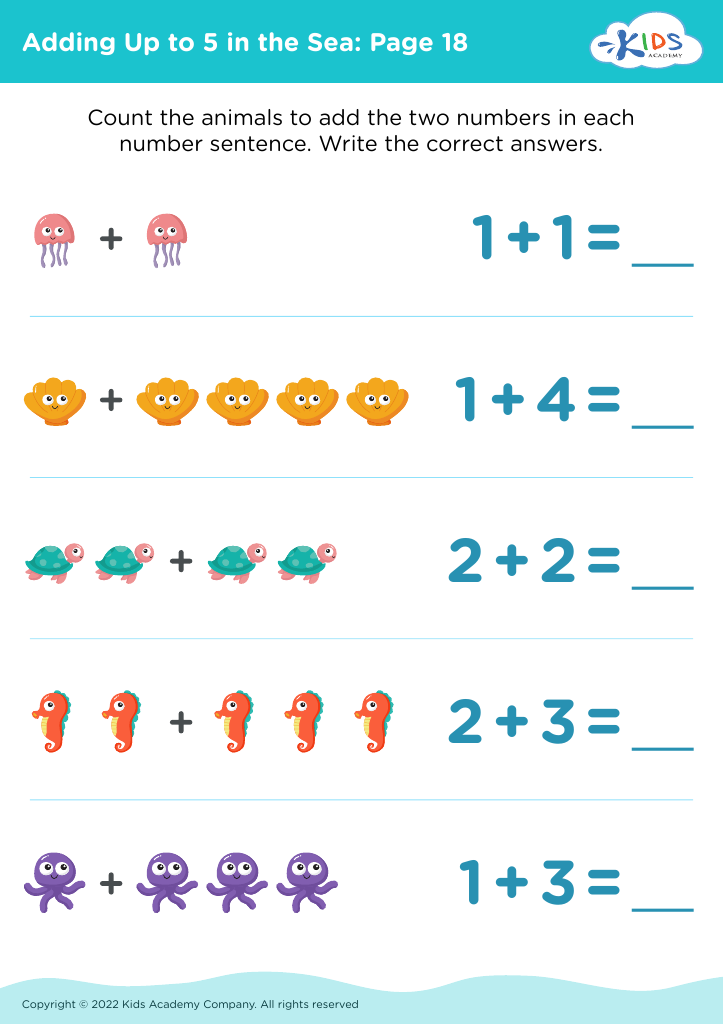
Visual Learning Math is pivotal for children aged 5-7 because it harnesses their inherent visual and spatial reasoning abilities, supporting deep and meaningful understanding of mathematical concepts. Young learners at this stage are naturally curious and engaged by colorful, interactive visuals like pictures, shapes, diagrams, and physical objects. Such tools transform abstract mathematical ideas into concrete experiences, making learning both enjoyable and effective.
Promoting visual learning in early math education helps children grasp foundational skills such as number sense, pattern recognition, and basic geometry. For example, visual aids like counting blocks or number lines provide tangible references that help children see how numbers relate to one another, setting the stage for more complex operations and problem-solving later on.
Additionally, visual learning encourages students to make connections between concepts. A visual representation of math problems not only aids in comprehension but also in retention. Kids who learn to visualize math problems are better equipped to transition to abstract thinking as they advance in their education.
For parents and teachers, incorporating visual elements into math instruction embodies an inclusive teaching strategy that caters to diverse learning styles, empowers confidence in young learners, and stimulates an early appreciation for the subject. Investing in visual learning approaches now ensures children build a robust mathematical foundation, fostering lifelong competence and enthusiasm in the subject.








