Visual perception Math Worksheets for Ages 5-7 - Page 2
57 filtered results
-
From - To
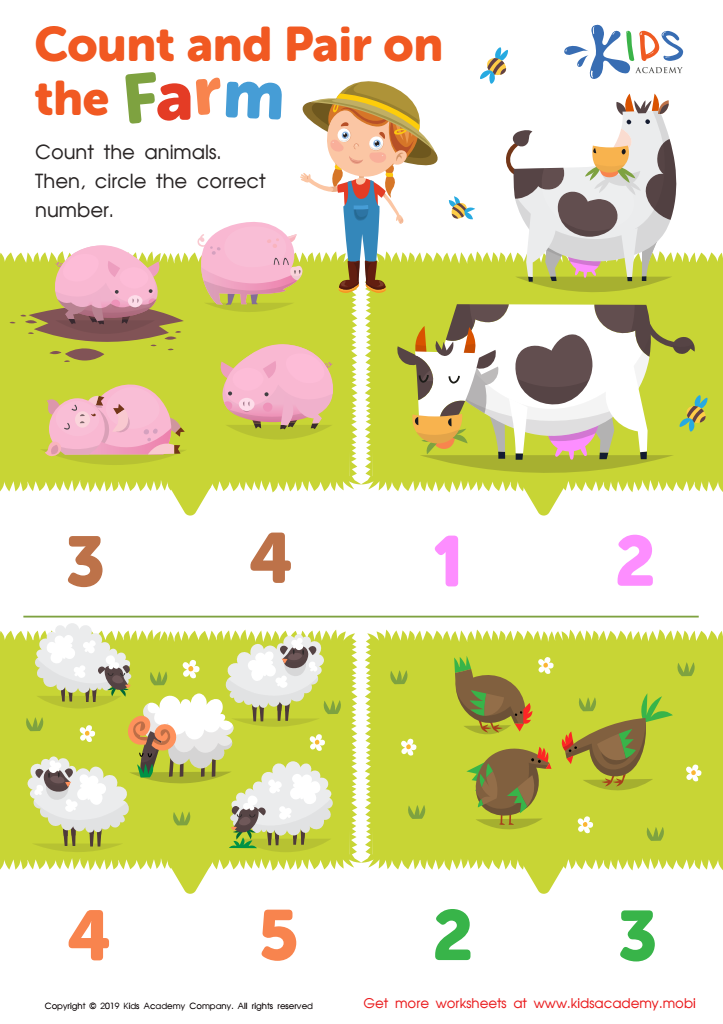
Count and Pair on the Farm Worksheet
 Assign to My Students
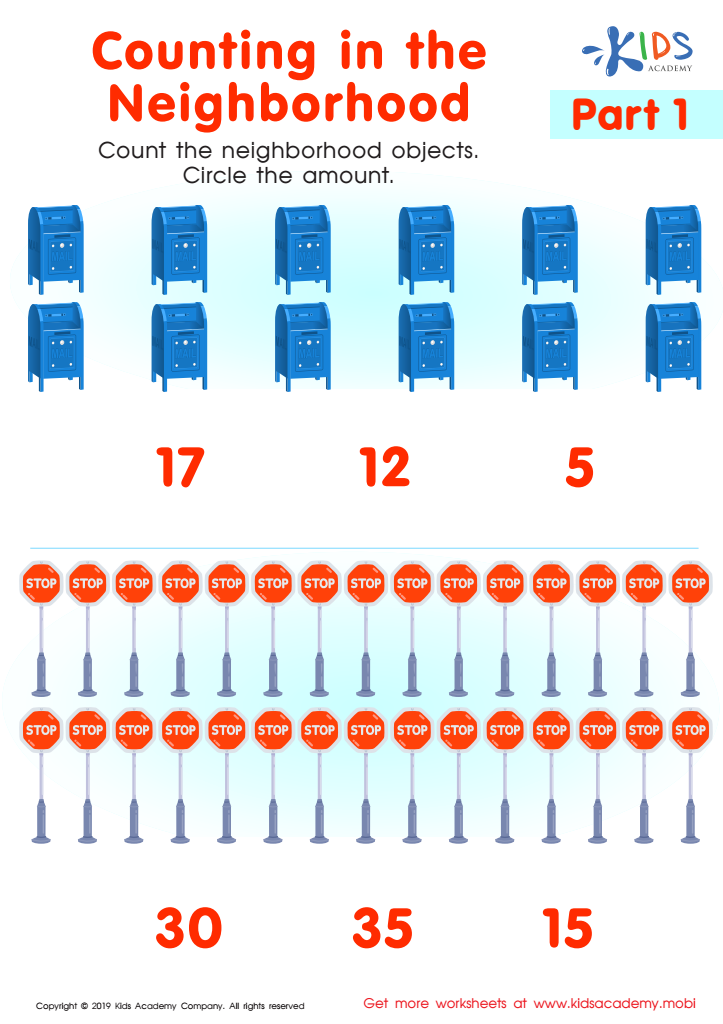
Counting in the Neighborhood Part1 Worksheet
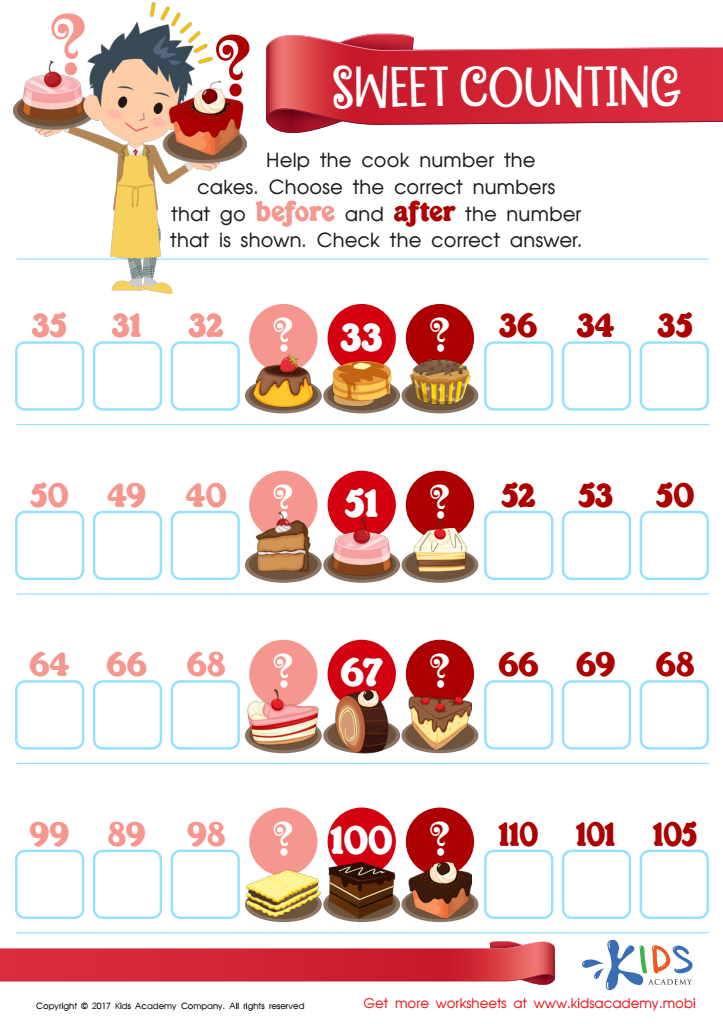
Sweet Counting - Part 1 Worksheet
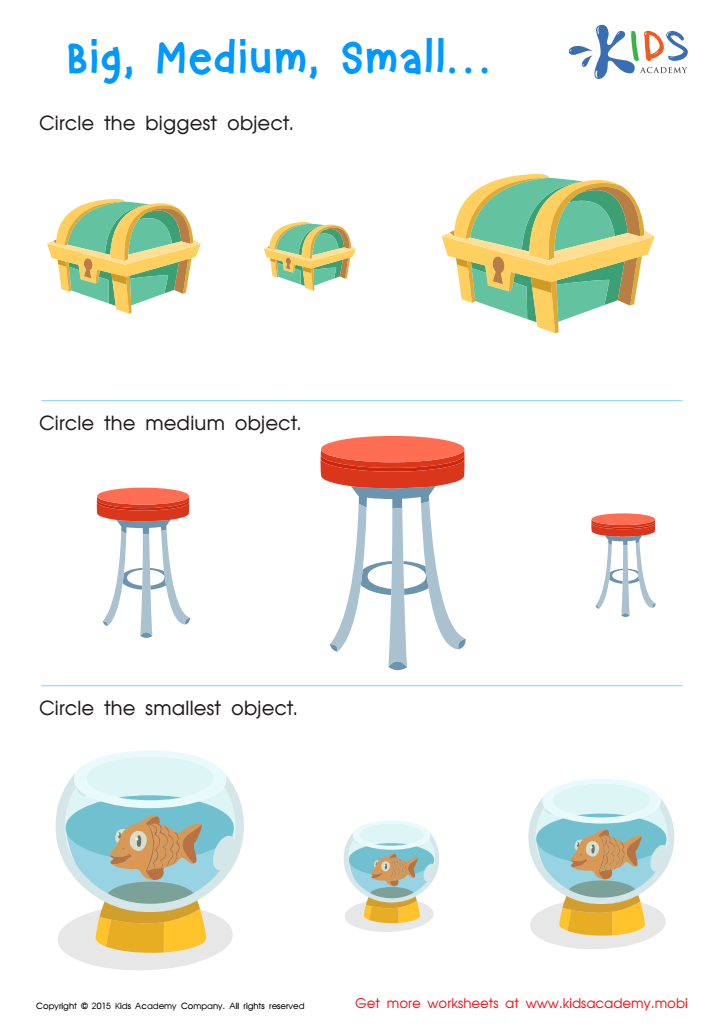
Big Medium Small Worksheet
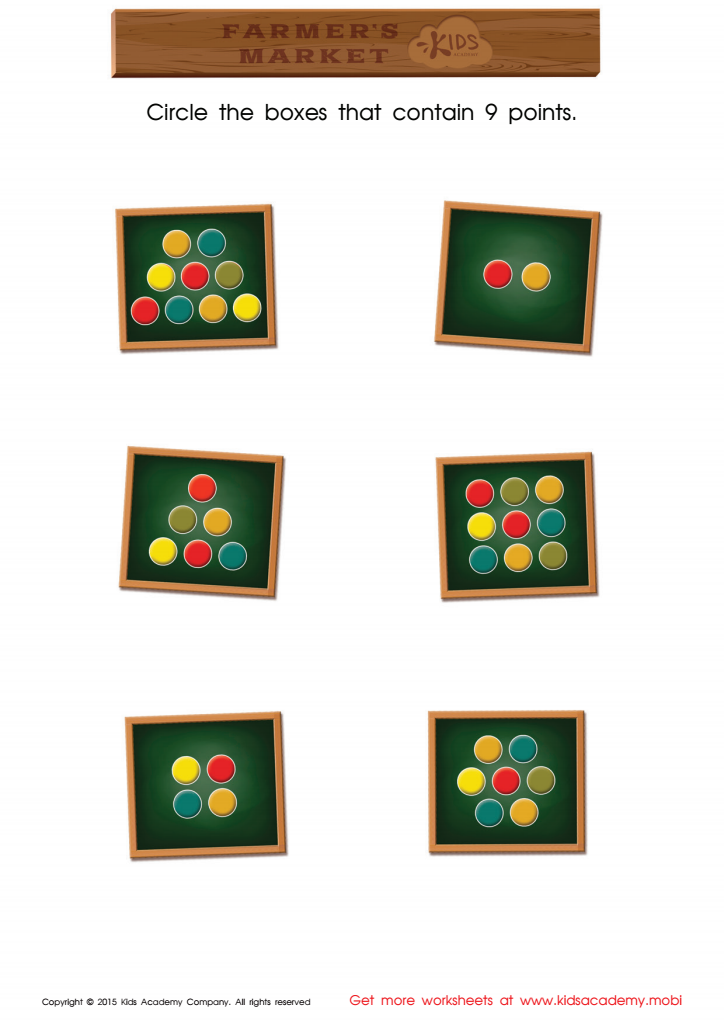
Count and Match Points 9 Math Worksheet
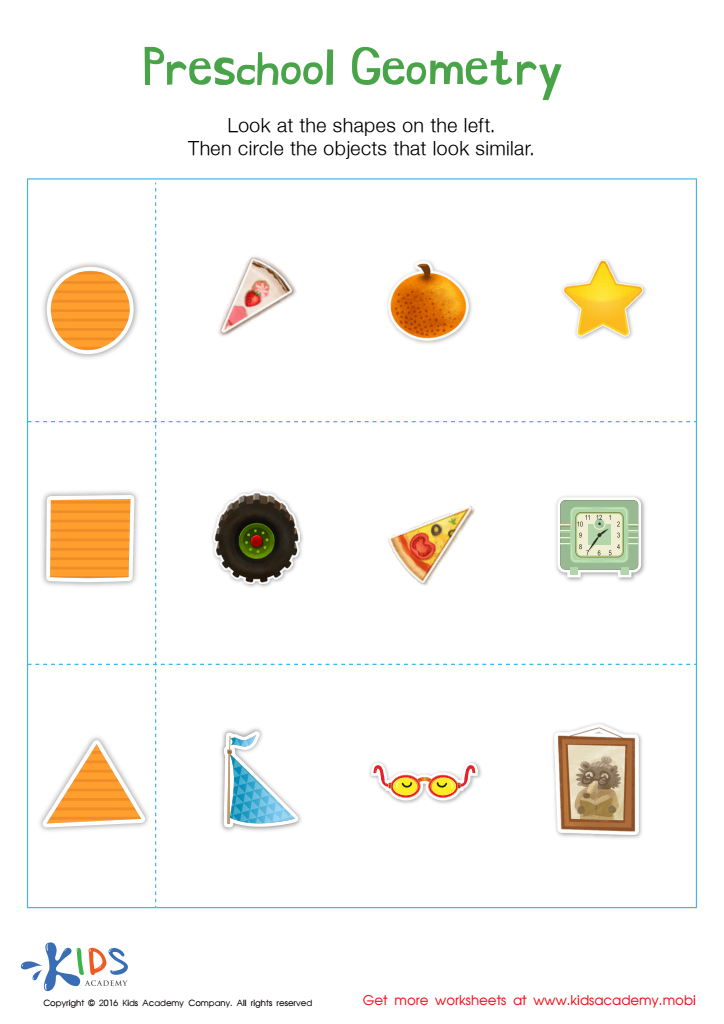
Preschool Geometry Match Up Worksheet
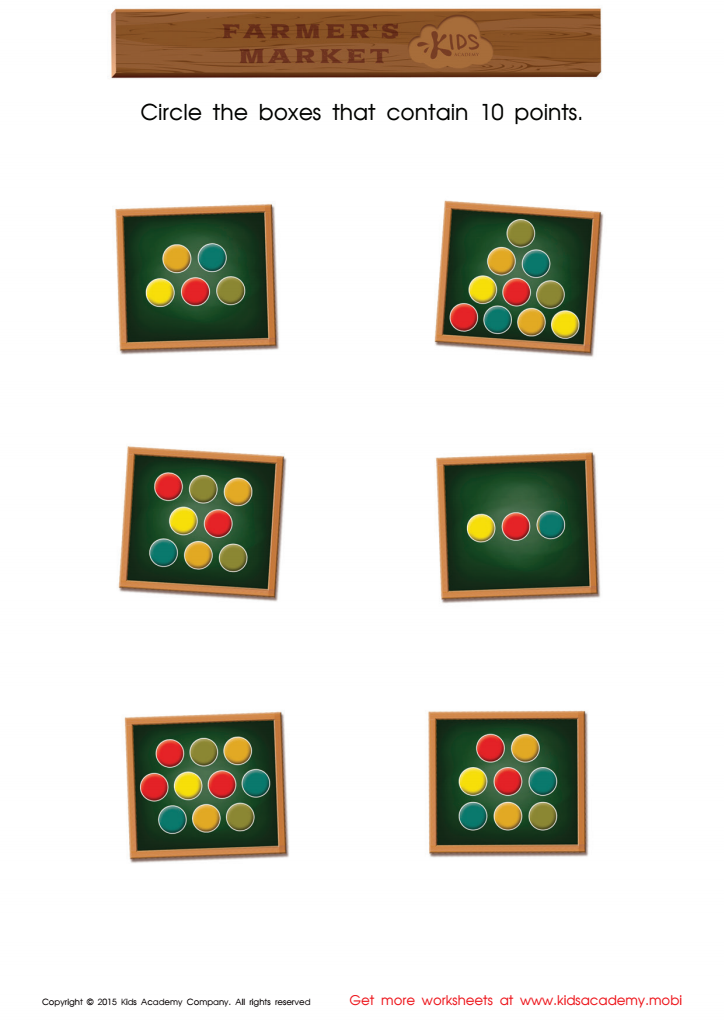
Count and Match Points 10 Math Worksheet
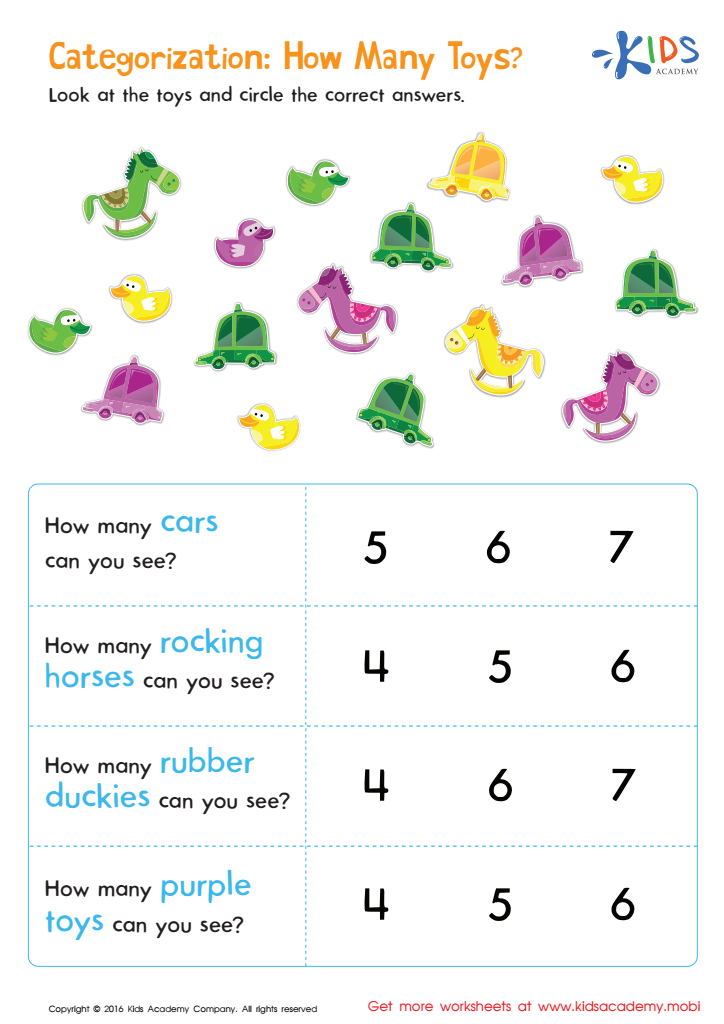
Classifying Toys by Type and Color Sorting Worksheet
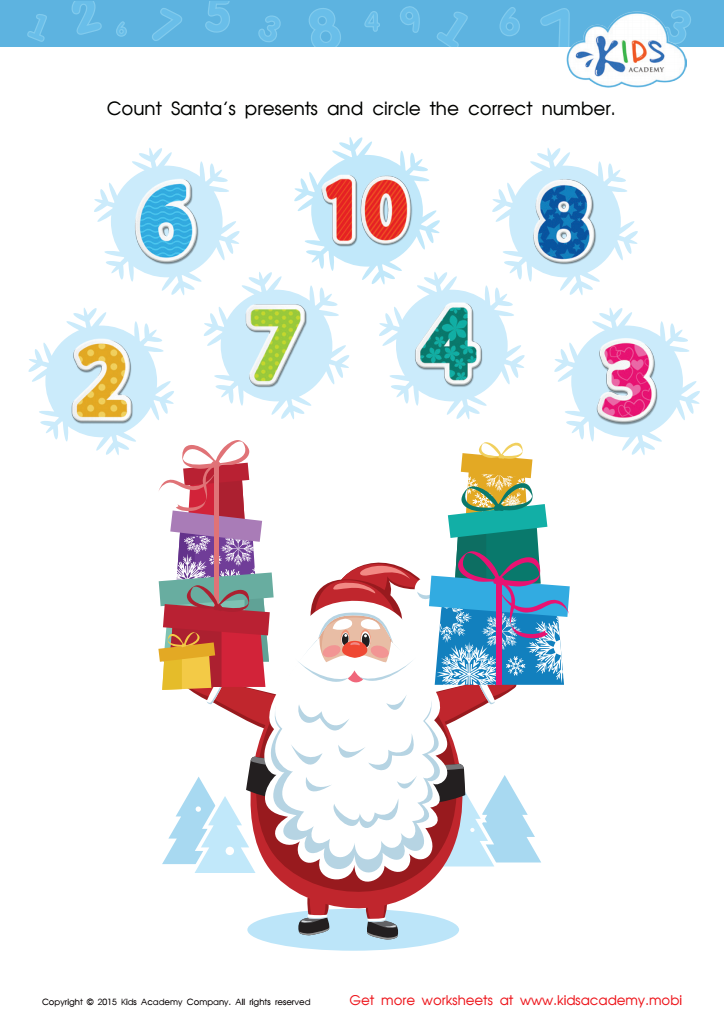
Count Santa's Presents Worksheet
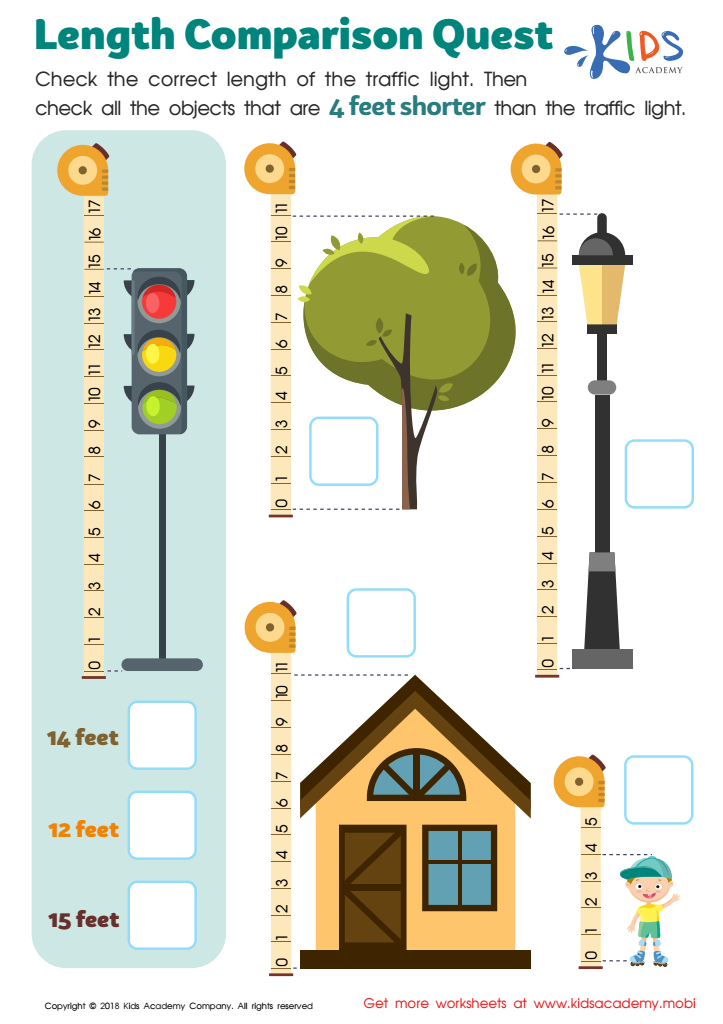
Length Comparison Quest Worksheet
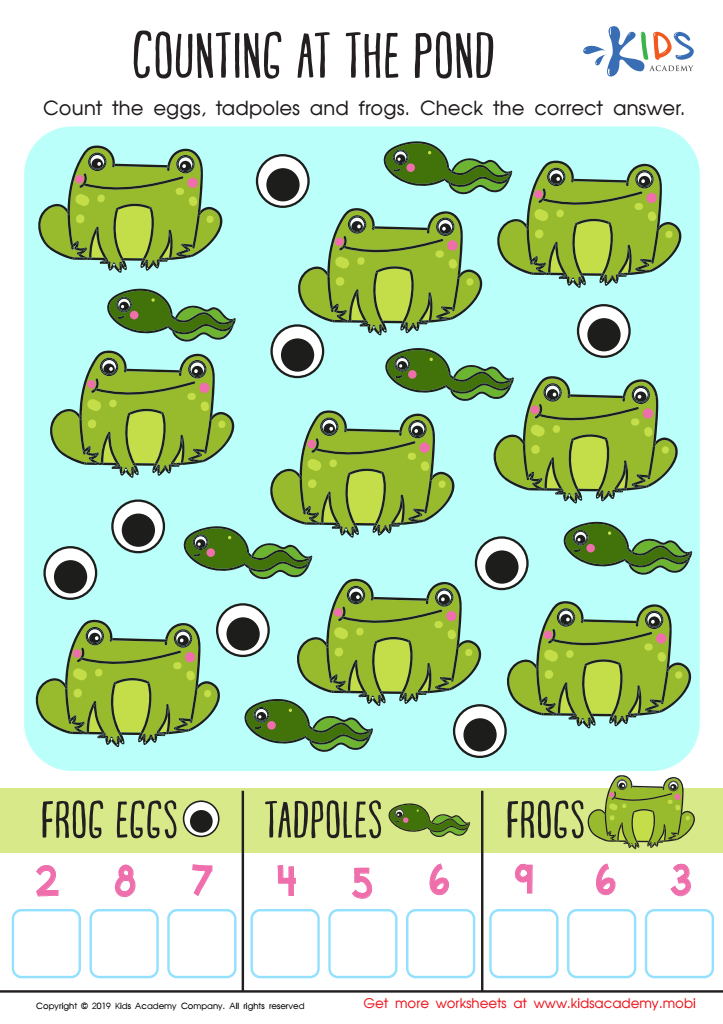
Counting at the Pond Worksheet
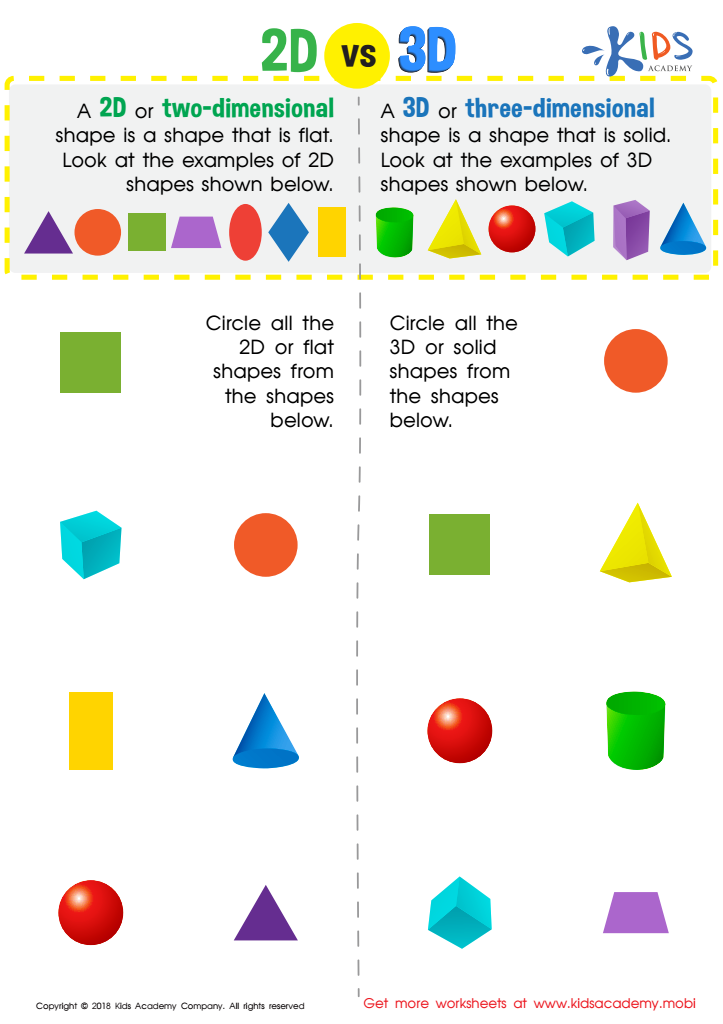
2D vs 3D Shapes Worksheet
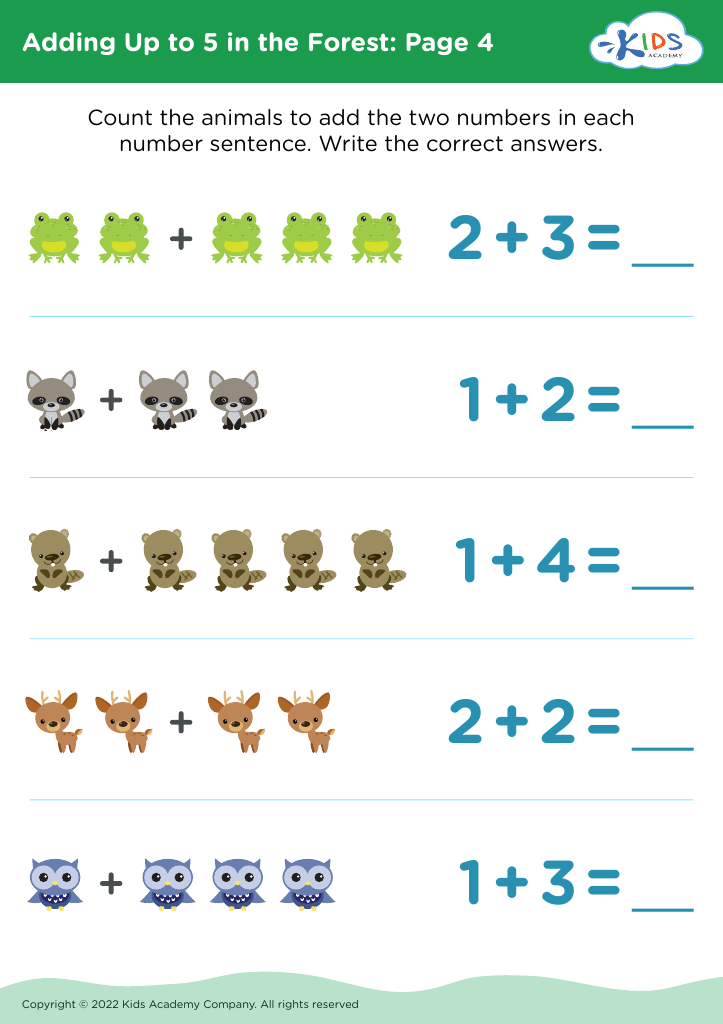
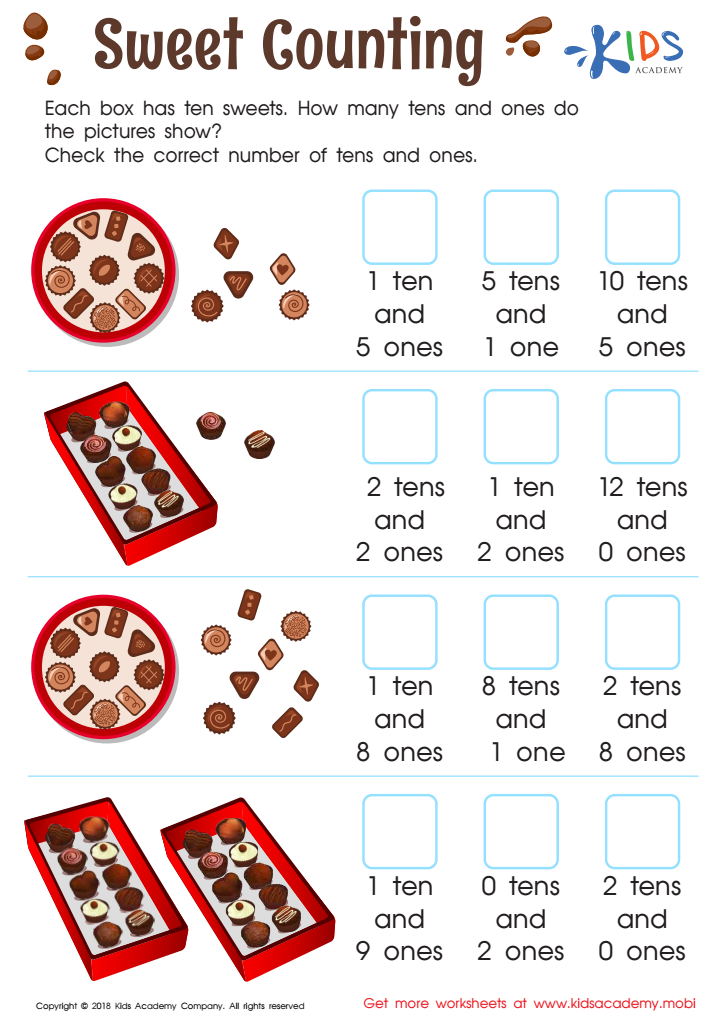
Sweet Counting - Part 2 Worksheet
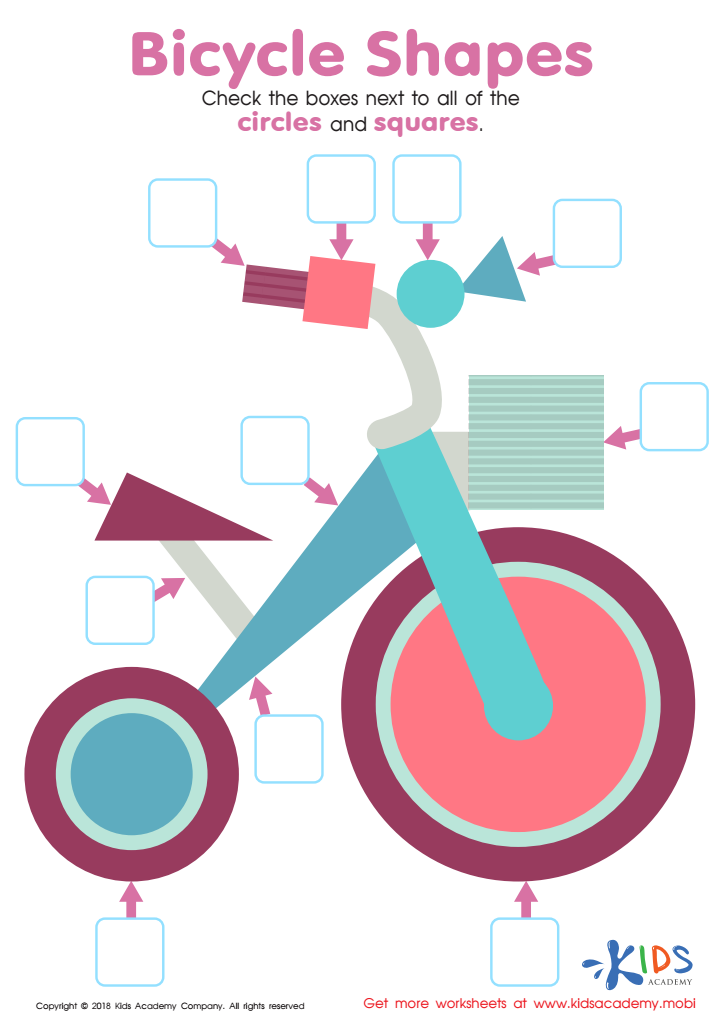
Bicycle Shapes Worksheet
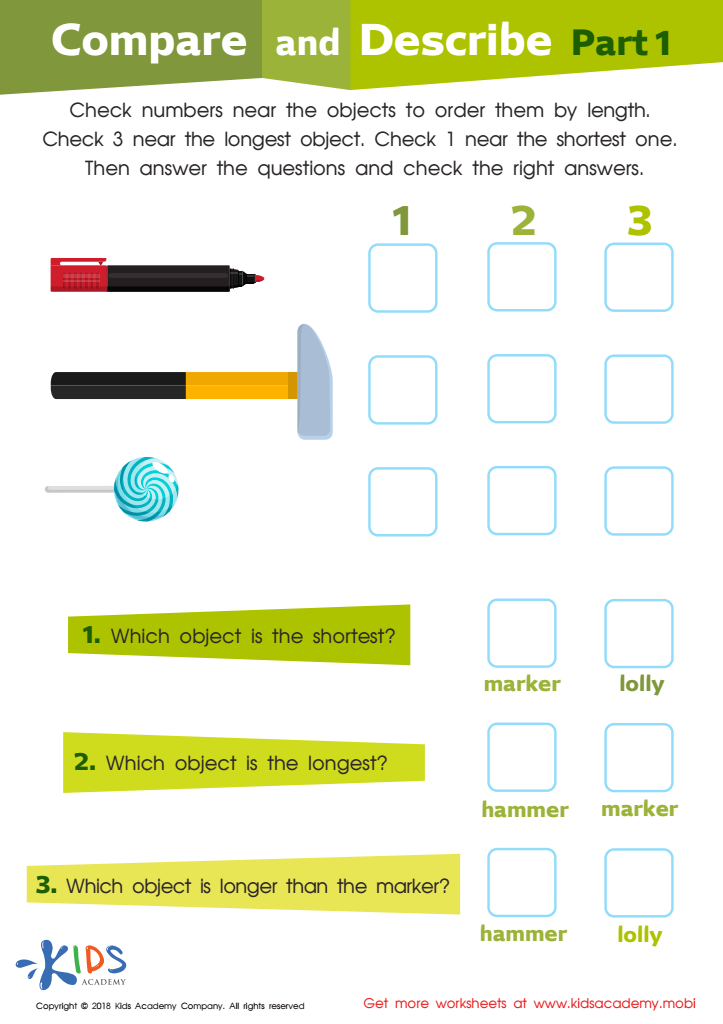
Compare and Describe: Part 1 Worksheet
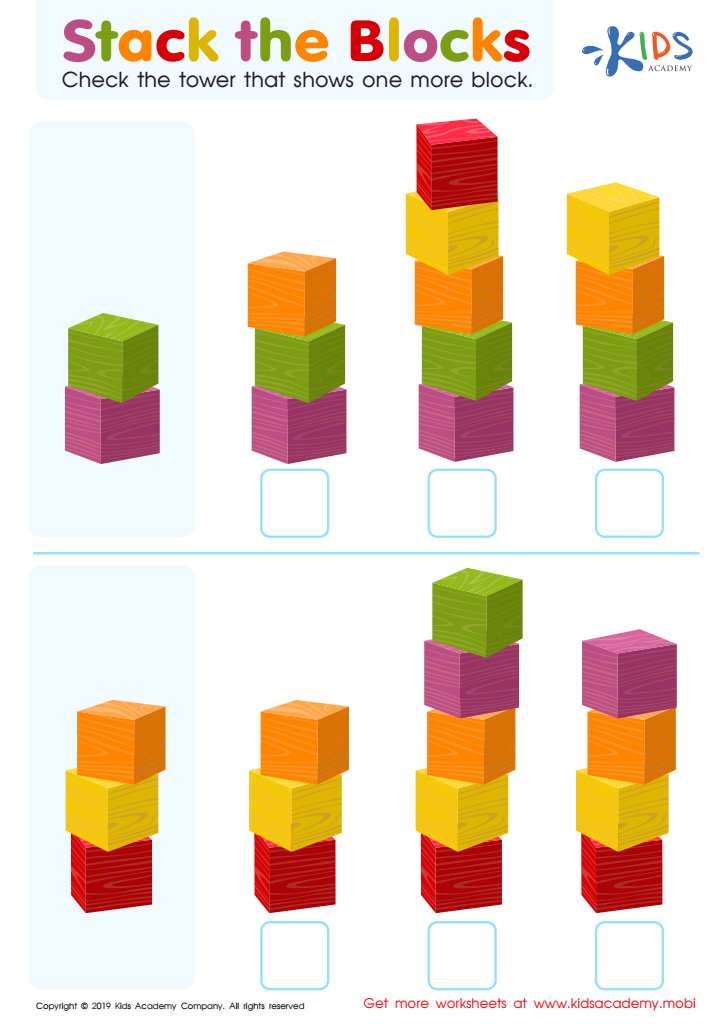
Stack the Blocks Worksheet
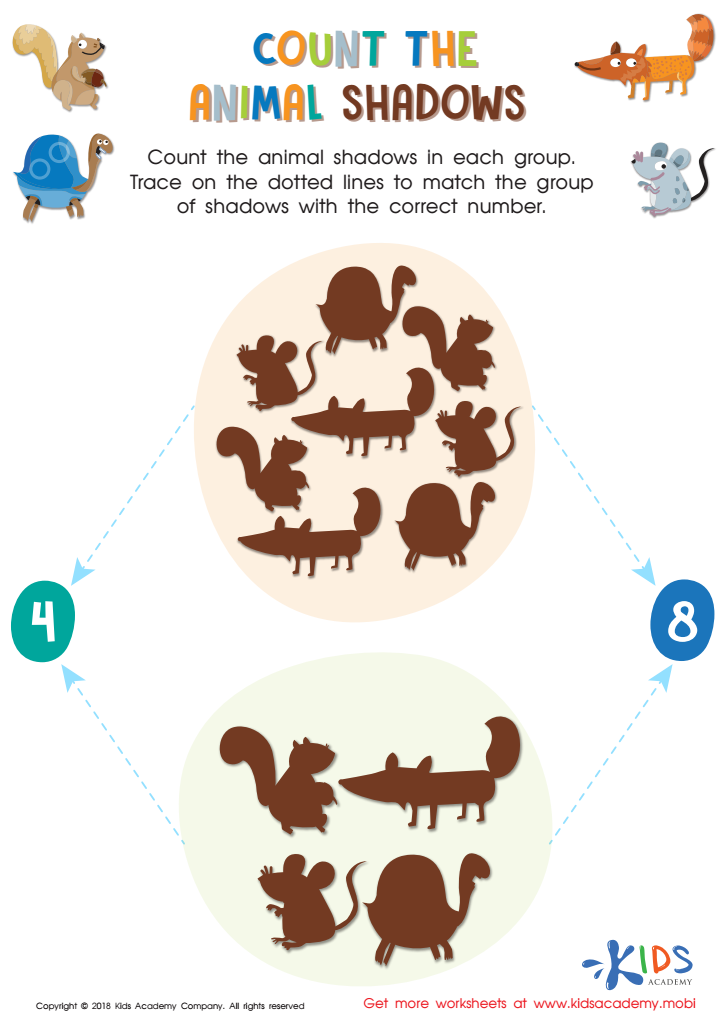
Count the Animal Shadows Worksheet
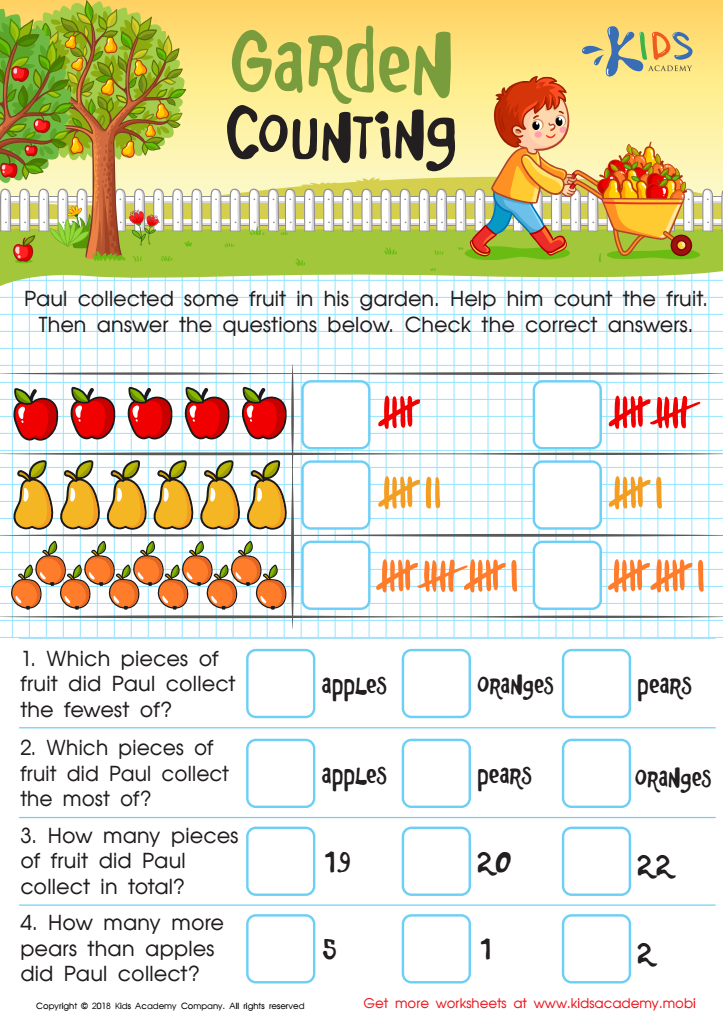
Garden Counting Worksheet
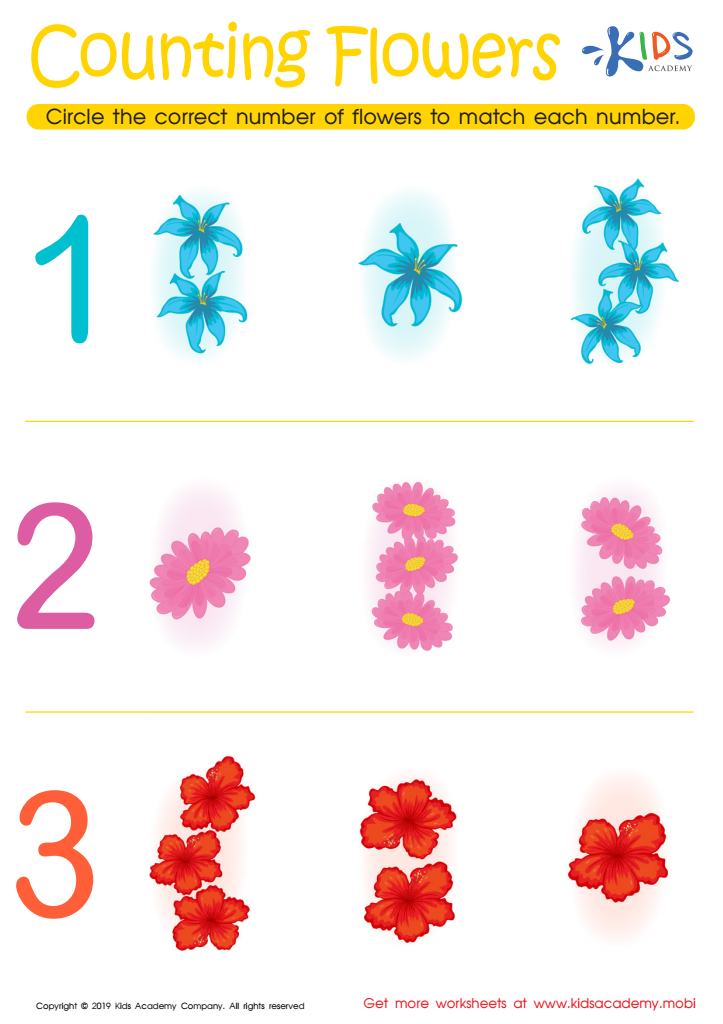
Counting Flowers Worksheet
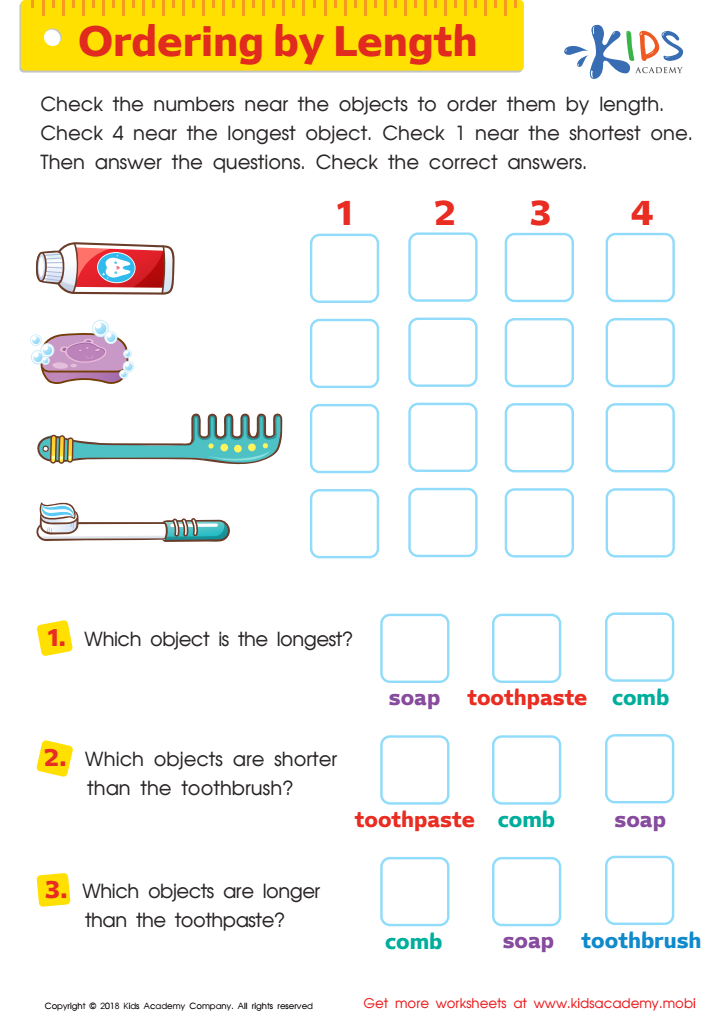
Ordering by Length Worksheet







Visual perception plays a crucial role in helping children aged 5-7 develop essential math skills. This stage of learning is vital as it forms the foundation for future mathematical understanding. Visual perception refers to the ability to interpret and make sense of visual information, such as shapes, patterns, and spatial relationships, all of which are fundamental in mathematics.
Parents and teachers should care about visual perception in math for several reasons. First, it assists children in recognizing numbers and understanding their relationships, which is key to addition, subtraction, and later, more complex operations like multiplication and division. Second, strong visual perceptual skills enable children to visualize mathematical problems, enhancing problem-solving abilities and fostering a more intuitive grasp of abstract concepts.
Moreover, activities designed to improve visual perception can make learning engaging and enjoyable, promoting a positive attitude toward math. When children are confident in their visual interpretation skills, they are more likely to participate actively in math-related activities and exhibit resilience in the face of challenges. Ultimately, nurturing visual perception in early math education not only supports academic success but also equips children with critical thinking skills they will use for a lifetime.








