Problem-Solving Skills Place Value Worksheets for Ages 5-7
5 filtered results
-
From - To
Nurture early math proficiency with our Problem-Solving Skills Place Value Worksheets designed for kids ages 5-7. These engaging worksheets help young learners grasp the essential concept of place value in an enjoyable and interactive way. Each activity fosters critical thinking by challenging children to solve problems related to numbers, their values, and positions. Tailored specifically for early learners, the exercises promote the development of key skills while ensuring that learning remains fun and stimulating. Use these comprehensive worksheets to build a strong mathematical foundation in your child and boost their confidence in tackling math problems.
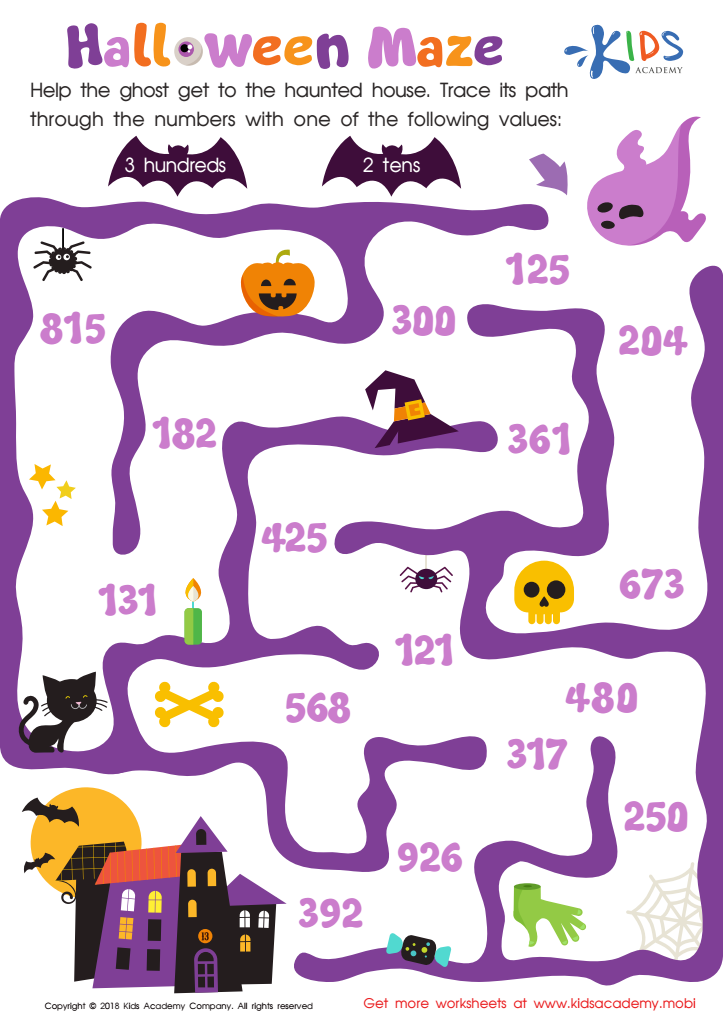
Place Value: Halloween Maze Worksheet
 Assign to My Students
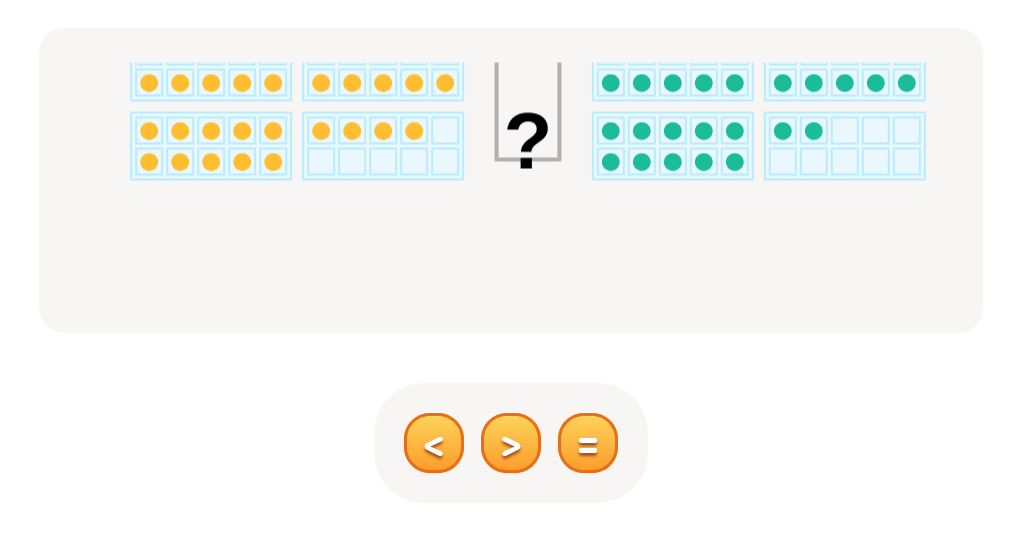

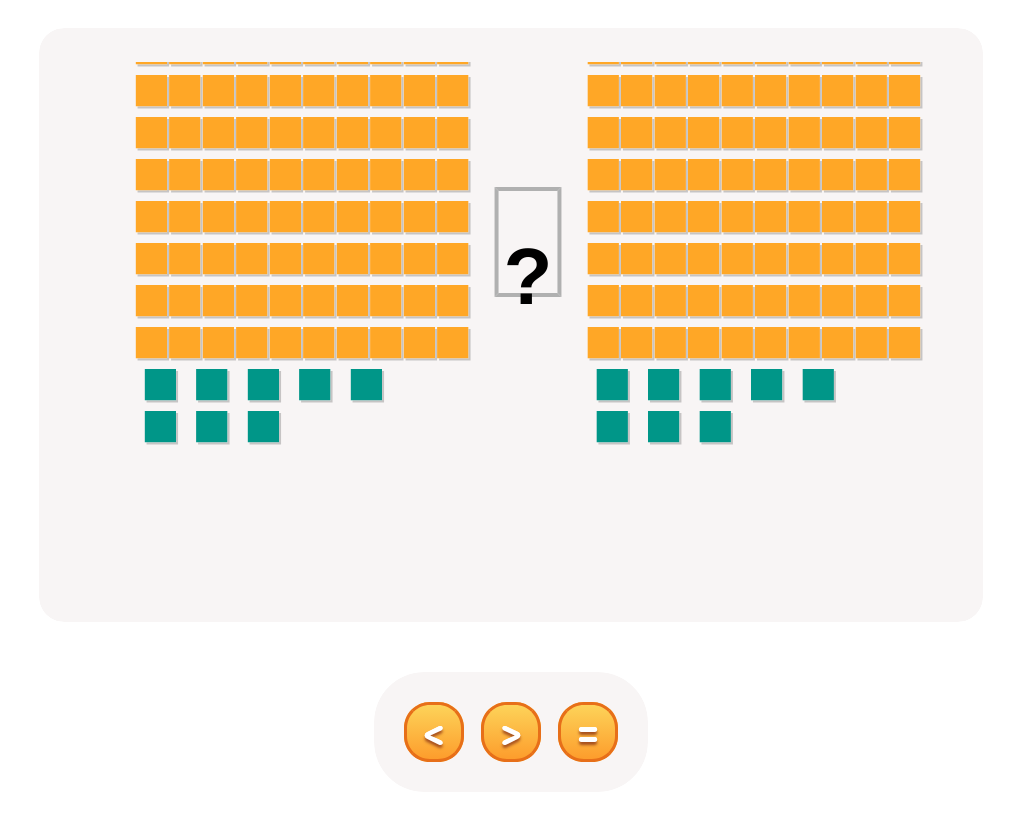
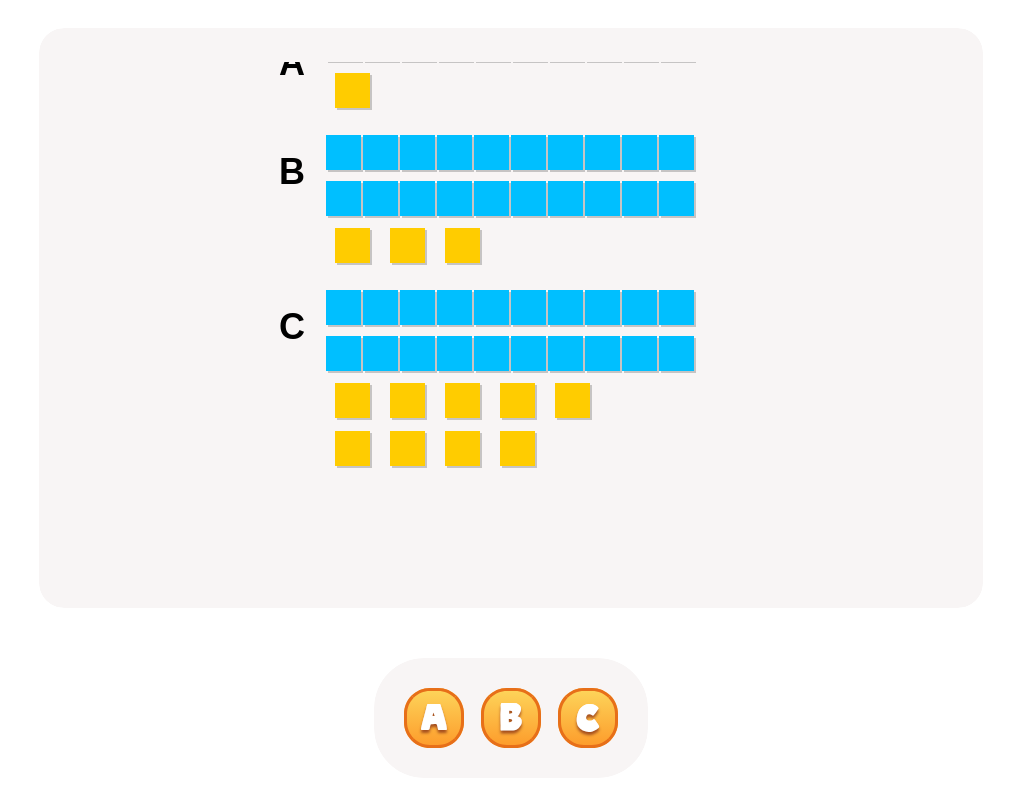
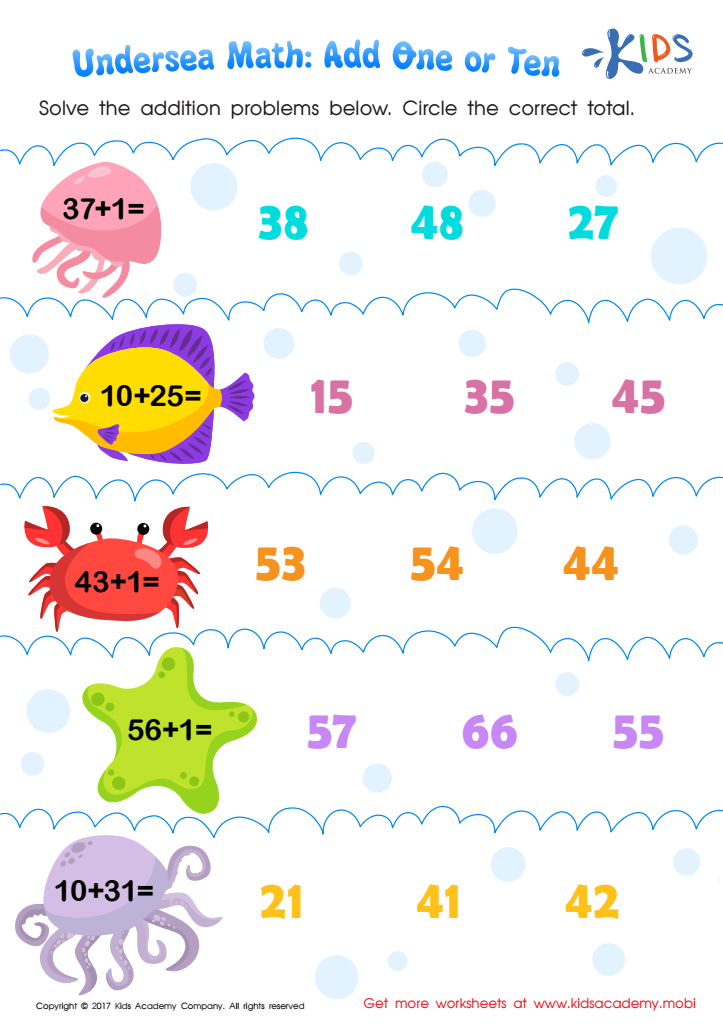
Undersea Math Worksheet
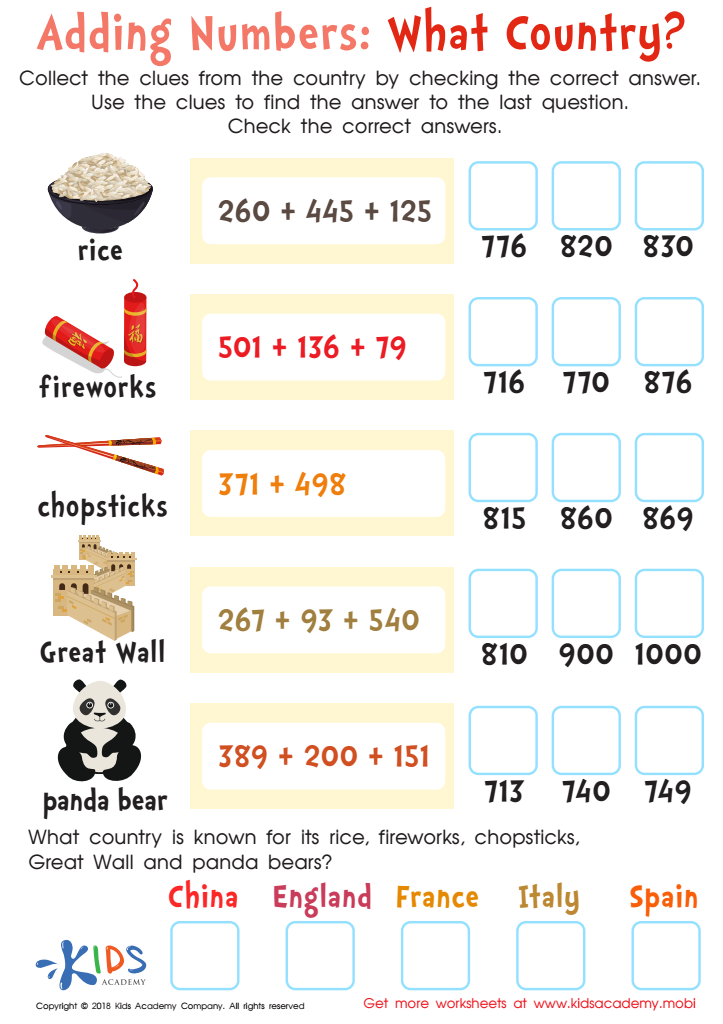
Adding Numbers: What Country Worksheet
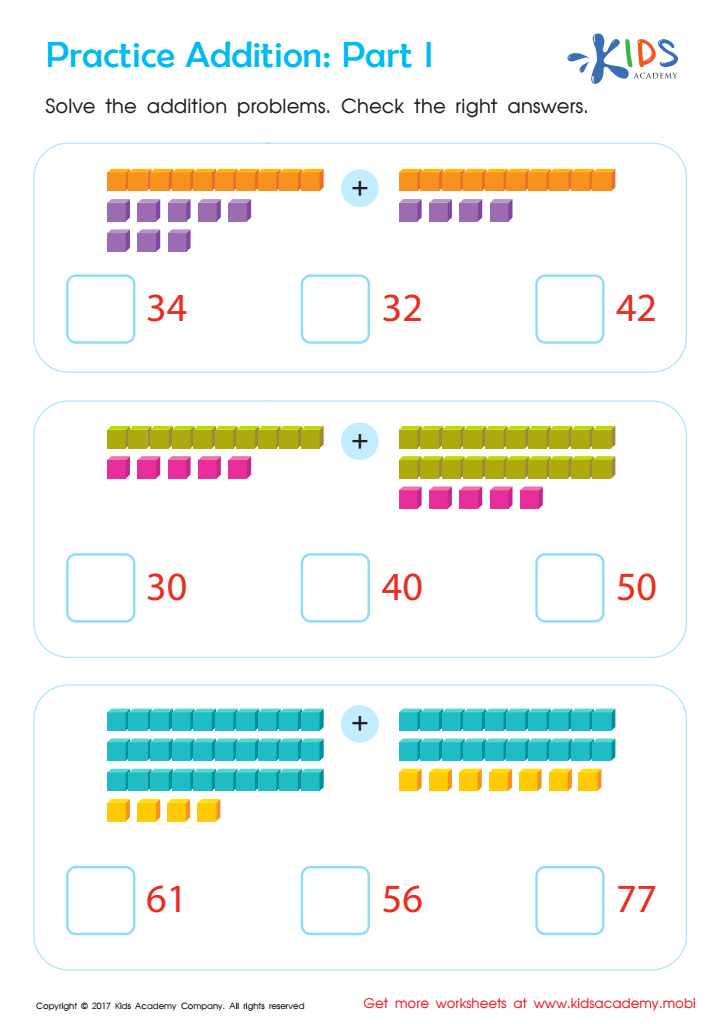
Practice Addition: Part 1 Worksheet
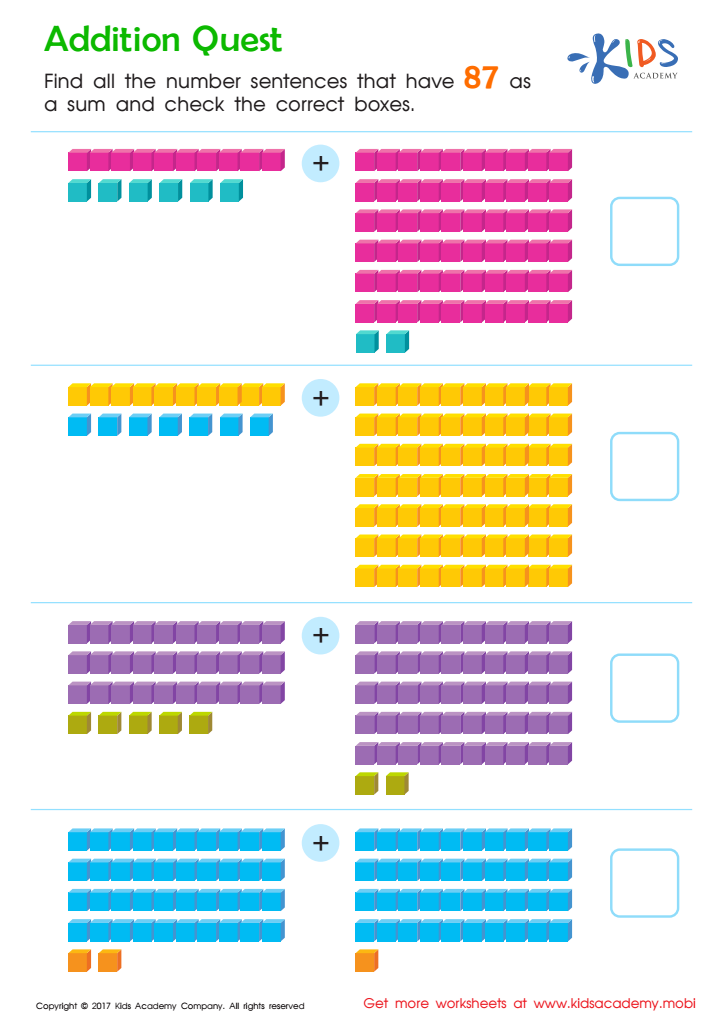
Addition Quest Worksheet: Part 1






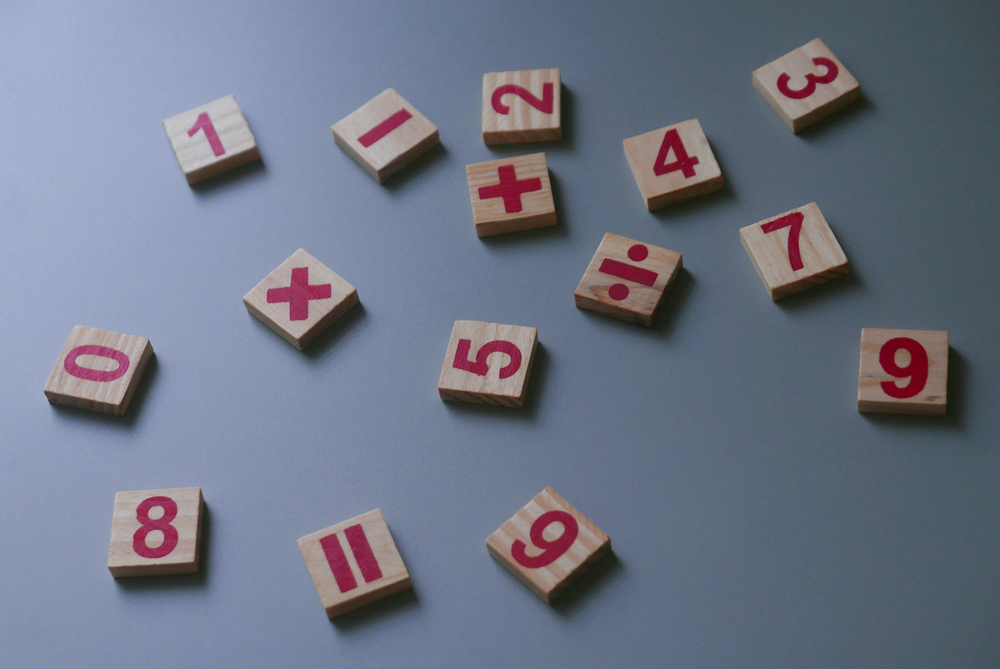
Problem-solving skills and understanding place value are essential foundations for children's cognitive development and their future academic success, especially for ages 5-7. Firstly, problem-solving equips young students with critical thinking and analytical skills needed to navigate everyday challenges independently. It encourages them to ask questions, explore various solutions, and develop resilience when faced with difficulties. These skills are not only applicable to mathematics but also to science, literacy, and even interpersonal situations.
Place value, meanwhile, is a fundamental concept in mathematics that becomes the backbone for more advanced topics, such as addition, subtraction, multiplication, and division. When children grasp the concept of place value, they understand the significance of each digit in a number, recognizing that the position of a digit affects its value (such as distinguishing between the "2" in 20 versus the "2" in 200). This comprehension is crucial for performing arithmetic operations and for future topics like fractions and decimals.
Integrating problem-solving with place value activities helps in honing these competencies simultaneously. Activities such as regrouping in addition or set-based problem-solving puzzles stimulate the child's ability to think logically while reinforcing their understanding of numbers. Thus, fostering these skills in early education sets solid groundwork for lifelong learning and intellectual curiosity.








