Subtraction practice Subtraction Worksheets for Ages 5-7 - Page 2
35 filtered results
-
From - To
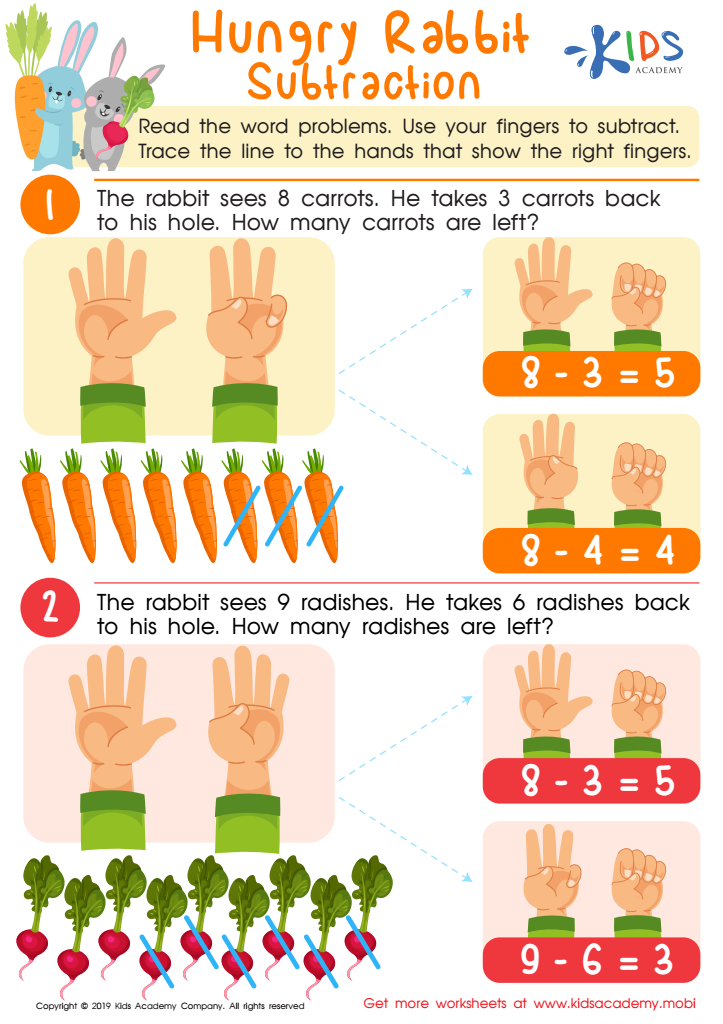
Hungry Rabbit Subtraction Worksheet
 Assign to My Students
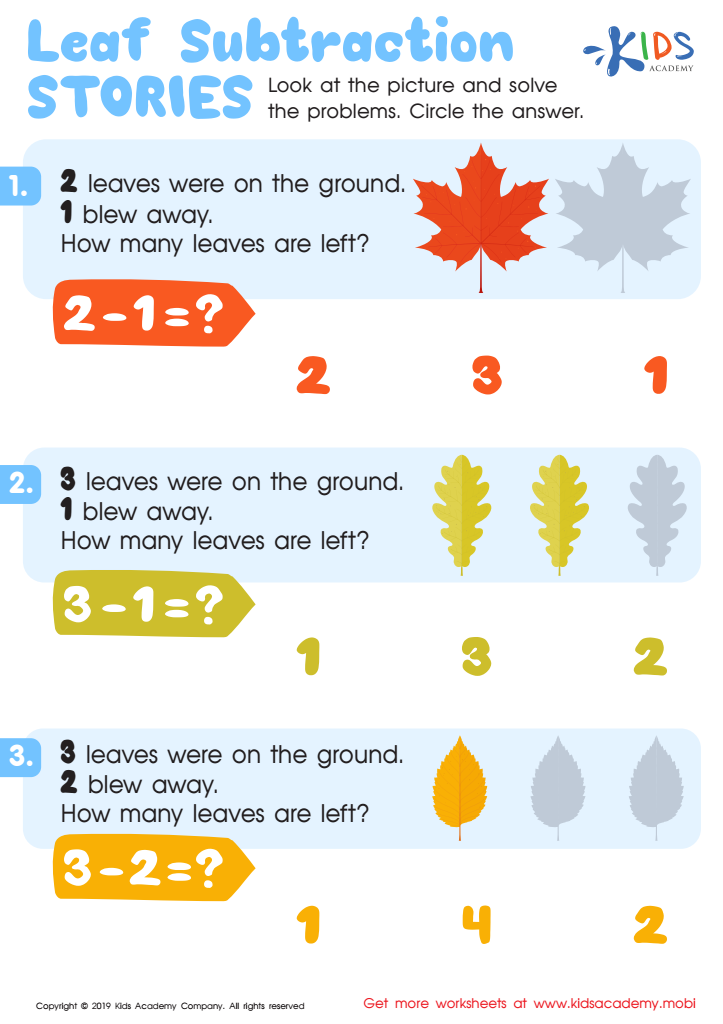
Leaf Subtraction Stories Worksheet
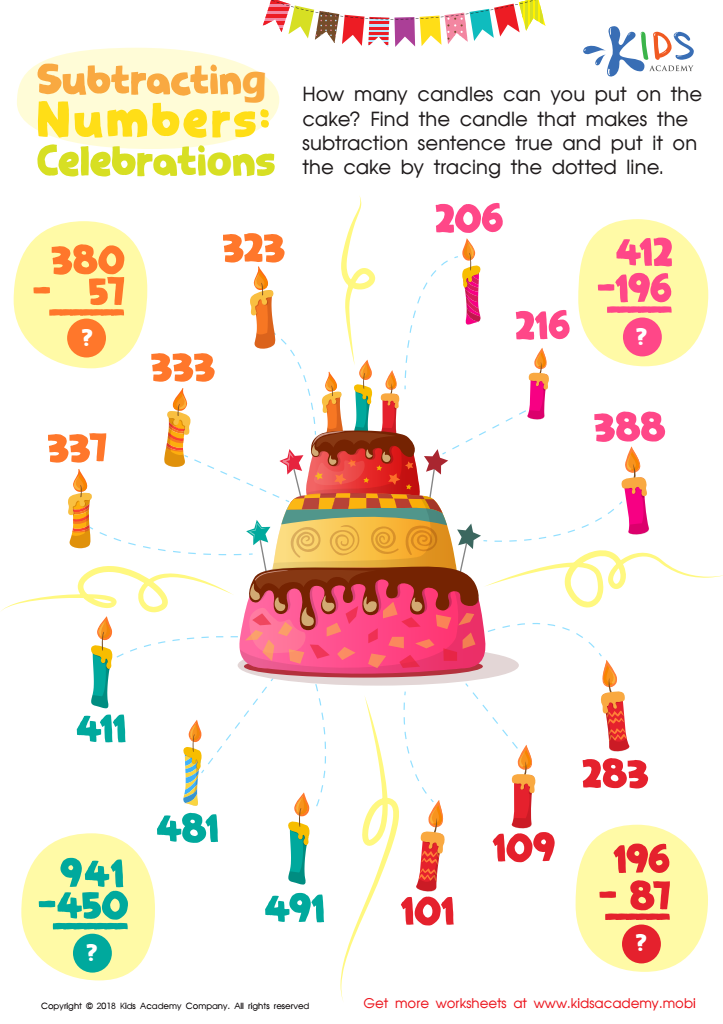
Subtracting Numbers: Celebrations Worksheet
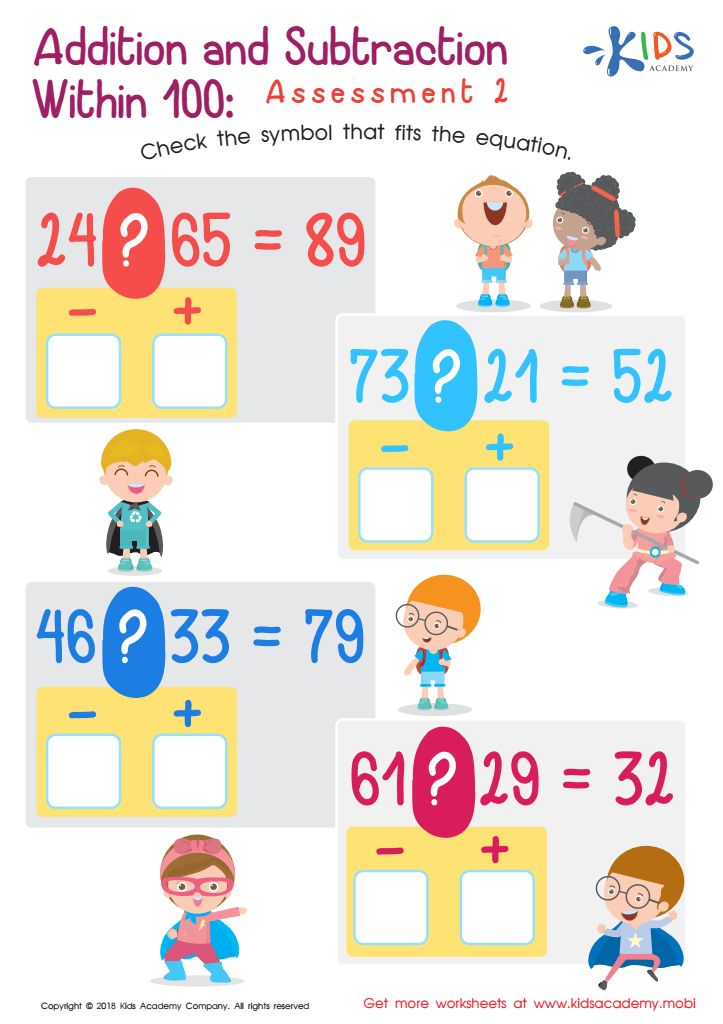
Addition and Subtraction Within 1: Assessment 2 Worksheet
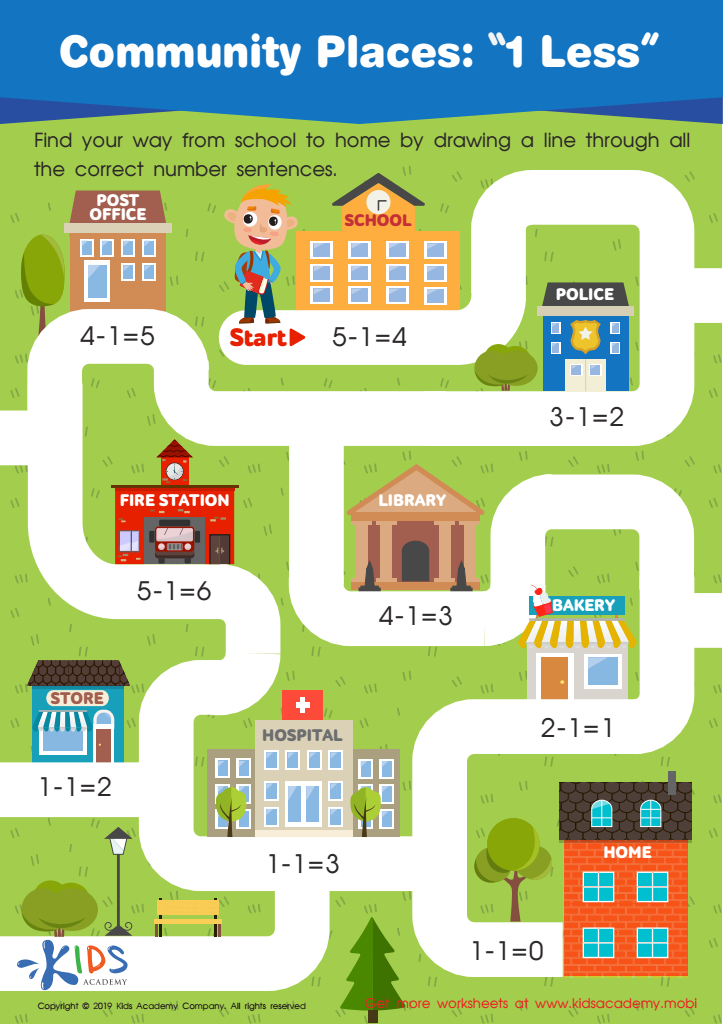
Community Places: 1 Less Worksheet
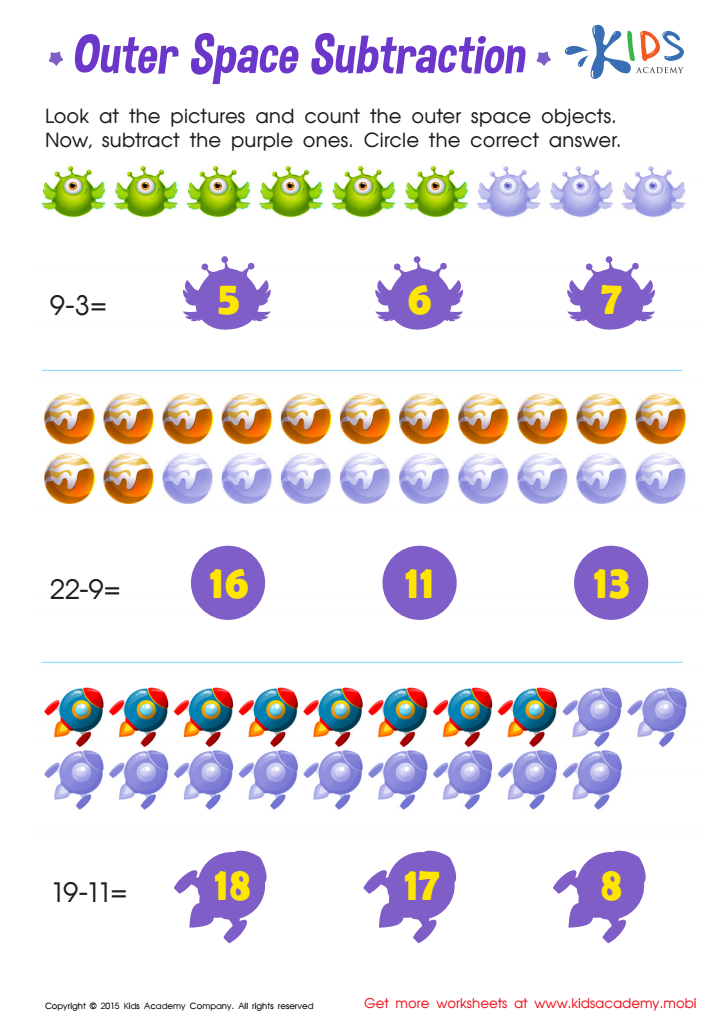
Outer Space Substraction Worksheet
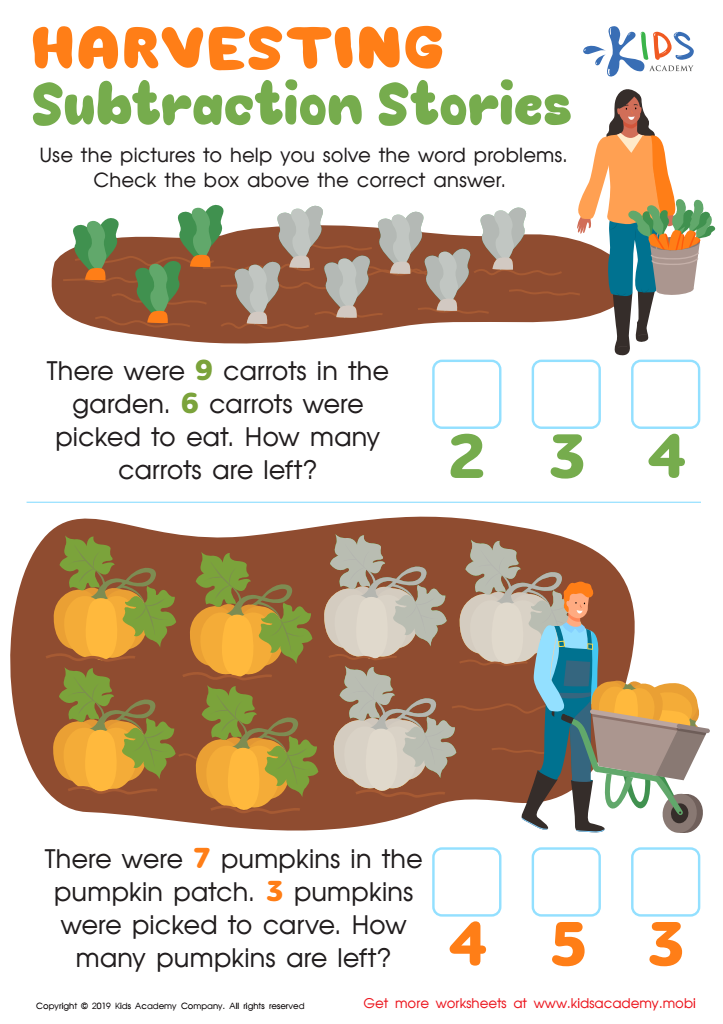
Harvesting Subtraction Stories Worksheet
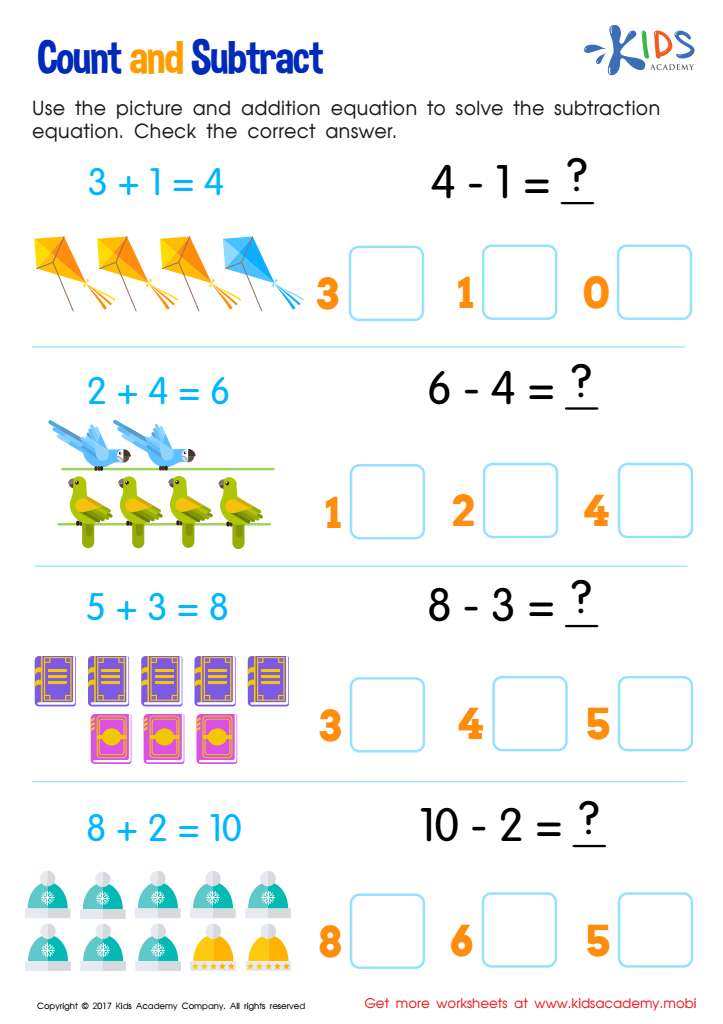
Count and Subtract Worksheet
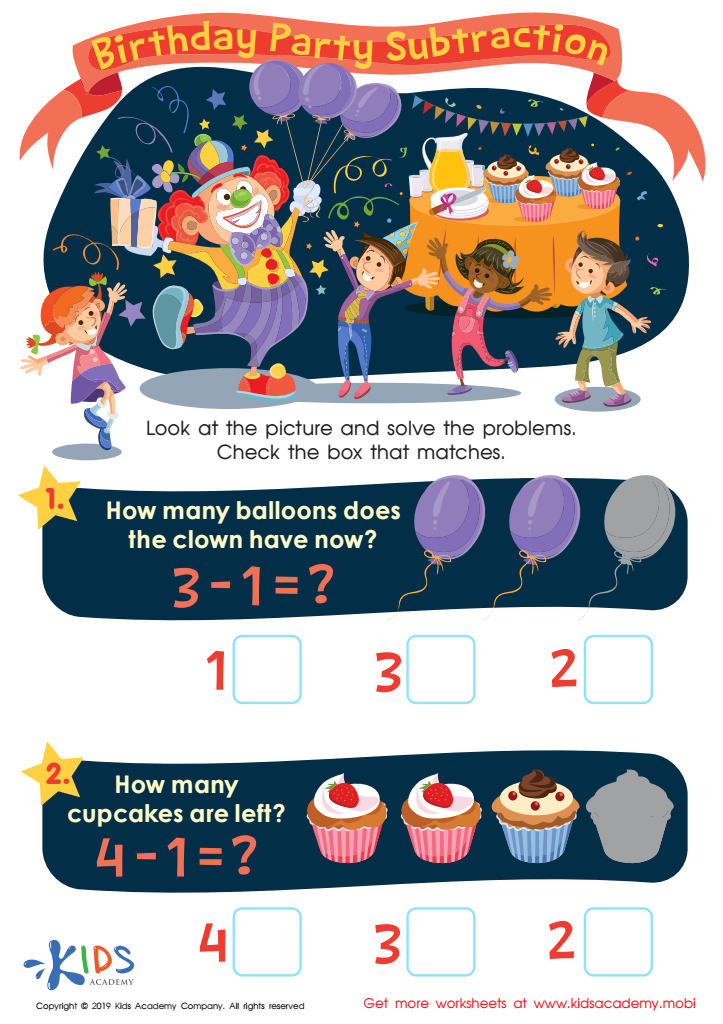
Birthday Party Subtraction Worksheet
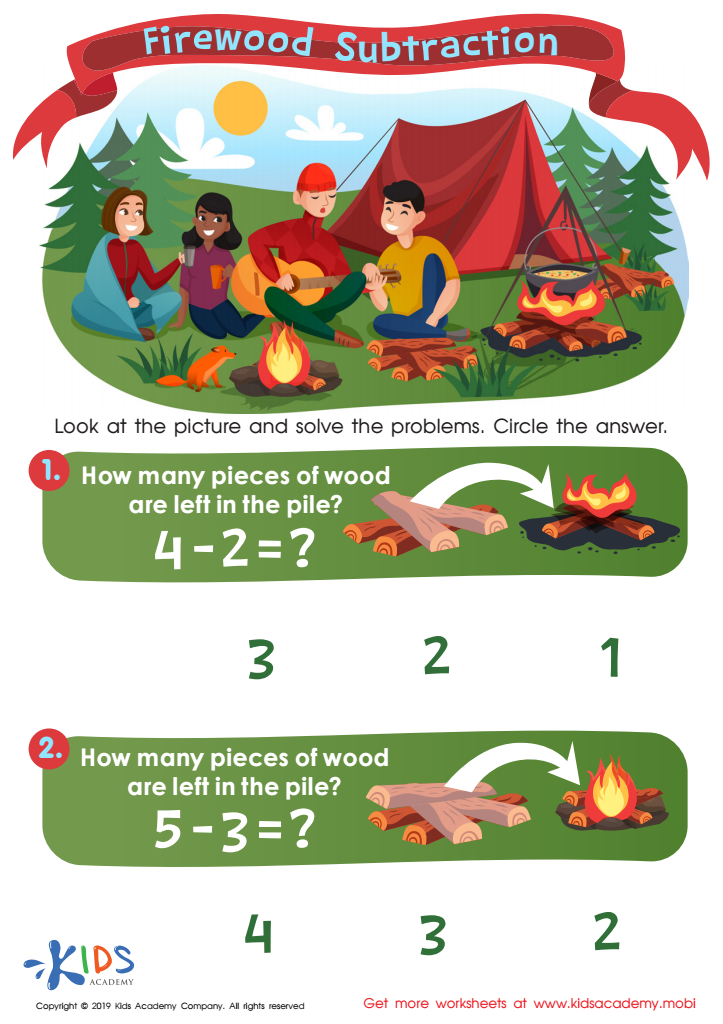
Firewood Subtraction Worksheet
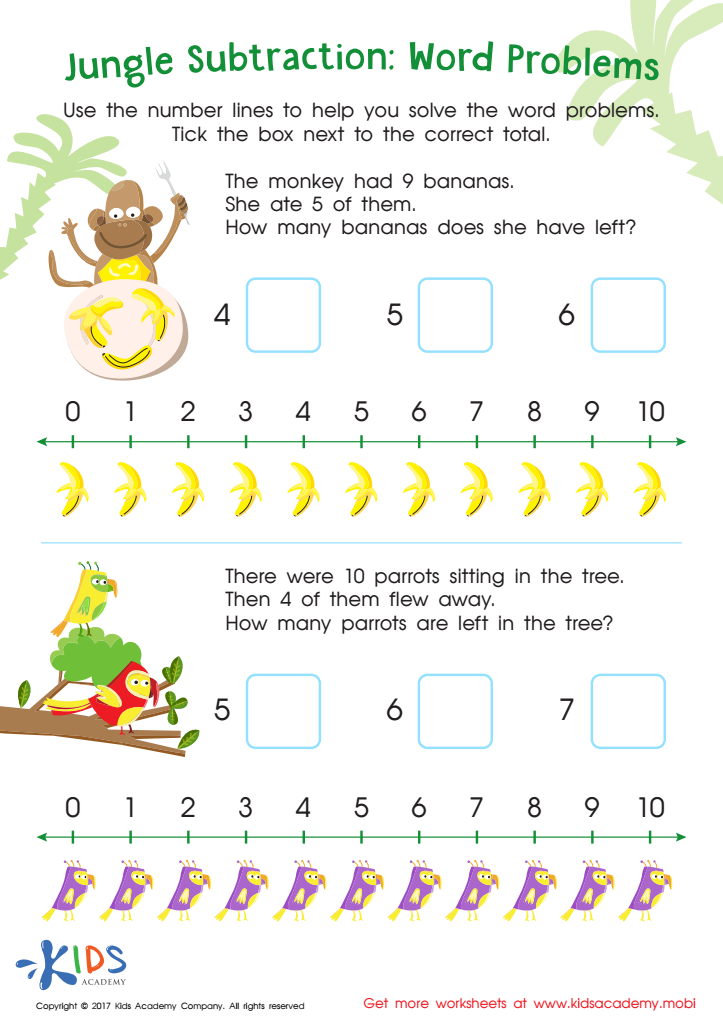
Jungle Subtraction Word Problems Substraction Worksheet








Practicing subtraction for children aged 5-7 is crucial for several foundational reasons. First and foremost, developing basic subtraction skills enhances their overall mathematical understanding and problem-solving ability. This age is a key period for cognitive development, and mastering fundamental math concepts like subtraction provides the building blocks for more complex mathematical concepts in the future.
Parents and teachers should care because subtraction is not just about numbers; it builds critical thinking and teaches children how to analyze and solve problems. For example, when children learn to subtract, they begin to understand relationships between numbers and how quantities change. This skill is applicable in everyday life, ensuring that children can function effectively in school and society.
Moreover, engaging with subtraction exercises helps improve concentration and attention to detail. Consistent practice can also bolster a child’s confidence when tackling math challenges, reducing math anxiety and fostering a positive attitude towards learning.
Lastly, early mastery of subtraction, along with other basic arithmetic operations, aligns with educational standards and ensures that children keep pace with curriculum expectations. Therefore, solid subtraction skills can lead to greater academic achievement across subjects and set a strong foundation for future educational success. Supporting young learners in this vital stage can significantly impact their long-term academic journey.








