Analytical thinking Reading Worksheets for Ages 5-7
5 filtered results
-
From - To
Unlock your child's potential with our engaging Analytical Thinking Reading Worksheets designed for ages 5-7. These worksheets encourage young learners to develop critical thinking and comprehension skills through fun and interactive reading activities. Each worksheet presents age-appropriate texts that challenge kids to analyze, evaluate, and infer, promoting deeper understanding and retention of information. With vibrant illustrations and thought-provoking questions, our materials foster not only literacy but also curiosity and creativity. Perfect for homework, classroom use, or family bonding time, our worksheets help children build a strong foundation for lifelong learning. Explore our collection today and empower your child's analytical skills!
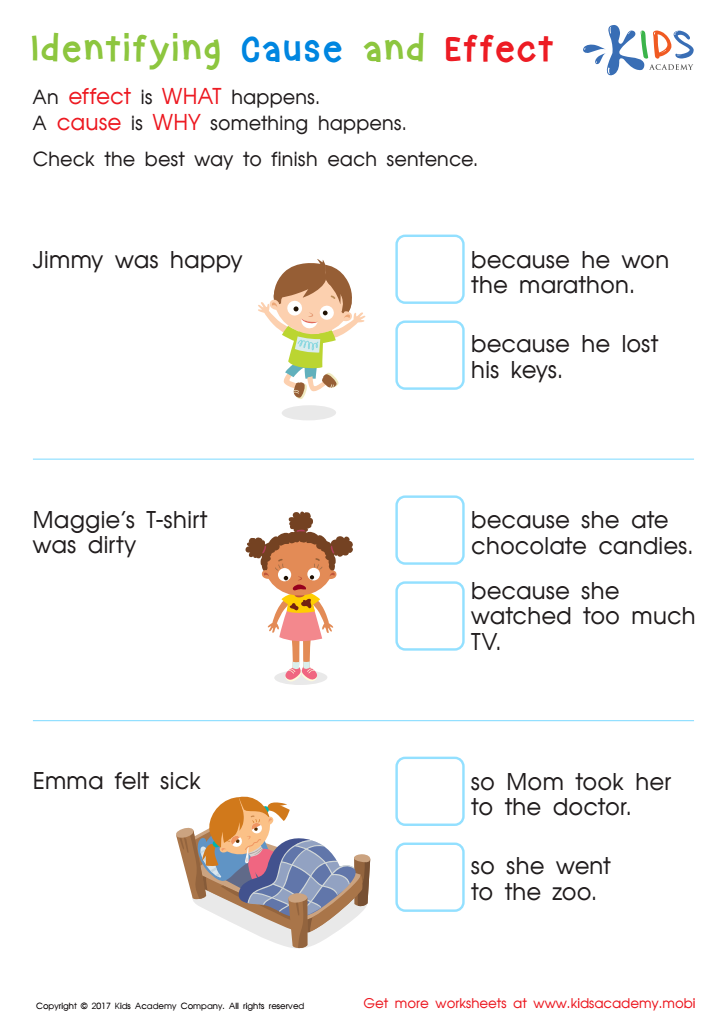
Indentifying Cause and Effect Worksheet
 Assign to My Students
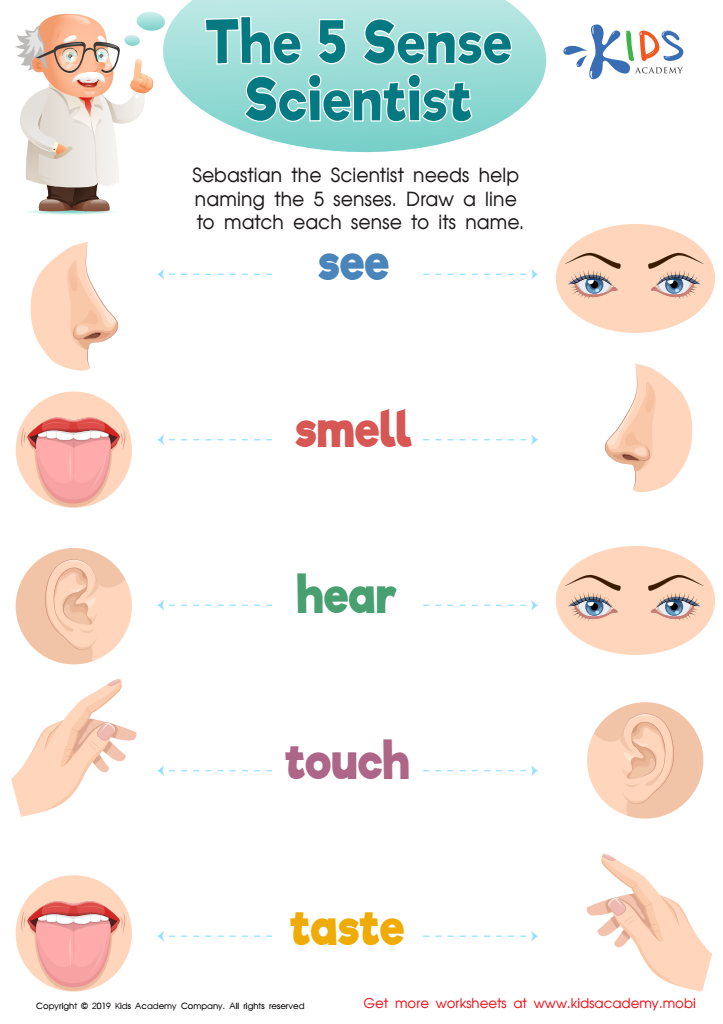
The 5 Sense Scientist Worksheet
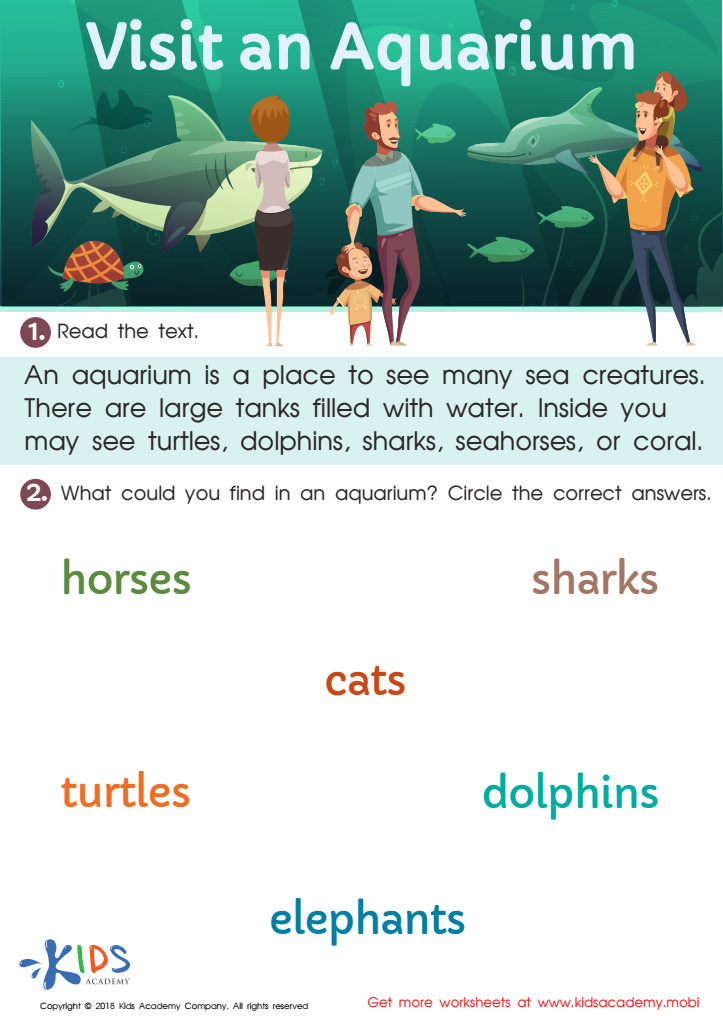
Visit an Aquarium Worksheet
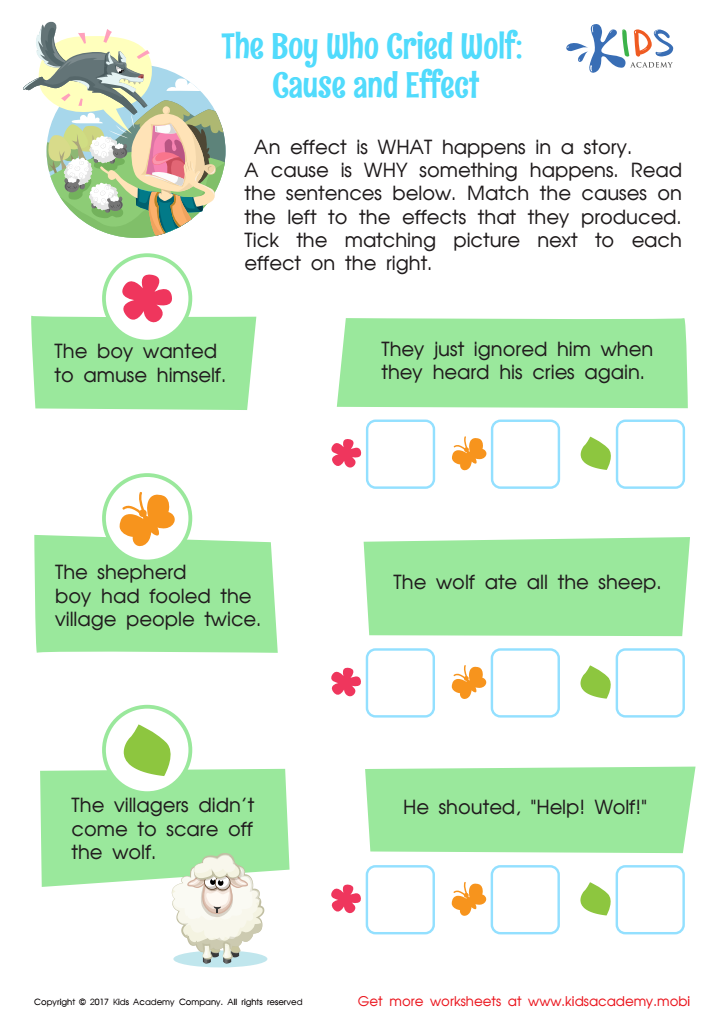
The Boy Who Cried Wolf: Cause and Effect Worksheet
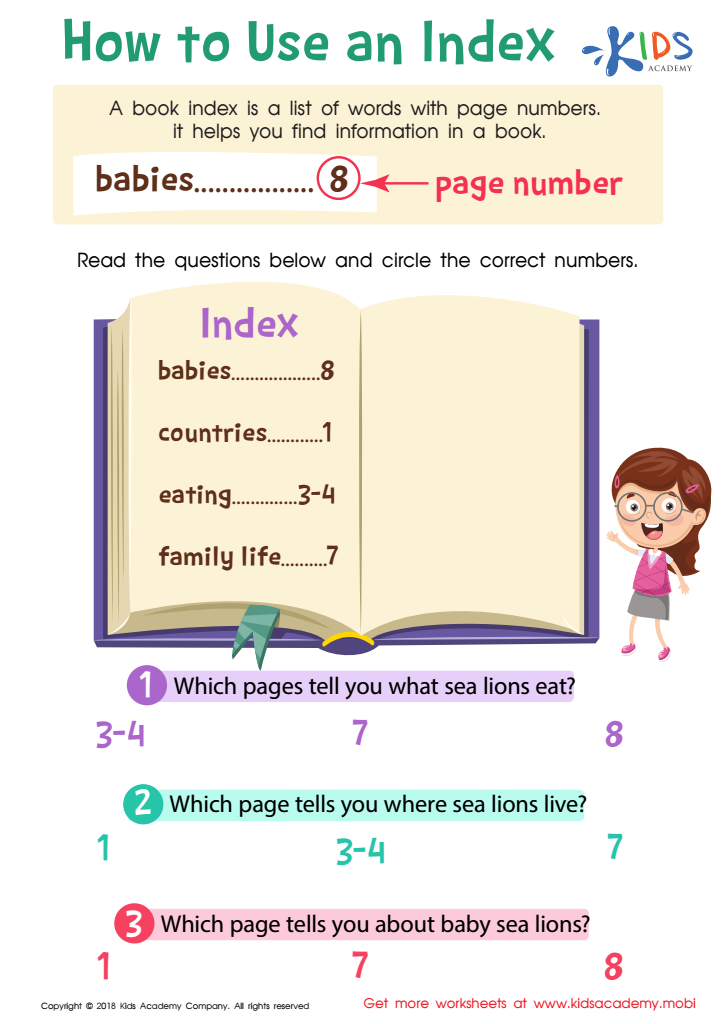
How Use Index Worksheet


.jpg)




Analytical thinking reading for ages 5-7 is essential for developing young learners' cognitive and comprehension skills. At this stage, children are beginning to make connections between what they read and the world around them. By fostering analytical thinking during reading, parents and teachers can help children improve their ability to evaluate information, recognize patterns, and draw conclusions.
Engaging in analytical reading not only enhances linguistic abilities but also promotes critical thinking skills. As children learn to ask questions about a text, compare ideas, and identify cause-and-effect relationships, they become more adept problem solvers. This builds a solid foundation for future academic success across all subjects, as analytical skills are applicable in math, science, and social studies.
Moreover, analytical reading encourages a love for learning and instills curiosity in young minds. When children learn to think critically about stories, they are more likely to engage deeply with texts and develop their interpretative skills. Together, parents and teachers can create a supportive environment where children feel empowered to express their thoughts and ideas. Ultimately, prioritizing analytical thinking during early reading lays the groundwork for confident, autonomous learners who thrive in their educational journeys and beyond.








