Categorization skills Reading Worksheets for Ages 5-7
5 filtered results
-
From - To
Boost your child's cognitive development with our Categorization Skills Reading Worksheets for Ages 5-7. These expertly-designed resources help young minds identify, group, and classify objects, words, and ideas. Each worksheet features engaging activities that foster critical thinking and enhance reading comprehension. Designed for early grade students, these activities support understanding of relationships and hierarchies within various categories. Empower your child to master the foundational categorization skills crucial for academic success. With vibrant visuals and age-appropriate content, our worksheets make learning fun and effective. Start your child's journey to organized, logical thinking today!
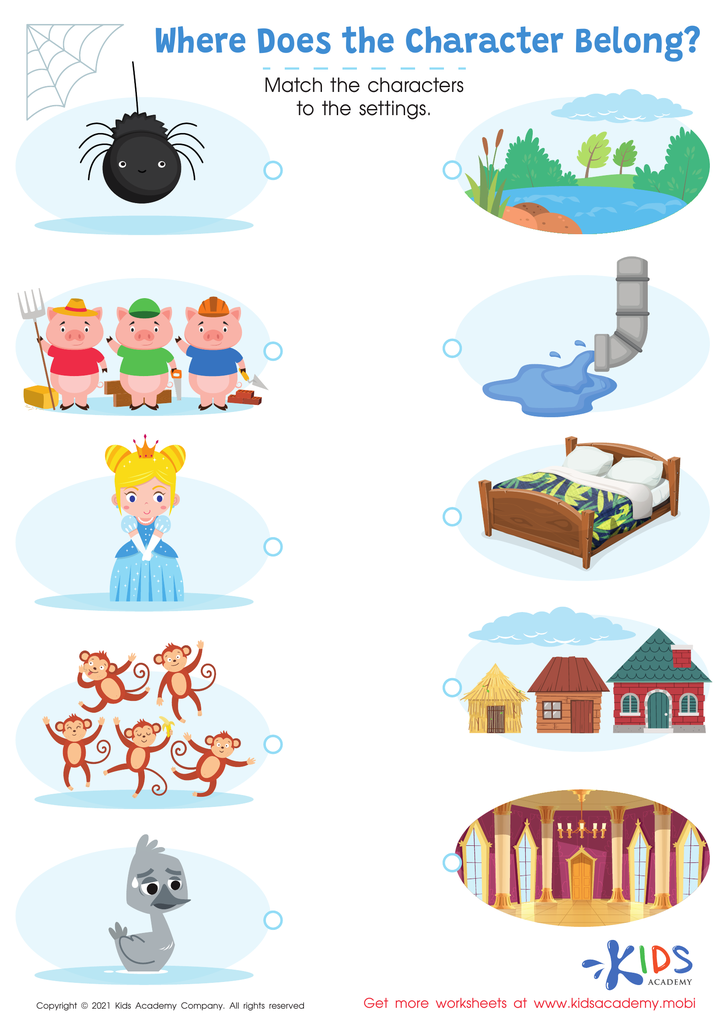
Where Does the Character Belong? Worksheet
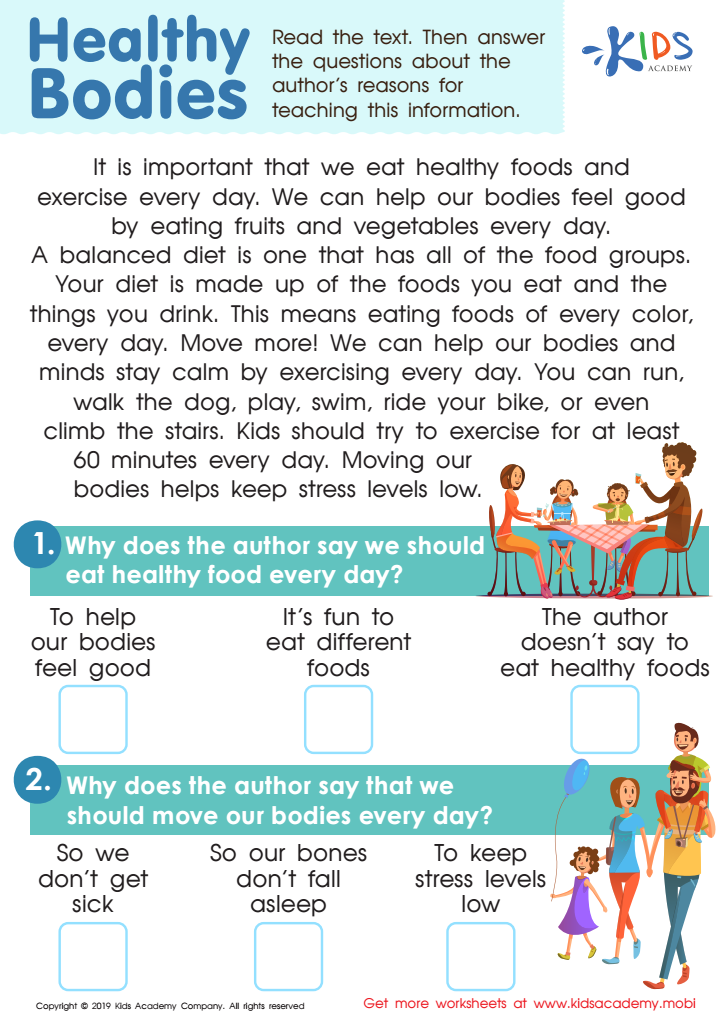
Healthy Bodies Worksheet
 Assign to My Students
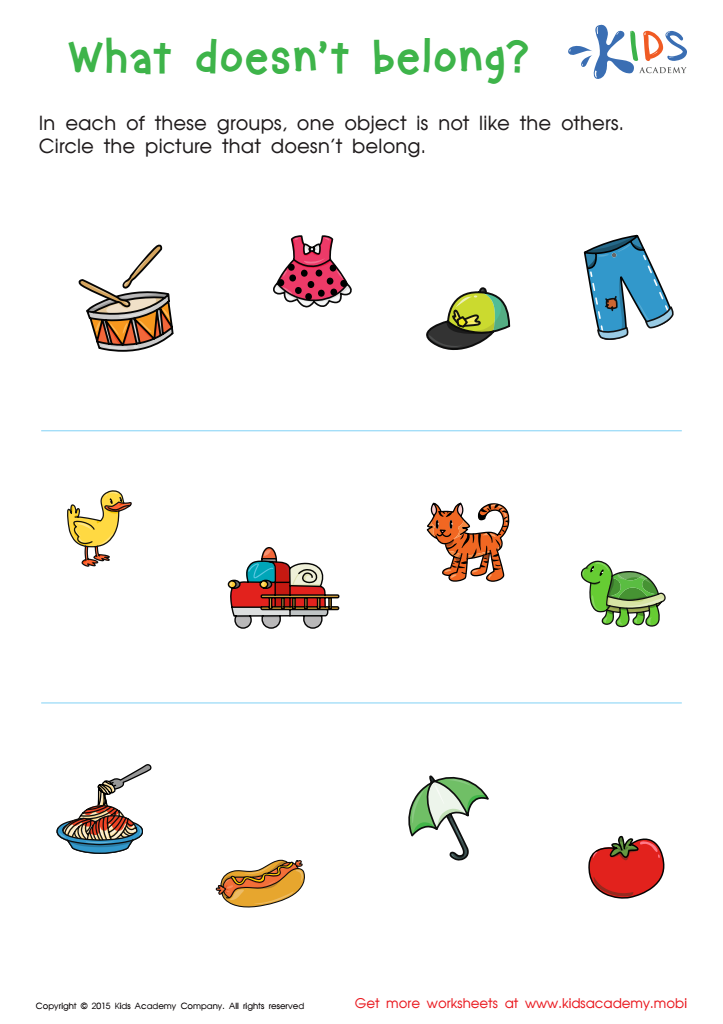
First Words: What Doesn't Belong Worksheet
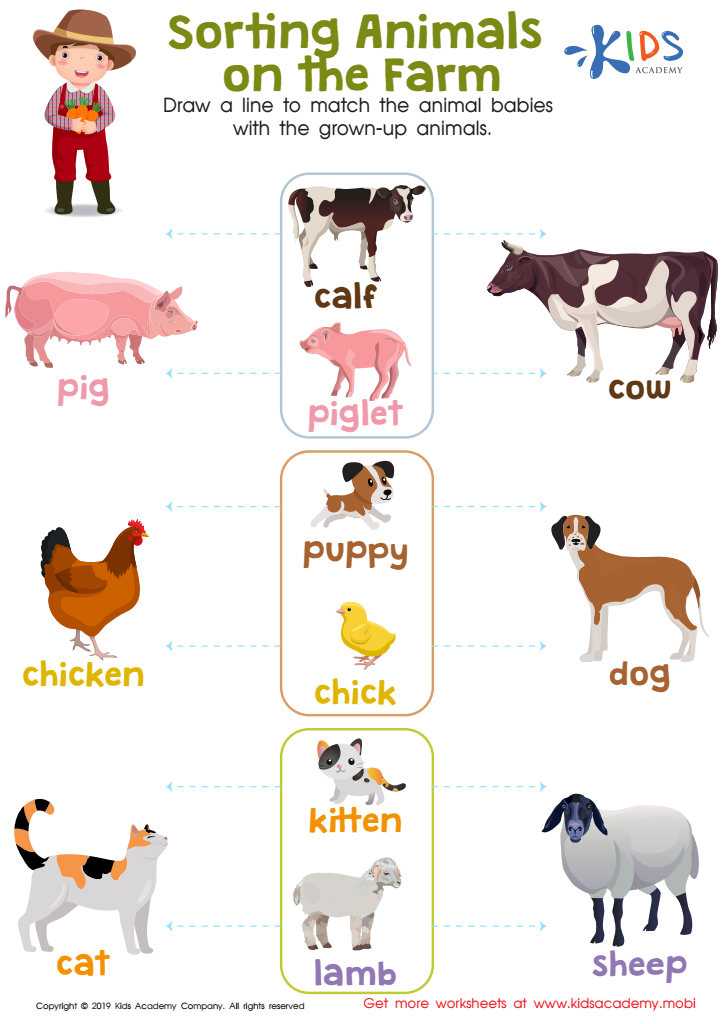
Sorting Animals on the Farm Worksheet
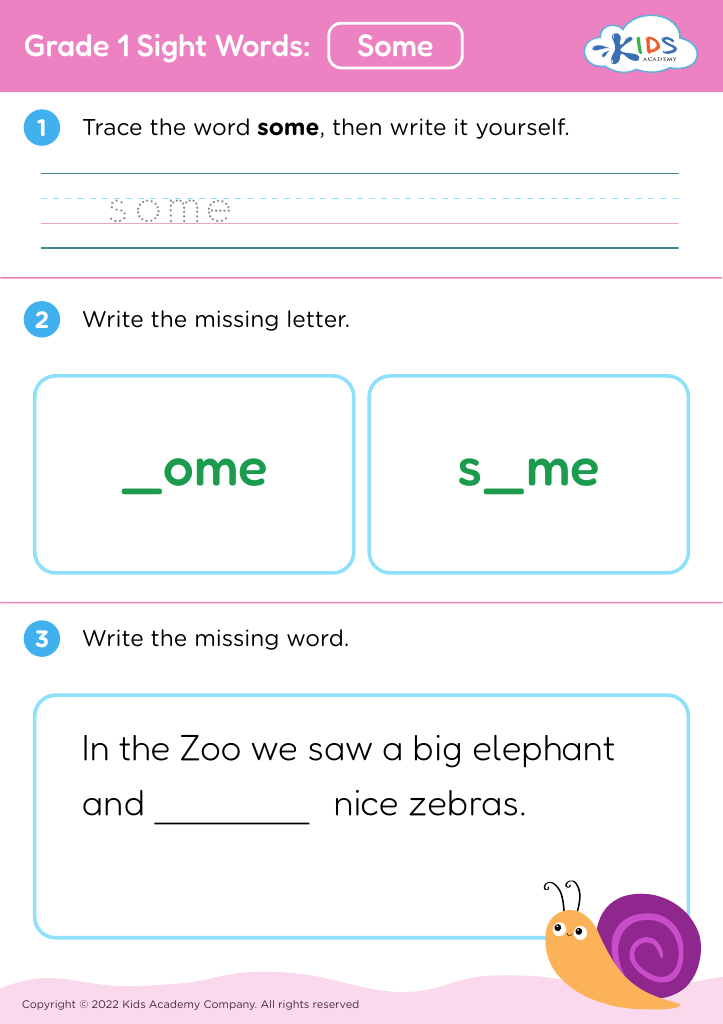



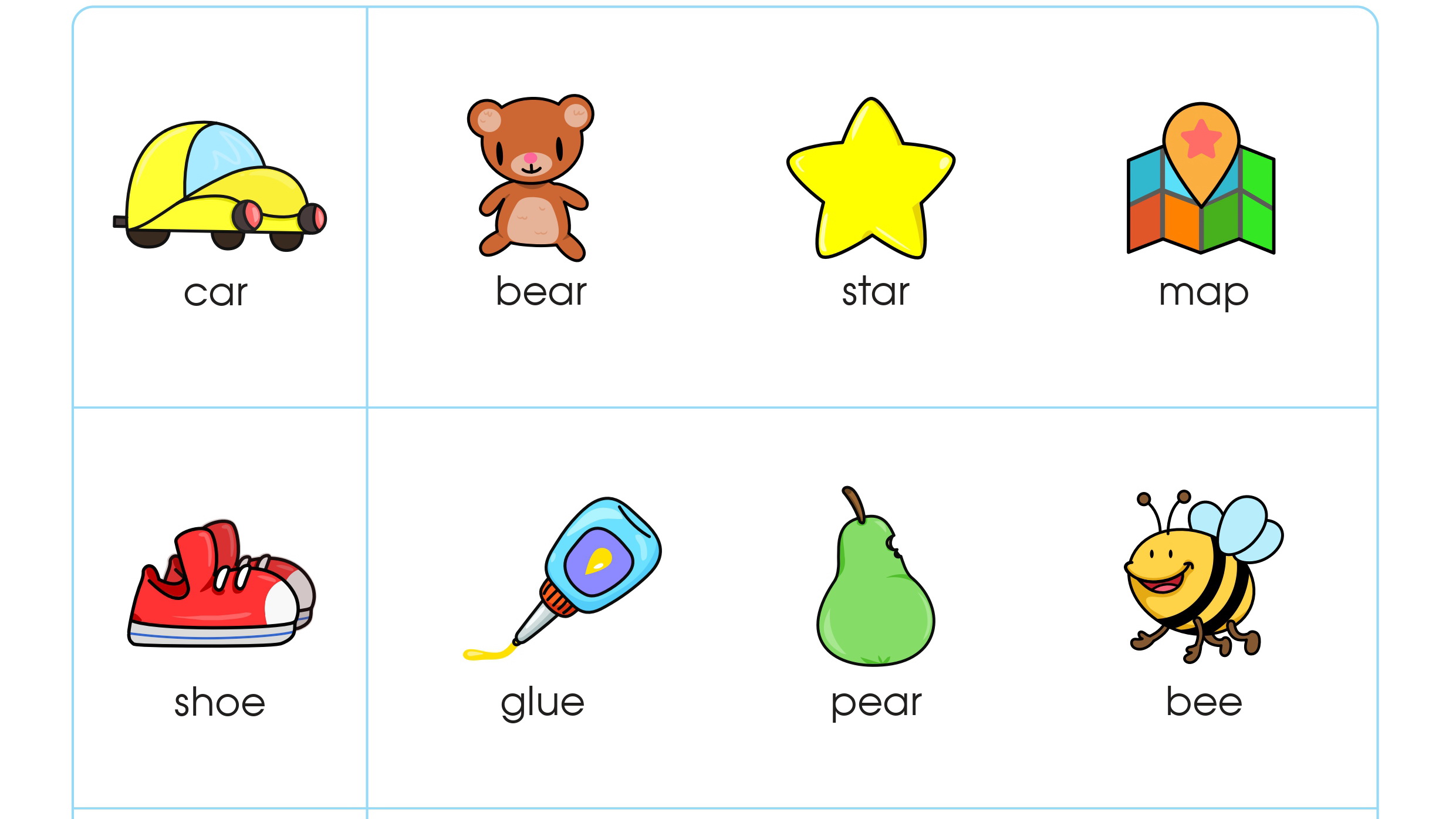




Categorization skills are crucial for young children, especially during the formative ages of 5-7, as they lay the groundwork for cognitive development and academic success. When children learn to categorize, they gain the ability to organize information into groups based on shared characteristics, which enhances their understanding of the world around them. This foundational skill directly impacts reading comprehension and vocabulary development. For example, when a child understands that apples and oranges both belong to the category of "fruits," they can more easily grasp the broader concept of what fruit is and how individual fruits relate to each other.
Moreover, categorization strengthens memory and retrieval processes, making it easier for children to recall information and apply it in different contexts. This cognitive skill also supports problem-solving and critical thinking abilities, as children learn to identify patterns, make connections, and differentiate between various items and ideas.
For parents and teachers, focusing on the development of categorization skills can lead to improved academic performance and a stronger foundation for later learning, including science, mathematics, and general knowledge. Engaging children in activities such as sorting games, reading categorically themed books, and discussing groups of items can be both educational and enjoyable, fostering a positive attitude towards learning while equipping children with essential skills for lifelong success.








