
Mathematical reasoning Reading Worksheets for Ages 5-7
6 filtered results
Difficulty Level
Grade
Age
-
From - To
Subject
Activity
Standards
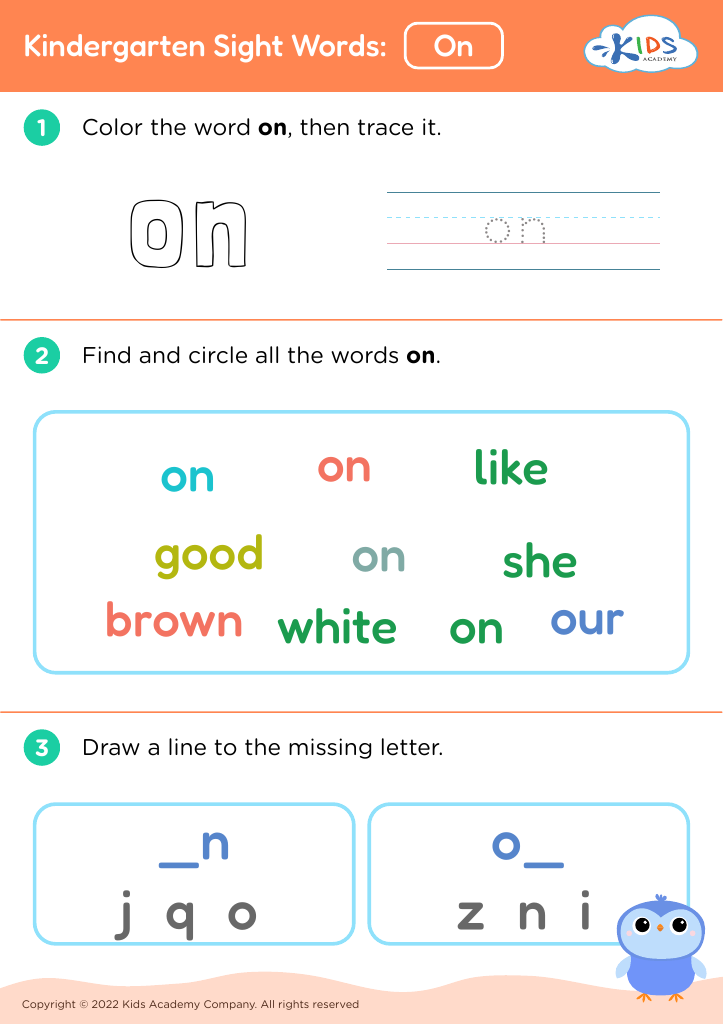
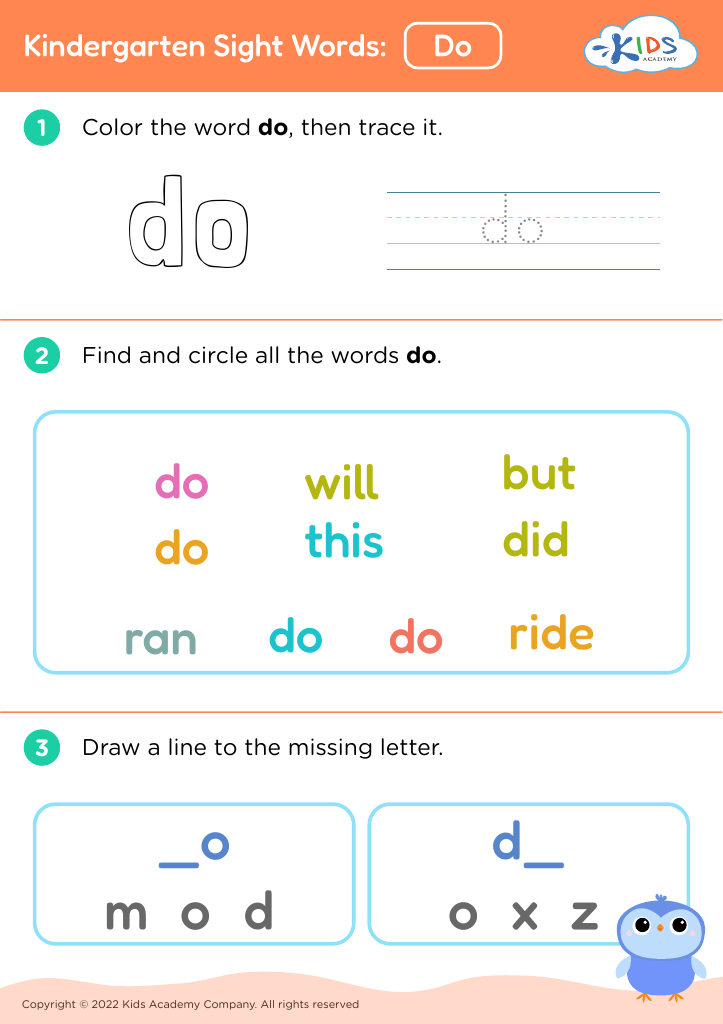
Unlock your child's potential with our engaging Mathematical Reasoning Reading Worksheets, tailored specifically for ages 5-7. These thoughtfully designed resources help young learners develop essential math skills through fun reading exercises. Each worksheet encourages children to solve problems, make calculations, and practice logical thinking in a playful manner. By integrating math and reading, your child will strengthen their comprehension and analytical skills while building a solid foundation for future learning. Perfect for classroom use or at-home practice, our worksheets make math enjoyable and stimule curiosity. Explore our printable collection today and watch your child flourish!
Favorites
With answer key
Interactive
Join Kids Academy for Free
Who is primarily going to use this learning content?








Mathematical reasoning is a fundamental skill that empowers young learners, especially those aged 5-7. At this age, children are naturally curious and eager to explore their environments, making it a crucial time to cultivate mathematical thinking. Parents and teachers should prioritize mathematical reasoning because it lays the groundwork for future academic success. By understanding how to approach problems, students develop critical thinking skills that extend beyond mathematics and can be applied to real-life situations, such as budgeting or logical decision-making.
Moreover, math reasoning encourages the integration of reading and language skills as children learn to interpret math problems, ask questions, and communicate their thought processes clearly. Engaging in activities that promote reasoning also fosters resilience, teaching children that making mistakes is a part of learning. Parents can support this by engaging in math-related discussions during daily activities and choosing books that involve mathematical concepts.
Ultimately, nurturing mathematical reasoning skills not only boosts confidence in young learners but also equips them with the abilities necessary to thrive in an increasingly data-driven world. Therefore, fostering these skills at an early age is essential for both academic and personal growth.








