Recognizing shapes Reading Worksheets for Ages 5-7
9 filtered results
-
From - To
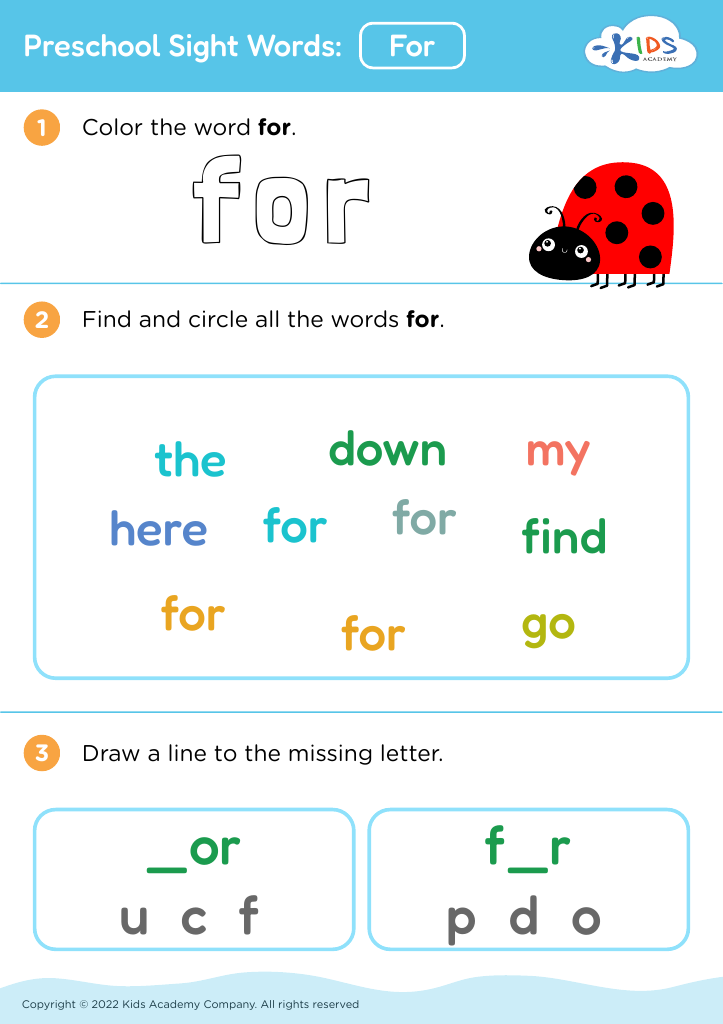
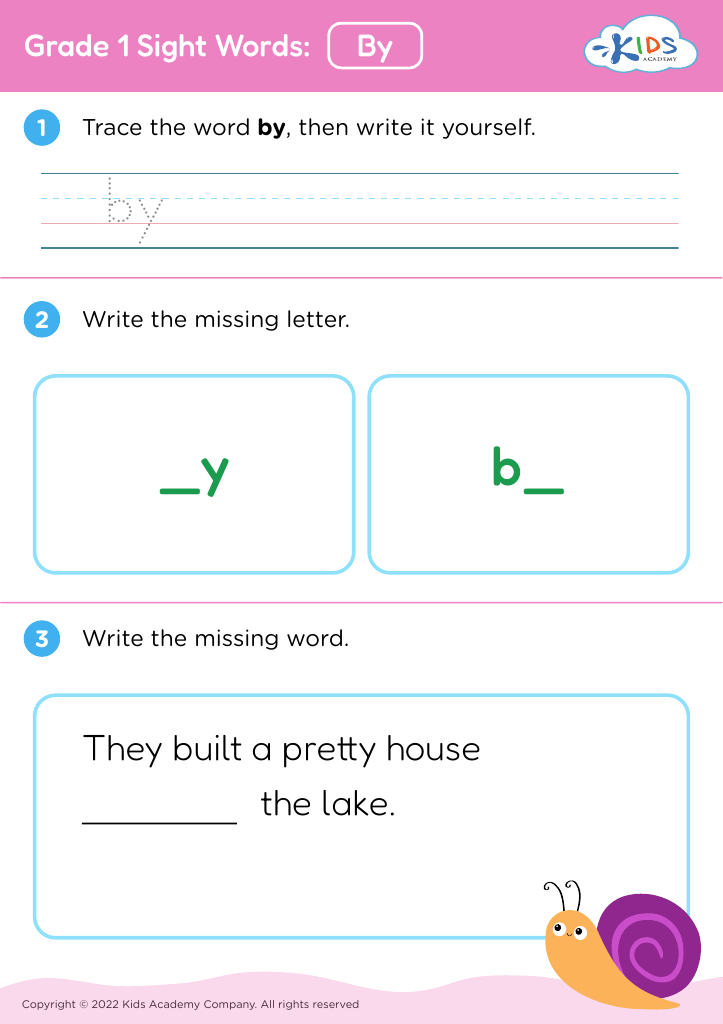
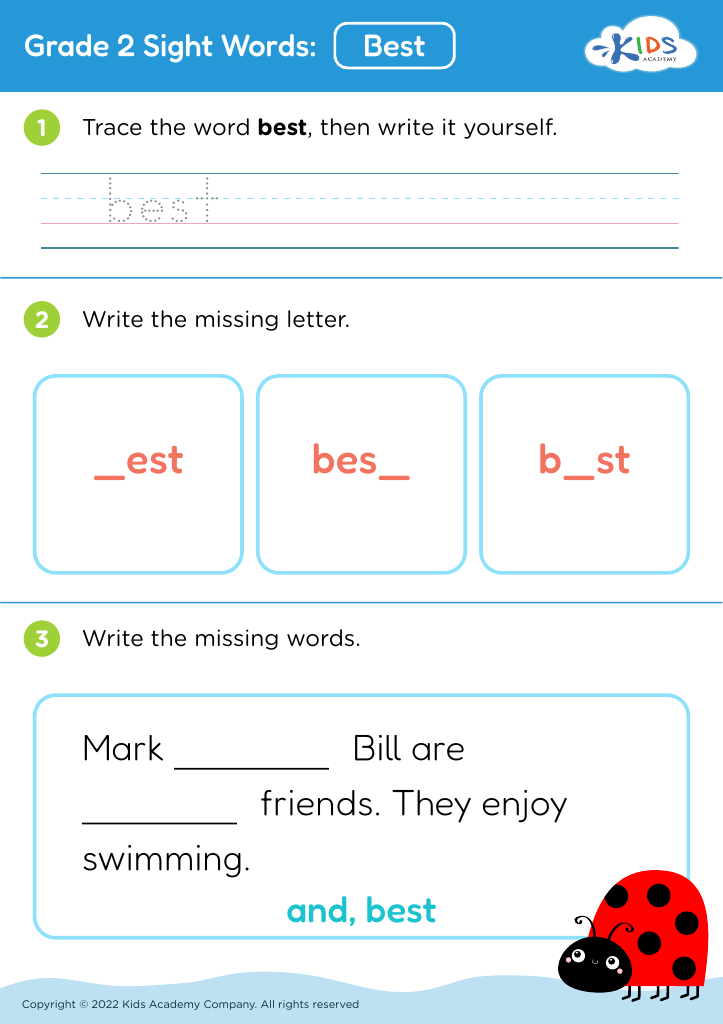
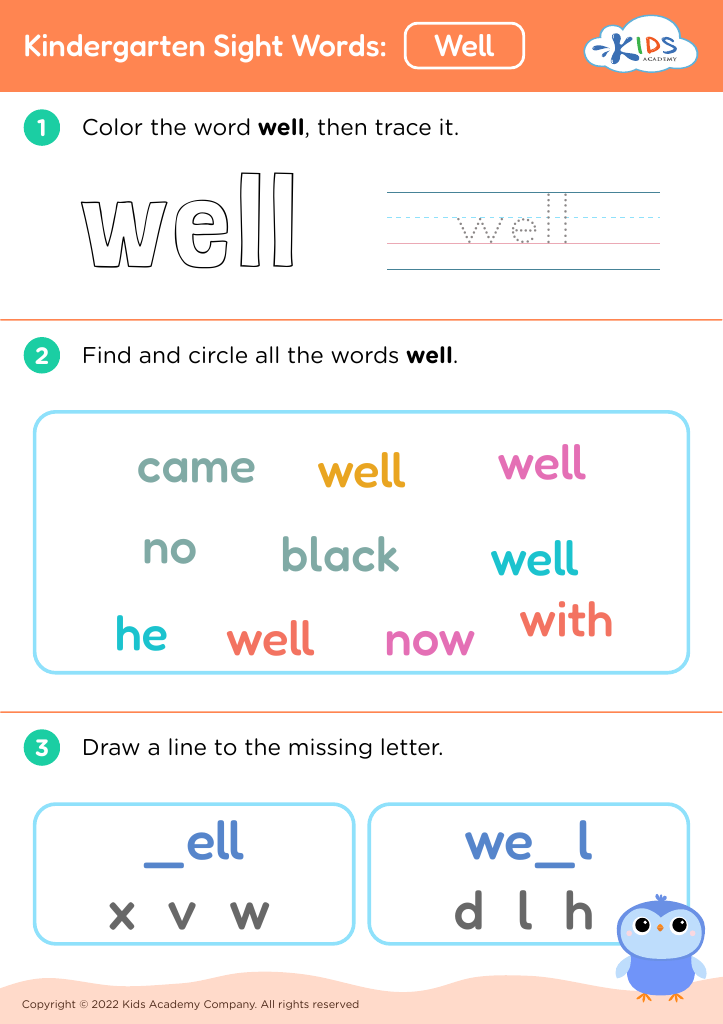
Discover our engaging "Recognizing Shapes Reading Worksheets" designed specifically for kids aged 5-7! These creative worksheets help young learners identify and understand various shapes through interactive activities that seamlessly blend reading skills with geometry. Our resources are tailored to fit early education standards, fostering critical thinking and cognitive development. Featuring vibrant illustrations and simple instructions, these worksheets make learning fun and accessible. Ideal for use in the classroom or at home, they enhance children's vocabulary while building foundational math skills. Start your child's learning journey today and watch them thrive as they recognize shapes and read with confidence!



.jpg)




Recognizing shapes is a foundational skill vital for children aged 5-7, and parents and teachers play crucial roles in this developmental stage. Understanding shapes lays the groundwork for various cognitive skills, such as spatial awareness, problem-solving, and critical thinking. As children identify, categorize, and distinguish between different shapes, they begin to grasp essential concepts in mathematics, fostering a strong numerical foundation.
Moreover, recognizing shapes enhances observation skills, encouraging children to interact with their environment more thoughtfully. This skill also supports literacy development, as many shapes link to letters and numbers, promoting early reading and writing abilities.
Incorporating shape recognition through fun activities and games can make learning engaging. For example, using shaped building blocks or drawings encourages creativity and collaboration, making the learning experience enjoyable and memorable. By integrating shape recognition into everyday routines, parents and teachers can nurture children's curiosity and enthusiasm for learning, reinforcing the connection between shapes and real-world applications.
Ultimately, caring about and focusing on shape recognition empowers children to build confidence and lang awareness. This fosters a strong foundation for academic success while instilling a love for learning that can be nurtured throughout their educational journey.








