Understanding sequencing Reading Worksheets for Ages 5-7
3 filtered results
-
From - To
Unlock the key to reading comprehension with our engaging "Understanding Sequencing" worksheets for ages 5-7. Designed to develop essential skills, these worksheets encourage young learners to identify the order of events in stories, enhancing their comprehension and critical thinking abilities. With vibrant illustrations and easy-to-follow activities, children will enjoy practicing sequencing through fun and interactive exercises. Perfect for classrooms and at-home learning, our resources cater to various learning styles, promoting literacy and a love for reading. Dive into the world of storytelling and help your child master sequencing with our meticulously crafted worksheets today!
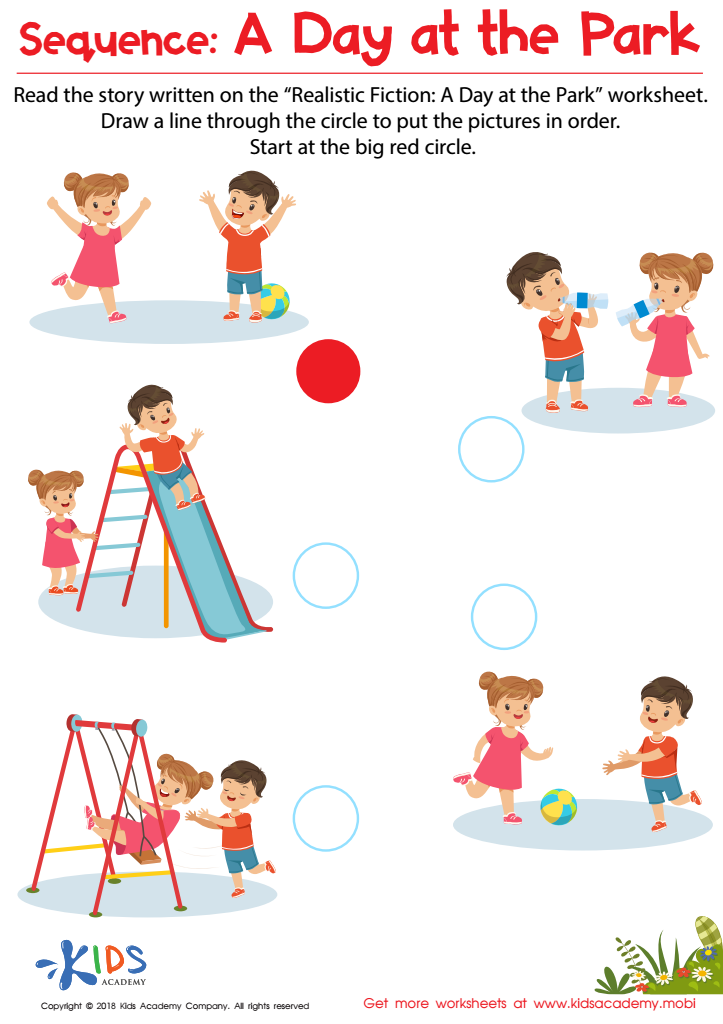
Sequence: A Day at the Park Worksheet
 Assign to My Students
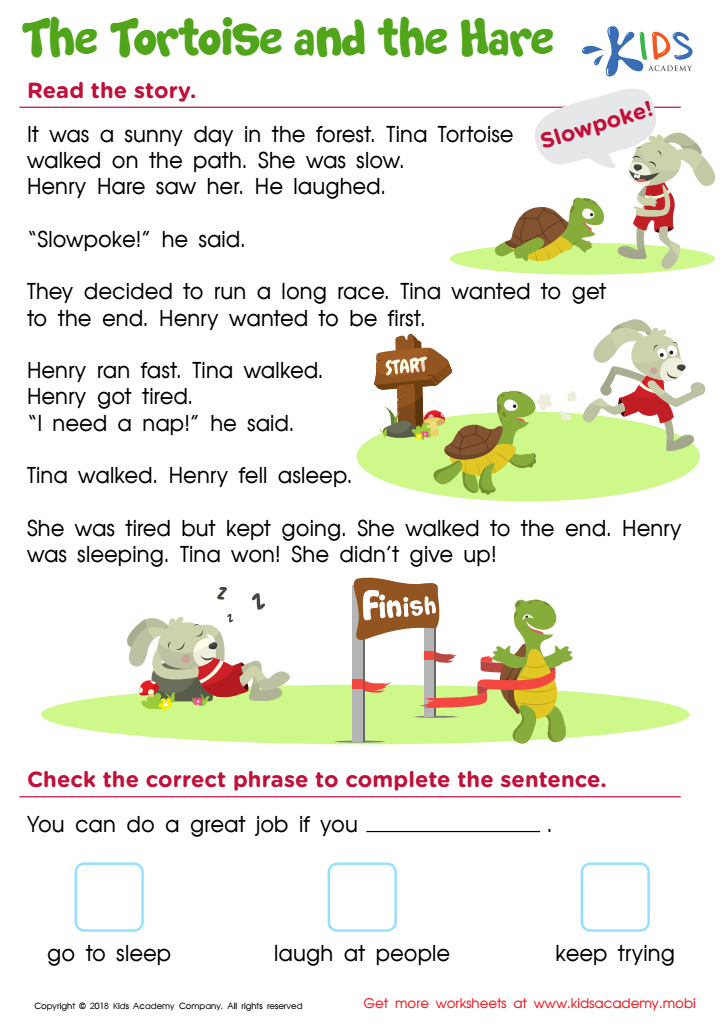
The Tortoise and the Hare Worksheet
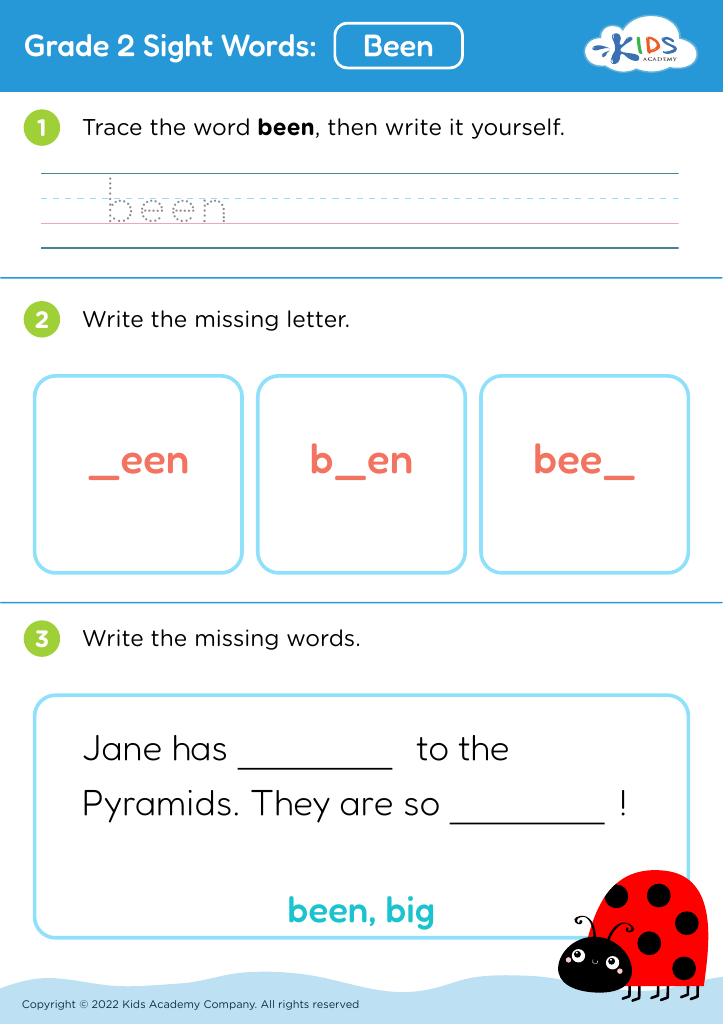






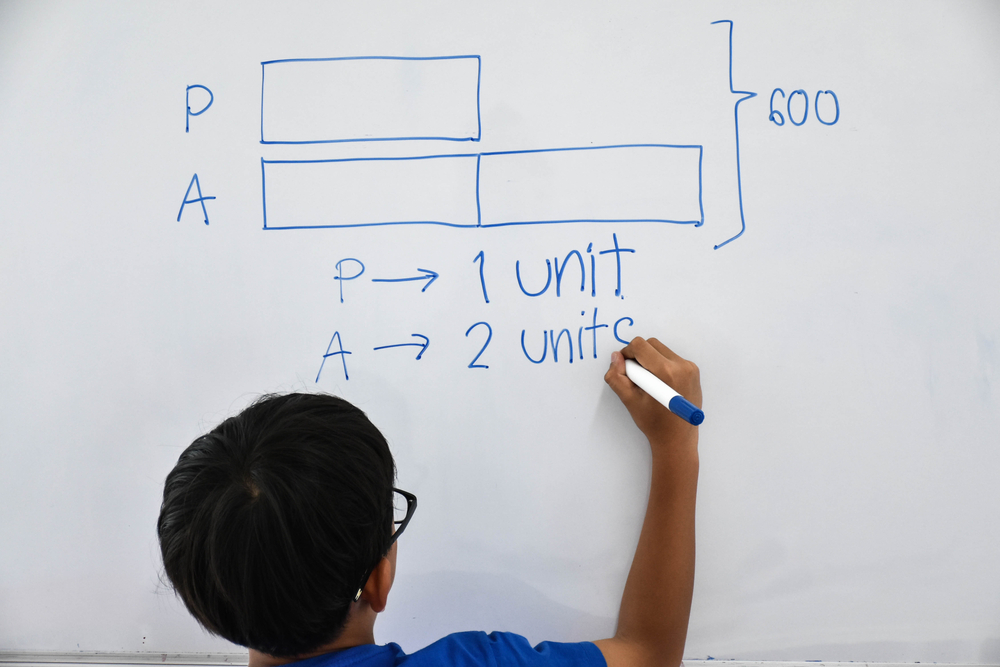

Understanding sequencing in reading is crucial for children aged 5-7, as it forms a foundational skill crucial for their overall literacy development. Sequencing refers to the ability to recount events in the order they occur, which is essential for comprehension and critical thinking. When children grasp sequencing, they can better understand narratives, identify cause-and-effect relationships, and follow instructions, fostering effective communication skills.
For parents and teachers, emphasizing sequencing helps children develop a clearer understanding of texts, whether it’s summarizing a story or retelling it in their own words. This skill enhances oral language development and bolsters vocabulary as children learn to describe actions in a coherent manner. Additionally, mastering sequencing encourages children to predict outcomes, boosting their engagement with reading materials and fostering a love for stories.
In this age group, effective sequencing exercises, such as sorting events from a story or using visual aids, can make the learning process enjoyable and interactive. Overall, a solid grasp of sequencing not only enriches a child's reading experiences but also lays the groundwork for more complex literacy skills needed in future education. Investing in this aspect of learning is paramount for nurturing successful, confident readers.








