Logical thinking Reading Comprehension Worksheets for Ages 5-7
4 filtered results
-
From - To
Introduce your young learners to the world of critical thinking with our Logical Thinking Reading Comprehension Worksheets for Ages 5-7. Designed by educational experts, these engaging activities foster essential reading skills, enhance logical reasoning, and build comprehension. Suitable for young minds, our colorful worksheets feature fun stories, puzzles, and questions that encourage kids to draw connections, infer meanings, and understand sequences. Ideal for classroom and home use, these resources not only sharpen your child's analytical abilities but also make learning an enjoyable adventure. Equip your little readers with the tools they need for academic success and lifelong learning!
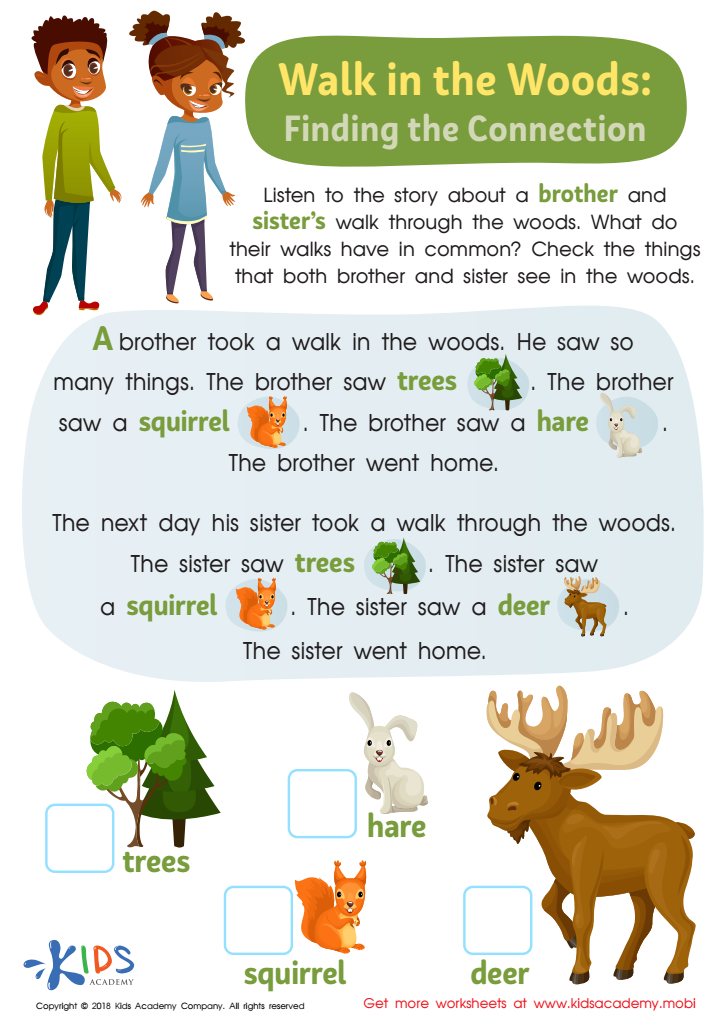
Walk In the Woods: Finding Connections Worksheet
 Assign to My Students
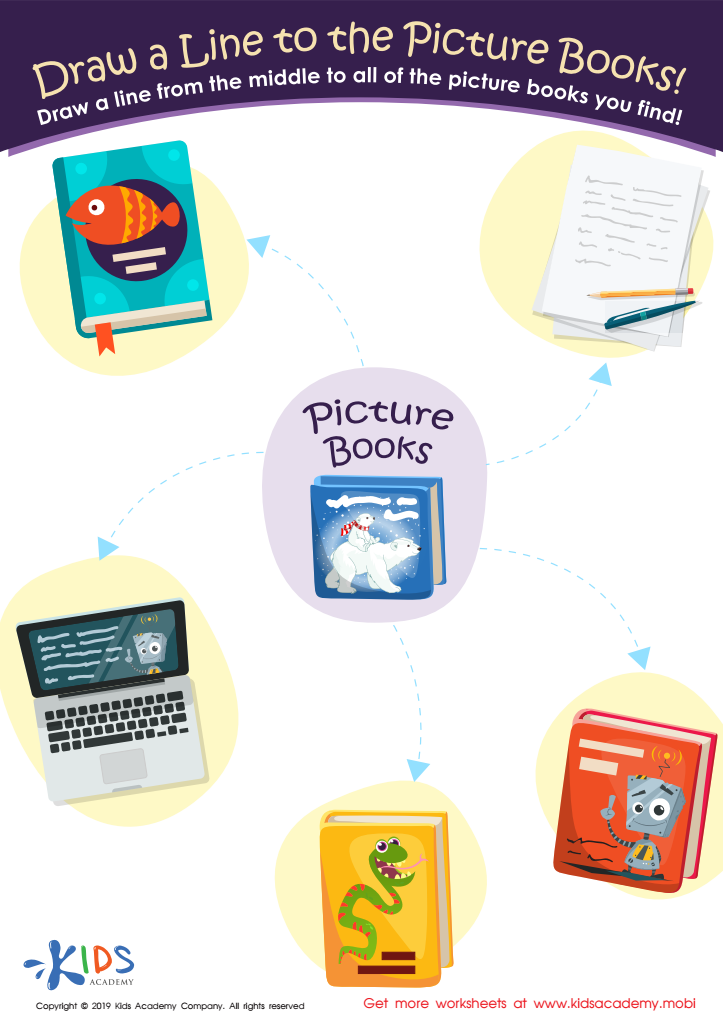
Draw a Line to the Picture Books Worksheet
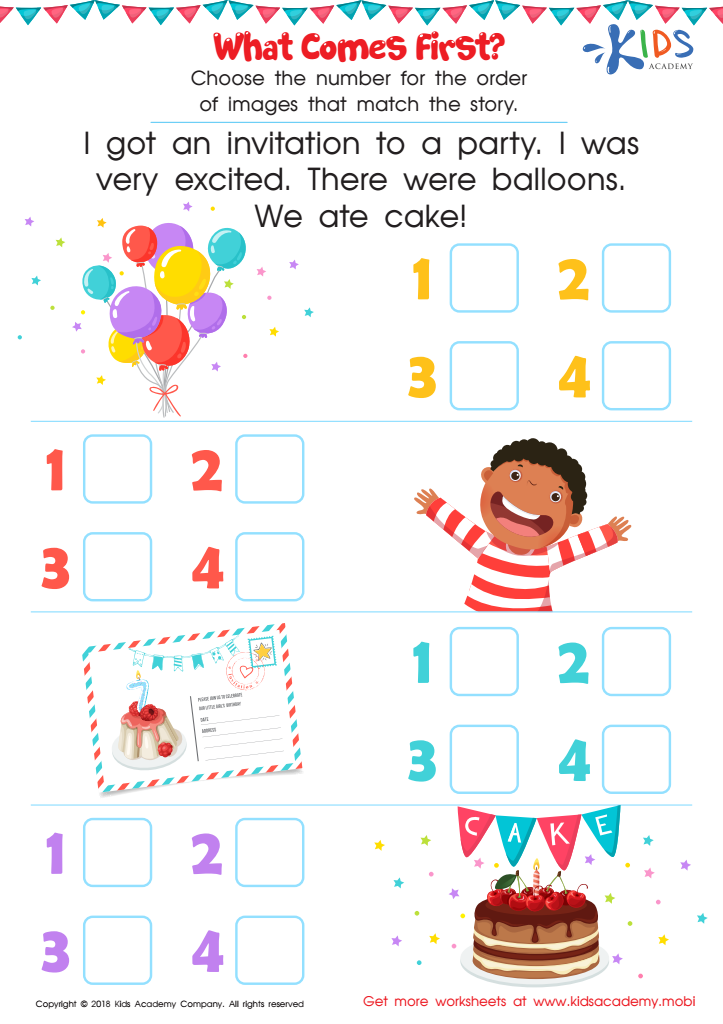
What Comes First Worksheet
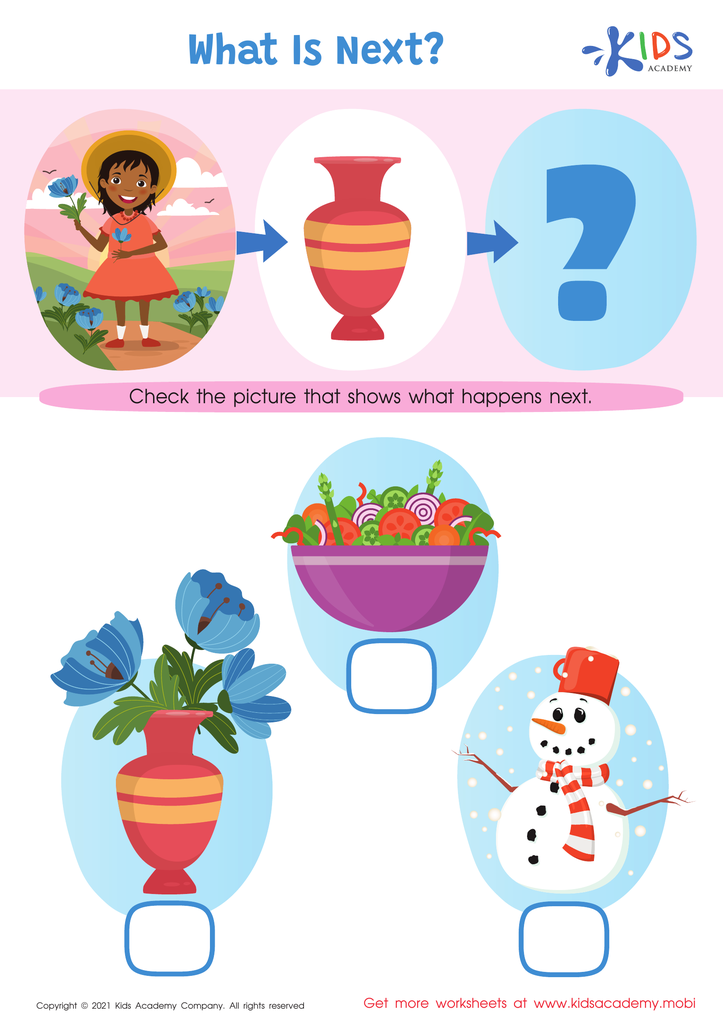
What is Next? Worksheet







.jpg)
Parents and teachers should care deeply about logical thinking and reading comprehension for children ages 5-7 because these foundational skills are critical for long-term academic success and cognitive development. Logical thinking enables young children to make connections, solve problems, and understand cause-and-effect relationships, which are essential for subjects like math and science. When children develop strong logical reasoning abilities, they can approach challenges with confidence and creativity, setting the stage for advanced learning and critical thinking in later years.
Reading comprehension is equally important as it involves the ability to understand, process, and interpret text. At ages 5-7, children transition from learning to read to reading to learn. Strong reading comprehension skills help children grasp not only the surface details of a story but also infer meanings, draw conclusions, and relate new information to their existing knowledge base. This deep understanding fosters a love for reading and equips children to succeed in all academic areas, as reading is integral to most subjects.
By nurturing these skills early on, parents and teachers lay the groundwork for lifelong learning. They help children build the mental muscles necessary to explore new ideas, think independently, and communicate effectively, empowering them to reach their full potential in school and beyond.








