Vocabulary expansion Reading Comprehension Worksheets for Ages 5-7 - Page 2
27 filtered results
-
From - To
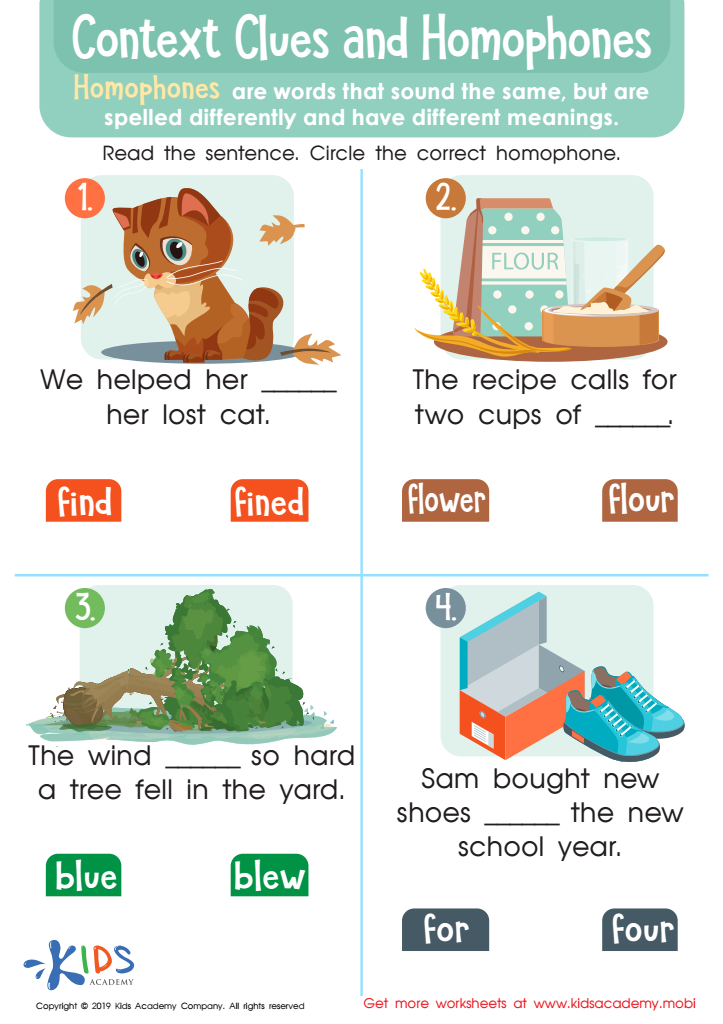
Context Clues and Homophones Worksheet
 Assign to My Students
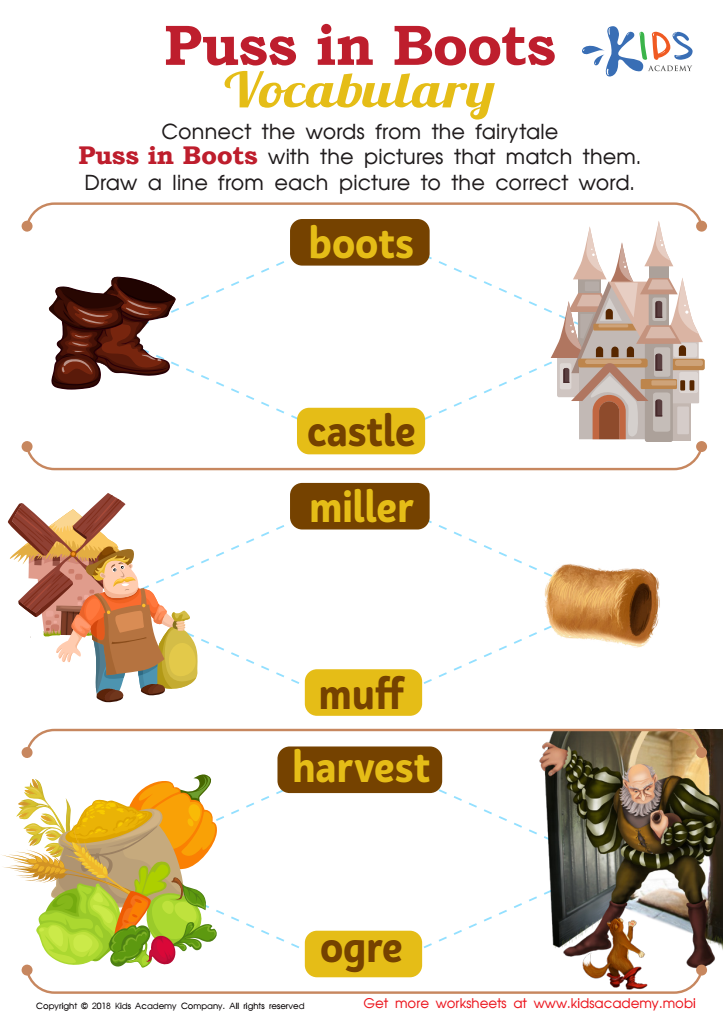
Puss in Boots Vocabulary Worksheet
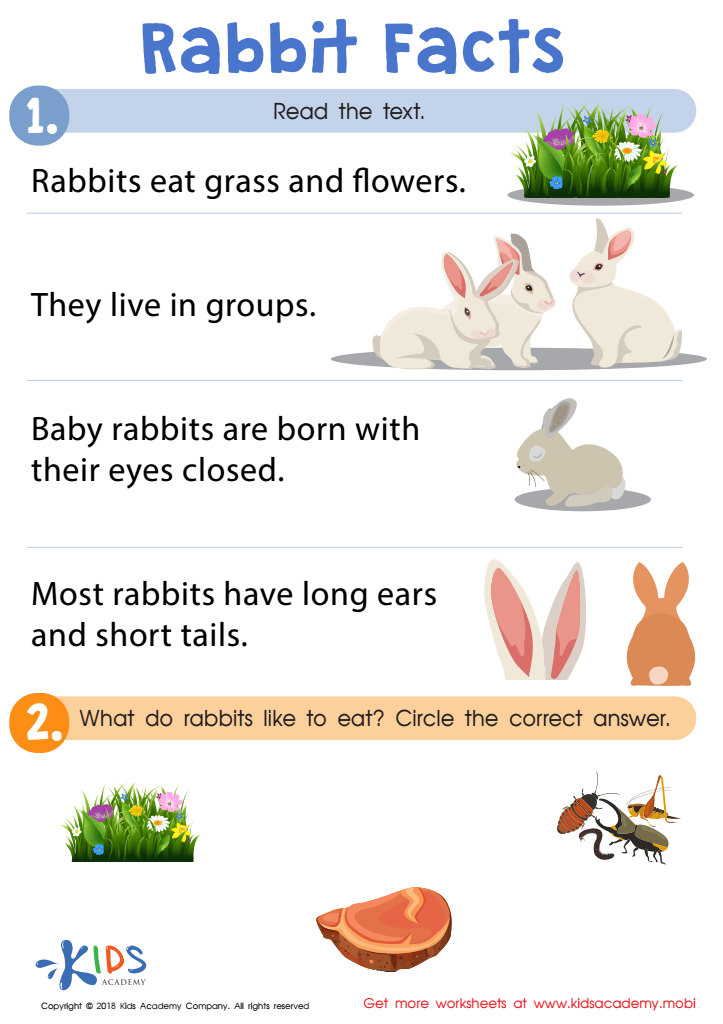
Rabbit Facts Worksheet







.jpg)
Vocabulary expansion and reading comprehension are crucial for children aged 5-7 as they form the foundation for lifelong learning and effective communication. During these early years, kids are developing cognitive skills and making sense of the world around them. A rich vocabulary enables them to express their thoughts and feelings clearly and helps cultivate their creative and critical thinking abilities.
When parents and teachers prioritize vocabulary expansion, they empower children to understand what they read, enhancing their reading comprehension skills. Children with a robust vocabulary can decode texts better, grasp meanings, and make connections, which fosters a love for reading. This engagement not only boosts academic achievement; it also contributes to emotional and social development as kids learn to articulate their ideas and interact with others.
Moreover, a strong vocabulary taps into a child’s ability to tackle new concepts across subjects, giving them confidence and motivation as they progress through their education. Ultimately, focusing on vocabulary growth and reading comprehension equips young learners with the tools they need to navigate their educational journey and to thrive in increasingly complex social and academic settings. By nurturing these skills, parents and teachers play a pivotal role in shaping confident, capable communicators and thinkers.








