Reading comprehension Reading Non-Fiction Worksheets for Ages 5-7
33 filtered results
-
From - To
Enhance your child's reading skills with our engaging Reading Comprehension Non-Fiction Worksheets designed for ages 5-7. These interactive resources promote critical thinking and comprehension through fun, age-appropriate texts on various non-fiction topics. Each worksheet includes questions and activities tailored to reinforce understanding and encourage discussion, making learning both enjoyable and effective. Perfect for homeschooling, classroom use, or additional practice at home, our worksheets help young learners develop essential literacy skills that lay a strong foundation for academic success. Discover the joy of reading while fostering a love for facts and discoveries with our comprehensive materials!
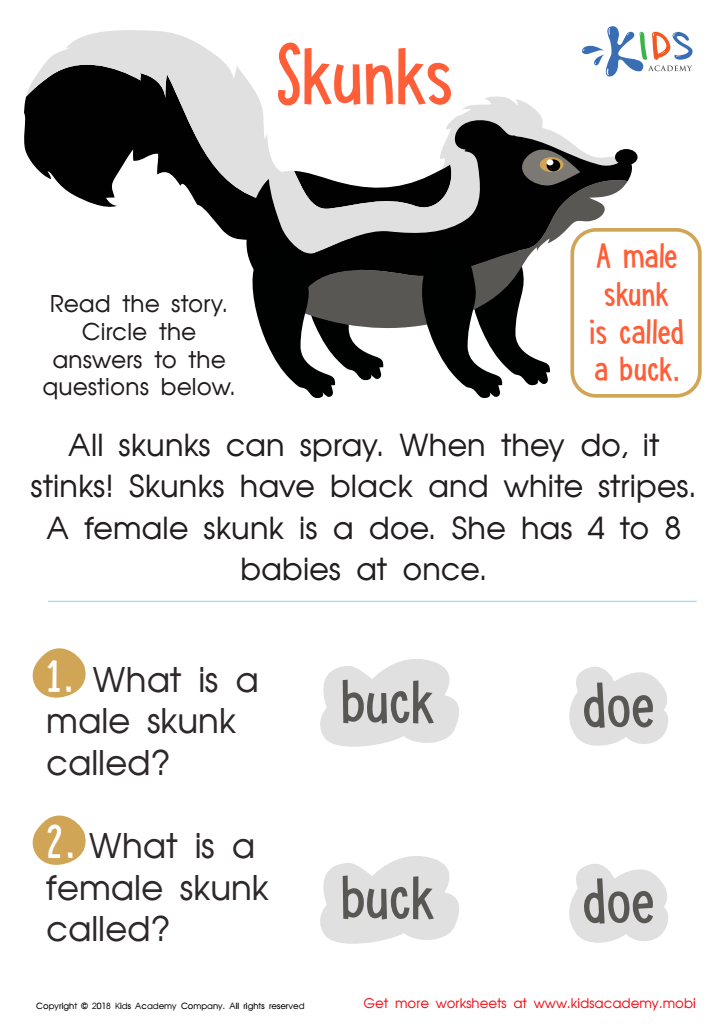
Skunks Worksheet
 Assign to My Students
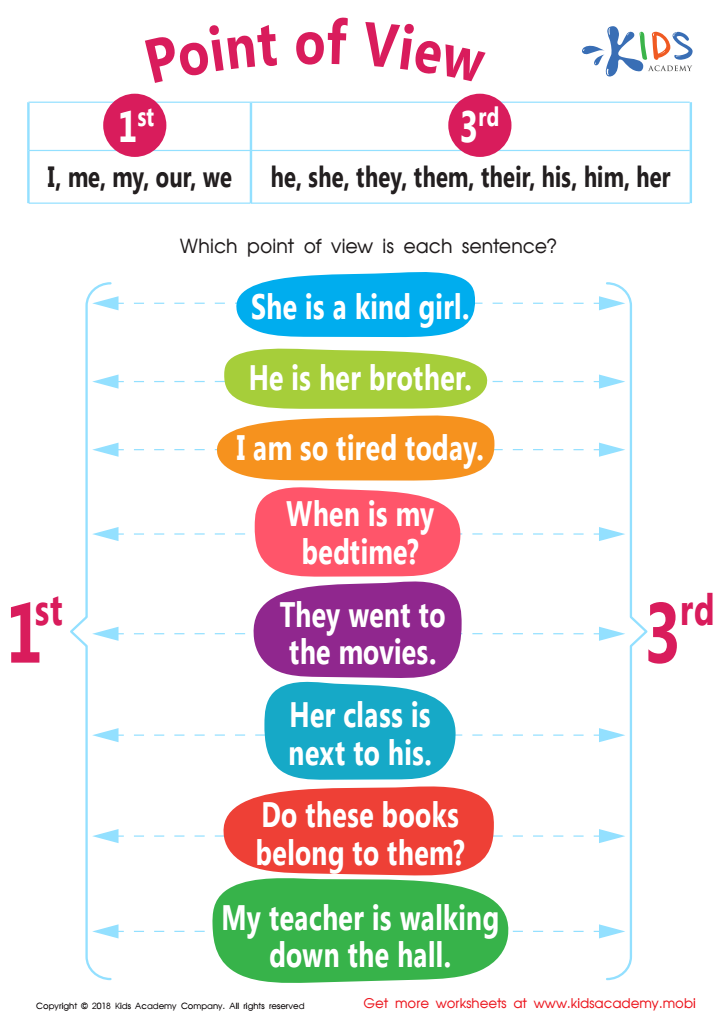
Point of View Worksheet
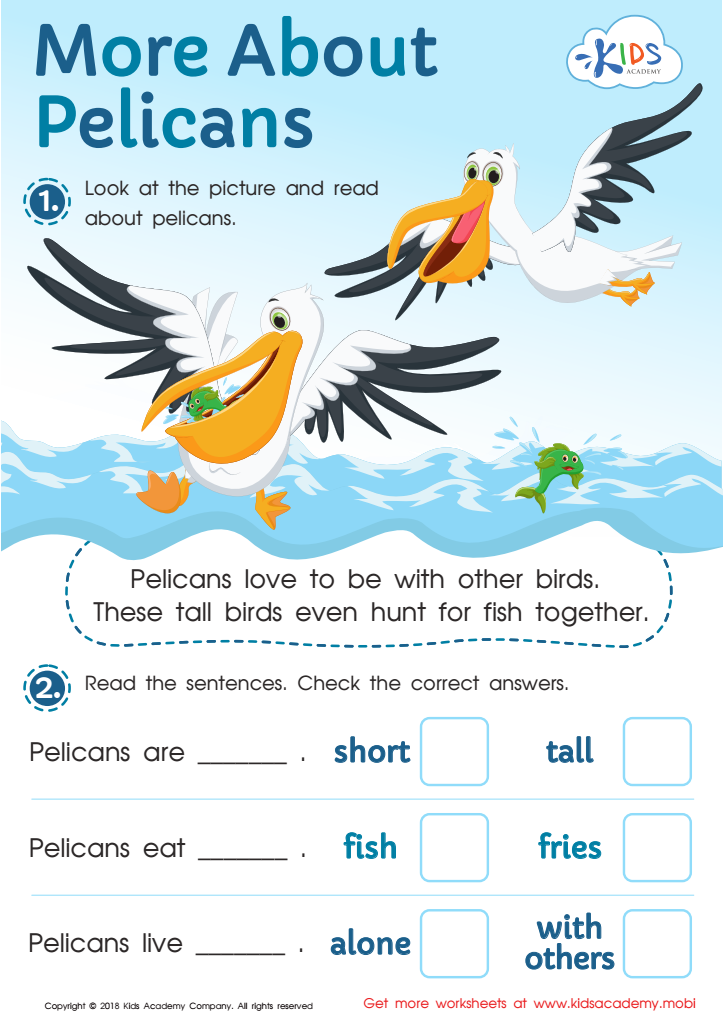
More About Pelicans Worksheet
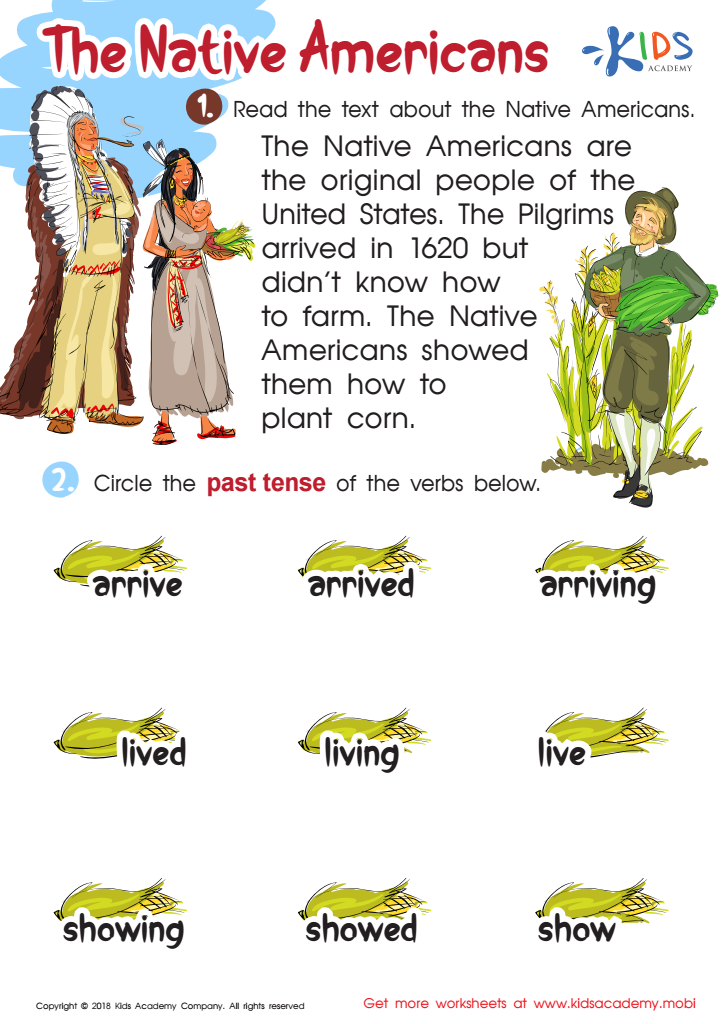
The Native Americans Worksheet
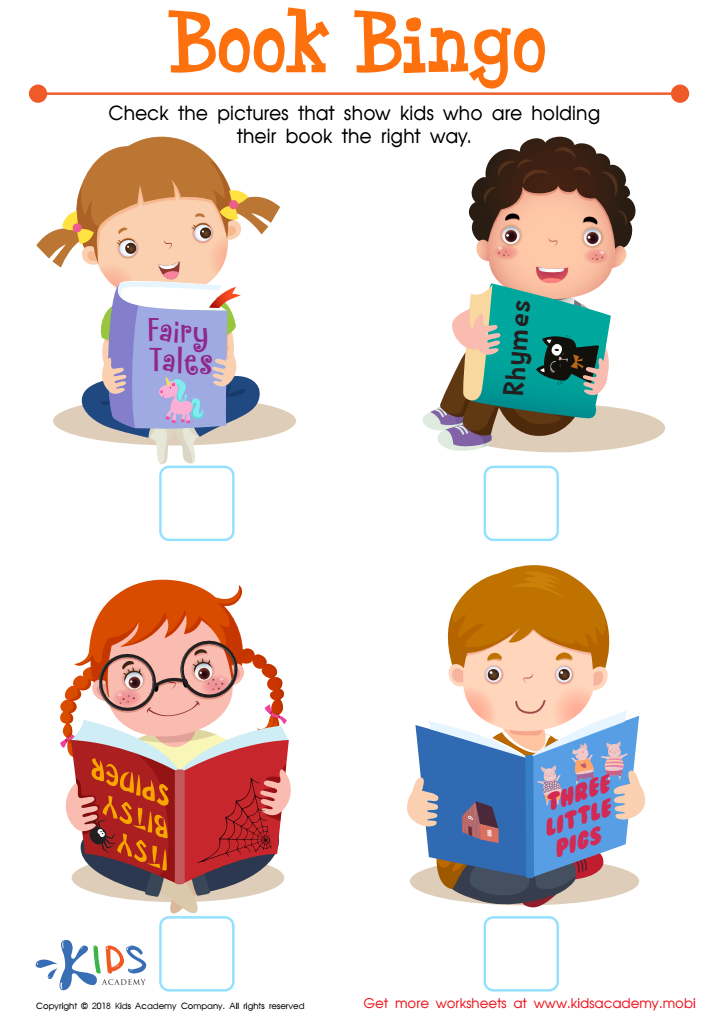
Book Bingo Worksheet
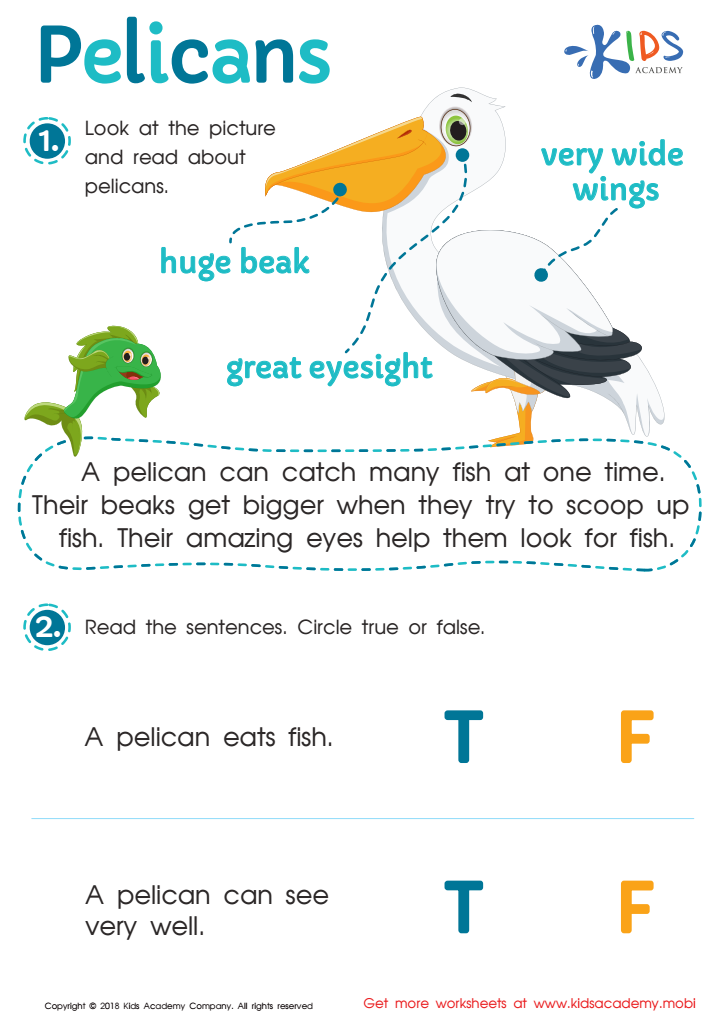
Pelicans Worksheet
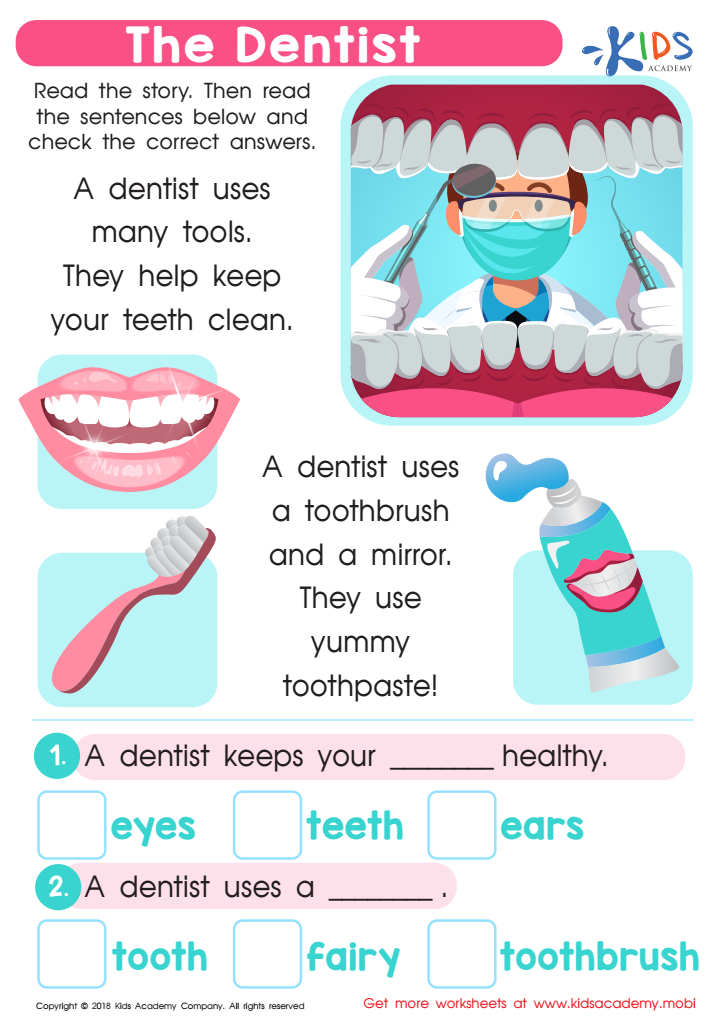
The Dentist Worksheet
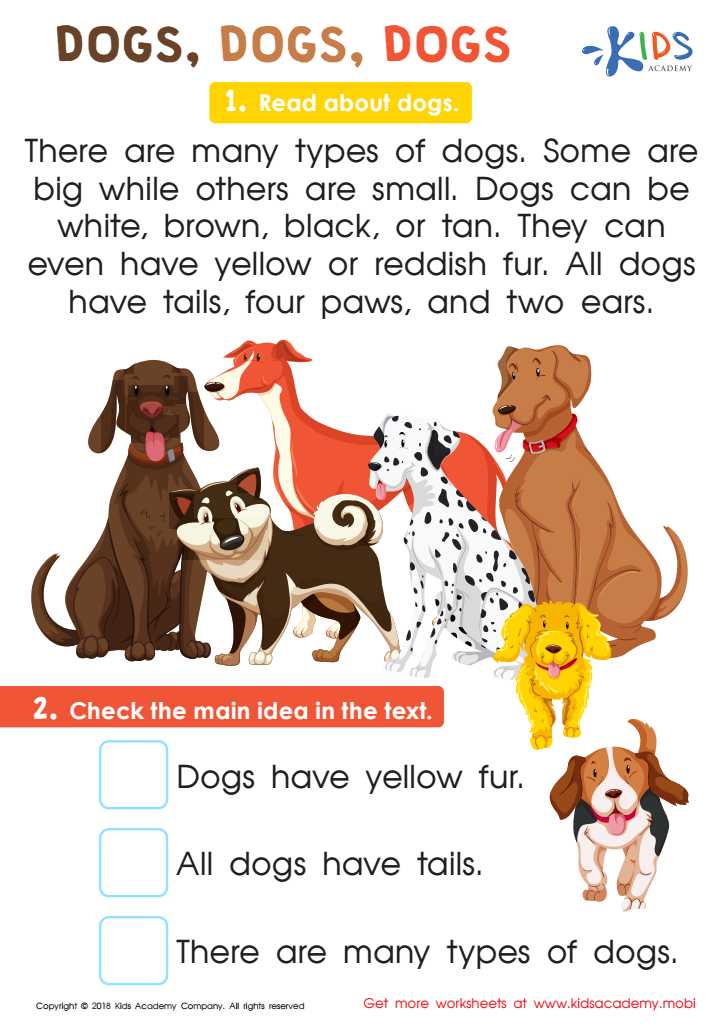
Dogs, Dogs Worksheet
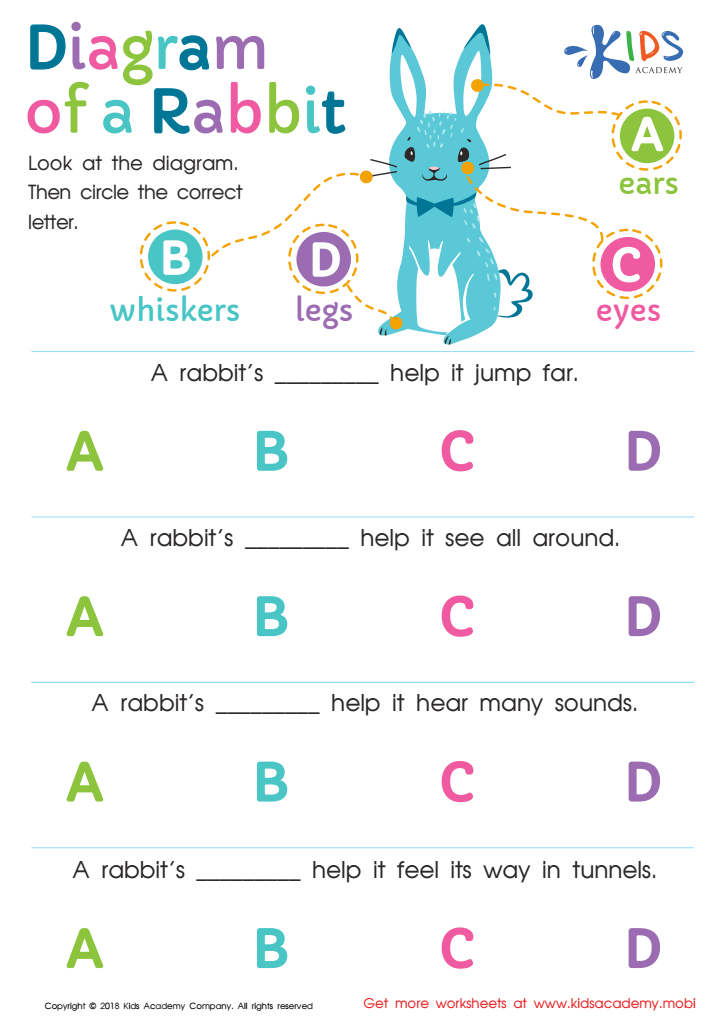
Diagram of a Rabbit Worksheet
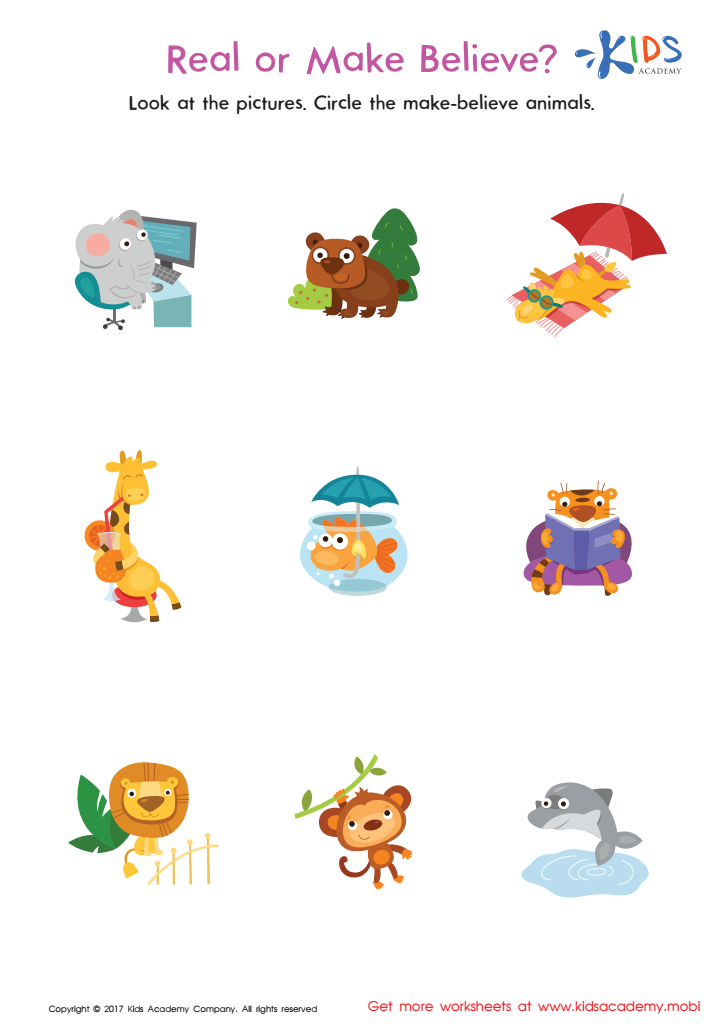
Fact or Make Believe Worksheet
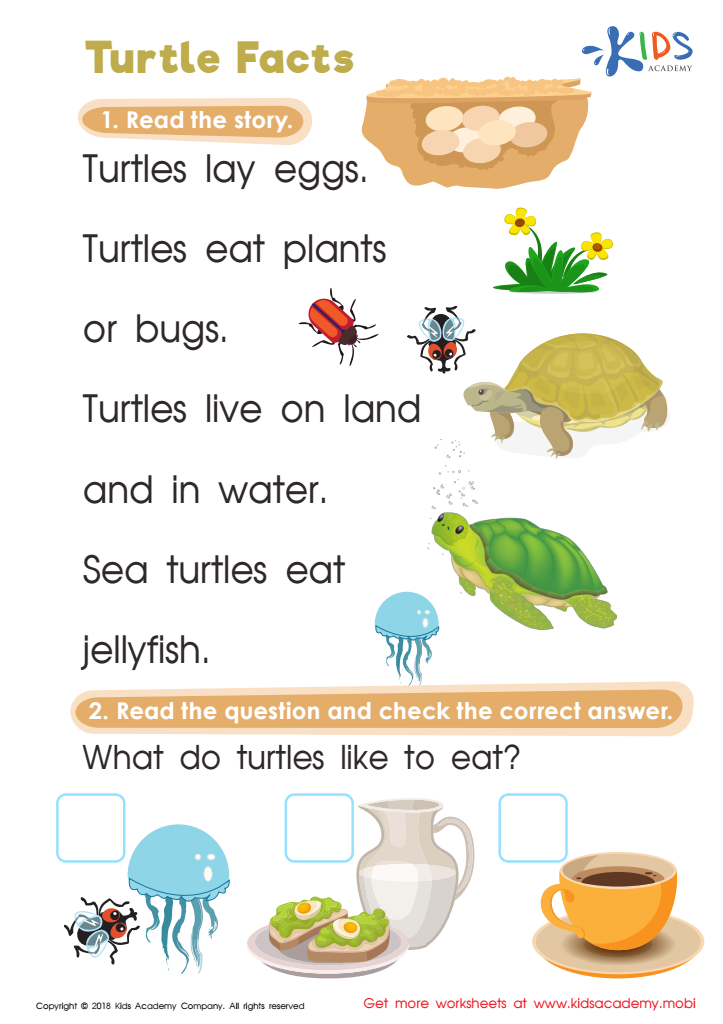
Turtle Facts Worksheet
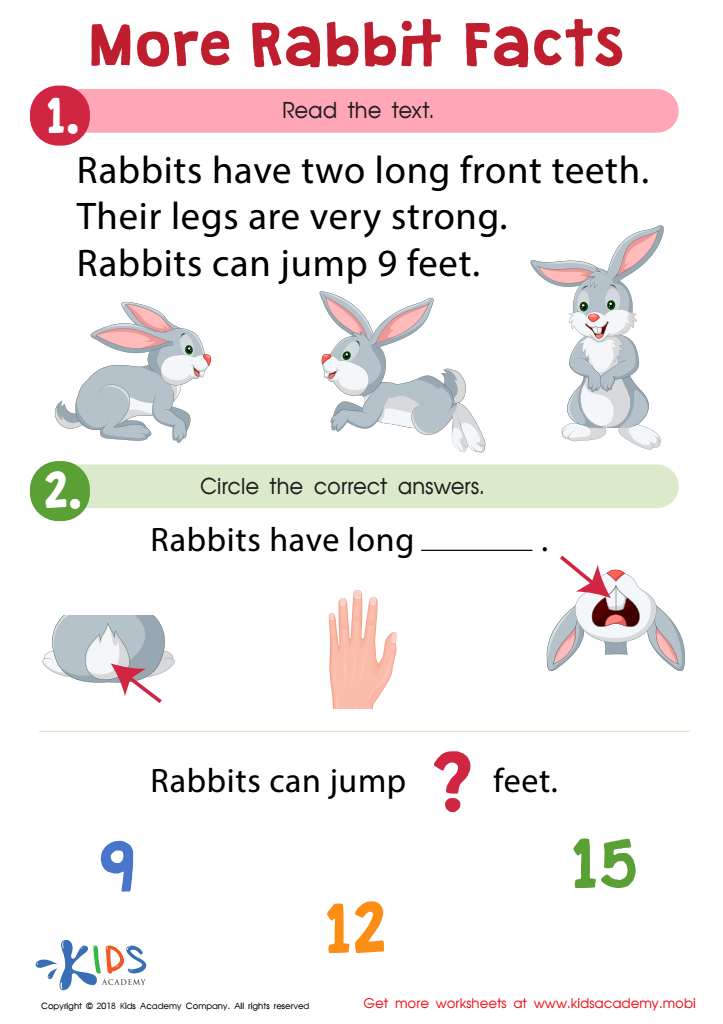
More Rabbit Facts Worksheet
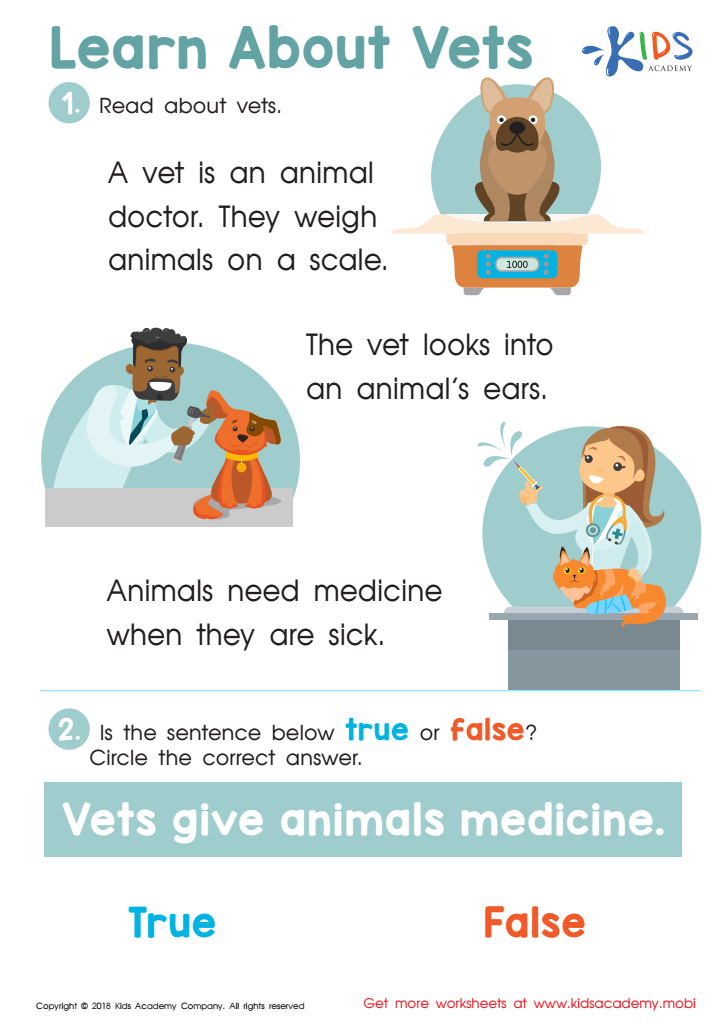
Learn About Vets Worksheet
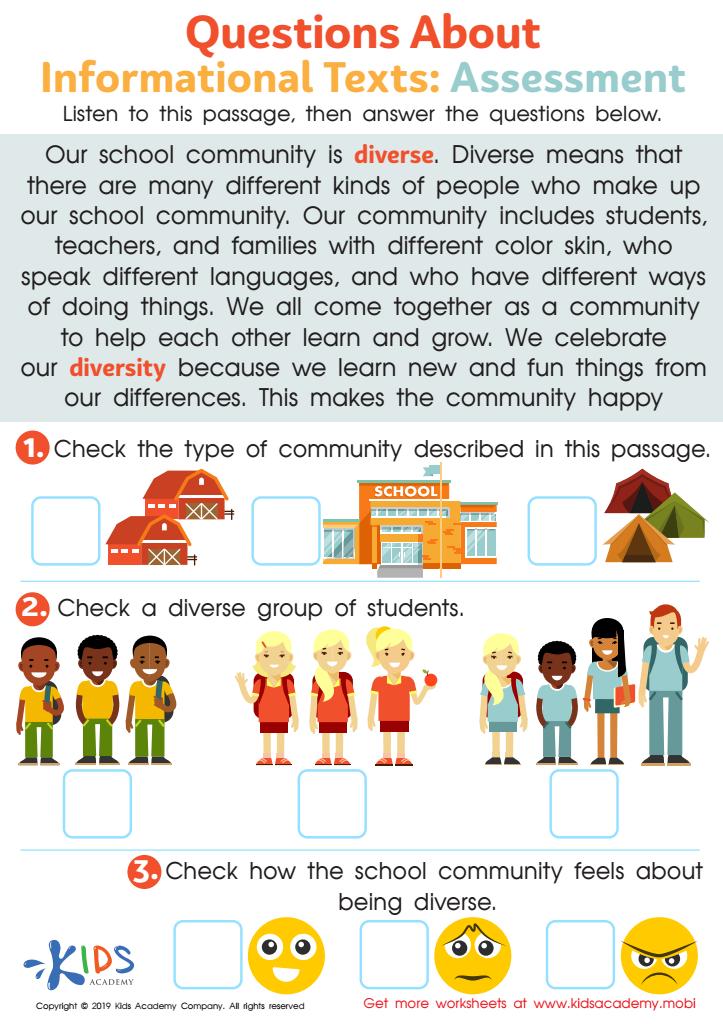
Questions About Informational Texts: Assessment 1 Worksheet
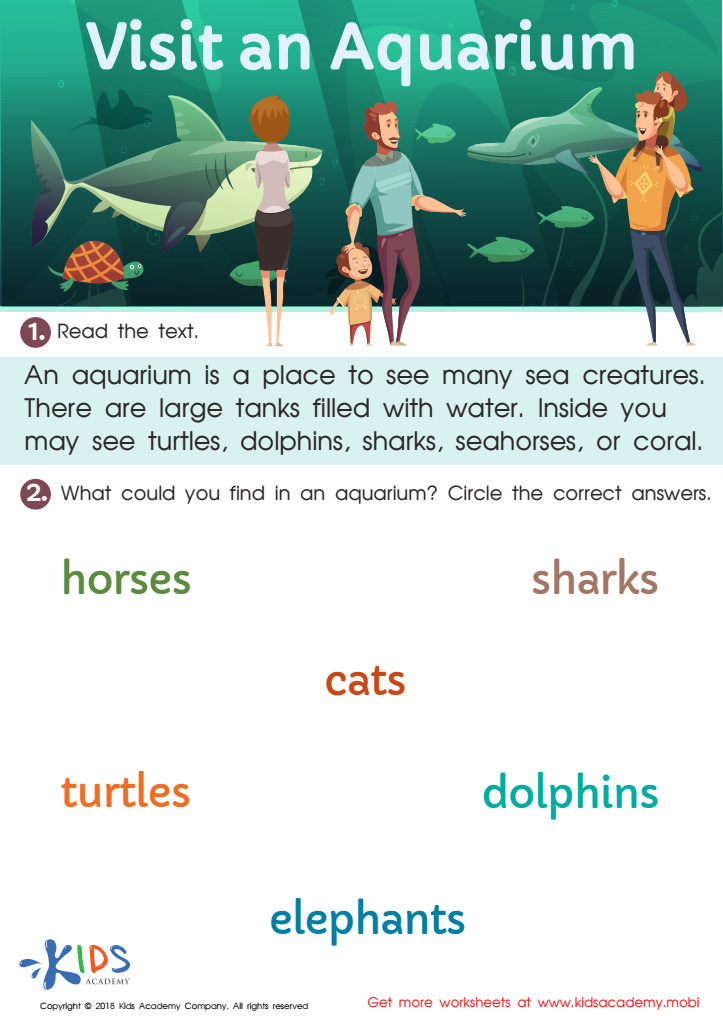
Visit an Aquarium Worksheet
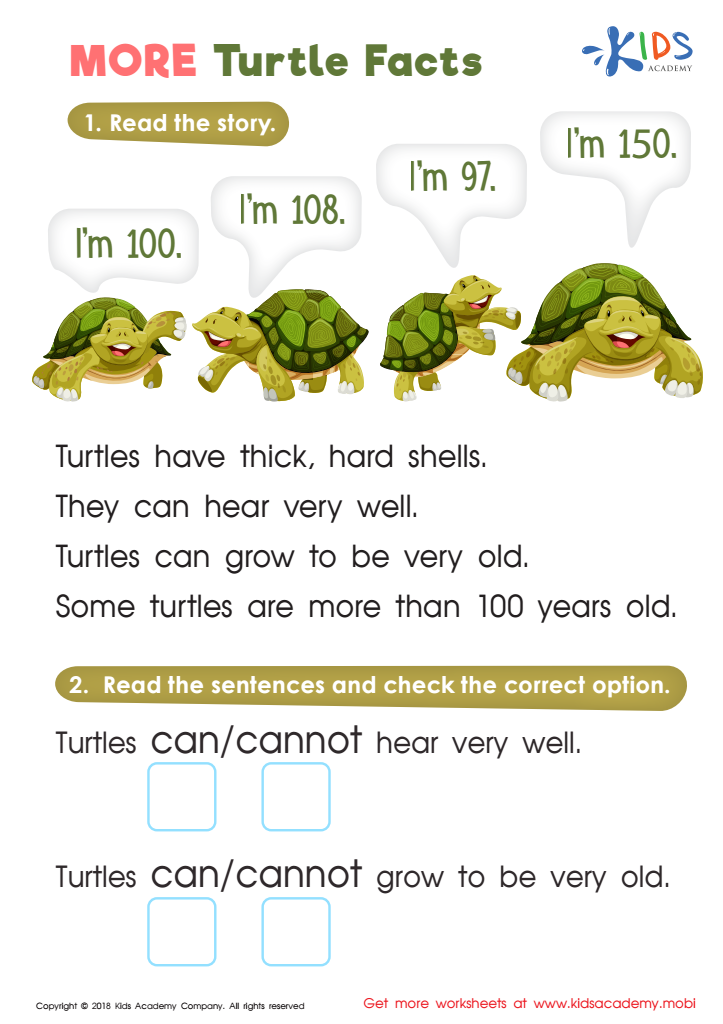
More Turtle Facts Worksheet
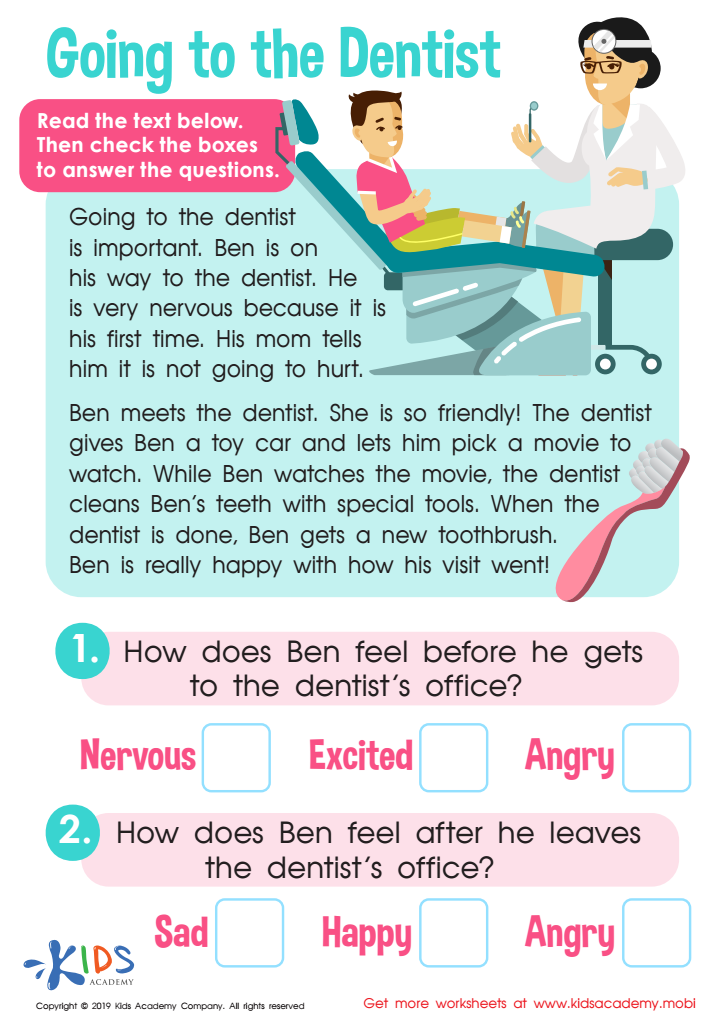
Going to the Dentist Worksheet
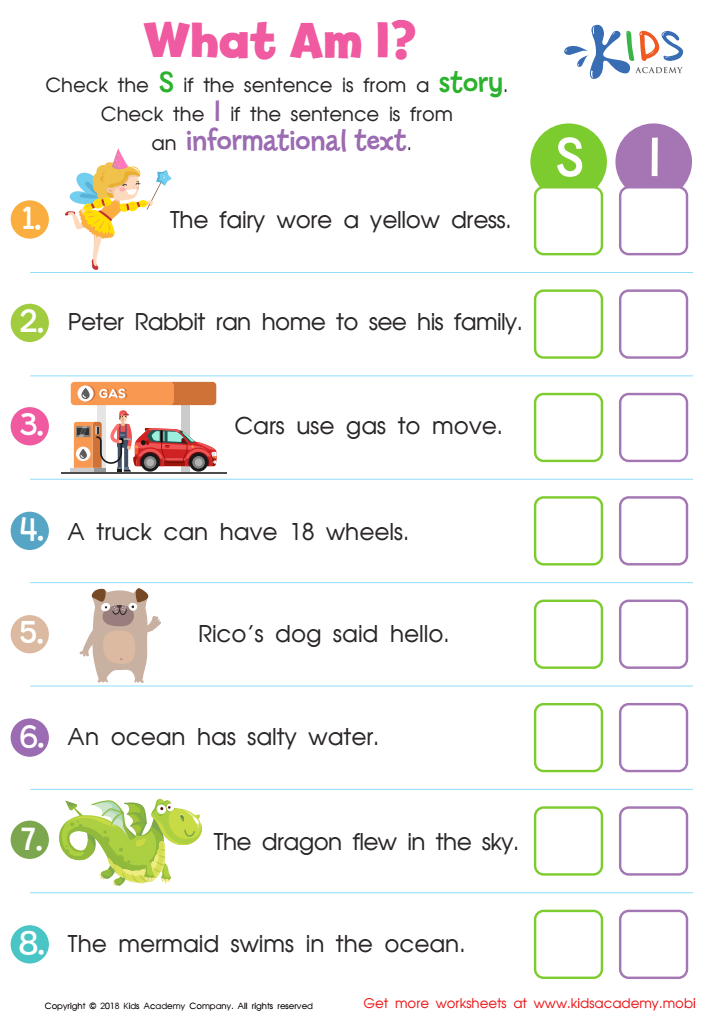
What Am I? Worksheet
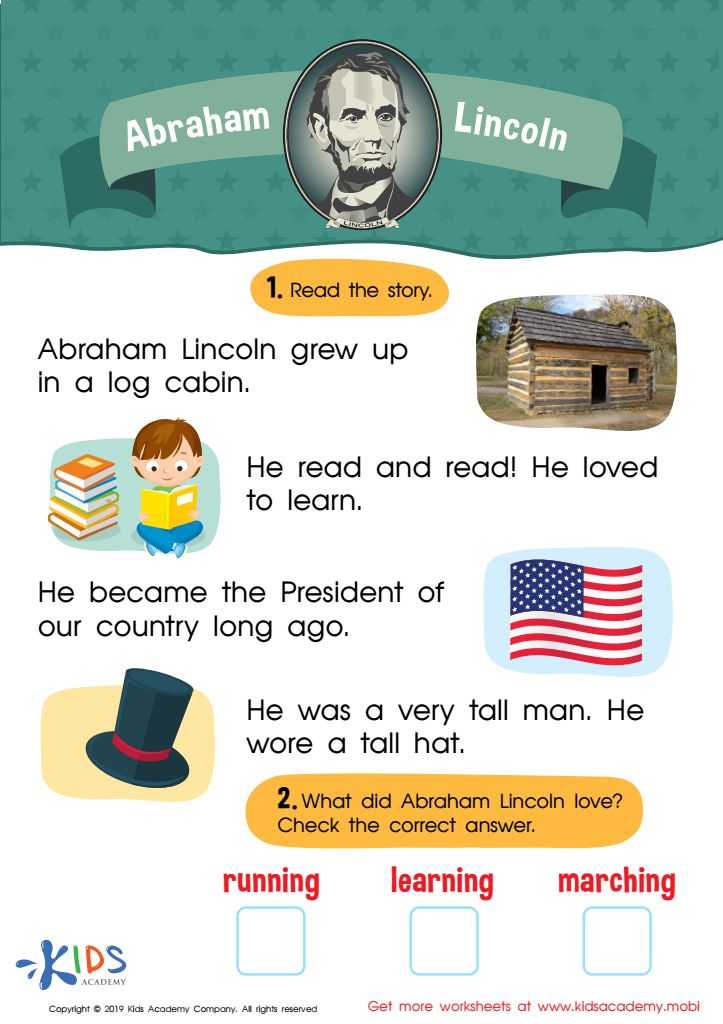
Abraham Lincoln Worksheet
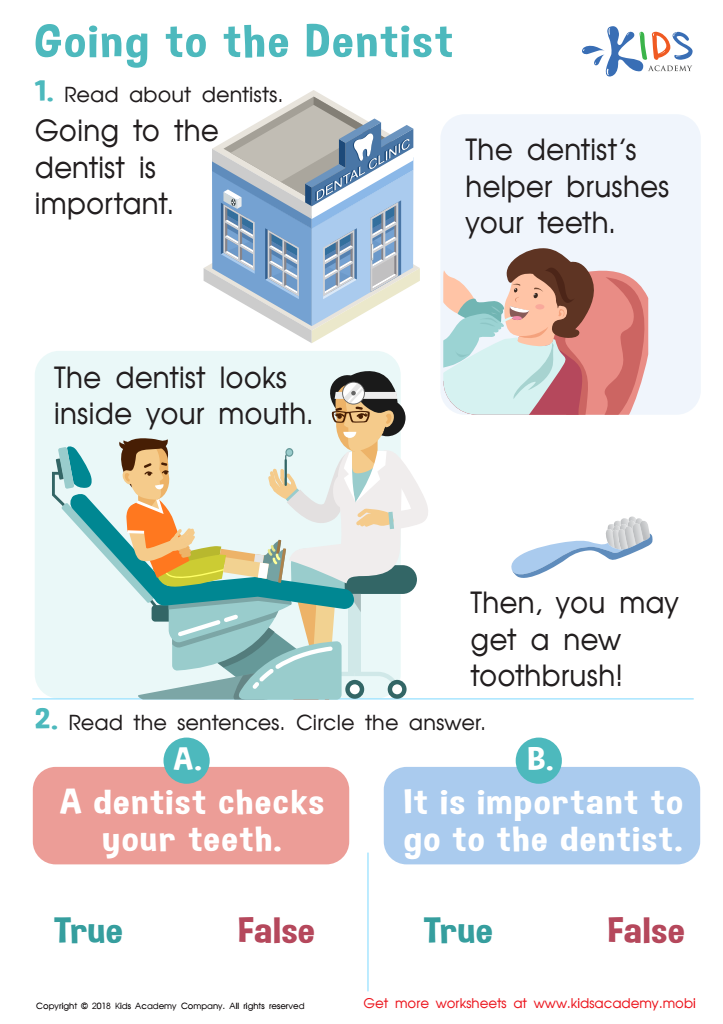
Going to the Dentist Part 2 Worksheet
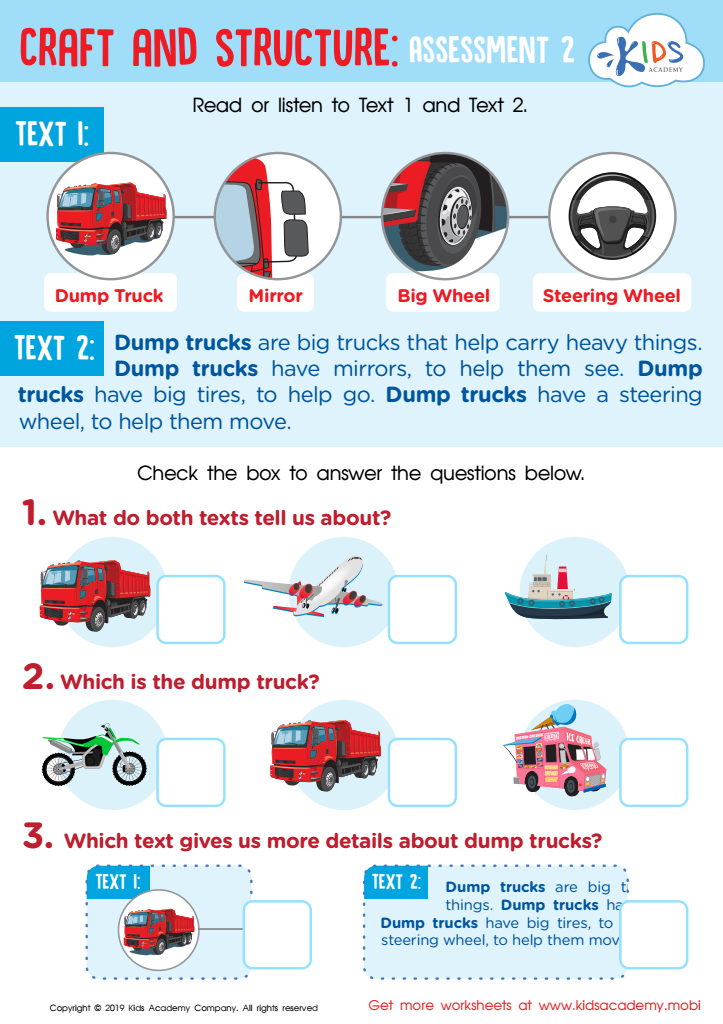
Craft and Structure: Assessment 2 Worksheet
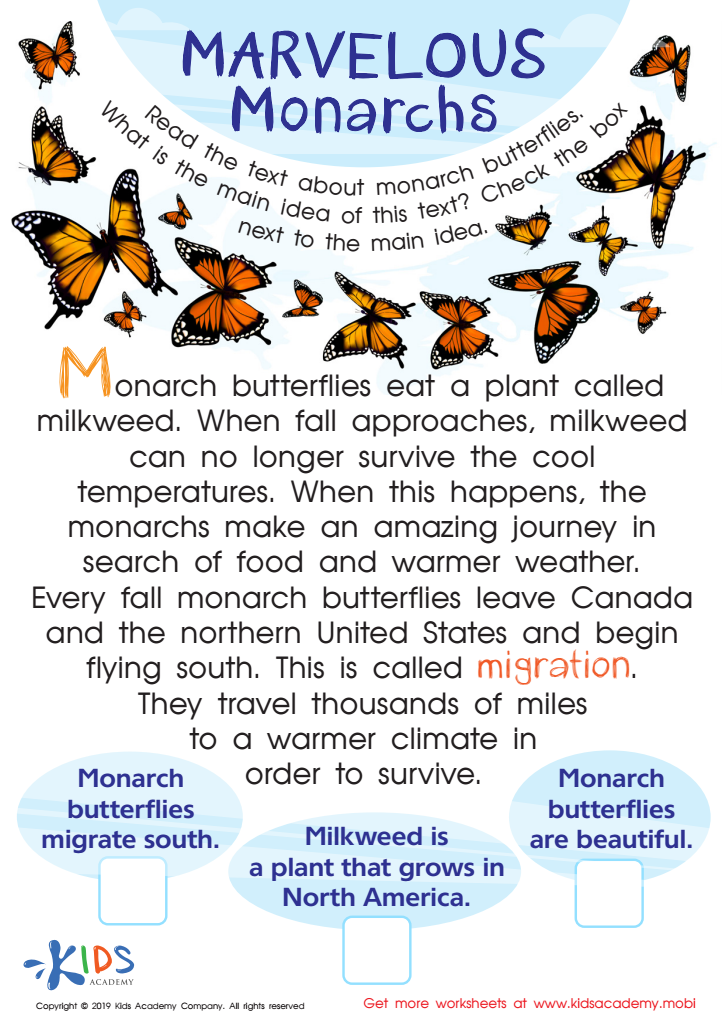
Marvelous Monarchs Worksheet
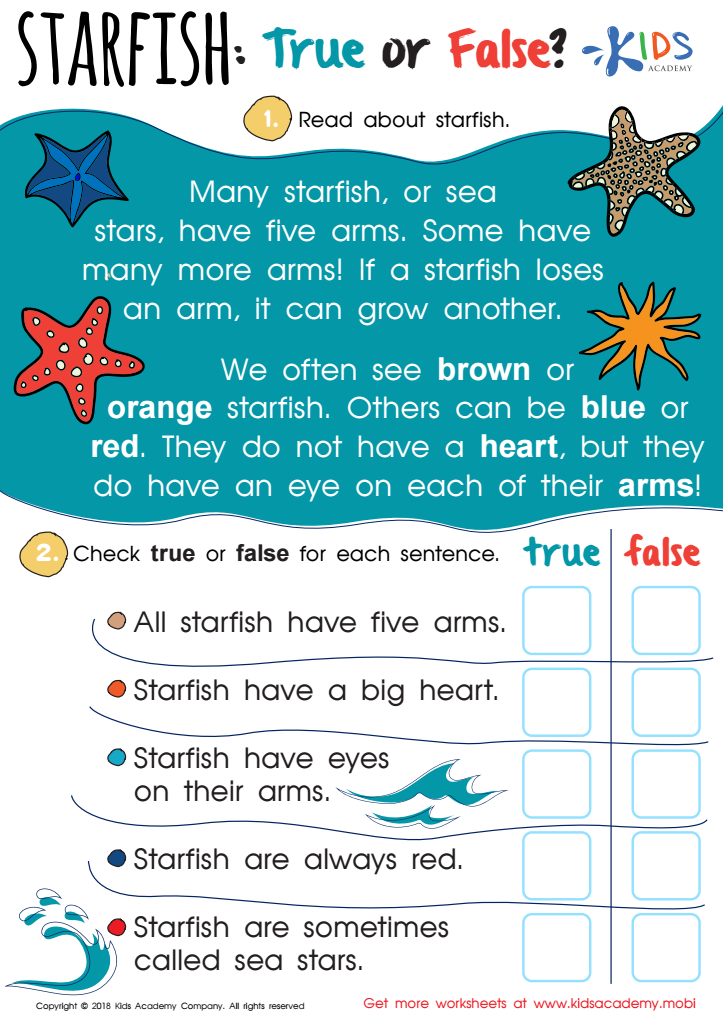
Starfish: True or False Worksheet
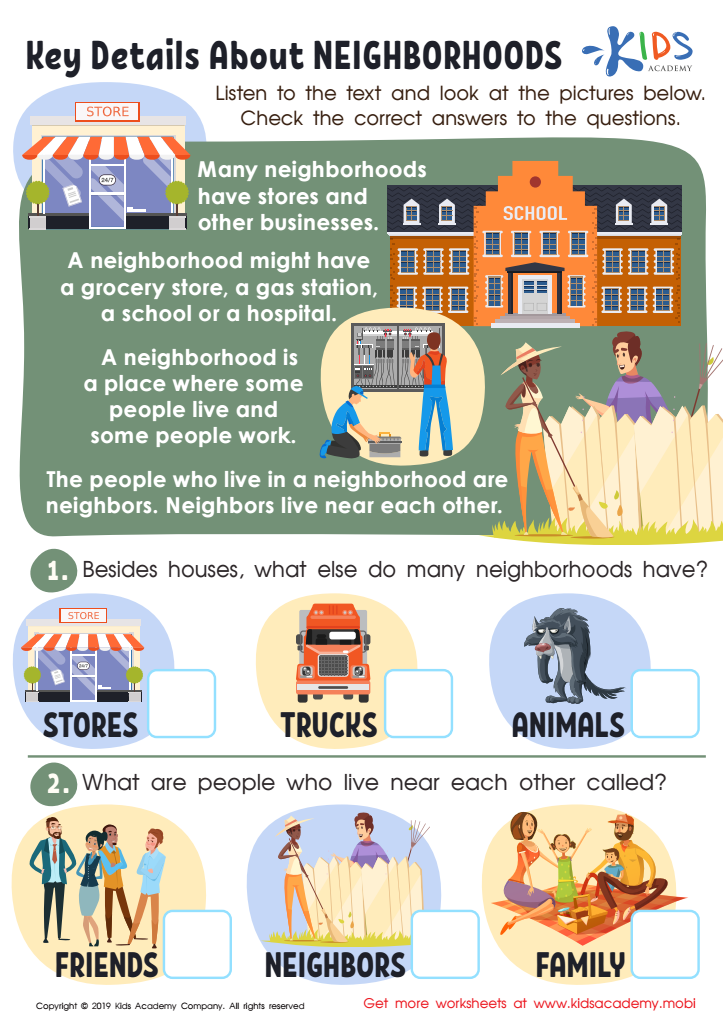
Key Details Neighborhoods Worksheet








Reading comprehension is a crucial skill that lays the foundation for a child’s academic success and lifelong learning. For children aged 5-7, engaging with non-fiction texts is particularly important as it helps them connect reading with the real world. Parents and teachers should prioritize this aspect of reading for several reasons.
Firstly, non-fiction promotes curiosity and fosters a love for learning. Children become explorers of facts and information, which heightens their interest in subjects like science, history, and nature. This exploration aids critical thinking and enhances vocabulary development, enabling young learners to articulate their ideas more effectively.
Secondly, reading non-fiction helps children understand different perspectives and cultures. Through various topics, they gain insights into the world around them, cultivating empathy and broadening their worldviews.
Furthermore, solid reading comprehension skills help kids perform better in school. Understanding non-fiction texts often involves making connections, summarizing information, and drawing conclusions—skills that are applicable across all disciplines.
Finally, early reading comprehension lays the groundwork for future academic achievements and career opportunities. By emphasizing non-fiction reading at this developmental stage, parents and teachers equip children with essential skills for navigating an increasingly complex world.








