Enhancing observational skills Science Worksheets for Ages 5-7
7 filtered results
-
From - To
Enhancing observational skills is essential for young learners, and our engaging Science Worksheets for ages 5-7 make this process enjoyable! Designed to cultivate curiosity and attention to detail, these worksheets encourage children to explore their surroundings through exciting activities. Each worksheet promotes skills like identifying differences, categorizing objects, and making predictions, all while reinforcing foundational scientific concepts. Whether in the classroom or at home, children will have fun observing, recording findings, and discussing their discoveries. Transform your budding scientists into keen observers with our interactive resources that inspire real-world learning and foster a lifelong love for science! Explore our collection today!
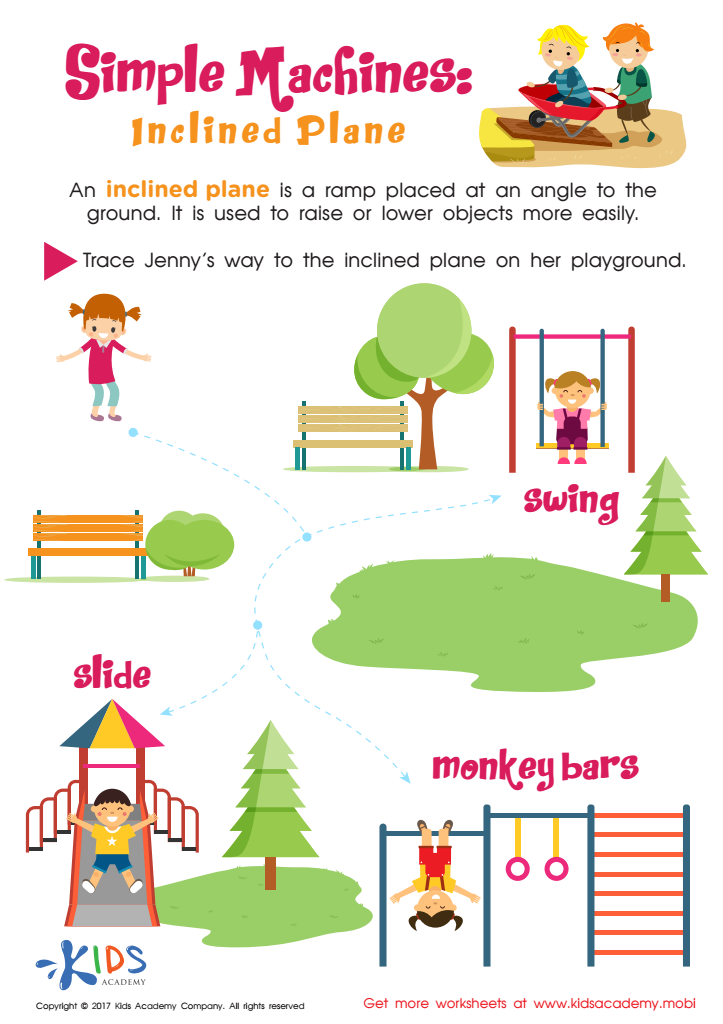
Simple Machines Inclined Plane Worksheet
 Assign to My Students
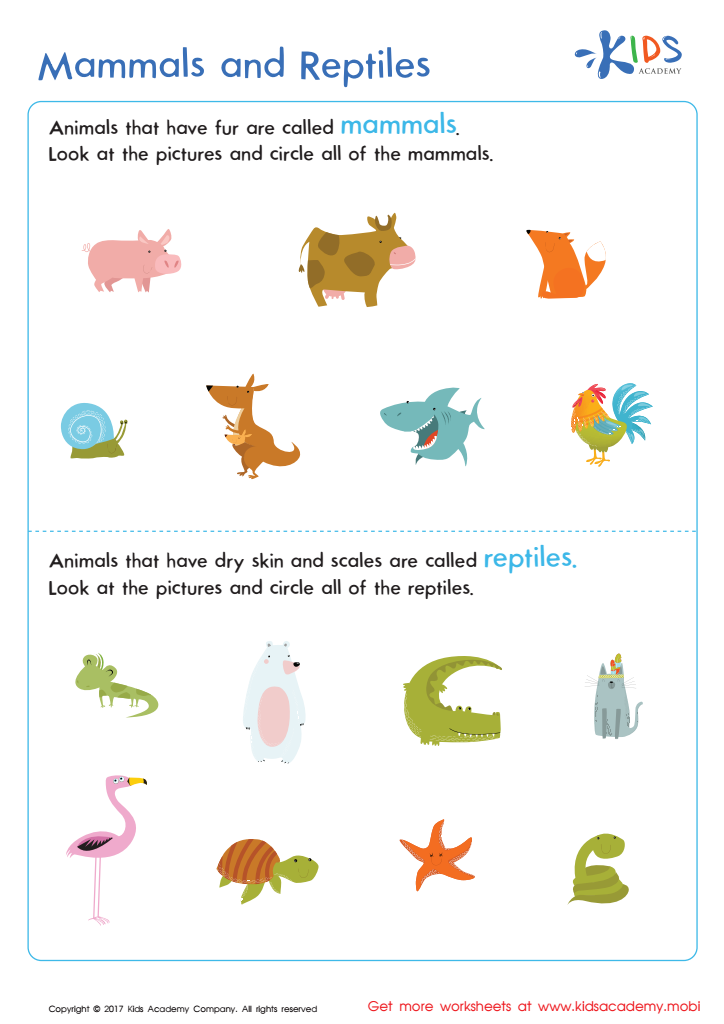
Mammals and Reptiles Worksheet
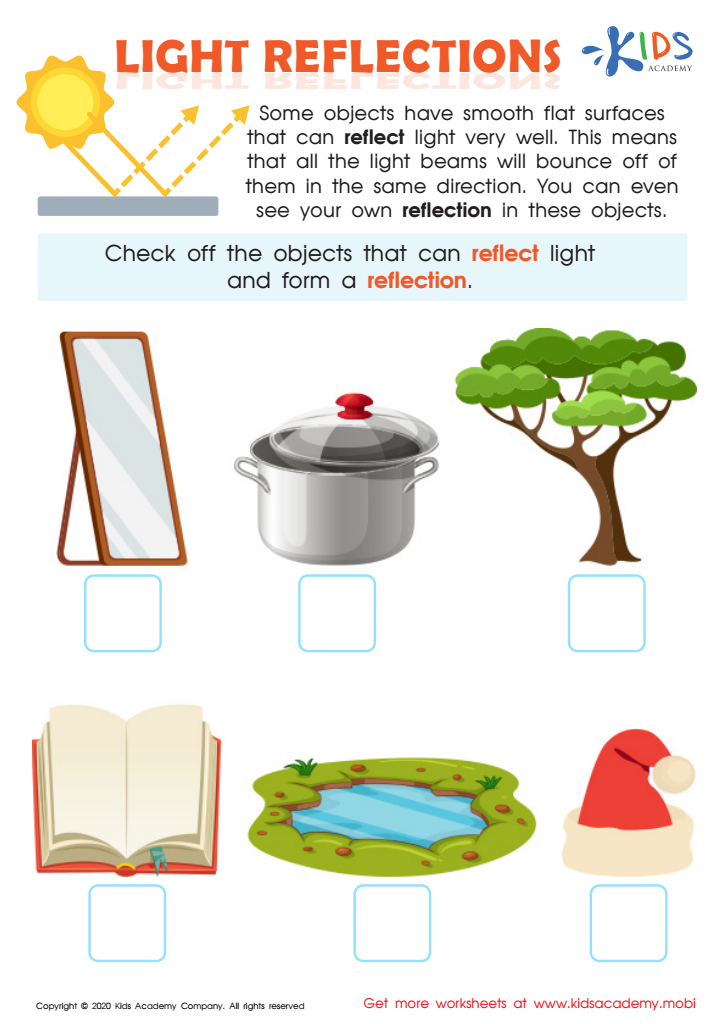
Light Reflections Worksheet
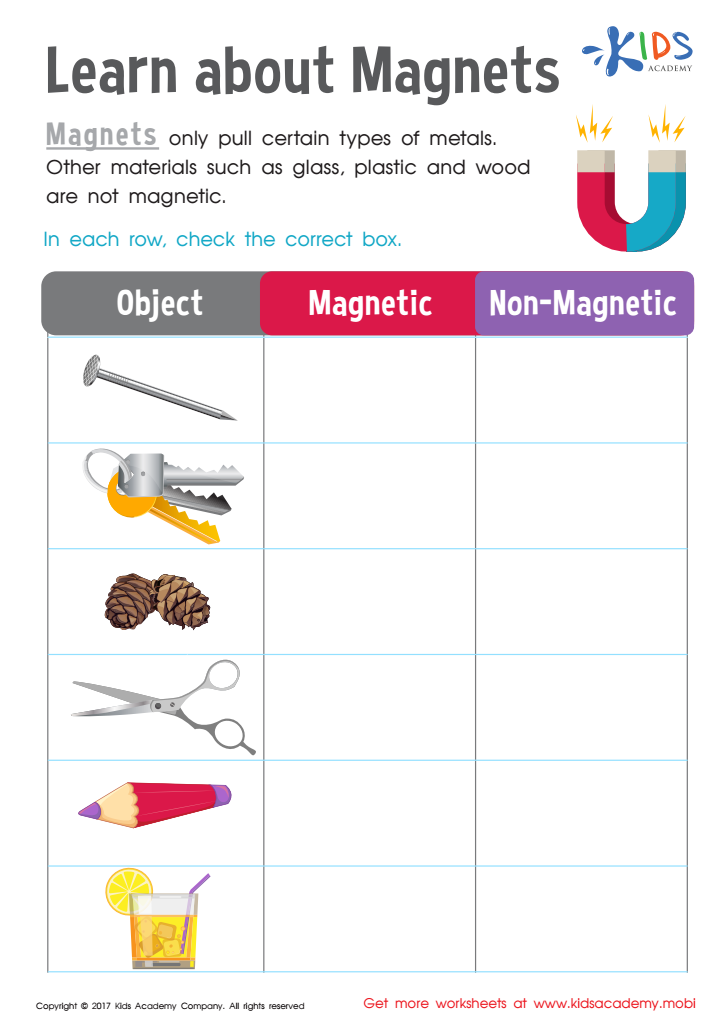
Magnetic Or Not Worksheet
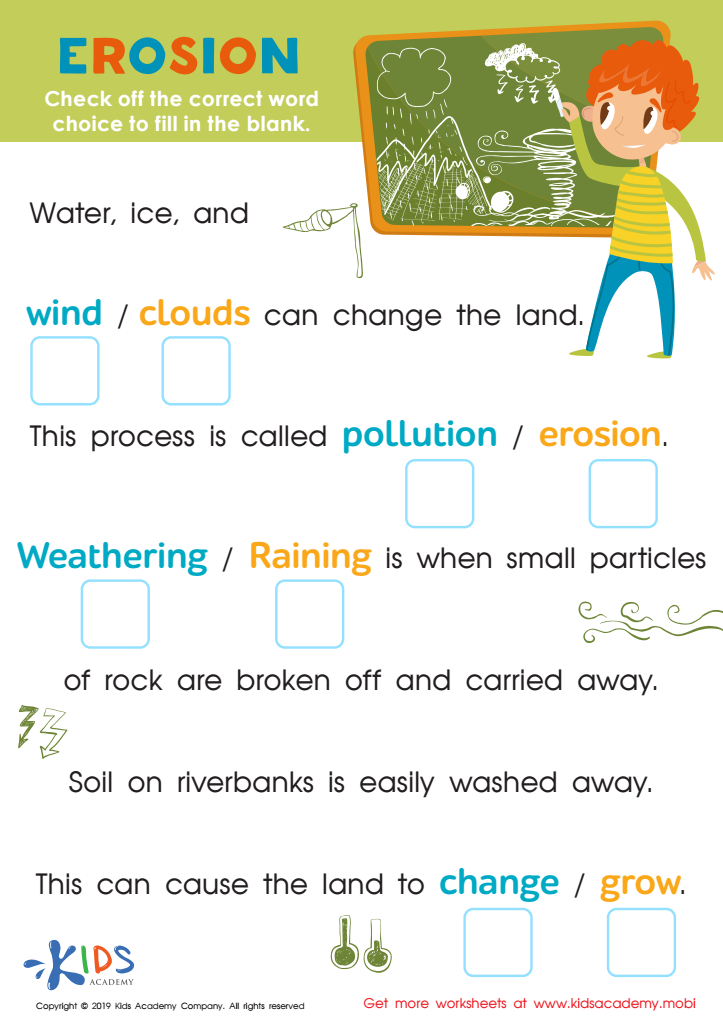
Erosion Worksheet
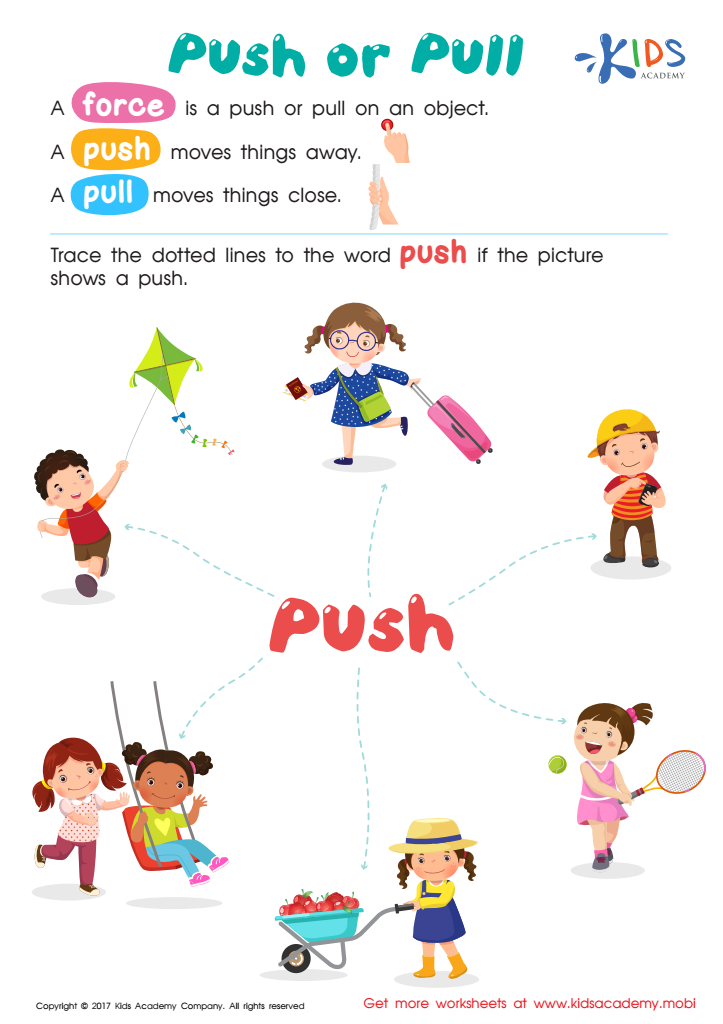
Push or Pull Worksheet
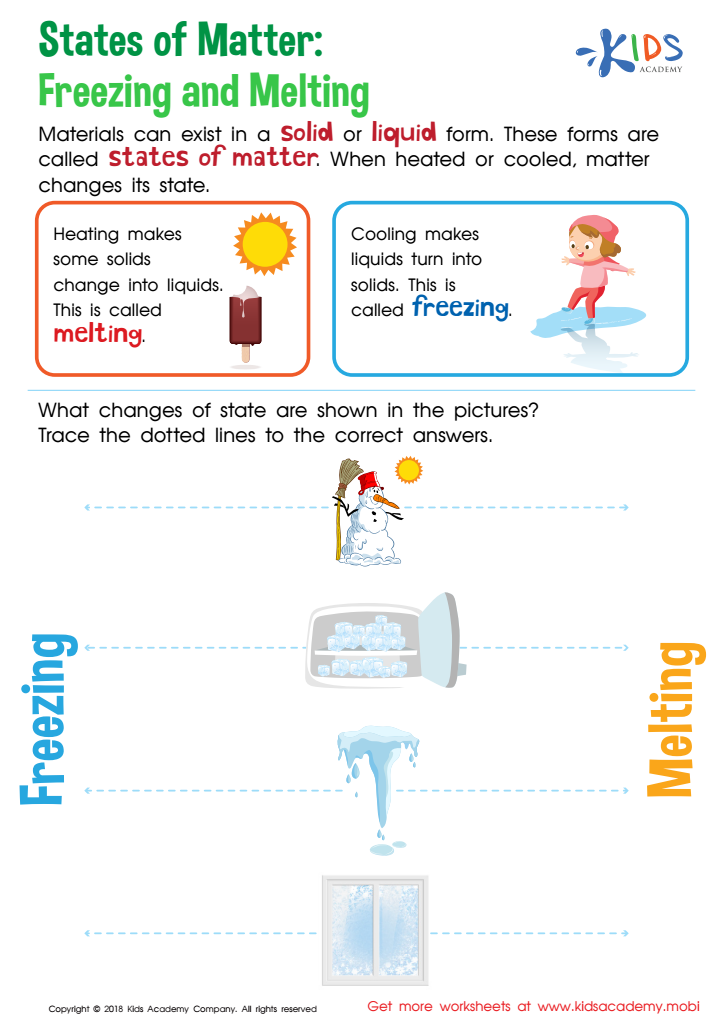
States of Matter: Freezing and Melting Worksheet







Enhancing observational skills in young children, particularly ages 5-7, is crucial for their overall development and educational journey. Developing these skills lays the foundation for critical thinking, problem-solving, and scientific reasoning. At this age, children are naturally curious and eager to explore the world around them. Fostering observational skills allows them to engage deeply with their environment, encouraging inquiry-based learning.
When children learn to observe closely, they begin to notice details that may go unnoticed by others. This skill not only aids their understanding of scientific concepts but also enhances their ability to communicate and express their thoughts effectively. As they make observations, children learn to ask questions and seek answers, promoting a growth mindset essential for lifelong learning.
For teachers and parents, nurturing observational skills can enhance classroom dynamics and homeschooling experiences, allowing educators to tailor lessons to children's interests. Furthermore, observational activities can be simple, enjoyable, and effective, making them accessible and engaging. Ultimately, strengthening observational skills fosters a love for learning and exploration, preparing children for more complex subjects while building confidence and independence in their learning processes. Balancing academic goals with hands-on experiences establishes a positive learning environment during these formative years.







