Observational skills Physical Science Worksheets for Ages 5-7
3 filtered results
-
From - To
Enhance your child's learning with our Observational Skills Physical Science Worksheets, designed specifically for ages 5-7. These engaging activities help young learners develop critical observation skills that form the foundation of scientific inquiry. Our worksheets encourage children to examine, compare, and analyze their surroundings, fostering curiosity about the physical world. Filled with fun illustrations and age-appropriate tasks, these resources make learning enjoyable and effective. Perfect for home or classroom use, our worksheets promote critical thinking and help students connect theories to real-world experiences. Start nurturing your child’s observation abilities today for a brighter future in science!
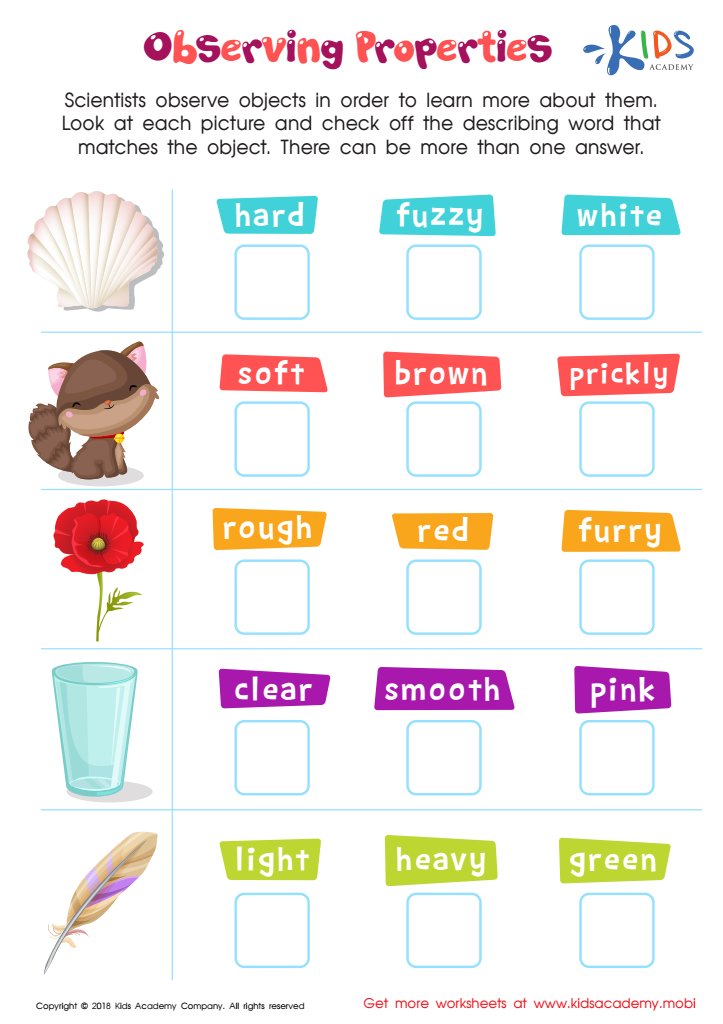
Observing Properties Worksheet
 Assign to My Students
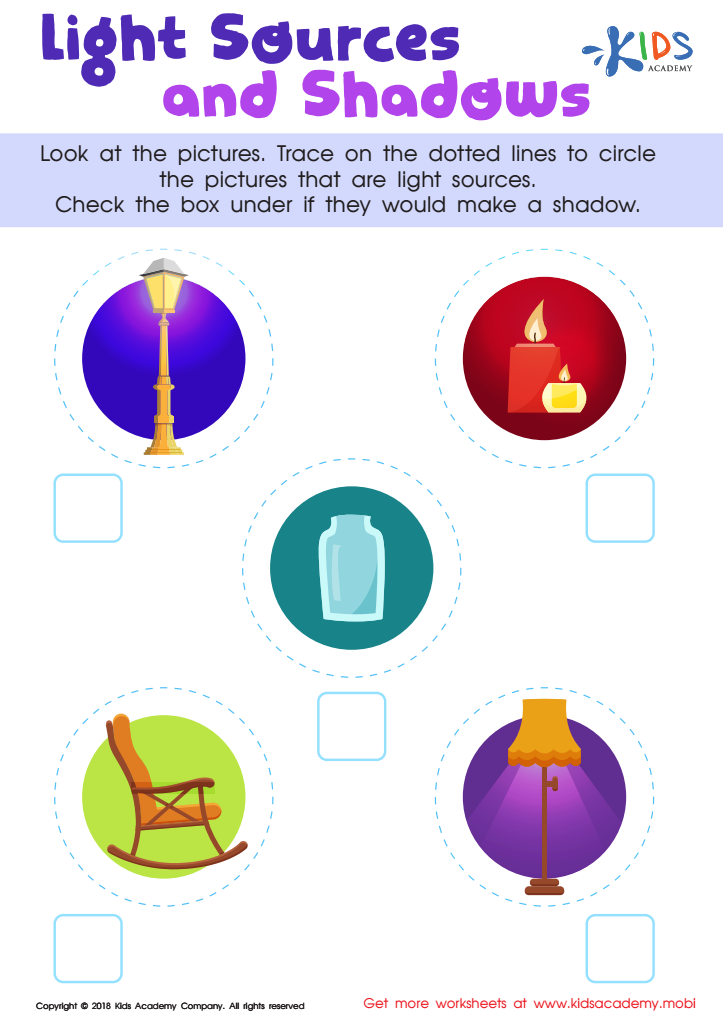
Light Sources and Shadows Worksheet
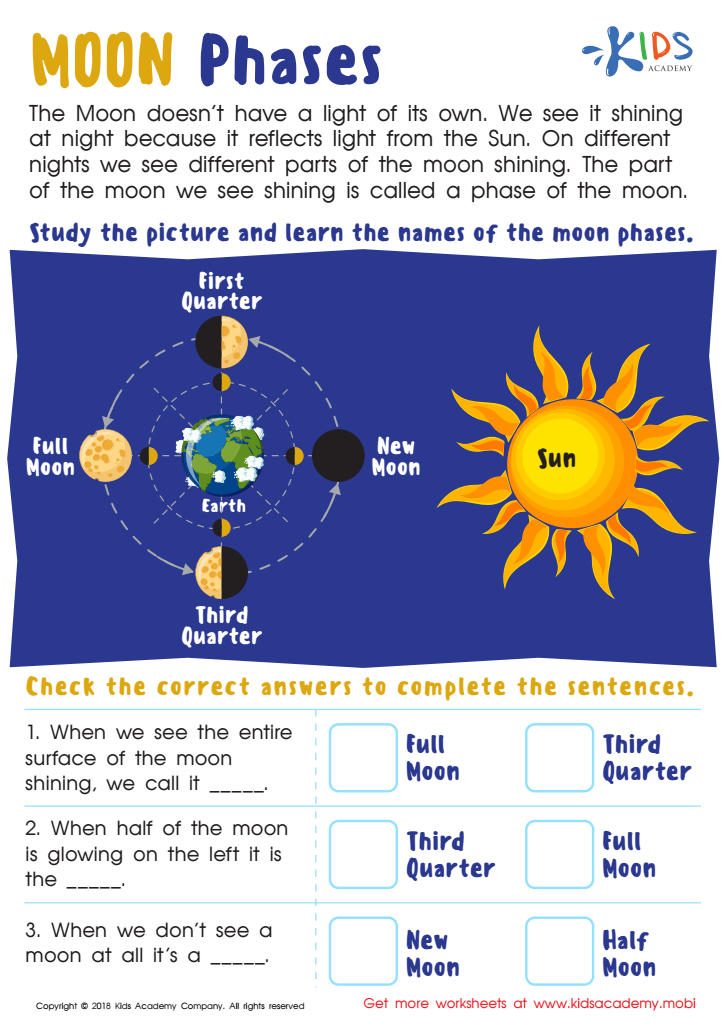
Moon Phases Worksheet


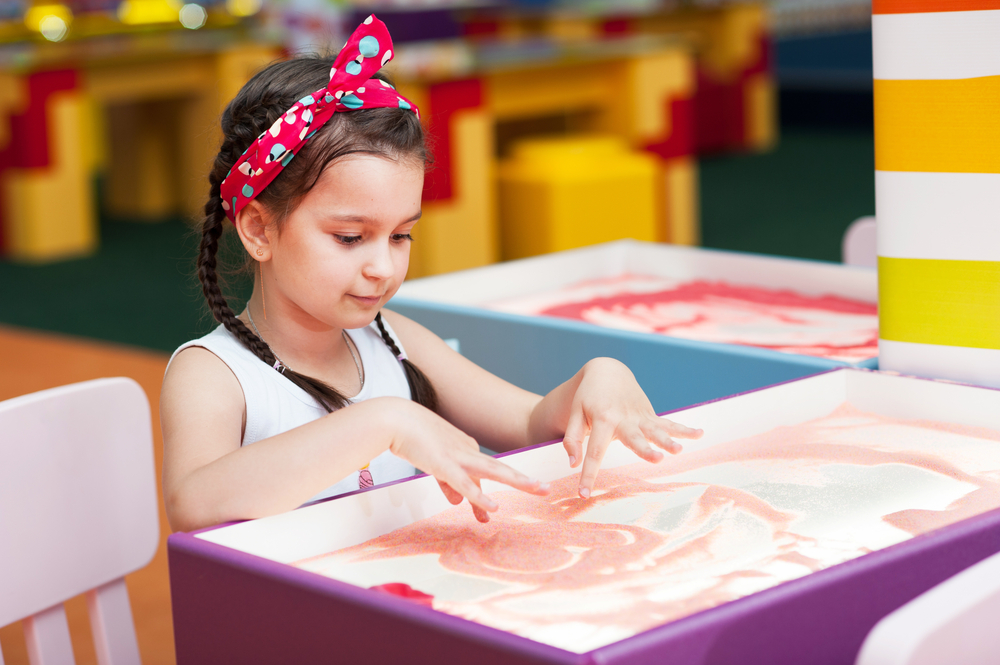
.jpg)




Observational skills in physical science are fundamental for children aged 5-7 as they lay the groundwork for critical thinking and inquiry-based learning. At this early developmental stage, children are naturally curious about the world around them, and fostering their observational skills helps harness that curiosity into structured knowledge.
When parents and teachers encourage observation—such as noticing changes in weather, the different states of matter, or simple physics in play—children learn to ask questions and seek explanations, which are essential components of scientific reasoning. This exploration cultivates not only a sense of wonder but also enhances cognitive skills, language development, and the ability to classify and categorize information.
Additionally, engaging in observational activities supports motor skills, spatial awareness, and even social skills, as children often work in groups or share their findings with one another. By caring about and promoting these skills, adults help develop a strong foundation for future academic success in science and beyond. Explaining their observations also strengthens communication skills, ensuring that children can articulate their thoughts and learning effectively, an essential life skill. Ultimately, investing time in enhancing observational skills fosters lifelong learners who can effectively navigate and understand the world around them.







