Critical Thinking Community Worksheets for Ages 5-7
6 filtered results
-
From - To
Welcome to our "Critical Thinking Community Worksheets for Ages 5-7"! Designed for young learners, these engaging worksheets promote essential critical thinking skills through fun, interactive activities. Children will explore their communities, develop problem-solving abilities, and enhance their decision-making skills. Our age-appropriate materials encourage curiosity and creativity, fostering a deeper understanding of the world around them. Each worksheet features colorful illustrations and relatable scenarios, making learning enjoyable and effective. Perfect for home or classroom use, these resources are ideal for nurturing thoughtful, inquisitive minds. Dive into our collection and help your child build a strong foundation in critical thinking today!
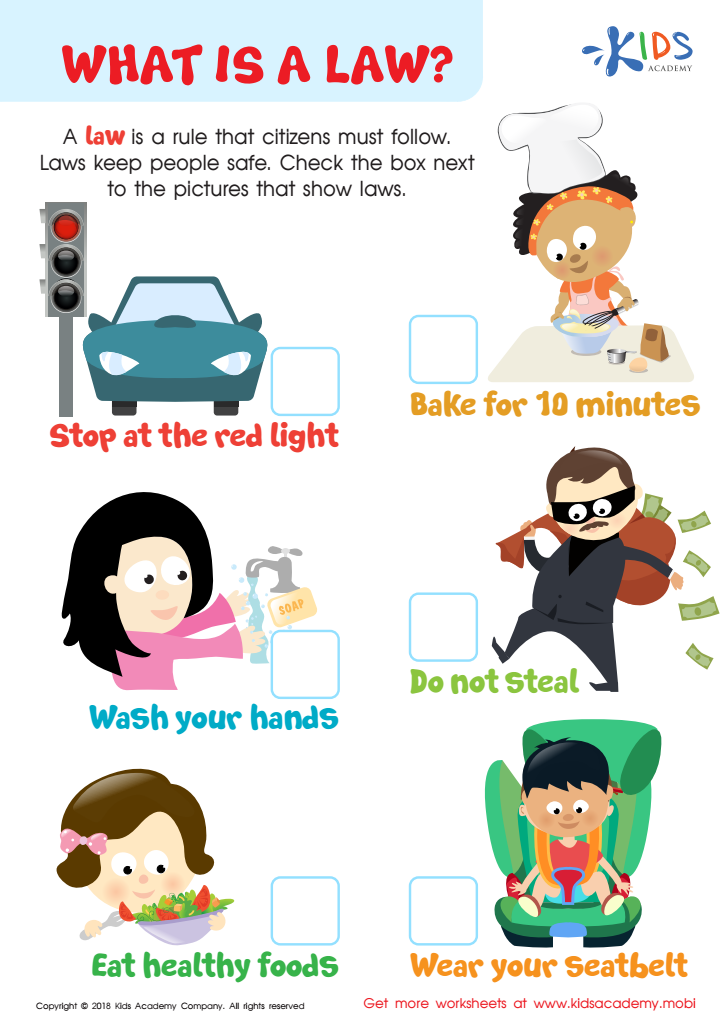
What is a Law? Worksheet
 Assign to My Students
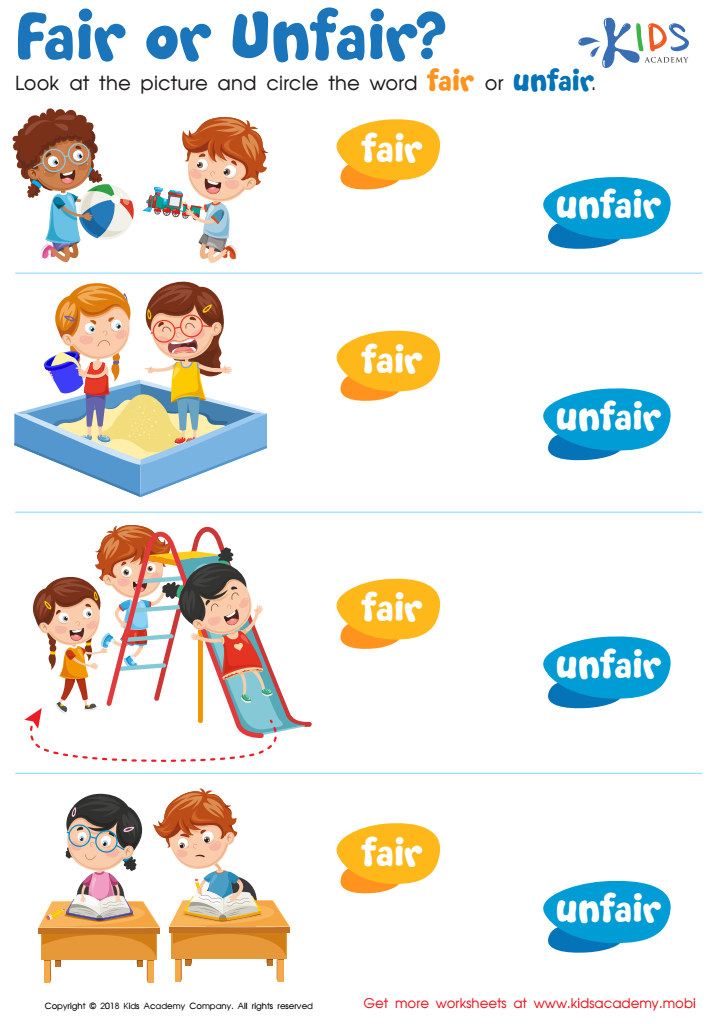
Fair or Unfair Worksheet
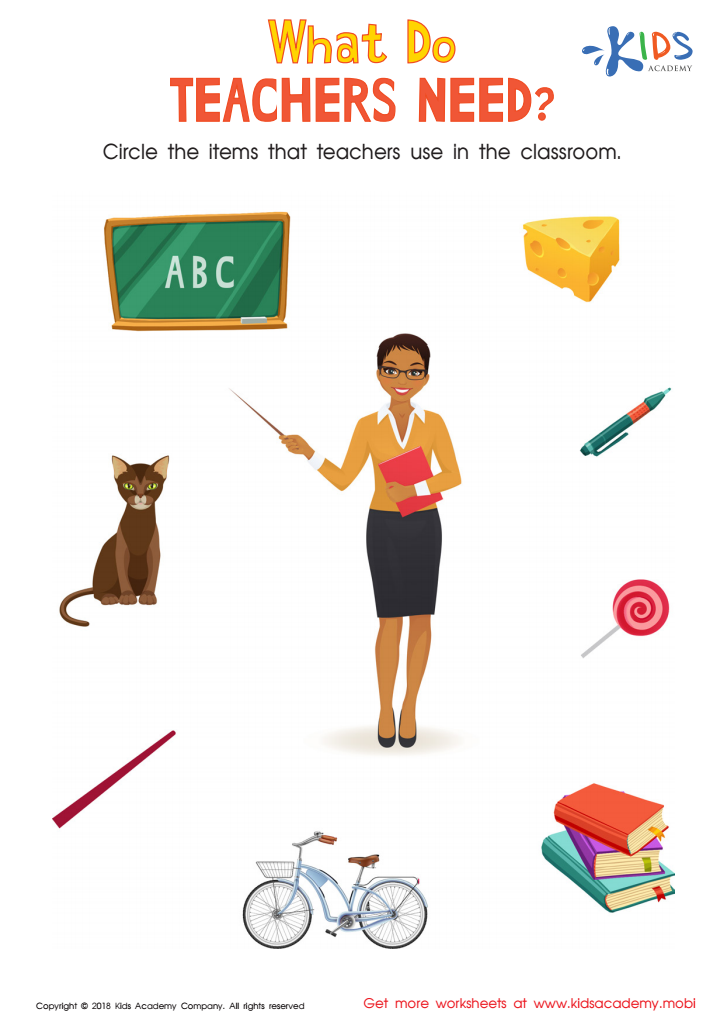
What Do Teachers Need Worksheet

Traditional Music Worksheet
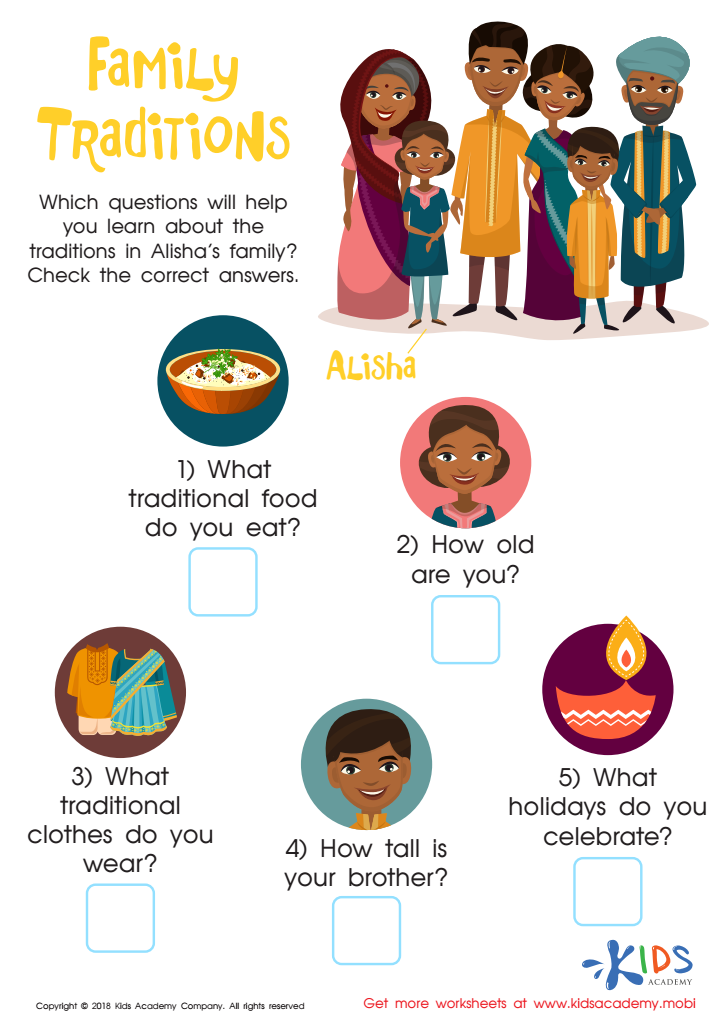
Family Traditions Worksheet
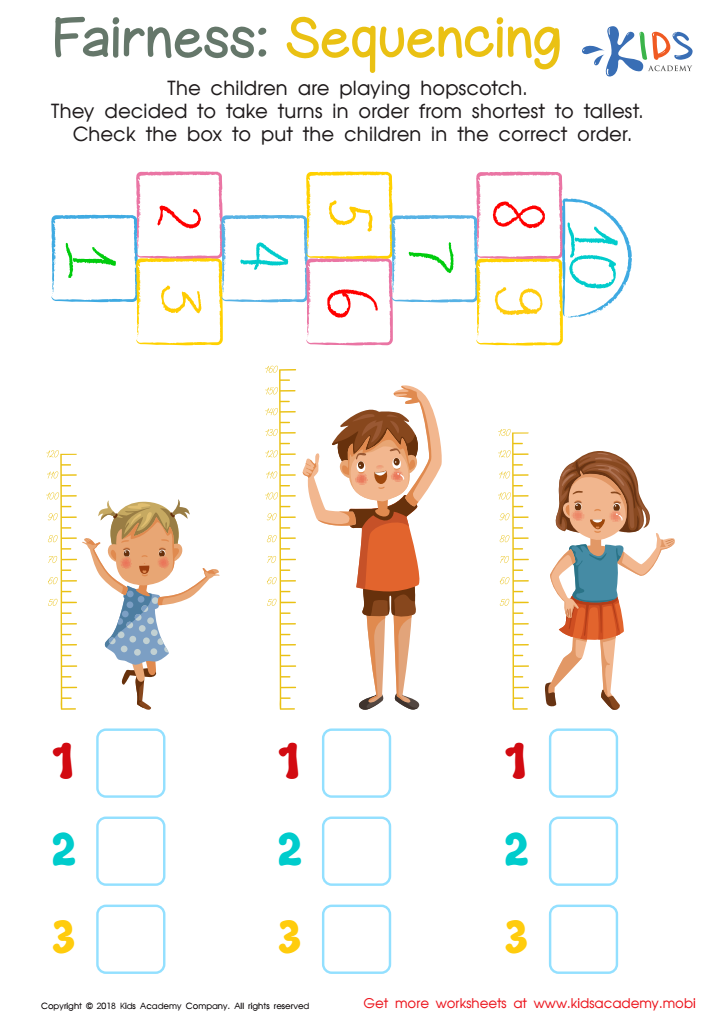
Fairness: Sequencing Worksheet








Parents and teachers should care about the Critical Thinking Community for Ages 5-7 because it lays the foundation for lifelong learning and problem-solving skills. During these formative years, children are naturally curious, and nurturing their critical thinking skills can significantly enhance their ability to analyze situations, ask meaningful questions, and develop a deeper understanding of the world around them.
Engaging in critical thinking activities encourages elementary students to think independently rather than simply accepting information at face value. This promotes cognitive development and equips them with tools to navigate challenges they may encounter both in academic settings and in everyday life. Moreover, a strong emphasis on critical thinking fosters creativity, as children learn to explore various solutions to a problem rather than feeling constrained to one “right” answer.
By fostering an environment that prioritizes inquiry over rote memorization, parents and teachers support emotional intelligence and decision-making abilities, vital components of social interaction and personal growth. As we prepare young learners for a rapidly evolving future, investing in their critical thinking skills today is a meaningful step towards cultivating resilient, adaptable, and inquisitive adults who will make informed choices and contribute positively to society.








