Vocabulary development Community Worksheets for Ages 5-7
7 filtered results
-
From - To
Our "Vocabulary Development Community Worksheets for Ages 5-7" are crafted to enhance young learners' language skills while exploring community themes. These interactive worksheets engage children through fun and educational activities, promoting an understanding of essential community-related terms. Designed for early grade students, they support foundational vocabulary growth, ensuring a solid language base. Each worksheet encourages hands-on learning, critical thinking, and discussion about community roles, places, and functions. Perfect for classroom or home use, these resources foster both academic and real-world knowledge, preparing young minds for greater learning adventures in their communities. Discover the joy of vocabulary building today!
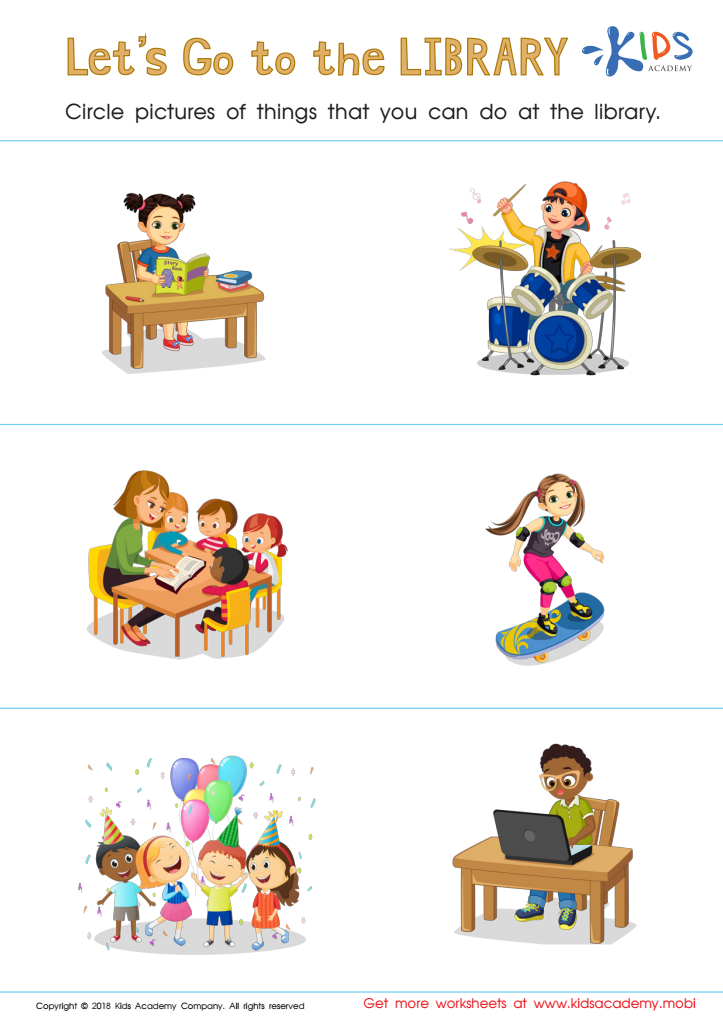
Let's Go to the Library! Worksheet
 Assign to My Students

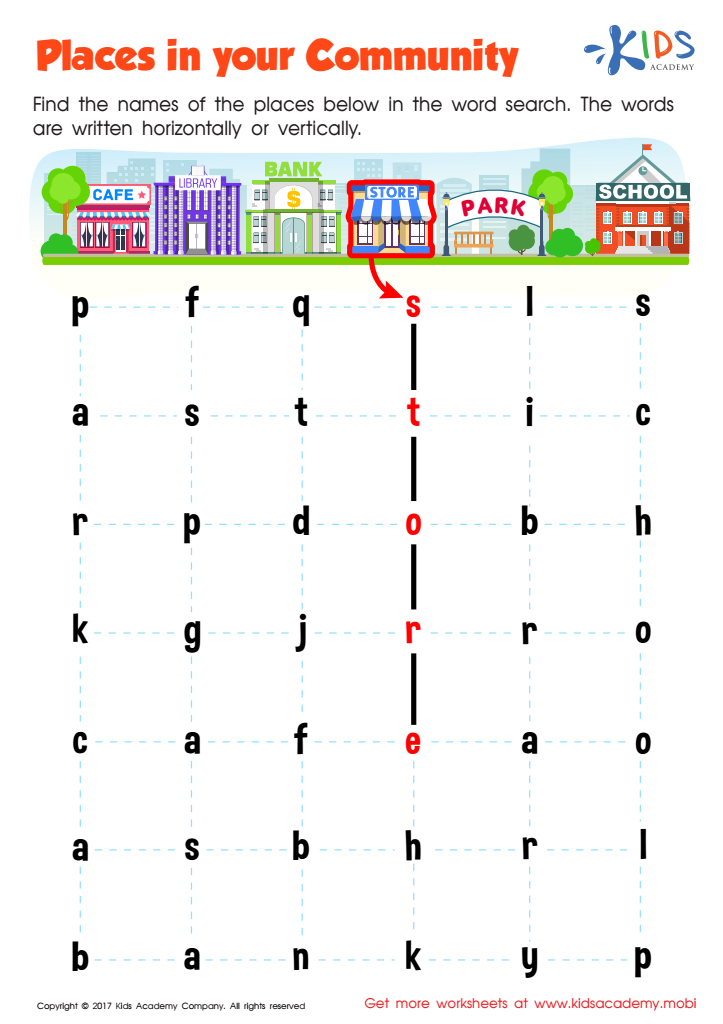
Places in Your Community Worksheet
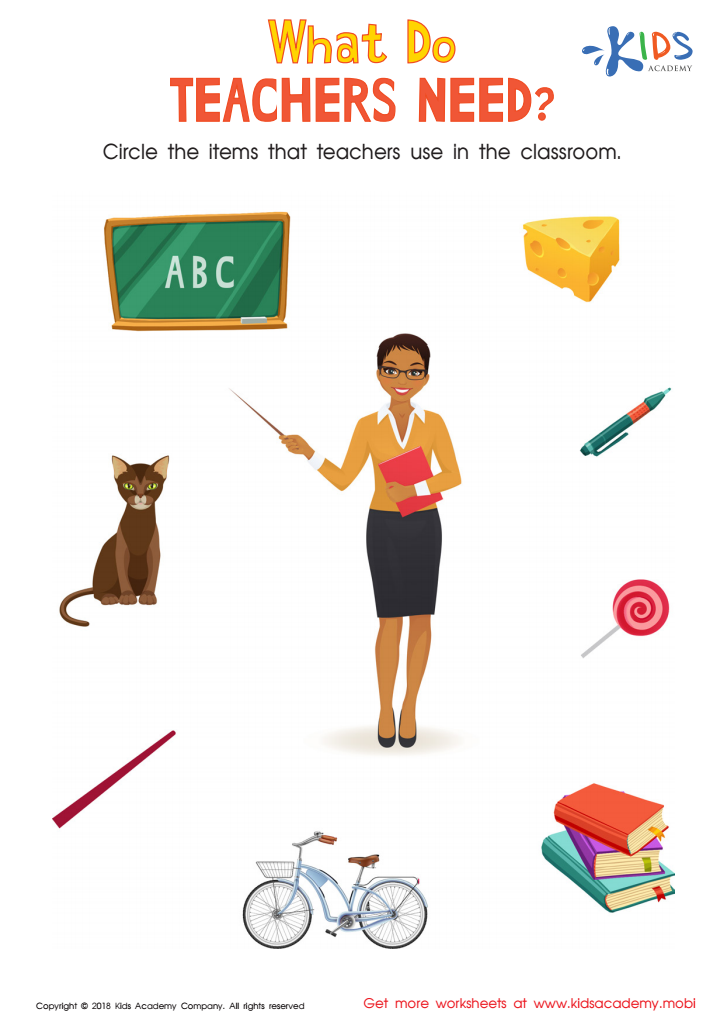
What Do Teachers Need Worksheet
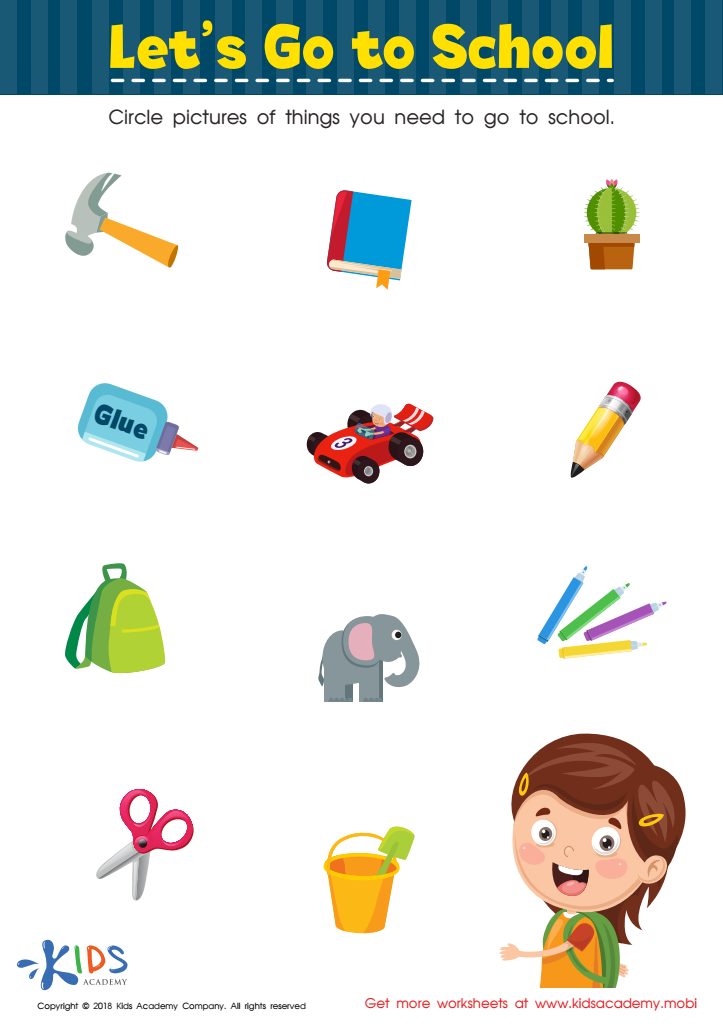
Let's Go to School! Worksheet
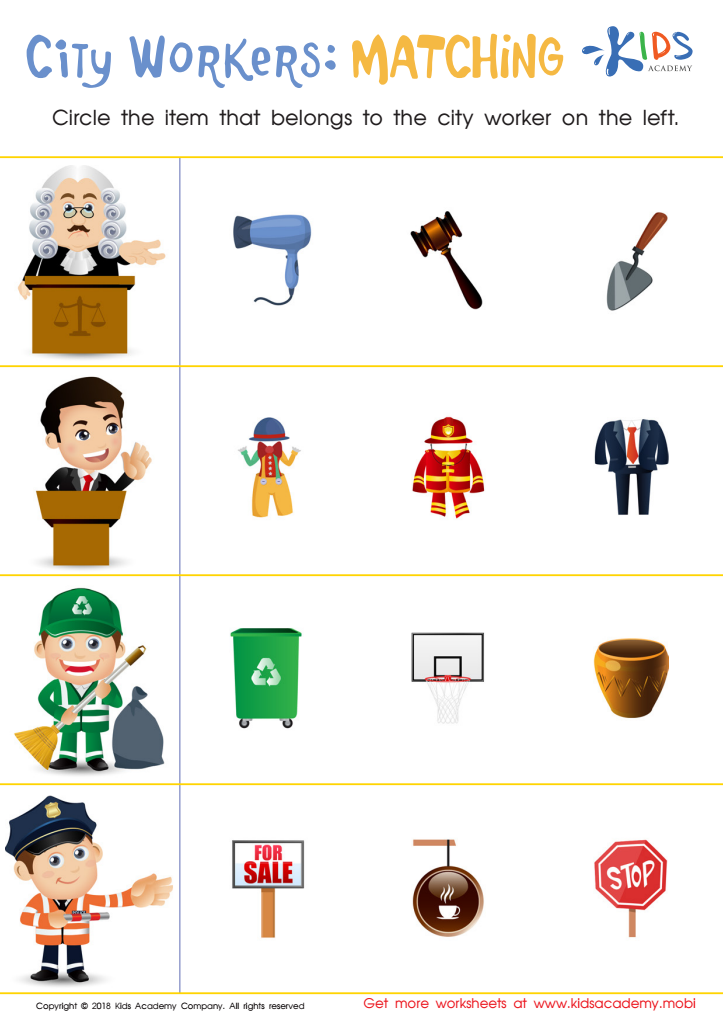
City Workers: Matching Worksheet
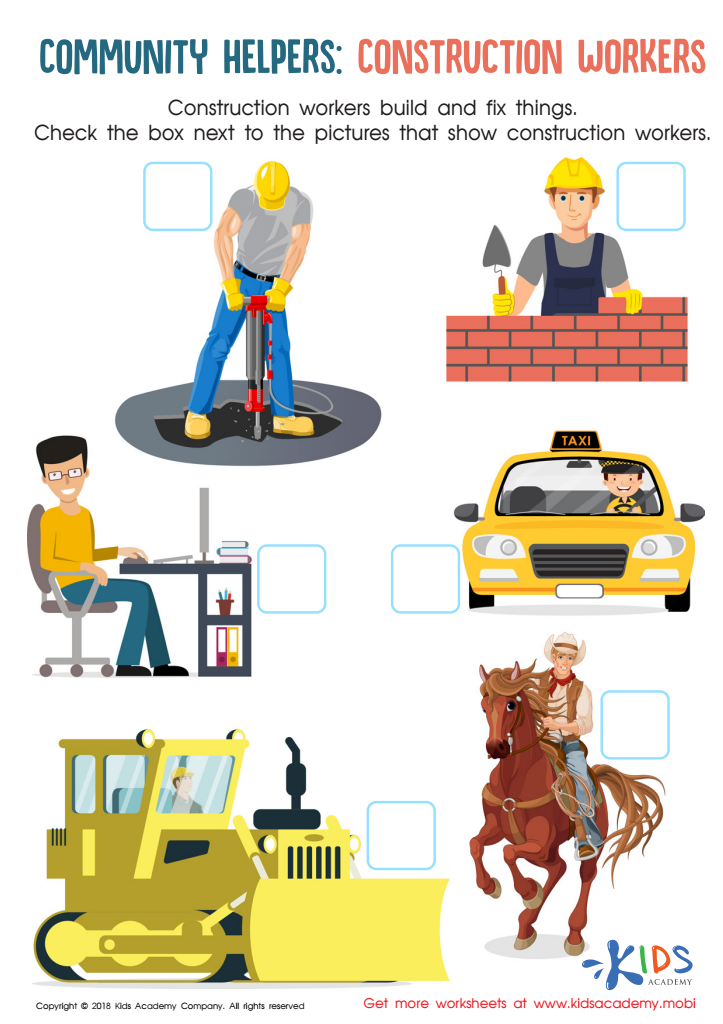
Construction Workers Community Helpers Worksheet








Vocabulary development is a crucial aspect of a child's early education, particularly for ages 5-7. At this stage, children's brains are incredibly active and receptive to new information. Parents and teachers play vital roles in nurturing a robust language foundation that sets children up for future academic success.
Engaging with a Vocabulary Development Community provides structured, consistent opportunities for children to learn new words. This enhances their language skills, improving their ability to express thoughts and emotions clearly. With a rich vocabulary, children can engage more deeply with reading materials and excel in understanding and following instructions.
Strong vocabulary skills are linked to better reading comprehension and fluency. As children encounter new words and become familiar with them, they can recognize these words more quickly when reading independently. This boosts their confidence and enjoyment in reading, inspiring a love for books and learning.
Additionally, vocabulary-rich environments stimulate cognitive growth and critical thinking. Discussing words and their meanings develops a child’s ability to categorize, analyze, and prioritize information. These skills are fundamental for problem-solving and academic tasks.
In summary, prioritizing vocabulary development within a community framework ensures children receive well-rounded encouragement and resources, fostering linguistic skills crucial for lifelong academic and personal success.








