Vocabulary enhancement Community Worksheets for Ages 5-7
16 filtered results
-
From - To
Discover our engaging Vocabulary Enhancement Community Worksheets designed specifically for children ages 5-7! These interactive worksheets foster early literacy skills by introducing new vocabulary related to community life. Each activity is crafted to spark curiosity and encourage exploration of social concepts through fun exercises. From matching words to images to fill-in-the-blank tasks, kids will improve their language skills while learning about the world around them. Ideal for classrooms or at-home learning, these worksheets provide a creative way to build essential vocabulary and promote critical thinking. Help your child thrive in their learning journey with our thoughtfully designed resources!
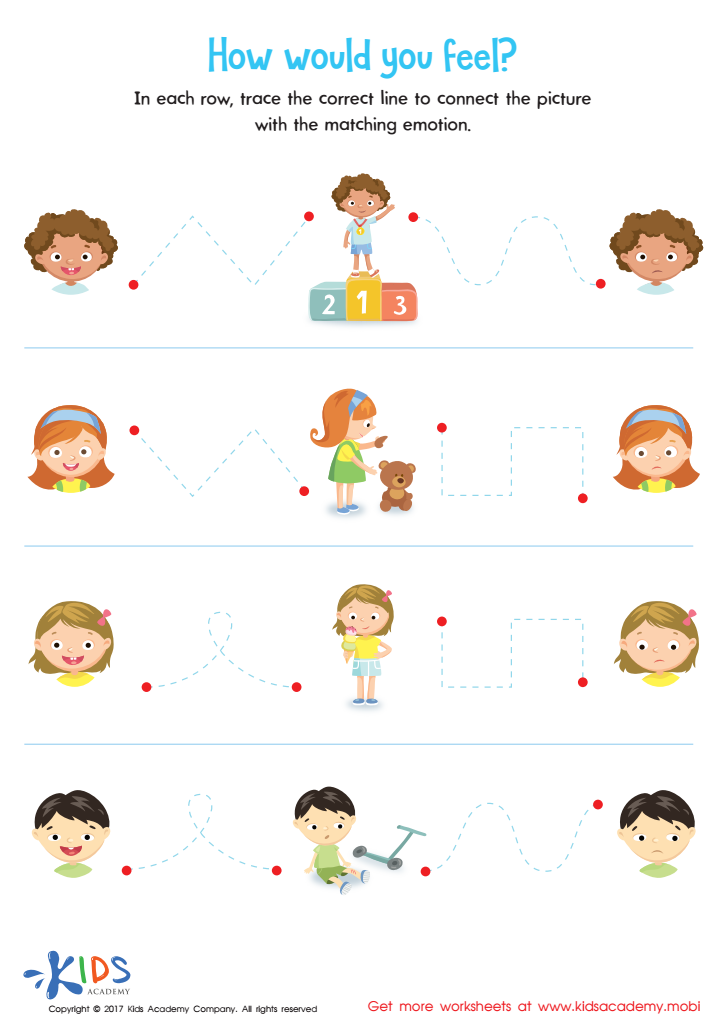
Feelings and Emotions Worksheet
 Assign to My Students
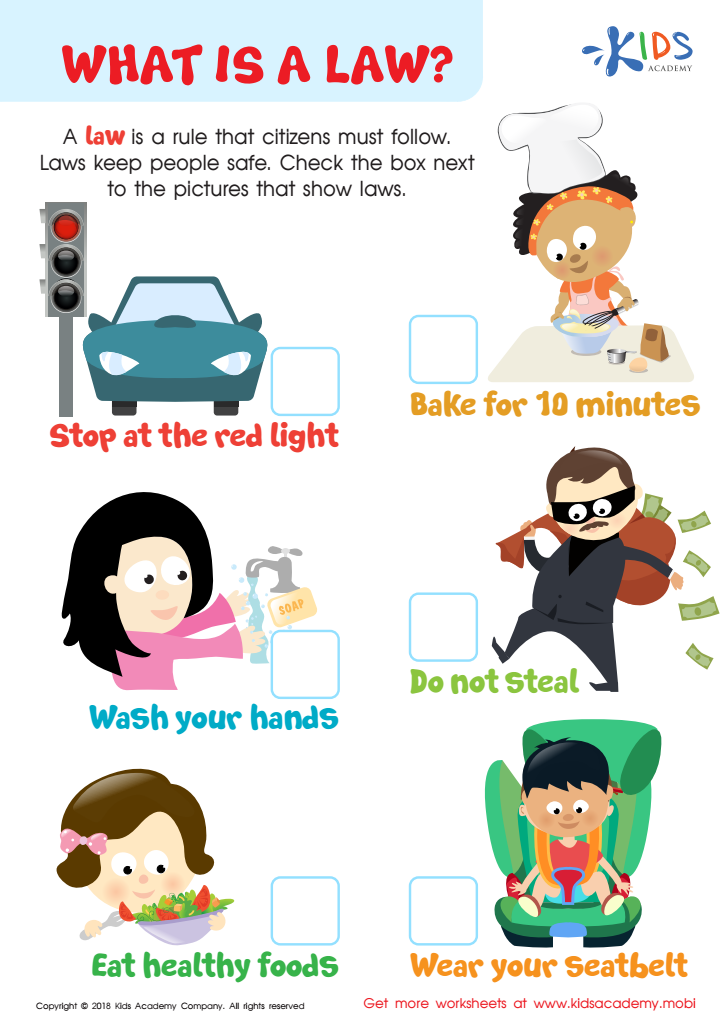
What is a Law? Worksheet
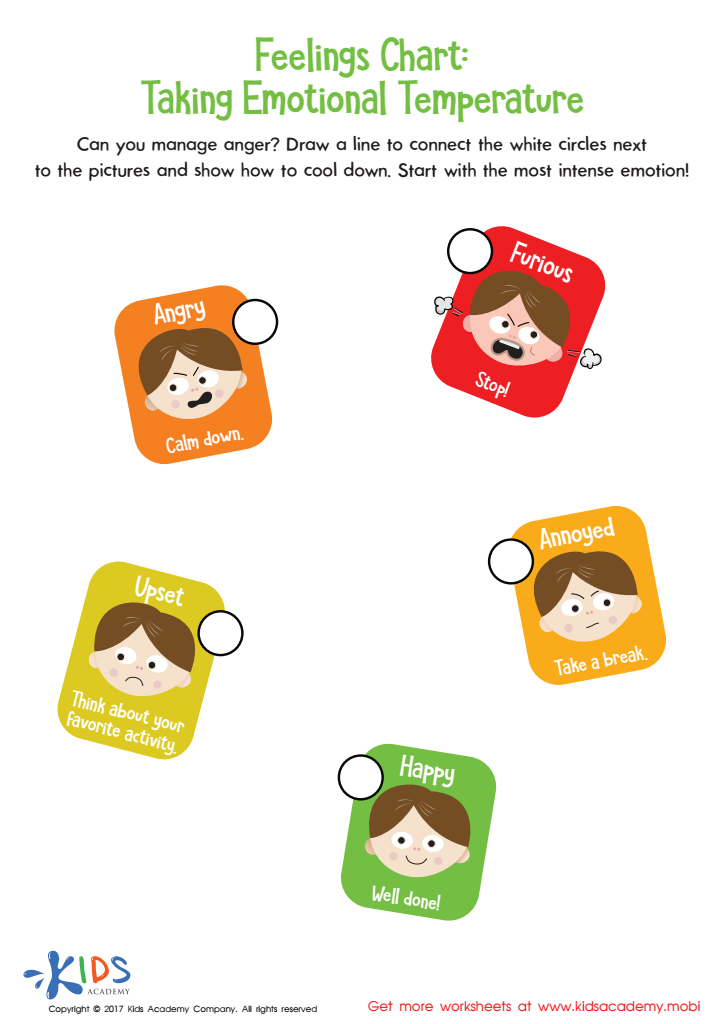
Feelings Chart Worksheet
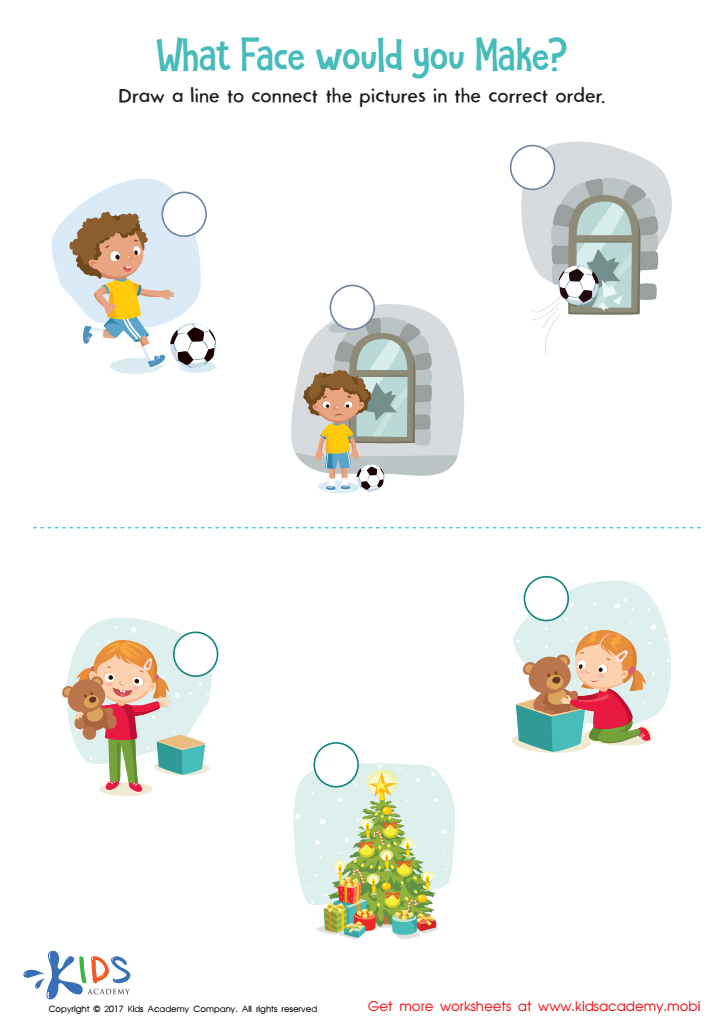
Understanding Emotions Worksheet
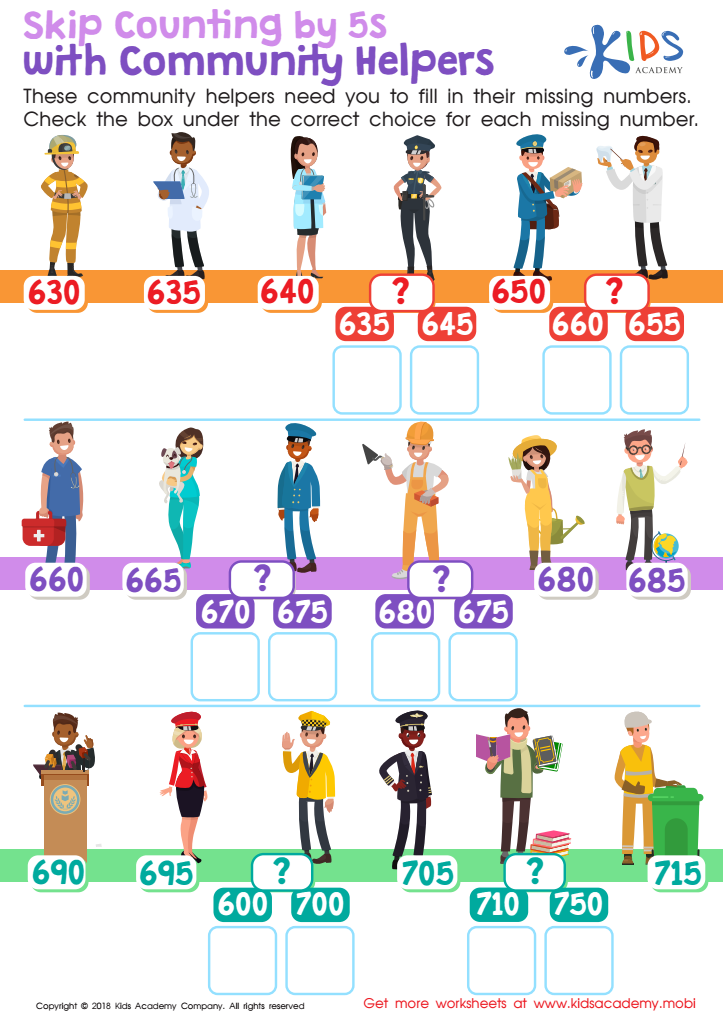
Skip Counting by 5s With Community Helpers Worksheet
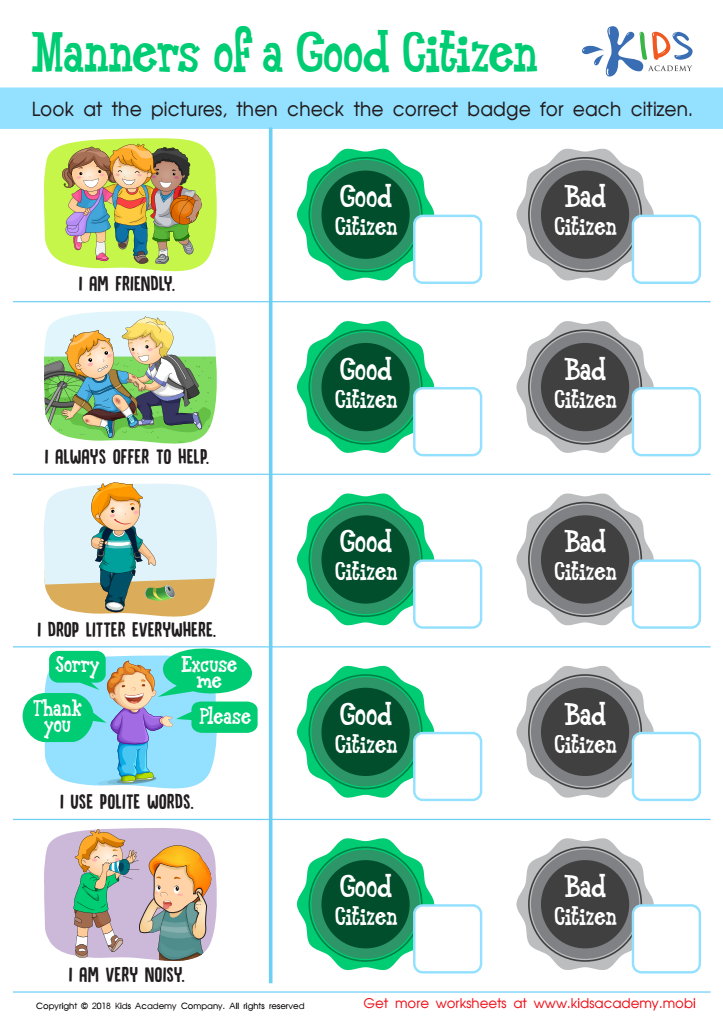
Manners of a Good Citizen Worksheet
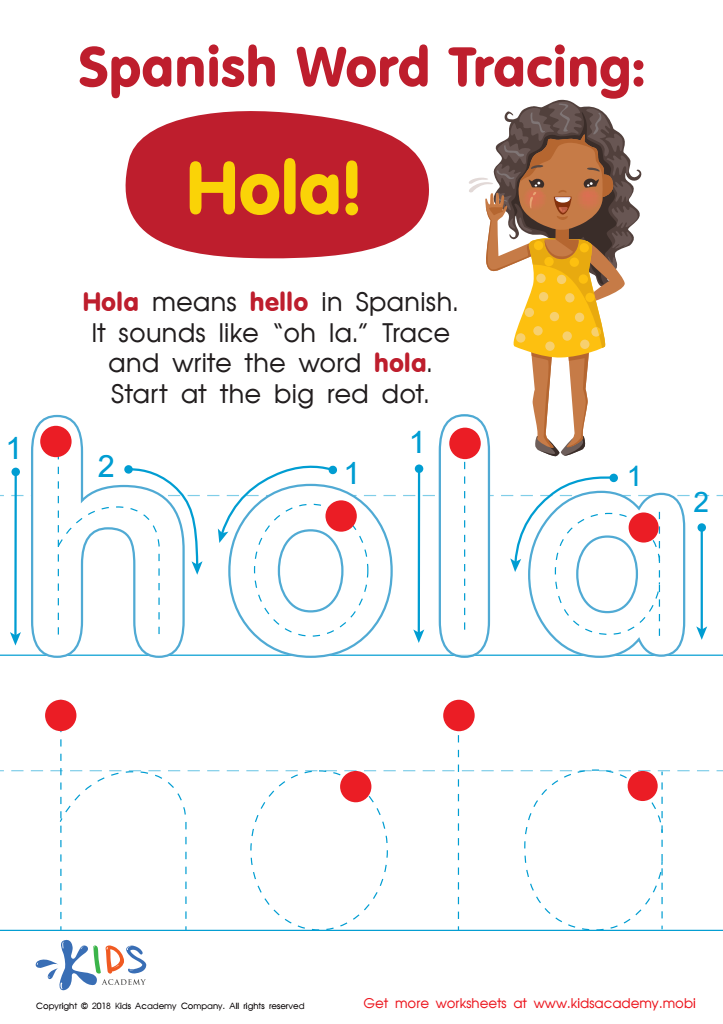
Spanish Word Tracing: Hola Worksheet
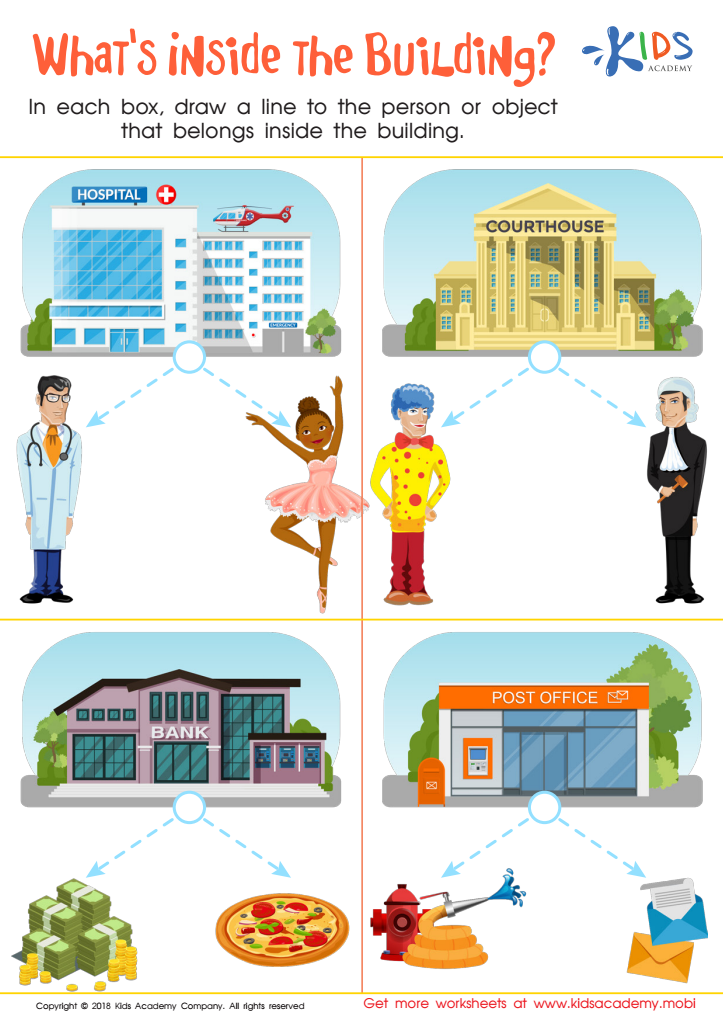
What's Inside the Building? Worksheet
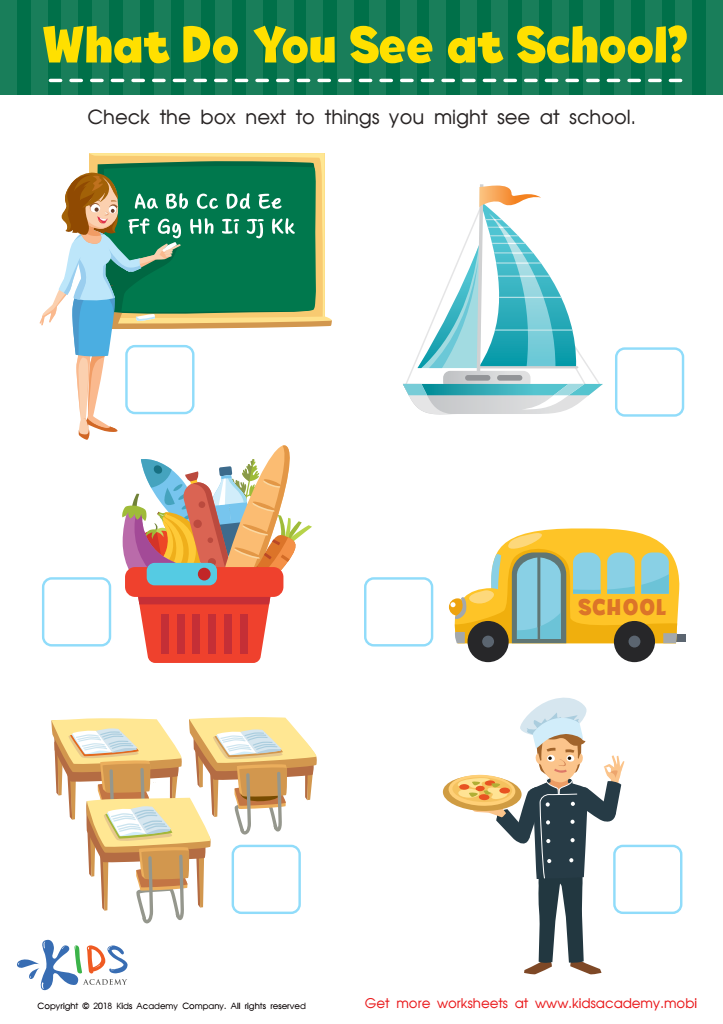
What Do you See at School? Worksheet
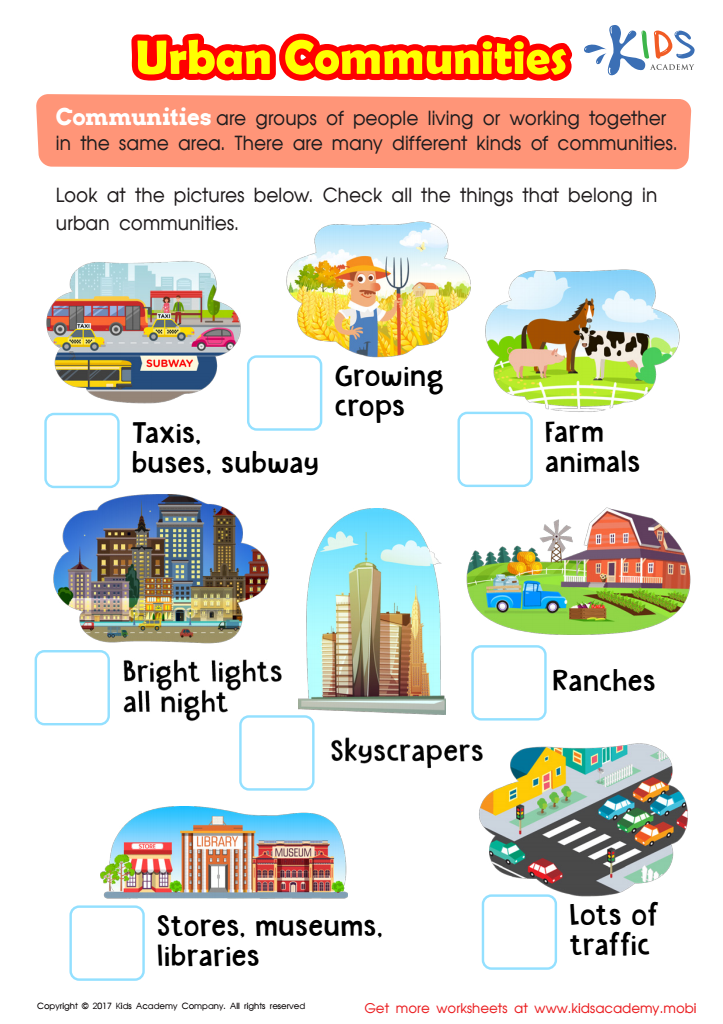
Urban Communities Printable
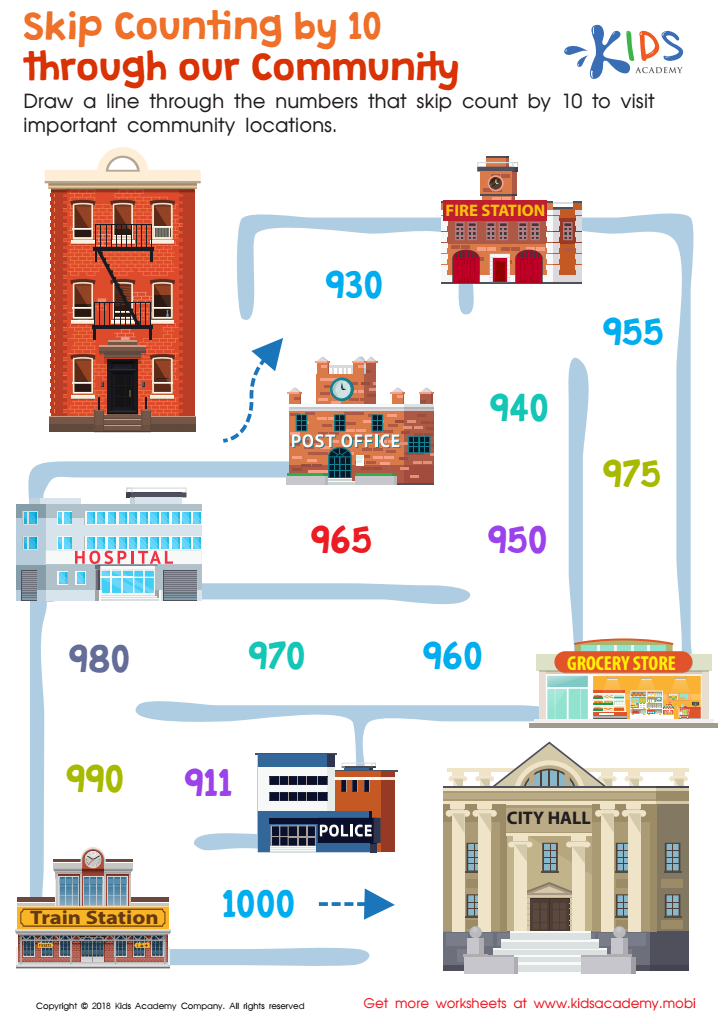
Skip Counting by 10 Through Our Community Worksheet
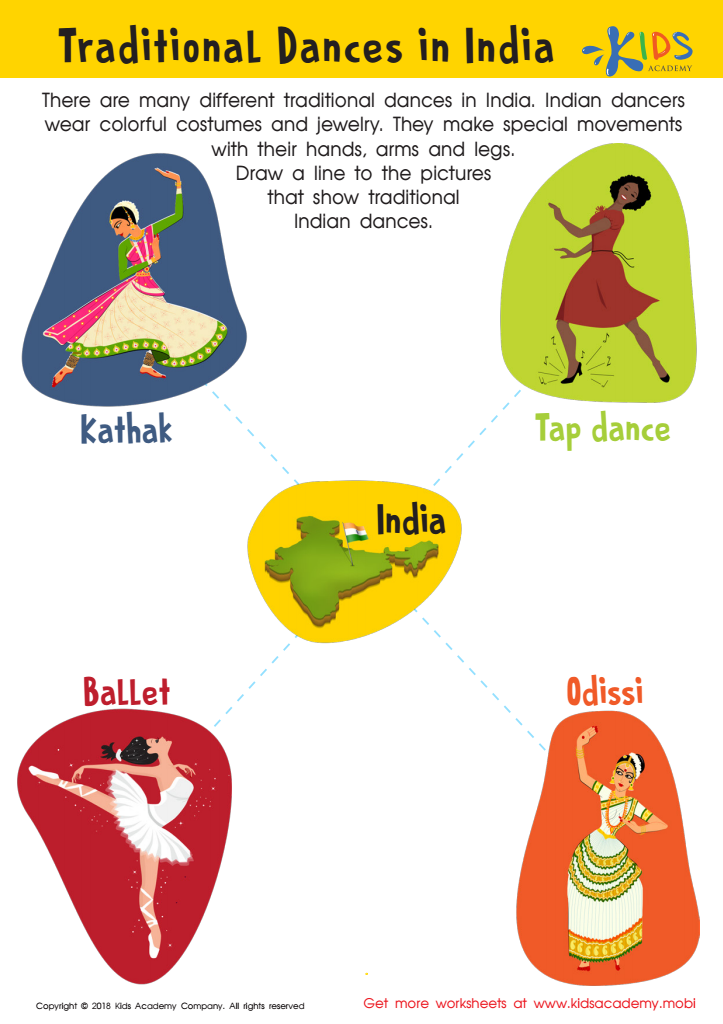
Traditional Dances in India Worksheet
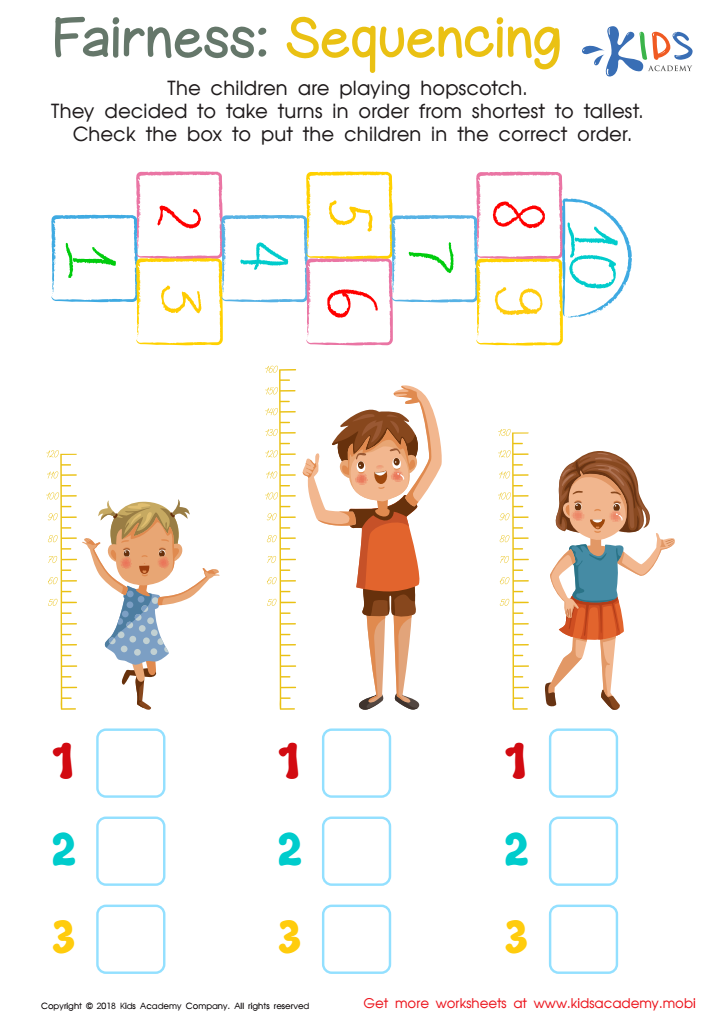
Fairness: Sequencing Worksheet
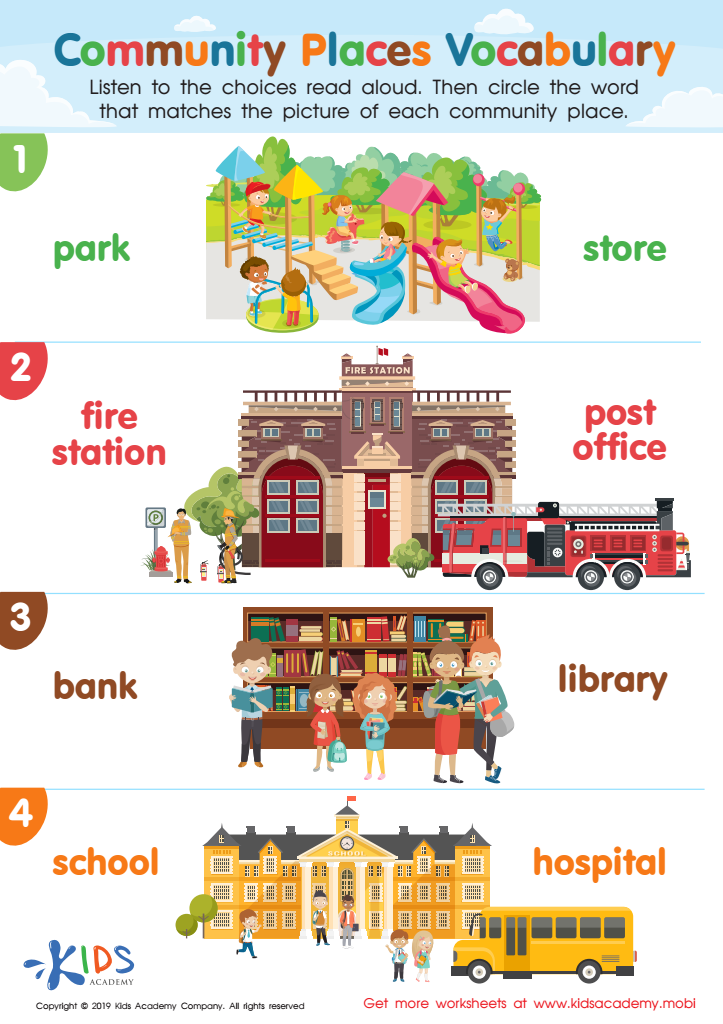
Community Places Vocabulary Worksheet
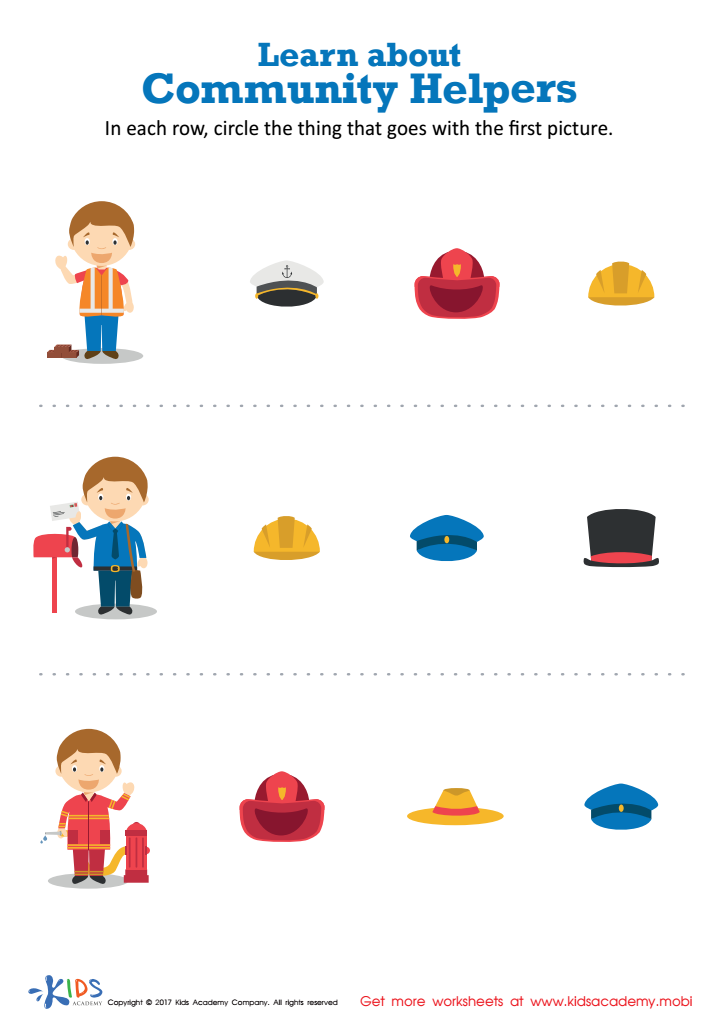
Learn about Community Helpers Printable








Parents and teachers should prioritize vocabulary enhancement communities for children aged 5-7 as these early years are crucial for language development. Vocabulary acquisition during this formative stage lays the foundation for reading, writing, and overall communication skills. Children with strong vocabularies tend to excel in academics, making it vital for parents and educators to actively engage them in enriching language experiences.
Such communities provide a supportive environment where children can learn new words through interactive activities, storytelling, games, and peer interaction. This social aspect not only makes learning fun but also helps children develop critical thinking and reasoning skills by discussing ideas and concepts. By participating in vocabulary enhancement initiatives, children can explore language in diverse contexts, improving both comprehension and expression.
Moreover, a robust vocabulary positively impacts self-esteem and confidence. Children who can articulate their thoughts and feelings are more likely to engage in social situations, fostering better interpersonal relationships. As a collaborative resource for parents and teachers, these communities serve to share strategies, tools, and insights, further enhancing the effectiveness of vocabulary instruction. Ultimately, investing in vocabulary development ensures children are better prepared for future academic challenges and more enriched in their everyday interactions.








