Shape Recognition Social Studies Worksheets for Ages 5-7
4 filtered results
-
From - To
Discover our engaging Shape Recognition Social Studies Worksheets designed specifically for children ages 5-7! These worksheets combine essential shape identification skills with interactive social studies themes, fostering both cognitive and social development. Children will explore various shapes while learning about community and environment, enhancing their understanding of the world around them. Our resources encourage playful learning and creativity, making them perfect for both classroom and at-home activities. Whether it’s identifying shapes in local architecture or recognizing patterns in nature, these worksheets provide a dynamic and fun way to enhance early learning. Nuturing young minds one shape at a time!
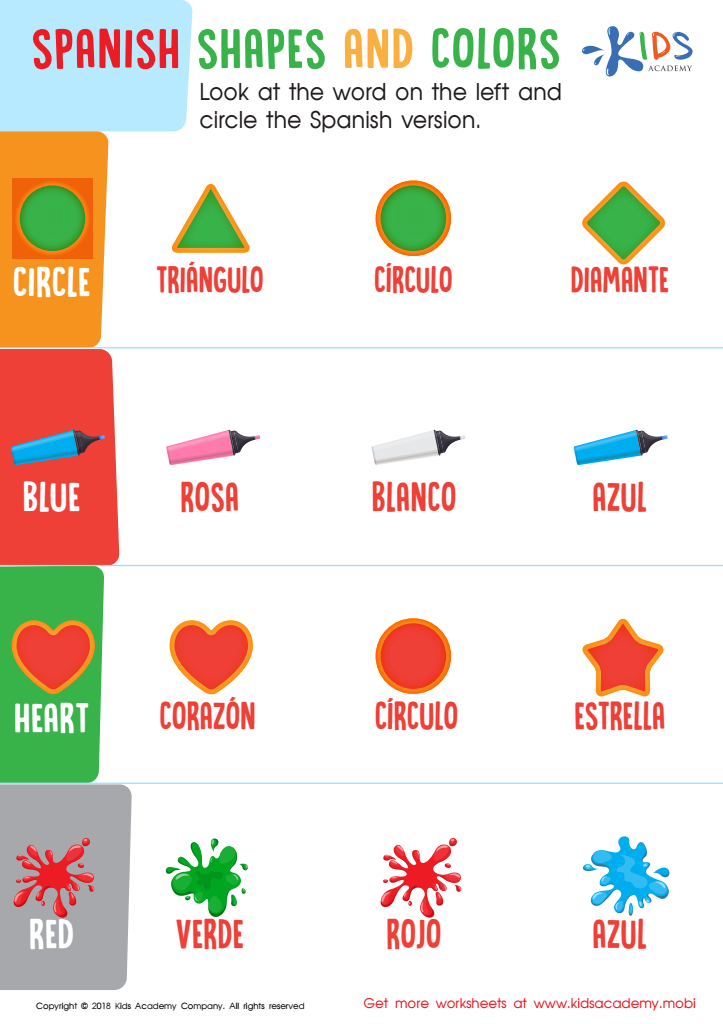
Spanish Shapes and Colors Worksheet
 Assign to My Students
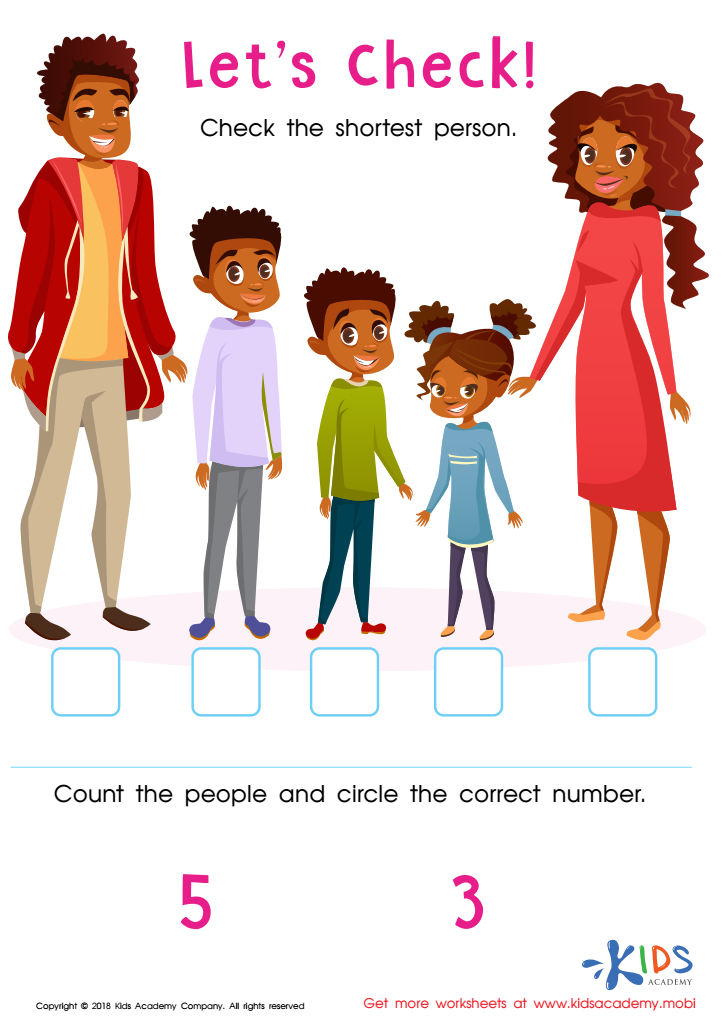
Let's Check! Assessment Worksheet
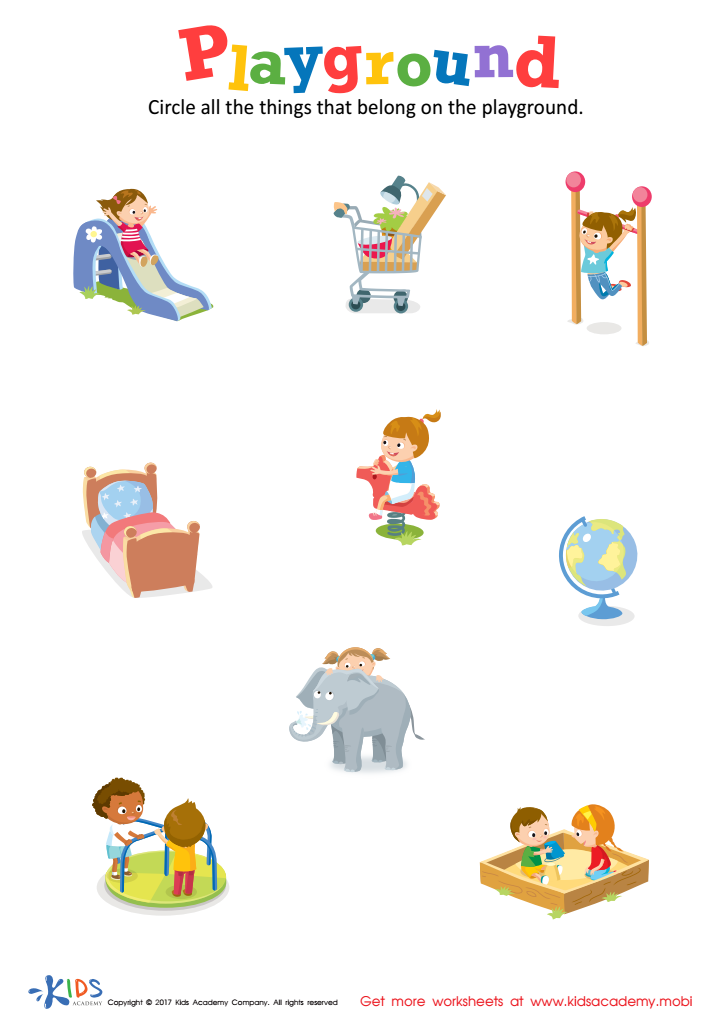
Playground Worksheet
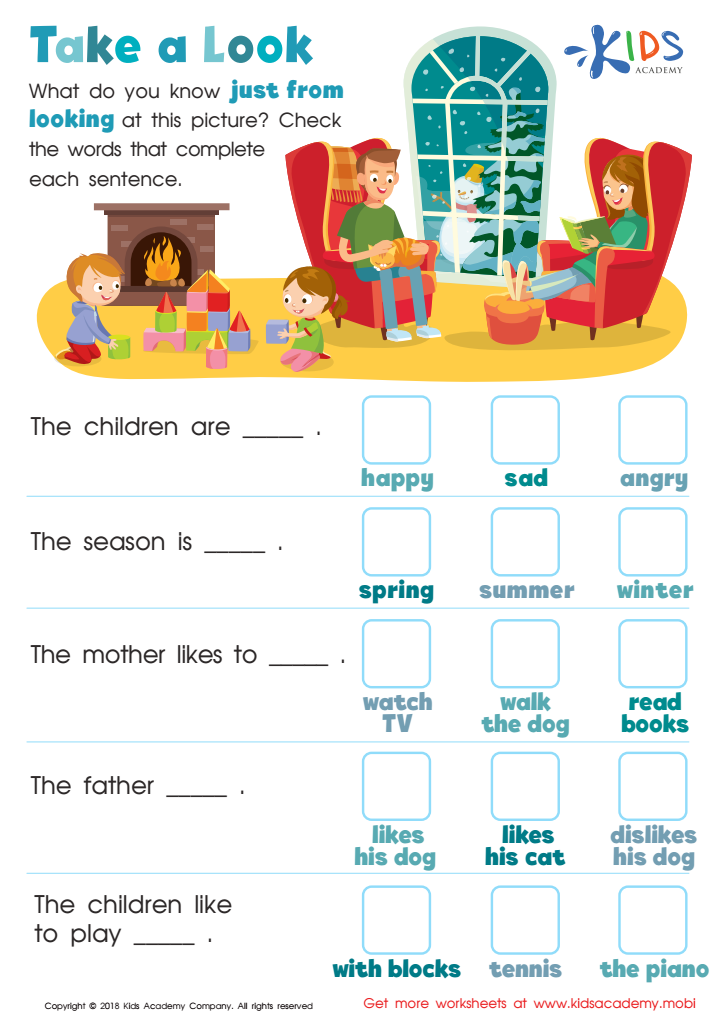
Take a Look - Part 1 Worksheet







Shape recognition is a fundamental skill for young children that transcends beyond mere geometry; it significantly impacts their overall cognitive development, critical thinking, and social studies learning. For children ages 5-7, understanding shapes lays the groundwork for various subjects and life skills. In social studies, recognizing shapes helps children make sense of their environment, as they identify and describe the shapes of buildings, vehicles, and other objects in their community.
Furthermore, shape recognition fosters important skills such as sorting, classifying, and comparing, which are essential in understanding geographical patterns and designing simple maps. When parents and teachers emphasize shape recognition, they also promote spatial awareness, which is crucial for interpreting diagrams and charts often used in social studies.
Additionally, incorporating shape recognition into social studies can make learning more engaging and relatable. Children can connect shapes to cultural symbols, local architecture, and landscape features, enriching their understanding of society. By facilitating hands-on activities that blend shape recognition with community exploration, caregivers help build a foundation for informed and active citizenship. Ultimately, nurturing these skills early on enables children to navigate their world with confidence and curiosity, laying the groundwork for lifelong learning.








