Handwriting practice Alphabet Worksheets for Ages 5-8 - Page 2
55 filtered results
-
From - To
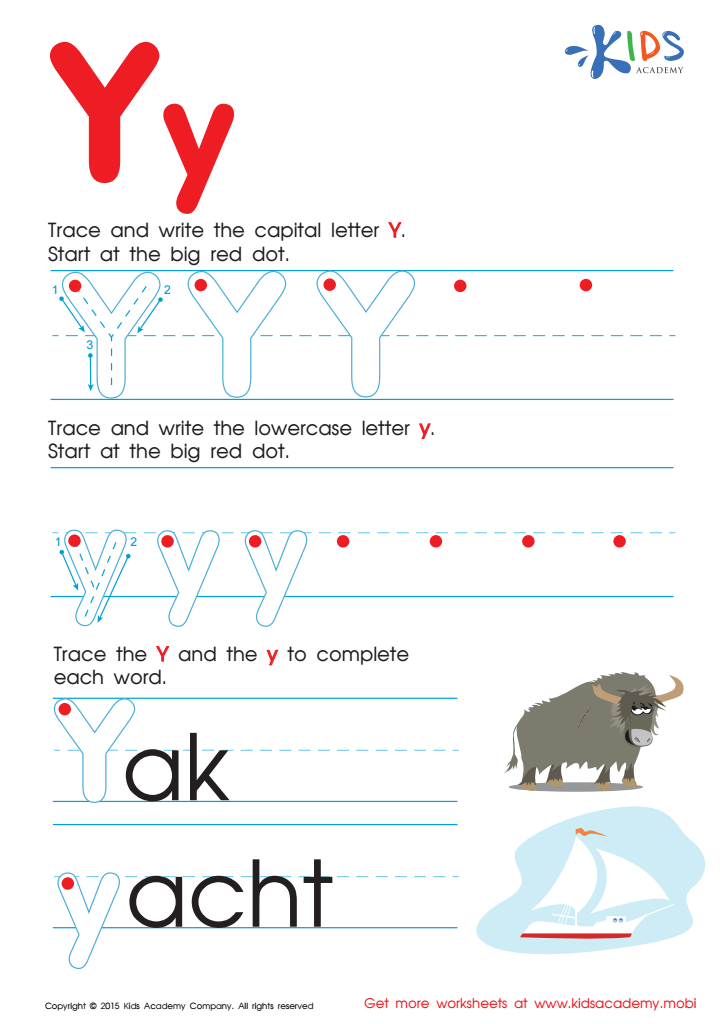
Letter Y Tracing Page
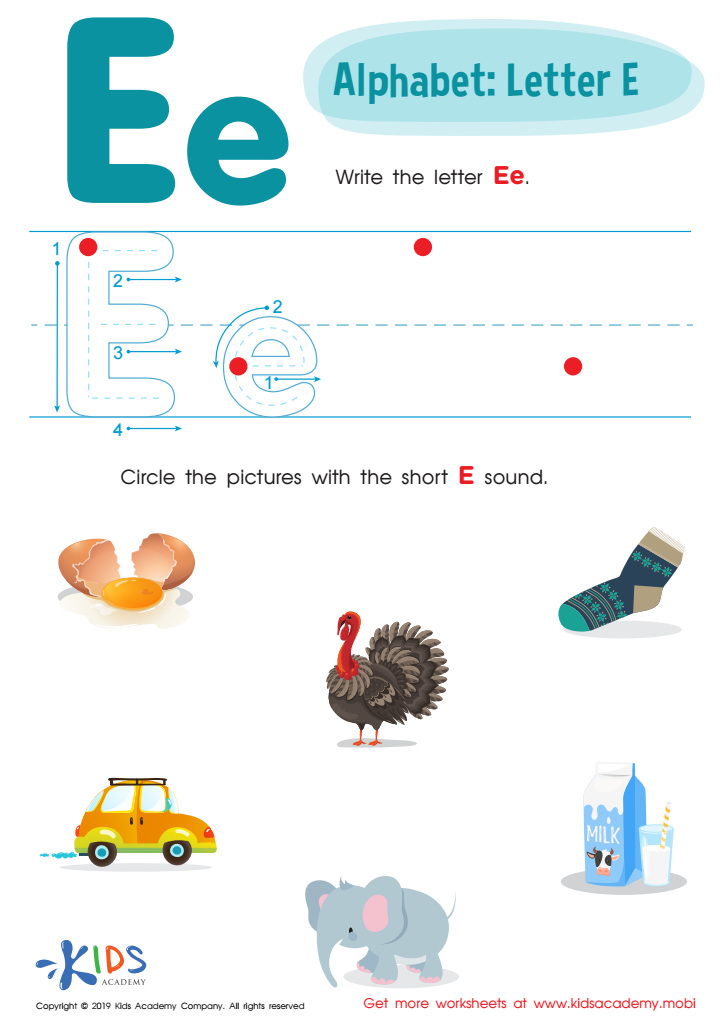
Letter E Tracing Worksheet
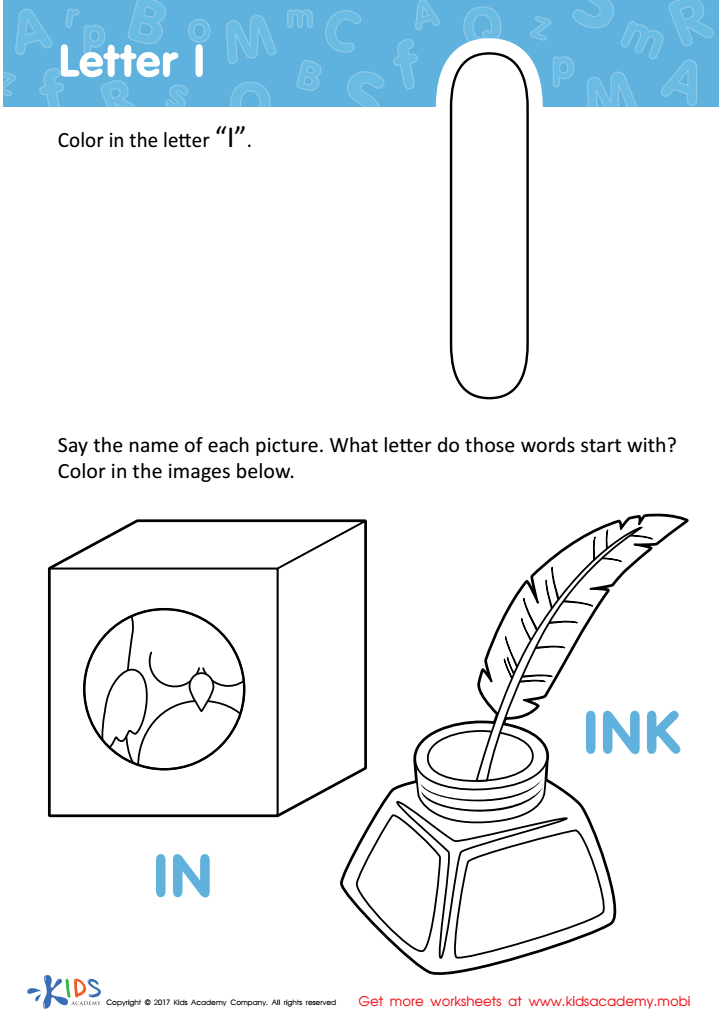
Letter I Coloring Sheet
 Assign to My Students
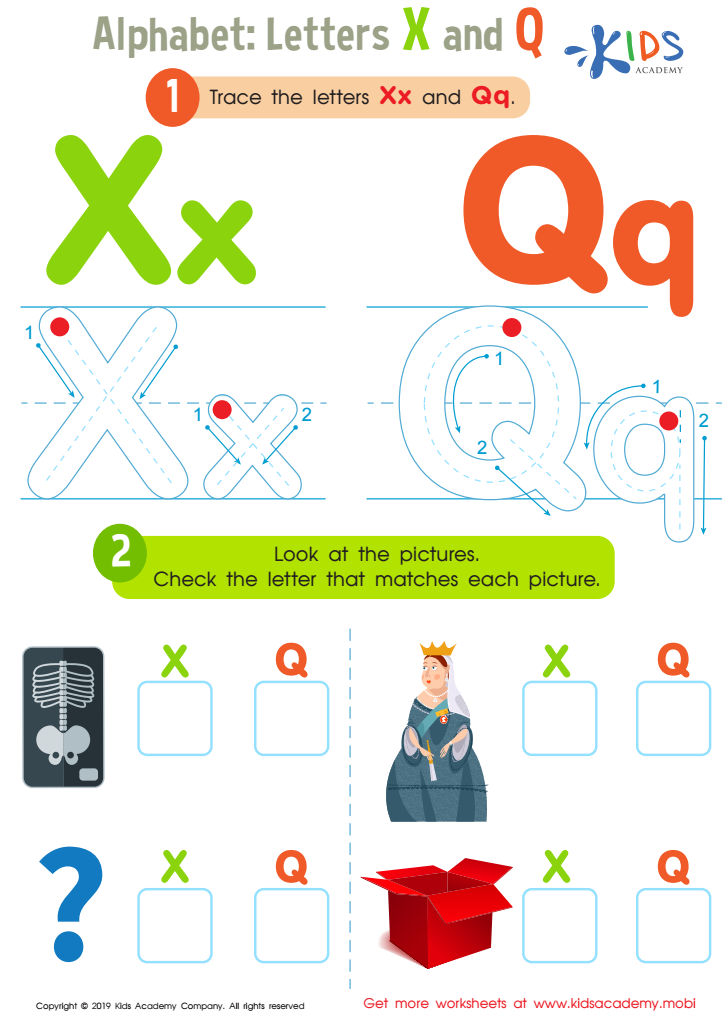
Letters X and Q Tracing Worksheet
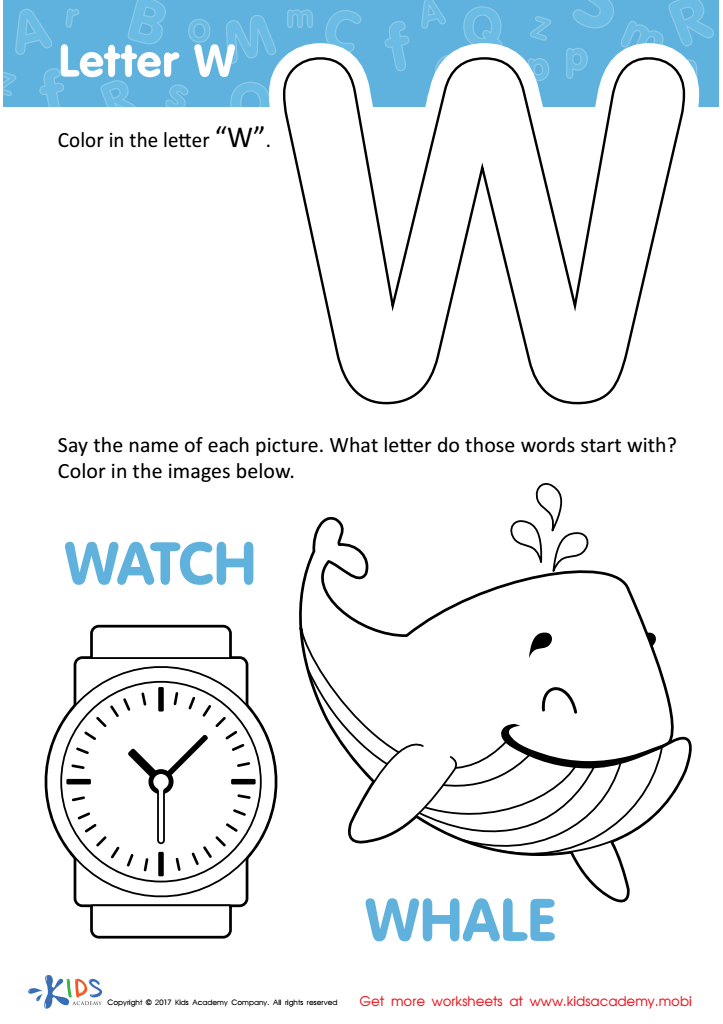
Letter W Coloring Sheet
Assign to My Students
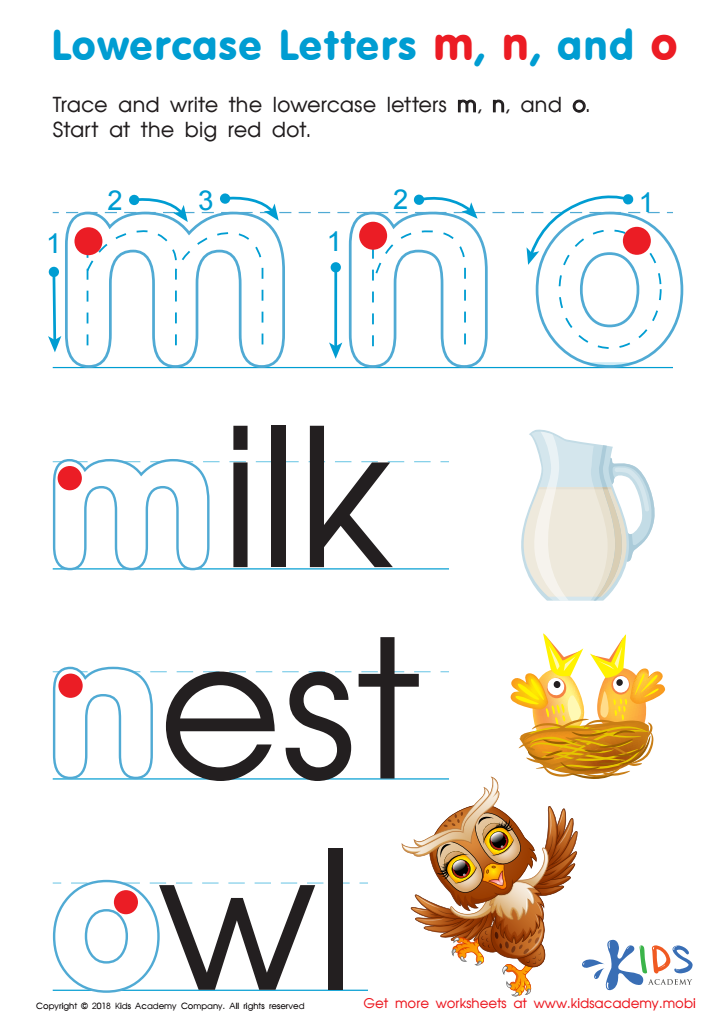
Lowercase Letters m n o Worksheet
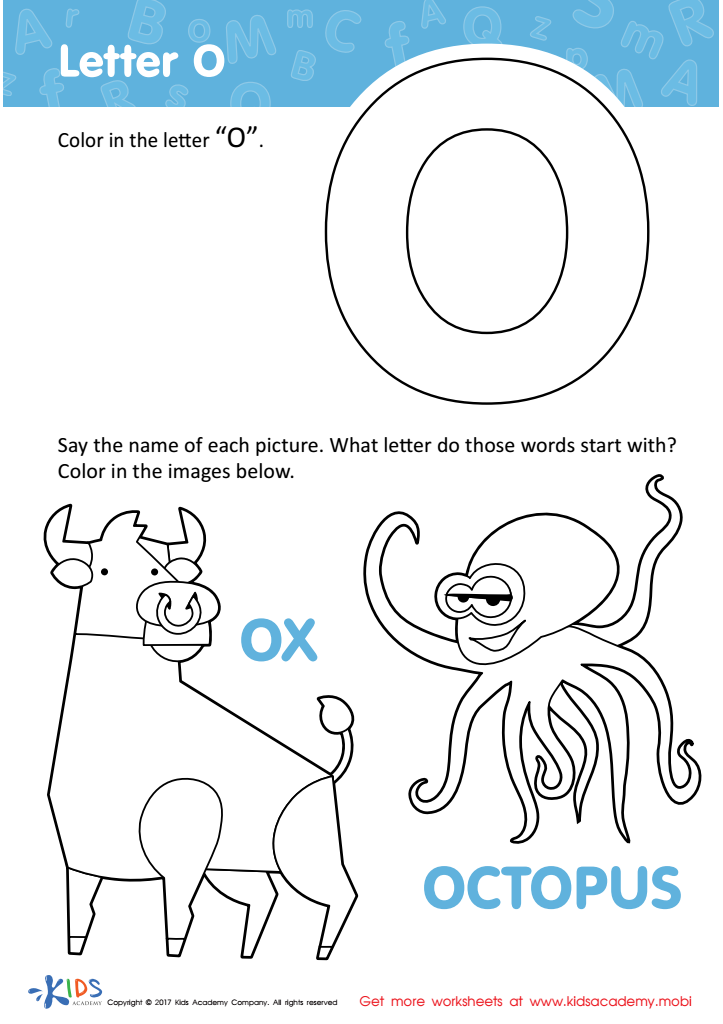
Letter O Coloring Sheet
Assign to My Students
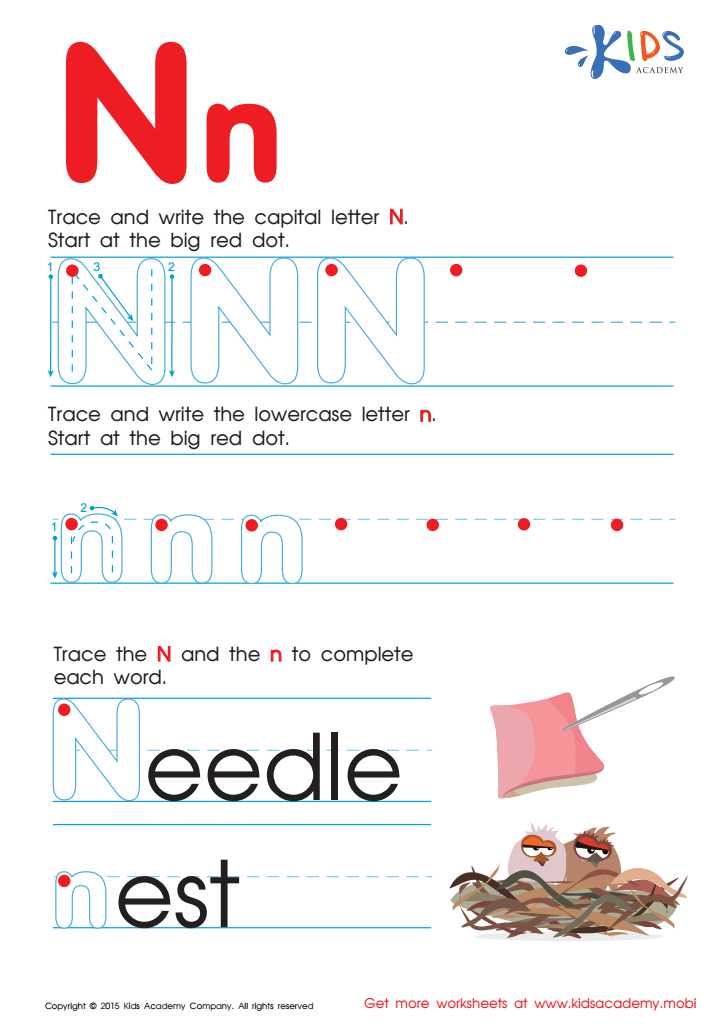
Letter N Tracing Page
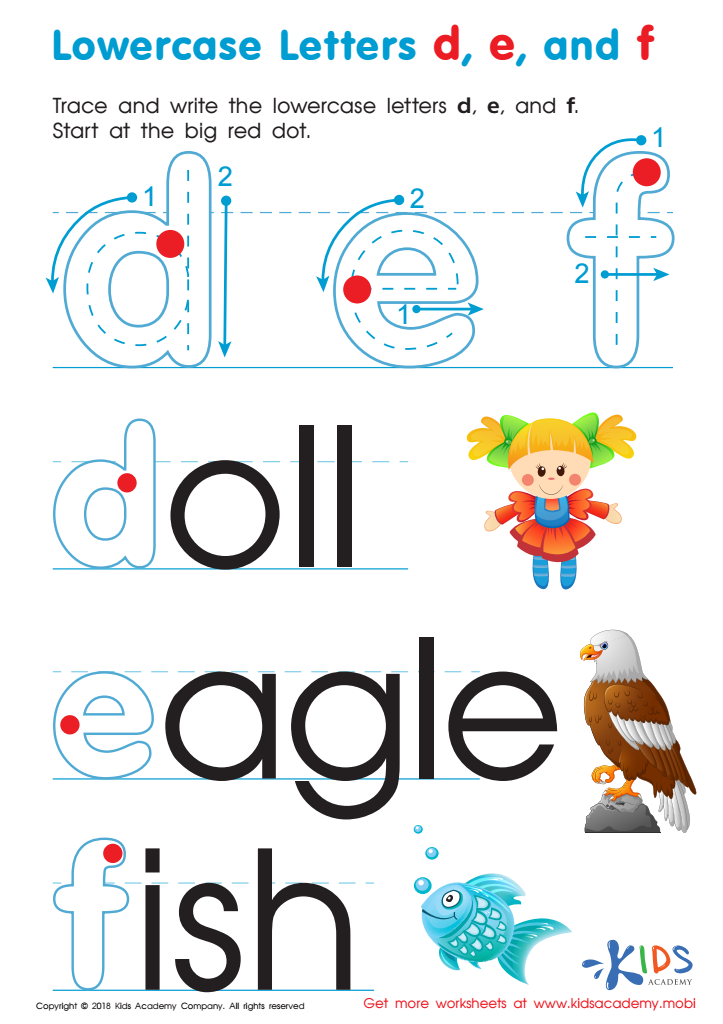
Lowercase Letters d e f Worksheet
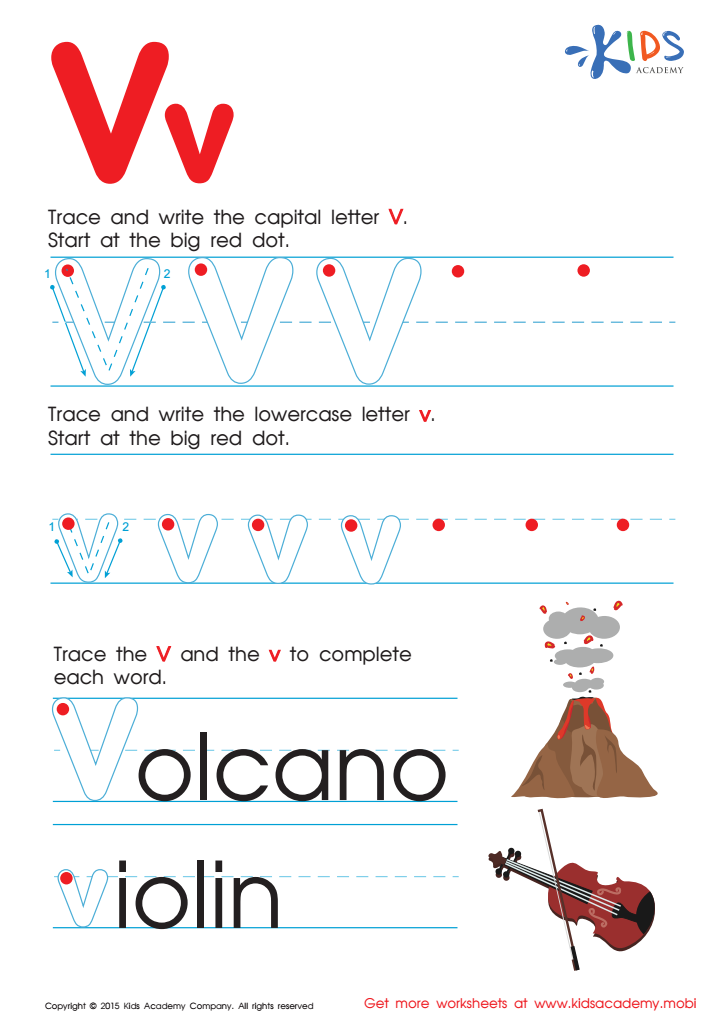
Letter V Tracing Page
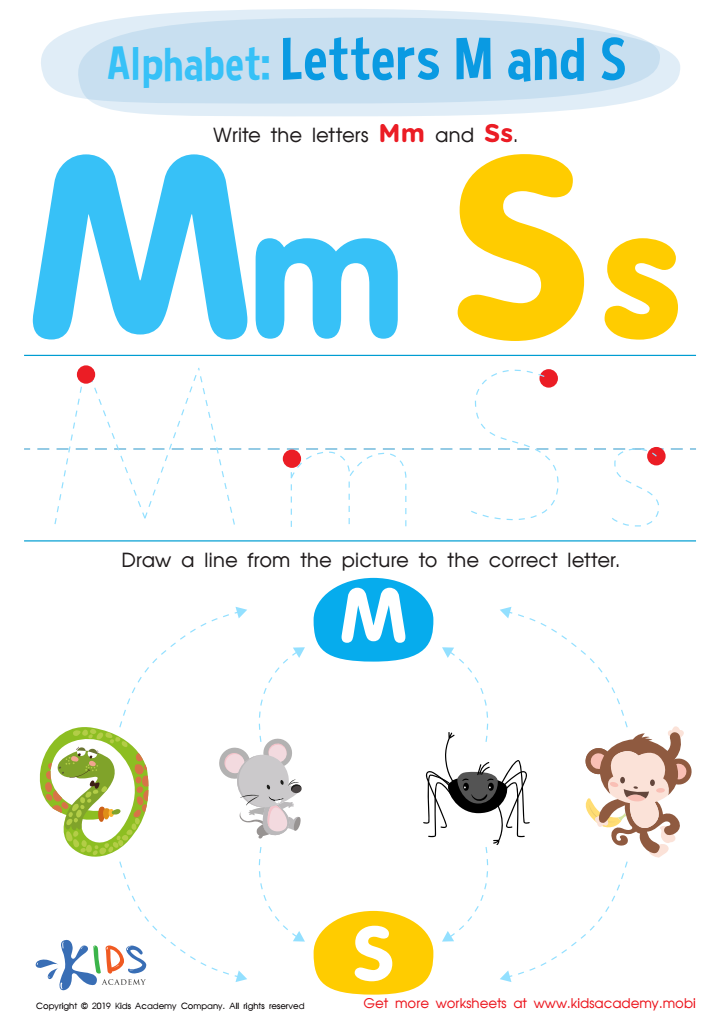
Letters M and S Tracing Worksheet
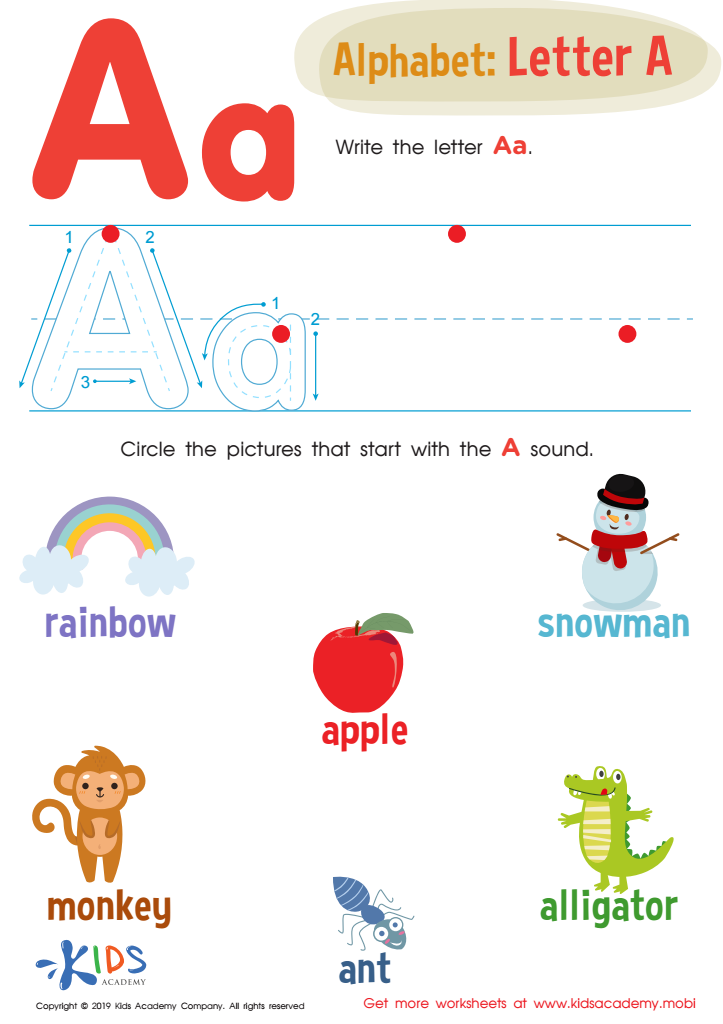
Letter A Tracing Worksheet
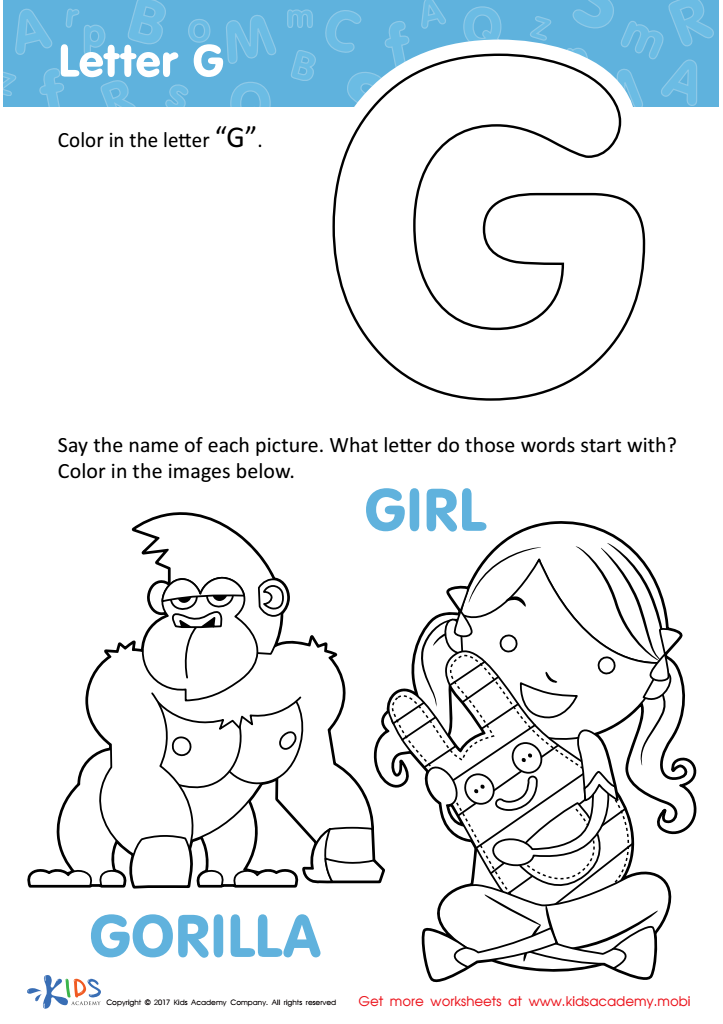
Letter G Coloring Sheet
Assign to My Students
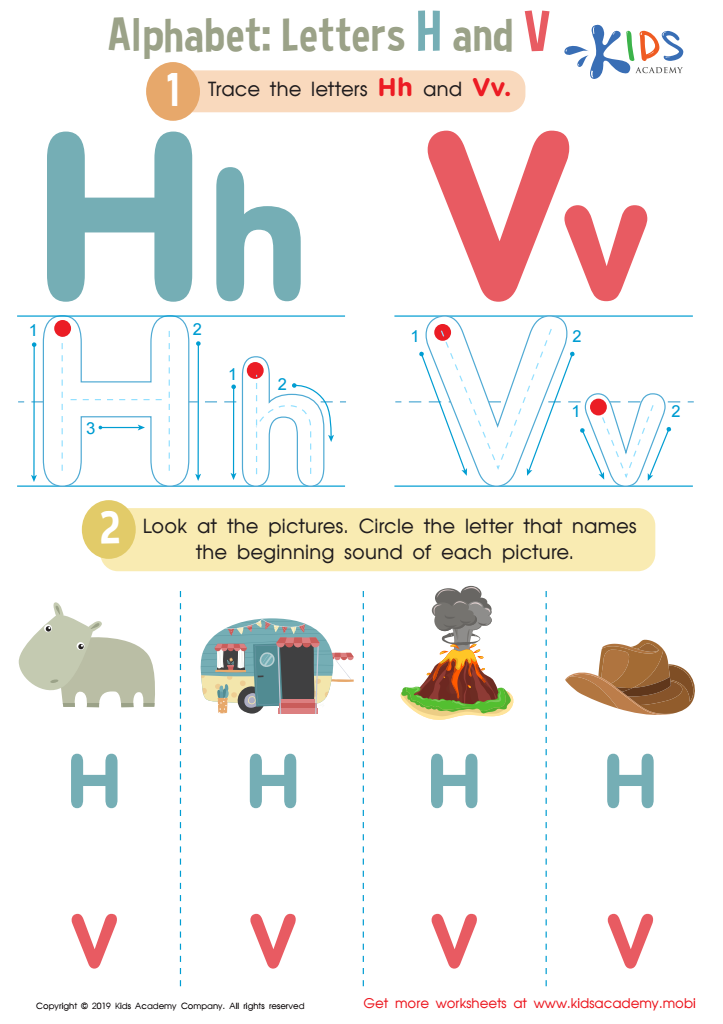
Letters H and V Tracing Worksheet
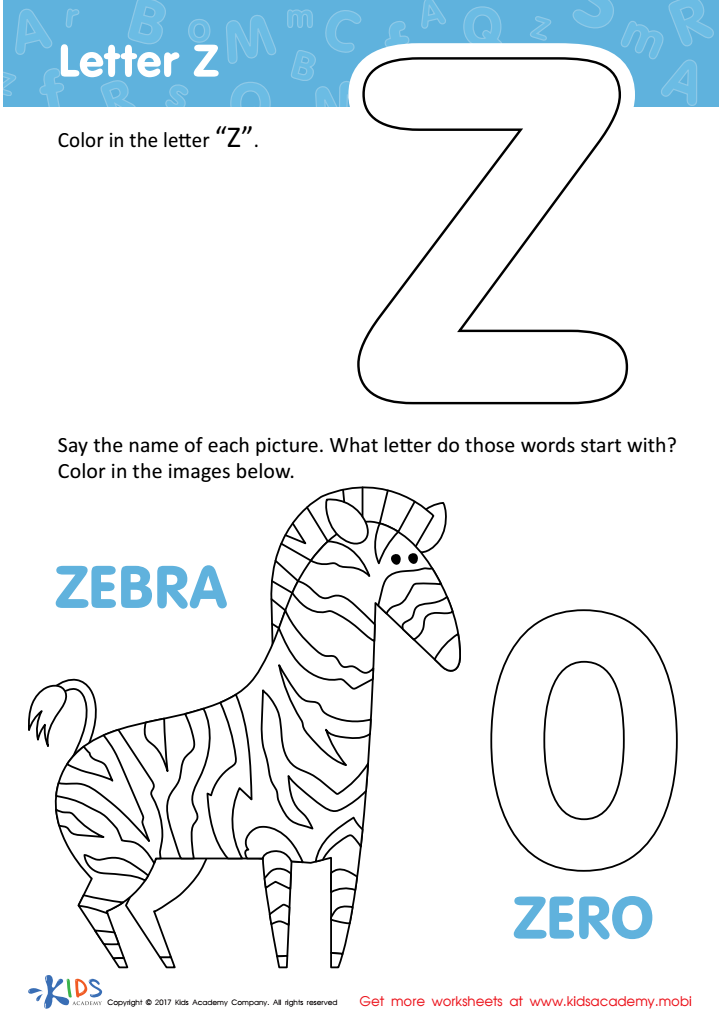
Letter Z Coloring Sheet
Assign to My Students
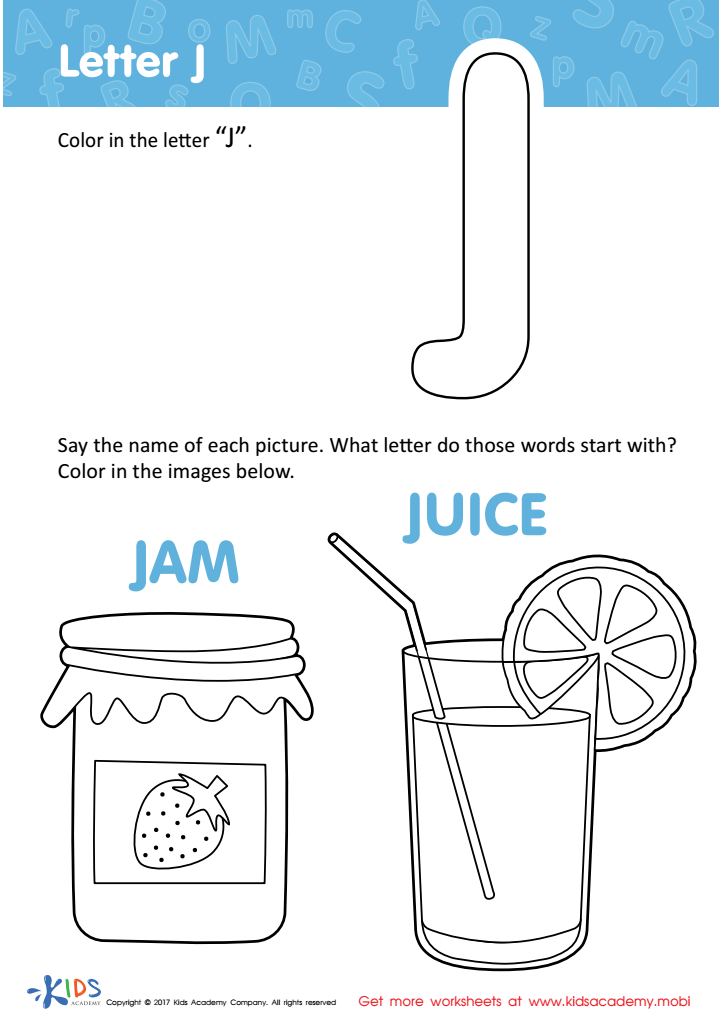
Letter J Coloring Sheet
Assign to My Students
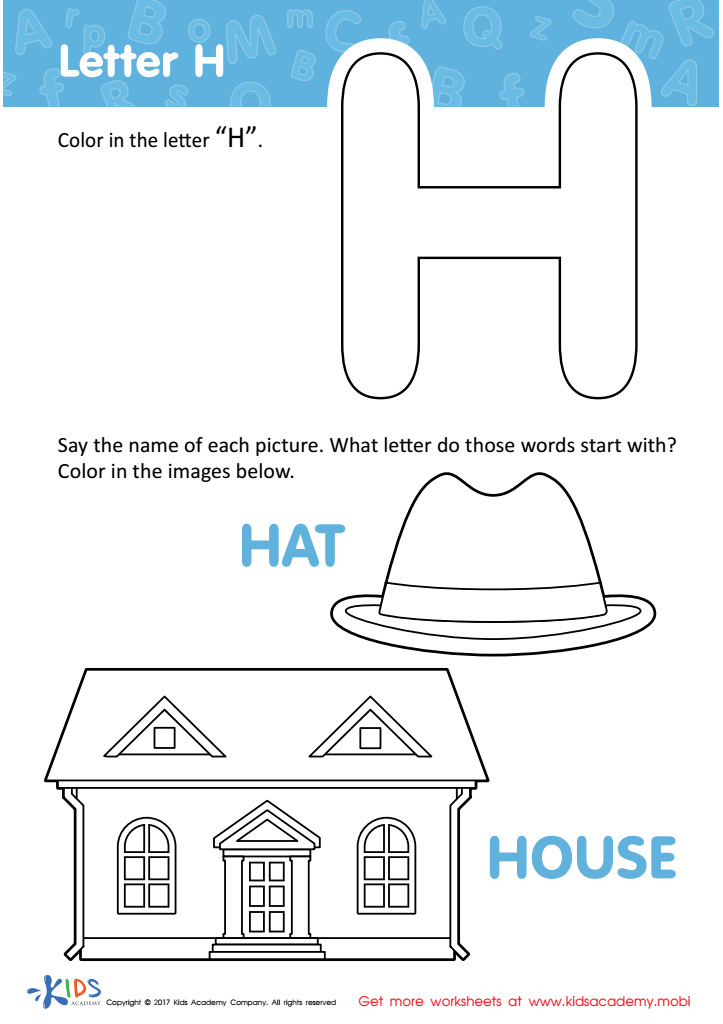
Letter H Coloring Sheet
Assign to My Students
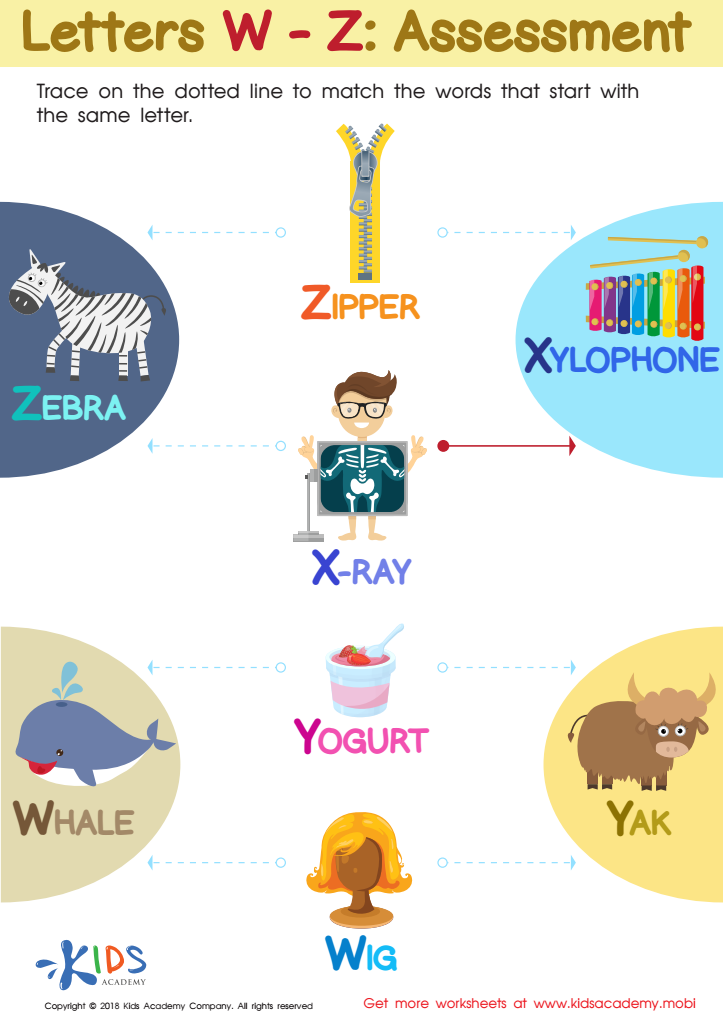
Letters W–Z Tracing Worksheet
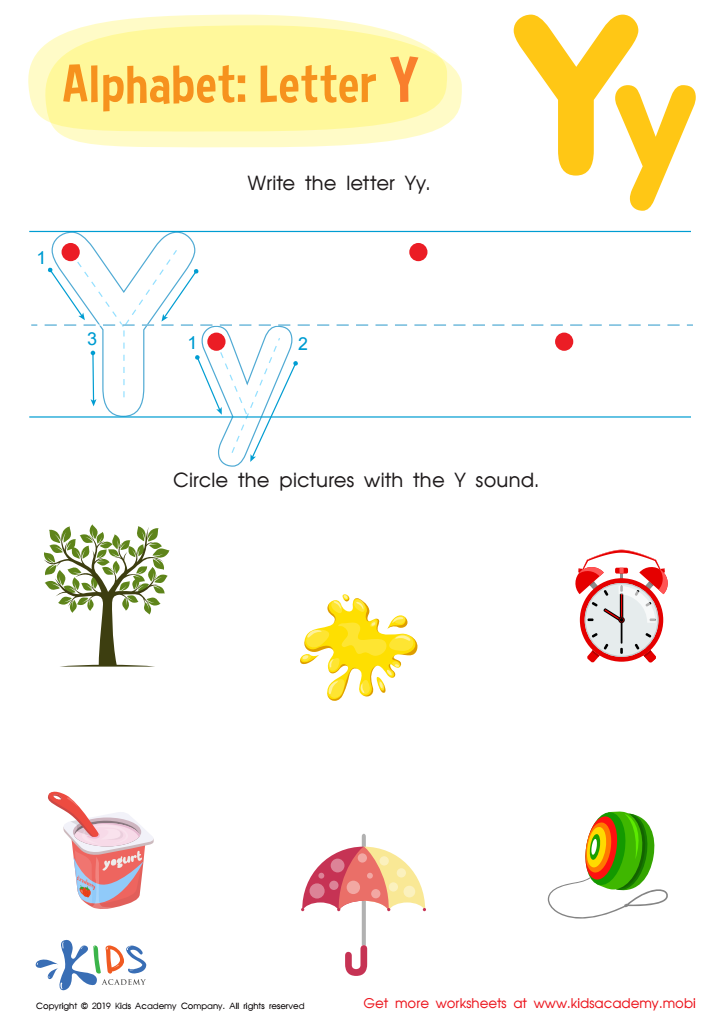
Letter Y Tracing Worksheet
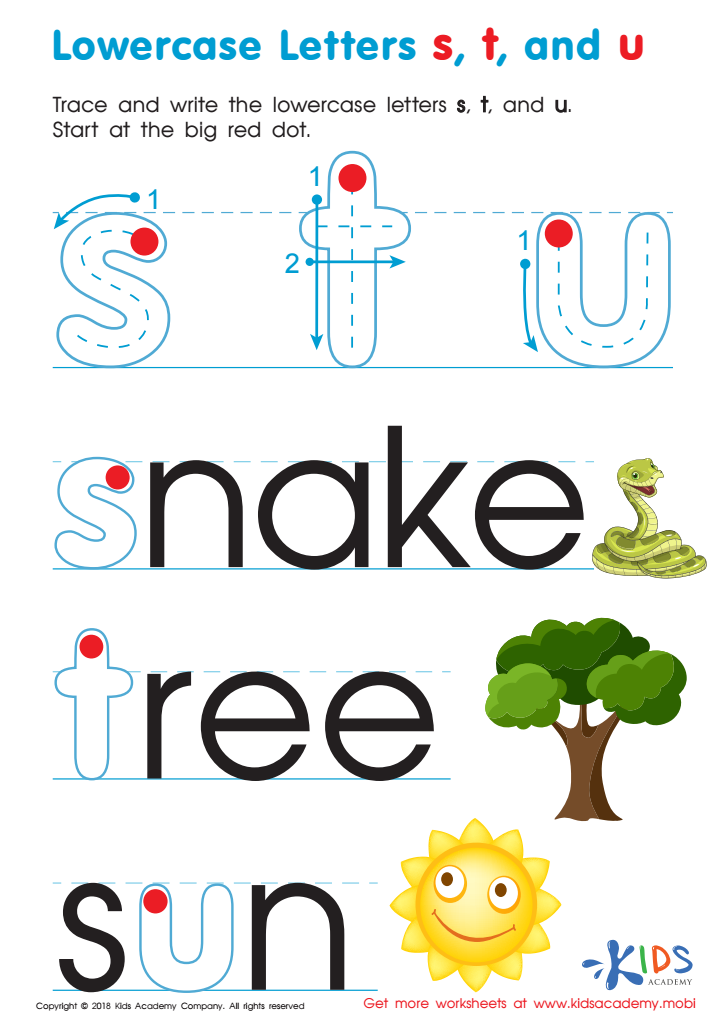
Lowercase Letters s t u Worksheet
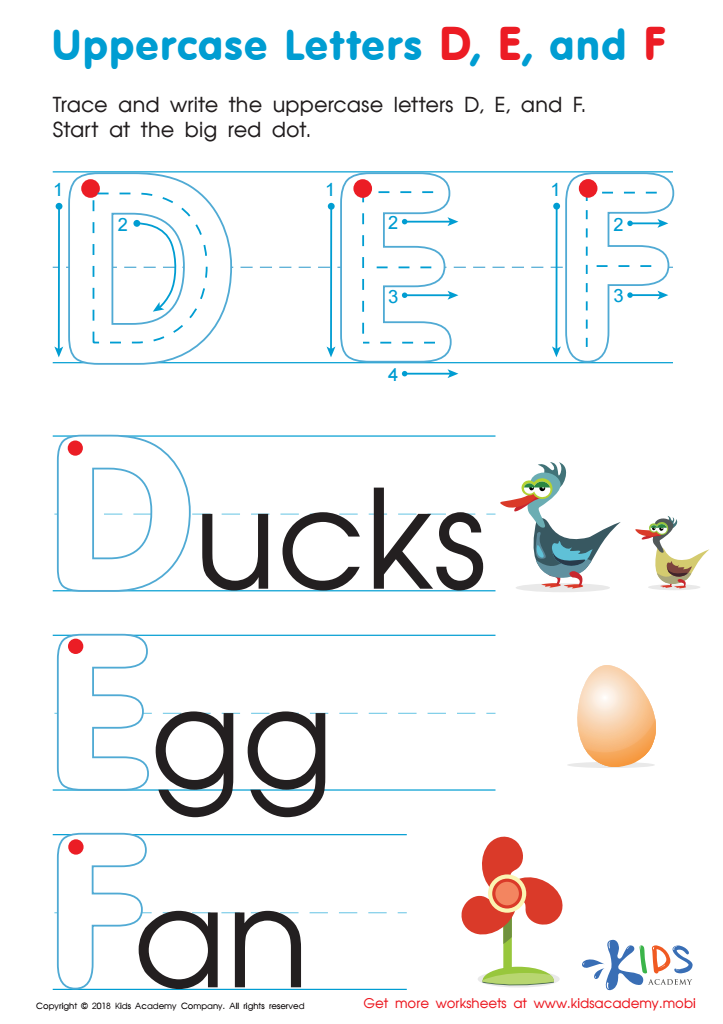
Uppercase Letters D, E, and F Worksheet
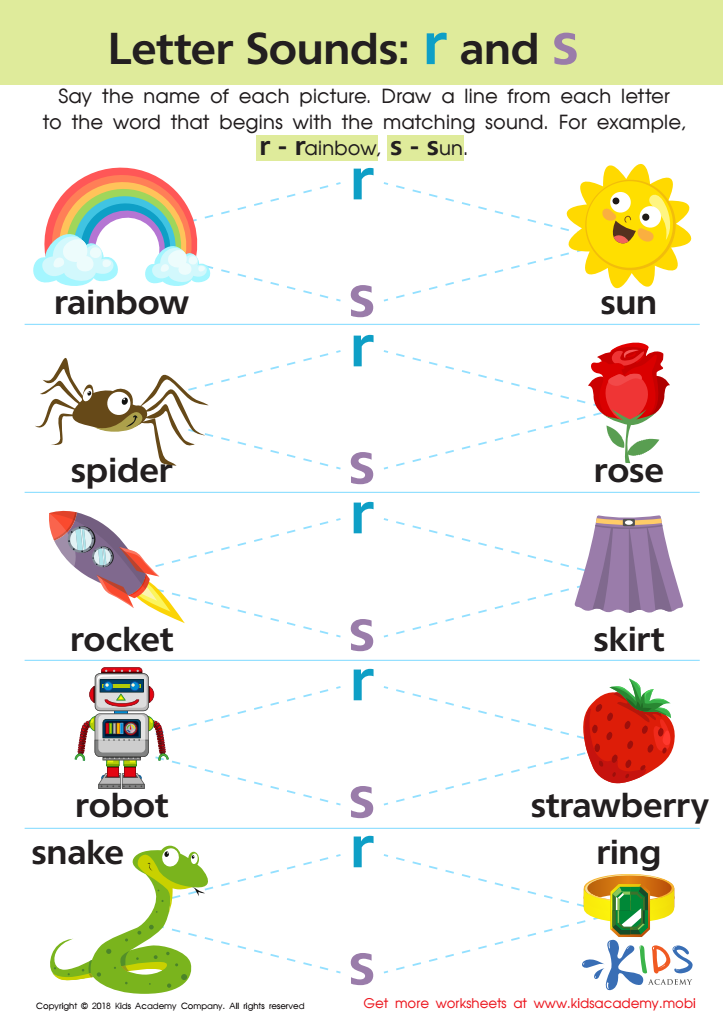
Letter R and S Sounds Worksheet
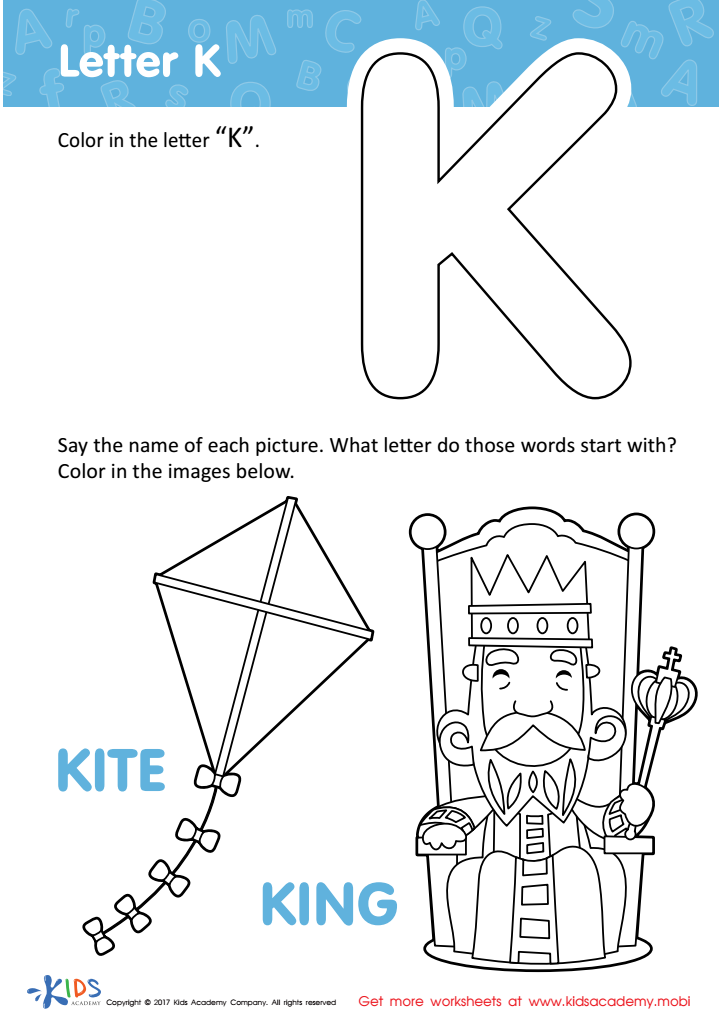
Letter K Coloring Sheet
Assign to My Students
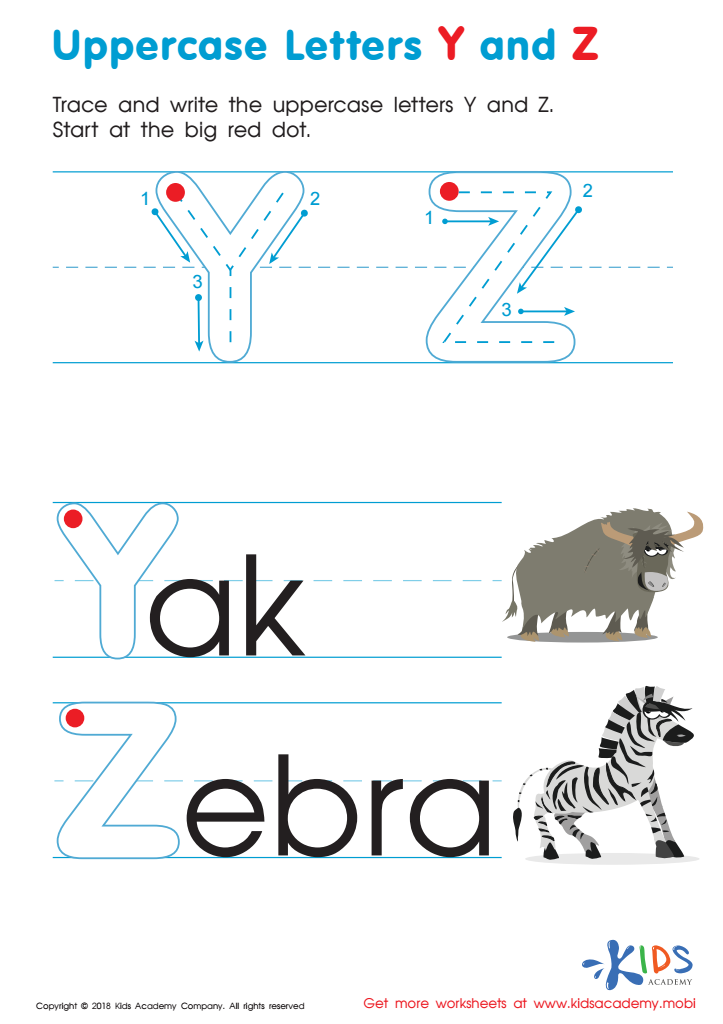
Uppercase Letters Y Z Worksheet




Handwriting practice for children ages 5-8 is crucial for several reasons. Firstly, developing handwriting skills impacts literacy; the act of writing reinforces the connection between letters and sounds, aiding in reading and spelling. Learning the correct formation of letters helps children understand their shapes, which is foundational for literacy.
Secondly, fine motor skills are developed through consistent practice. As children learn to control their grip on writing instruments and maneuver the paper, they cultivate coordination and dexterity, skills critical for various daily tasks and future academic activities.
Socially and emotionally, mastering handwriting can boost a child's confidence. Proficiency in writing can help them express their thoughts and ideas more clearly, facilitating better communication with both peers and educators. This, in turn, can encourage a love for writing and storytelling.
Moreover, structured handwriting practice provides a sense of routine and accomplishment, key elements for building a positive attitude toward learning. Parents and teachers play a pivotal role in encouraging this practice through fun and engaging activities that turn writing into a joyful exploration. By prioritizing handwriting skills, caregivers can lay a solid foundation for children’s academic success and lifelong learning.







