Vocabulary Building Alphabet Worksheets for Ages 5-8
17 filtered results
-
From - To
Enhance your child's vocabulary with our engaging Vocabulary Building Alphabet Worksheets for ages 5-8! Designed to captivate young learners, these printable worksheets promote language development and boost reading skills while making learning enjoyable. Each worksheet focuses on different letters of the alphabet, featuring interactive activities that encourage children to connect words with images, syllables, and letter sounds. Perfect for home or classroom use, these resources provide a fun way to explore new vocabulary in context. Help your child build a strong foundation in language skills while promoting creativity and critical thinking. Start your vocabulary-building journey today!
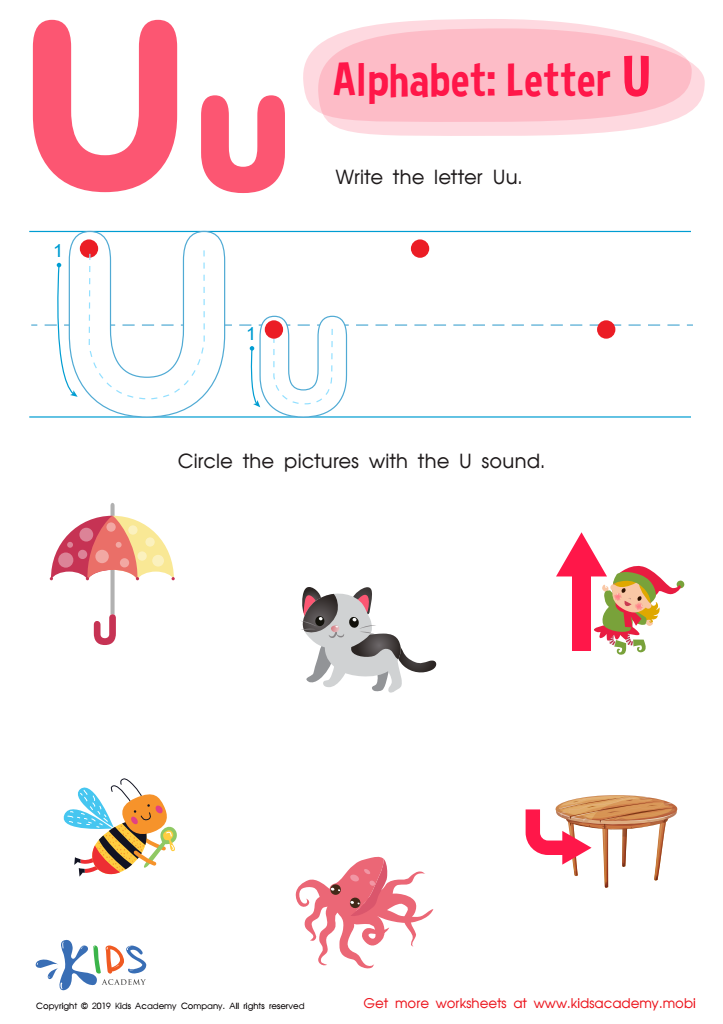
Letter U Tracing Worksheet
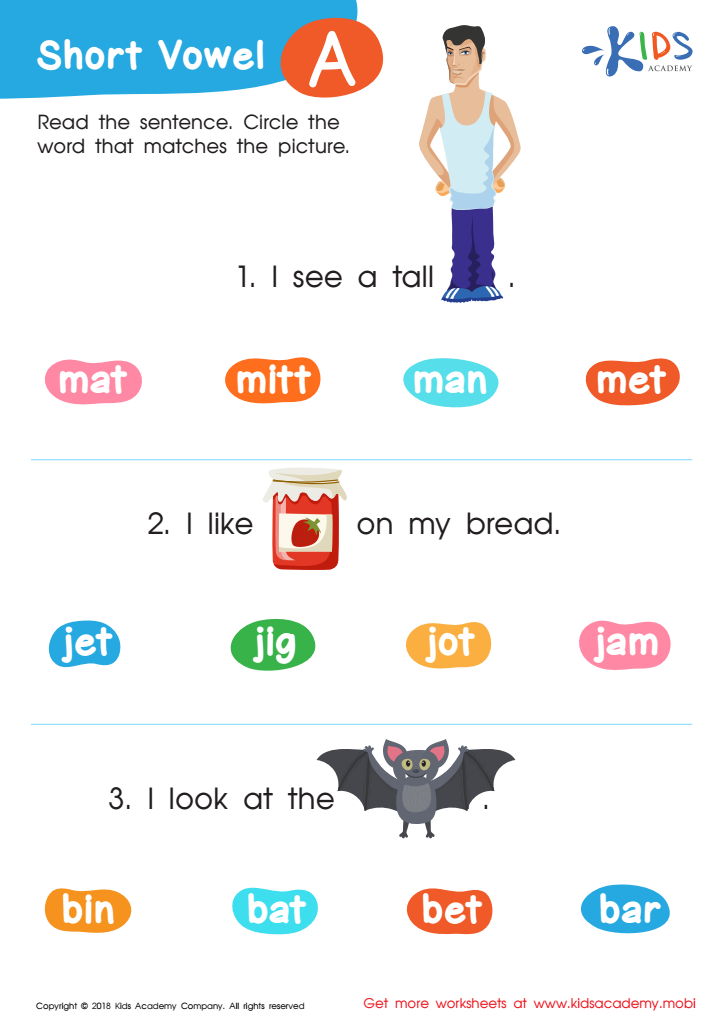
Short Vowel /a/ Worksheet
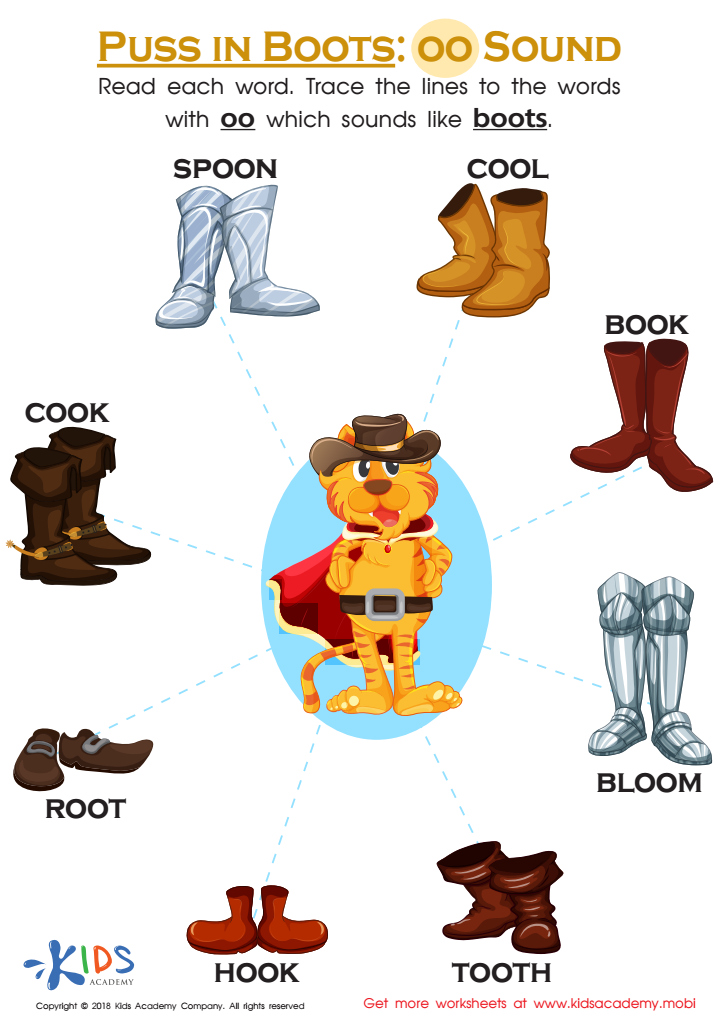
Puss in Boots: OO Sound Worksheet
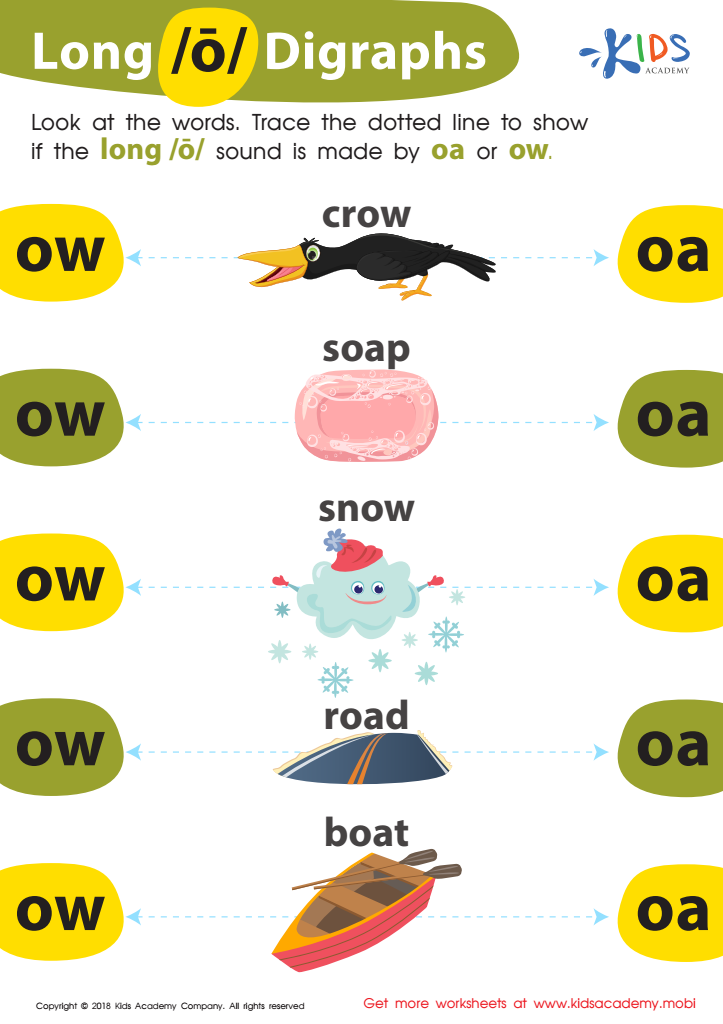
Reading: Long O Digraphs Worksheet
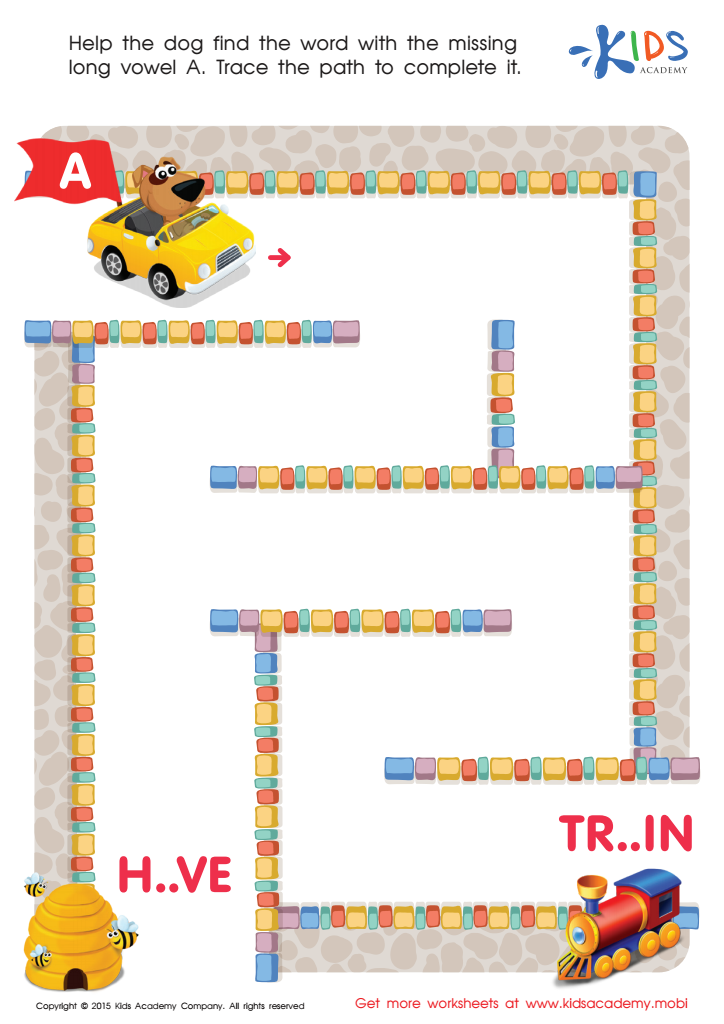
Long Vowel Sound A Worksheet
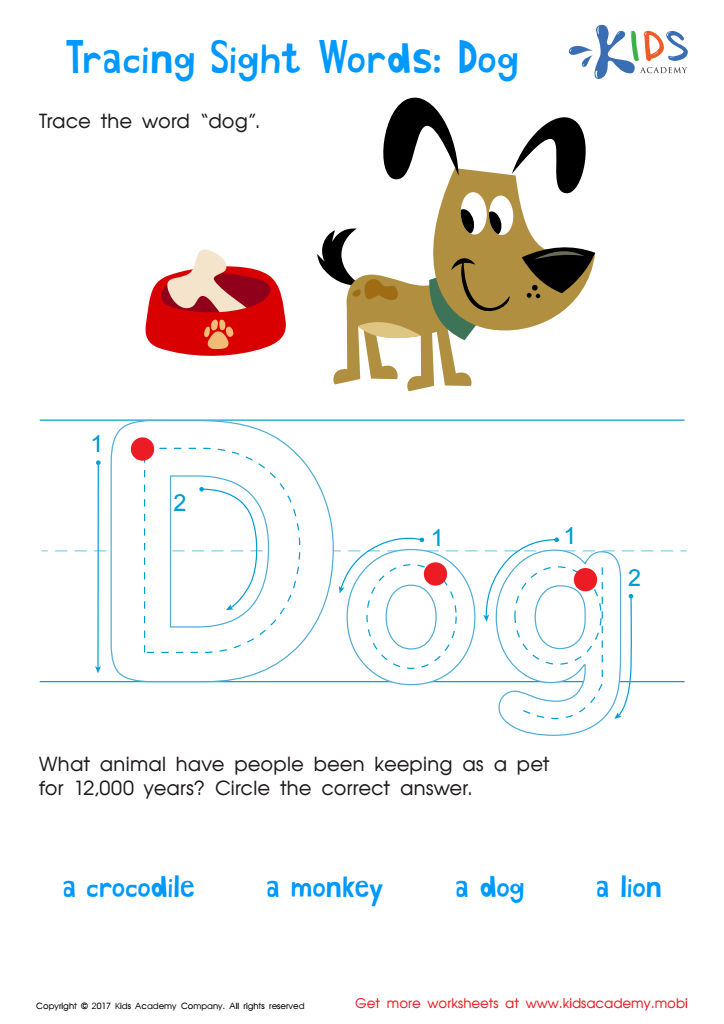
Dog Worksheet Sight Words Worksheet
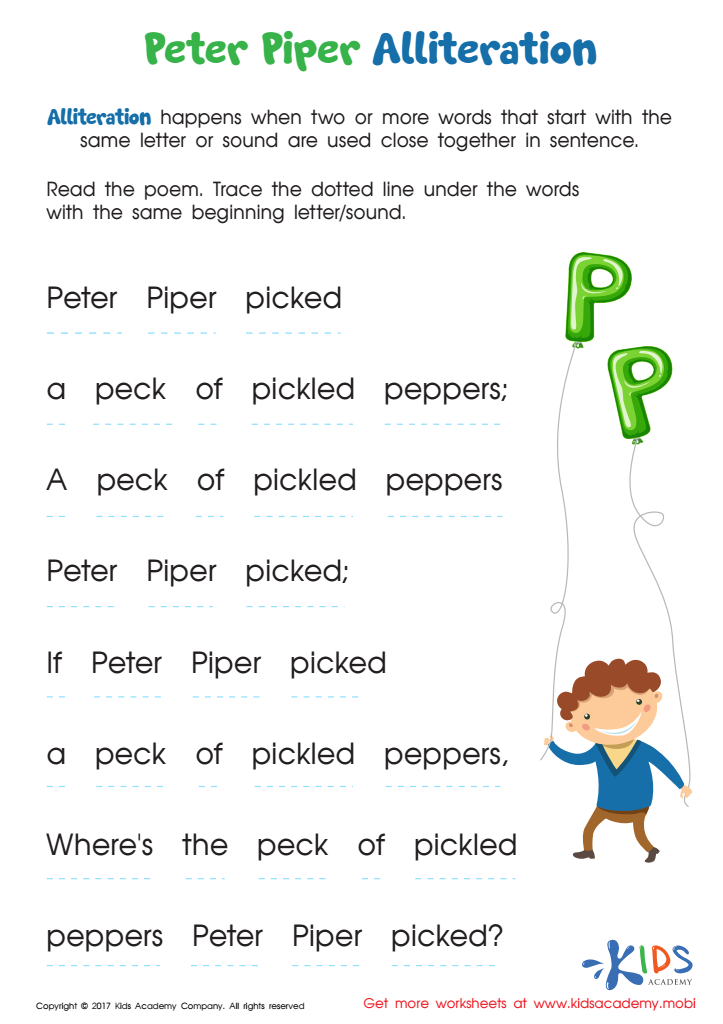
Peter Piper Alliteration Worksheet
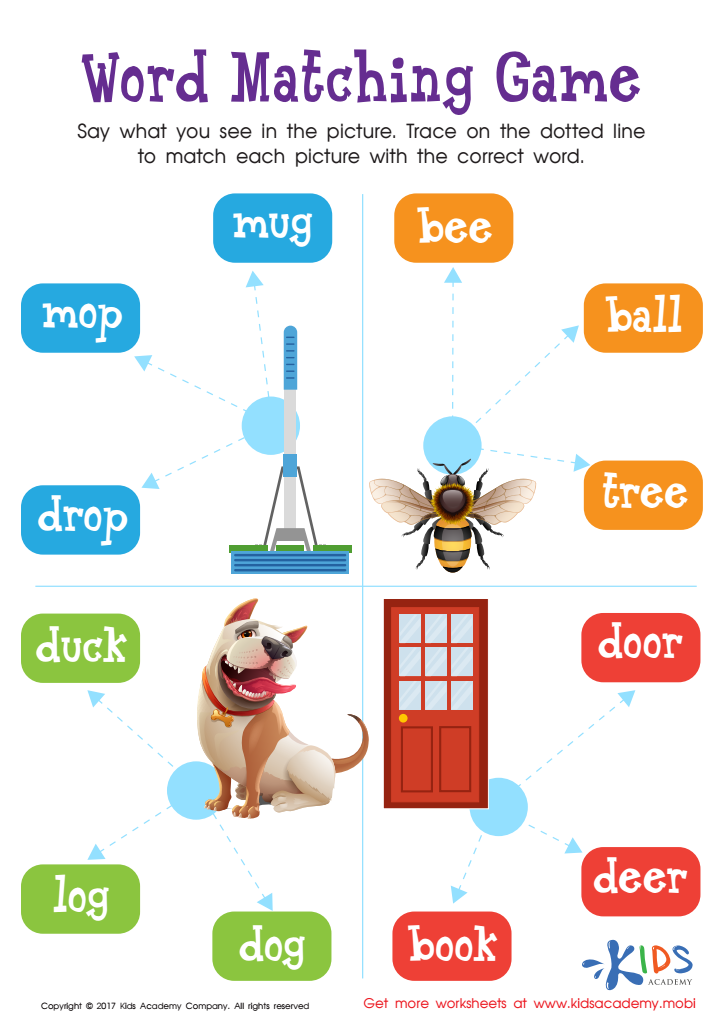
Word Matching Game Worksheet
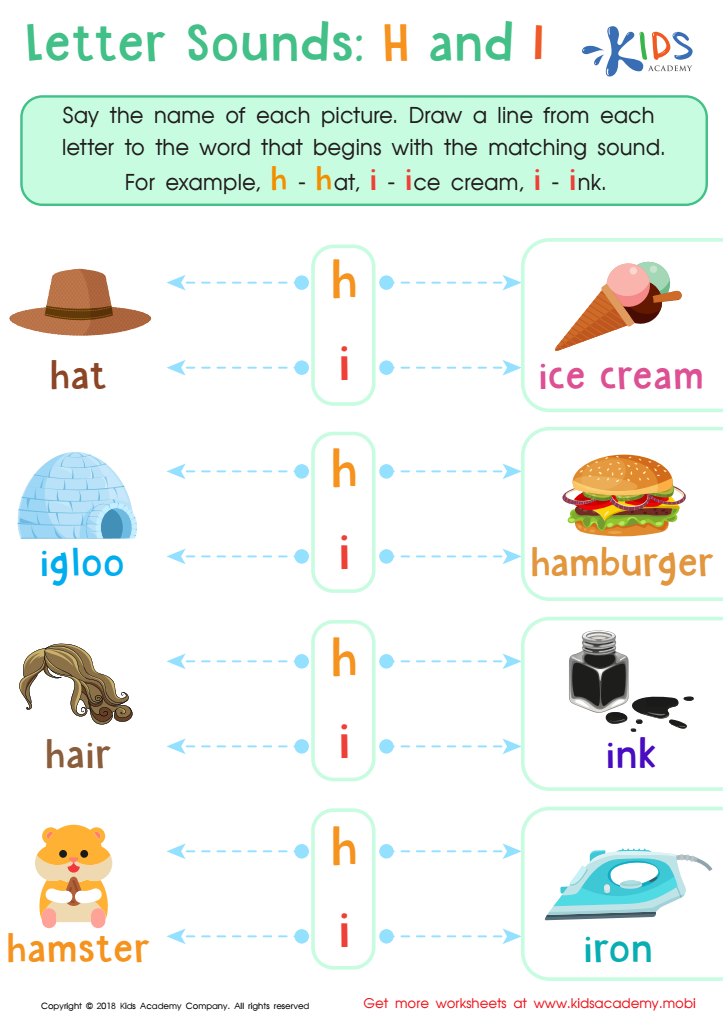
Letter H and I Sounds Worksheet
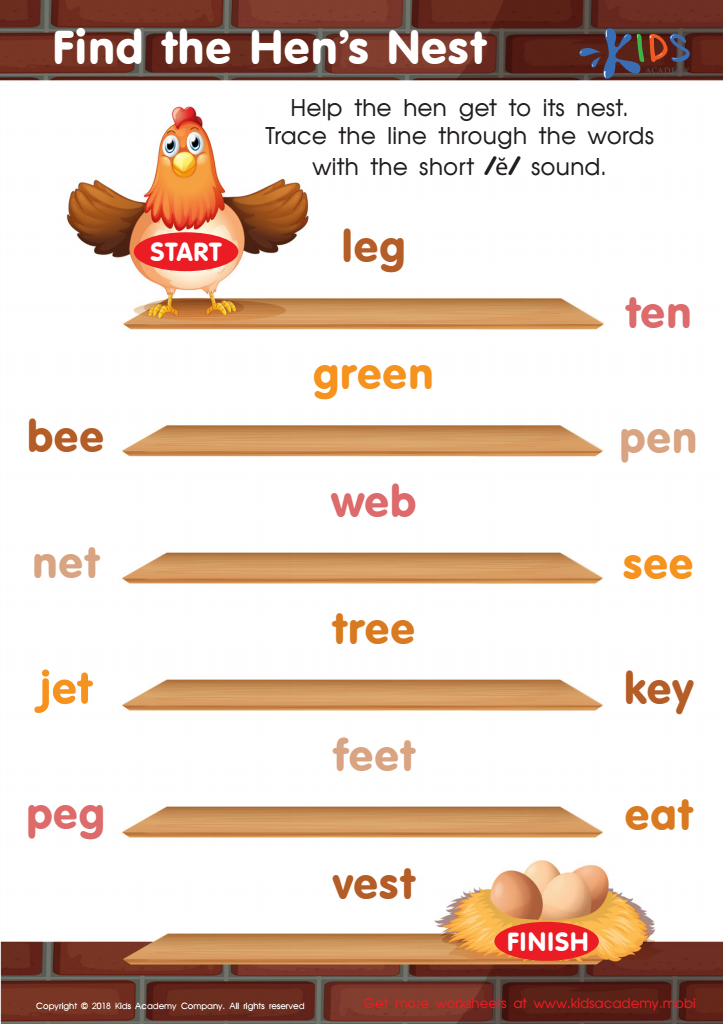
Find Hens Nest Reading Worksheet
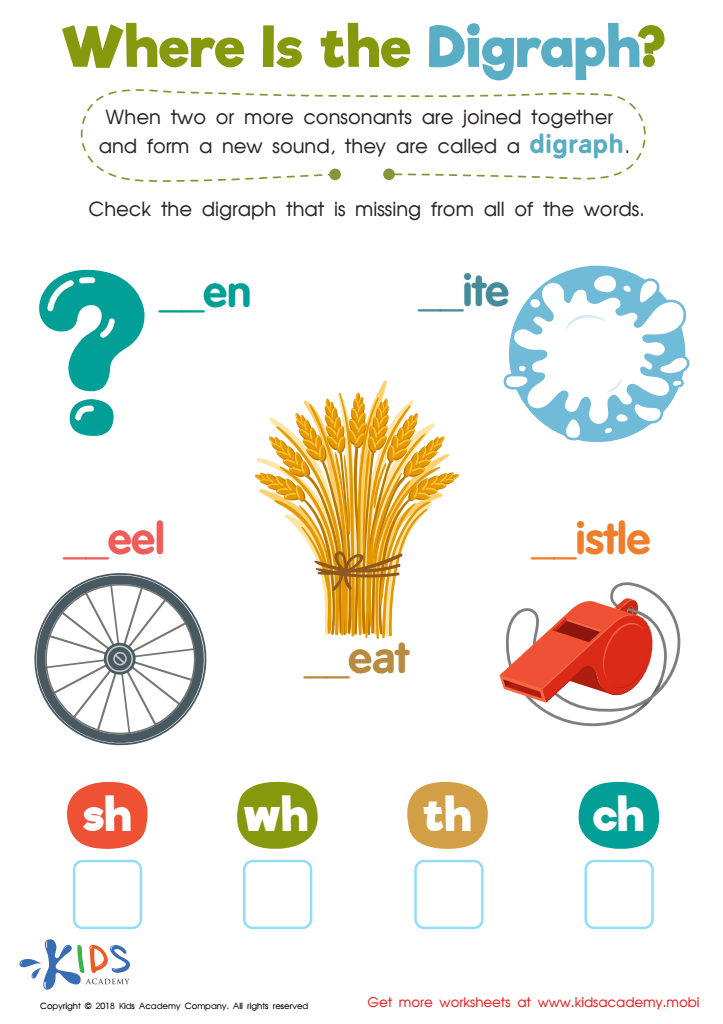
Where Is the Digraph? Worksheet
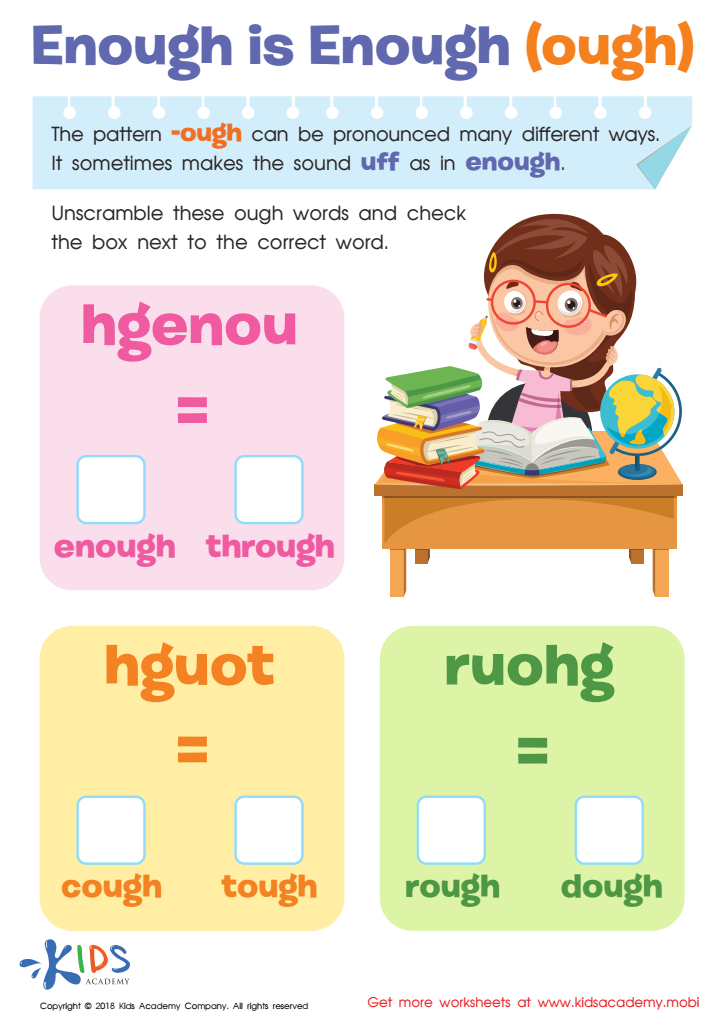
Enough Is Enough (ough) Worksheet
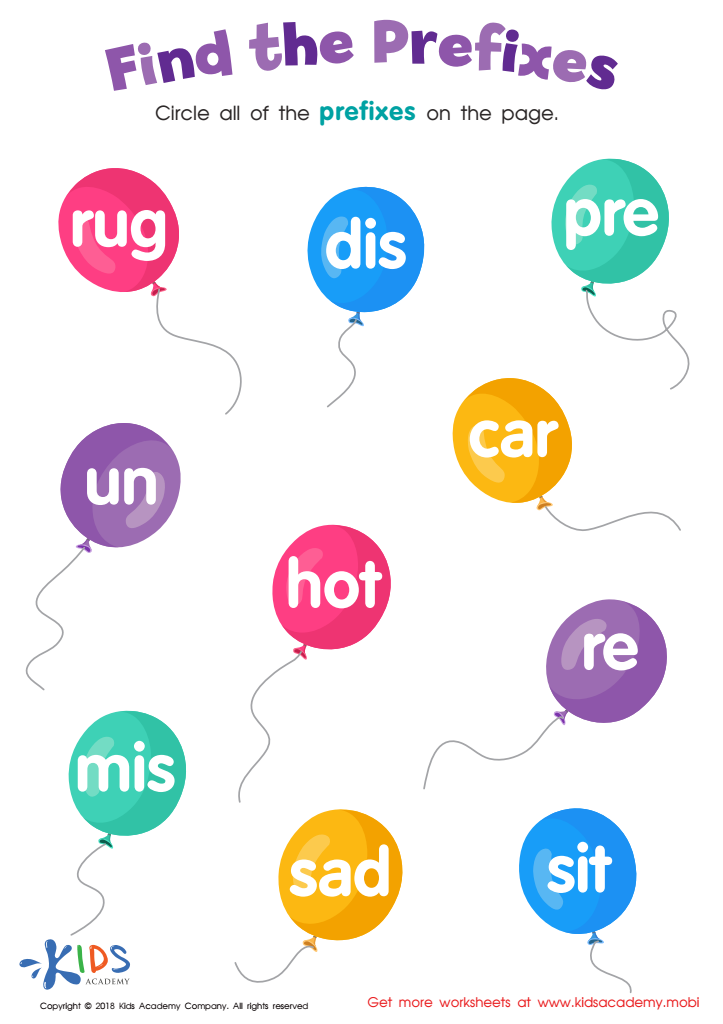
Reading: Find the Prefixes Worksheet
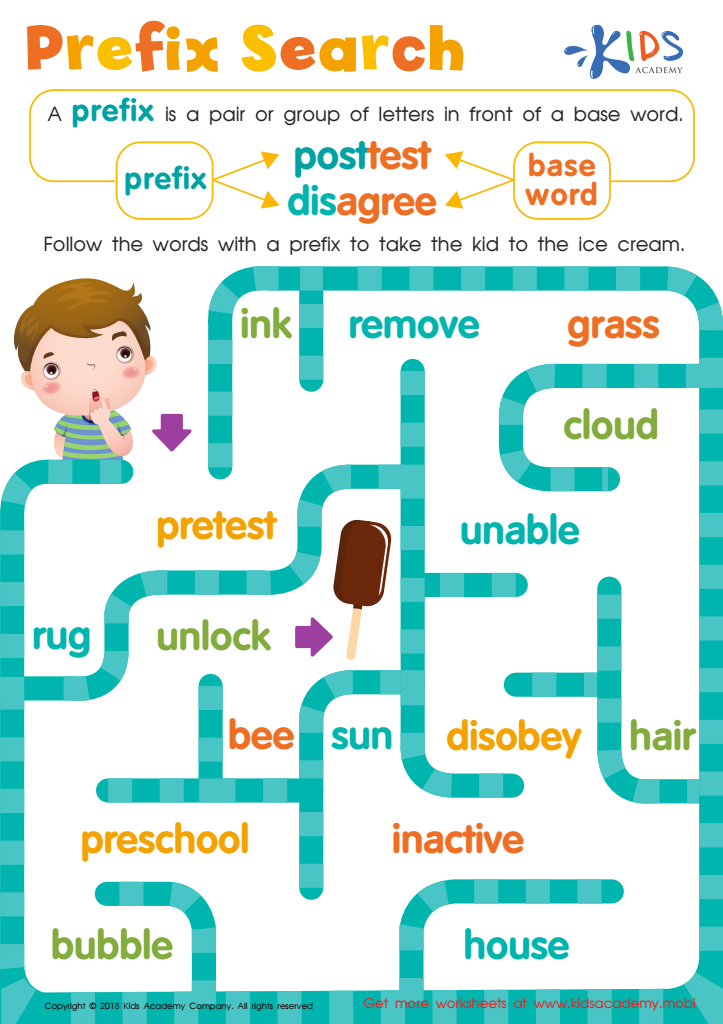
Reading: Prefix Search Worksheet
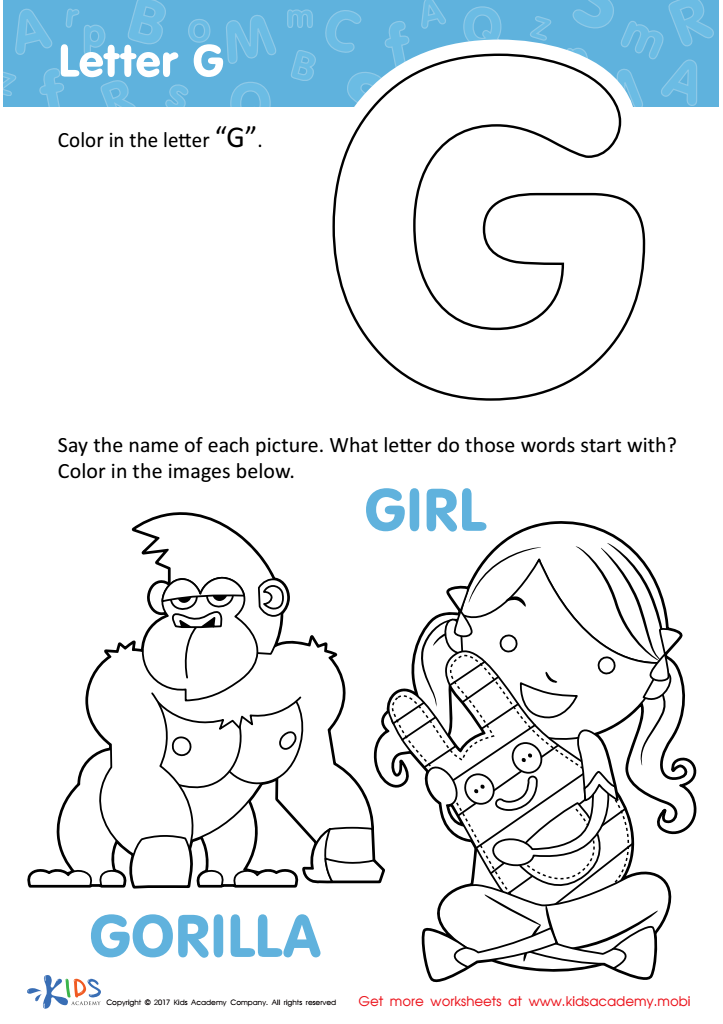
Letter G Coloring Sheet
 Assign to My Students
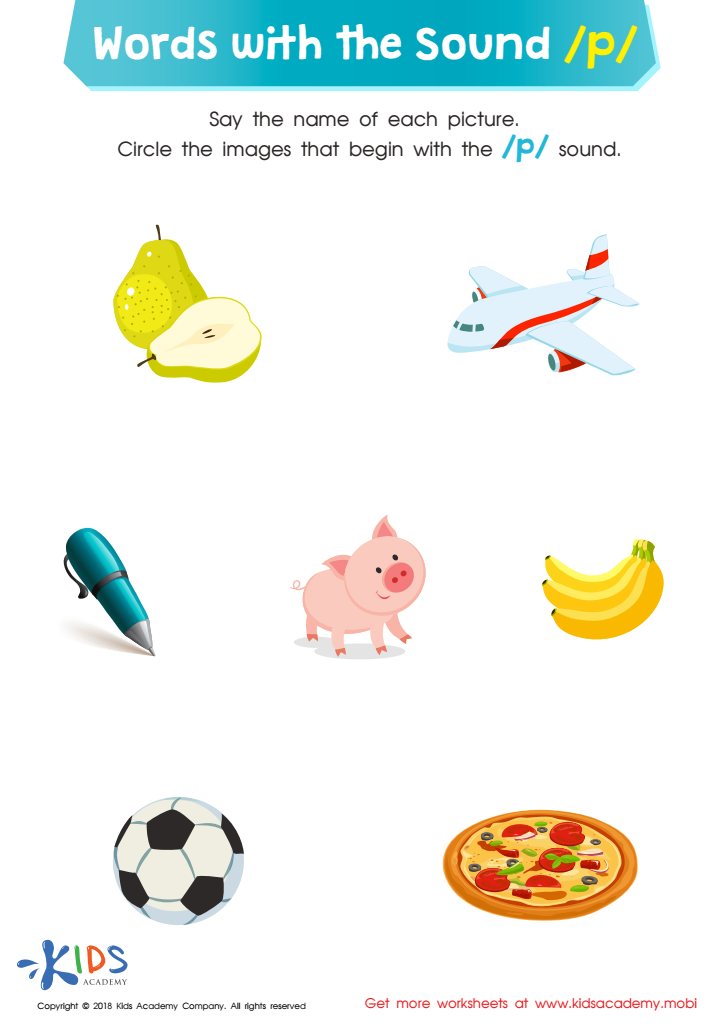
Words with sound p Reading Worksheet
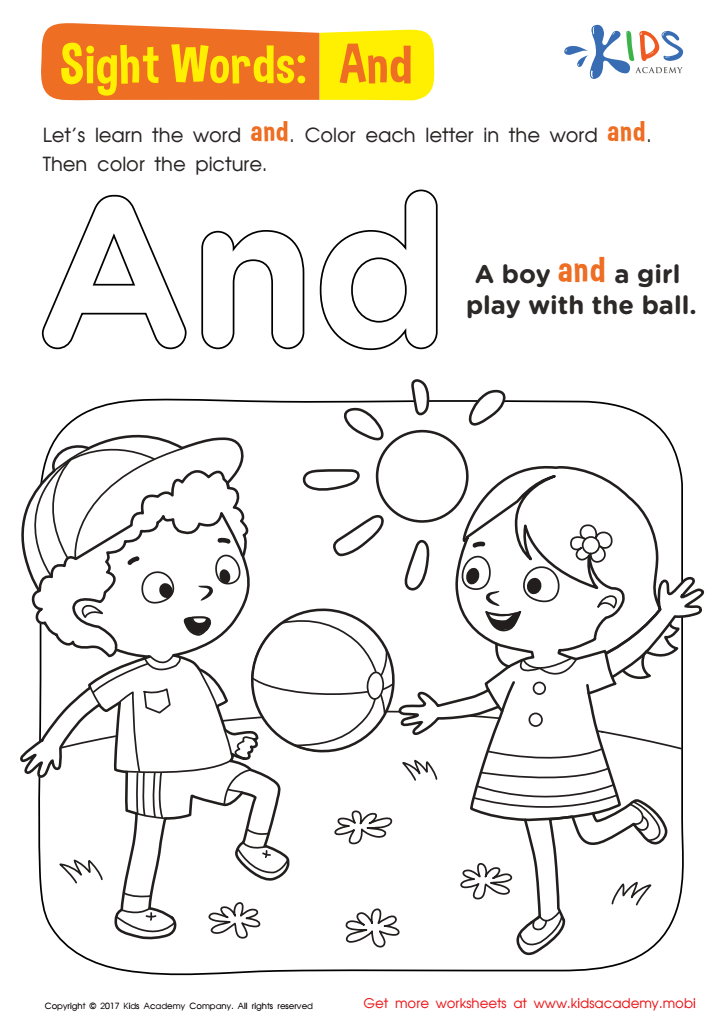
And Worksheet Sight Words Worksheet
Assign to My Students





Parents and teachers should prioritize vocabulary building for children aged 5-8 because these formative years are crucial for language development and cognitive growth. A robust vocabulary lays a foundation for reading comprehension, communication skills, and academic success. Vocabulary building enhances children's ability to express their thoughts and feelings, which fosters confidence and social interactions.
Engaging in activities that incorporate the Vocabulary Building Alphabet encourages children to explore new words in a fun and interactive manner. This approach not only captivates their interest but also promotes critical thinking as they learn to associate words with meanings, contexts, and emotions. Moreover, a rich vocabulary supports literacy development, as children with better word knowledge often become proficient readers, paving the way for lifelong learning.
Additionally, building vocabulary at a young age impacts various areas of education and life, such as mathematics through understanding problem-solving language or science via terminology. Meaningful conversations between parents and teachers about vocabulary also strengthen the home-school connection, ensuring that children receive a consistent and supportive educational experience. Thus, investing time and resources in vocabulary building for young learners can yield significant long-term benefits, ultimately preparing them for future academic challenges.







