Word identification Alphabet Worksheets for Ages 5-8
10 filtered results
-
From - To
Explore our engaging Word Identification Alphabet Worksheets designed exclusively for children ages 5 to 8! These printable resources focus on enhancing vocabulary and reading skills through fun and interactive activities. Each worksheet encourages young learners to identify and match words with corresponding letters, fostering a strong foundation in literacy. With colorful illustrations and age-appropriate exercises, kids will enjoy learning the alphabet while improving their word recognition abilities. Perfect for both classroom use and at-home practice, these worksheets help support early literacy development in a delightful way. Start your child's journey to reading success with our creative and educational worksheets today!
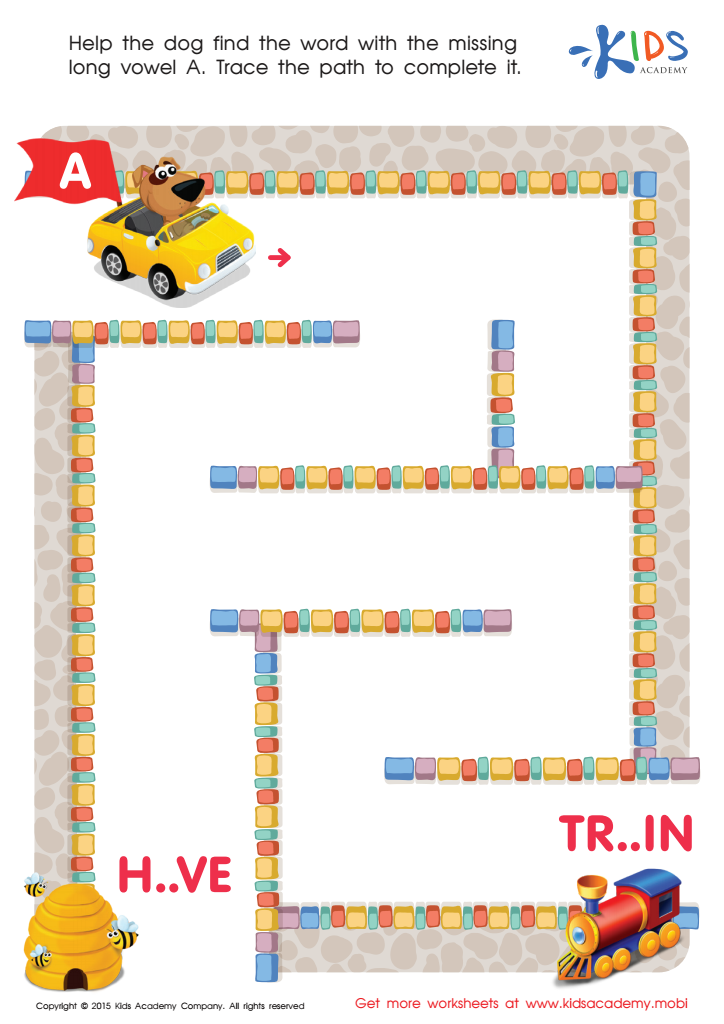
Long Vowel Sound A Worksheet
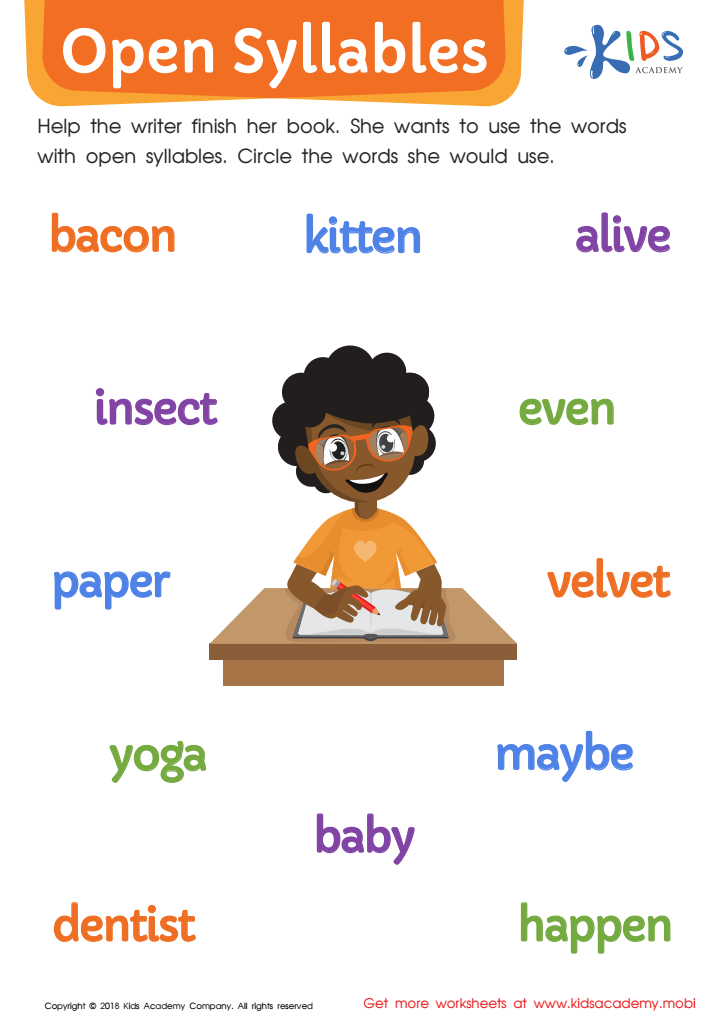
Open Syllables Worksheet
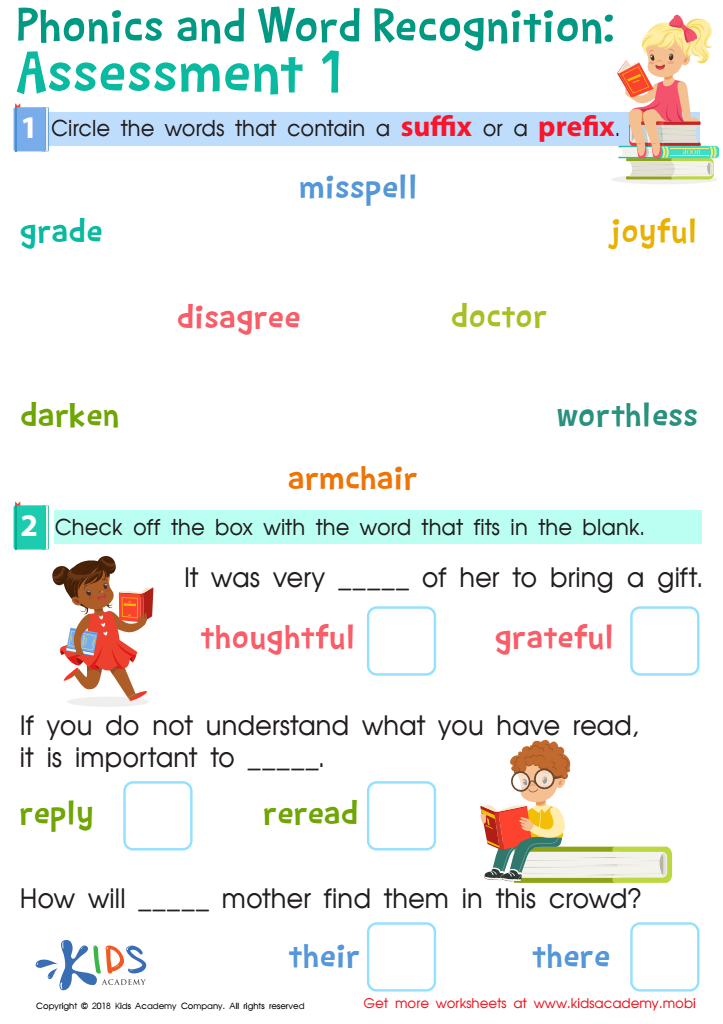
Phonics and Word Recognition: Assessment 1 Worksheet
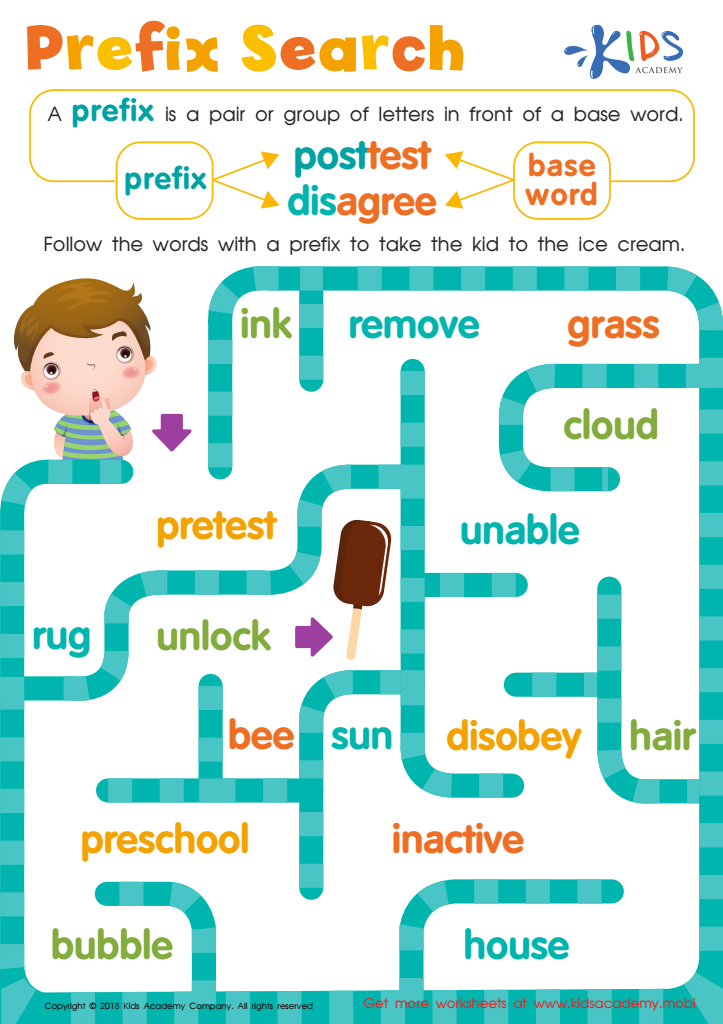
Reading: Prefix Search Worksheet
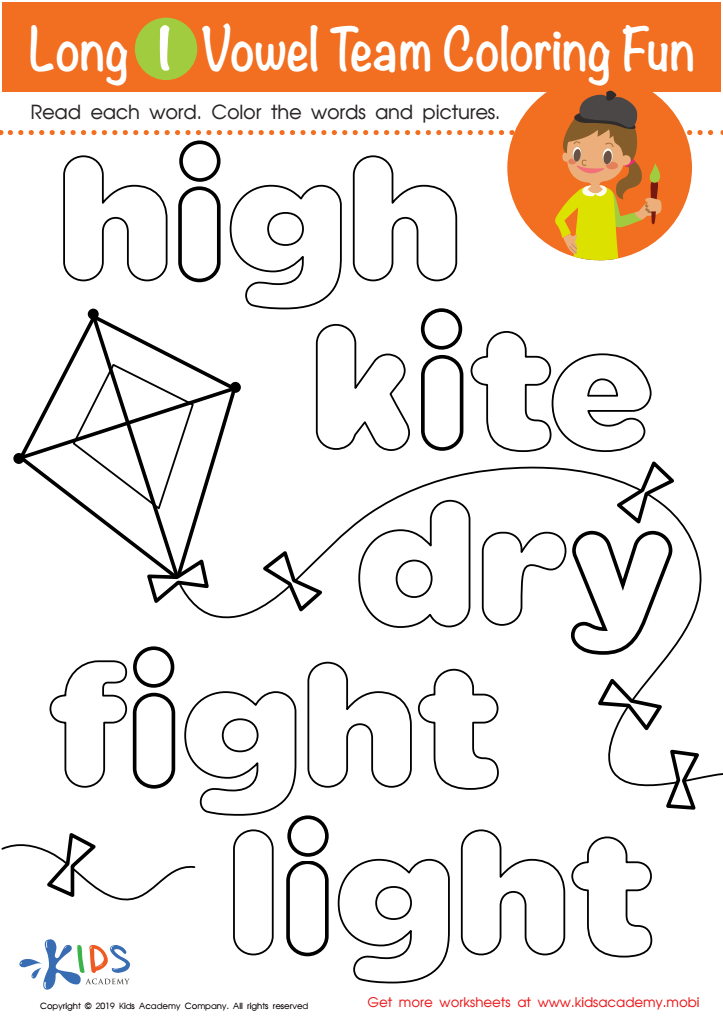
Long I Vowel Team Coloring Worksheet
 Assign to My Students
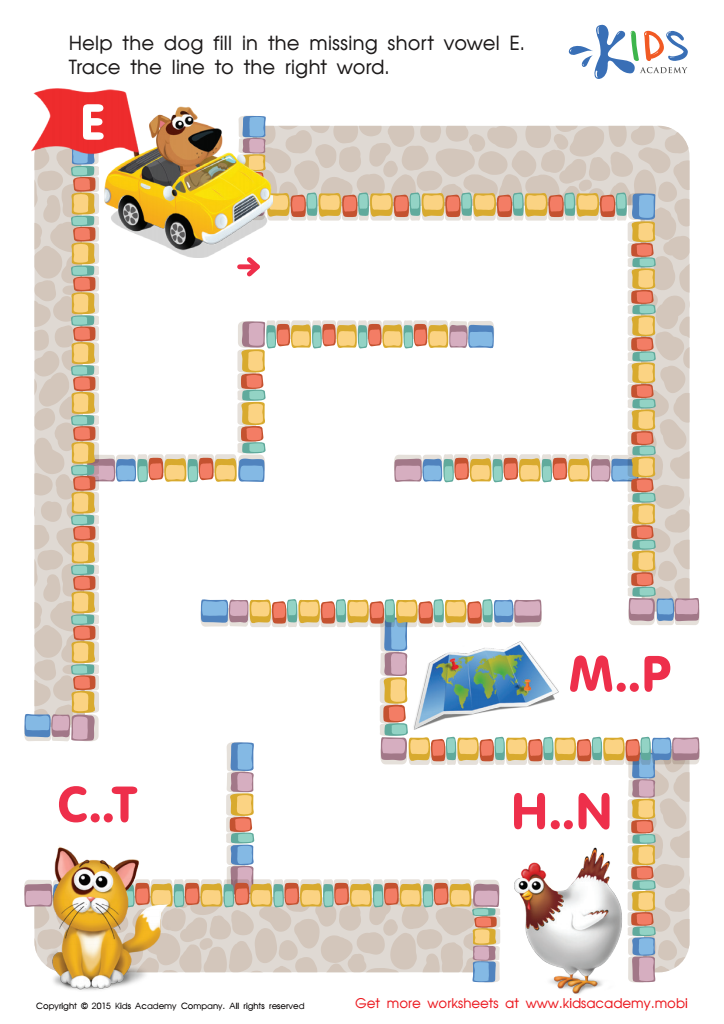
Short Vowel Sound E Worksheet
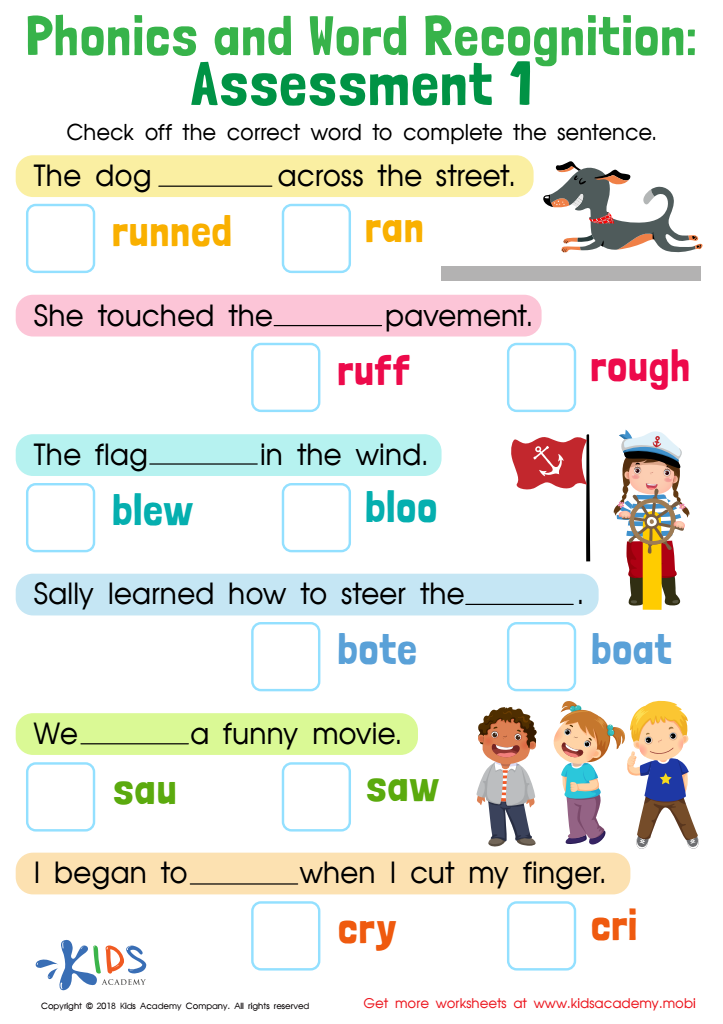
Phonics and Word Recognition: Assessment 1 Worksheet
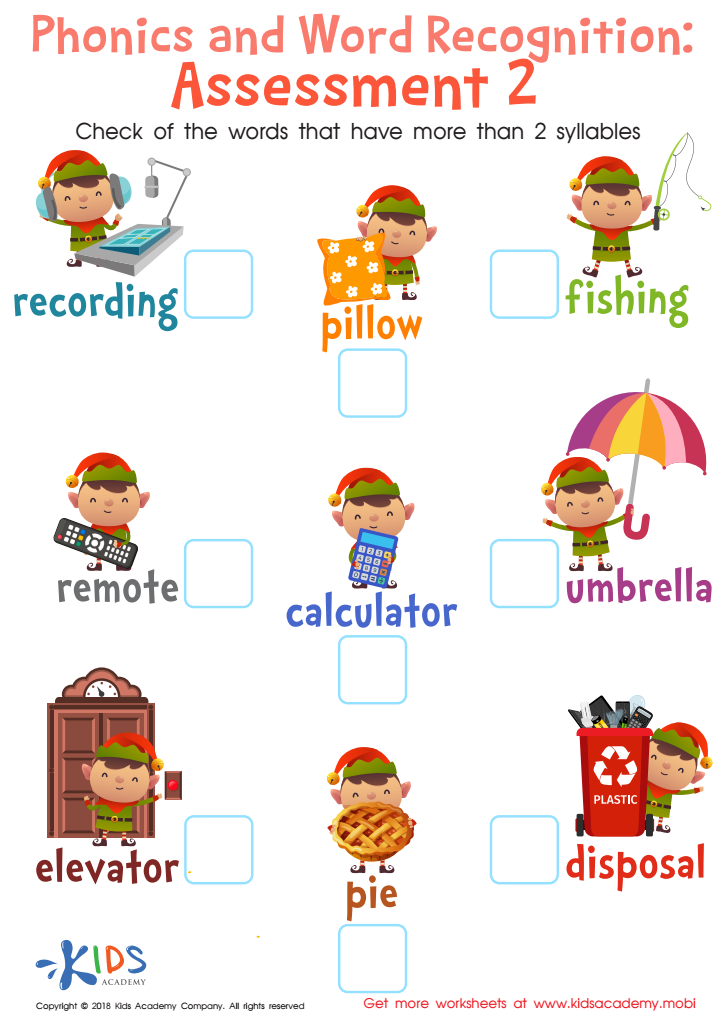
Phonics and Word Recognition: Assessment 2 Worksheet
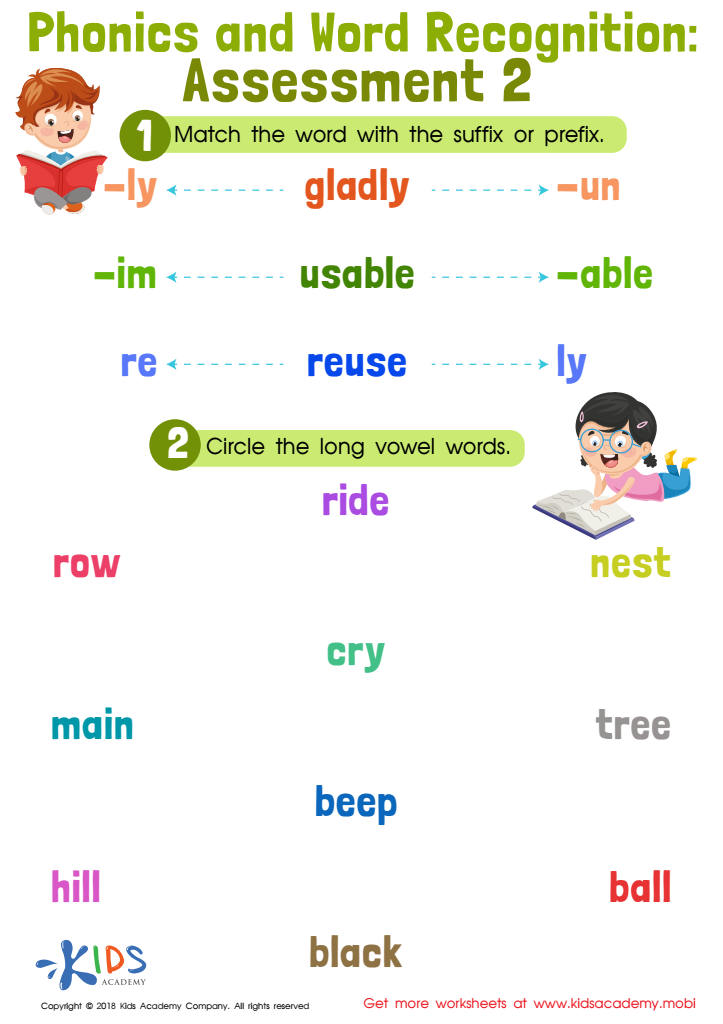
Phonics and Word Recognition: Assessment 2
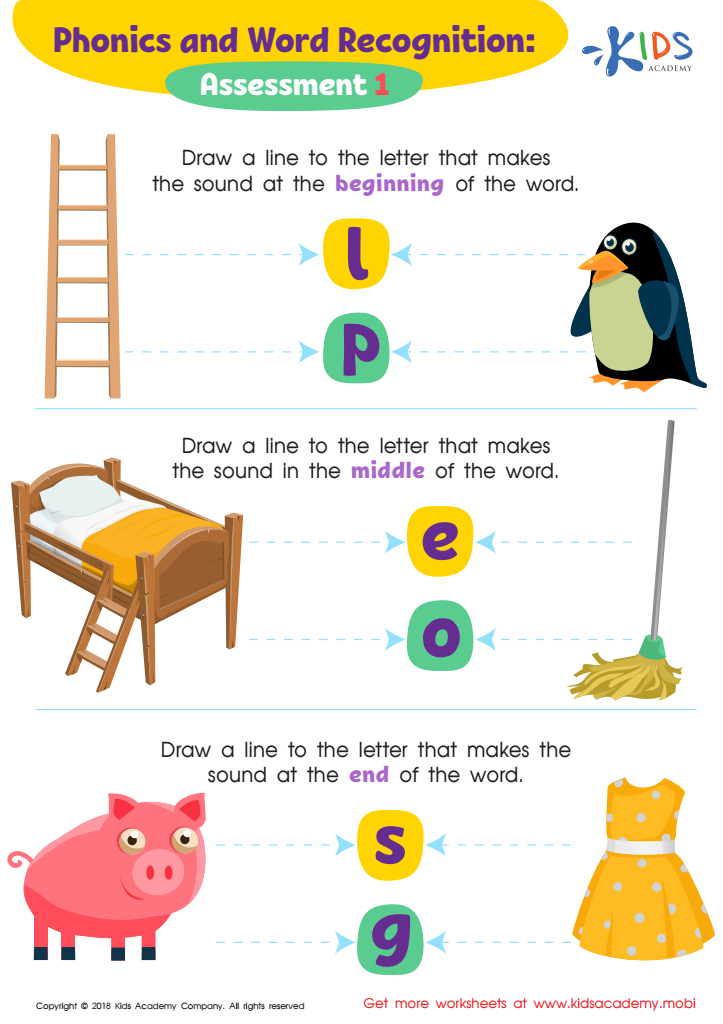
Phonics and Word Recognition: Assessment 1 ELA Worksheet





.jpg)
Understanding word identification through the alphabet is crucial for children aged 5-8 as it forms the foundation for reading and language development. At this stage, children's brain development is highly receptive to learning the relationship between letters and sounds. Word identification helps them decode words, an essential skill for fluent reading and comprehension.
Parents and teachers play pivotal roles in cultivating this skill. When children recognize words quickly, their reading fluency improves, allowing them to focus on understanding the material rather than just decoding words. Moreover, early mastery of word identification supports vocabulary expansion, which is vital for literacy and overall academic success.
Encouraging engagement with the alphabet through fun activities—such as reading aloud, playing word games, or using flashcards—can enhance children's enthusiasm and confidence in reading. This engagement fosters a love for literature, enhancing their ability to express themselves and communicate effectively.
Furthermore, developing these skills early can mitigate future learning challenges, promoting long-term educational success. Therefore, proactive involvement from parents and teachers in nurturing word identification skills is essential to ensure children become proficient, effective readers, empowering them for life-long learning.







