Letter-sound recognition Phonics Worksheets for Ages 5-8
4 filtered results
-
From - To
Discover engaging letter-sound recognition phonics worksheets designed for children aged 5 to 8. These expertly crafted resources enhance young learners' understanding of phonemes, crucial for reading readiness and language development. Our worksheets feature a variety of fun activities, including matching letters to sounds, stimulating identification skills, and reinforcing foundational literacy concepts. Perfect for classroom use or home practice, these materials cater to diverse learning styles and help children build confidence in their reading abilities. Equip your young learners with the essential skills they need for academic success with our interactive and colorful phonics worksheets—exciting learning awaits!
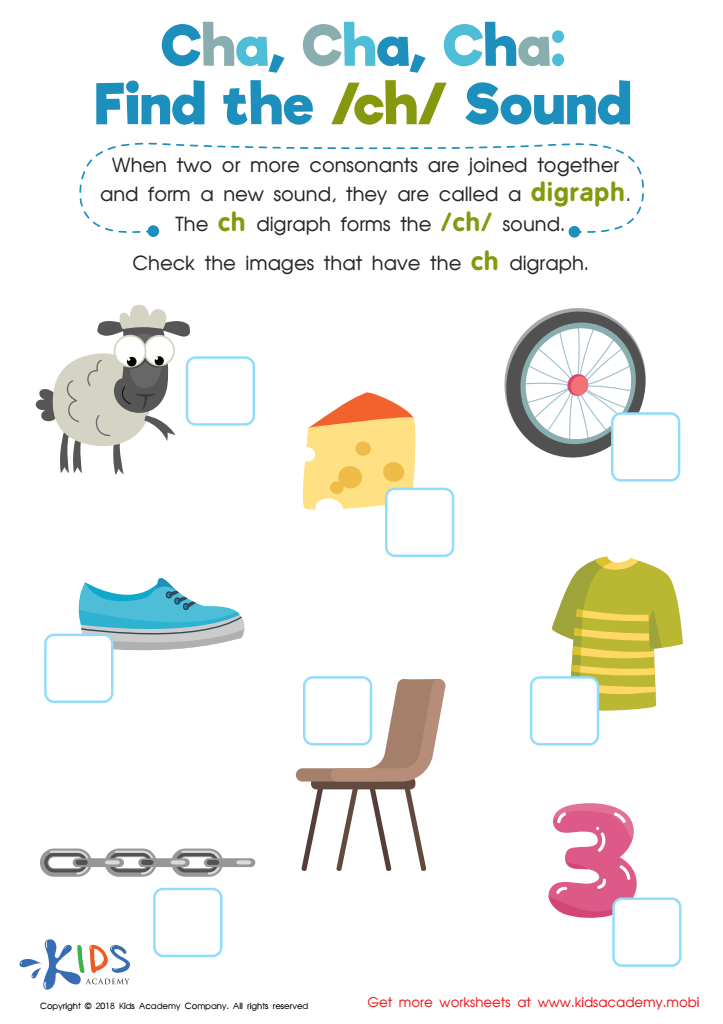
Cha, Cha, Cha: Find the /Ch/ Sound Worksheet
 Assign to My Students
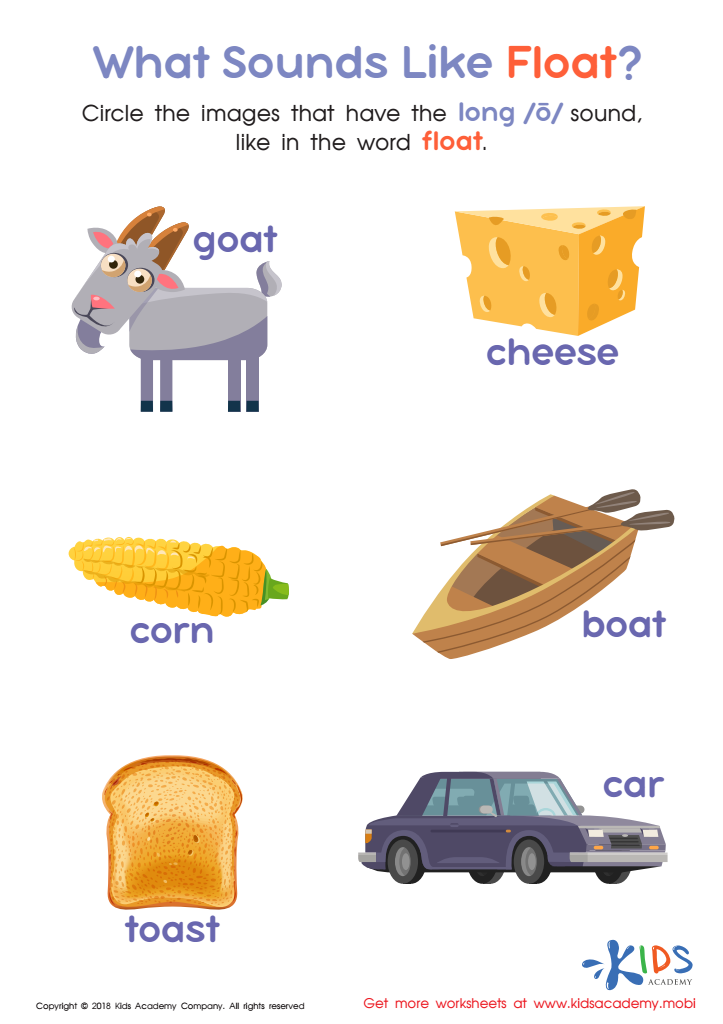
What Sounds Like Float? Worksheet
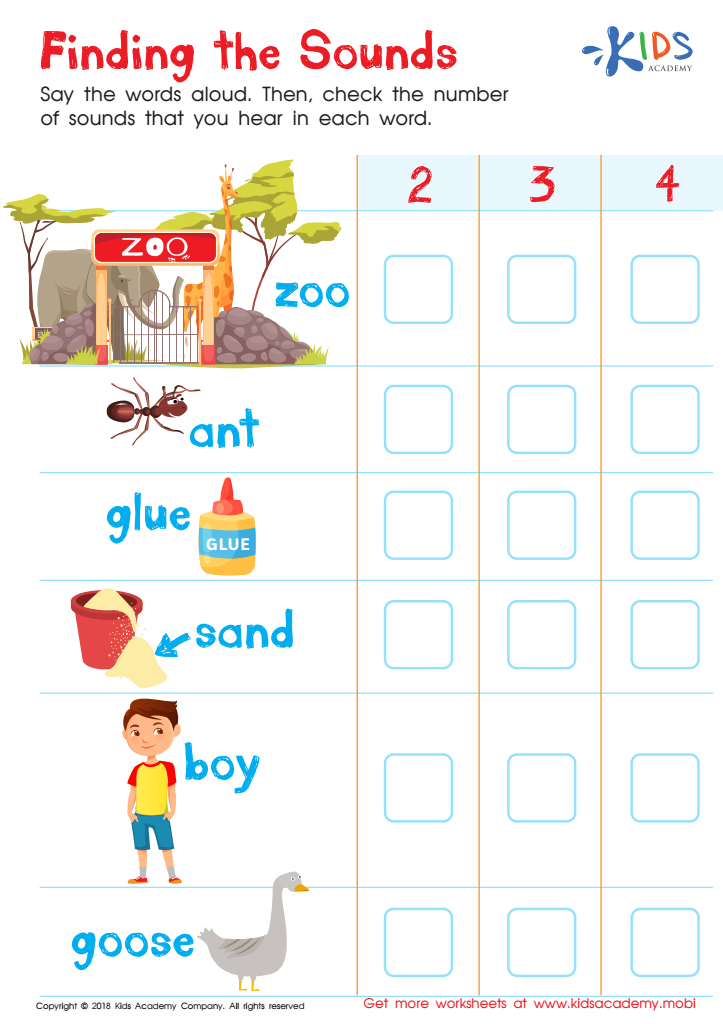
Finding the Sounds Worksheet
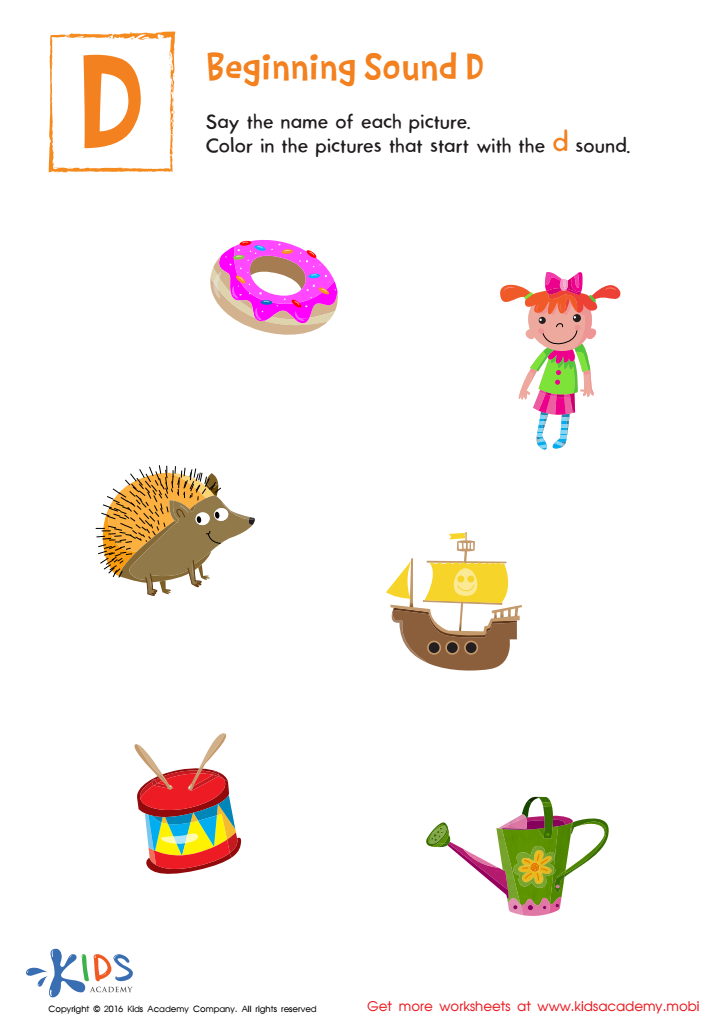
Beginning Sound D Worksheet








Letter-sound recognition and phonics are crucial for young learners aged 5 to 8 as they form the foundation for reading and writing skills. Understanding phonics allows children to decode words, helping them connect letters with their corresponding sounds. This skill is essential for developing reading fluency, enabling students to tackle unfamiliar words independently. When children grasp phonics, they experience increased confidence and motivation in their reading journey.
Parents and teachers should prioritize phonics instruction because it contributes to broader literacy development. It enhances vocabulary, comprehension, and spelling skills, which are vital for academic success. Moreover, early mastery of these skills can reduce the likelihood of reading difficulties later on, promoting a positive attitude towards learning.
Additionally, letter-sound recognition can support children in various subjects, as strong reading skills are linked to improved performance in math, science, and social studies. Engaging in phonics games and activities at home or in the classroom also boosts children’s critical thinking and problem-solving abilities.
Ultimately, by fostering strong phonics skills, parents and teachers can instill a love for reading, setting their children up for lifelong learning and success. This reinforces the importance of addressing phonics in early education.







