Flora and Fauna Worksheets for Ages 5-8 - Page 2
32 filtered results
-
From - To
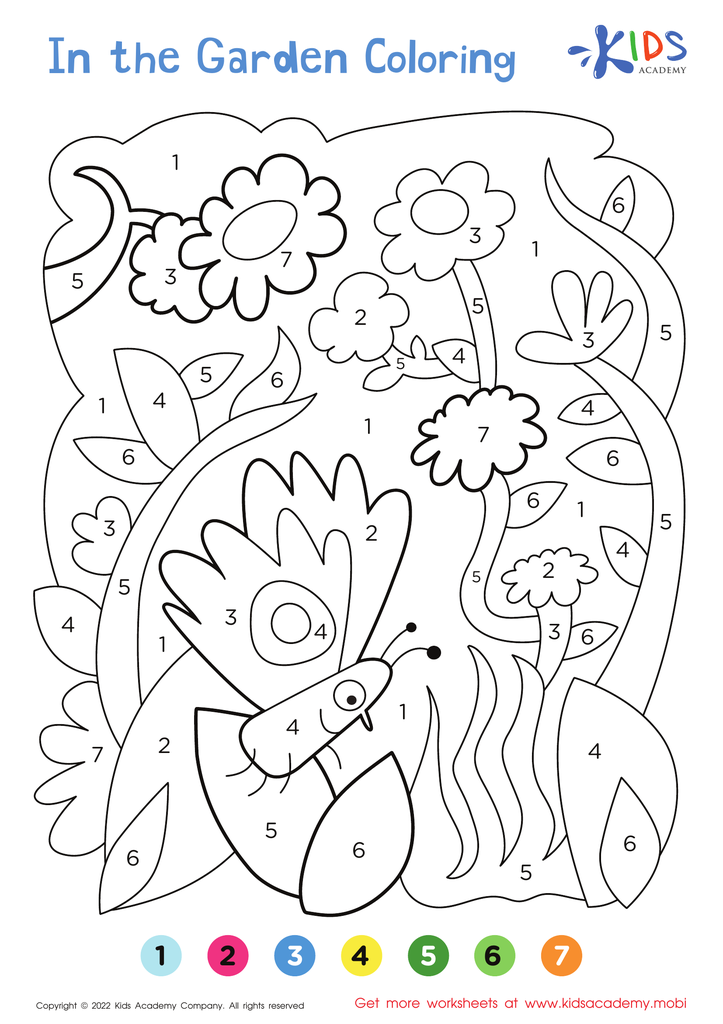
In the Garden – Coloring by Numbers
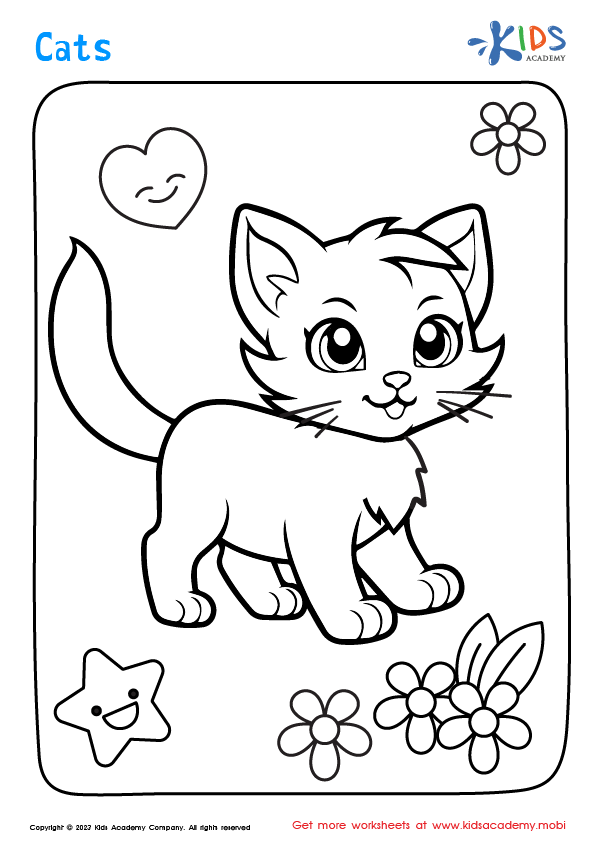


Parents and teachers should care about flora and fauna because these natural elements play a crucial role in the growth and development of children aged 5-8. At this age, children are naturally curious and eager to explore their surroundings. Introducing them to plants (flora) and animals (fauna) fosters a sense of wonder and ignites their imagination. Learning about different species helps children appreciate biodiversity and understand the importance of ecosystems, which is vital for nurturing responsible future citizens.
Incorporating flora and fauna into education also promotes environmental stewardship. By teaching children about the roles different plants and animals play in their environment, we instill values of respect and care for nature. This encourages them to engage in outdoor activities, enhancing their physical health and well-being.
Moreover, studies show that interactions with nature can improve cognitive development, emotional well-being, and social skills. When children explore nature, they develop critical thinking skills as they observe, ask questions, and seek answers. Ultimately, prioritizing flora and fauna education helps children cultivate a lifelong appreciation for the natural world, fostering a generation that values conservation and sustainability. Engaging with nature provides foundational experiences that enrich their understanding of life around them.