Color recognition English for Beginners Worksheets for Ages 5-8
21 filtered results
-
From - To
Discover our engaging Color Recognition English for Beginners Worksheets, specially designed for children aged 5-8. These interactive resources help young learners identify and name colors while building essential vocabulary skills in a fun and creative way. Featuring vibrant illustrations and a variety of activities, our worksheets encourage exploration and mastery of color recognition through enjoyable exercises. Perfect for ESL learners, these materials support early literacy and promote language development. Whether used in the classroom or at home, these worksheets provide an entertaining approach to learning colors in English, setting the foundation for further language acquisition. Enhance your child’s learning experience today!
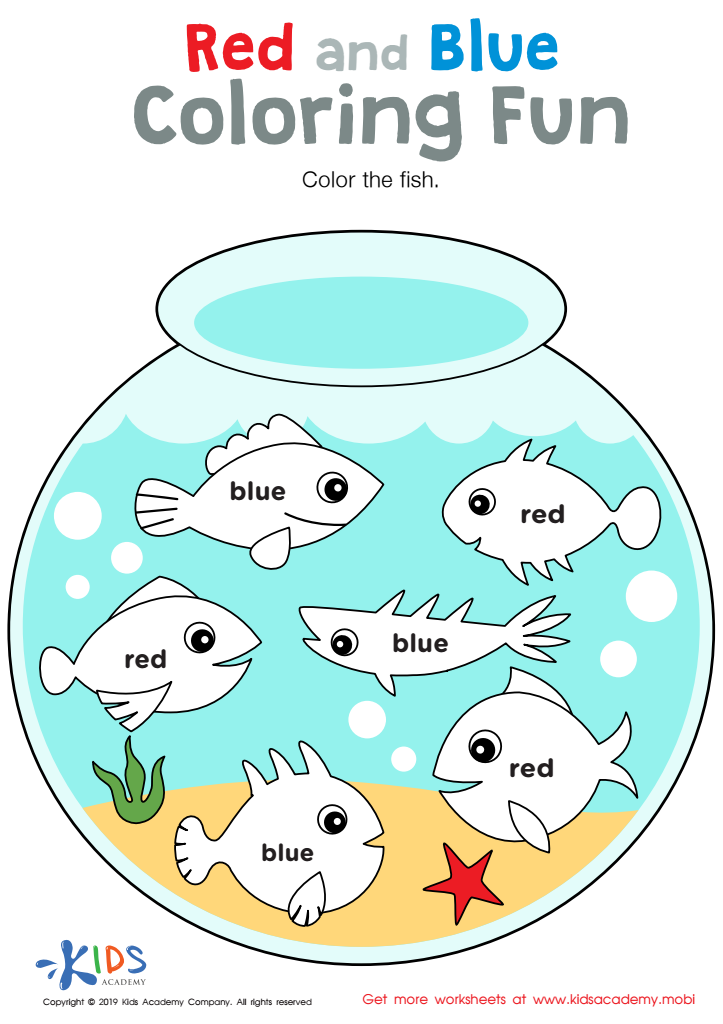
Red and Blue Coloring Fun Worksheet
 Assign to My Students
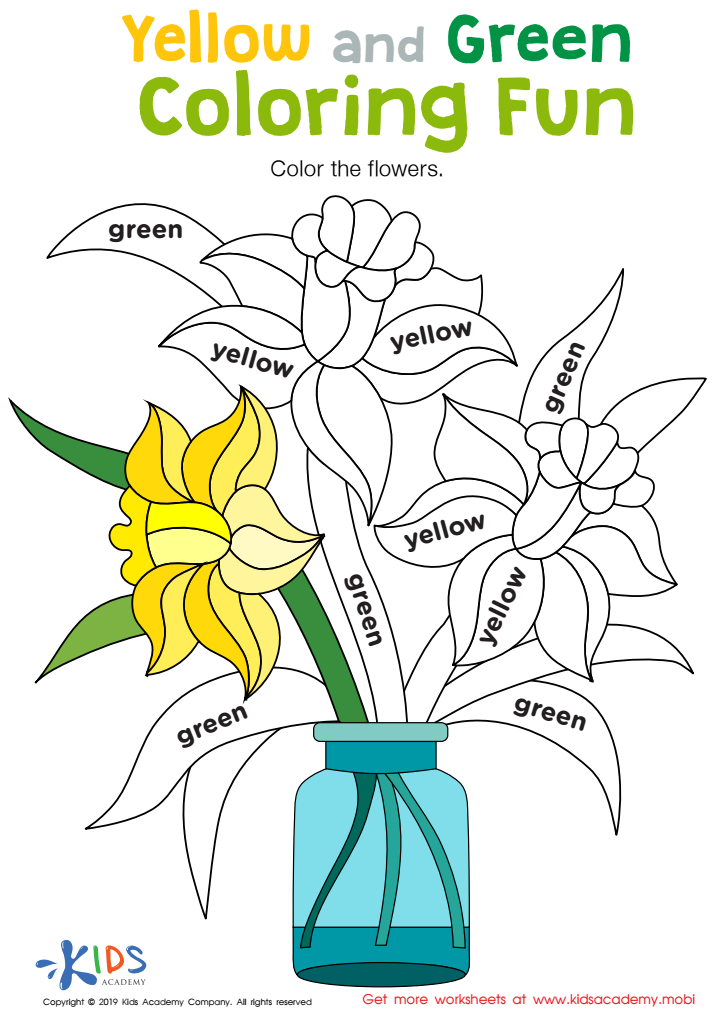
Yellow and Green Coloring Fun Worksheet
Assign to My Students
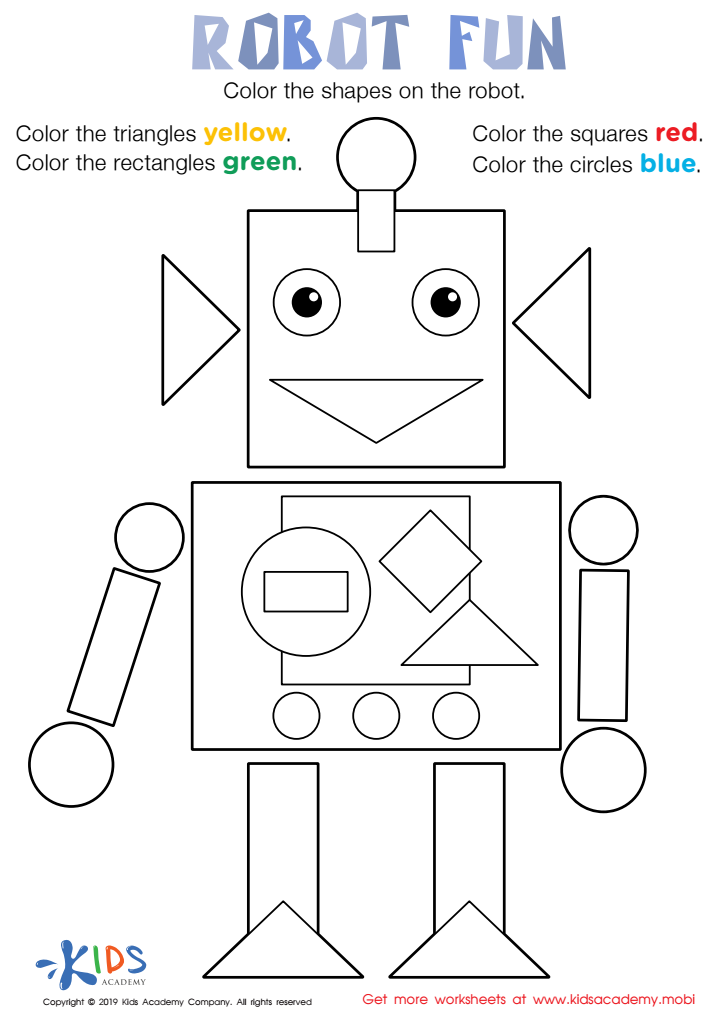
Robot Fun Worksheet
Assign to My Students
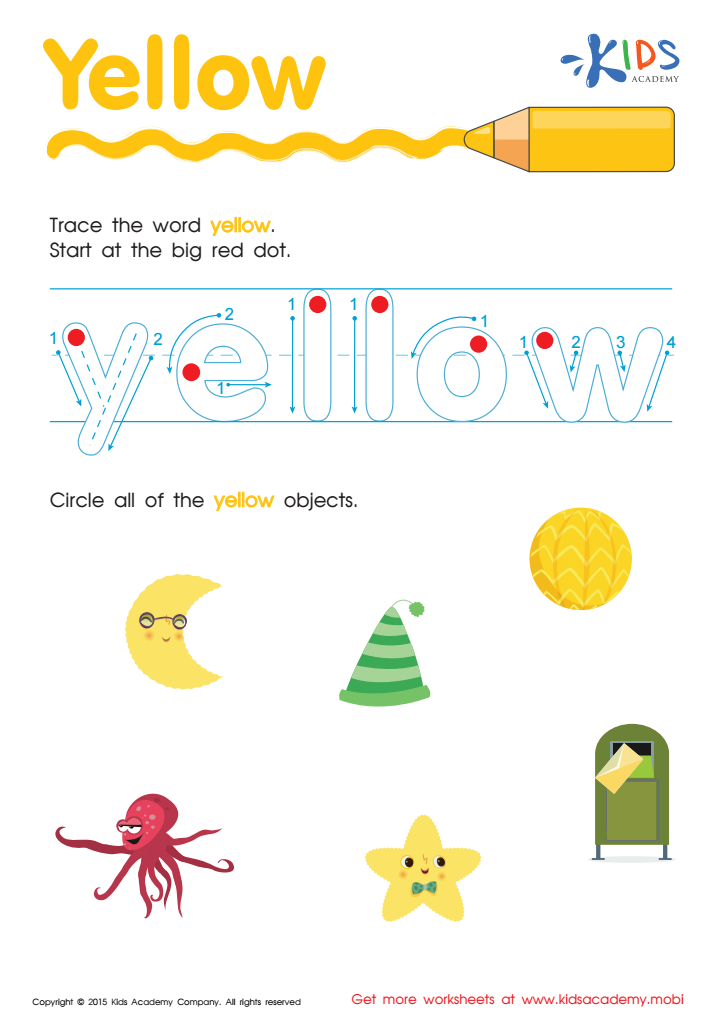
Yellow Tracing Color Words Worksheet
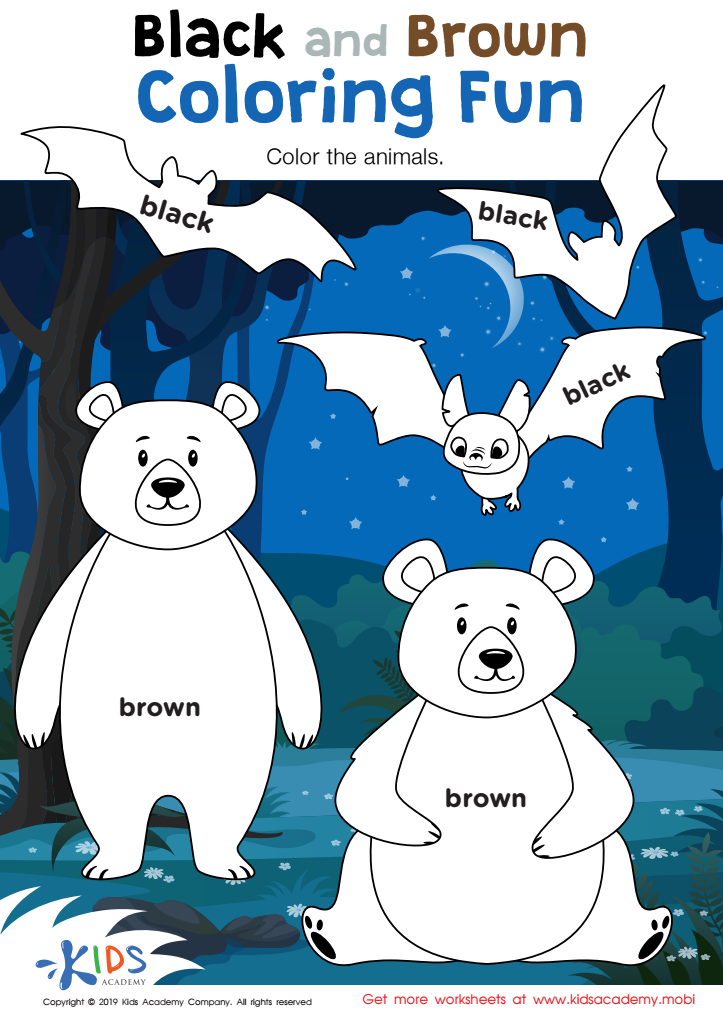
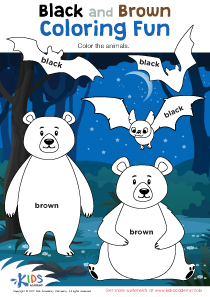
Black and Brown Coloring Fun Worksheet
Assign to My Students
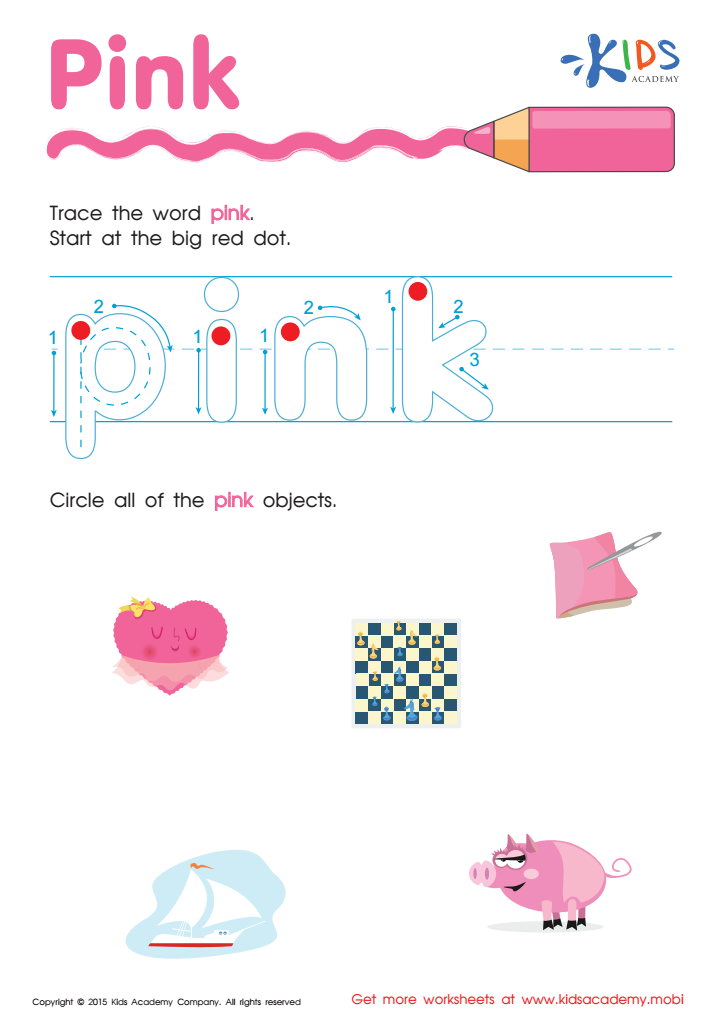
Pink Tracing Color Words Worksheet
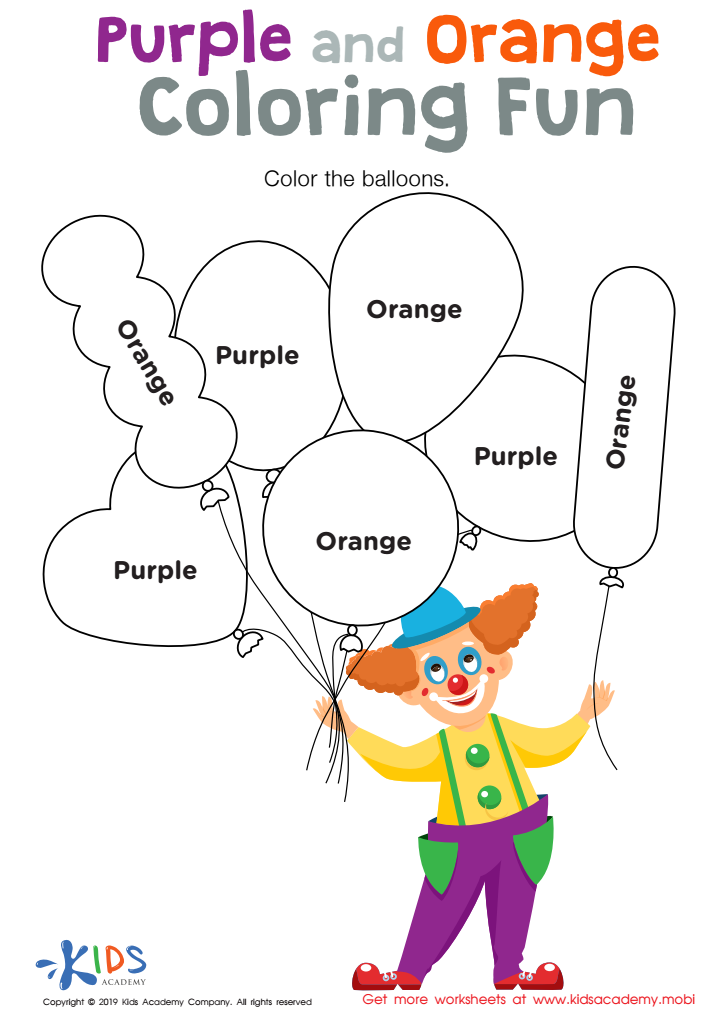
Purple and Orange Coloring Fun Worksheet
Assign to My Students
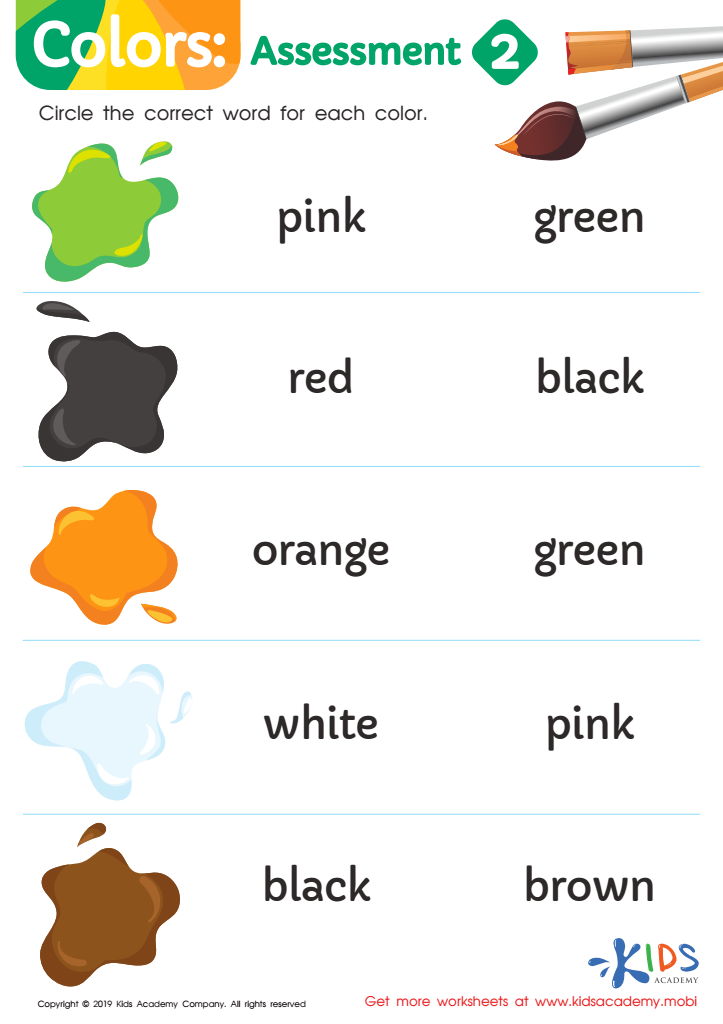
Colors: Assessment 2 Worksheet
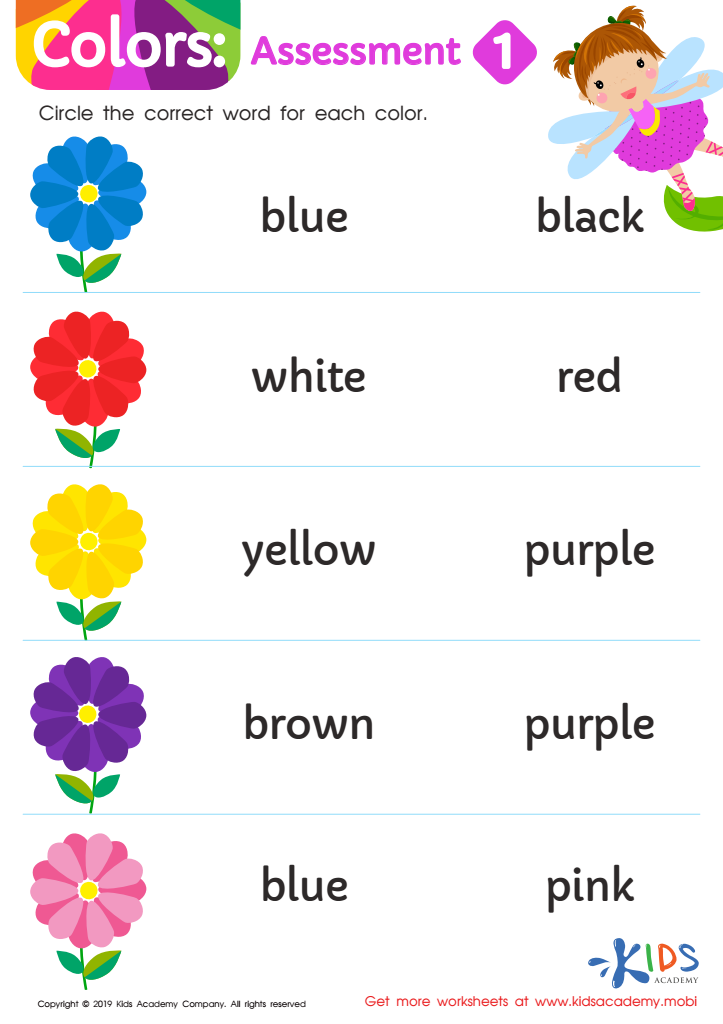
Colors: Assessment 1 Worksheet
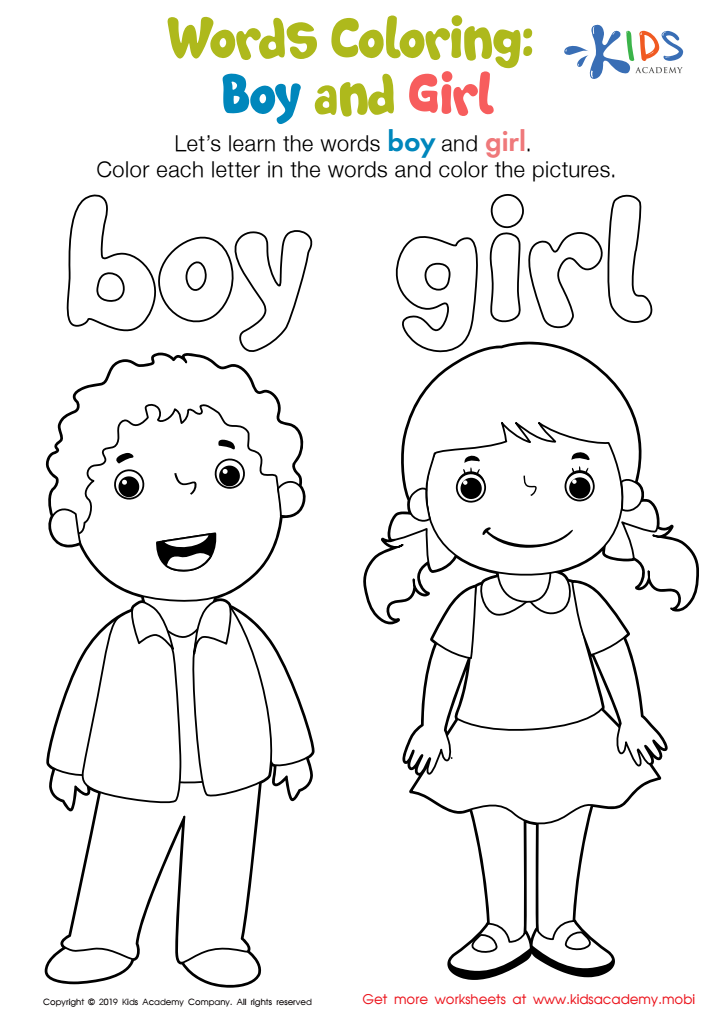
Boy and Girl Words Coloring Worksheet
Assign to My Students
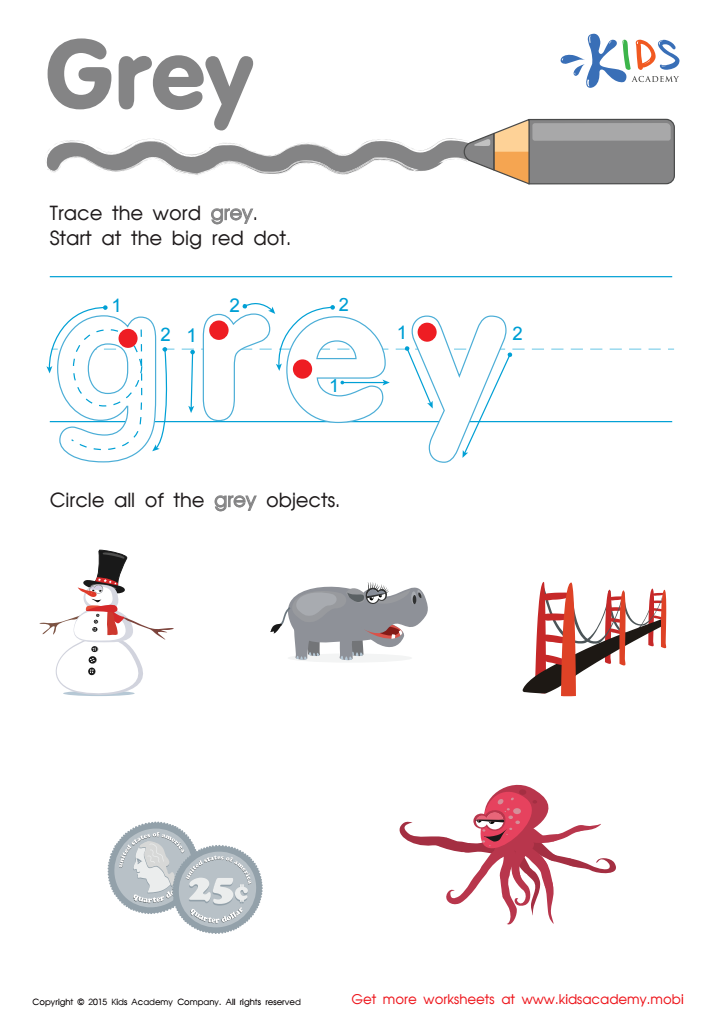
Grey Tracing Color Words Worksheet
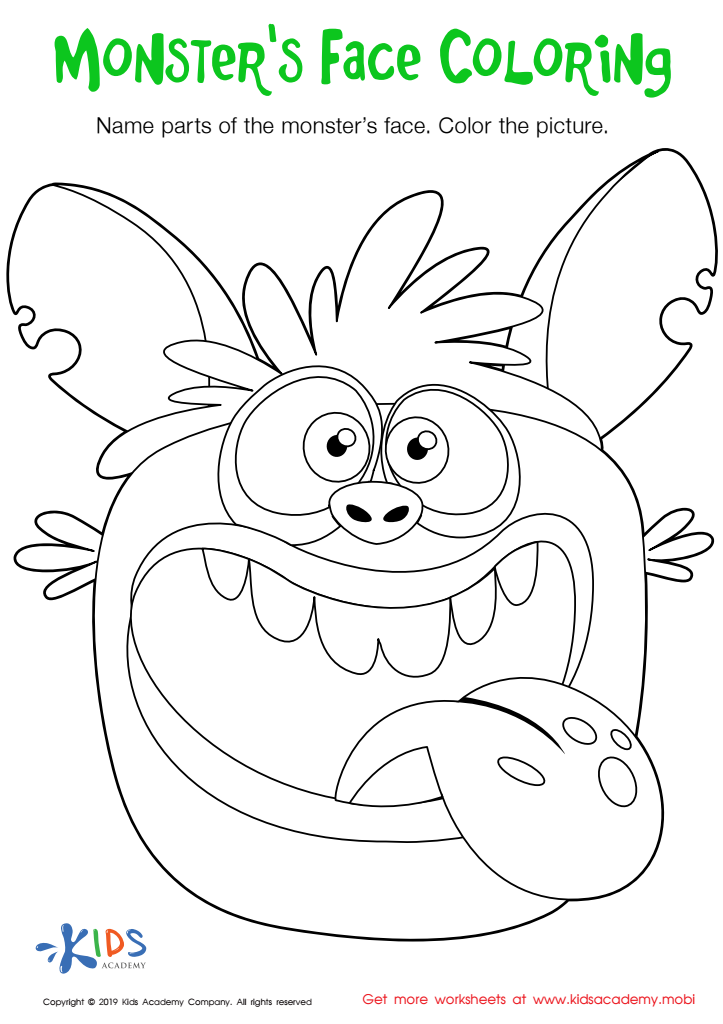
Monster's Face Coloring Worksheet
Assign to My Students
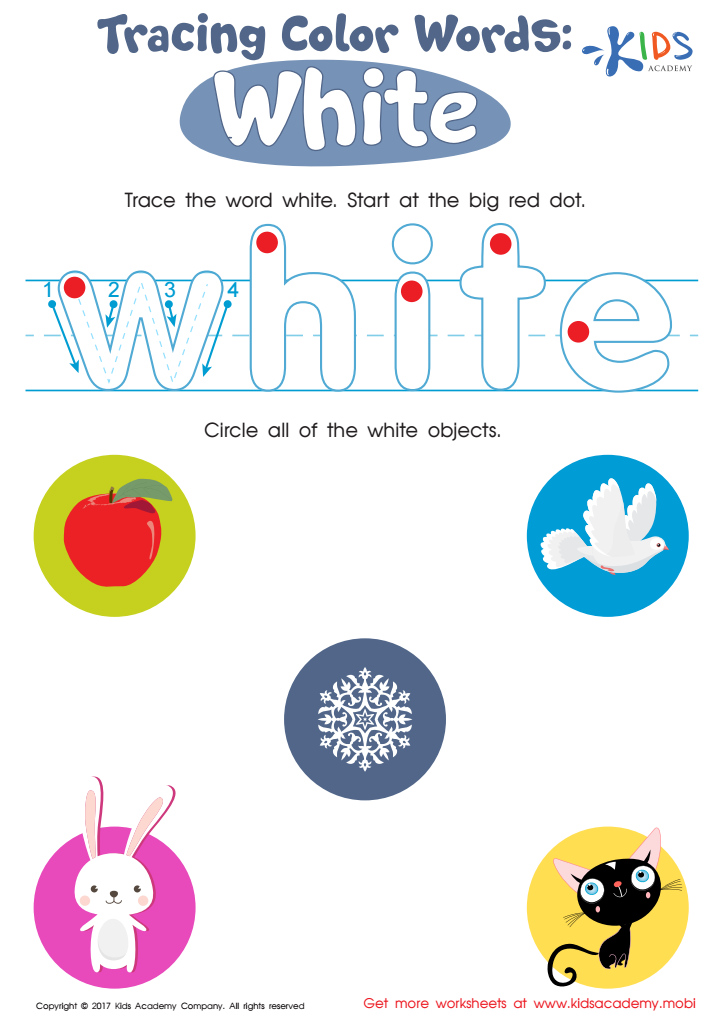
White Tracing Color Words Worksheet
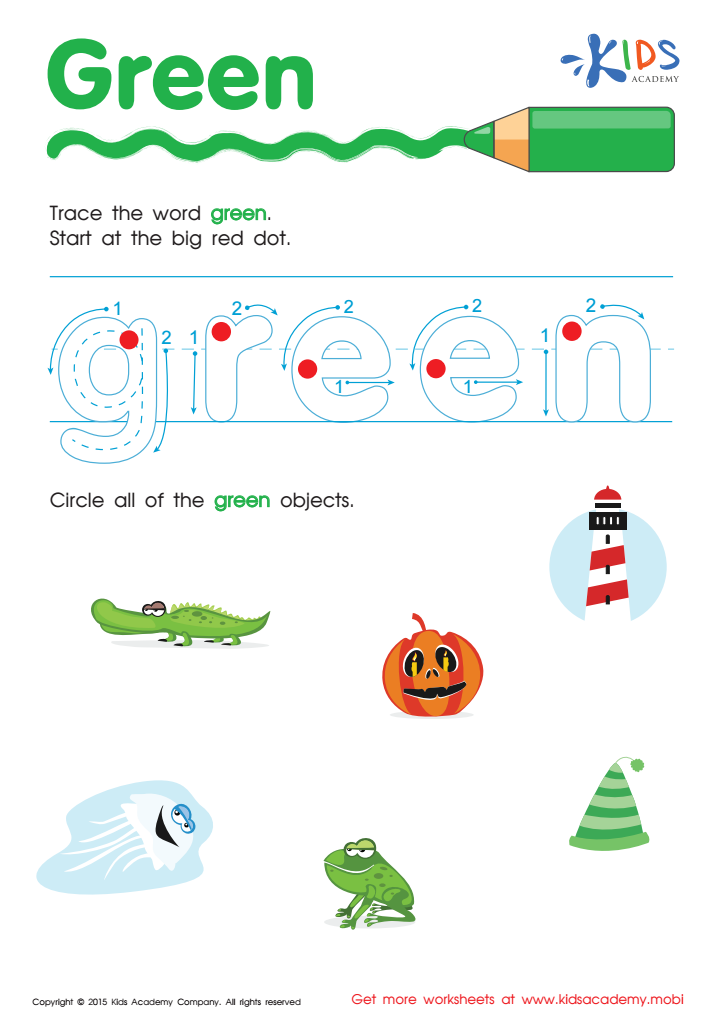
Green Tracing Color Words Worksheet
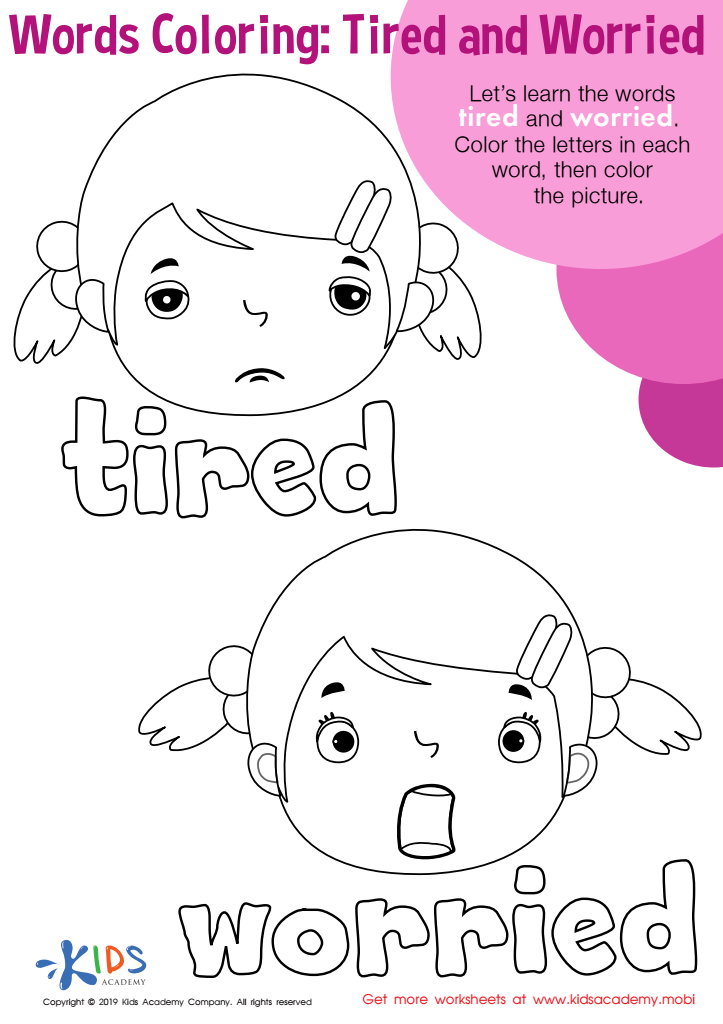
Tired and Worried Words Coloring Worksheet
Assign to My Students
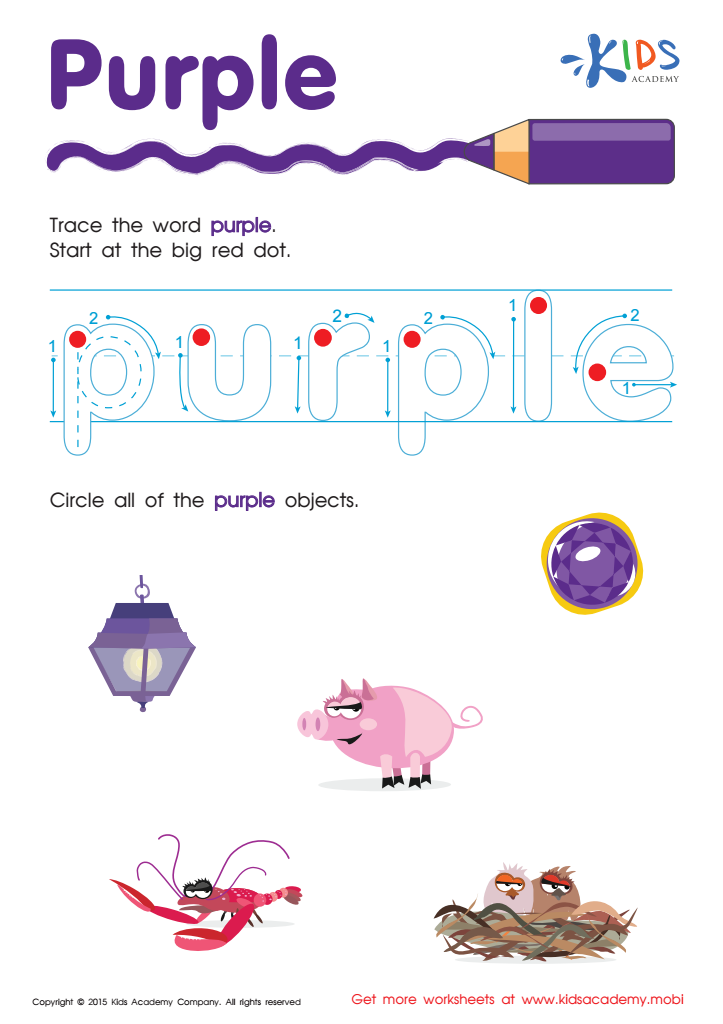
Purple Tracing Color Words Worksheet
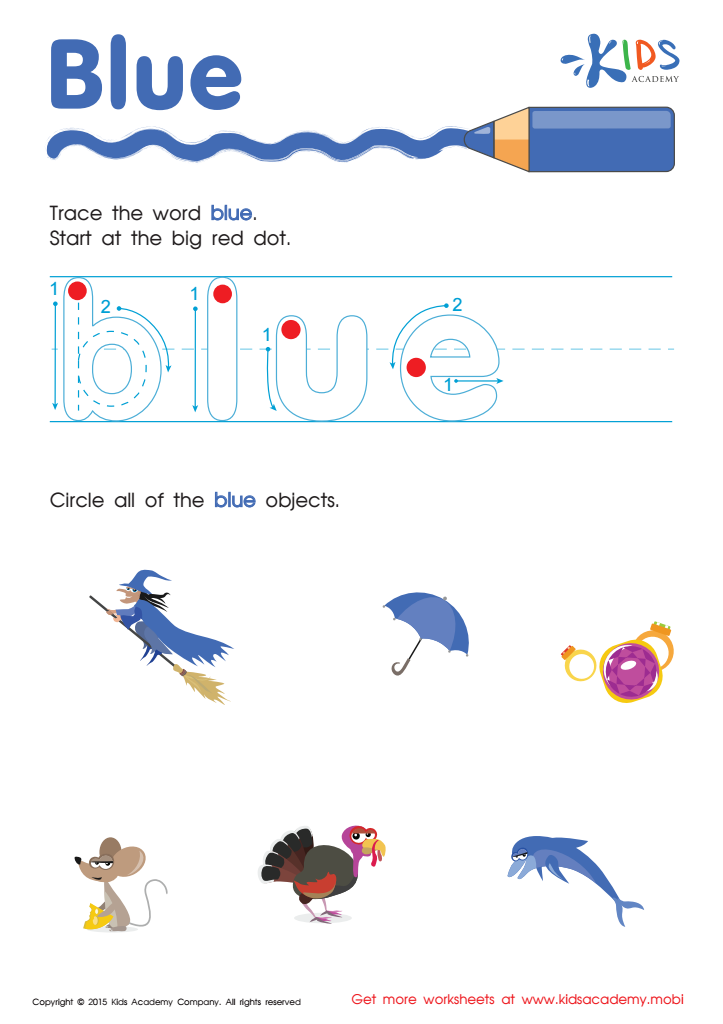
Blue Tracing Color Words Printable
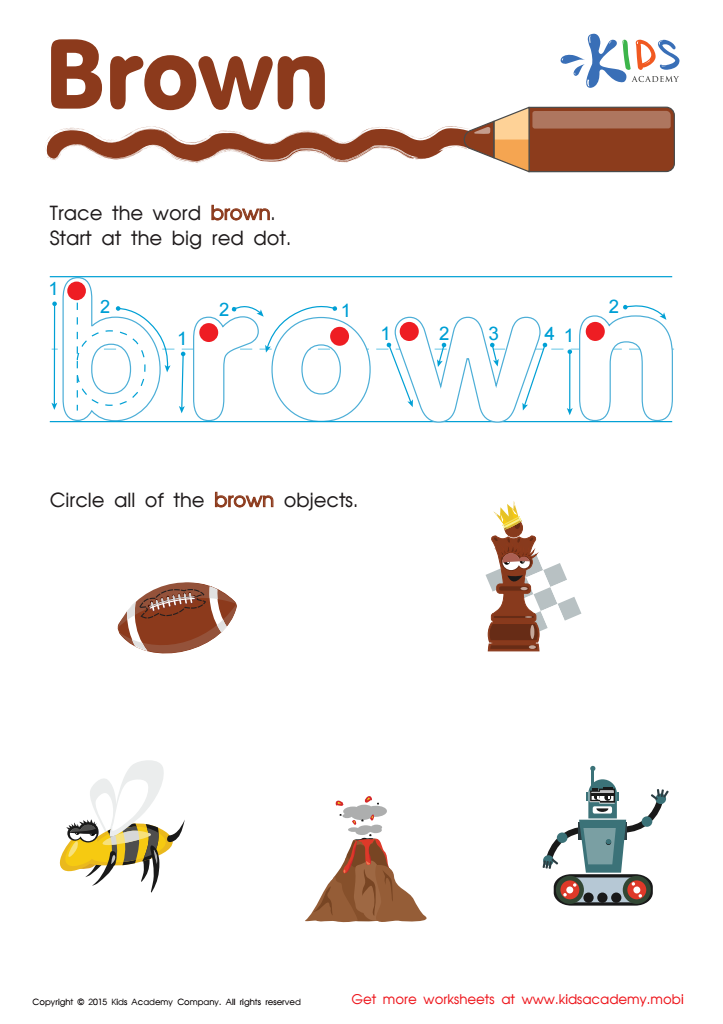
Brown Tracing Color Words Worksheet
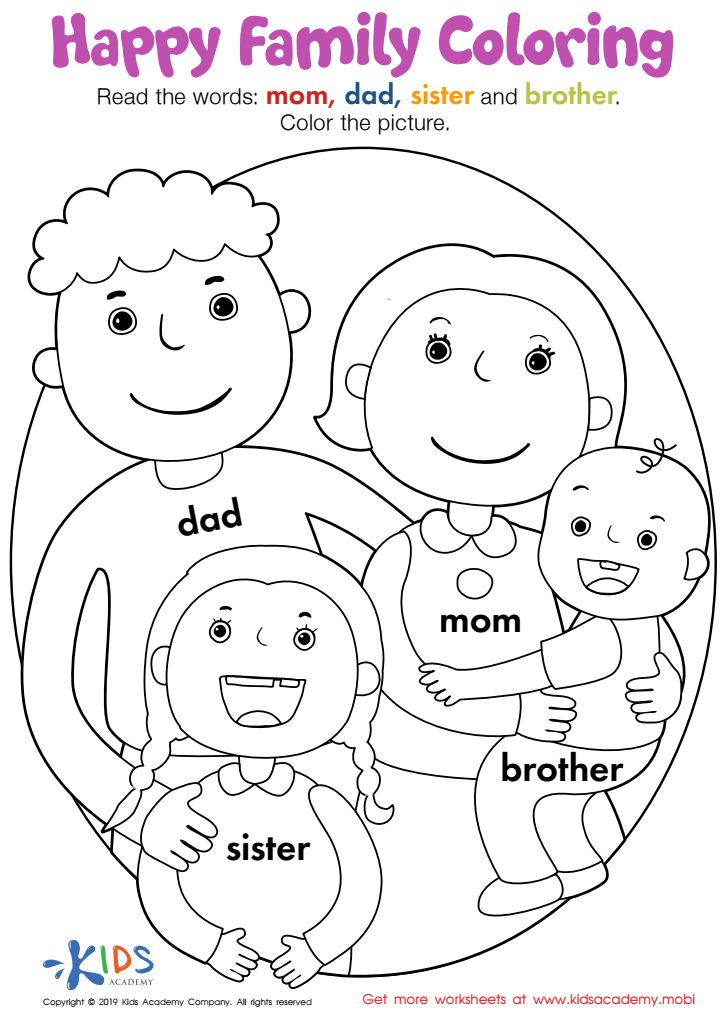
Happy Family Coloring Worksheet
Assign to My Students
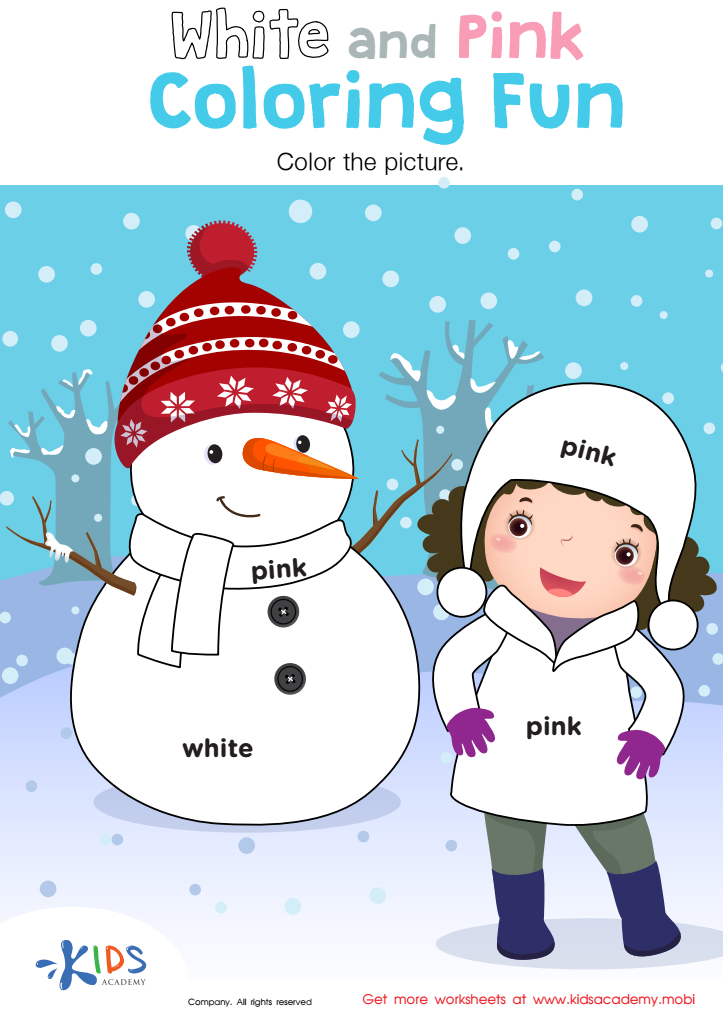
White and Pink Coloring Fun Worksheet
Assign to My Students
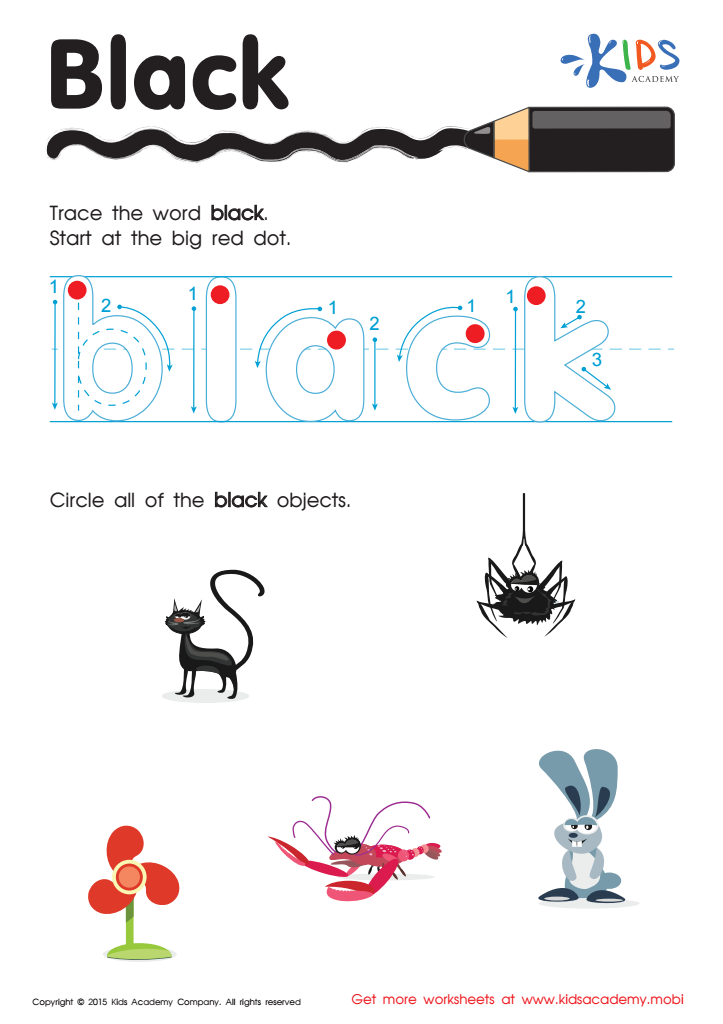
Black Tracing Color Words Printable





Color recognition is a fundamental skill for young learners aged 5-8 and lays the groundwork for various developmental areas. For parents and teachers, fostering color recognition transcends just identifying hues; it enhances cognitive, language, and social skills.
First, color recognition aids in cognitive development. Associating colors with objects helps improve memory and observation skills, fostering critical thinking. Additionally, children learn to categorize and classify items, which enriches their understanding of the world.
Second, language development is significantly supported through color recognition. Introducing color vocabulary helps children express themselves more clearly and encourages communication. For instance, when they talk about their favorite colors or describe objects, they're honing both their speaking and listening skills.
Moreover, color activities promote social skills. Group tasks like art projects help children learn teamwork, sharing, and respectful communication, enriching their interpersonal abilities.
Finally, understanding colors also has real-world applications, from following directions (e.g., “Find the red toy”) to making choices in art and fashion. By equipping young learners with color recognition skills, parents and teachers not only fuel academic readiness but also prepare them for everyday interactions, making it a crucial area of focus in early education.