Counting skills English for Beginners Worksheets for Ages 5-8
10 filtered results
-
From - To
Enhance your child’s numeracy and language proficiency with our "Counting Skills English for Beginners Worksheets" tailored for ages 5-8. Our engaging printables combine essential counting exercises with English language practice, making learning fun and effective. Perfect for young ESL learners, each worksheet is designed to build foundational math skills alongside vocabulary and sentence structure. Foster a love for numbers while boosting your child’s confidence in English. Ideal for both classroom use and at-home learning, these resources will spark curiosity and encourage academic growth. Visit Kids Academy now to download and jumpstart your child’s educational journey!
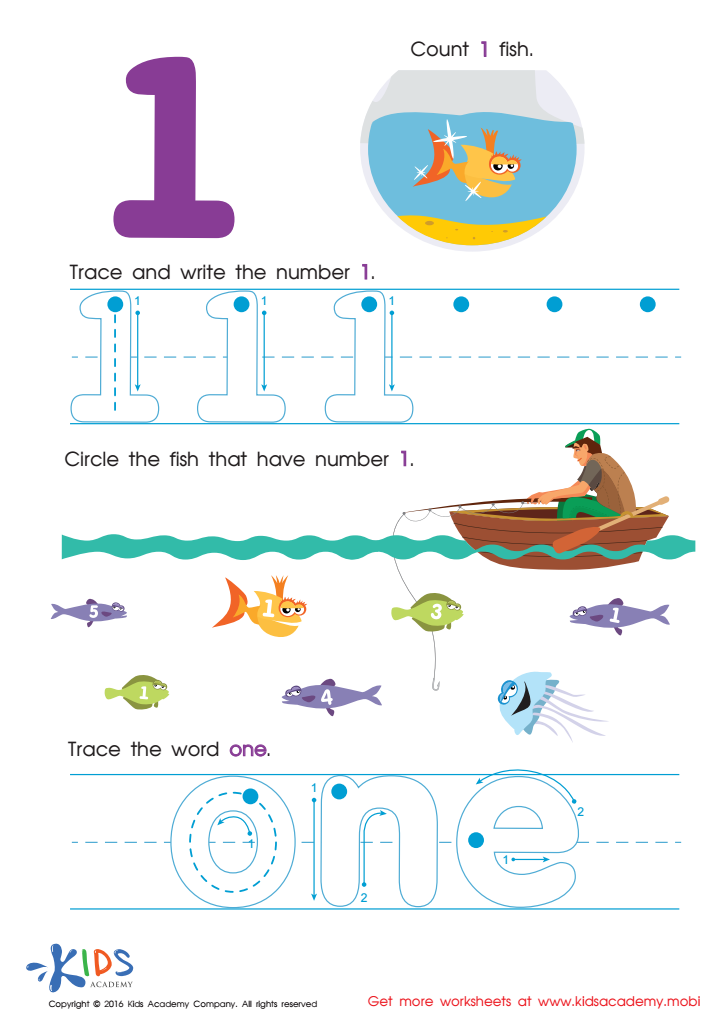
Learning to Write 1 Worksheet
 Assign to My Students
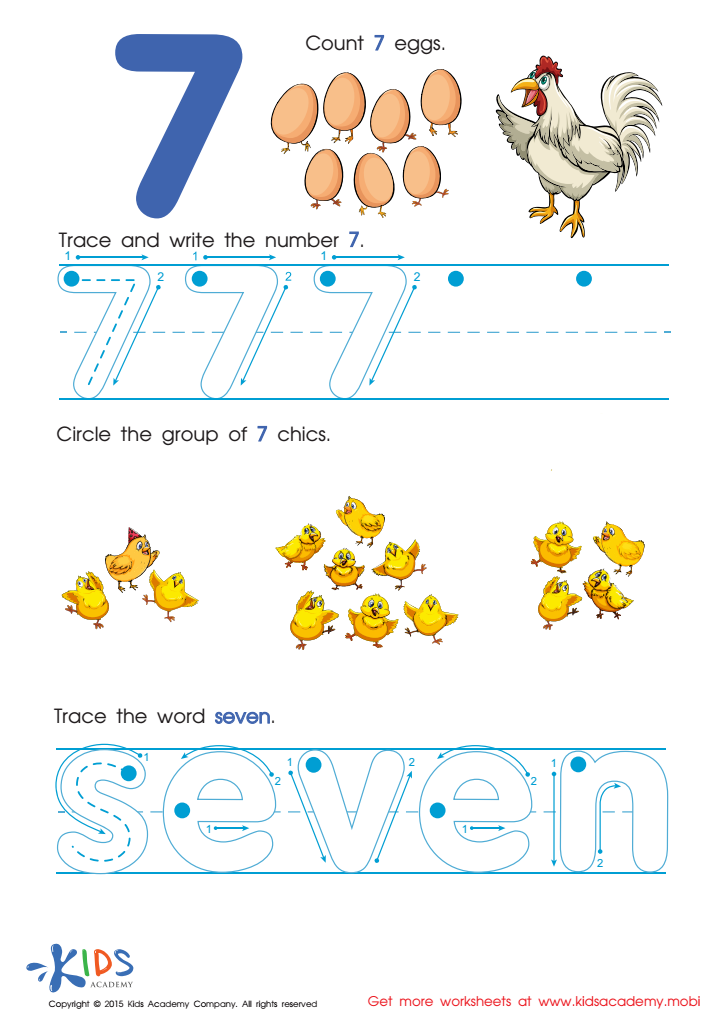
Trace And Write Number 7 with Fun Worksheet
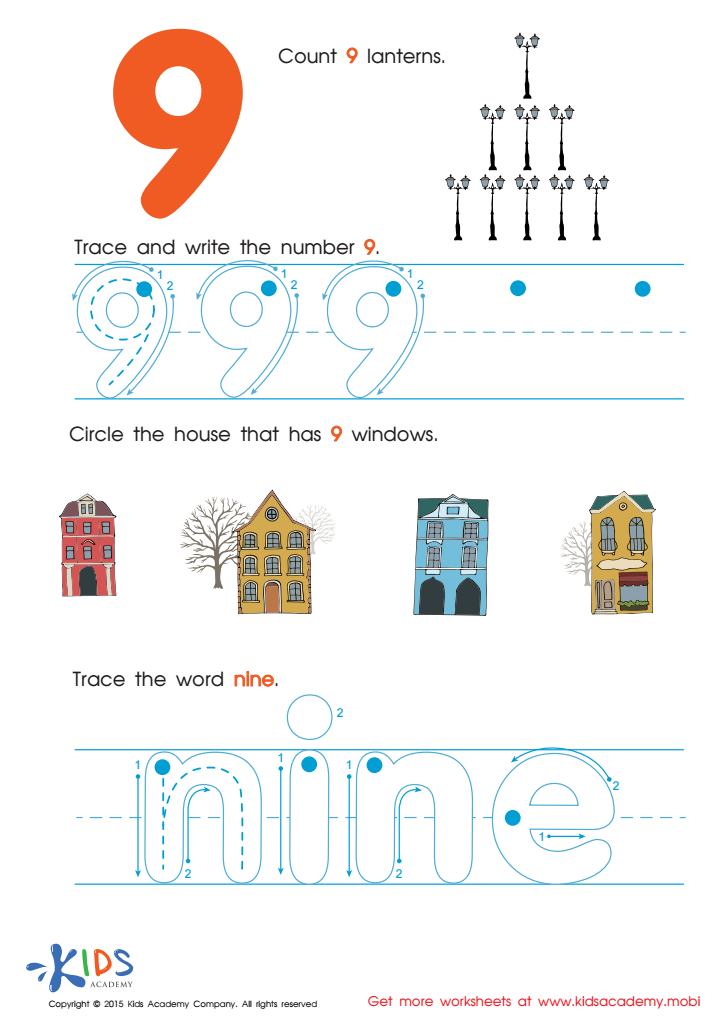
Tracing And Learning to Write Number 9 Worksheet
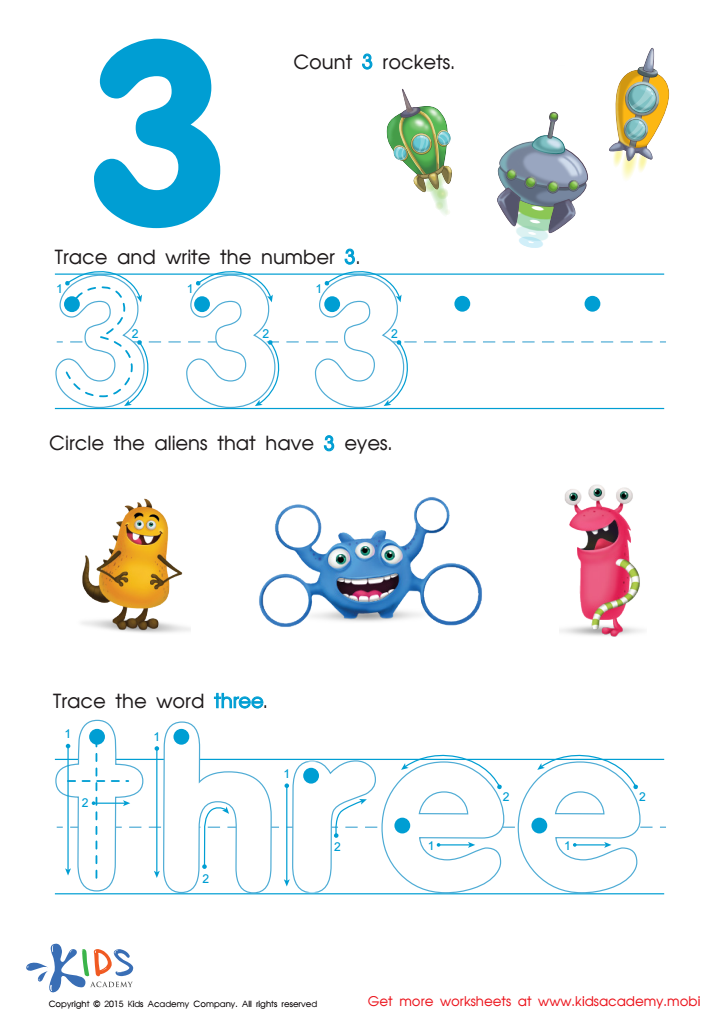
Learning Number Three Worksheet
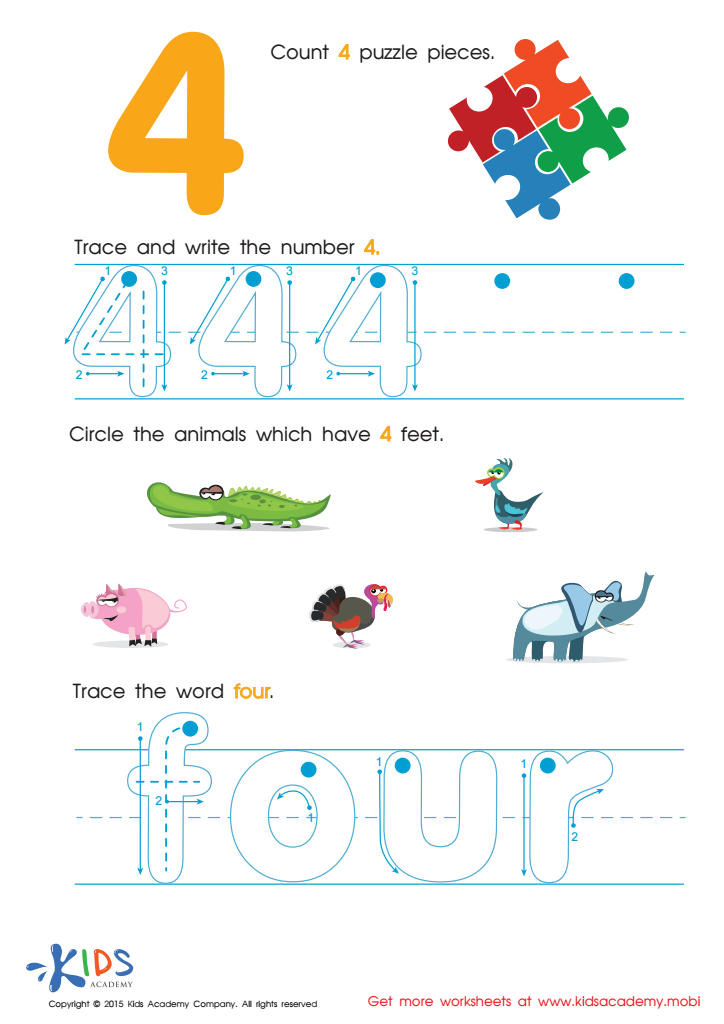
Teaching Children to Write Number 4 Worksheet
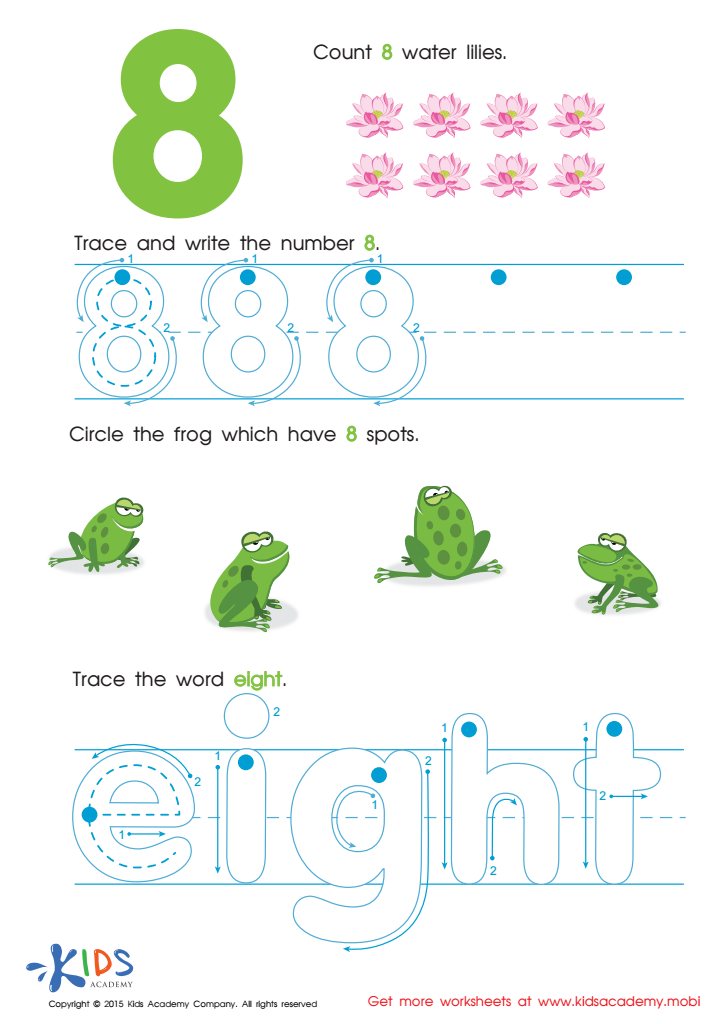
Learn Number 8 Easily Worksheet
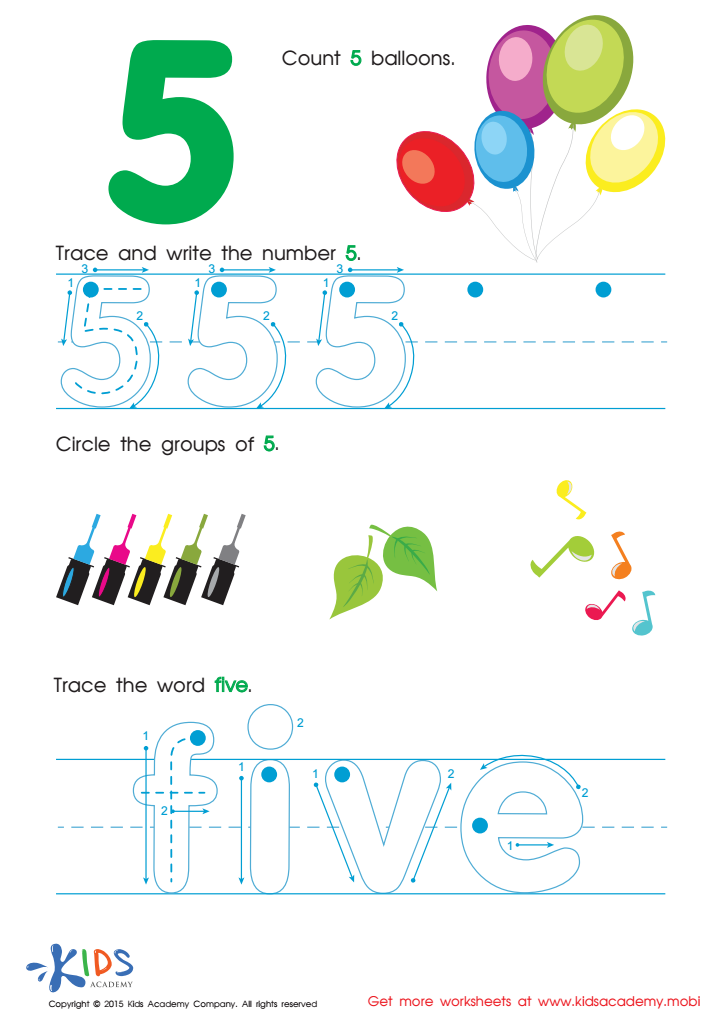
Practice Writing Number 5 Worksheet
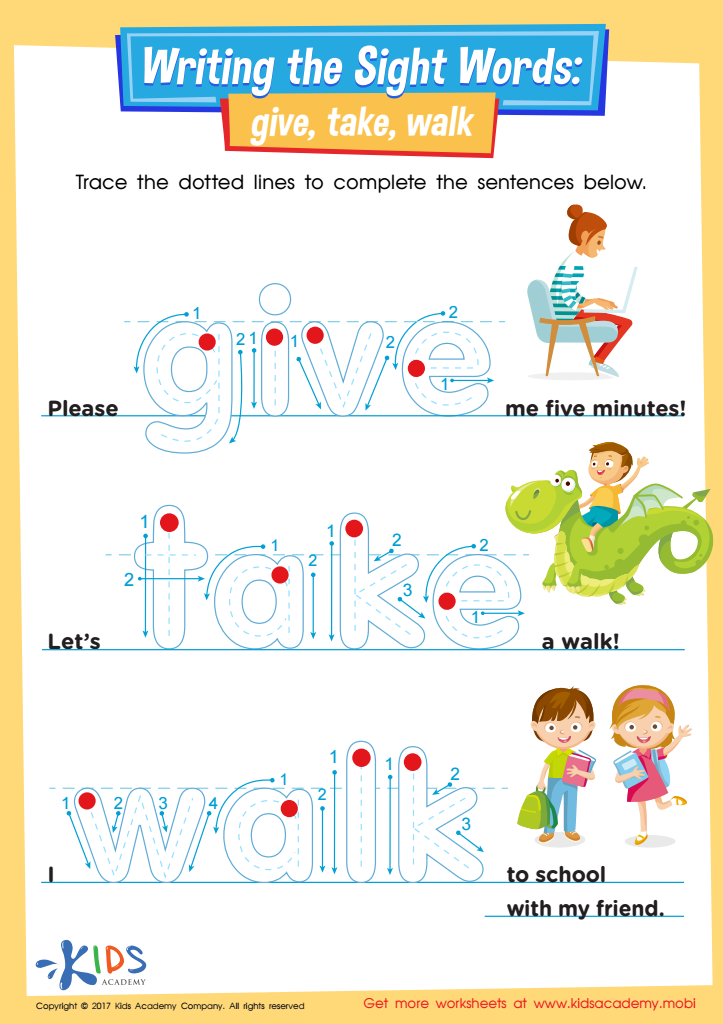
Give, Take, Walk Printable Sight Words Worksheet
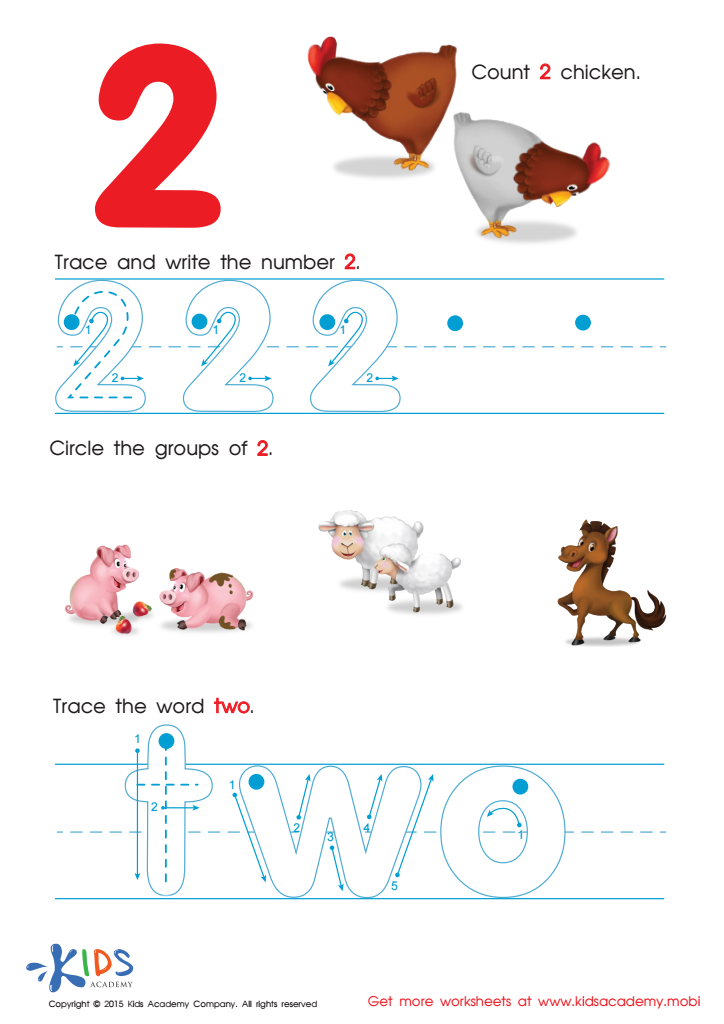
Learn to Write the Number 2 Worksheet
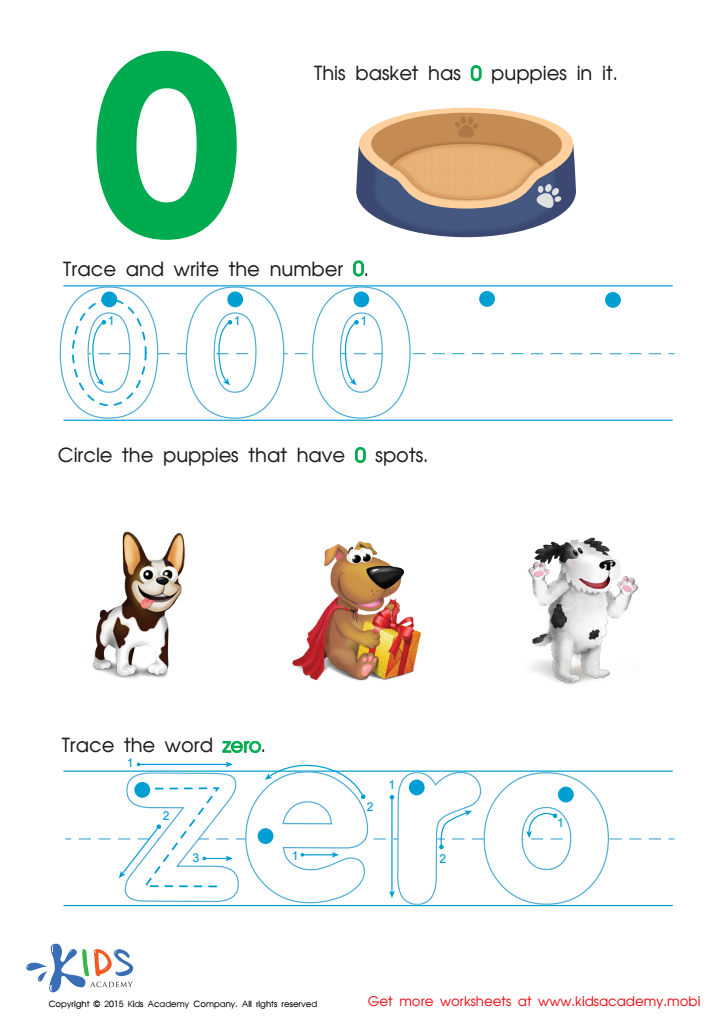
Trace And Write Number 0 Worksheet





Counting skills in early childhood are crucial as they lay the foundational groundwork for future mathematical understanding and cognitive development. At the ages of 5-8, children are in a critical period for cognitive growth and learning basic counting skills teach them more than just numbers; they foster critical thinking, problem-solving, and observational skills. For instance, counting involves recognizing numbers, understanding their sequence, and correlating them to tangible quantities, which are fundamental concepts in math.
Beyond math, counting skills help enhance language development. Engaging in counting games and activities enriches a child's vocabulary and strengthens their ability to follow instructions. Simple counting exercises, such as counting objects, days, or steps, link language with quantitative understanding, which can improve literacy skills.
Furthermore, early counting practice promotes confidence and independence. When children successfully count on their own, they gain a sense of accomplishment that encourages a positive attitude towards learning. This foundation creates a smoother transition when they encounter more complex math and critical thinking tasks later in their academic journey.
Therefore, both parents and teachers should care about counting skills as these abilities support broader educational outcomes, nurture intellectual curiosity, and lay the groundwork for lifelong learning and academic success.