Number Recognition English for Beginners Worksheets for Ages 5-8
13 filtered results
-
From - To
Enhance your child's numerical literacy with our engaging Number Recognition English for Beginners Worksheets, tailored for ages 5-8. Designed to captivate young learners, these worksheets seamlessly integrate fun with education. Each activity is crafted to help children identify, count, and write numbers while simultaneously building their English language skills. The colorful designs, interactive exercises, and age-appropriate challenges ensure an enjoyable learning experience. Perfect for classrooms or at-home practice, our worksheets support the development of foundational math abilities alongside English proficiency. Spark your child’s passion for learning with our user-friendly and educational resources today!
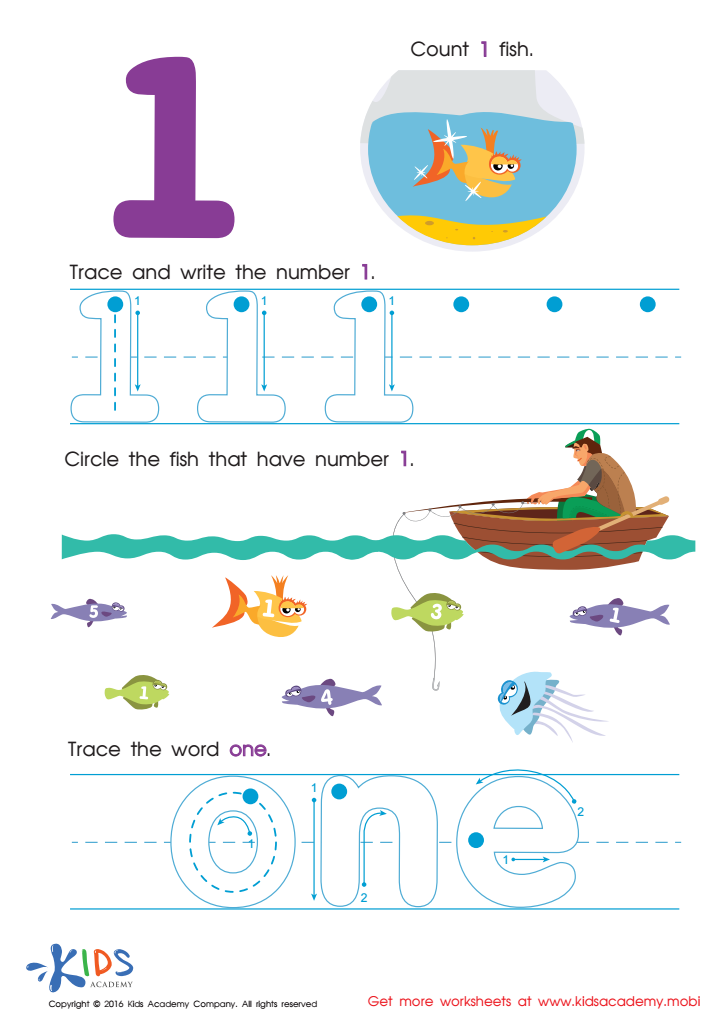
Learning to Write 1 Worksheet
 Assign to My Students
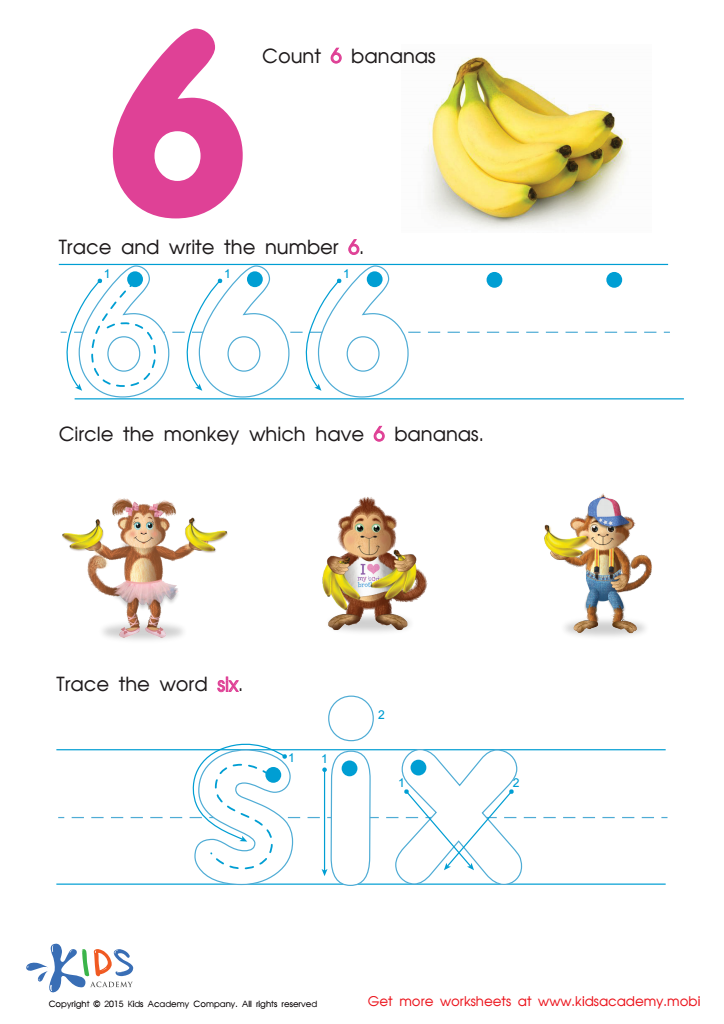
Tracing And Writing Number 6 Worksheet
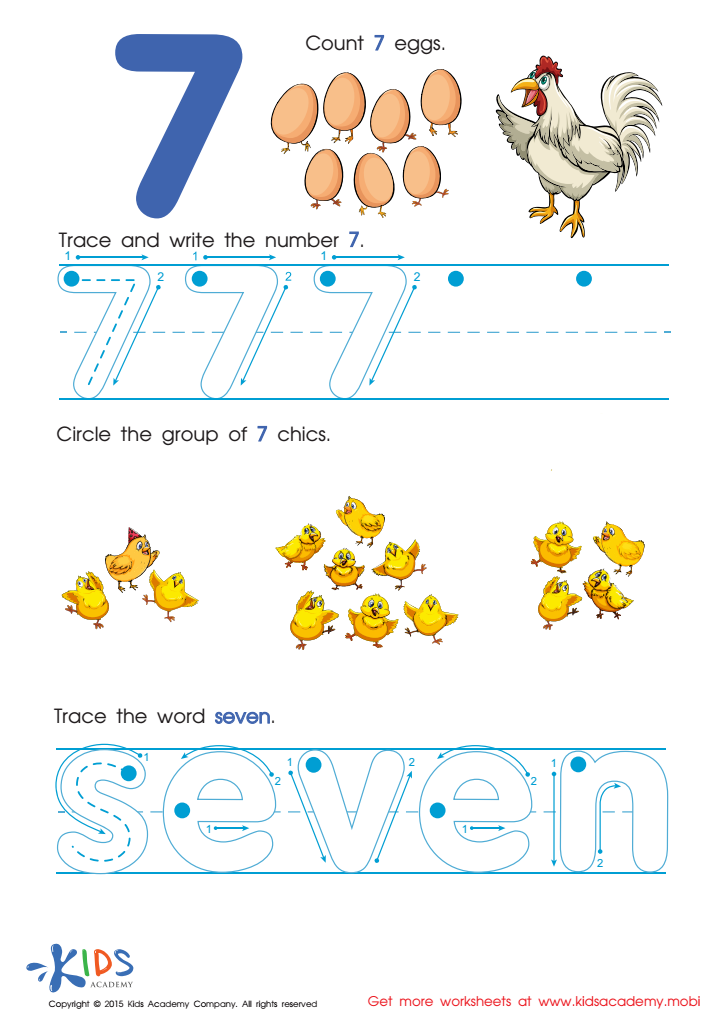
Trace And Write Number 7 with Fun Worksheet
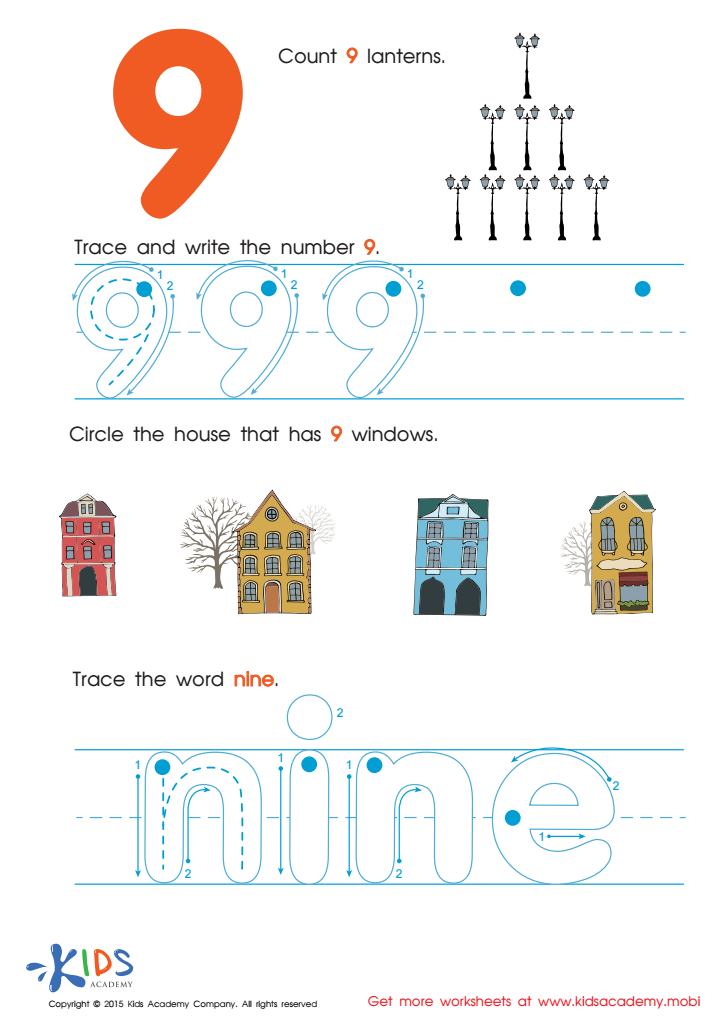
Tracing And Learning to Write Number 9 Worksheet
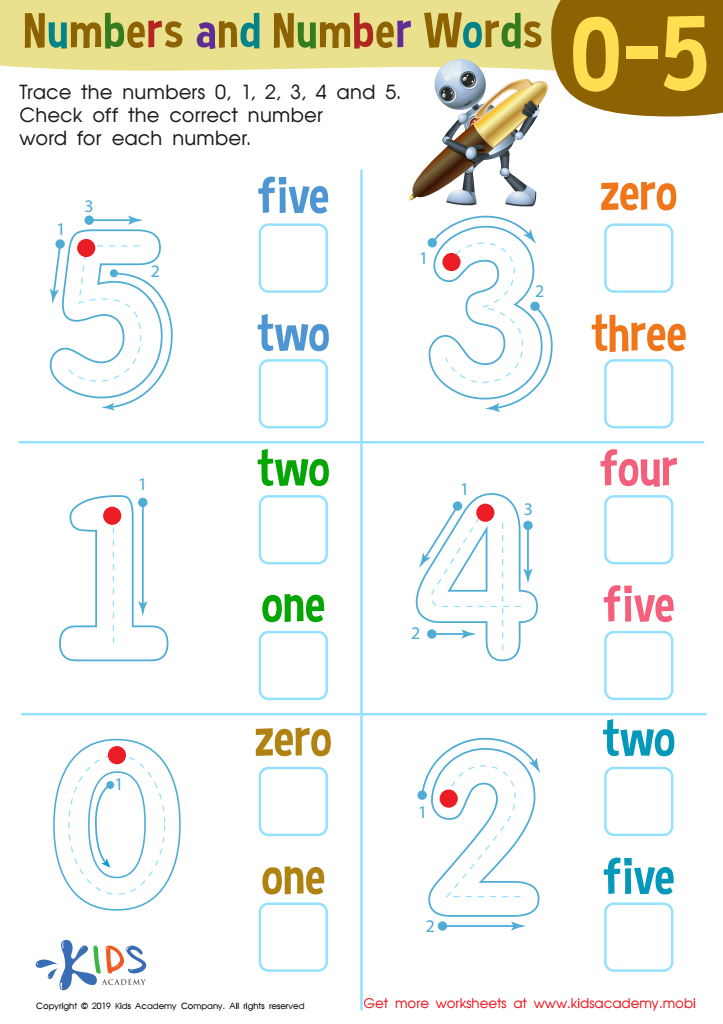
Numbers and Number Words Worksheet
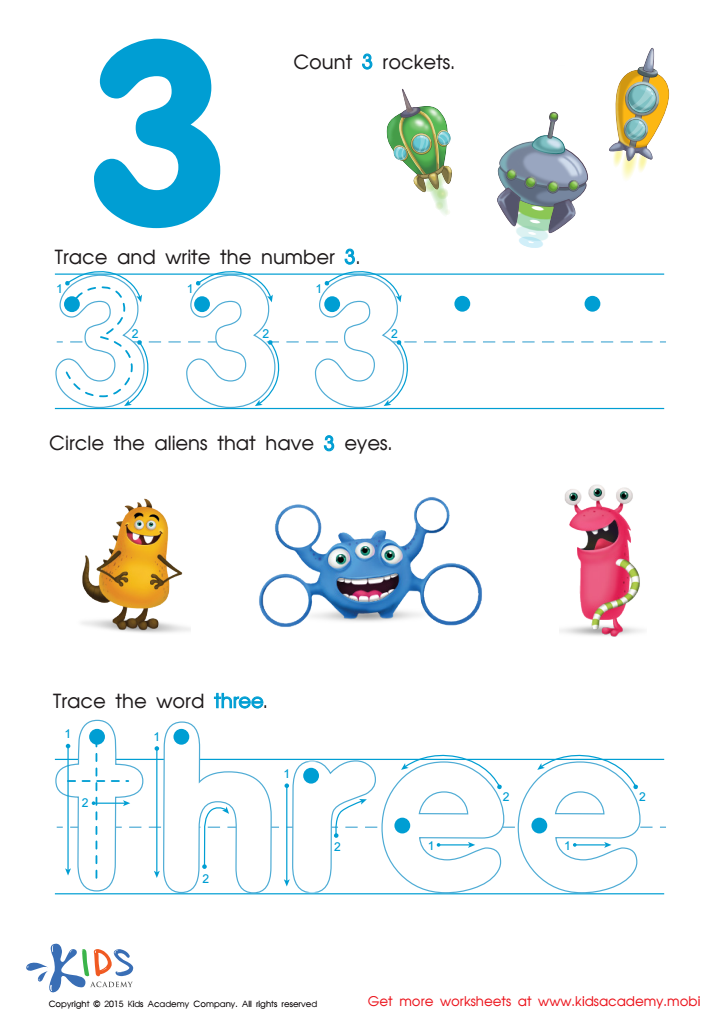
Learning Number Three Worksheet
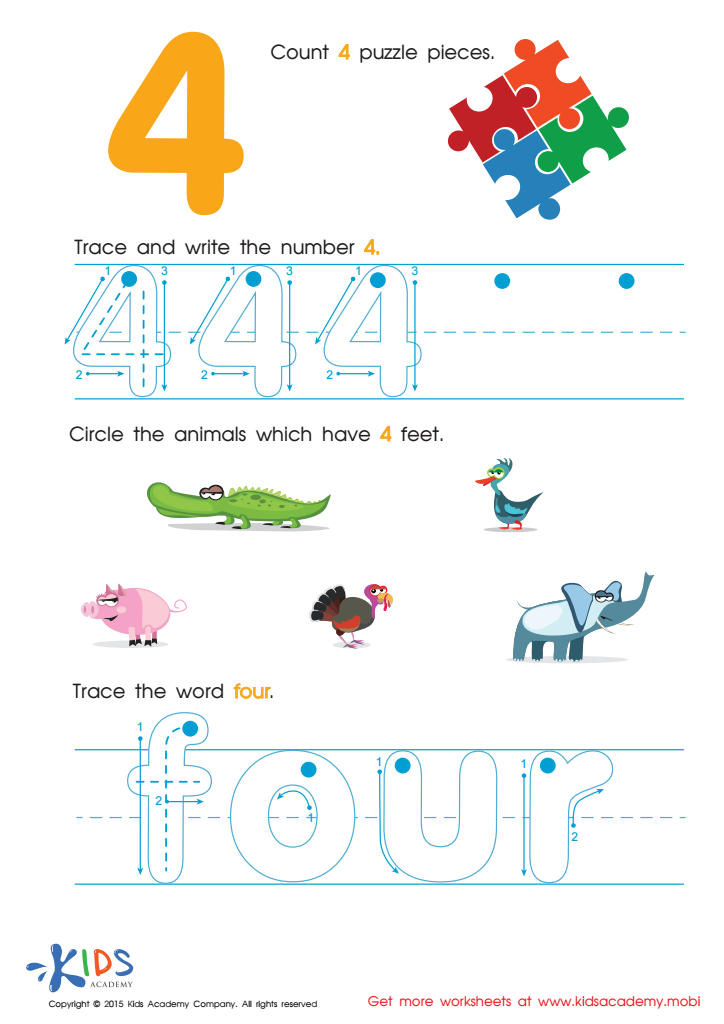
Teaching Children to Write Number 4 Worksheet
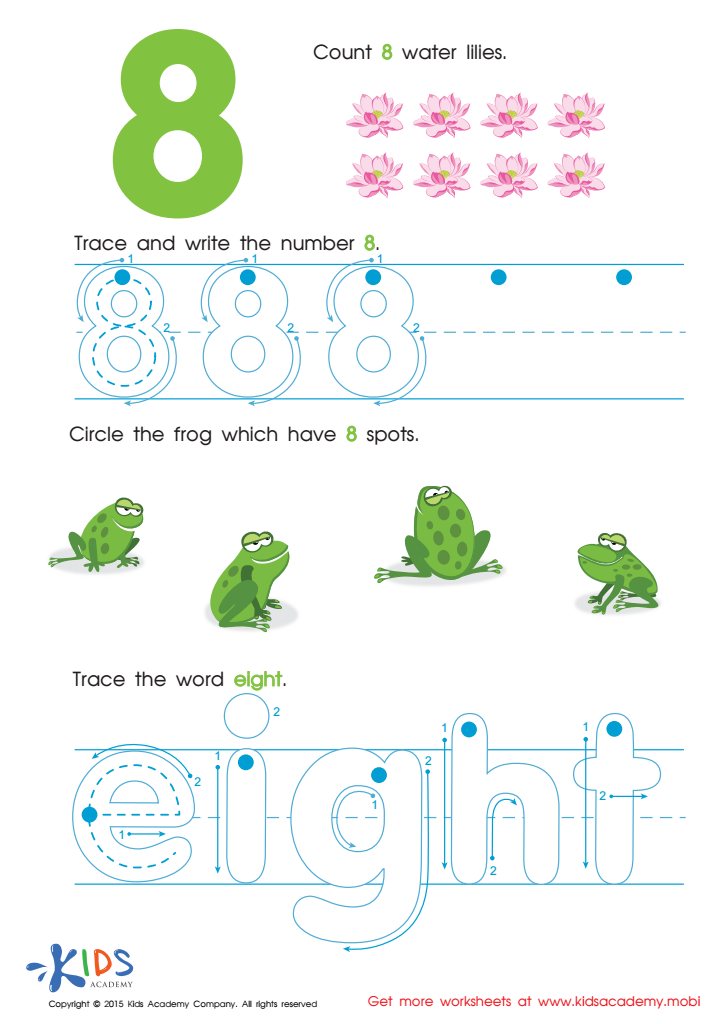
Learn Number 8 Easily Worksheet
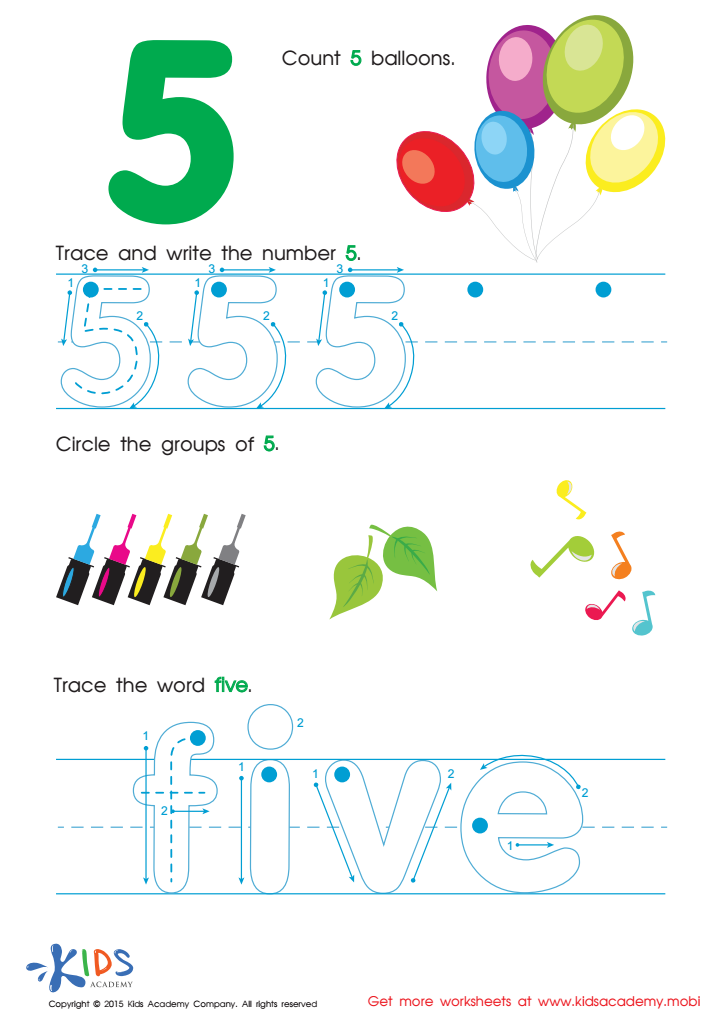
Practice Writing Number 5 Worksheet
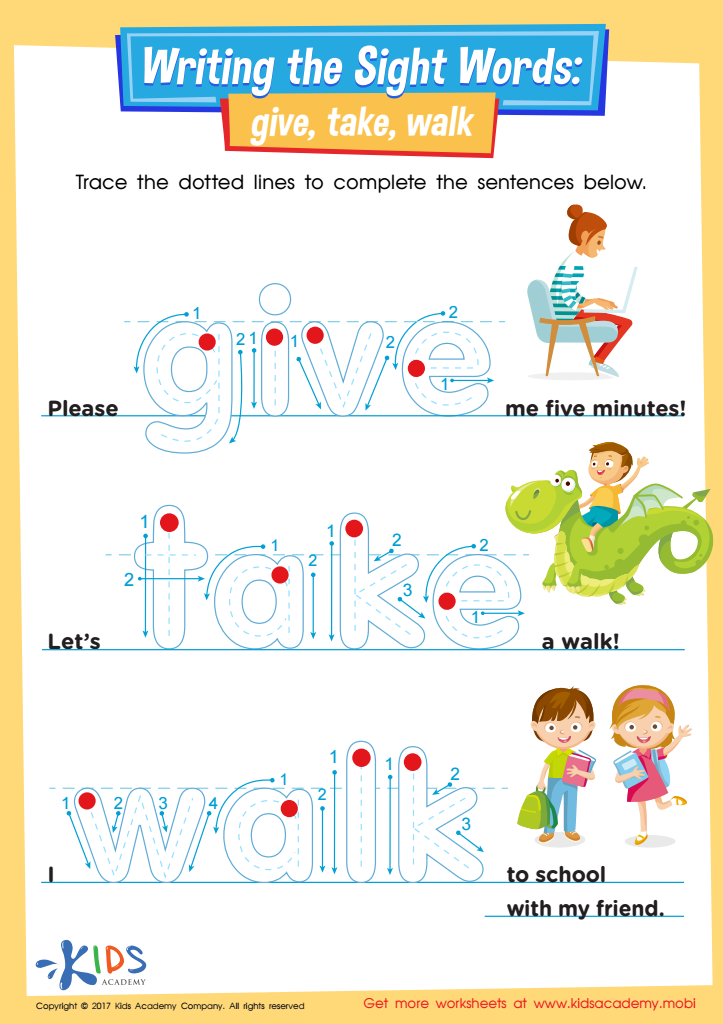
Give, Take, Walk Printable Sight Words Worksheet
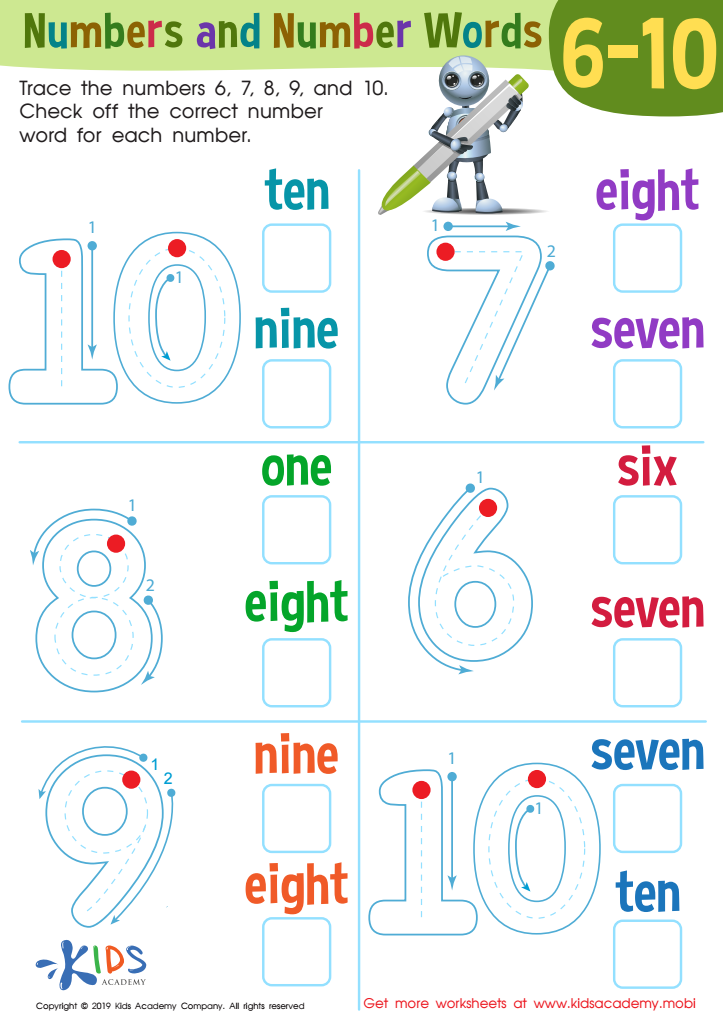
Numbers and Number Words 6–1 Worksheet
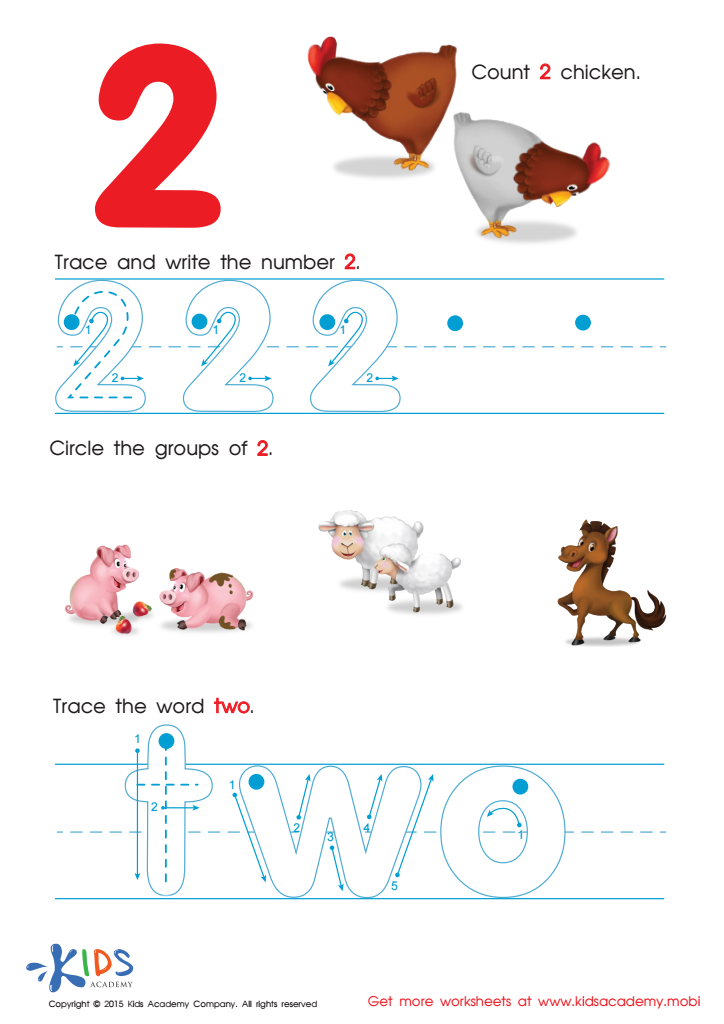
Learn to Write the Number 2 Worksheet
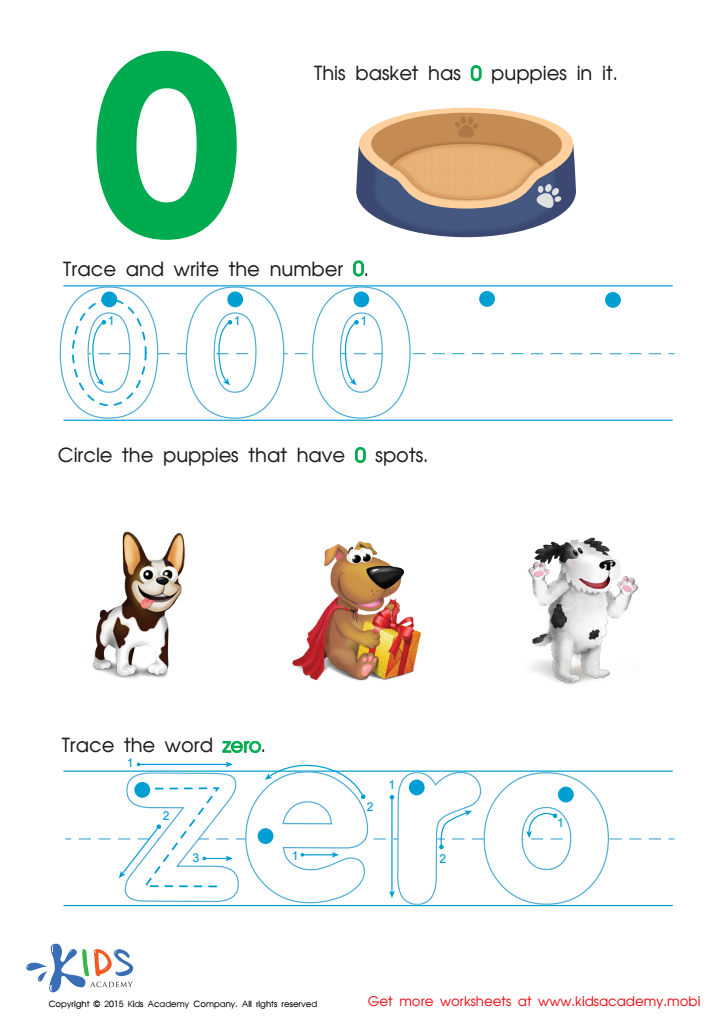
Trace And Write Number 0 Worksheet





Number recognition in early childhood education is foundational, impacting a child's ability to progress academically in numerous ways. For children aged 5-8, developing the ability to recognize numbers is not merely about memorizing digits, but also about comprehending the basic principles of mathematics. Parents and teachers should prioritize number recognition because it fosters cognitive development, aiding kids in logical thought and problem-solving. This skill is a gateway to mathematical operations like addition, subtraction, multiplication, and division, which are critical for more advanced concepts they will encounter later.
Furthermore, improving number recognition translates into better academic performance overall. When children can easily identify numbers and understand their value, it enhances their competence and confidence, creating a positive attitude towards learning and academic challenges.
Parents and teachers should employ engaging and interactive techniques, such as using visuals, hands-on activities, and digital tools to make number learning enjoyable and effective. This proactive approach not only caters to varied learning styles but also builds a robust mathematical foundation. Nurturing number recognition from a young age establishes essential life skills, preparing kids for future academic endeavors and everyday tasks that require numerical understanding, like telling time and managing money.