Analytical thinking Worksheets for Ages 5-8
17 filtered results
-
From - To
Boost your child's problem-solving skills with our Analytical Thinking Worksheets designed for ages 5-8. These engaging worksheets enhance critical thinking, fostering an early love for learning through fun puzzles and activities. Carefully crafted by experts, each worksheet guides young minds to observe, analyze, and draw conclusions, empowering them to develop essential cognitive skills. Ideal for parents and educators, our printables ensure children embark on an educational adventure, nurturing logical reasoning from an early age. Dive into a world of discovery and growth with our Analytical Thinking Worksheets – where each challenge strengthens your child's analytical endowment.
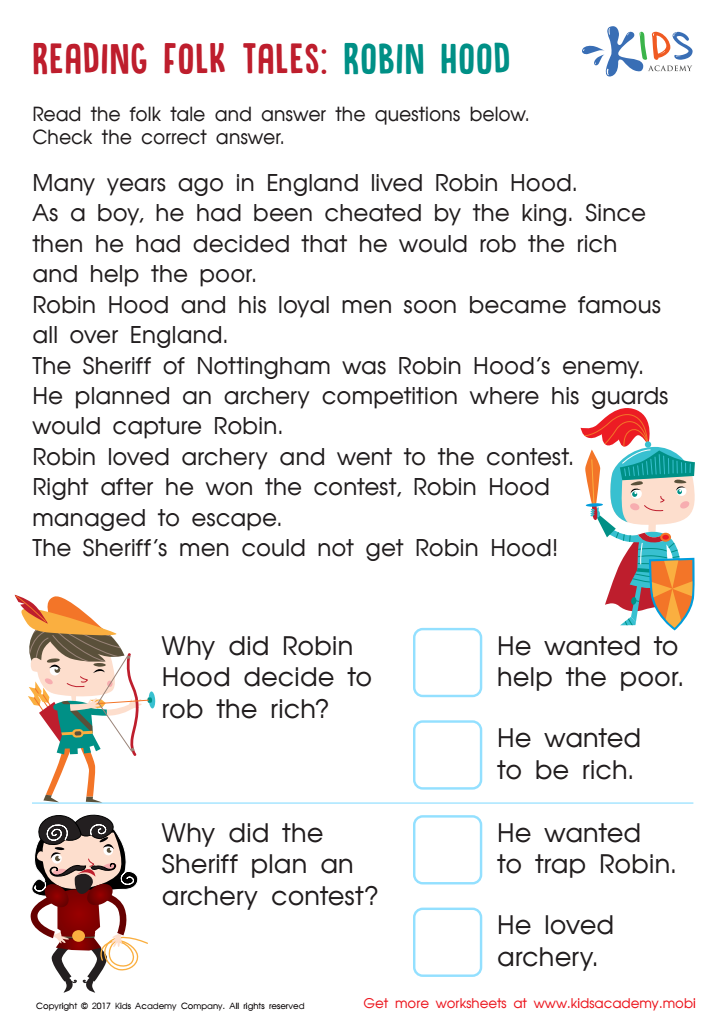
Robin Hood Folktale Worksheet
 Assign to My Students
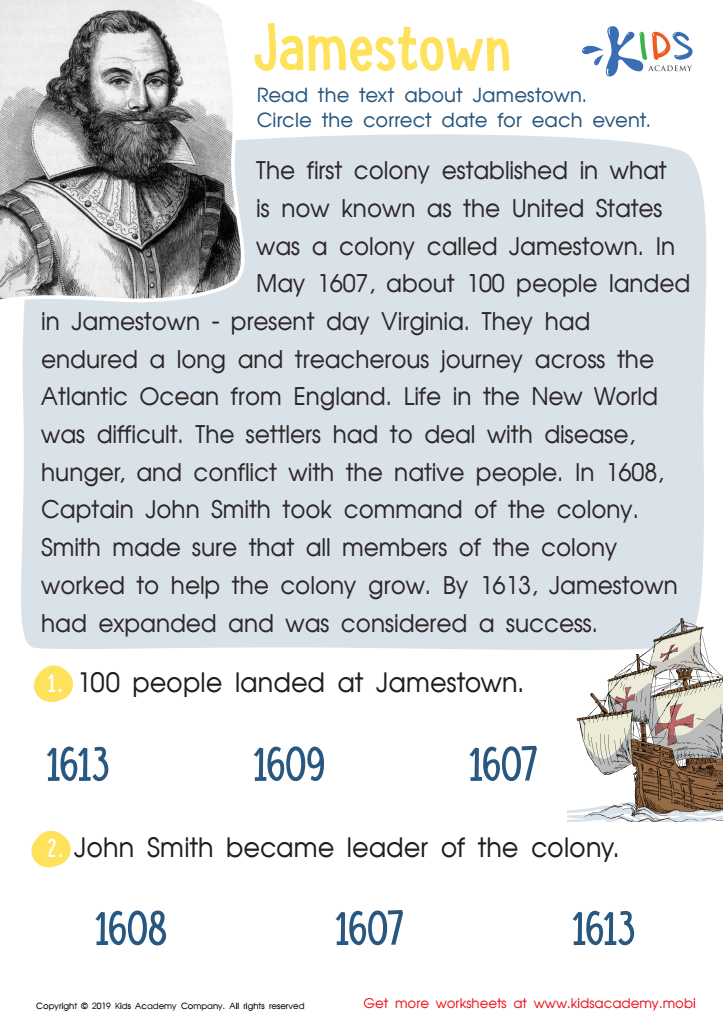
Jamestown Worksheet
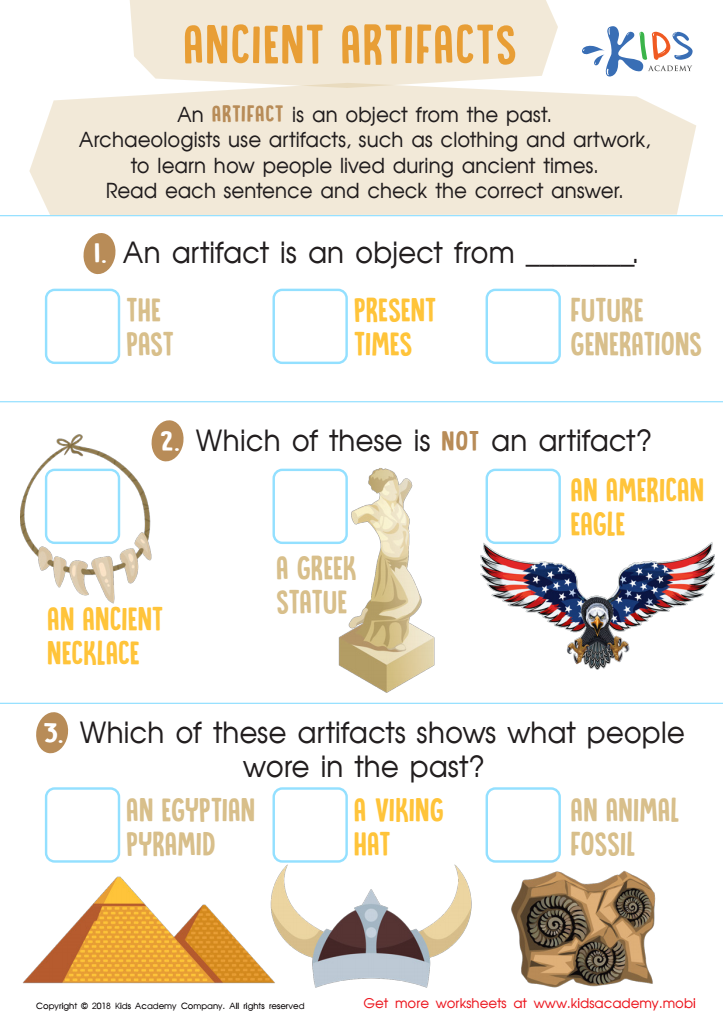
Ancient Artifacts Worksheet
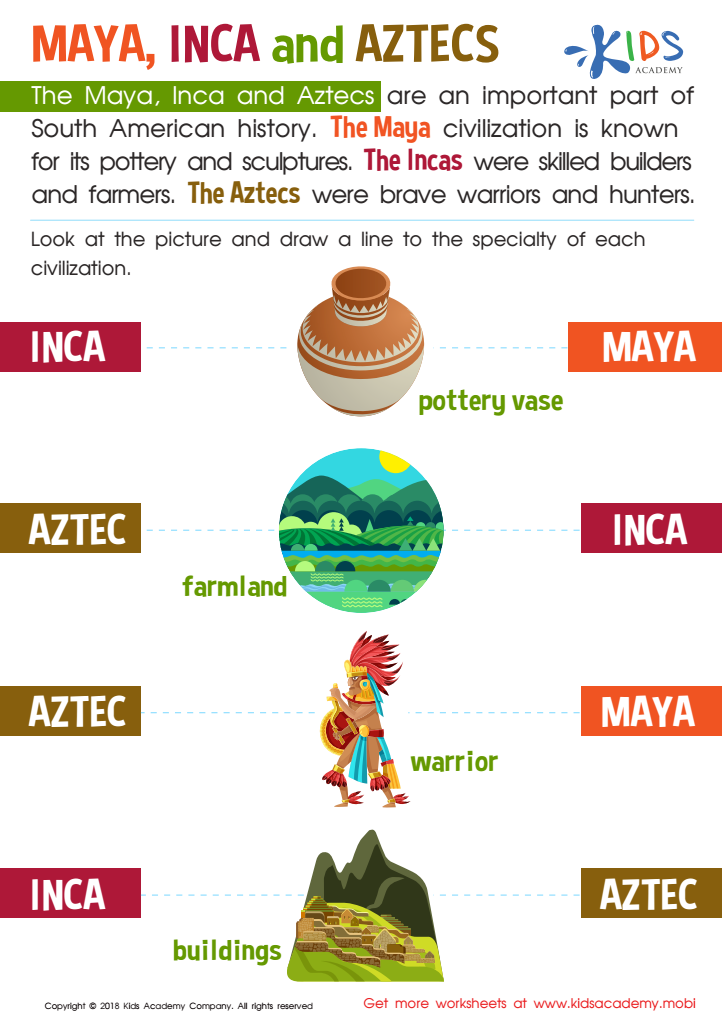
Maya, Inca and Aztecs Worksheet
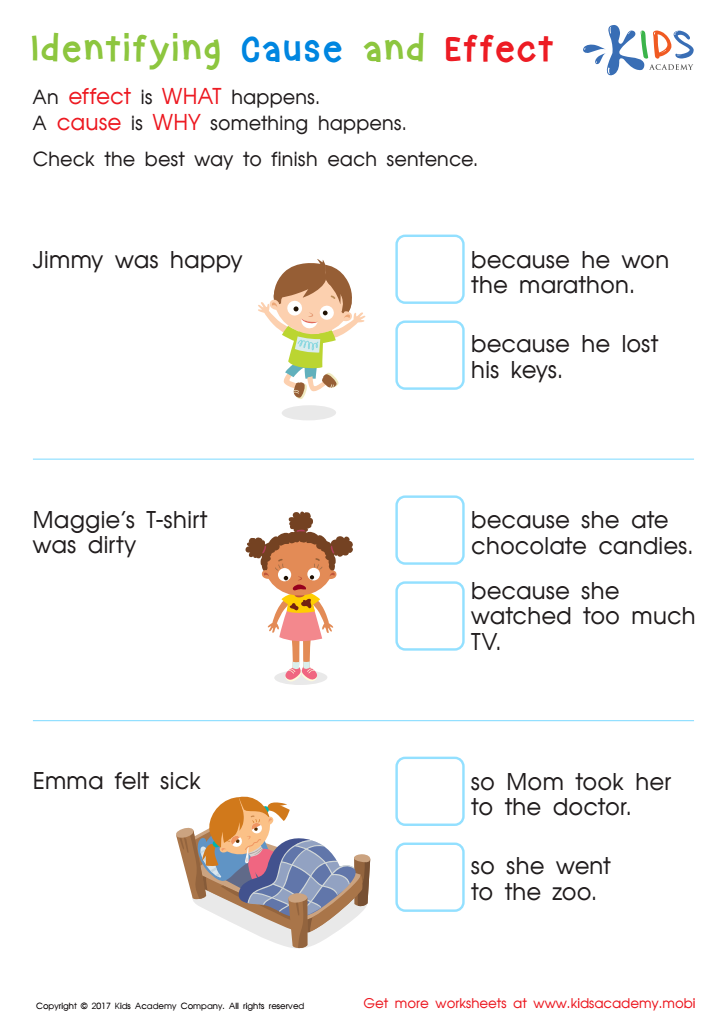
Indentifying Cause and Effect Worksheet
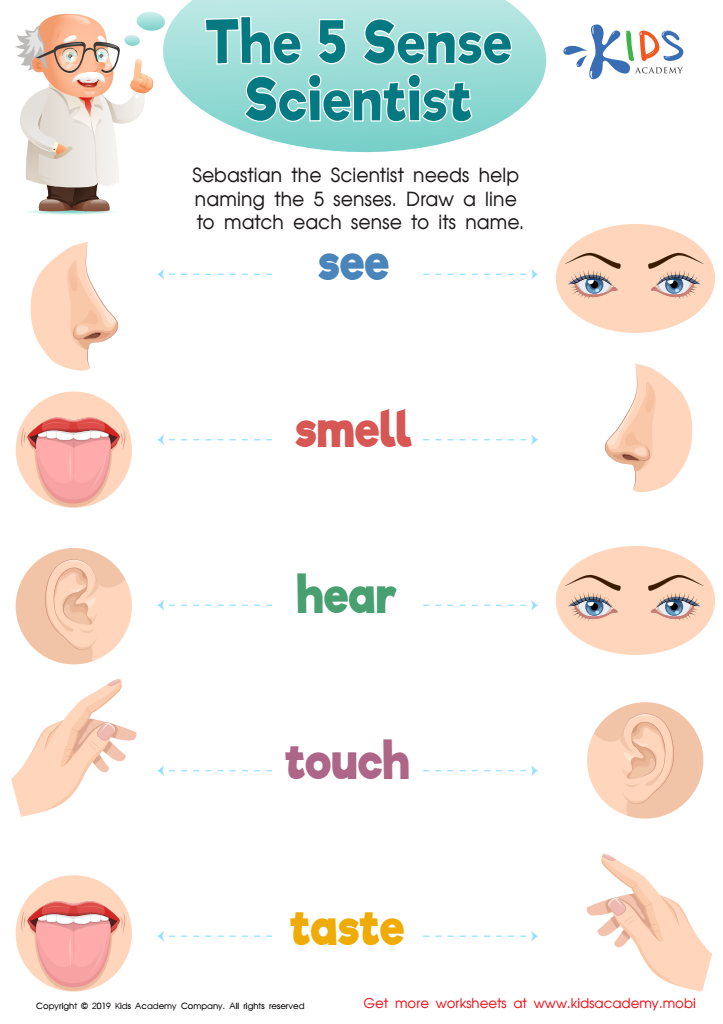
The 5 Sense Scientist Worksheet
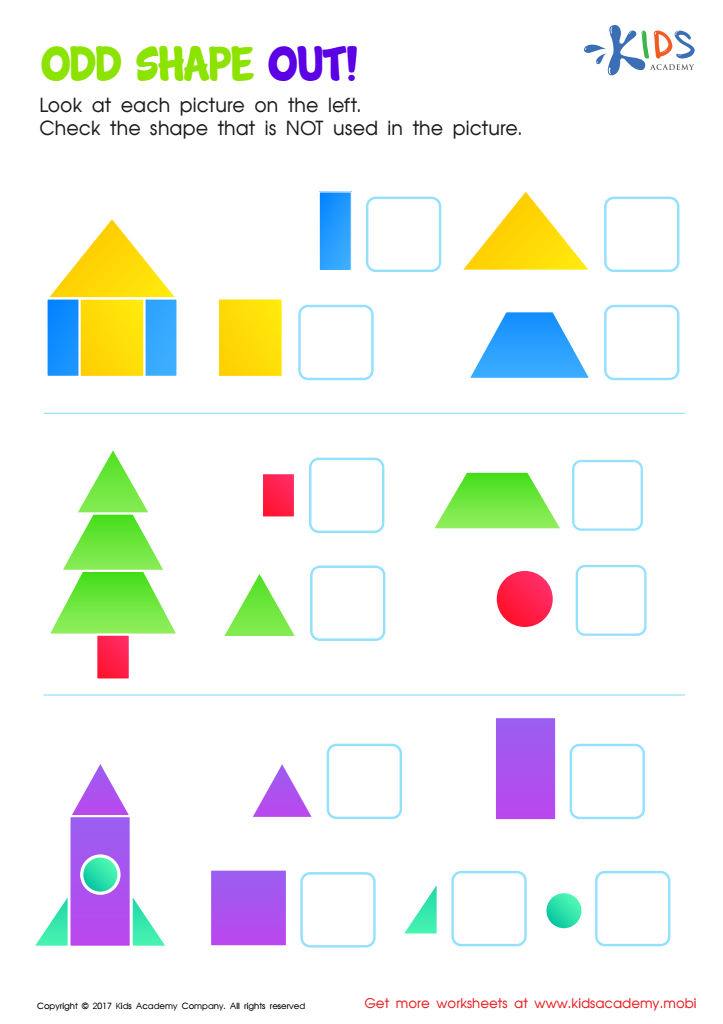
Odd Shape Out Worksheet for Grade 1
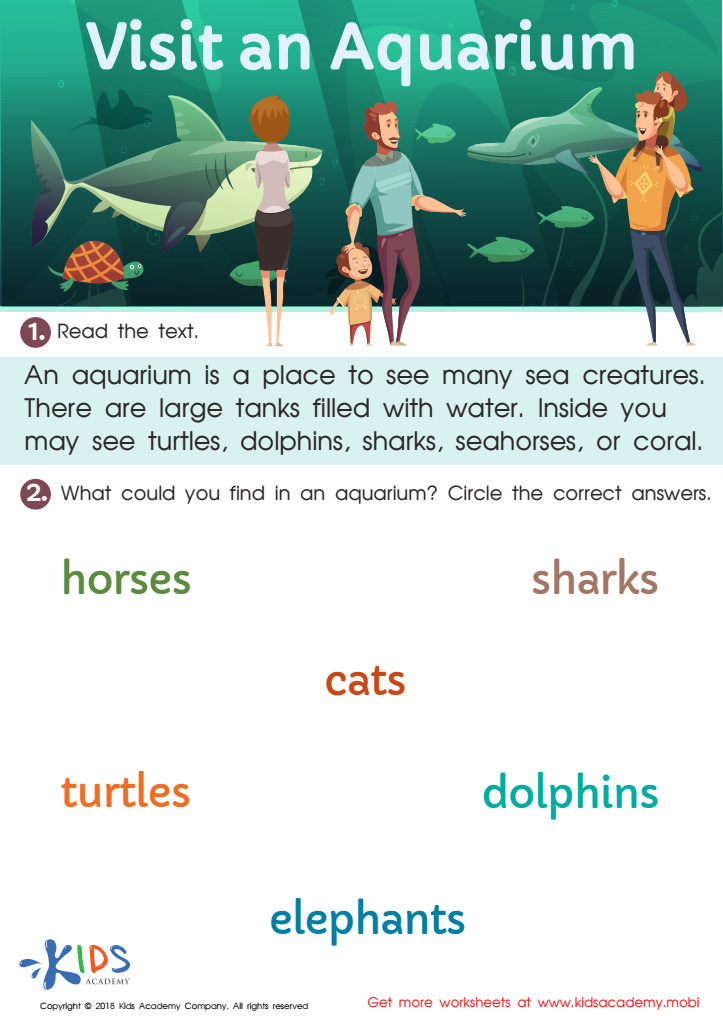
Visit an Aquarium Worksheet
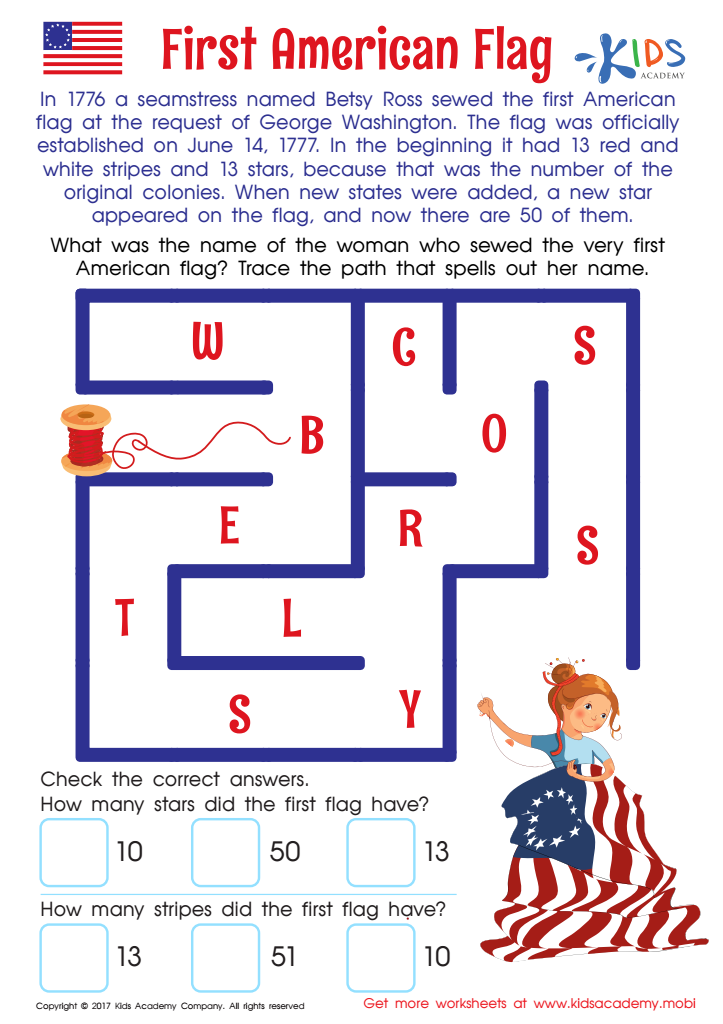
First American Flag Worksheet
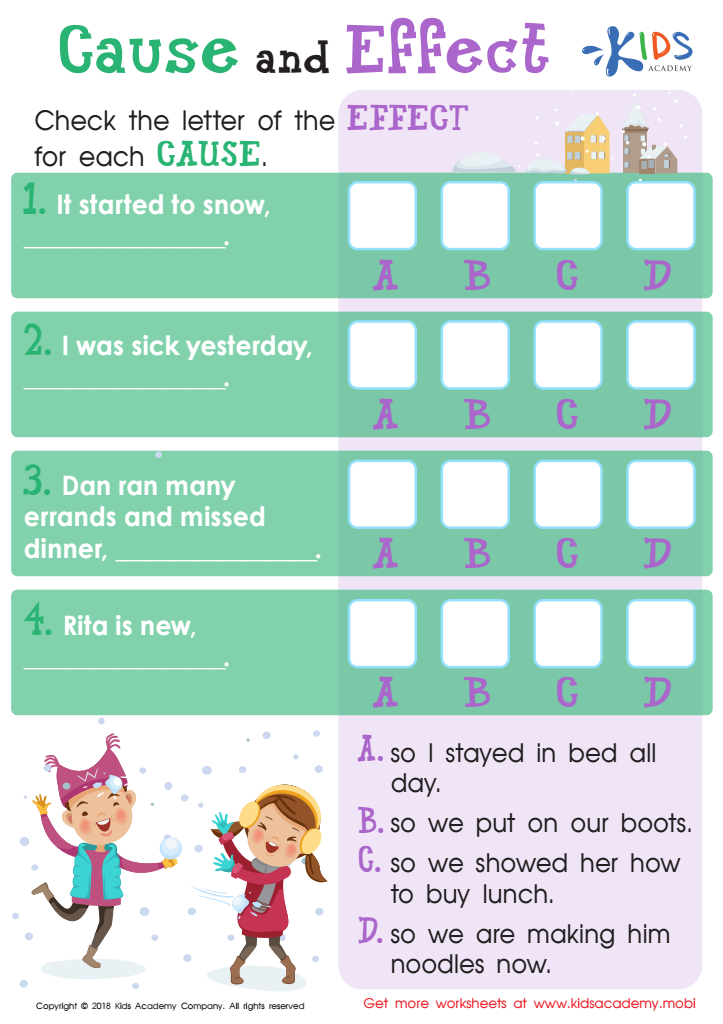
Cause and Effect Worksheet
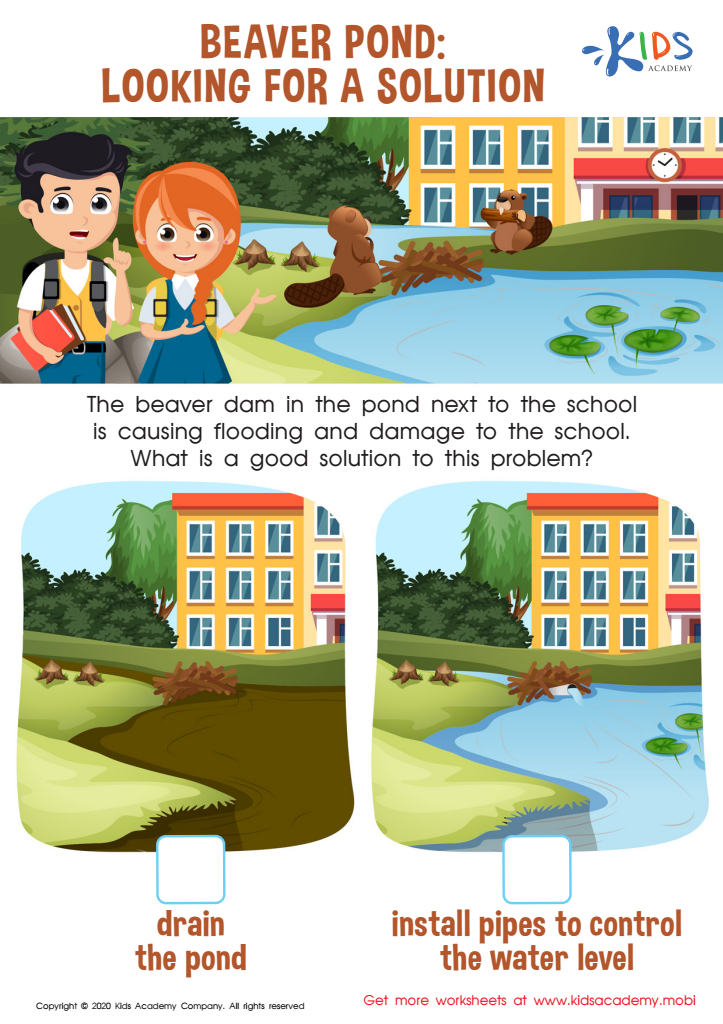
Beaver Pond: Looking for a Solution Worksheet
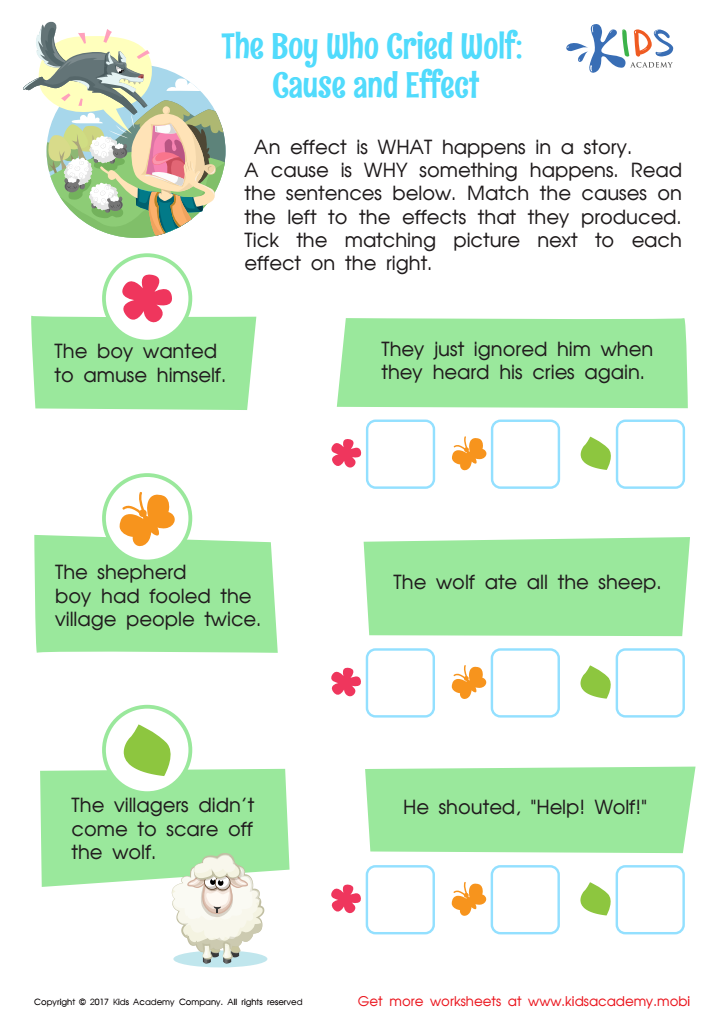
The Boy Who Cried Wolf: Cause and Effect Worksheet
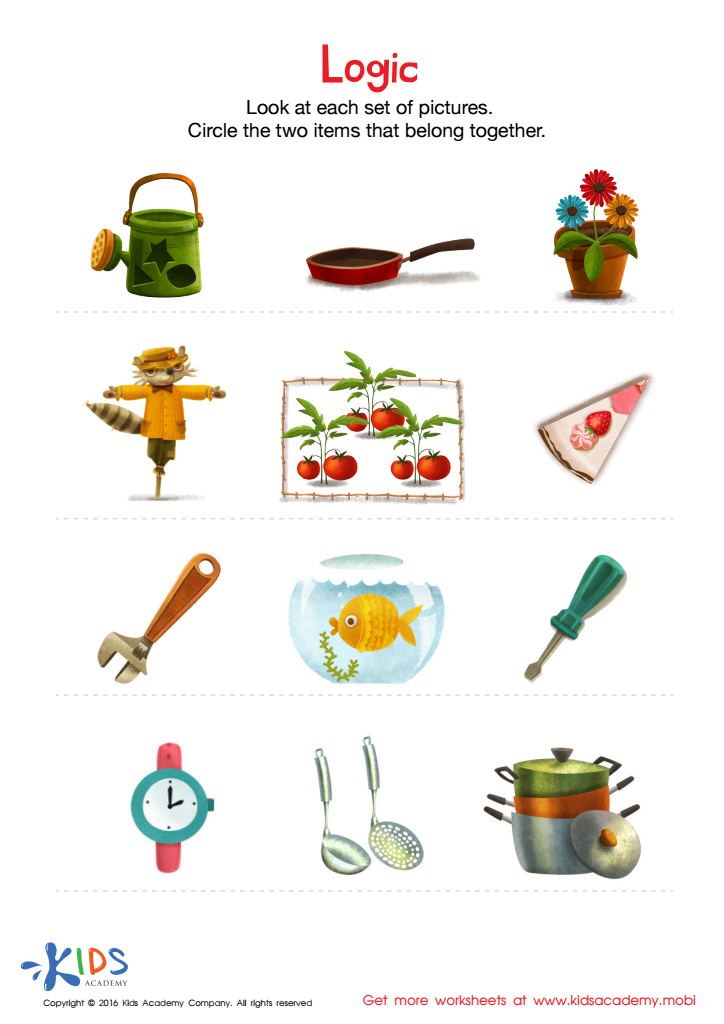
Logic Game Sorting Worksheet
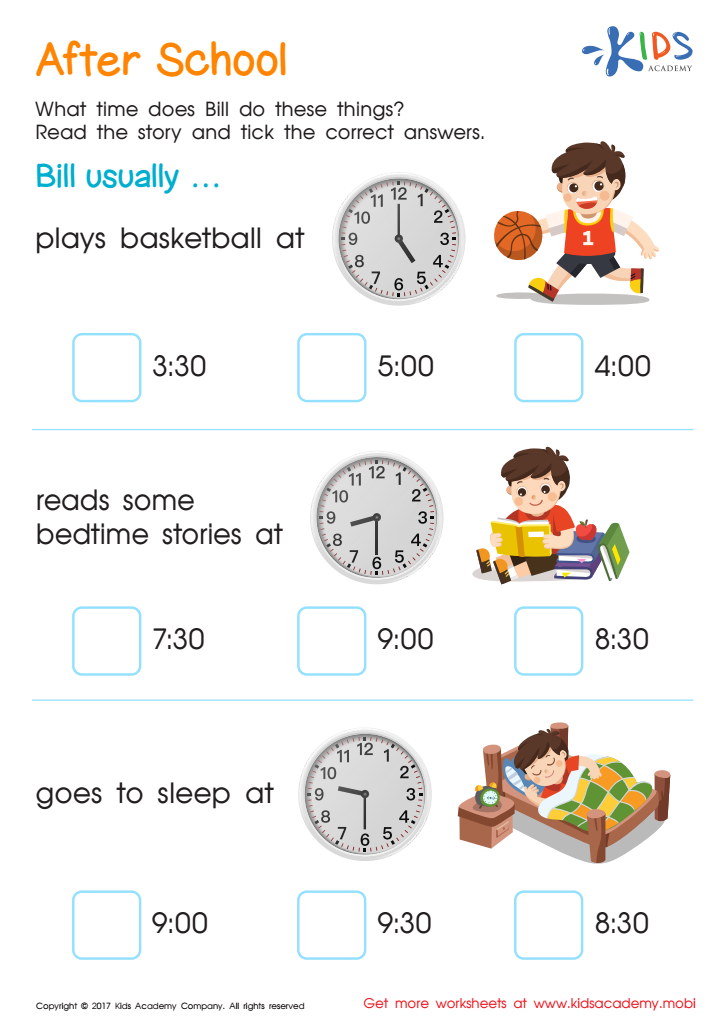
After School Time Printable
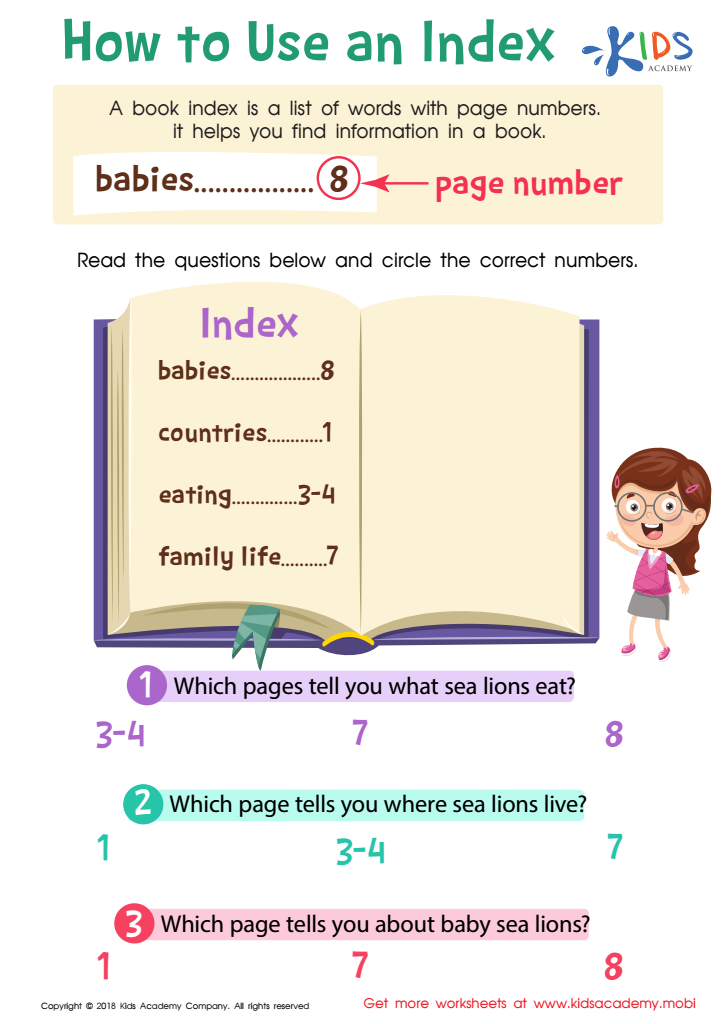
How Use Index Worksheet
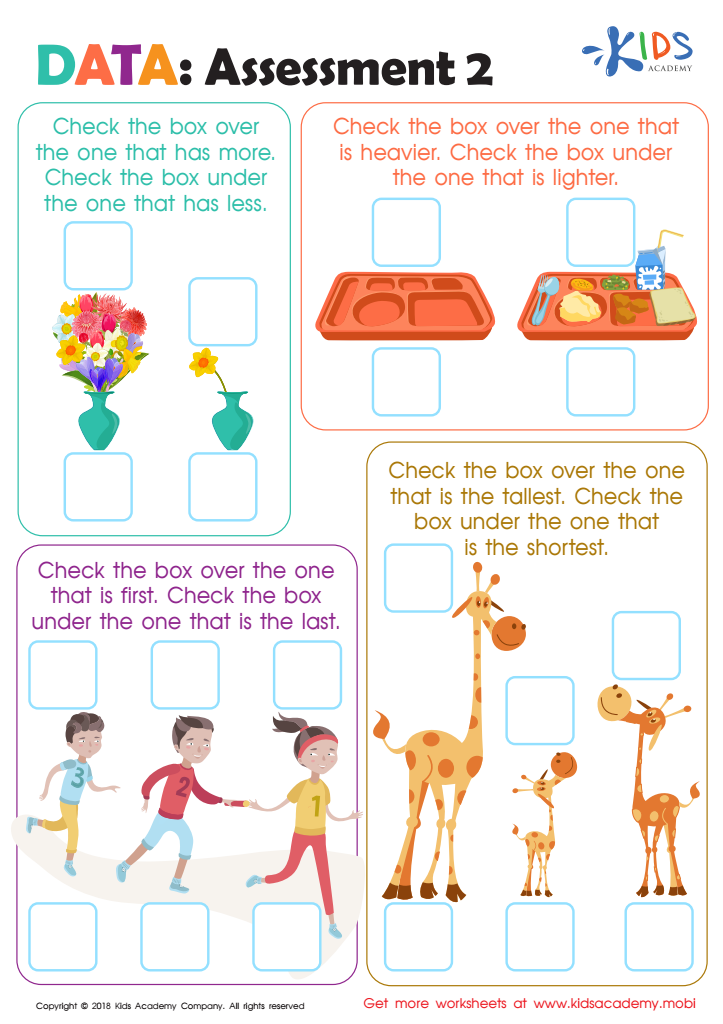
Data: Assessment 2 Worksheet








Focusing on developing analytical thinking skills in children aged 5-8 is crucial for their cognitive and personal development. At this formative age, young brains are highly adaptable and eager to soak up new information. Analytical thinking helps children understand the world around them by enabling them to break down complex problems into smaller, manageable parts. It fosters critical thinking and enhances problem-solving abilities, which are essential not only in academic environments but also in everyday life.
From a parental and educational perspective, nurturing these skills early on sets a strong foundation for future learning. Children who are equipped with analytical thinking are better prepared to tackle advanced subjects like math and science, and they tend to excel in reading comprehension and logical reasoning. Studies also show that children who can think analytically perform better in standardized tests and are more creative thinkers.
Moreover, encouraging analytical thought processes helps children build confidence as they learn to approach challenges systematically and effectively. This skill can foster independence and resilience, enabling kids to make well-thought-out decisions and navigate complex social situations. Therefore, parents and teachers should prioritize activities that promote analytical thinking to create well-rounded, capable, and adaptive individuals.








