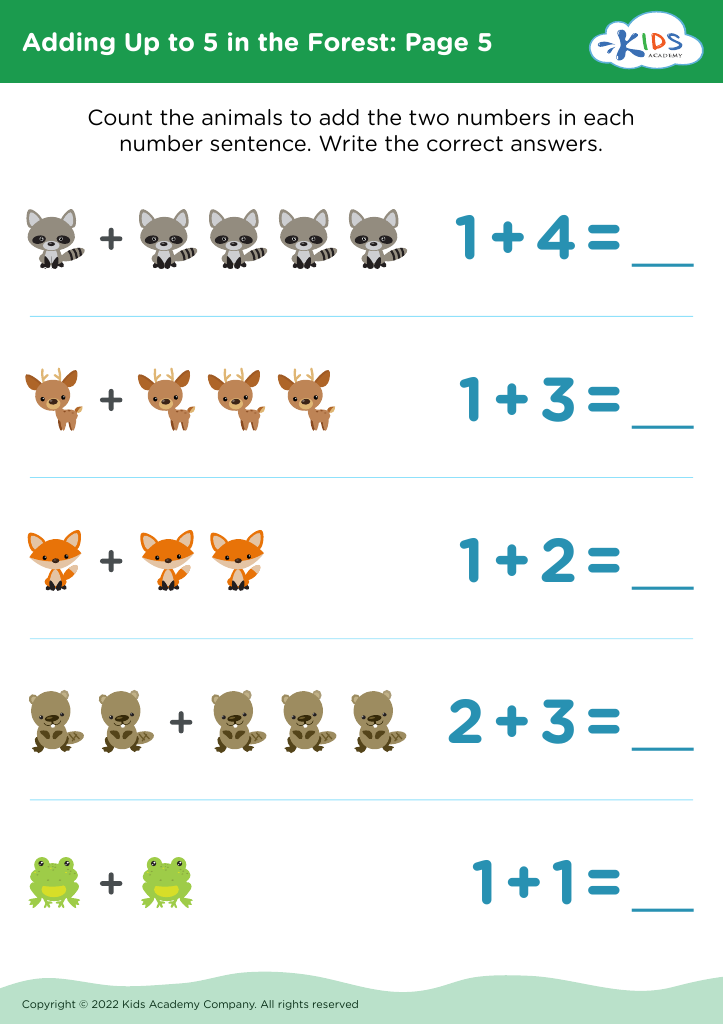
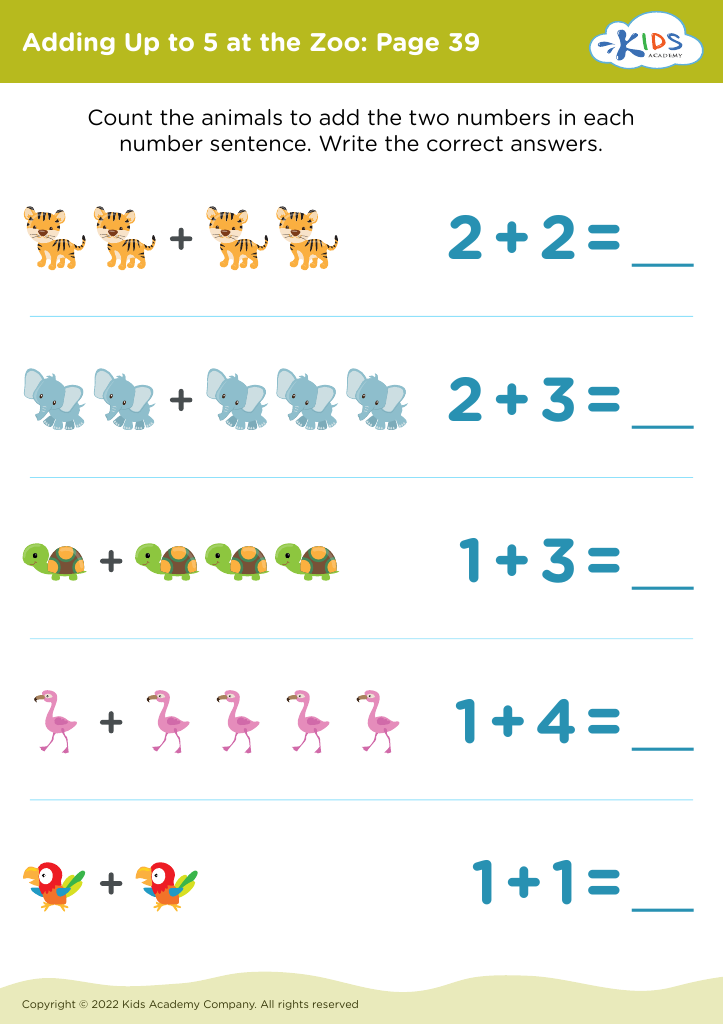
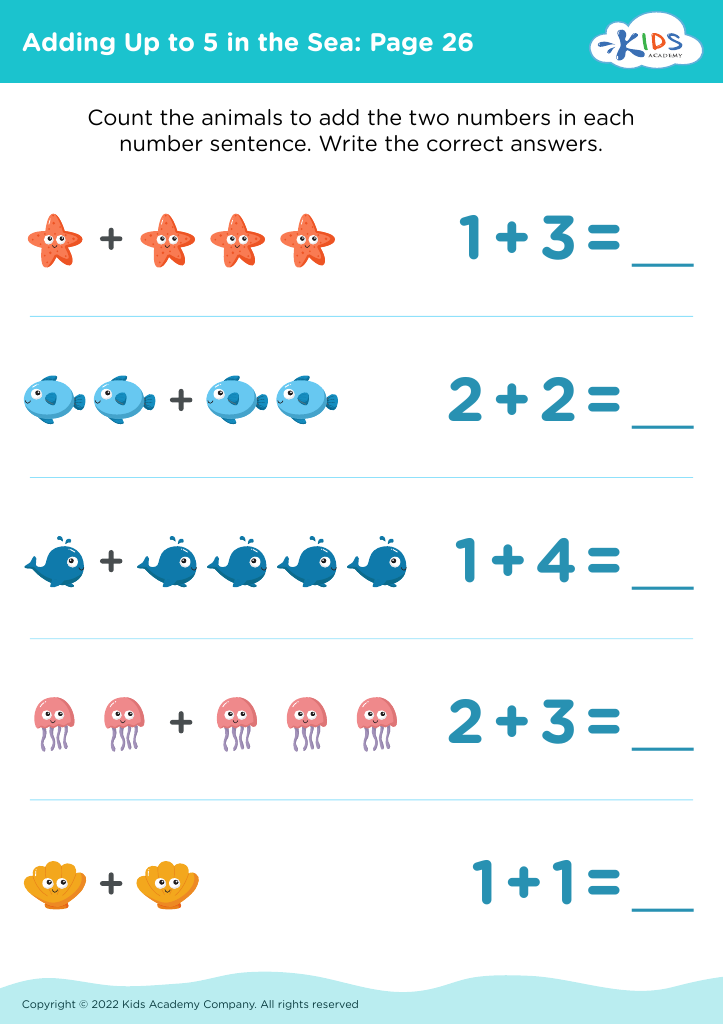
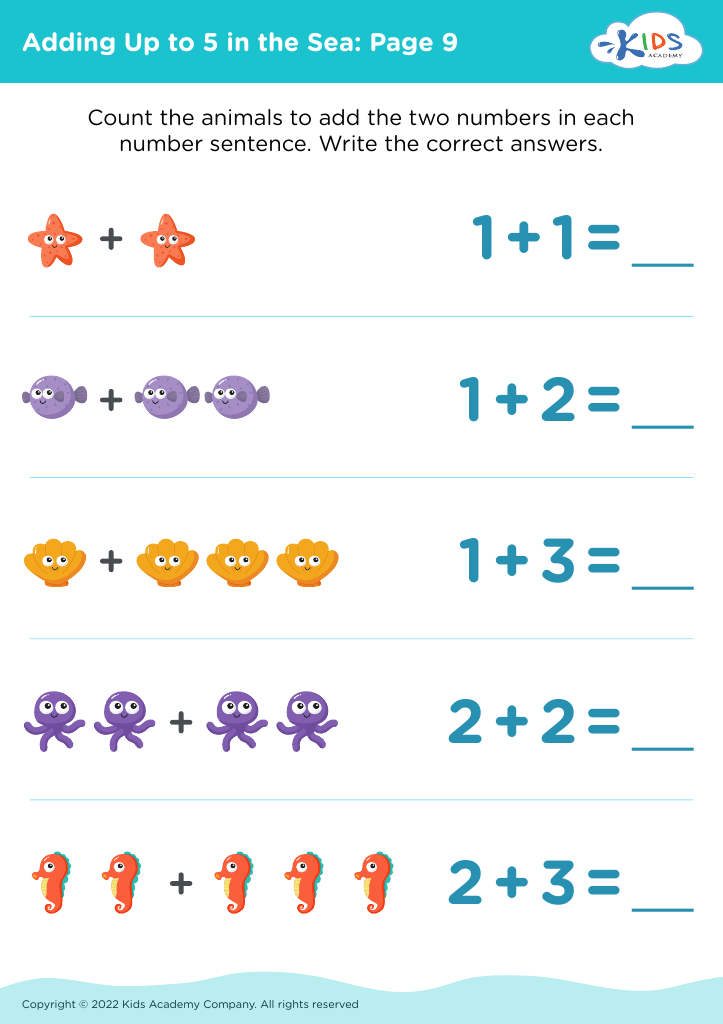








Basic arithmetic skills are fundamental for children aged 5-8 as they form the cornerstone of their future mathematical and everyday problem-solving abilities. During these crucial early years, children's brains are highly receptive to learning and establishing neural pathways that can carry through their academic and personal lives. Mastery of basic arithmetic — encompassing addition, subtraction, multiplication, and division — builds a solid foundation that successive, more complex mathematical concepts rely upon.
Parents and teachers should prioritize these skills because they contribute directly to cognitive development. Engaging with numbers enhances logical thinking, reasoning, and the ability to recognize patterns, which are critical in virtually every aspect of life. Moreover, arithmetic practice fosters important traits such as patience, focus, and can promote a positive mindset toward learning and overcoming challenges.
Proficiency in basic arithmetic also carries long-term academic benefits, as studies consistently show that early mathematical competence predicts higher achievements not only in mathematics but also in language arts. Within daily life, arithmetic skills empower children to manage money, understand time, and follow recipes or instructions accurately. By caring deeply about arithmetic at this age, parents and teachers are setting children on the right track for academic success and practical self-confidence in everyday situations.








