Basic math application Worksheets for Ages 5-8
5 filtered results
-
From - To
Unlock your child's mathematical potential with our Basic Math Application Worksheets for Ages 5-8. Our engaging, expertly crafted worksheets cover fundamental concepts such as addition, subtraction, multiplication, and division, tailored for young learners. Through colorful, interactive activities, kids develop essential problem-solving skills and gain confidence in math. Perfect for classroom use or at-home practice, these worksheets align with educational standards, ensuring comprehensive learning. Help your child master basic math with fun, easy-to-use worksheets from Kids Academy and watch their skills grow effortlessly!
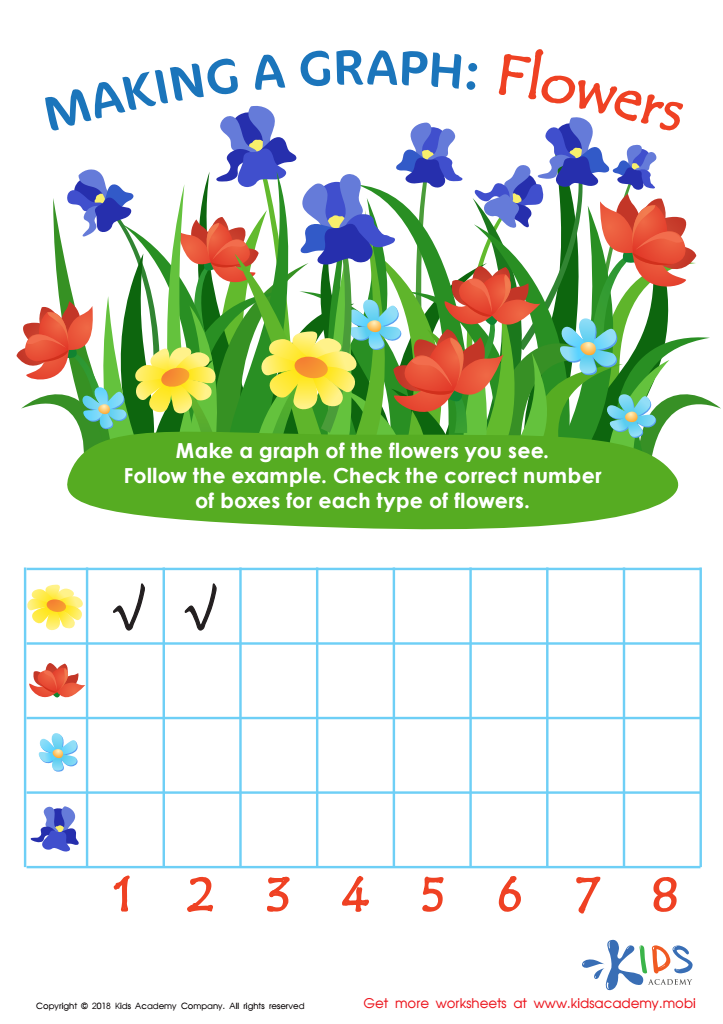
Making a Graph: Flowers Worksheet
 Assign to My Students
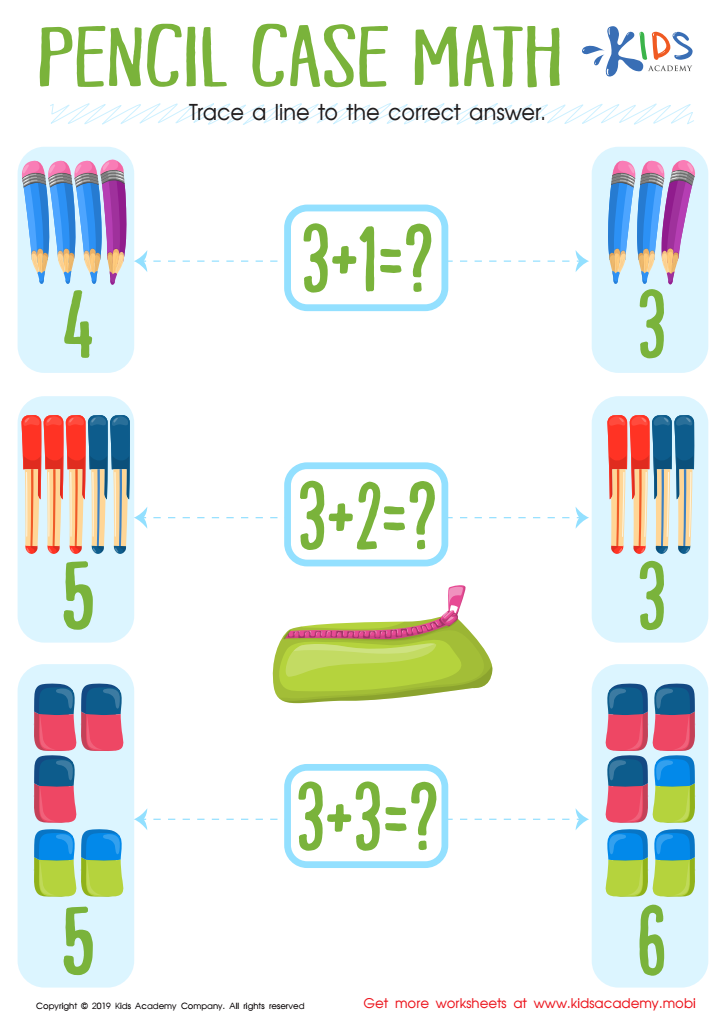
Pencil Case Math Worksheet
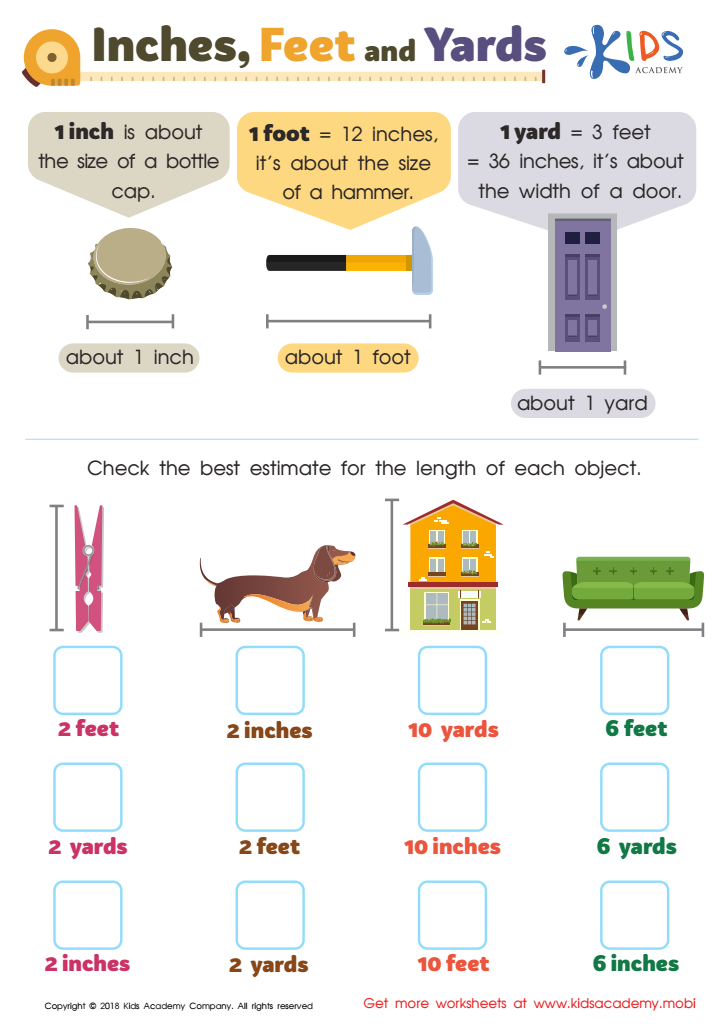
Inches, Feet and Yards Worksheet
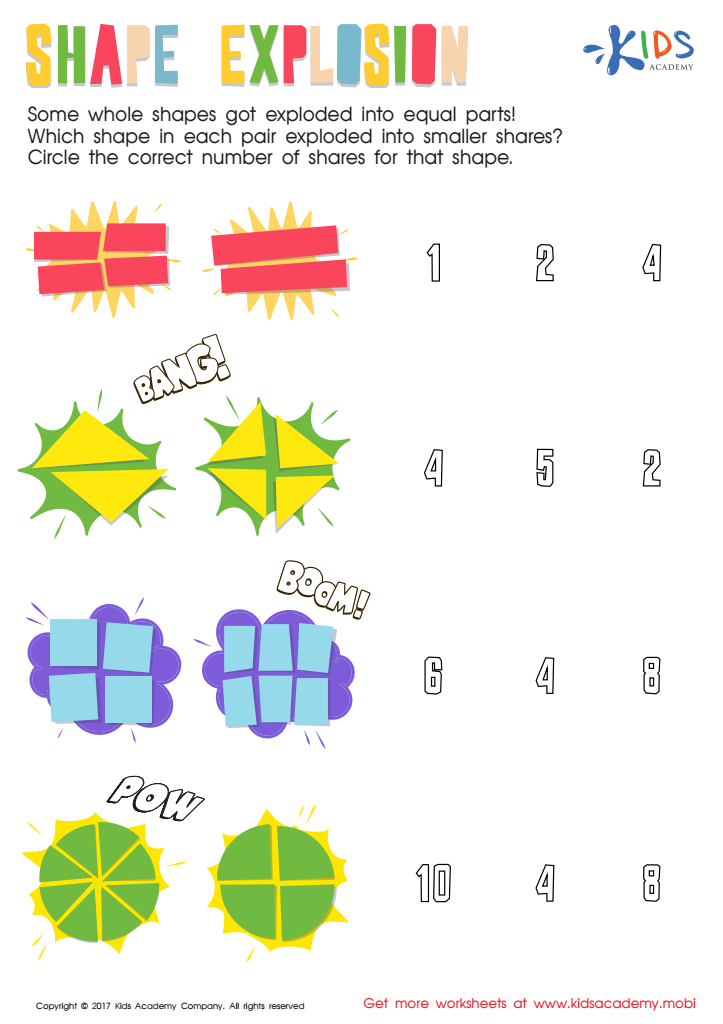
Shape Explosion Worksheet
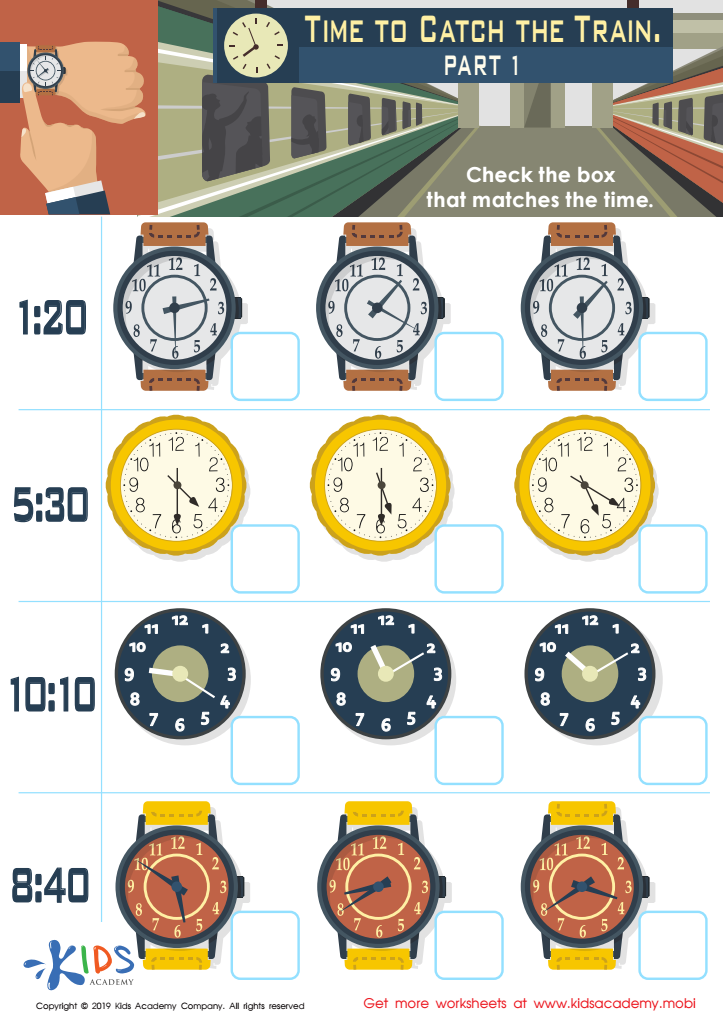
Time to Catch the Train Part 1 Worksheet







Understanding basic math concepts at ages 5-8 is crucial for children's cognitive development and future academic success. Concrete math skills, such as counting, addition, and subtraction, lay the foundation for more complex problem-solving abilities. These early math experiences foster critical thinking, logical reasoning, and the ability to understand patterns—all skills that are essential not just in academics, but in everyday decision-making.
When parents and teachers prioritize math applications for young children, they help cultivate a positive attitude toward the subject, reducing math anxiety and increasing confidence. Early exposure to math through hands-on activities and engaging math games can make learning fun and interactive, which enhances children's innate curiosity and willingness to explore.
Moreover, math skills are interconnected with other key areas of development, including literacy and social-emotional learning. For example, understanding order and sequence in math can improve a child's reading comprehension, and working in groups on math problems can develop teamwork and communication skills.
In sum, by emphasizing basic math applications for ages 5-8, parents and teachers equip children with essential life skills, setting them on a path to academic excellence and better problem-solving capabilities. The benefits extend far beyond numbers, impacting overall cognitive and social development.








