Check out this FREE "Comparing Fractions" Trial Lesson for age 5-8!

Cut Circles into Equal Parts

Favorites
With answer key
Interactive
  • 5-8
  • Comparing Fractions
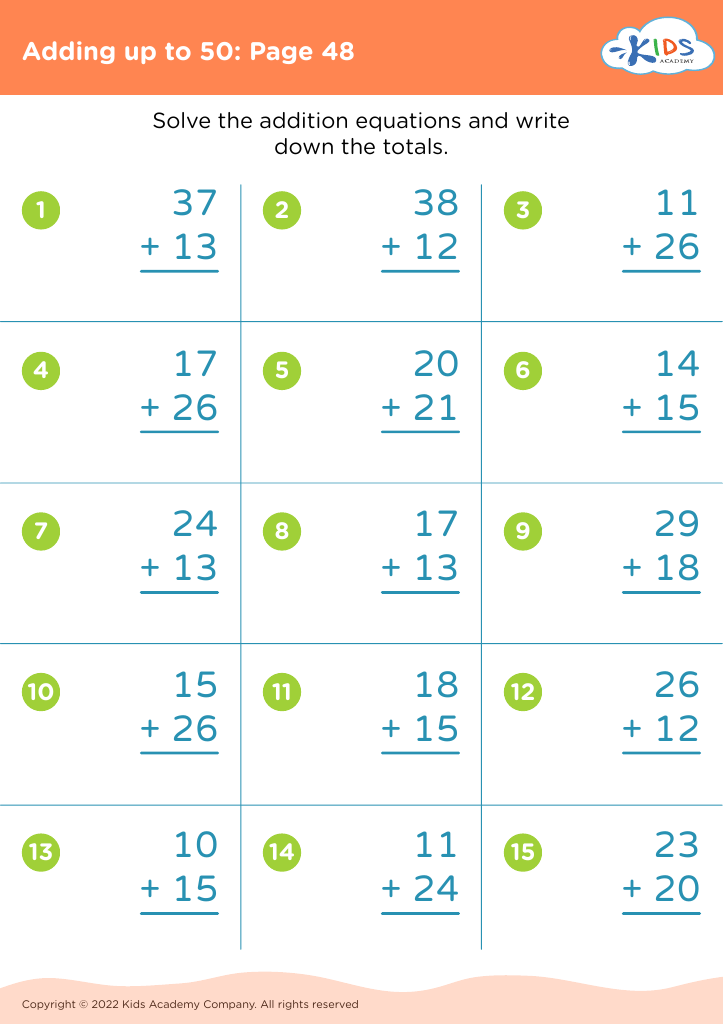
Adding up to 50: Page 48

Adding up to 50: Page 48

Adding up to 50: Page 48
Worksheet
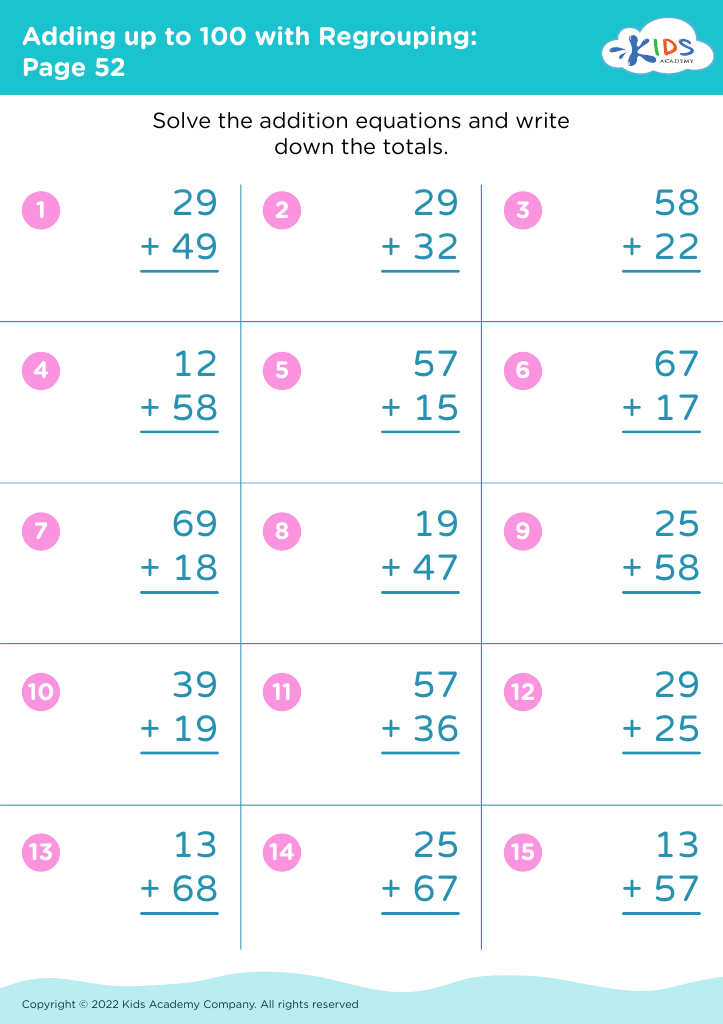
Adding up to 100 with Regrouping: Page 52
Worksheet
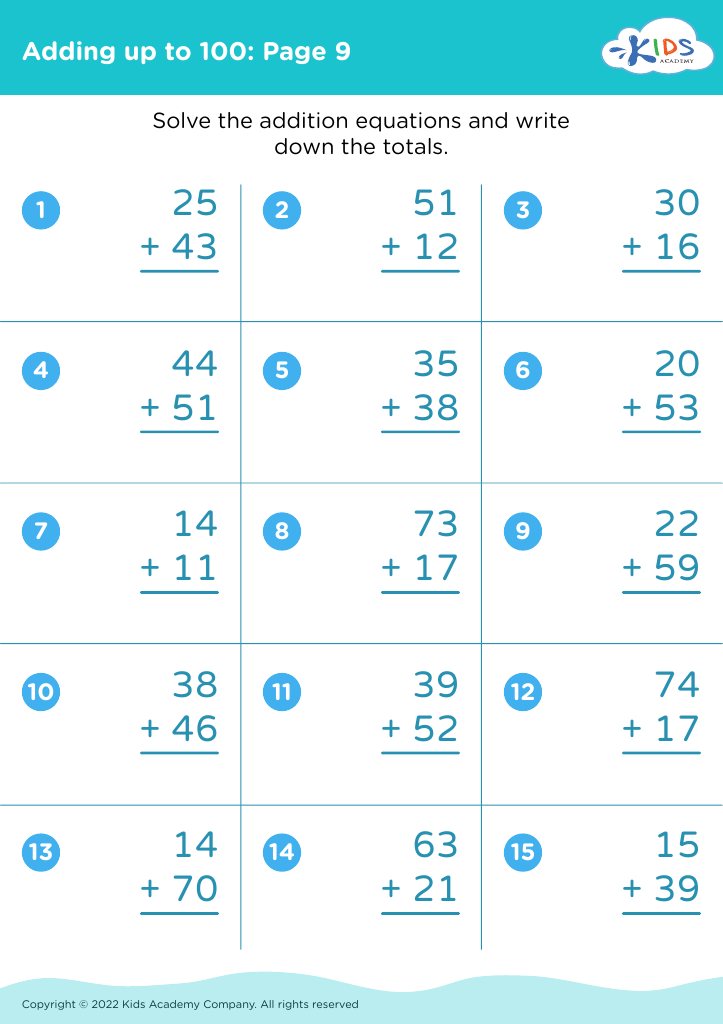
Adding up to 100: Page 9

Adding up to 100: Page 9

Adding up to 100: Page 9
Worksheet
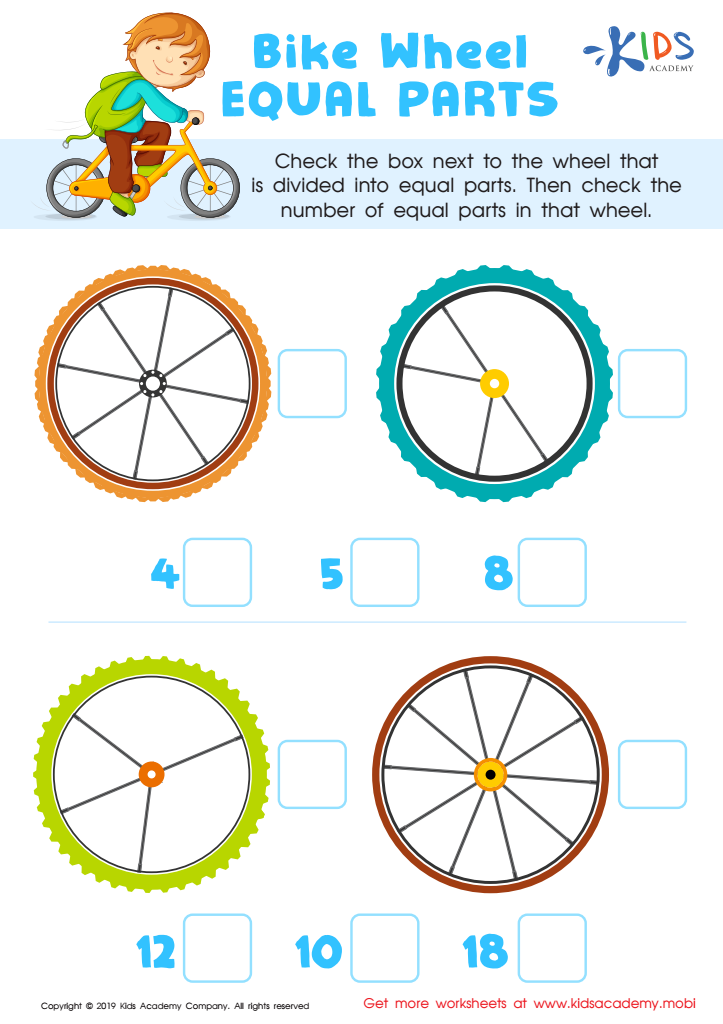
Bike Wheel Equal Parts Worksheet

Bike Wheel Equal Parts Worksheet

Help your kids have fun while they learn! Ask them to identify the object in the picture with four wheels. Guide them to count the spokes, then check the box on the wheel with equal parts. Lastly, check how many equal parts the wheel is divided into.
Bike Wheel Equal Parts Worksheet
Worksheet
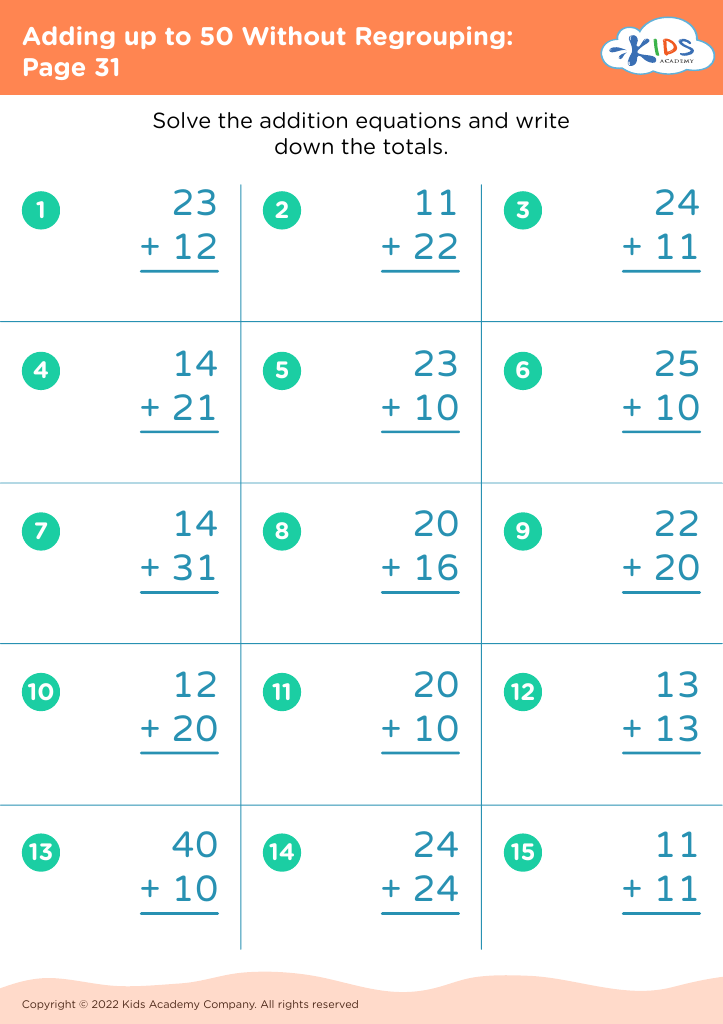
Adding up to 50 Without Regrouping: Page 31
Worksheet
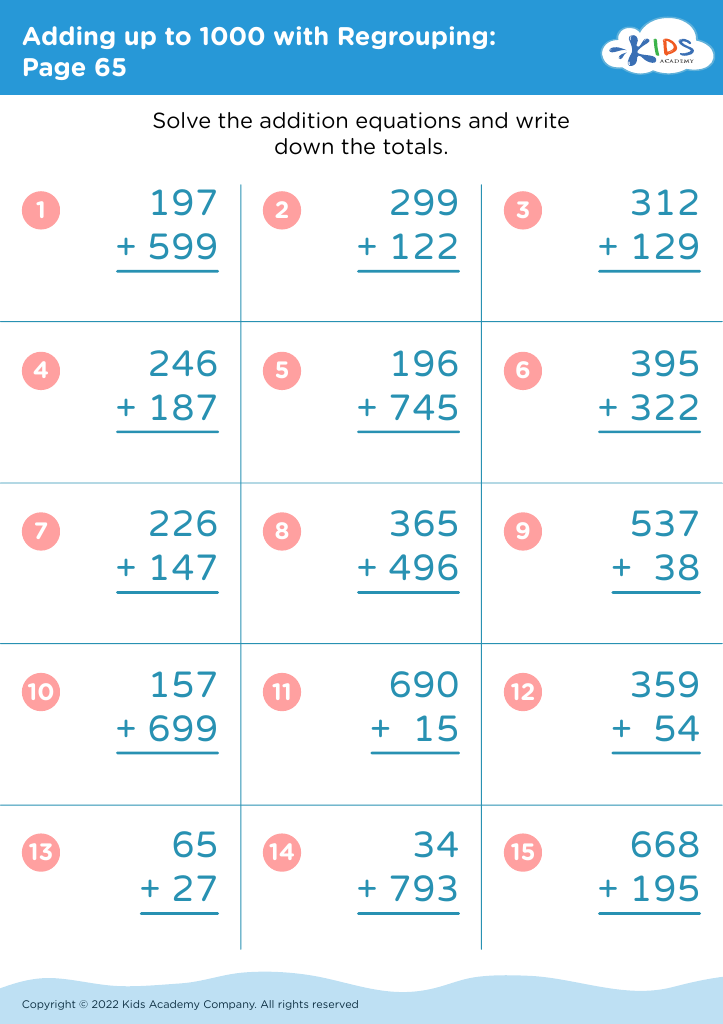
Adding up to 1000 with Regrouping: Page 65
Worksheet
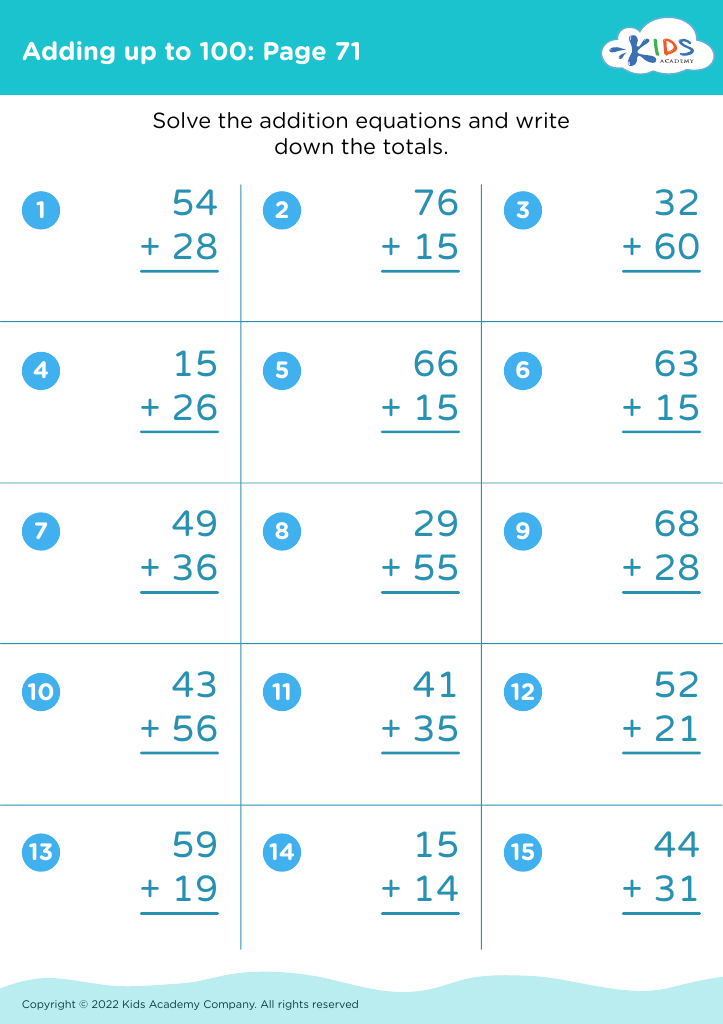
Adding up to 100: Page 71

Adding up to 100: Page 71

Adding up to 100: Page 71
Worksheet
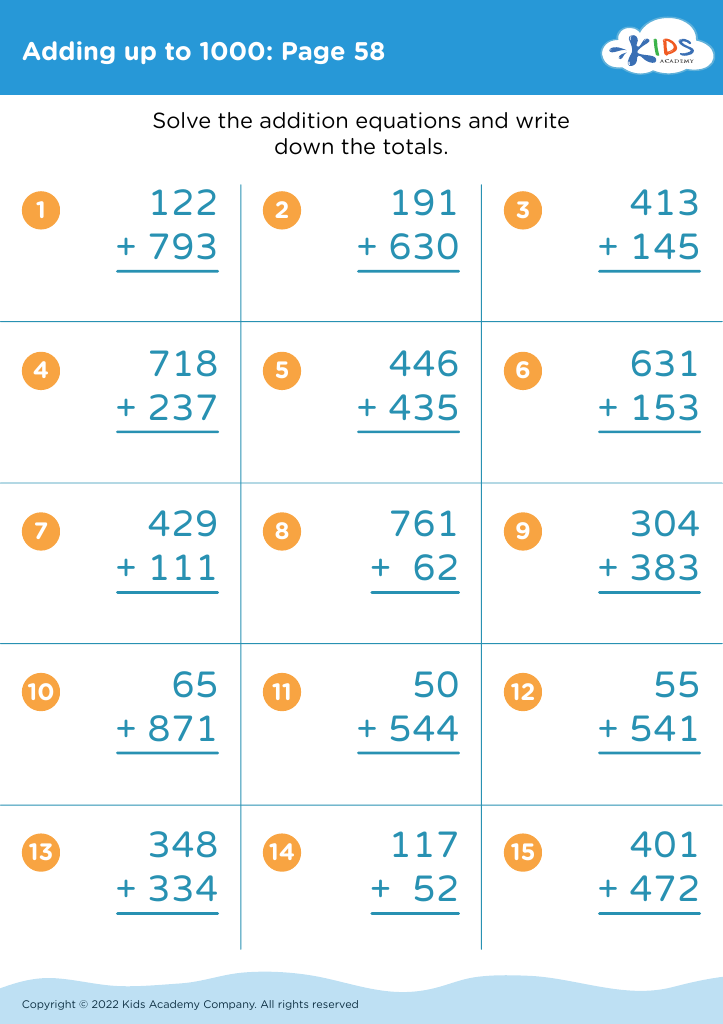
Adding up to 1000: Page 58

Adding up to 1000: Page 58

Adding up to 1000: Page 58
Worksheet
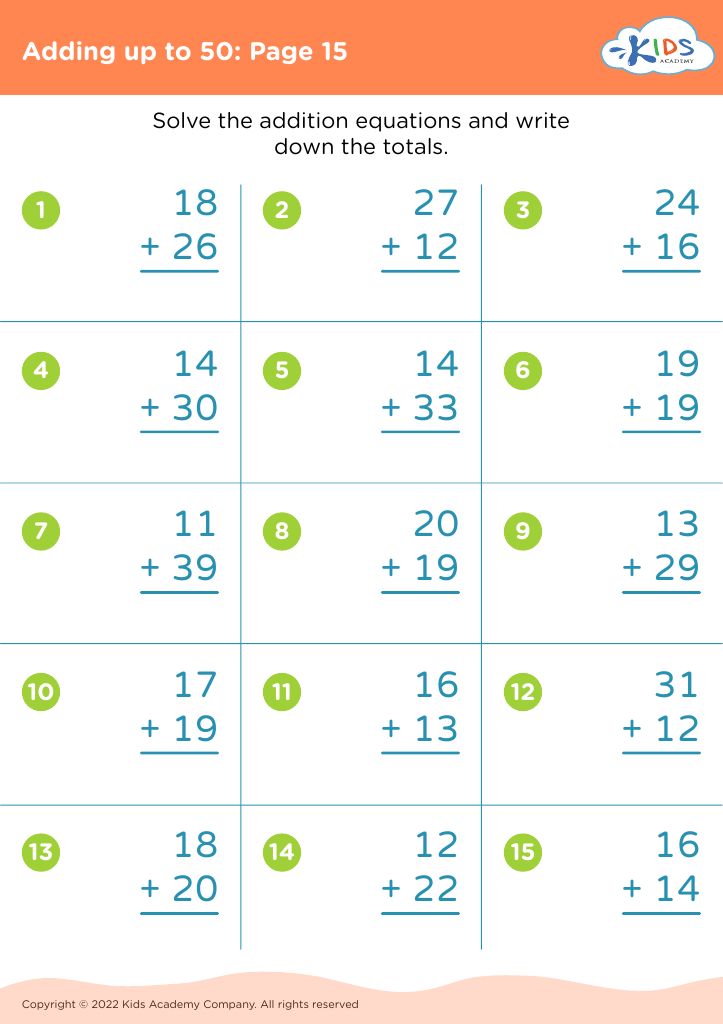
Adding up to 50: Page 15

Adding up to 50: Page 15

Adding up to 50: Page 15
Worksheet
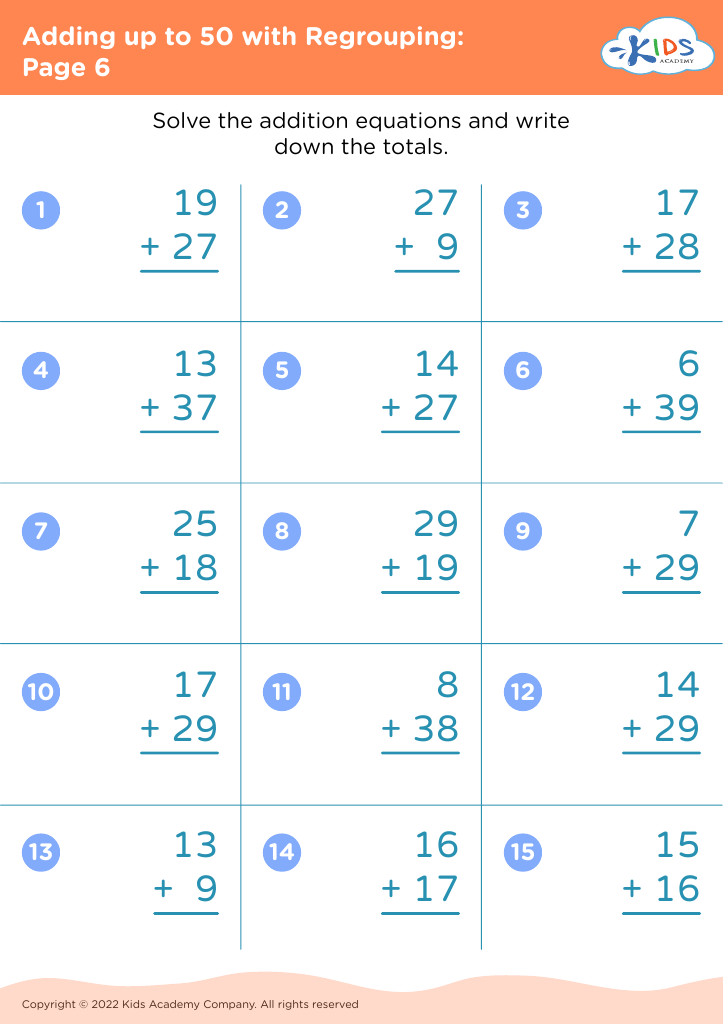
Adding up to 50 with Regrouping: Page 6
Worksheet
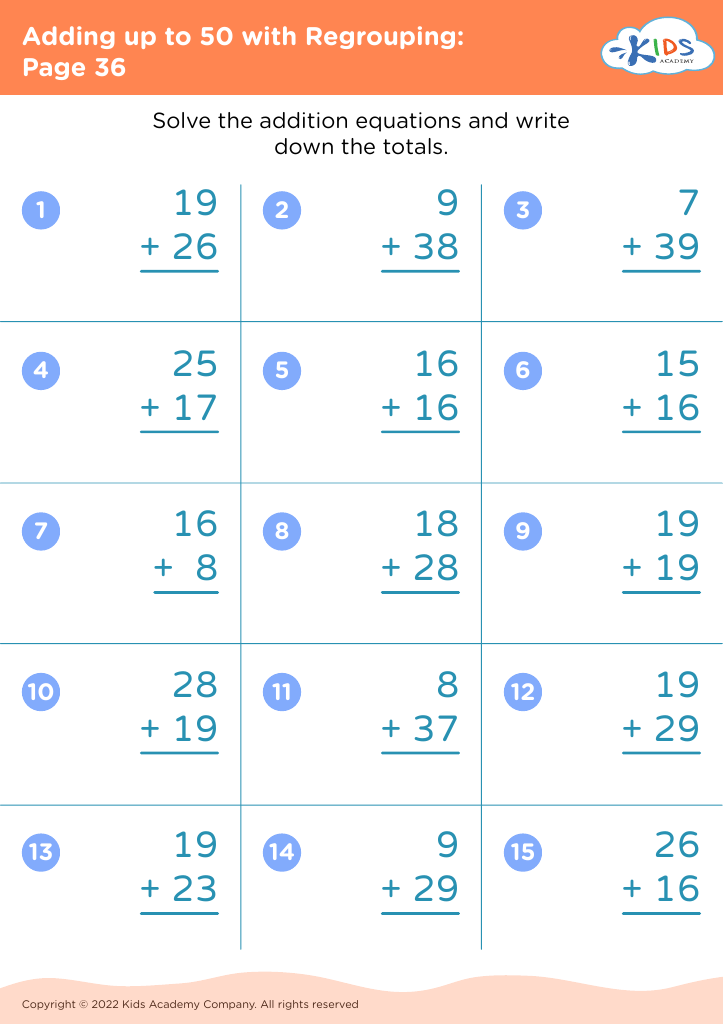
Adding up to 50 with Regrouping: Page 36
Worksheet
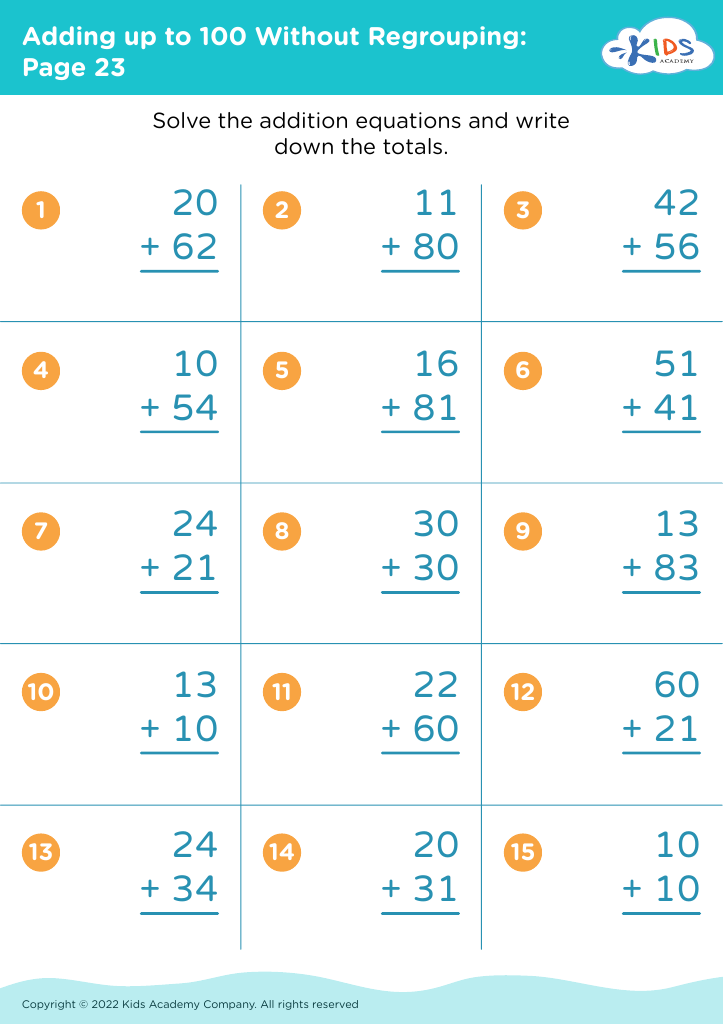
Adding up to 100 Without Regrouping: Page 23
Worksheet
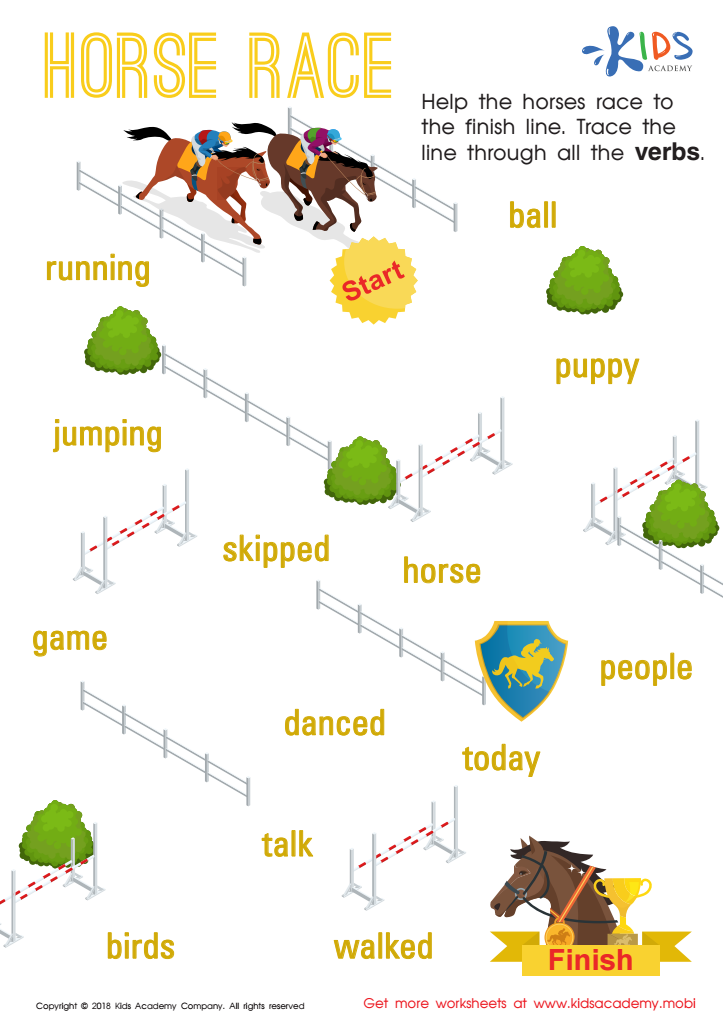
Horse Race Worksheet

Horse Race Worksheet

This tracing sheet is perfect for horse-loving kids! Start by confirming they know what a verb is - it's a word that shows an action (e.g. jump, talk, walk, play, read). Then ask them to give you some more examples. Finally, help them trace the line through all the verbs. They'll be delighted!
Horse Race Worksheet
Worksheet
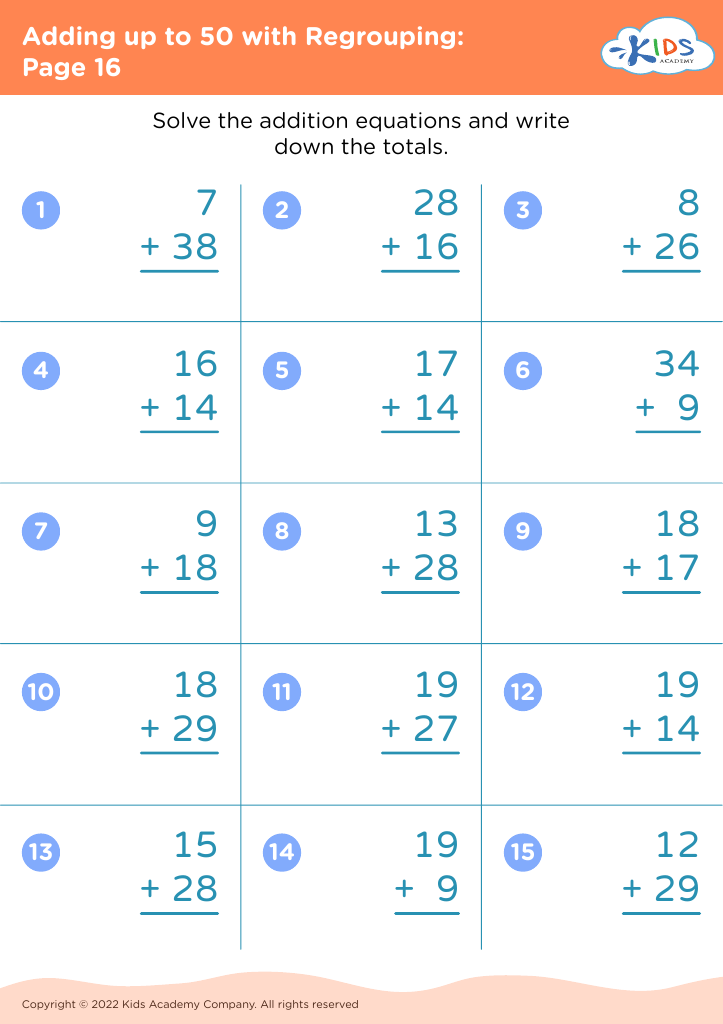
Adding up to 50 with Regrouping: Page 16
Worksheet
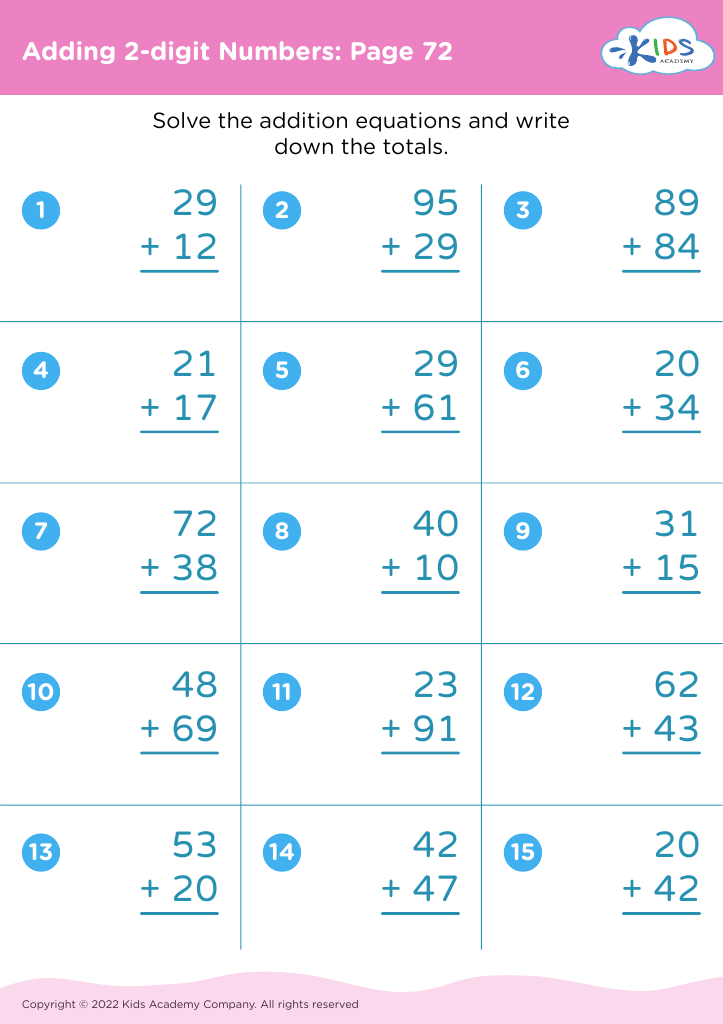
Adding 2-digit Numbers: Page 72

Adding 2-digit Numbers: Page 72

Adding 2-digit Numbers: Page 72
Worksheet
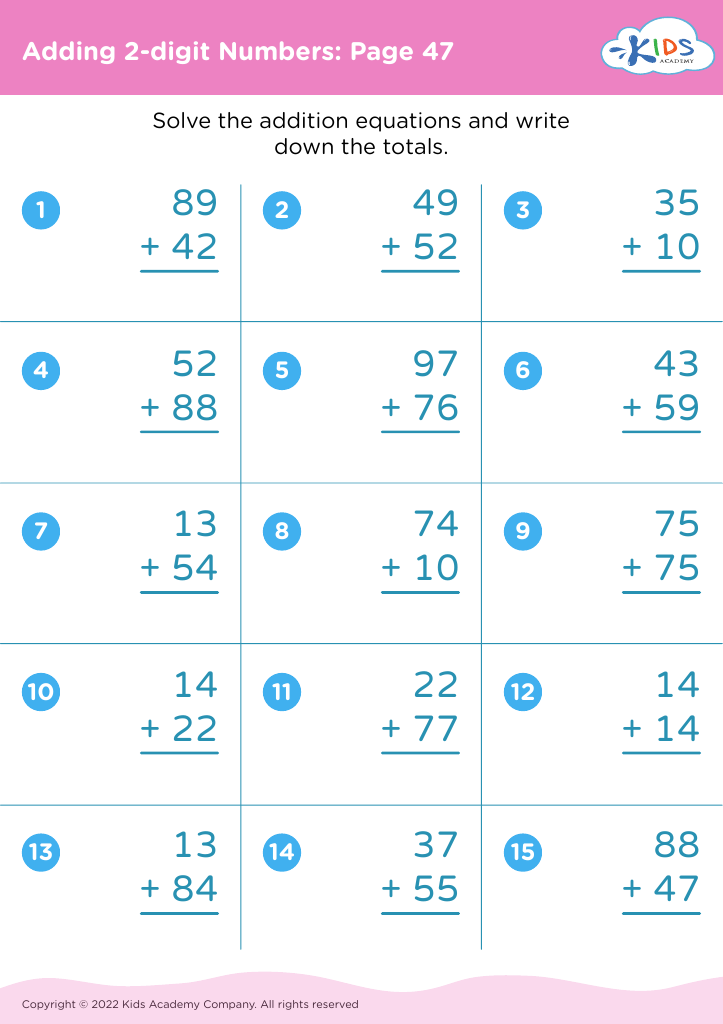
Adding 2-digit Numbers: Page 47

Adding 2-digit Numbers: Page 47

Adding 2-digit Numbers: Page 47
Worksheet
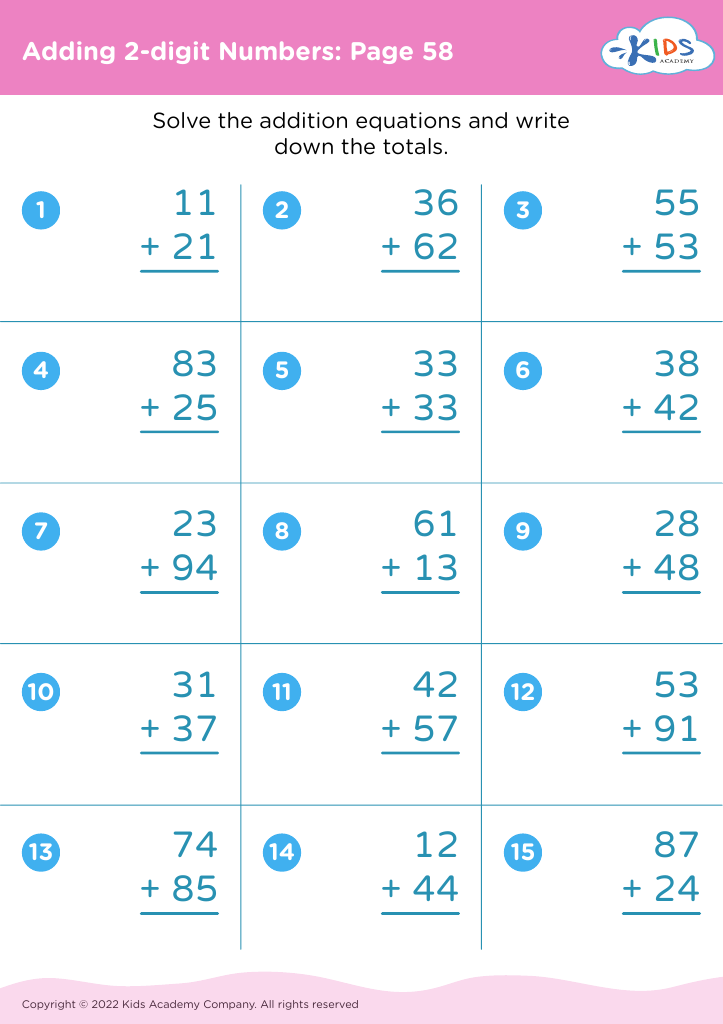
Adding 2-digit Numbers: Page 58

Adding 2-digit Numbers: Page 58

Adding 2-digit Numbers: Page 58
Worksheet
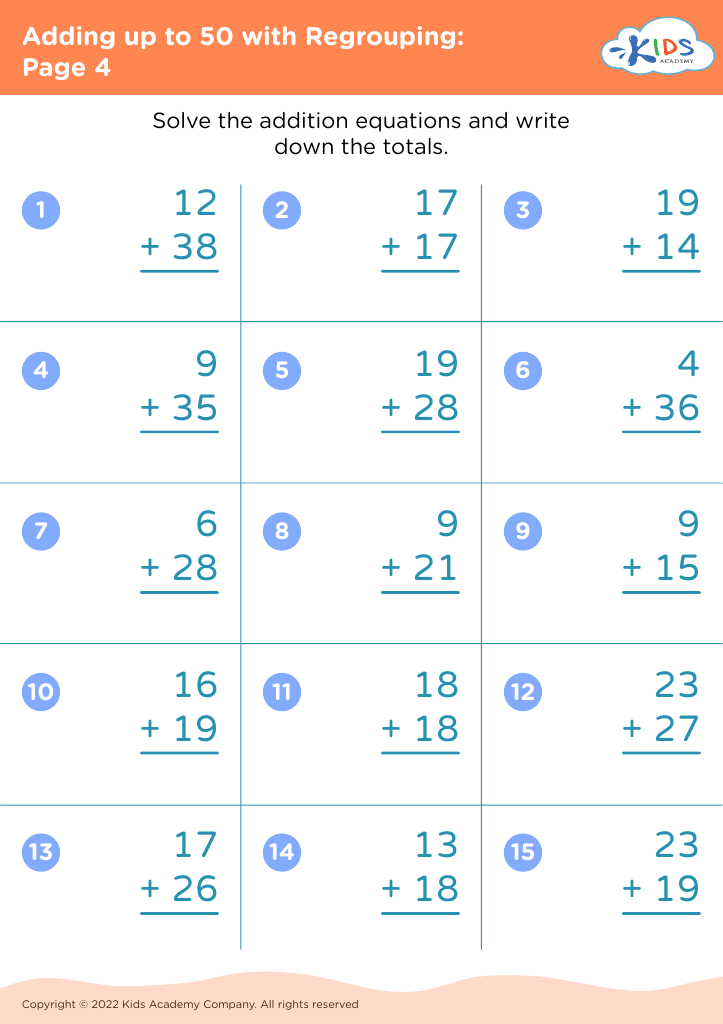
Adding up to 50 with Regrouping: Page 4
Worksheet
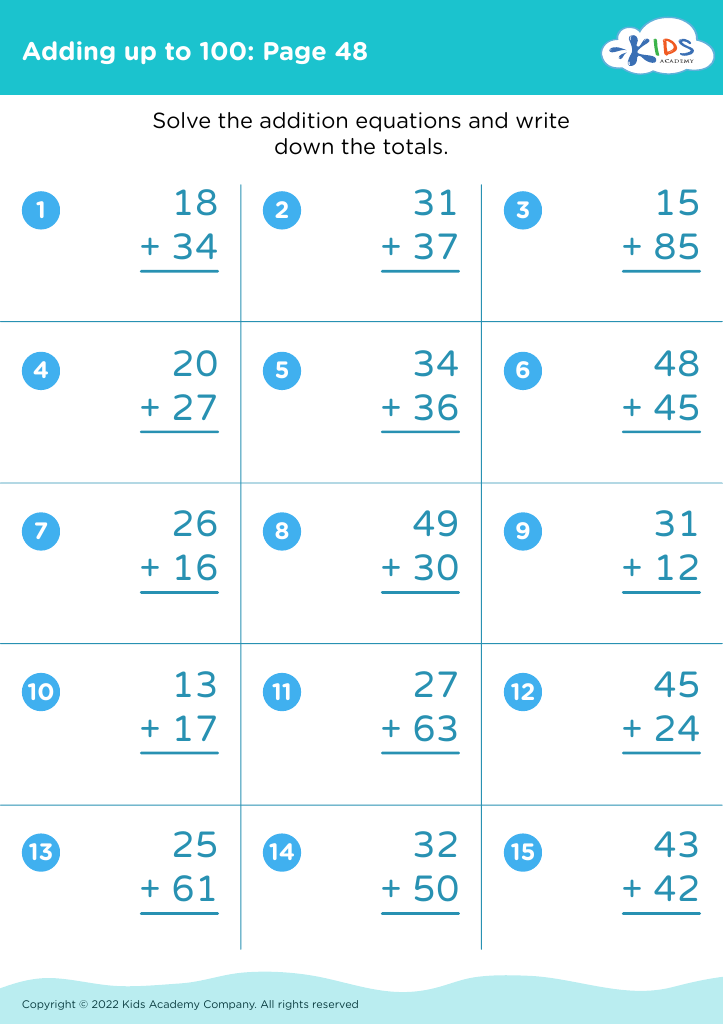
Adding up to 100: Page 48

Adding up to 100: Page 48

Adding up to 100: Page 48
Worksheet
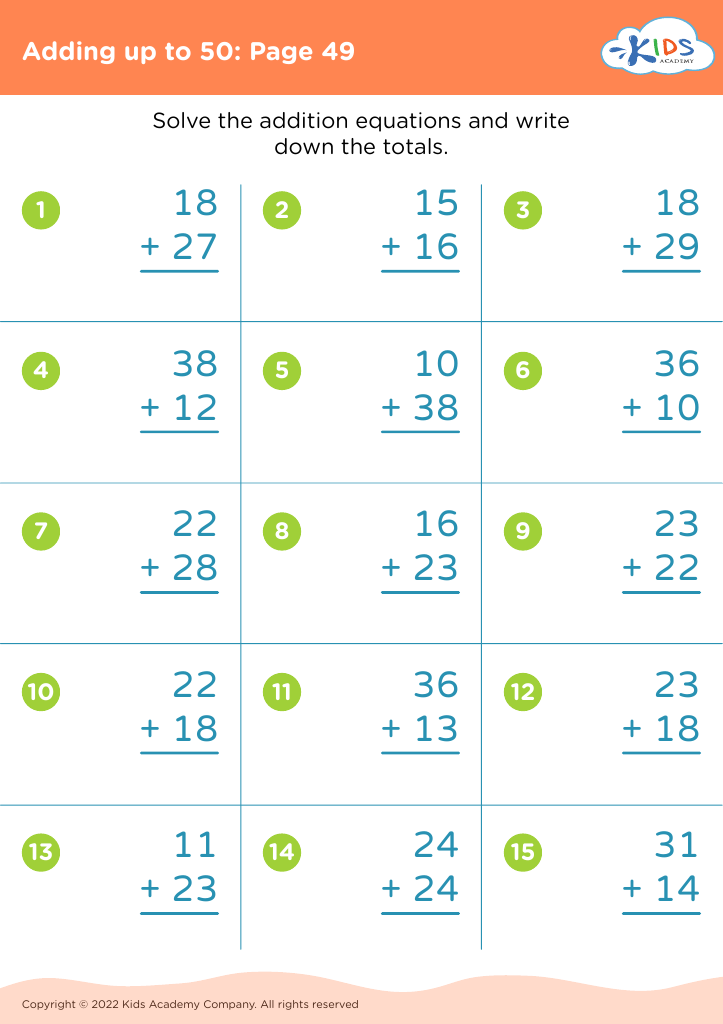
Adding up to 50: Page 49

Adding up to 50: Page 49

Adding up to 50: Page 49
Worksheet
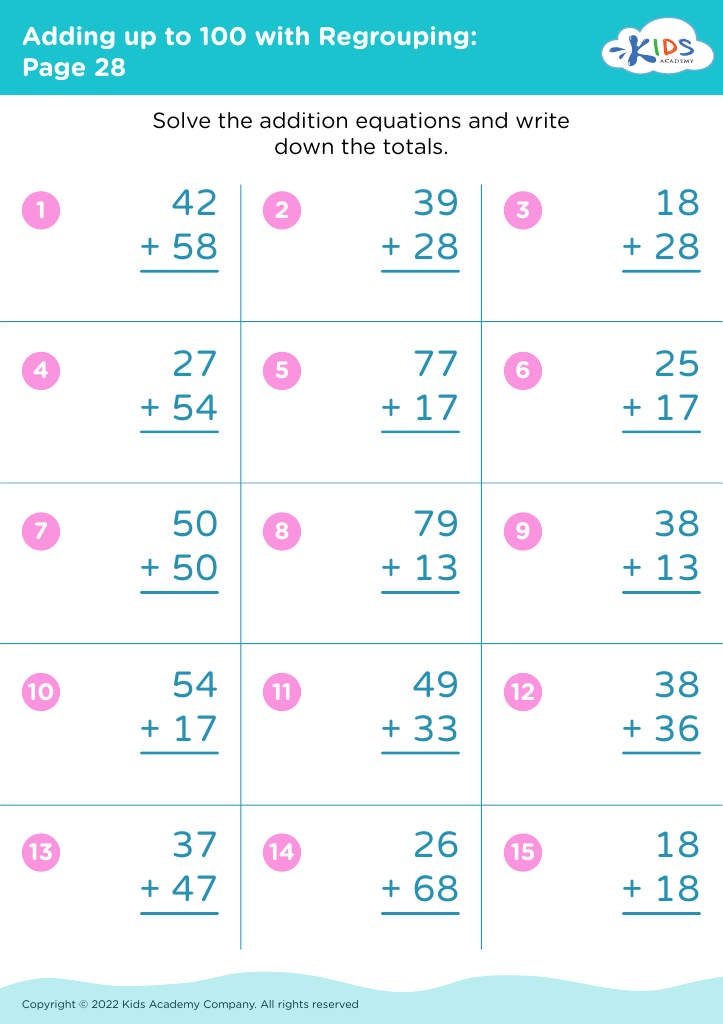
Adding up to 100 with Regrouping: Page 28
Worksheet
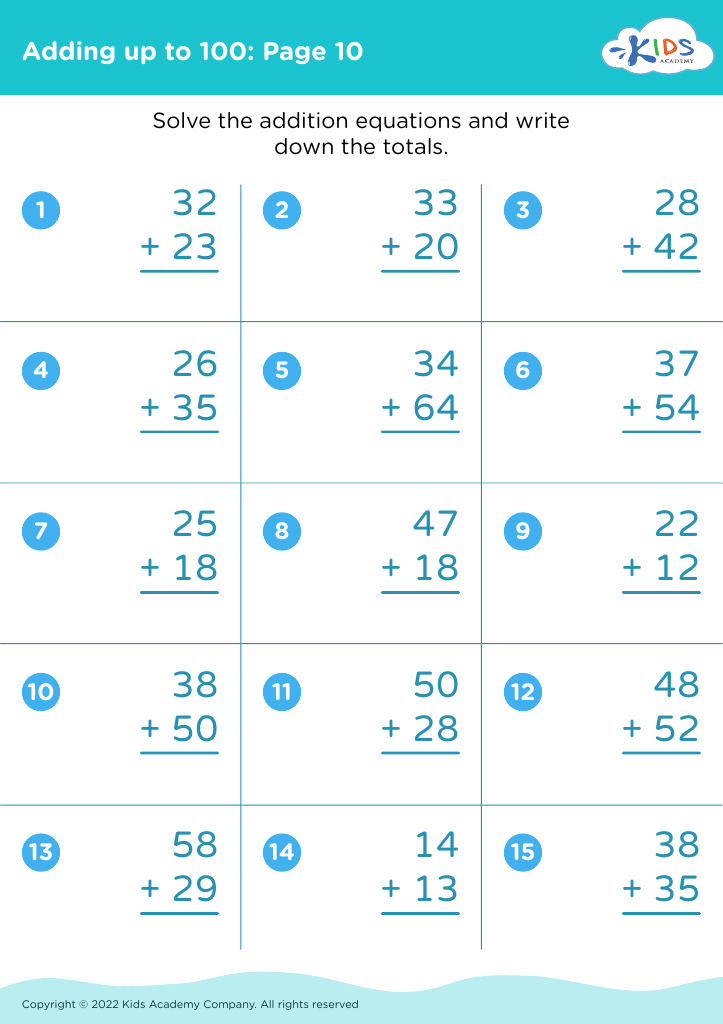
Adding up to 100: Page 10

Adding up to 100: Page 10

Adding up to 100: Page 10
Worksheet
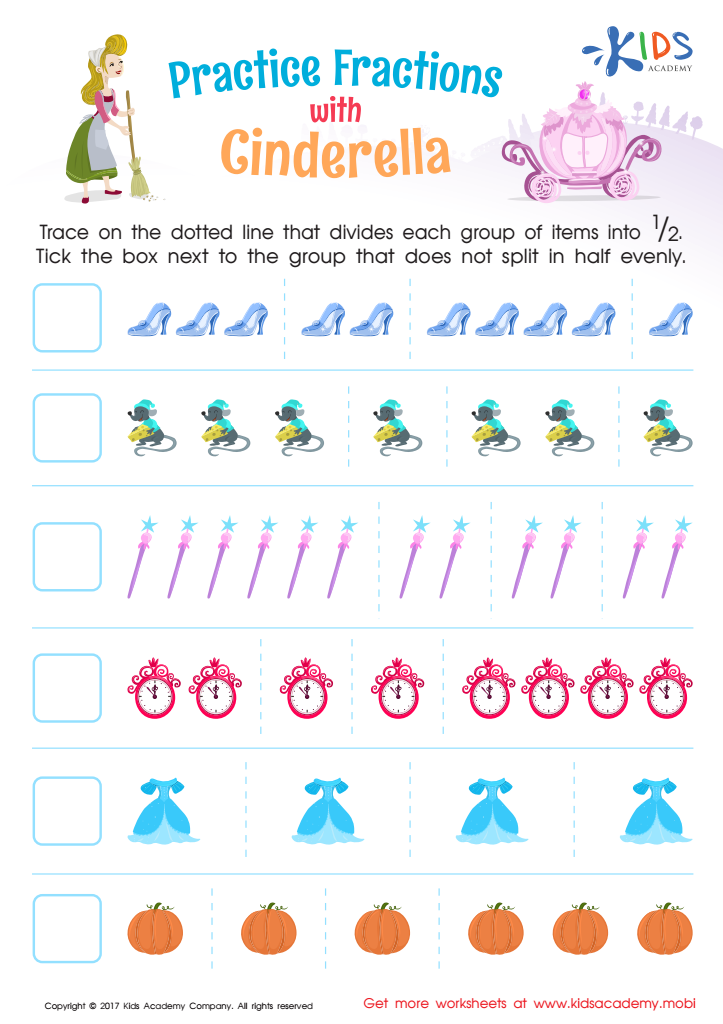
Cinderella Fraction Practice

Fractions: Cinderella Printable
Cinderella and ½ are the perfect pair to excite your child about learning fractions.
Fractions: Cinderella Printable

Worksheet
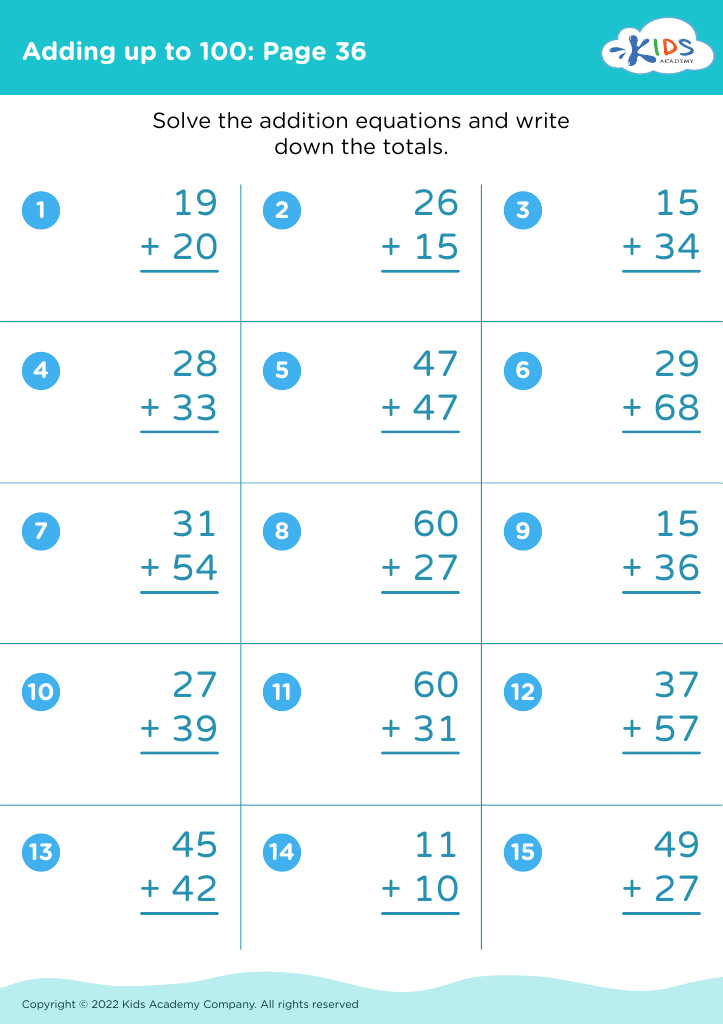
Adding up to 100: Page 36

Adding up to 100: Page 36

Adding up to 100: Page 36
Worksheet


Understanding how to compare fractions is an essential skill for children ages 5-8, setting a foundation for future mathematical concepts and everyday decision-making. When young learners grasp the idea of comparing fractions, they develop critical thinking and reasoning abilities. This skill helps them understand that fractions are parts of a whole and that these parts can be compared to one another, forming the basis of more advanced math topics such as decimals, percentages, and ratios.

Teachers and parents should prioritize comparing fractions as it enhances problem-solving skills. Children learn to decipher which fractions are greater, lesser, or equal, aiding their overall number sense and ability to judge proportions in real-life contexts, such as determining if one-half of a pizza is more than one-fourth of another.

Moreover, mastering fractions at an early age boosts confidence in tackling a range of mathematical disciplines, contributing to academic success. This understanding also plays a critical role in encouraging logical thinking, promoting persistence in working through complex problems, and fostering a positive attitude towards mathematics. Additionally, by comparing fractions, children improve their abilities to collaborate and communicate their thought processes, which are valuable lifelong skills. Therefore, both teachers and parents should actively support and emphasize the learning of fractions in early education.