Develop problem-solving abilities Worksheets for Ages 5-8
6 filtered results
-
From - To
Unlock your child's potential with our "Develop Problem-Solving Abilities Worksheets for Ages 5-8". Designed by experts, these engaging and interactive worksheets help young learners enhance critical thinking, logical reasoning, and creative problem-solving skills. Packed with colorful themes and playful activities, each sheet encourages children to tackle challenges, think independently, and persist through difficulties. Perfect for home or classroom use, our worksheets offer a fun and educational way to build a strong foundation in essential cognitive skills. Empower your child with the confidence and competence to solve problems effectively, leading to lifelong learning success.
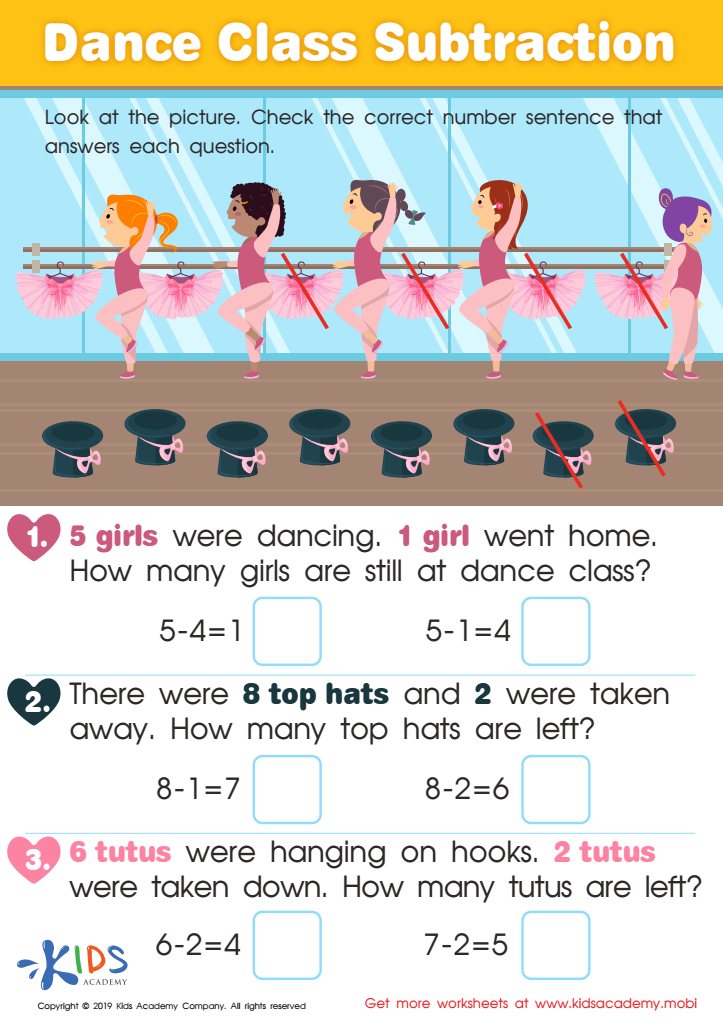
Dance Class Subtraction Worksheet
 Assign to My Students
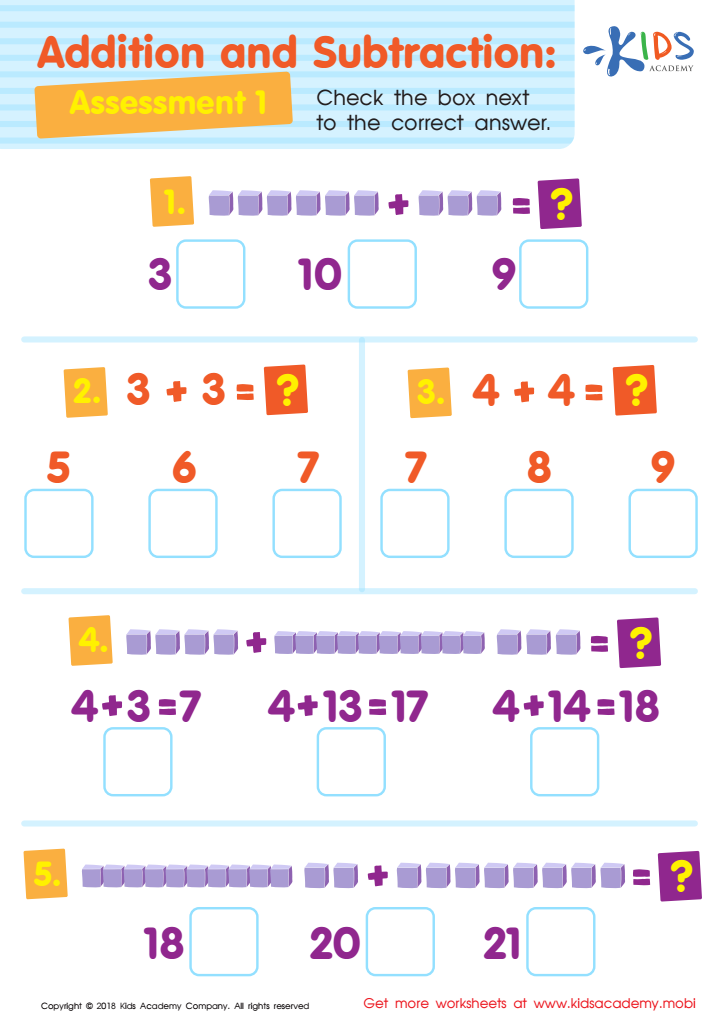
Addition and Subtraction Assessment 1 Worksheet
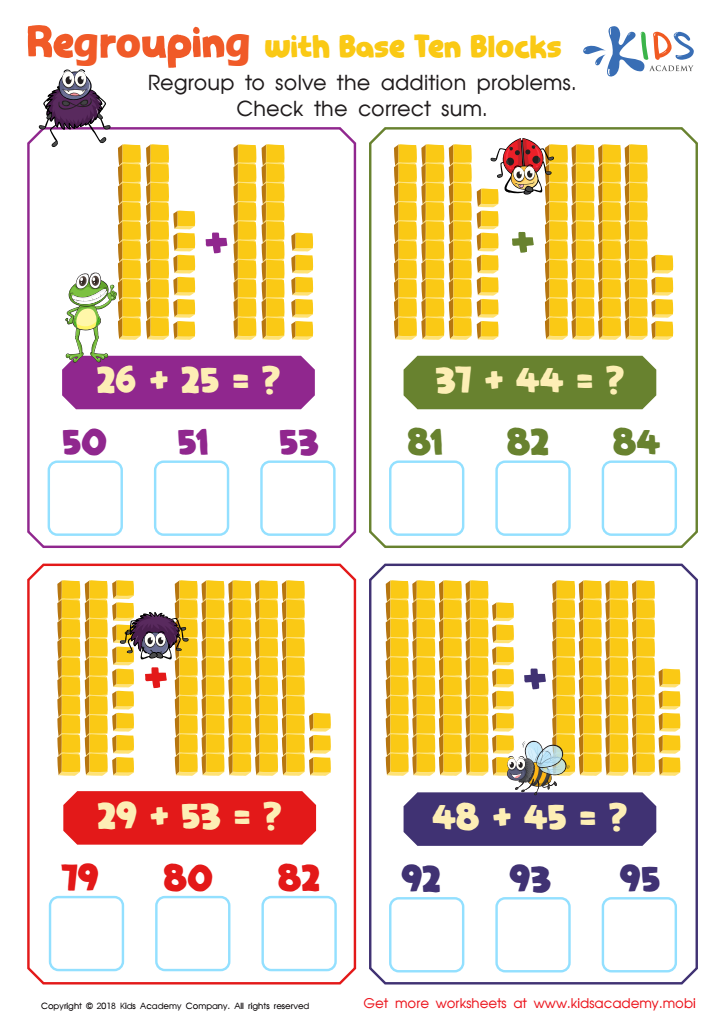
Regrouping With Base Ten Blocks Worksheet
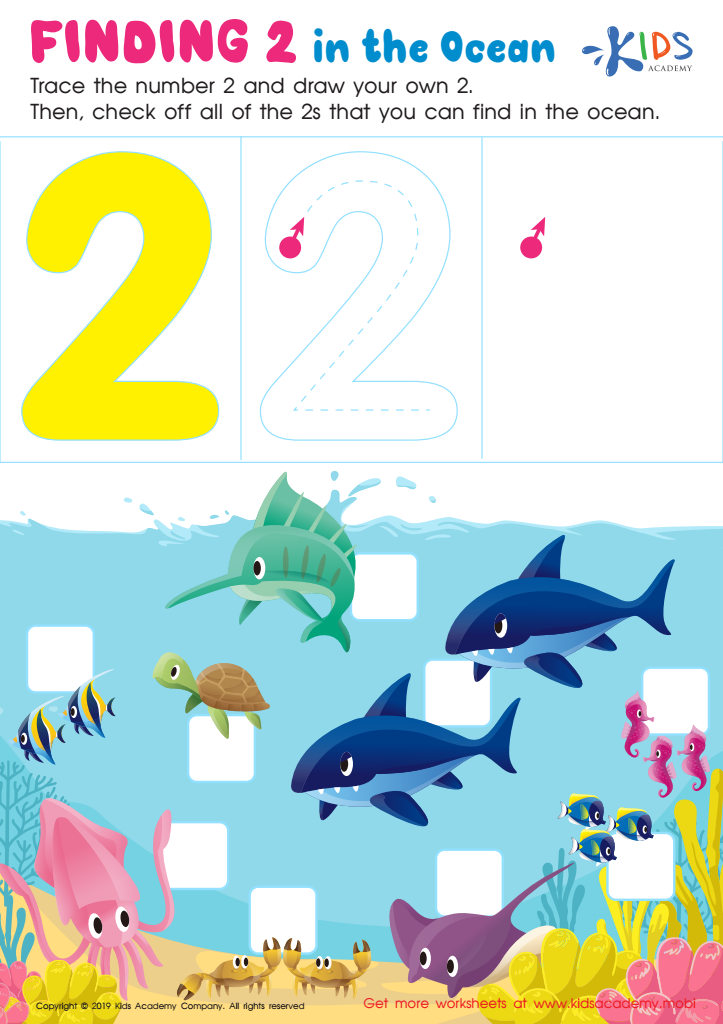
Finding 2: In the Ocean Worksheet
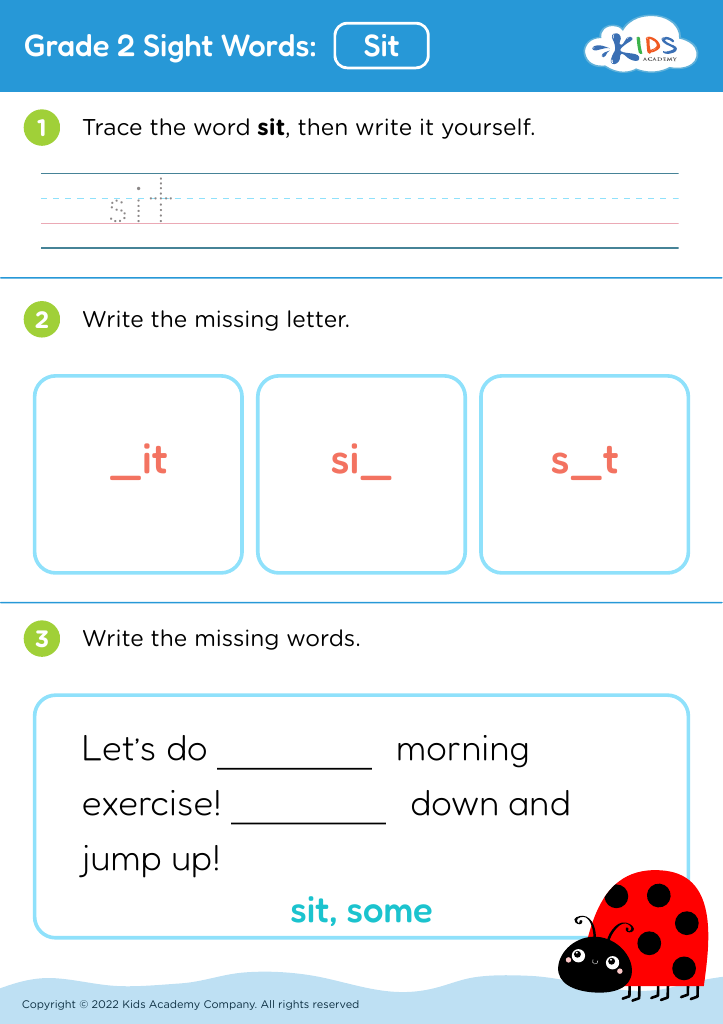
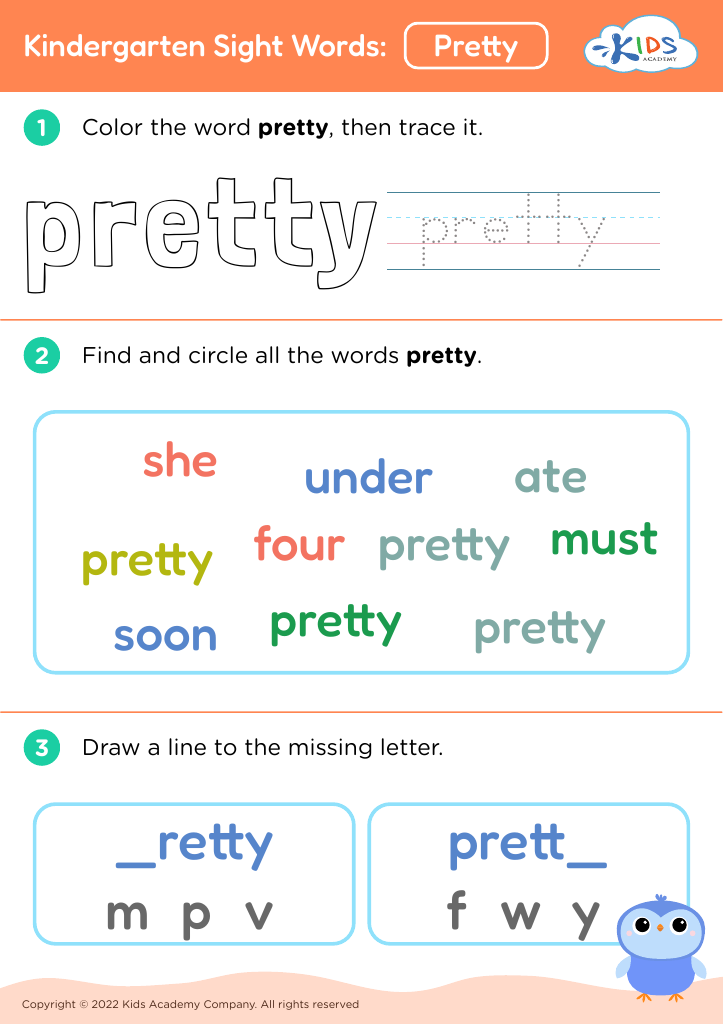








Developing problem-solving abilities in children aged 5-8 is crucial for their cognitive, social, and emotional growth. At this stage, young minds are remarkably receptive and rapidly absorbing information from their surroundings. By fostering problem-solving skills, parents and teachers empower children to think independently, make informed decisions, and navigate challenges with confidence.
Problem-solving nurtures critical thinking, encouraging children to analyze situations, identify patterns, and devise effective solutions. This foundational skill is essential for academic success, as it applies to subjects like math, science, reading comprehension, and beyond. Engaging in problem-solving activities also builds resilience, teaching kids to view setbacks as opportunities to learn and grow.
Socially, problem-solving enhances cooperative play and effective communication. Children who practice these skills can navigate interpersonal conflicts, understand others' perspectives, and work collaboratively. This leads to healthier relationships and a more harmonious classroom environment.
Emotionally, effective problem-solving fosters a sense of accomplishment and boosts self-esteem. Children learn to trust their abilities and become more self-reliant. This confidence extends to all areas of their lives, helping them tackle new challenges with a positive mindset.
In sum, developing problem-solving skills in young children sets the foundation for lifelong learning, adaptability, and emotional well-being. Paying attention to this crucial aspect of development equips them with tools for success in school and life.








