Improving critical thinking Worksheets for Ages 5-8
6 filtered results
-
From - To
Discover our engaging "Improving Critical Thinking Worksheets for Ages 5-8," specifically designed to enhance cognitive skills in young learners. Our collection offers age-appropriate activities that encourage problem-solving, logical reasoning, and creativity. Each worksheet is crafted to stimulate curiosity and foster a love for learning, helping children to think independently and make connections. Ideal for home or classroom use, these printable resources seamlessly integrate play with education, ensuring a fun experience while building essential critical thinking abilities. Equip your child with the tools to evaluate information, ask questions, and develop solutions—supercharging their brainpower from an early age. Explore now!
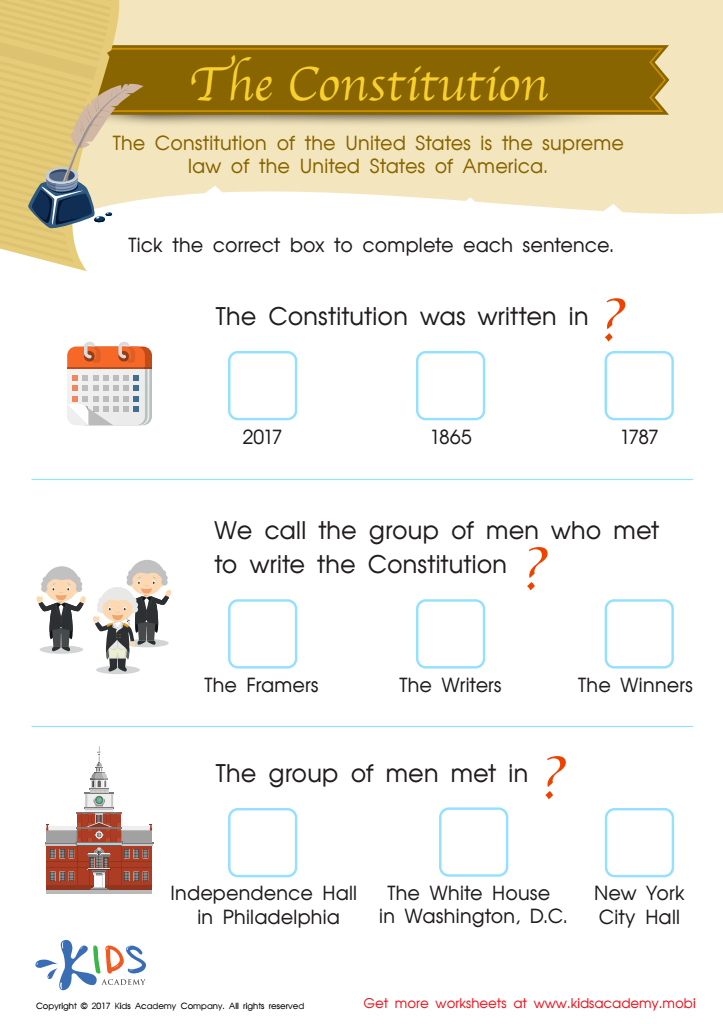
The Constitution Worksheet
 Assign to My Students
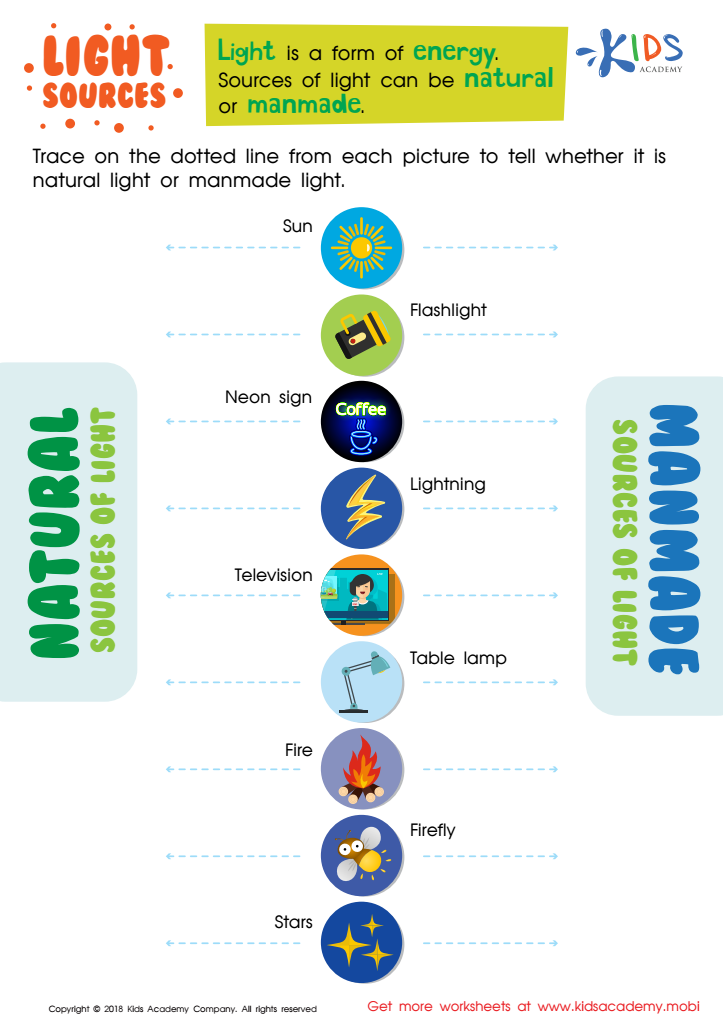
Natural and Manmade Light Sources Worksheet
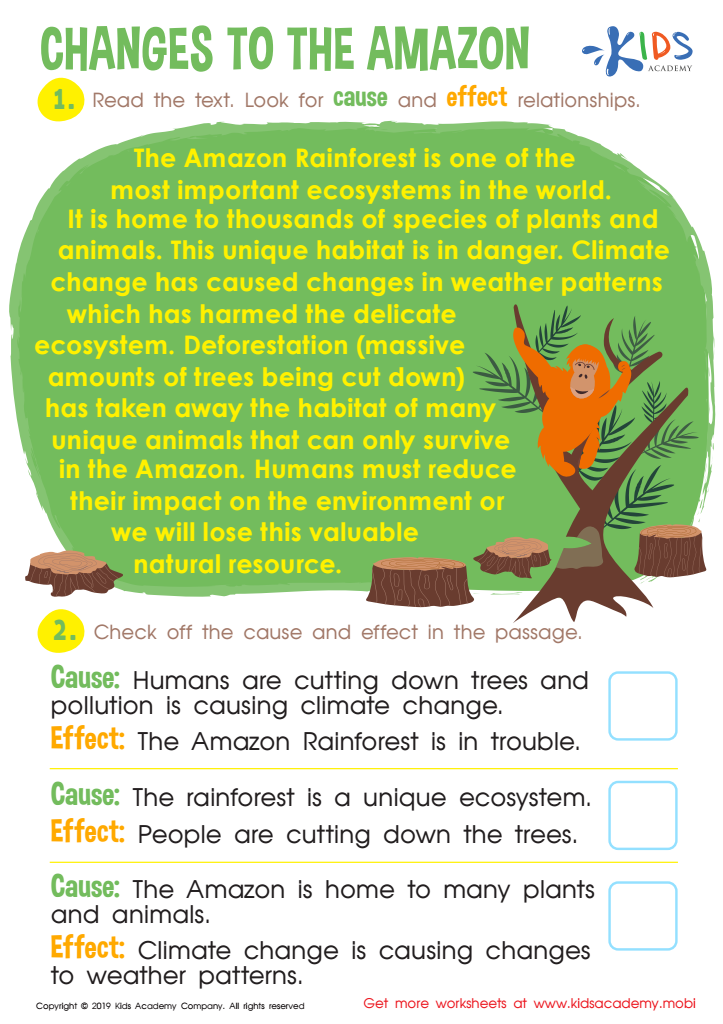
Changes to the Amazon Worksheet
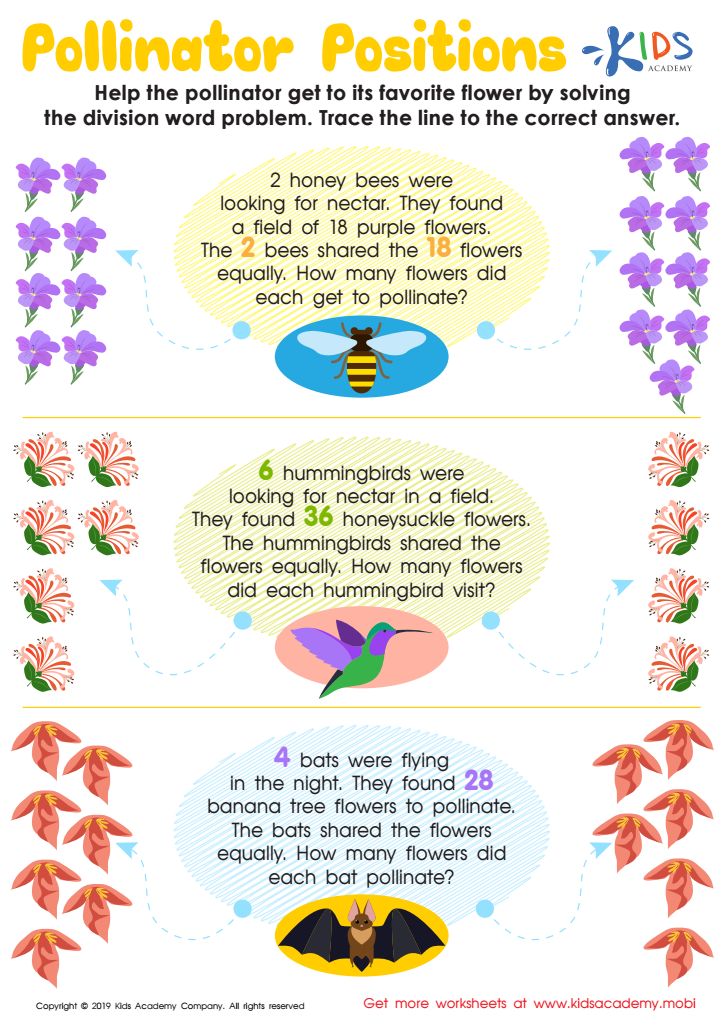
Pollinator Positions Worksheet
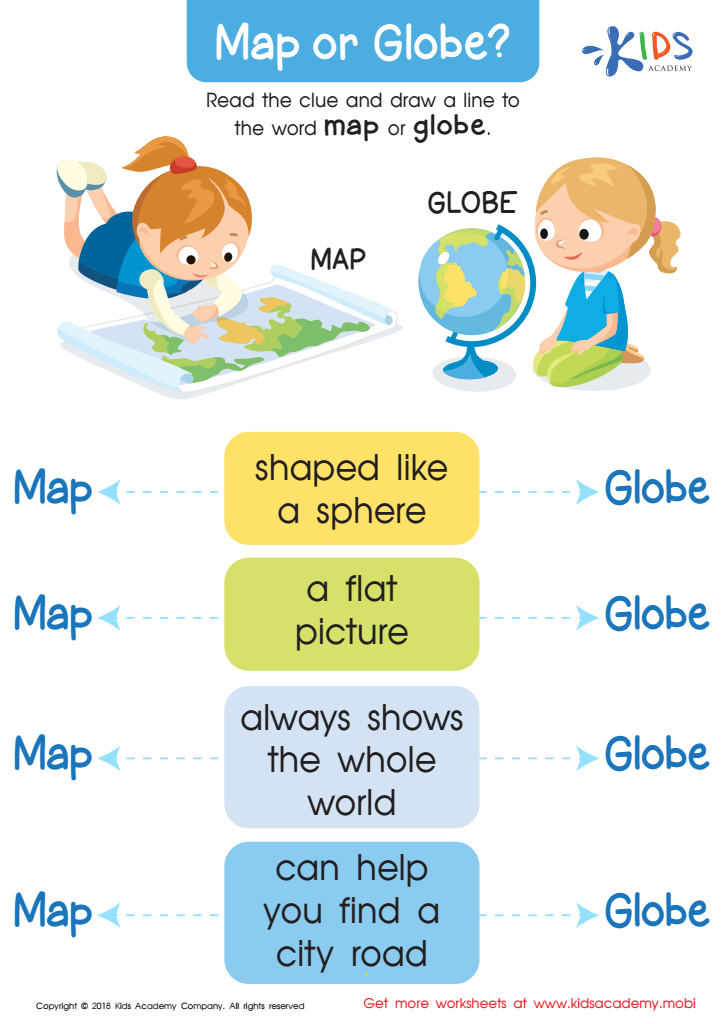
Map or Globe? Worksheet
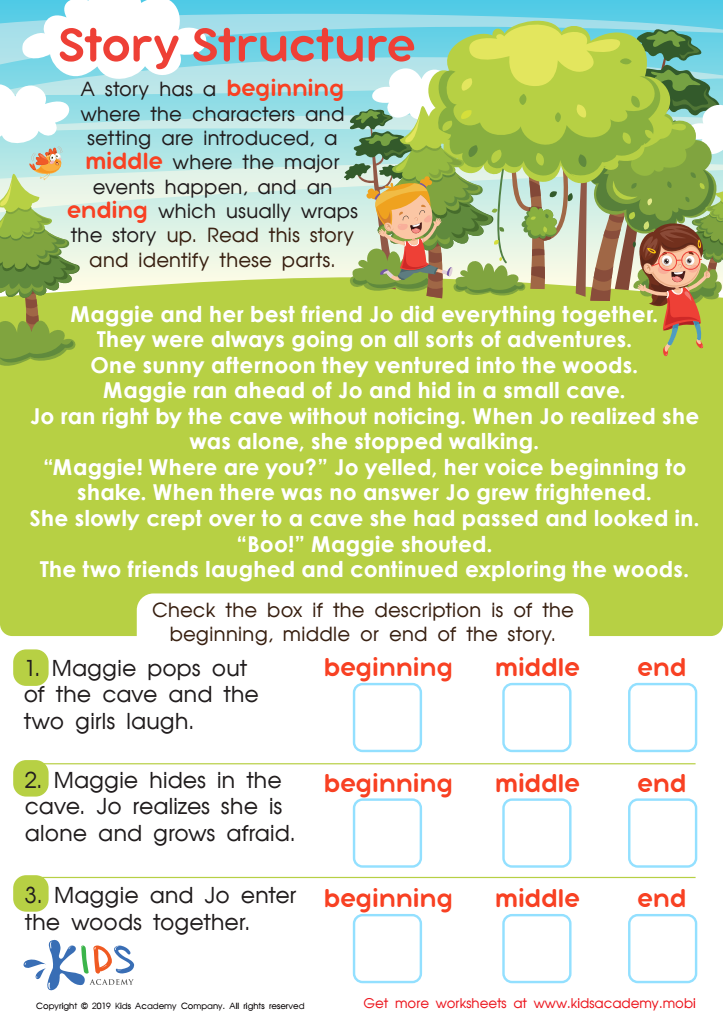
Story Structure Worksheet








Improving critical thinking in children aged 5-8 is essential for their overall development. At this stage, children's cognitive abilities are rapidly evolving, and fostering critical thinking lays the foundation for lifelong learning. Engaging in activities that challenge children to think critically encourages curiosity, problem-solving skills, and creativity.
Parents and teachers should prioritize critical thinking because it promotes independence in learning. When children learn to analyze information, ask questions, and make informed decisions, they develop a sense of ownership over their learning process. Furthermore, critical thinking skills enable children to navigate an increasingly complex world, aiding them in making sense of information and distinguishing between facts and opinions.
Moreover, fostering communication and collaboration is vital in this age group. As young learners engage in discussions, share ideas, and work together, they not only enhance their critical thinking but also build important social skills. These experiences create a supportive learning environment, encouraging children to express themselves freely and develop empathy.
Ultimately, by nurturing critical thinking from an early age, parents and teachers help children become adaptable, confident individuals equipped to face challenges throughout their educational journey and beyond. Empowering children to think critically today paves the way for successful and engaged citizens tomorrow.








