Letter recognition Worksheets for Ages 5-8
109 filtered results
-
From - To
Discover exciting and educational letter recognition worksheets designed specifically for children aged 5-8 from Kids Academy! Our expertly crafted sheets are perfect for young learners eager to strengthen their alphabet knowledge, letter sounds, and early reading skills. Engaging activities such as tracing, matching, and coloring keep kids entertained while they learn. These printable worksheets support classroom learning and at-home practice, making letter recognition fun and effective. Foster a love for reading and build a strong literacy foundation with our imaginative and interactive resources. Visit Kids Academy today to unlock your child's potential and boost their confidence in phonics!
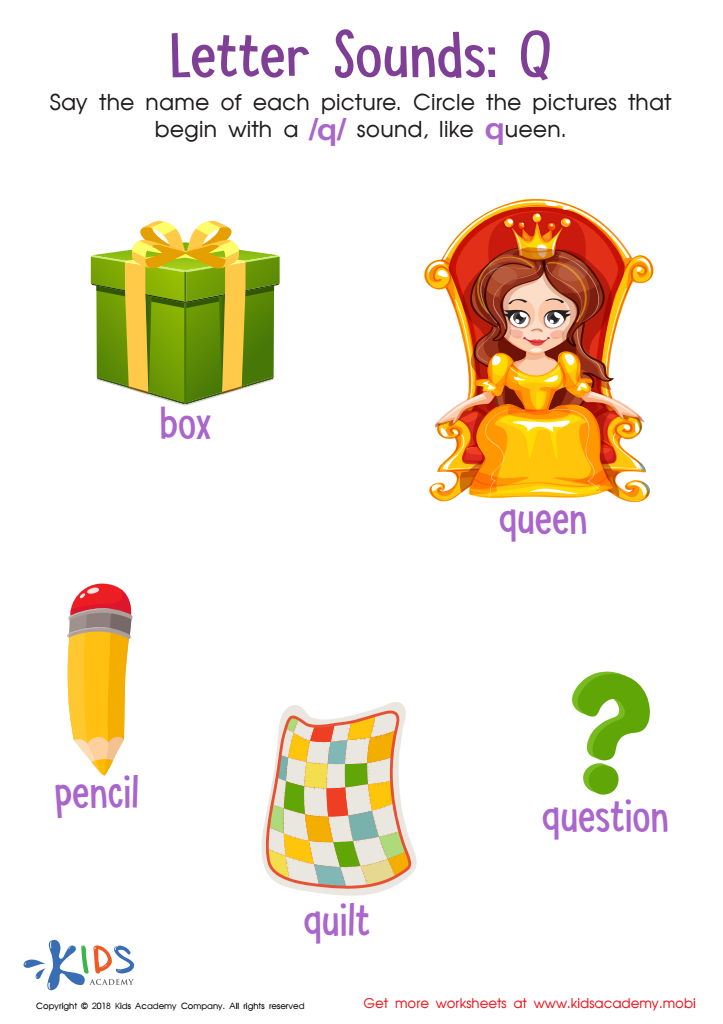
Letter Q Sounds Worksheet
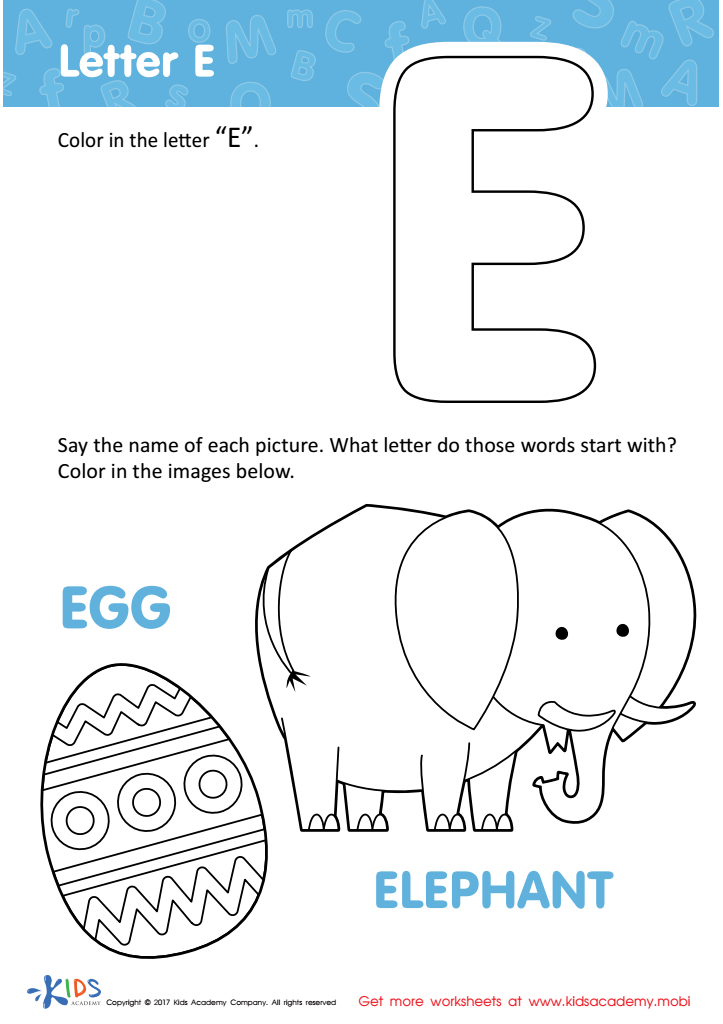
Letter E Coloring Sheet
 Assign to My Students
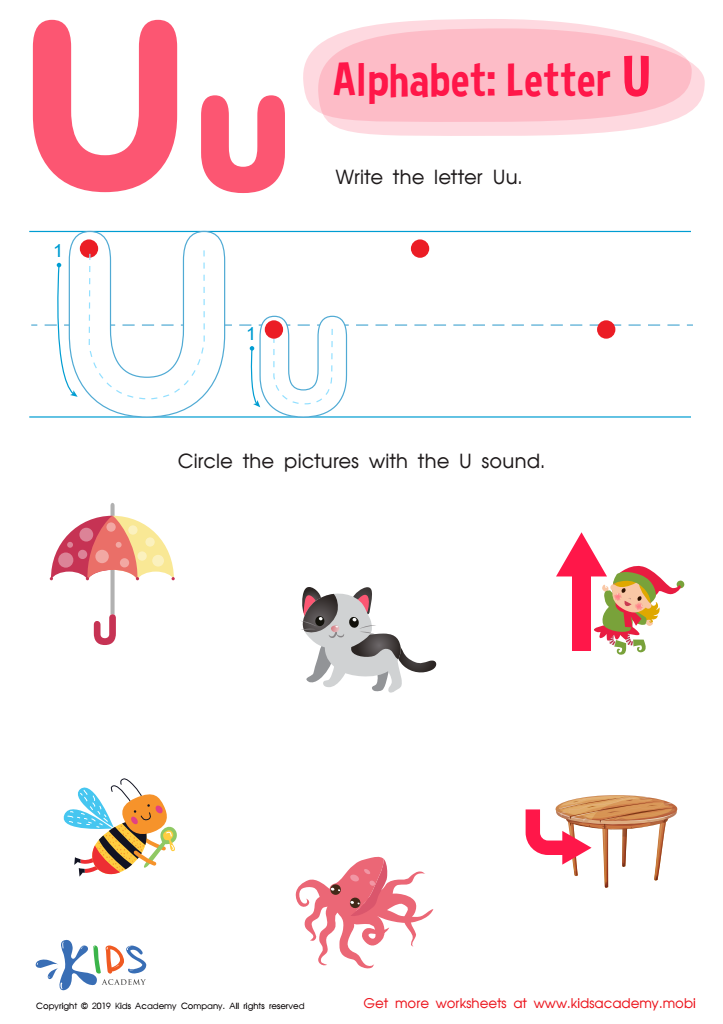
Letter U Tracing Worksheet
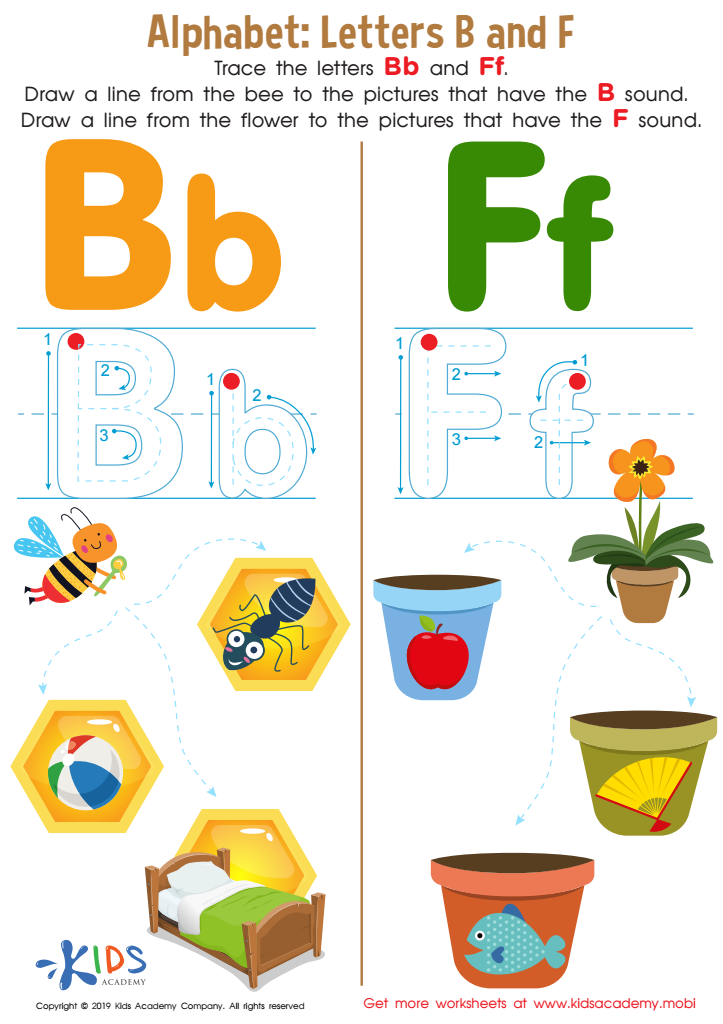
Letters B and F Tracing Worksheet
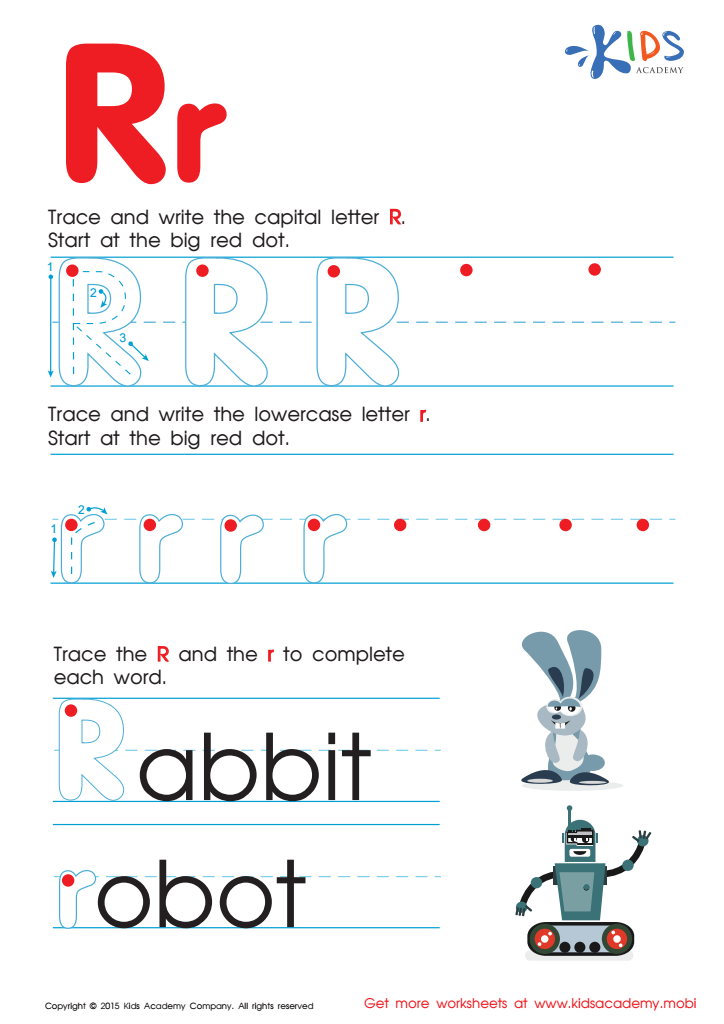
Letter R Tracing Page
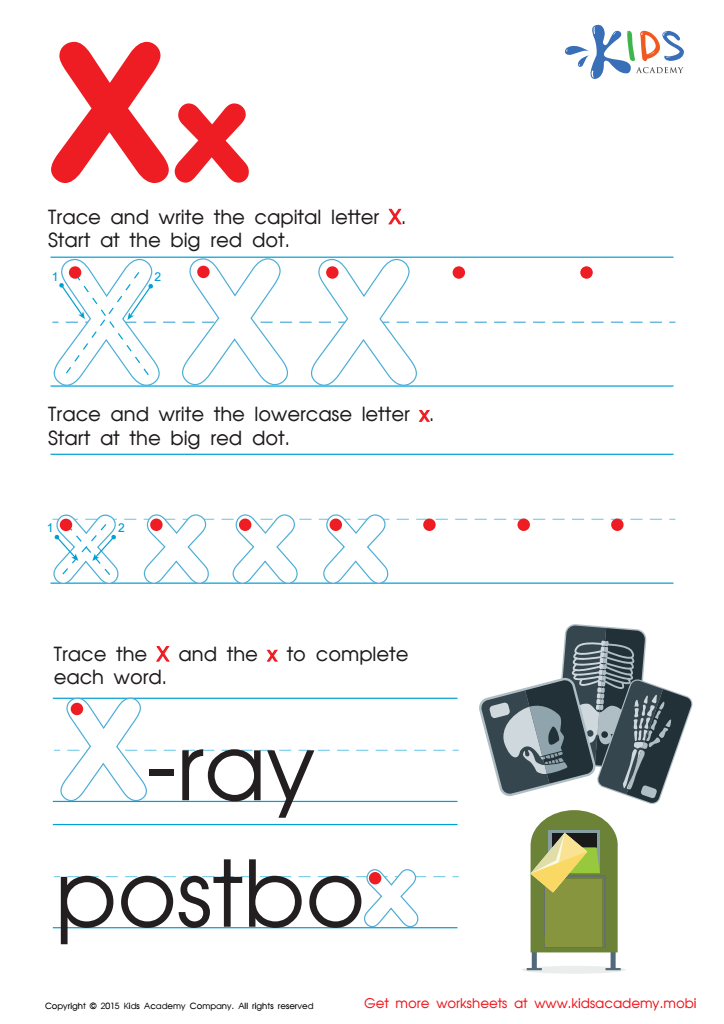
Letter X Tracing Page
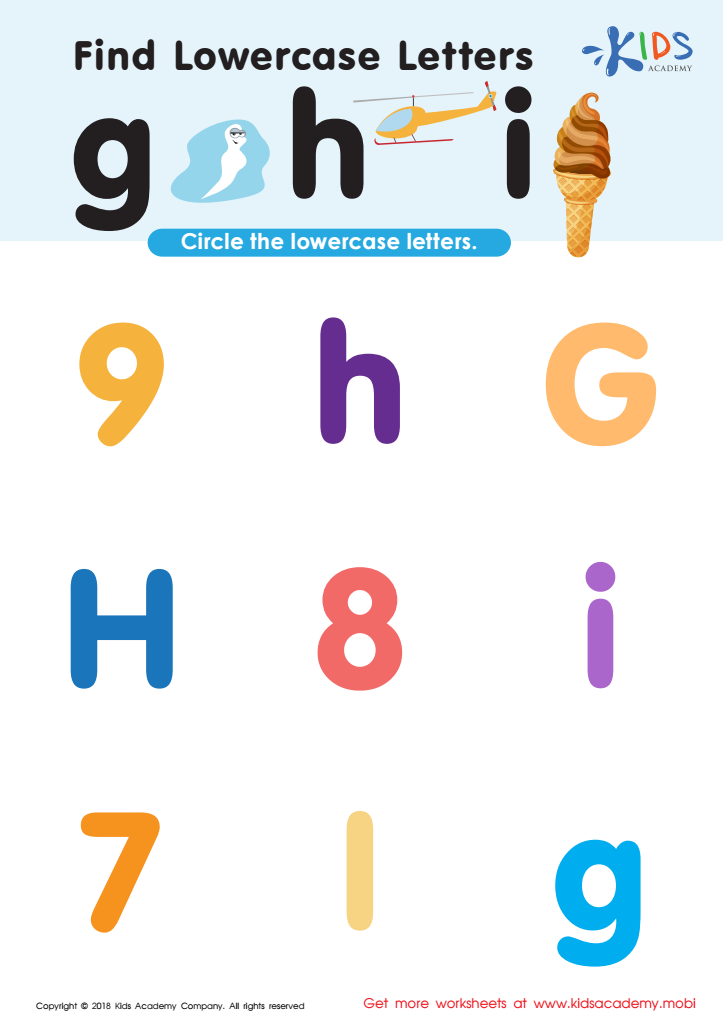
Find Lowercase Letters g h i Worksheet
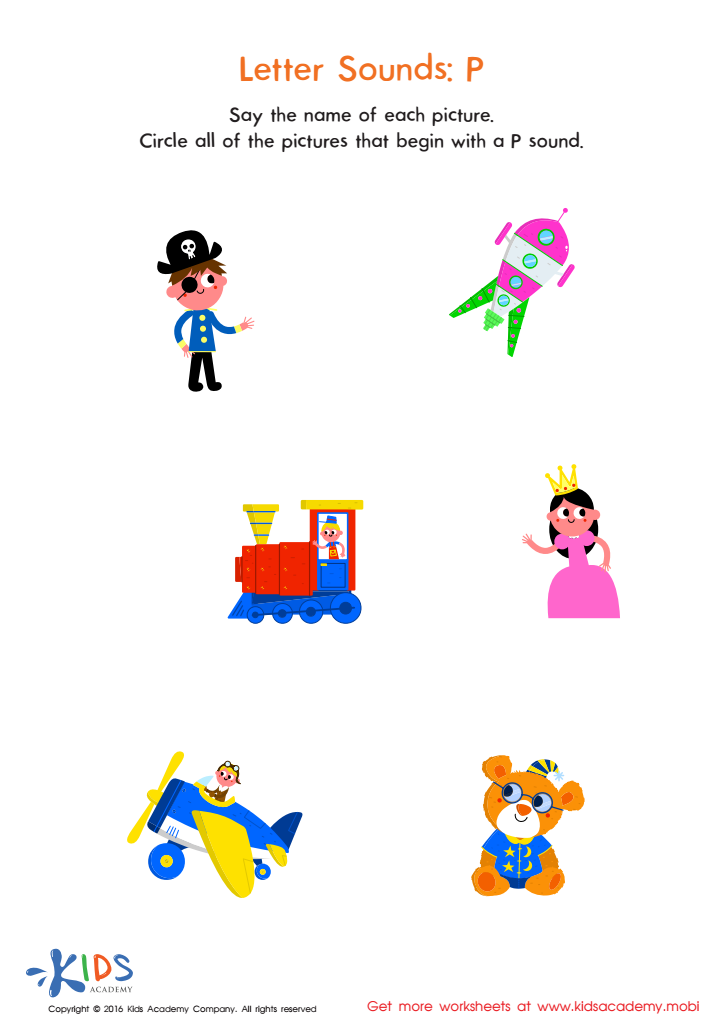
Letter P Sound Worksheet
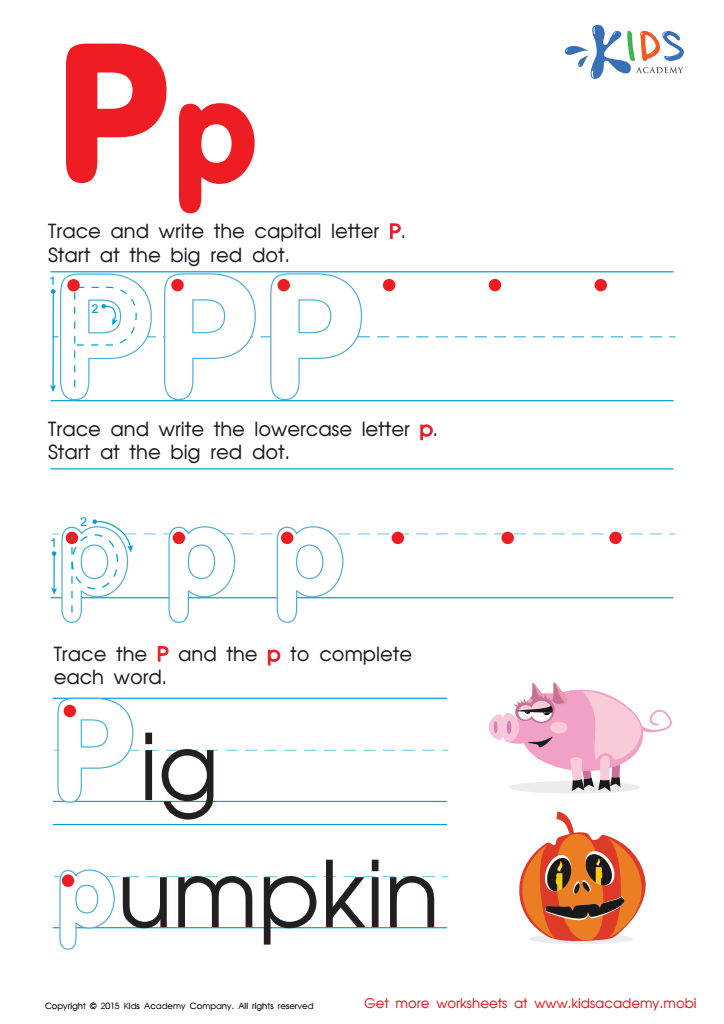
Letter P Tracing Page
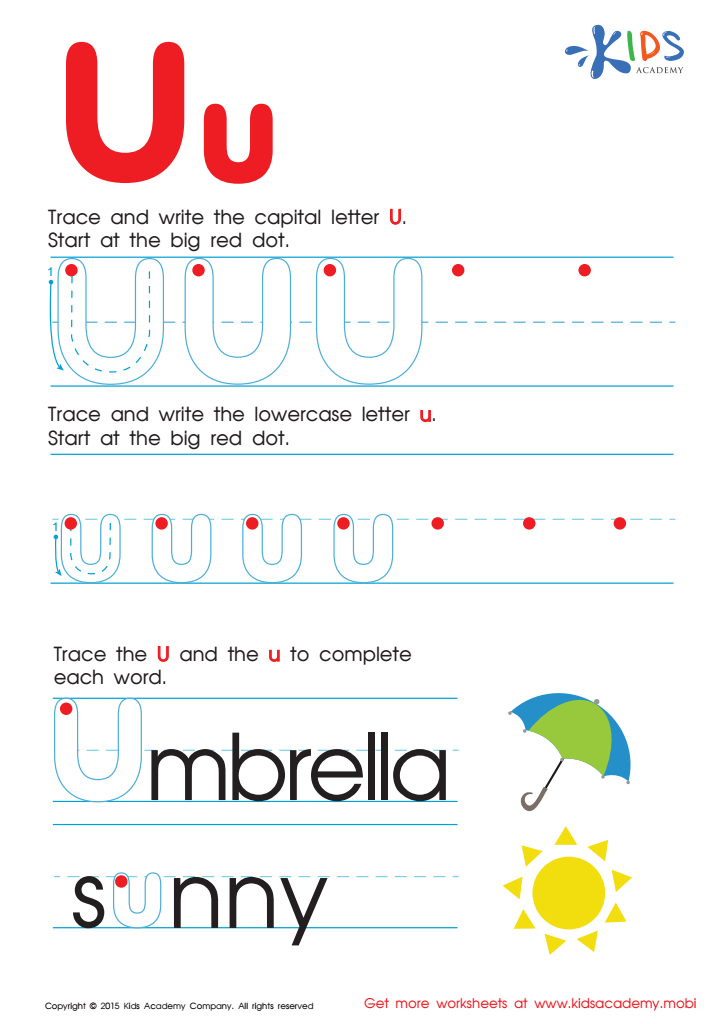
Letter U Tracing Page
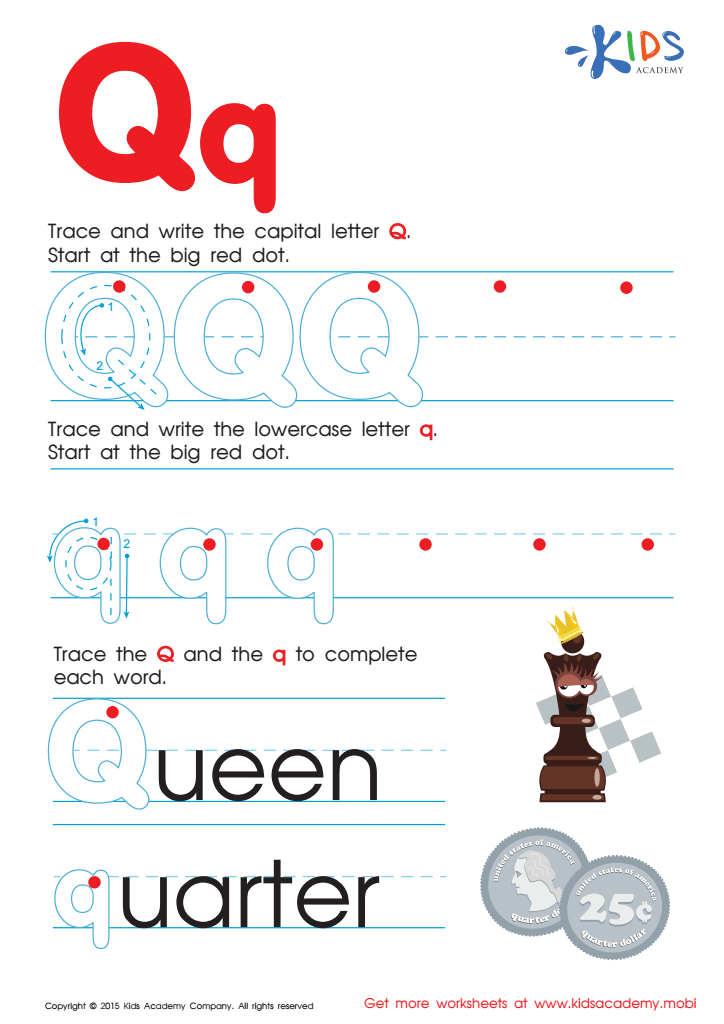
Letter Q Tracing Page
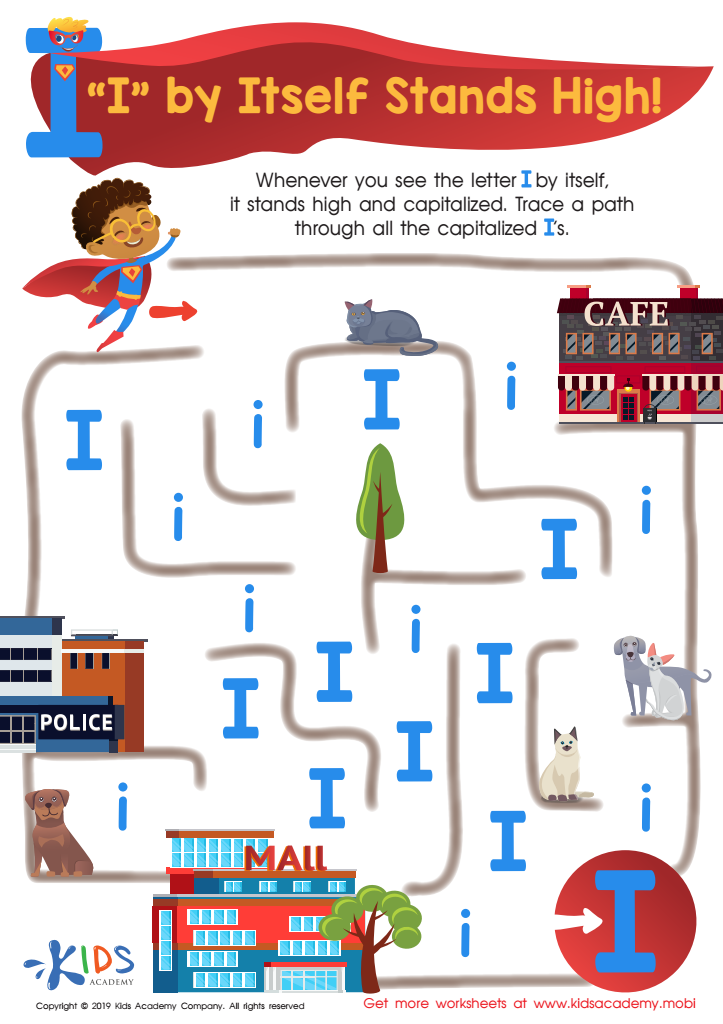
I Stands High Worksheet
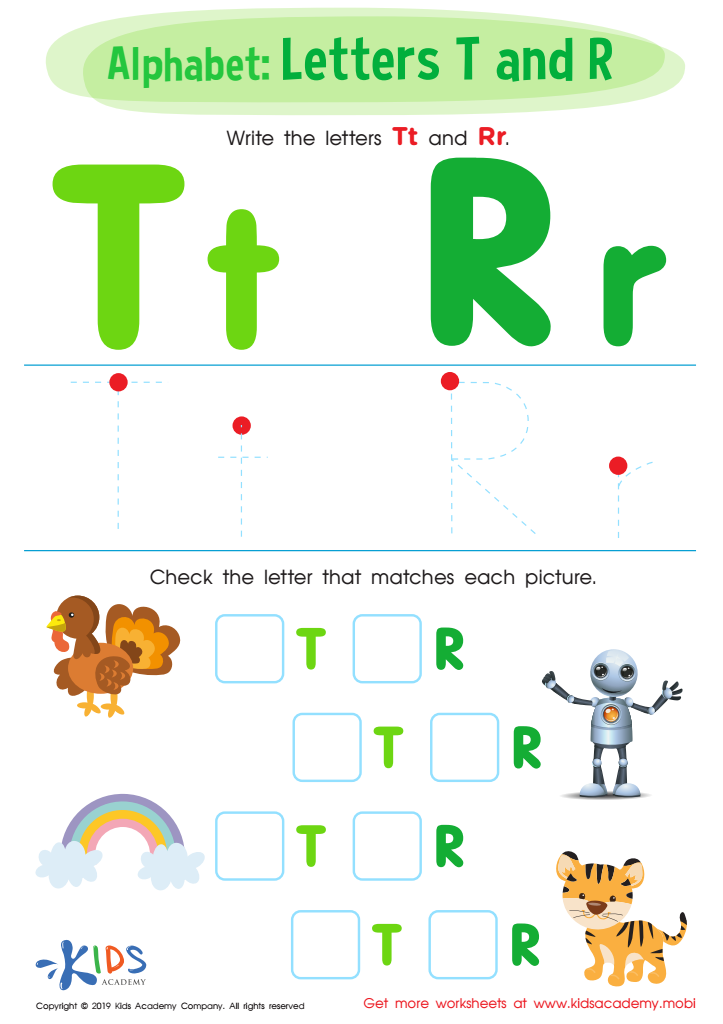
Letters T and R Worksheet
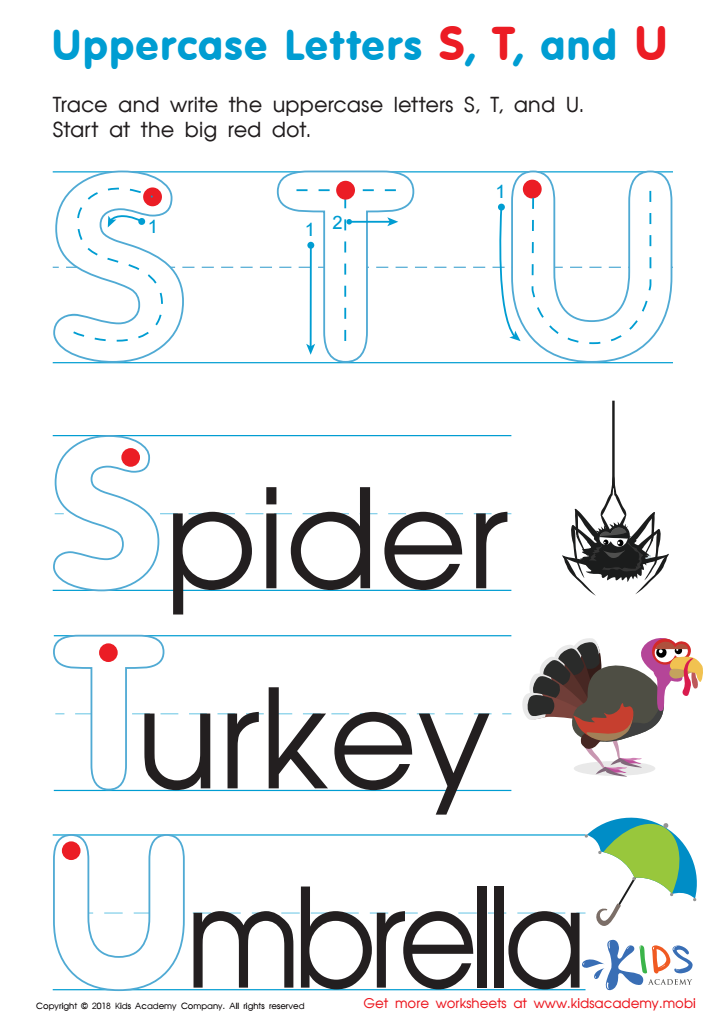
Uppercase Letters S, T, and U Worksheet
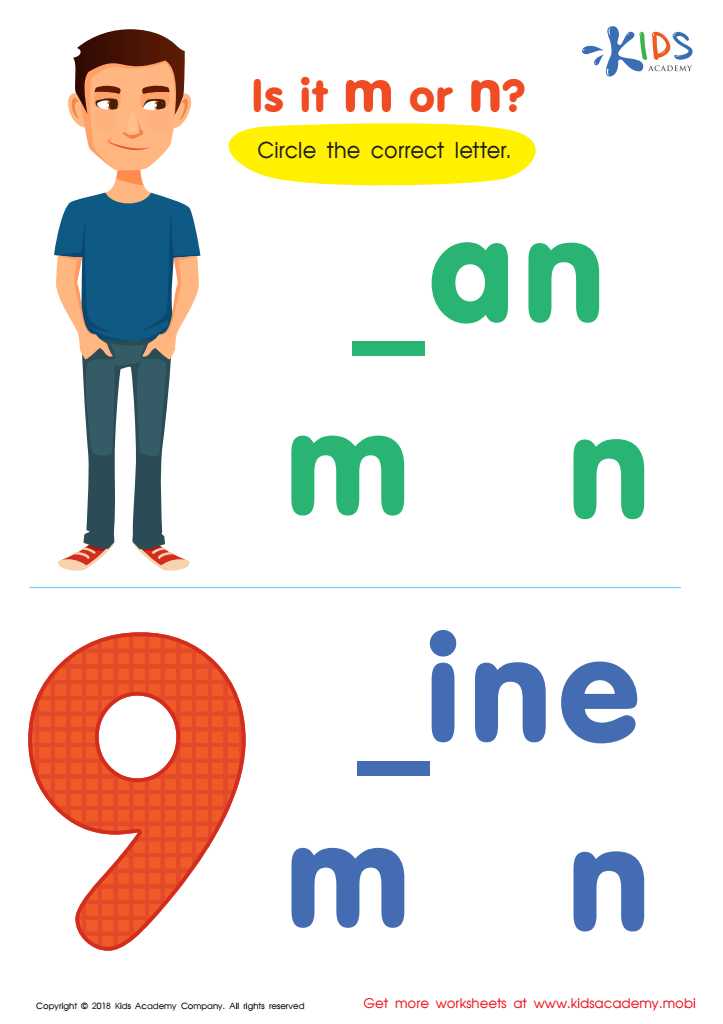
Is It m or n? Worksheet
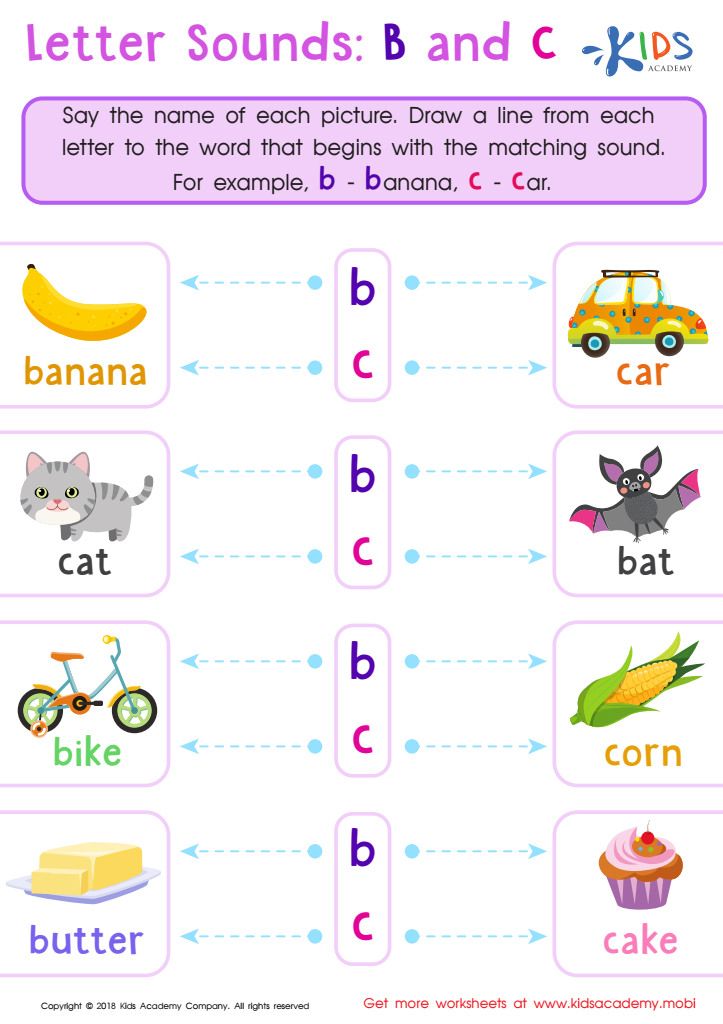
Letter B and C Sounds Worksheet
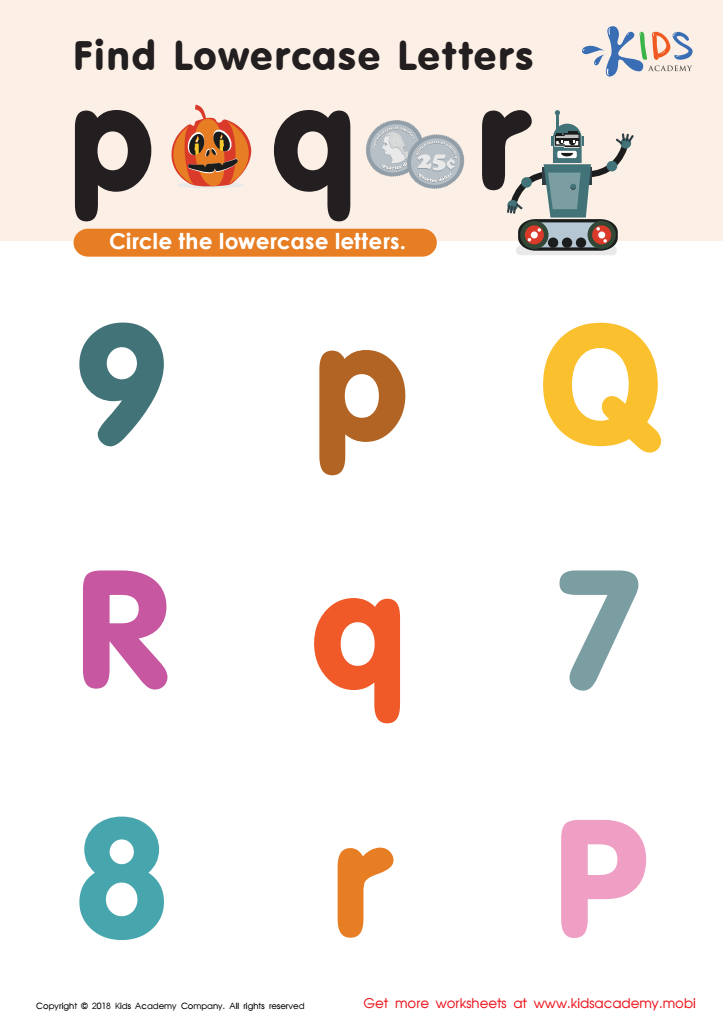
Find lowercase Letters p q r Worksheet
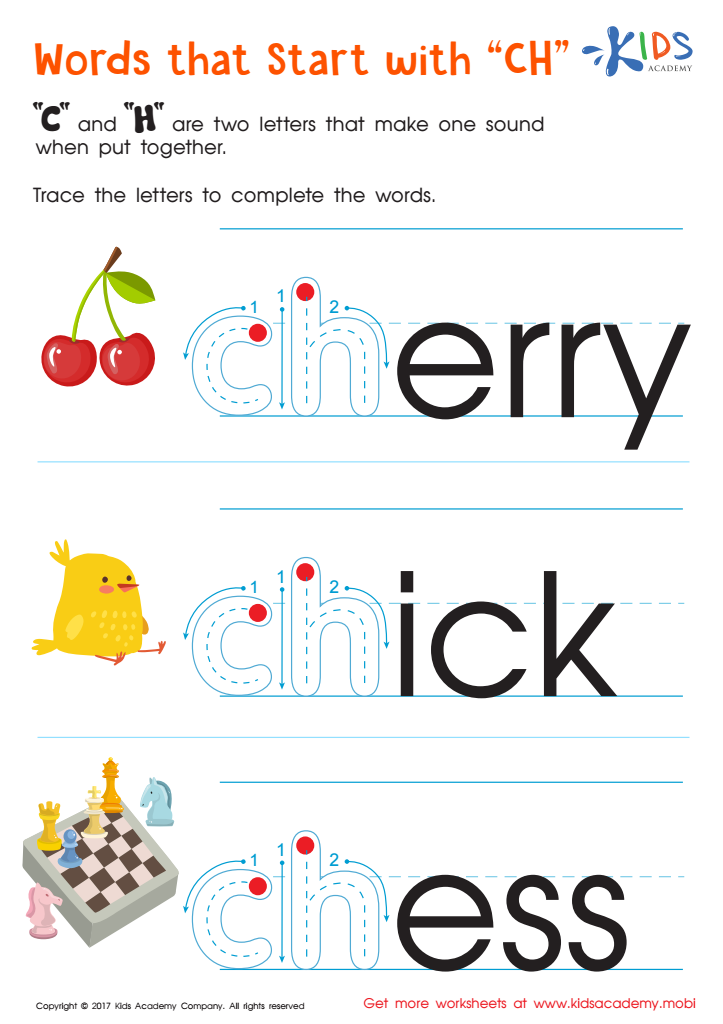
Words That Start with "ch" Spelling Worksheet
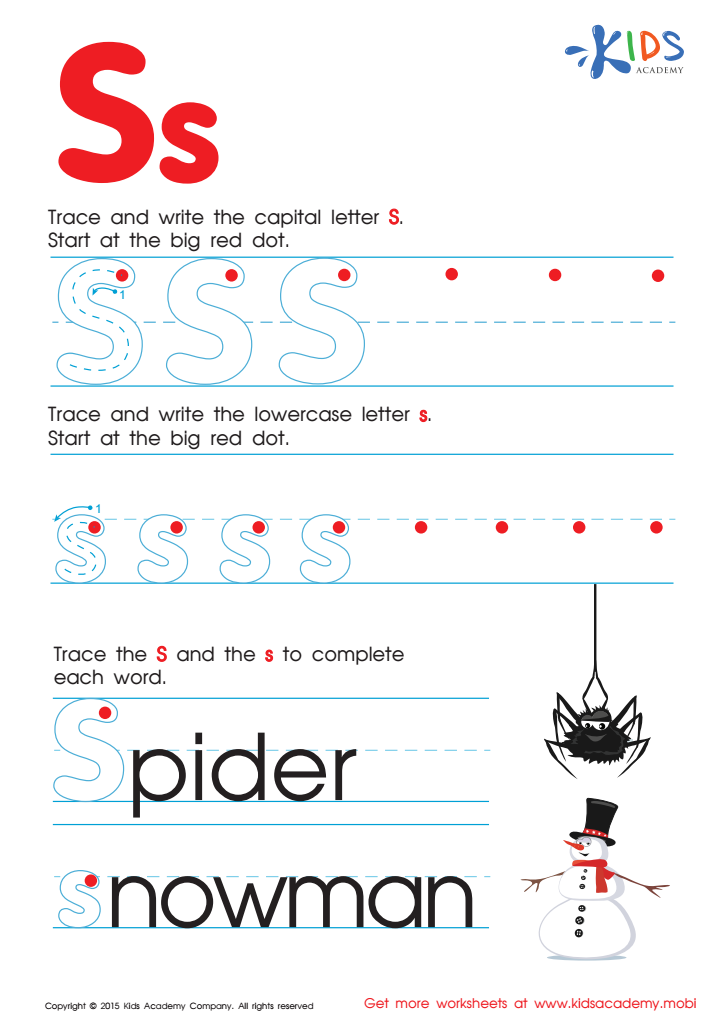
Letter S Tracing Page
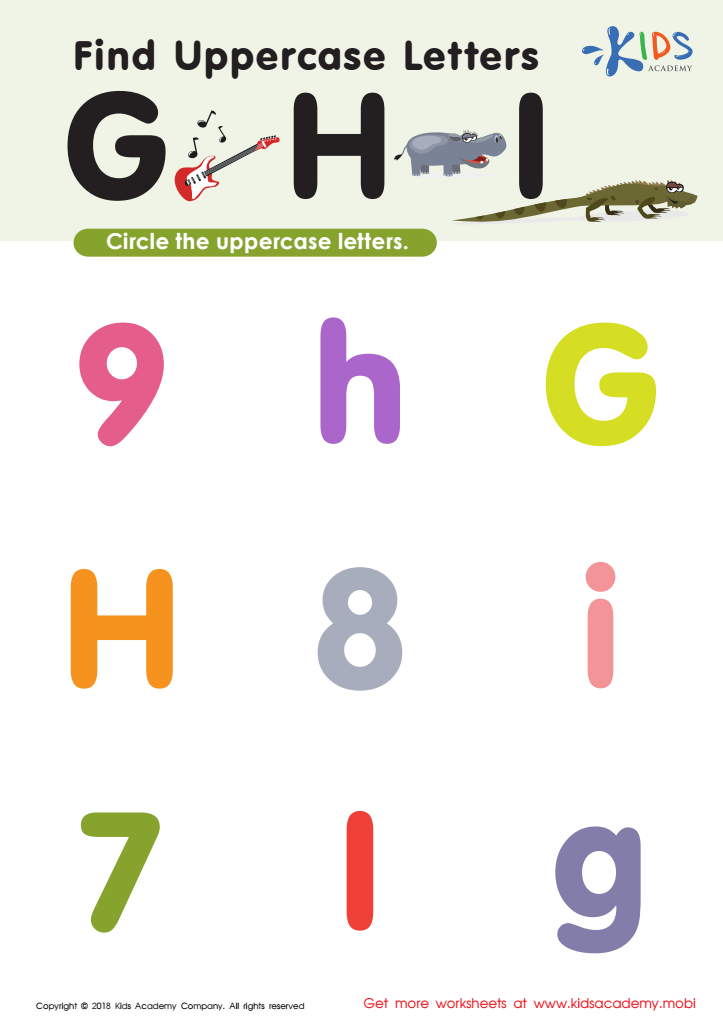
Find Uppercase Letters G, H, and I Worksheet
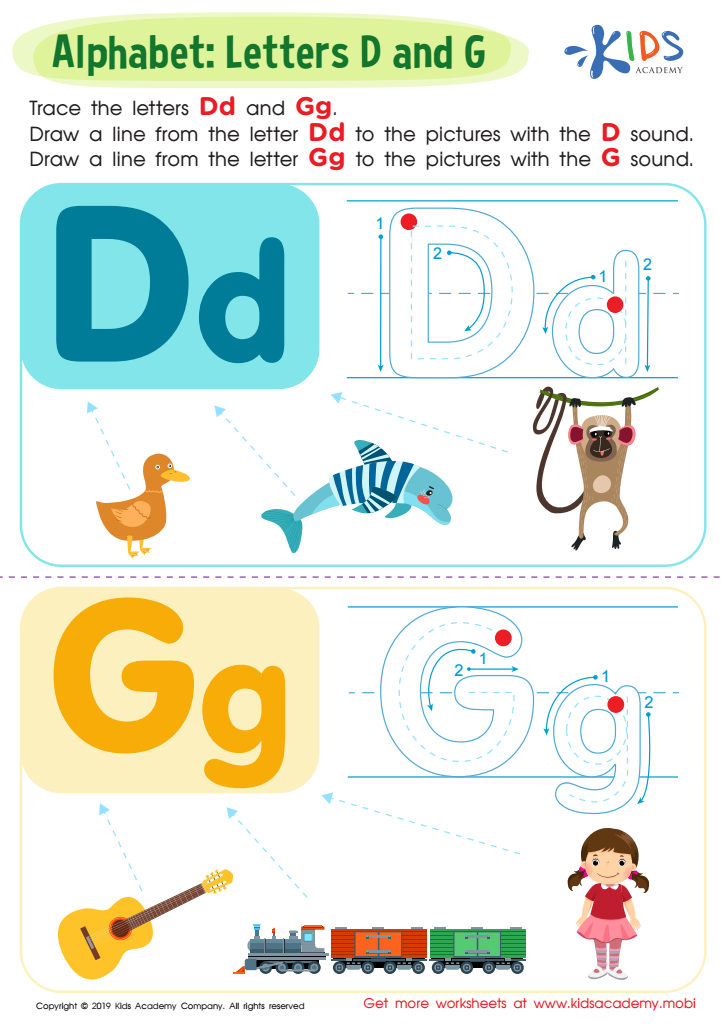
Letter D and G Tracing Worksheet
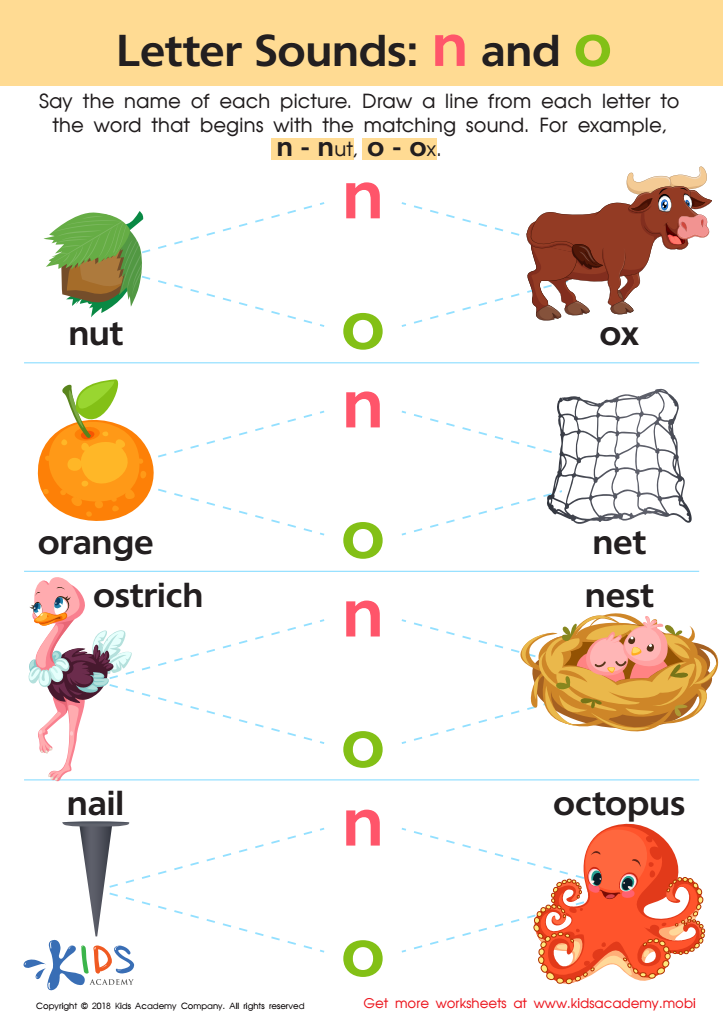
Letter N and O Sounds Worksheet








Letter recognition is crucial for children ages 5-8 because it establishes the foundation for literacy development. During these formative years, recognizing letters and understanding their sounds (phonics) are the building blocks of reading and writing, which are essential skills for academic success.
When children can recognize letters easily, they can begin to decode words, which leads to smoother reading. This ability to read early on fosters a child’s confidence and enthusiasm for learning, promoting a positive attitude towards education. Additionally, strong letter recognition skills enhance a child's vocabulary and comprehension skills because they become better equipped to identify, read, and understand new words.
From a cognitive standpoint, recognizing letters also strengthens memory and cognitive connections between symbols (letters) and sounds. Early mastery in these areas improves a child's ability to spell correctly and enhances their overall written communication skills.
Moreover, difficulty with letter recognition in early years can indicate future learning challenges, such as dyslexia. Detecting and addressing these difficulties early allows for timely interventions that can redirect a child's educational trajectory positively.
Therefore, parents and teachers should prioritize letter recognition in early education to support children's literacy development, ensuring they have the foundational skills necessary for future academic and life-long learning success.








