Listening skills Worksheets for Ages 5-8
11 filtered results
-
From - To
Boost your child's auditory abilities with our specially designed Listening Skills Worksheets for ages 5-8. These engaging exercises cultivate essential listening and comprehension skills through fun, interactive tasks tailored to young minds. Featuring stories, instructions, and questions, our worksheets help kids practice attentive listening, enhance focus, and improve memory. Perfect for both classroom and home use, each worksheet encourages active participation and critical thinking, ensuring your child enjoys the learning process. Prepare your little one for academic success and effective communication with Kids Academy's expert-developed listening resources.
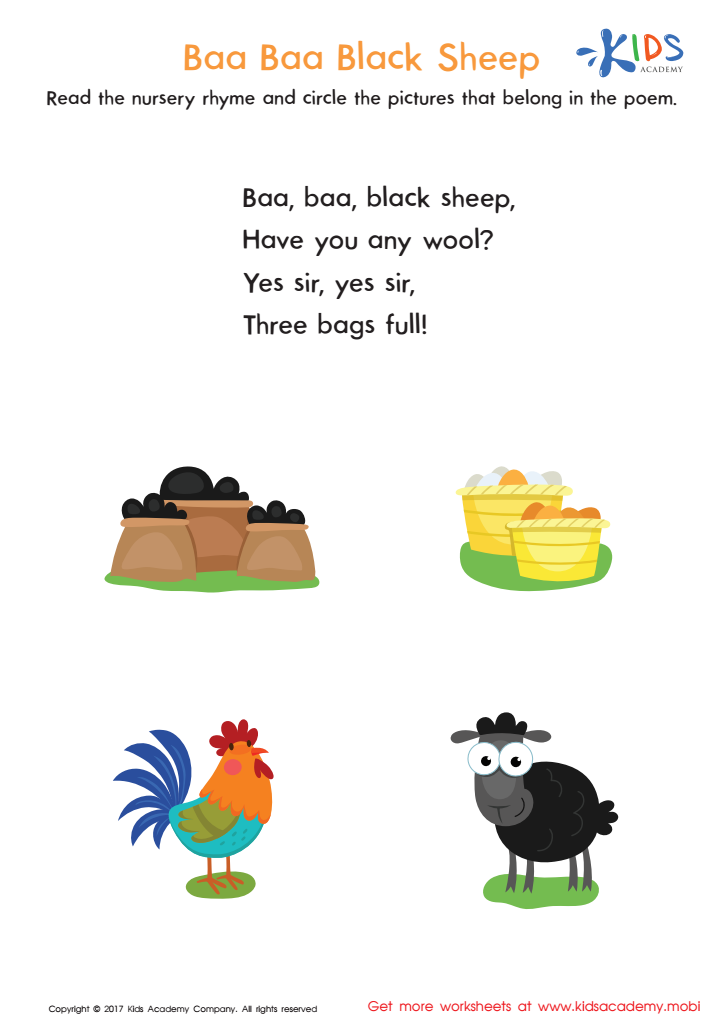
Baa Baa Black Sheep Printable
 Assign to My Students
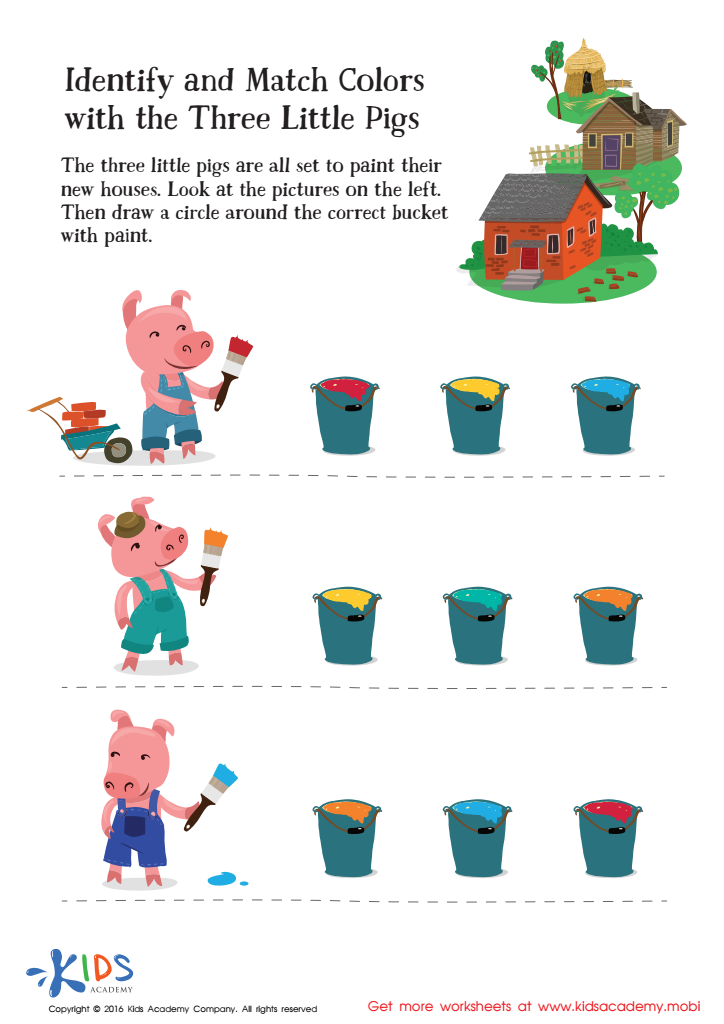
Fairy Tale Worksheet: Identify and Match Colors with Three Little Pigs
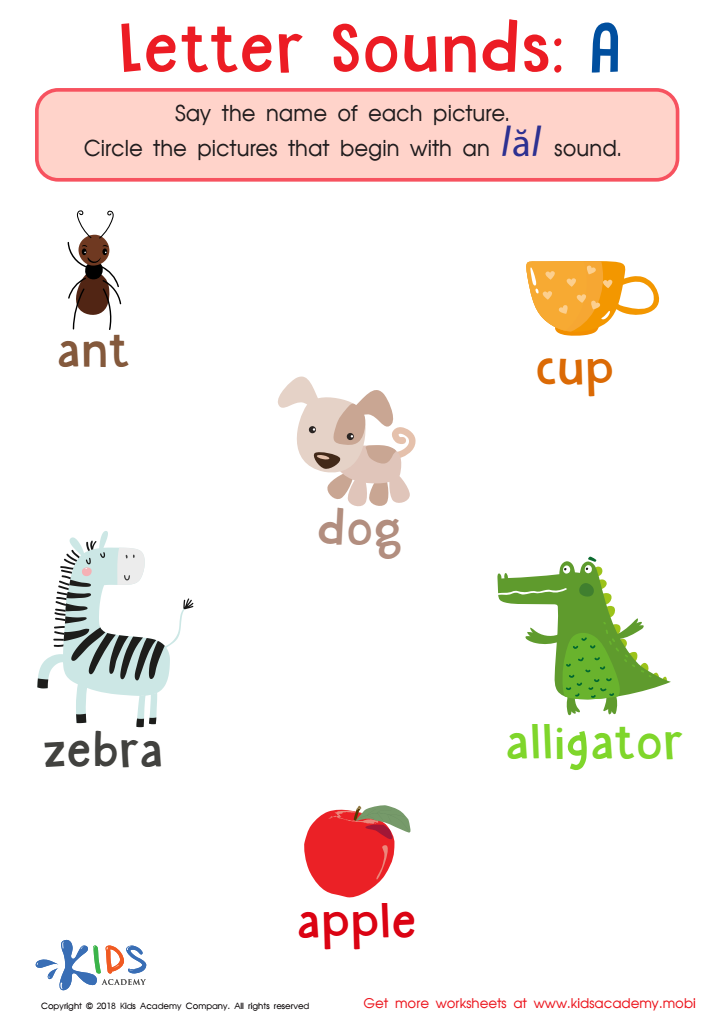
Letter A Sounds Worksheet
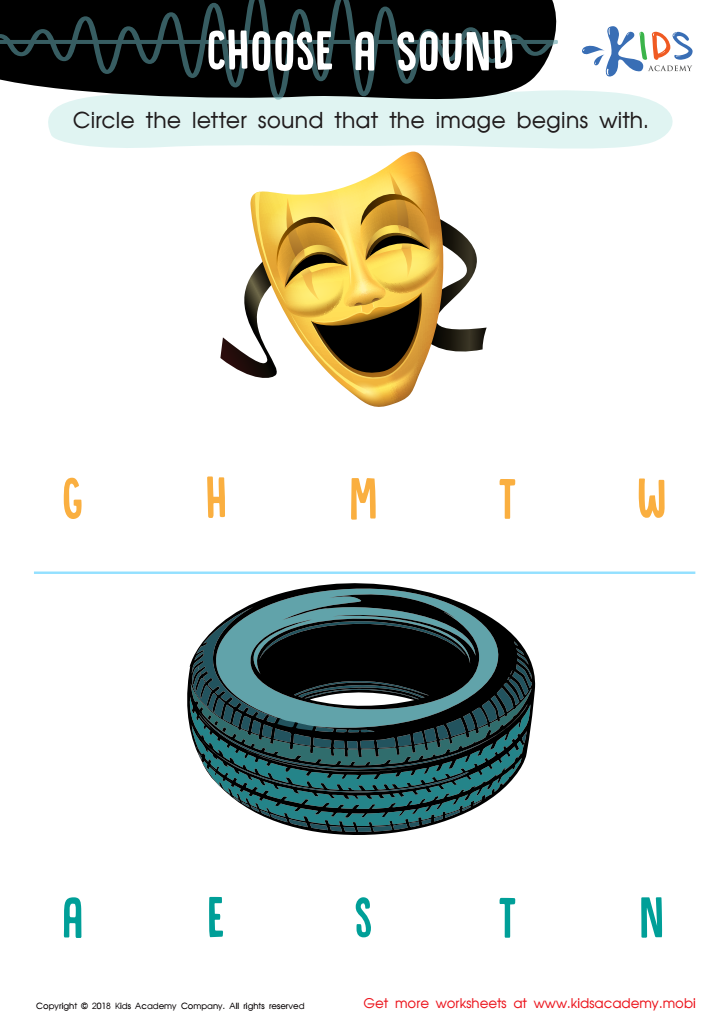
Choose a Sound Worksheet
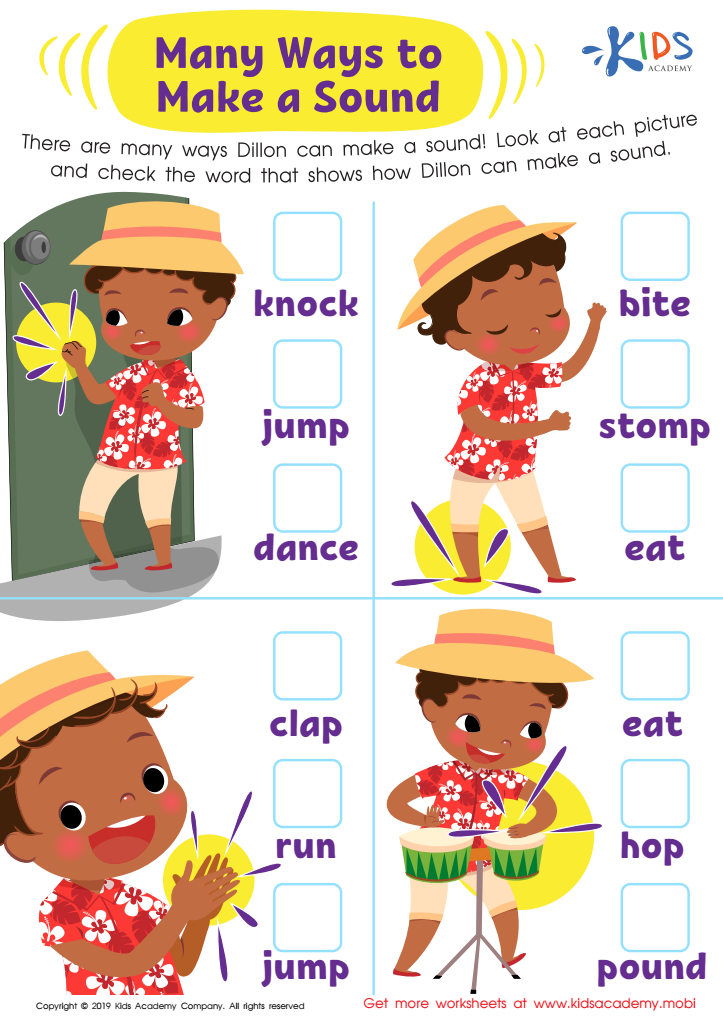
Many Ways to Make a Sound Worksheet
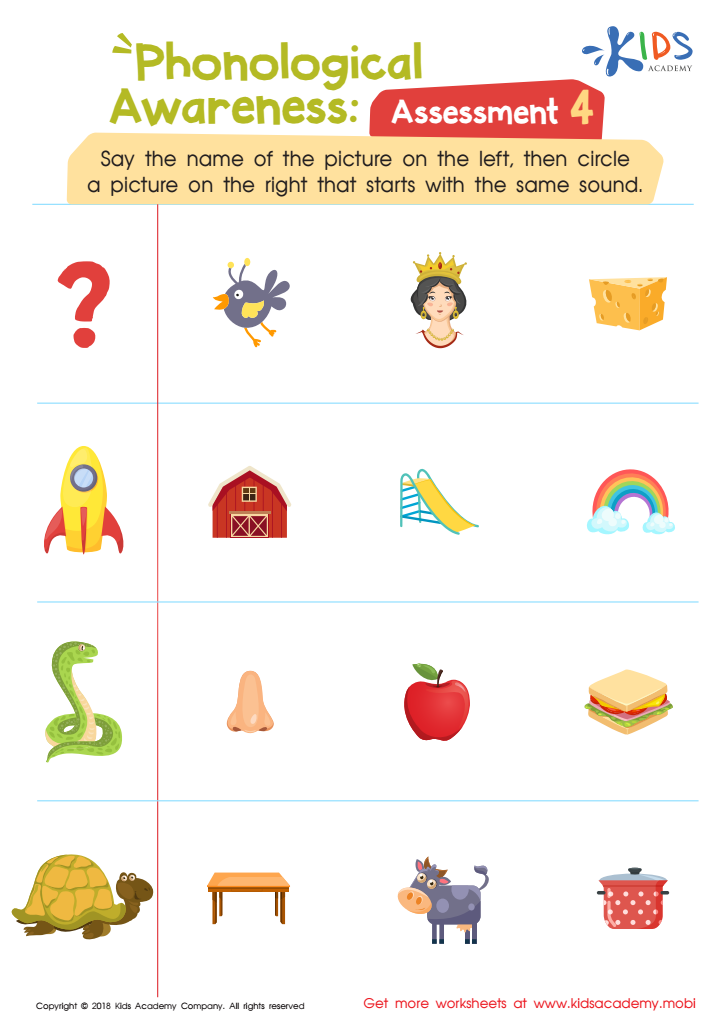
Phonological Awareness: Assessment 4 Worksheet
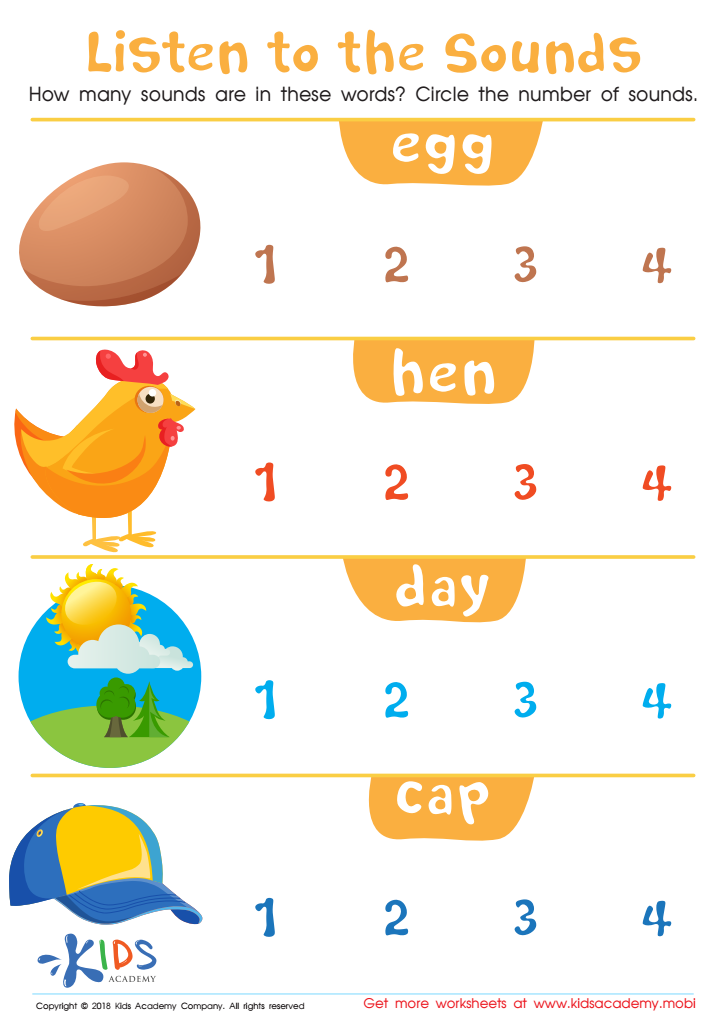
Listen to the Sounds Worksheet
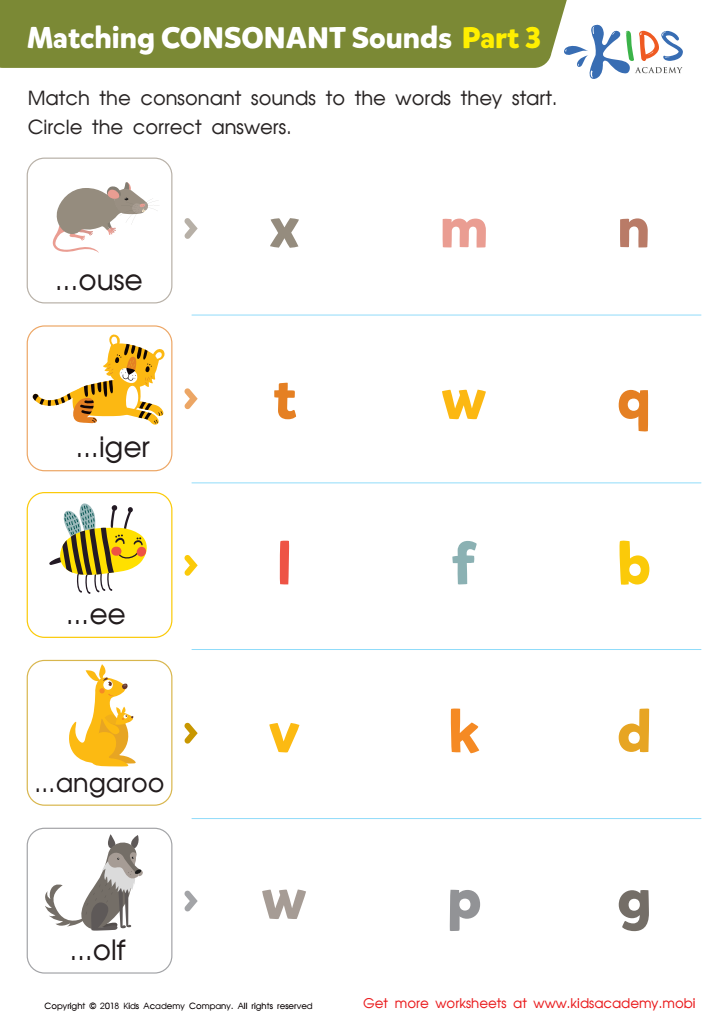
Matching Consonant Sounds: Part 3 Worksheet
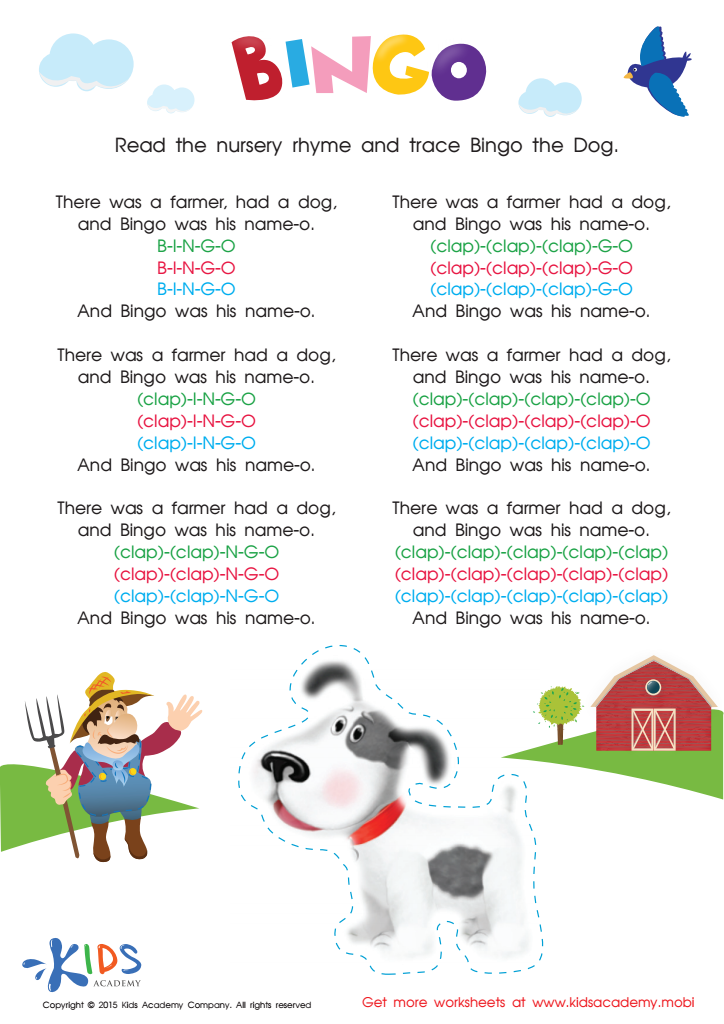
Nursery Rhymes: The Bingo Song Worksheet
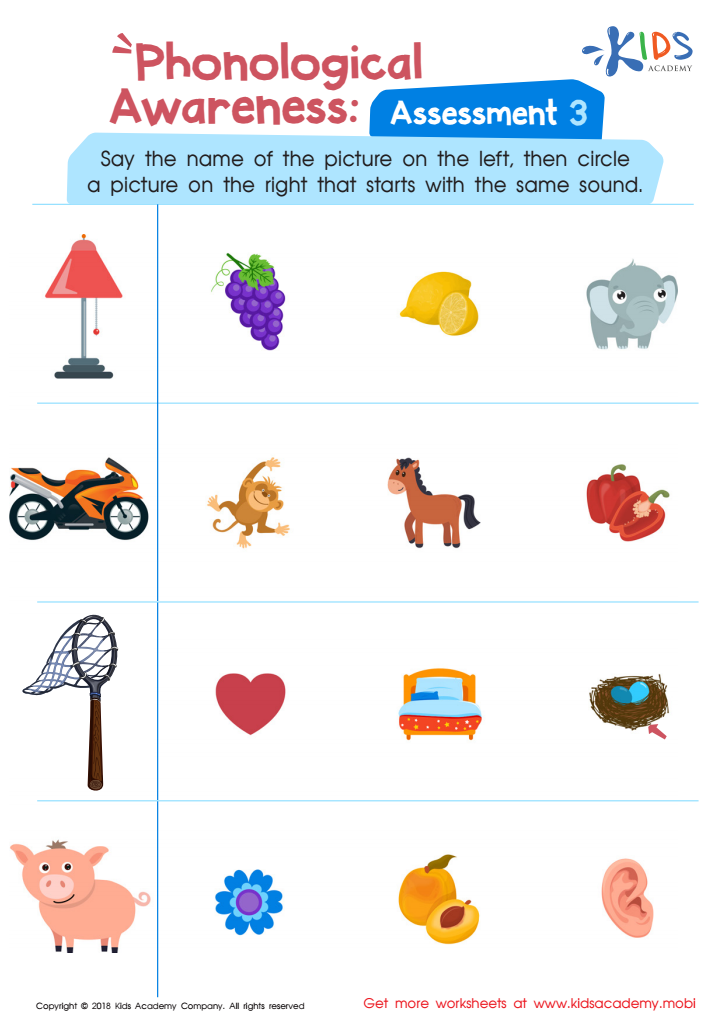
Phonological Awareness: Assessment 3 Worksheet
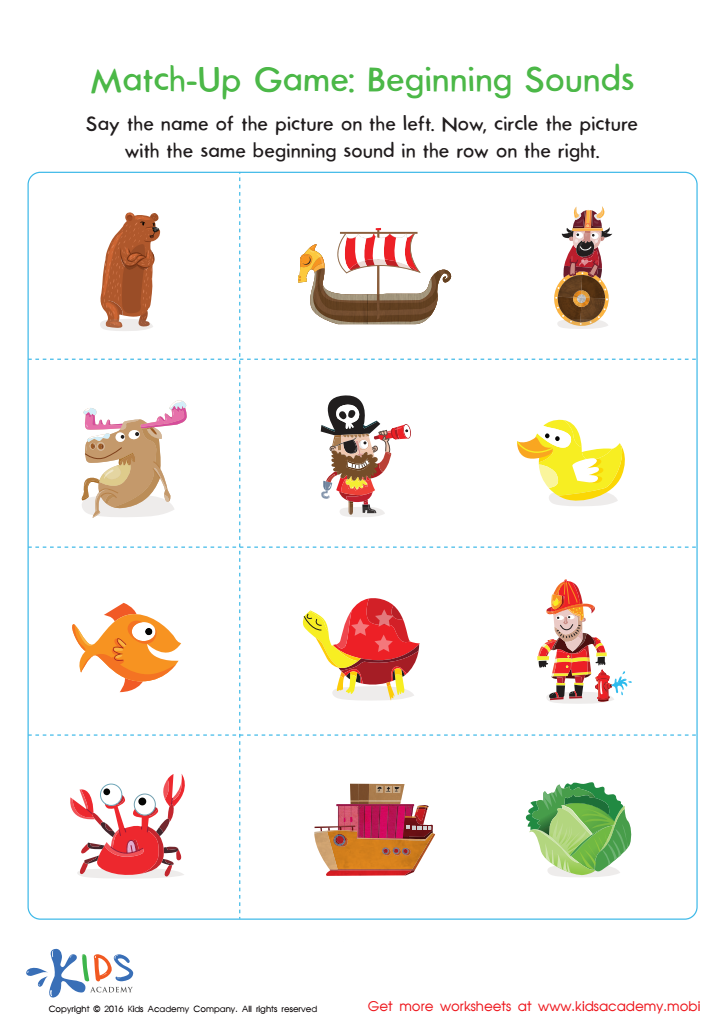
Match–Up Game: Beginning Sounds Worksheet



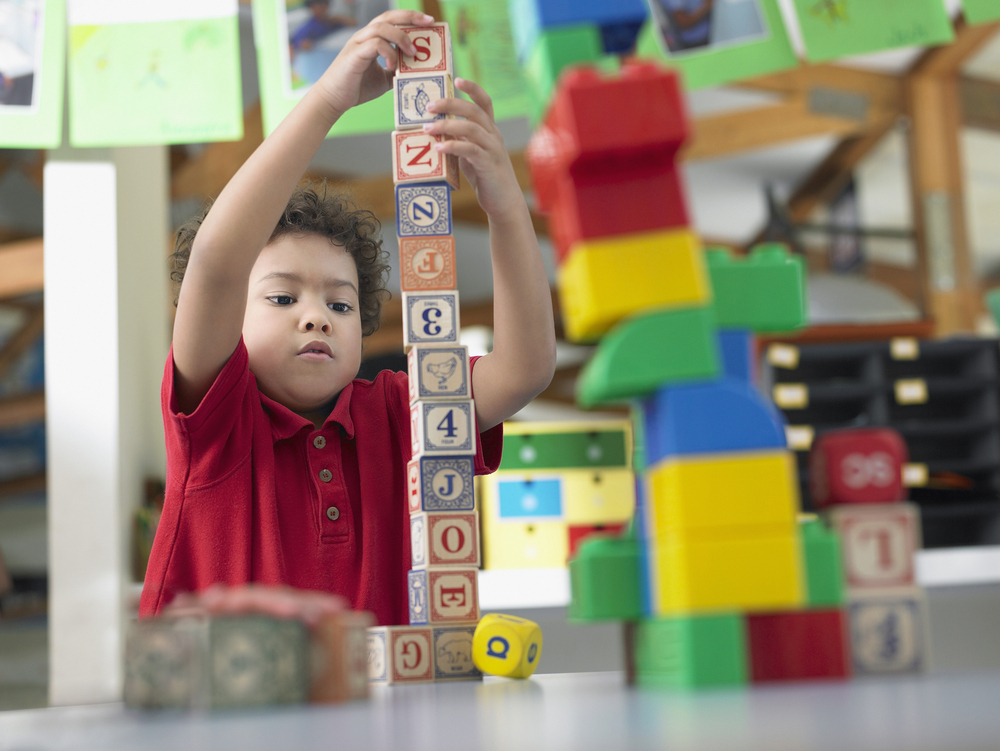




Listening skills are a fundamental aspect of early childhood development, especially for children aged 5-8. Parents and teachers should prioritize fostering these skills for several compelling reasons. First and foremost, good listening skills are the foundation of effective communication. By learning to listen attentively, children can better understand and process instructions, stories, and information, enhancing their ability to follow directions and stay engaged in educational activities.
Moreover, listening skills are closely linked to literacy development. Young children who are good listeners are more likely to develop strong reading and writing abilities. They learn new vocabulary, grasp narrative structures, and improve their comprehension skills. These are critical components for academic success as they progress through school.
Listening also plays a significant role in social-emotional development. It helps children build empathy and social understanding, enabling them to form and maintain healthy relationships with peers and adults. By listening, children learn to understand others' perspectives, fostering patience and reducing conflicts.
In summary, investing in the development of listening skills sets the groundwork for lifelong learning and interpersonal effectiveness. It helps children excel academically, enhances their social interactions, and contributes positively to their overall cognitive and emotional growth.








