Phonics practice Worksheets for Ages 5-8 - Page 2
26 filtered results
-
From - To
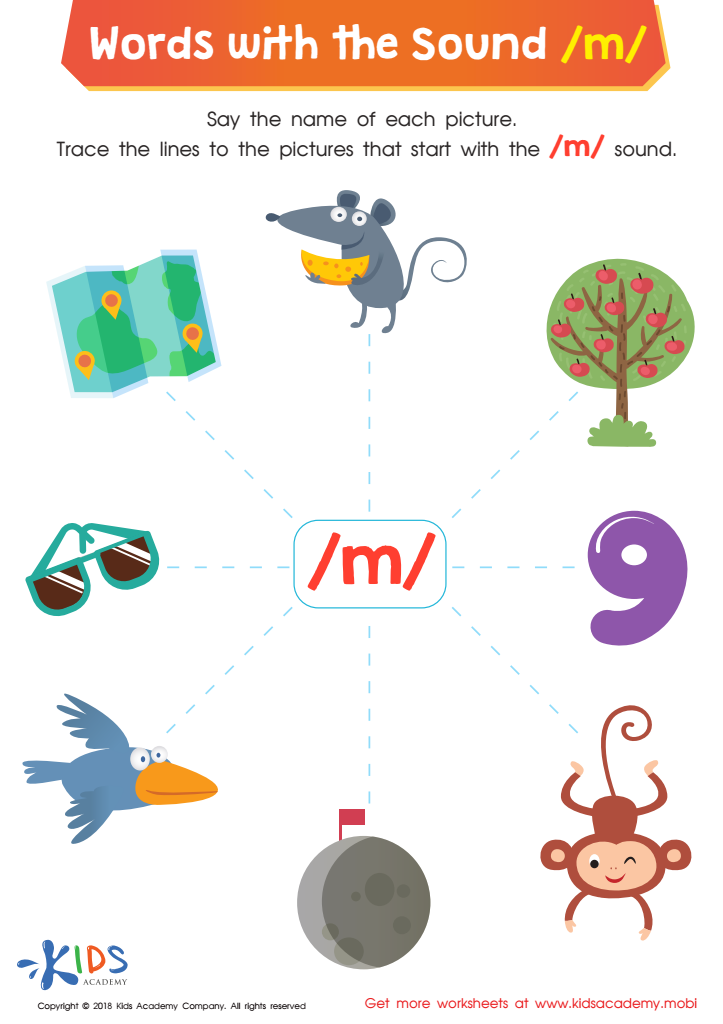
Words with Sound M Reading Worksheet
 Assign to My Students
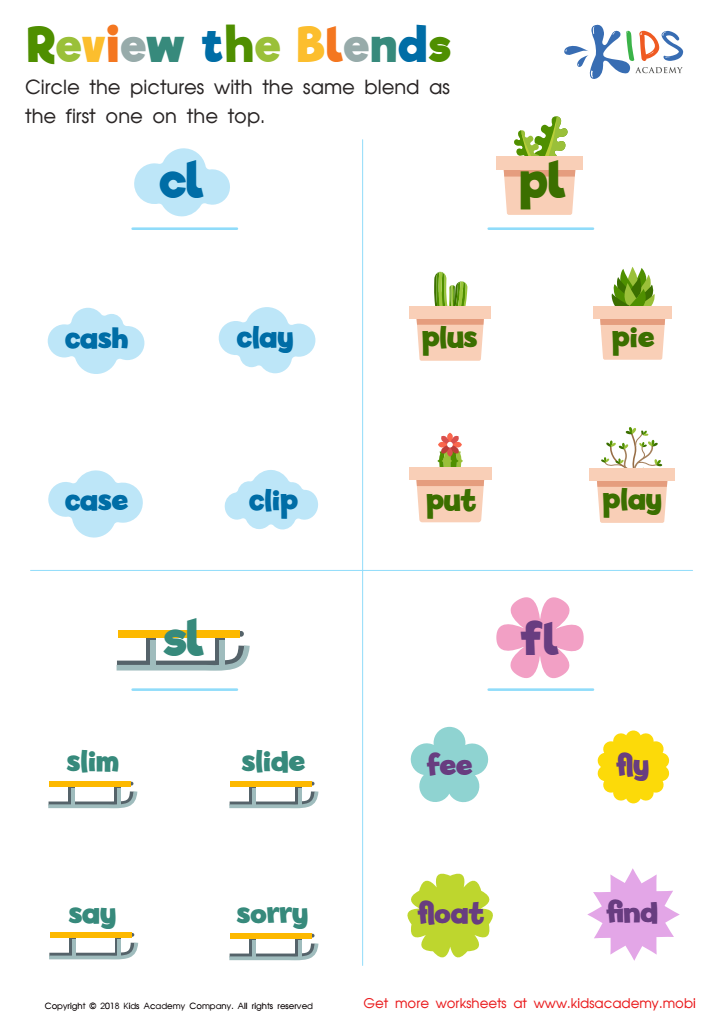
Review the Blends Worksheet








Phonics practice is crucial for children aged 5-8 as it lays the foundation for reading and writing skills. At this age, children are transitioning from learning the sounds of letters to blending those sounds to form words. Understanding phonics helps improve their decoding abilities, enabling them to sound out unfamiliar words, which fosters confidence in reading.
Phonics instruction empowers children to become independent readers, increasing their overall literacy skills. Research shows that strong phonics skills correlate with better reading comprehension and fluency, leading to academic success in later grades. For parents and teachers, engaging young learners in phonics can make the learning process enjoyable and dynamic. It allows for hands-on activities, games, and songs, enhancing motivation.
Furthermore, phonics practice has broader implications for a child's education. Proficiency in reading at an early age impacts future learning in all subjects and encourages a lifelong love for reading. By emphasizing phonics, parents and teachers can support children's literacy development, helping them to become more proficient communicators and critical thinkers. Thus, investing time in phonics practice can significantly enhance children’s educational experience and future opportunities.








