Problem-solving ability Worksheets for Ages 5-8
5 filtered results
-
From - To
Unlock your child's potential with our Problem-Solving Ability Worksheets for Ages 5-8! Designed to develop critical thinking and analytical skills, these engaging printable worksheets offer fun and educational activities tailored to young learners. From puzzles to real-life scenarios, each task encourages cognitive growth and helps children approach challenges confidently and creatively. Ideal for both classroom use and home practice, our worksheets support early learning milestones and foster independent problem-solving. Delight your little learners while equipping them with the essential skills they need for future success. Browse our selection today and watch them thrive!
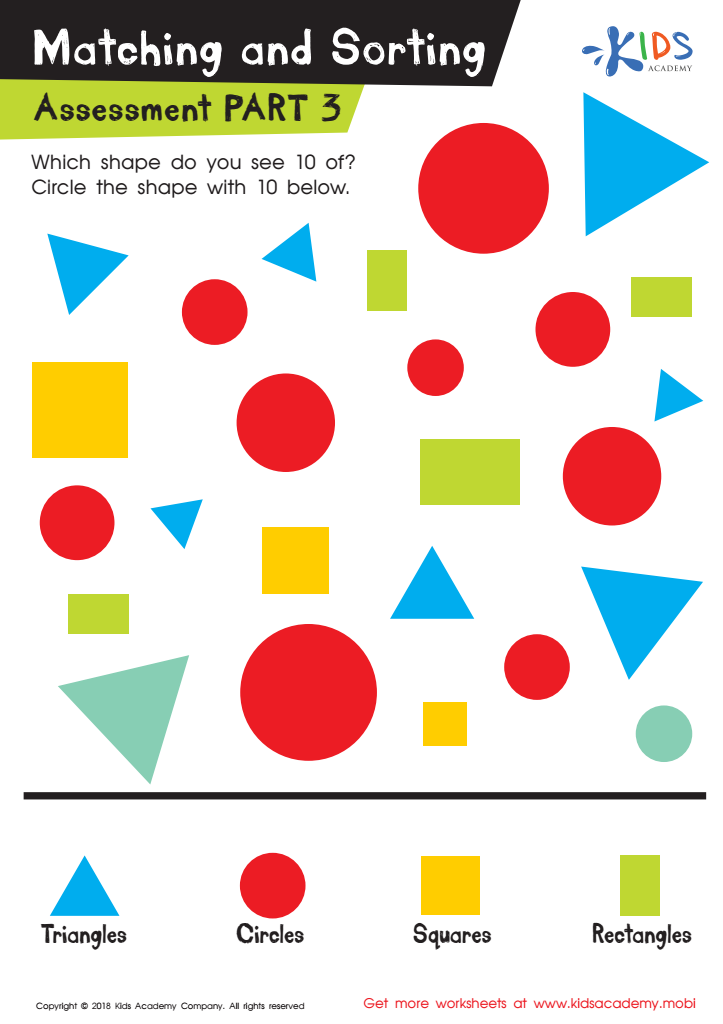
Matching and Sorting for Kindergarten: Assessment 3 Worksheet
 Assign to My Students
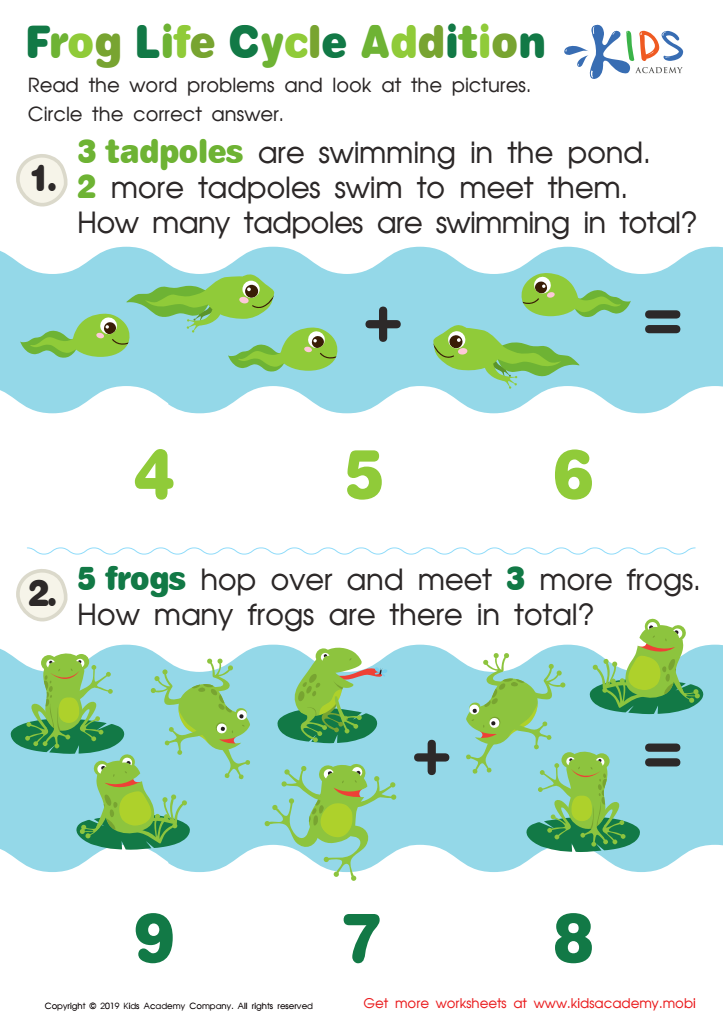
Frog Life Cycle Addition Worksheet
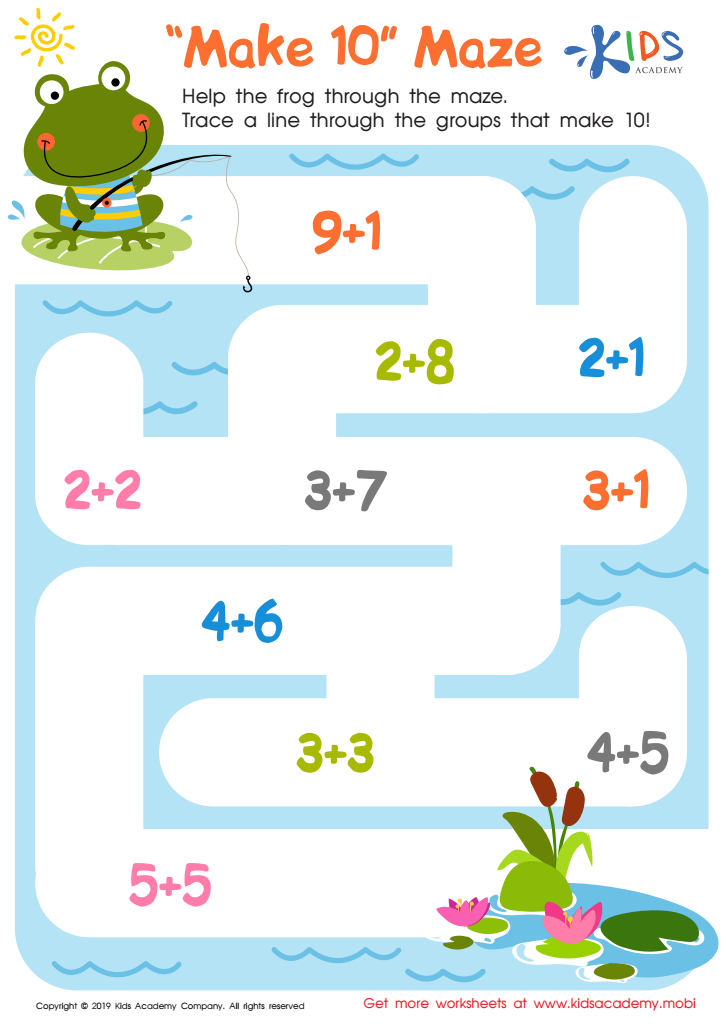
Make 10 Maze Worksheet
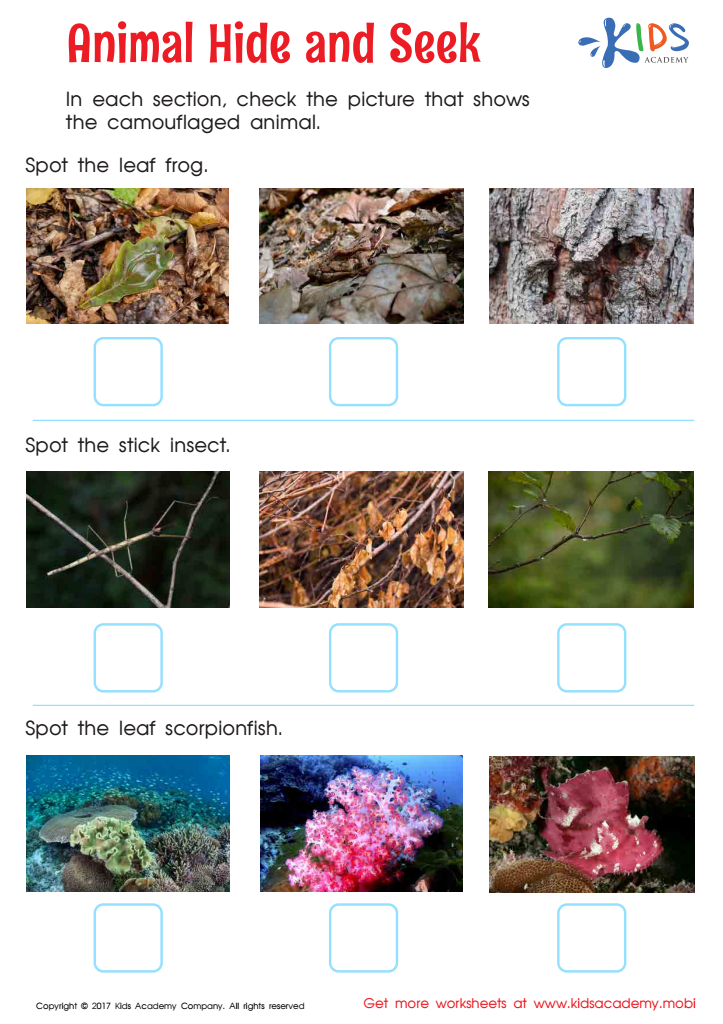
Animal Hide and Seek Worksheet







Problem-solving ability is a crucial skill for children aged 5-8 because it lays the foundation for critical thinking, independence, and resilience. At this developmental stage, children's cognitive abilities are growing rapidly, and they are beginning to understand the world around them in more complex ways. Encouraging problem-solving helps them to not only make sense of new information but also apply it practically in everyday situations.
When teachers and parents focus on developing problem-solving skills, children gain confidence in their ability to tackle challenges. This self-assurance helps them approach tasks and situations with a positive mindset, reducing anxiety and increasing their willingness to engage actively in learning. Problem-solving also promotes creativity as children learn to think outside the box, considering multiple solutions to a single problem.
Moreover, problem-solving skills support social development. By working through problems together, children learn crucial social skills such as communication, cooperation, and empathy. They start to see the value in listening to others' viewpoints and working collaboratively towards common goals.
In essence, fostering problem-solving abilities in young children equips them with essential life skills that contribute to their academic success, personal growth, and social development. It prepares them not only for the classroom but also for the varied challenges they will face throughout their lives.








