Problem Solving Worksheets for Ages 5-8 - Page 2
44 filtered results
-
From - To
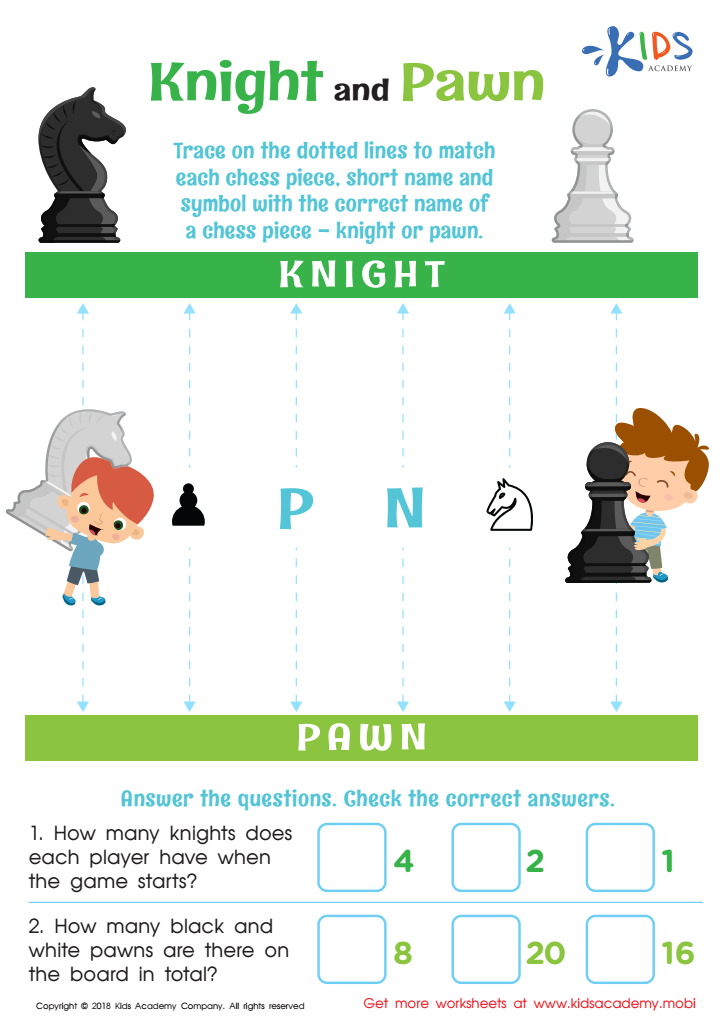
Knight and Pawn Worksheet
 Assign to My Students
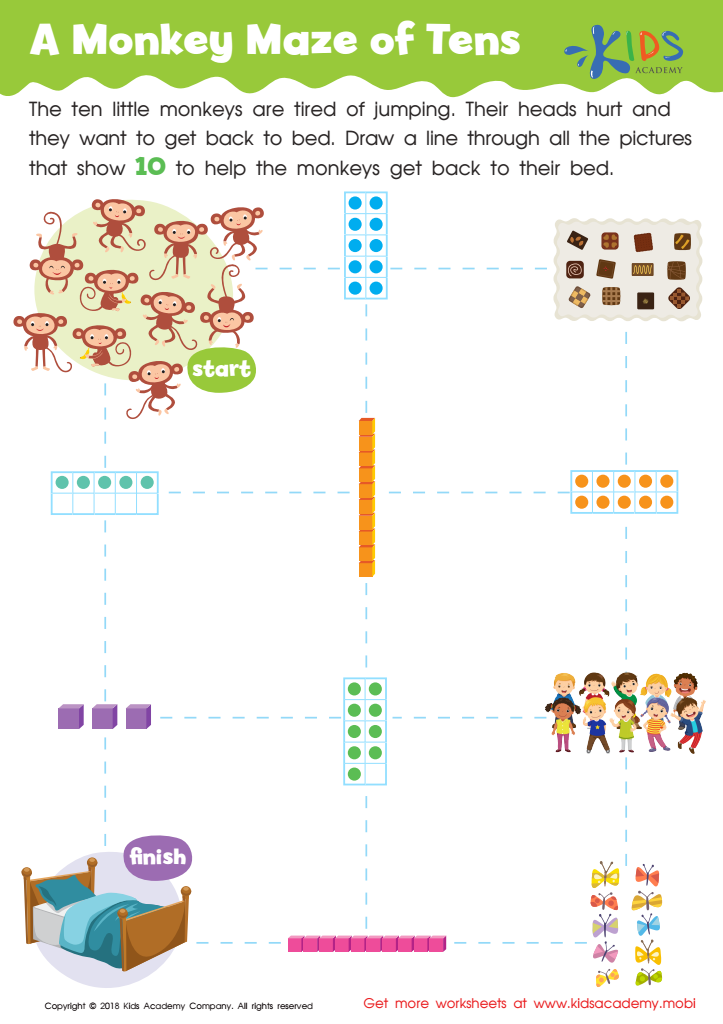
A Monkey Maze of Tens Worksheet
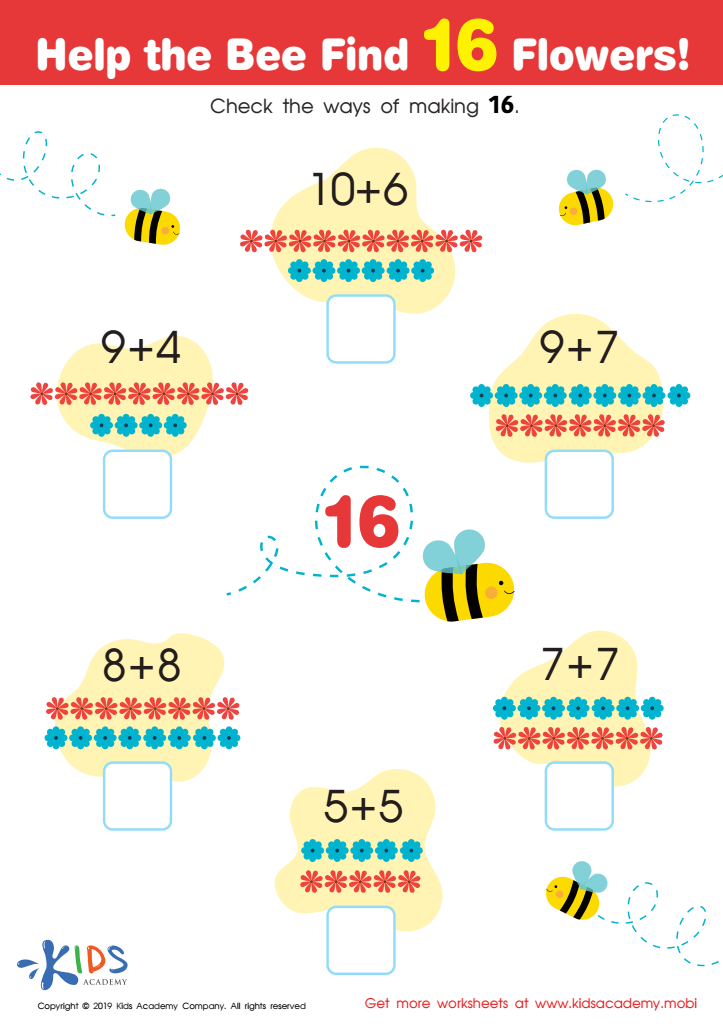
Help the Bee Find 16 Flowers Worksheet
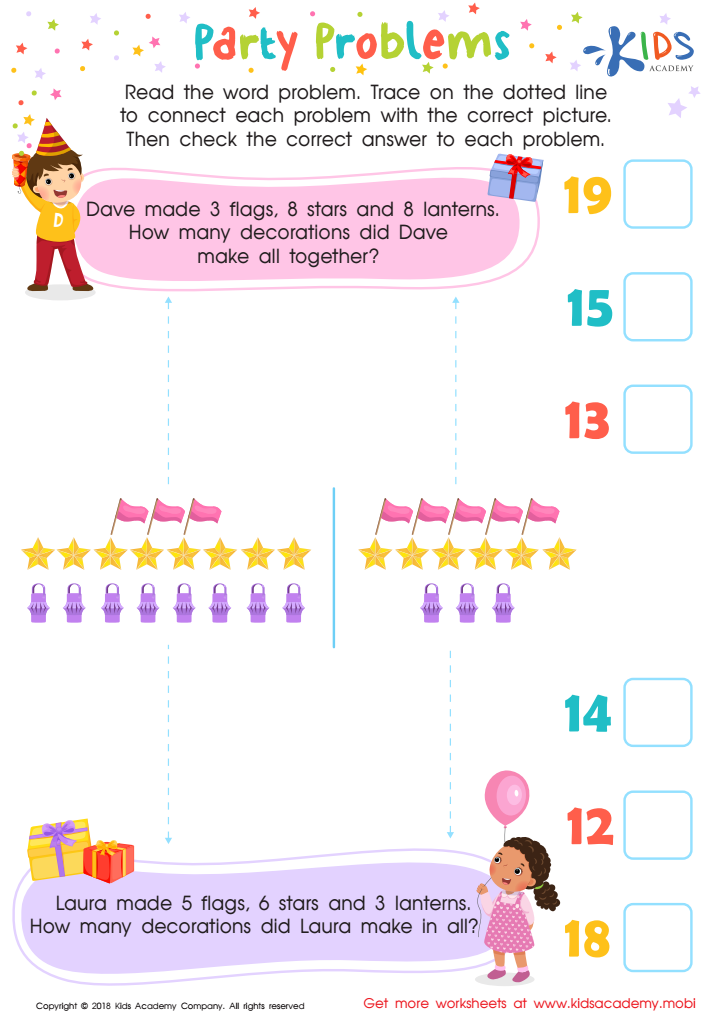
Party Problems Worksheet
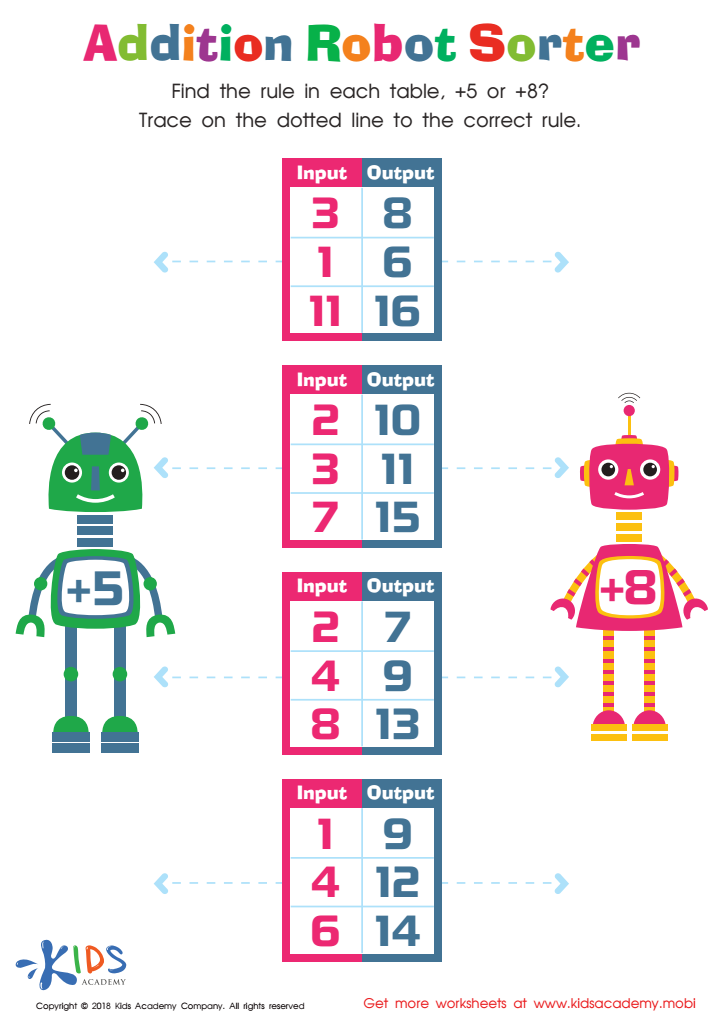
Addition Robot Sorter Worksheet
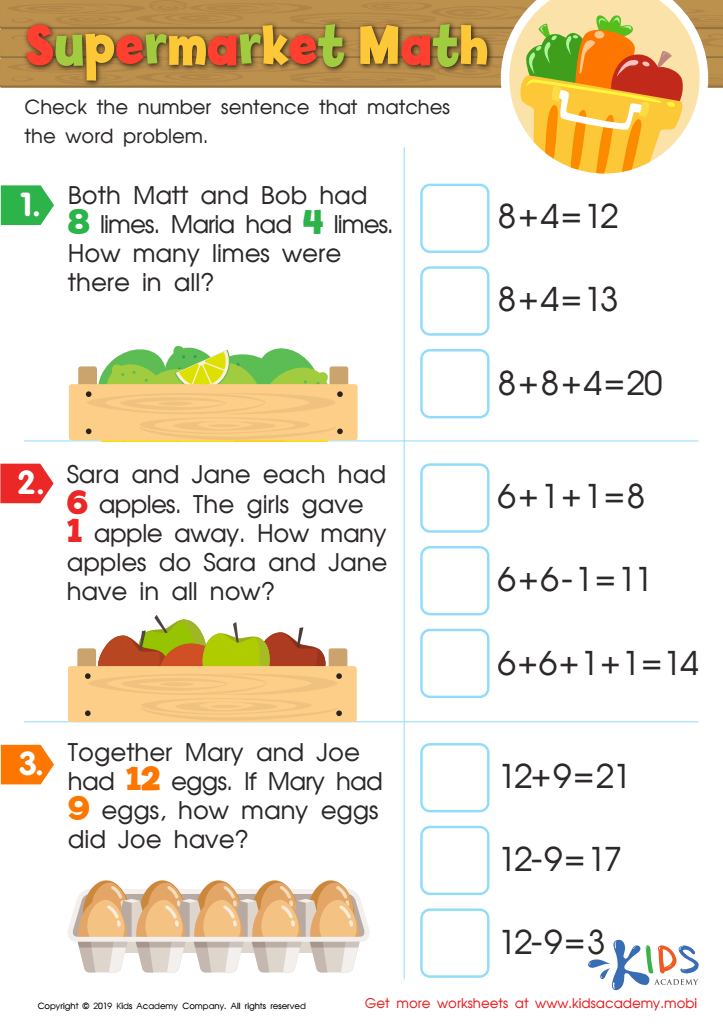
Supermarket Math Worksheet
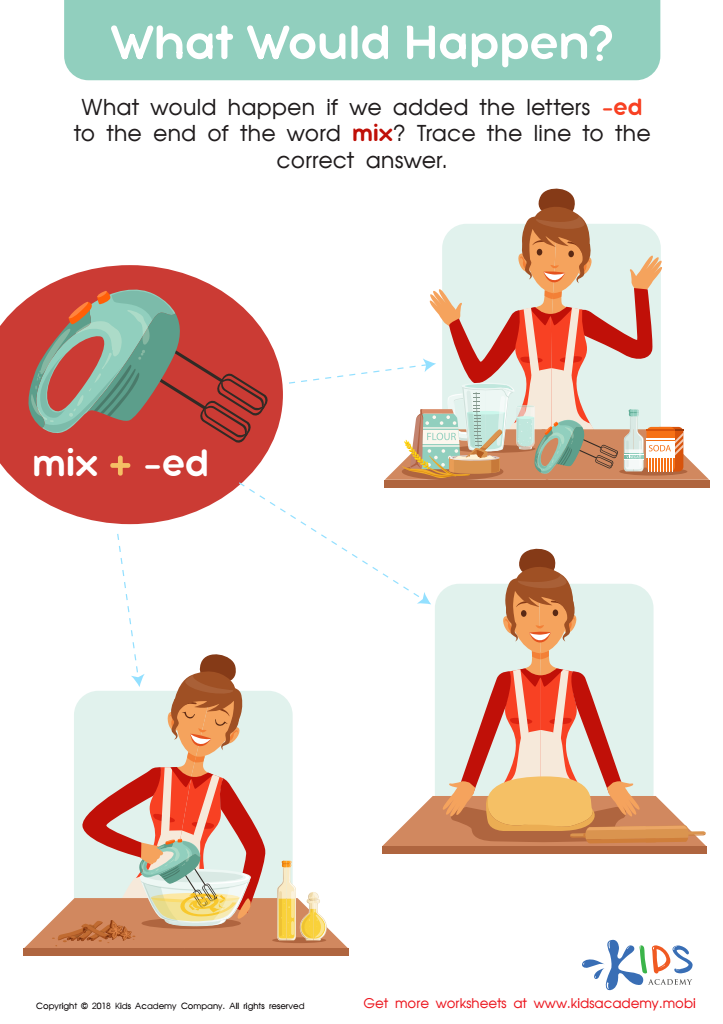
What Would Happen? Worksheet
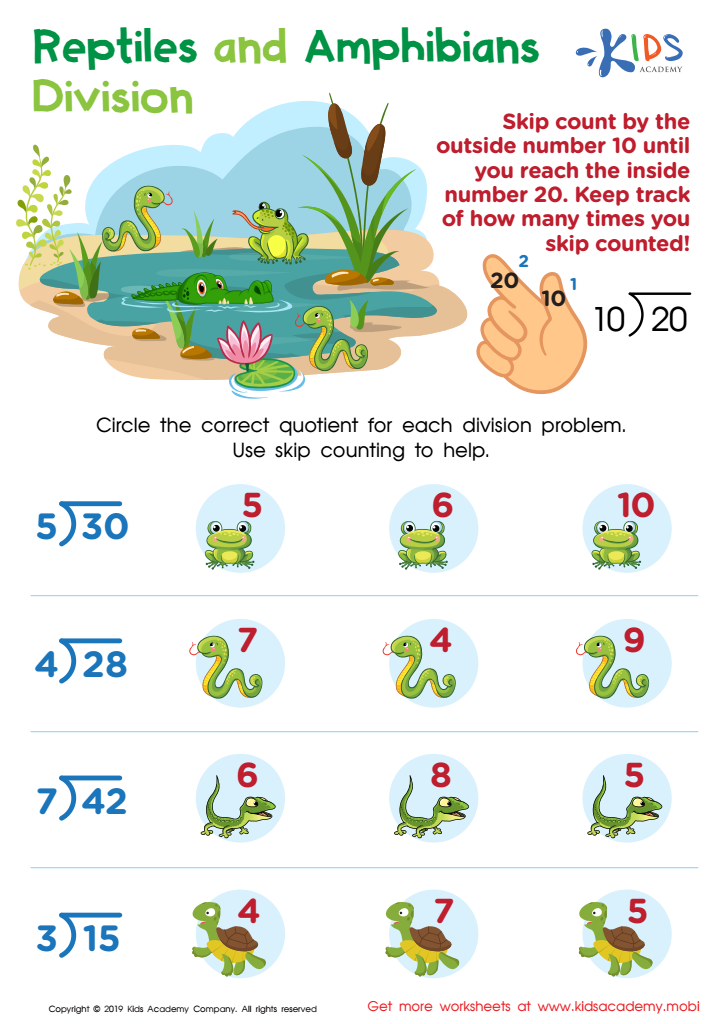
Reptile and Amphibians Division Worksheet
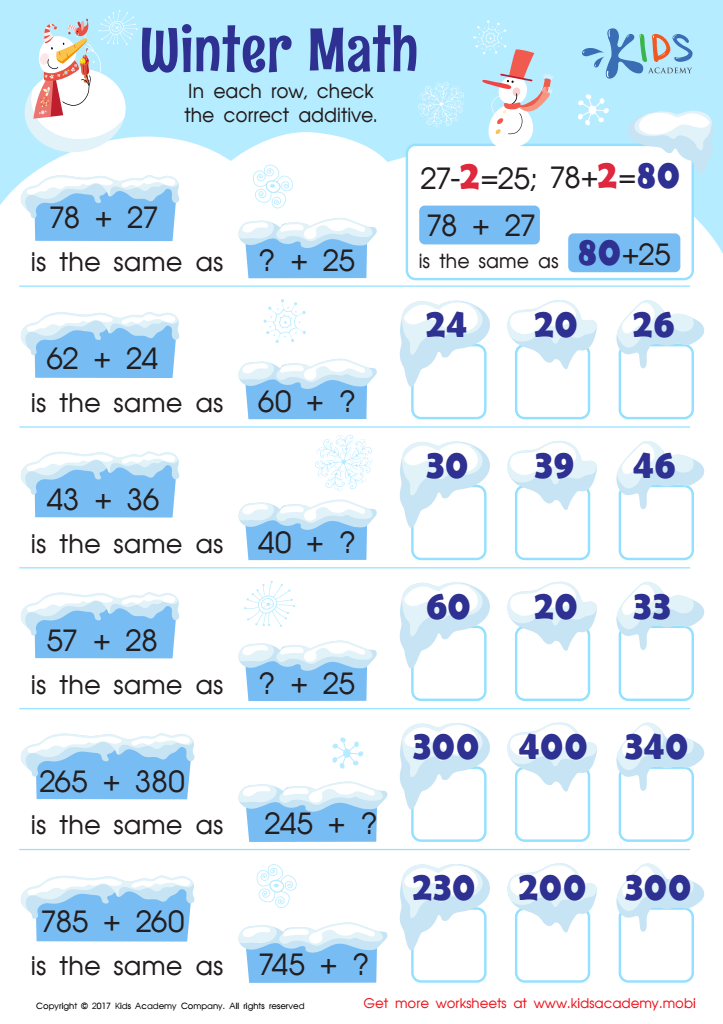
Free Addition Worksheet
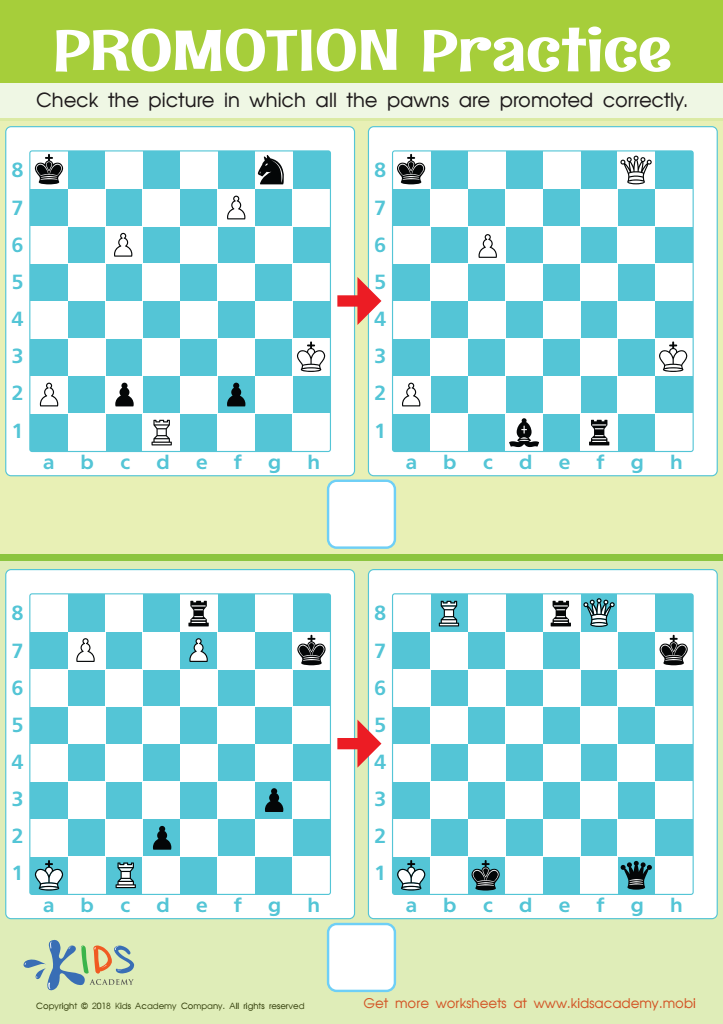
Promotion Practice Worksheet
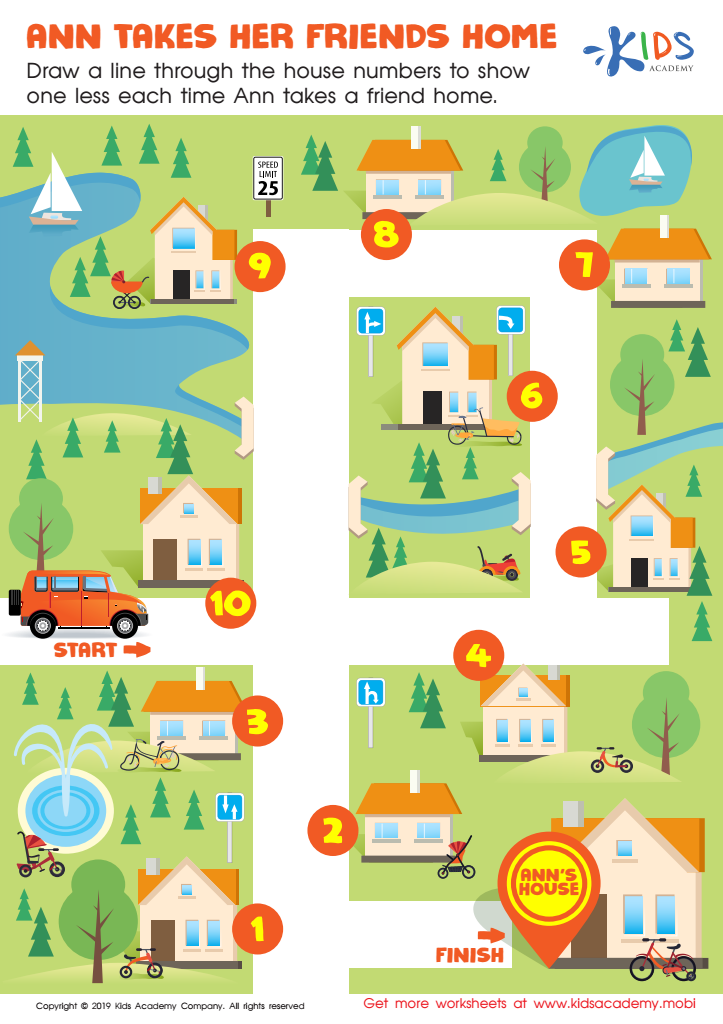
Ann Takes her Friends Home Worksheet








Problem solving is a cornerstone of early education, particularly for children aged 5-8. At this developmental stage, children are naturally curious, outgrowing concrete thinking and beginning to understand abstract concepts. Fostering problem-solving skills at this age equips them with essential tools for critical thinking and everyday decision-making.
Parents and teachers should prioritize problem-solving because it promotes cognitive flexibility, enabling children to adapt to new situations and challenges. It nurtures perseverance, as kids learn to explore multiple approaches to reach a solution, cultivating resilience when faced with obstacles. This is crucial for emotional development, as children become more confident in their abilities.
Additionally, integrating problem-solving in learning reinforces collaboration, teaching kids to work effectively with peers and communicate ideas clearly. This social aspect of problem-solving is vital for their future interactions in school and beyond.
Moreover, strong problem-solving skills lay the groundwork for academic success across subjects. Encouraging exploration allows children to connect learning to real-world scenarios, making it relevant and engaging. In summary, investing time in problem-solving during these formative years equips young learners with lifelong skills that extend far beyond the classroom.








