Sequence Understanding Worksheets for Ages 5-8
7 filtered results
-
From - To
Enhance your child’s cognitive development with our engaging Sequence Understanding Worksheets for ages 5-8! These expertly designed worksheets help young learners grasp the concept of order and sequence through fun, interactive activities. Ideal for boosting critical thinking and problem-solving skills, our printable resources cover various topics, from daily routines to storytelling sequences. Each worksheet is crafted to make learning enjoyable and aid memory retention through colorful illustrations and simple instructions. Perfect for classroom use or at-home practice, these worksheets will help children understand the importance of order in everyday life and support their academic growth.
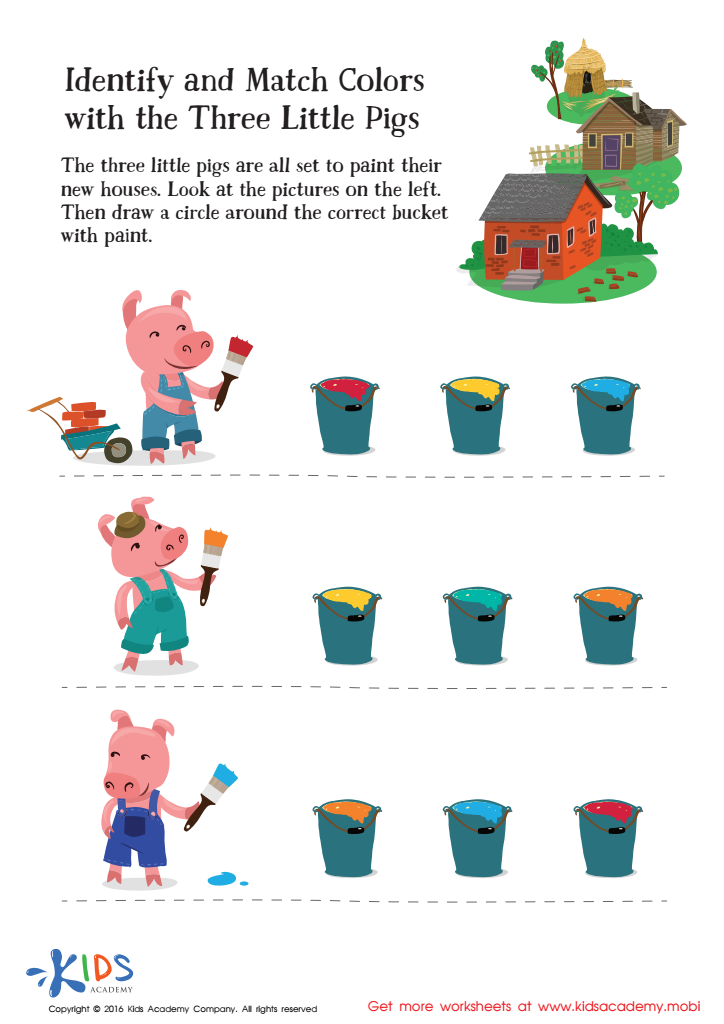
Fairy Tale Worksheet: Identify and Match Colors with Three Little Pigs
 Assign to My Students
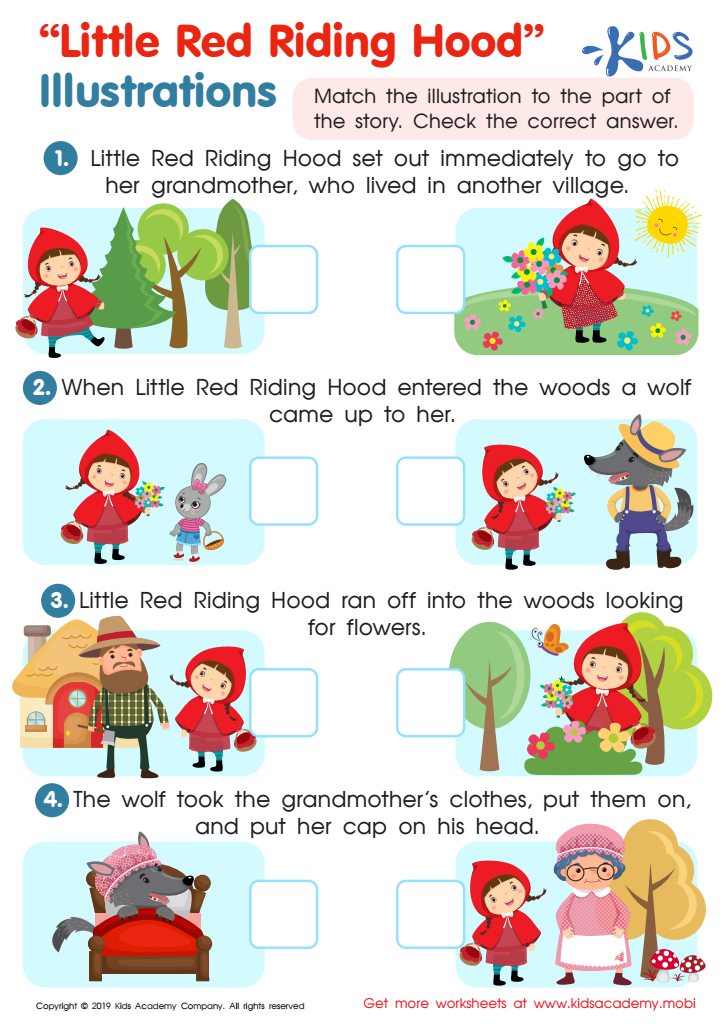
Little Red Riding Hood: Illustrations Worksheet
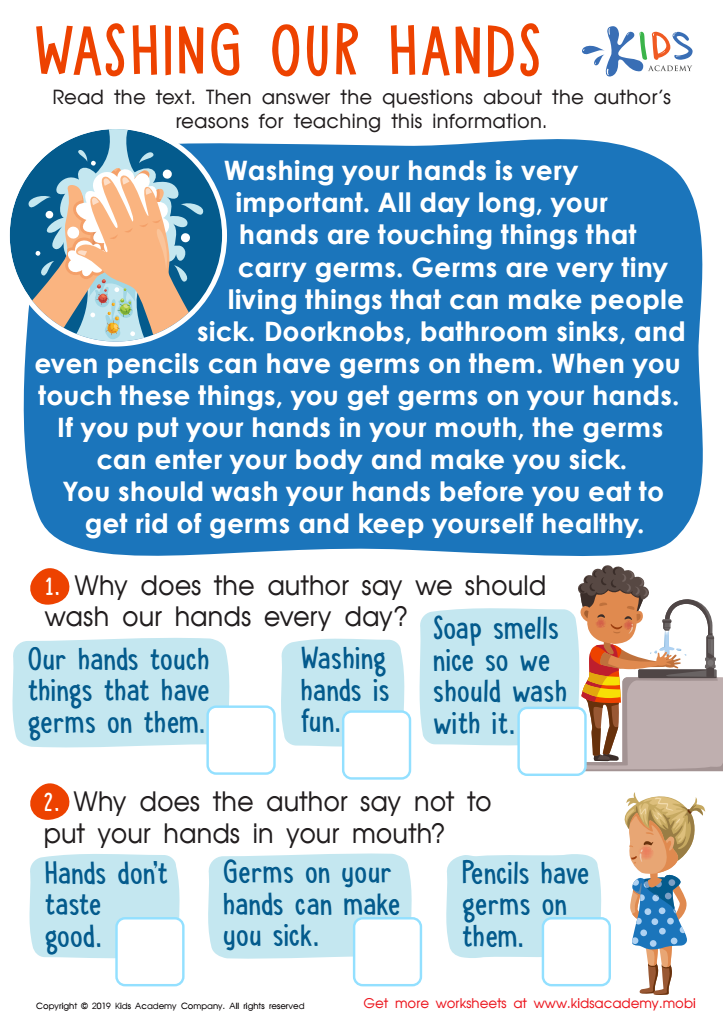
Washing Our Hands Worksheet
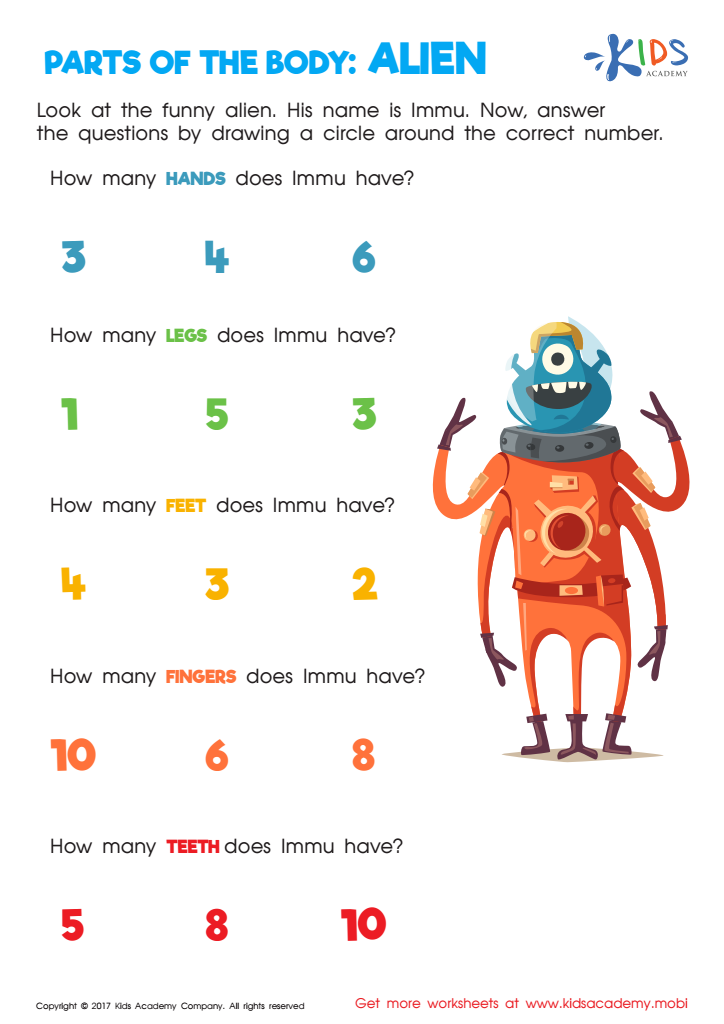
Alien Worksheet
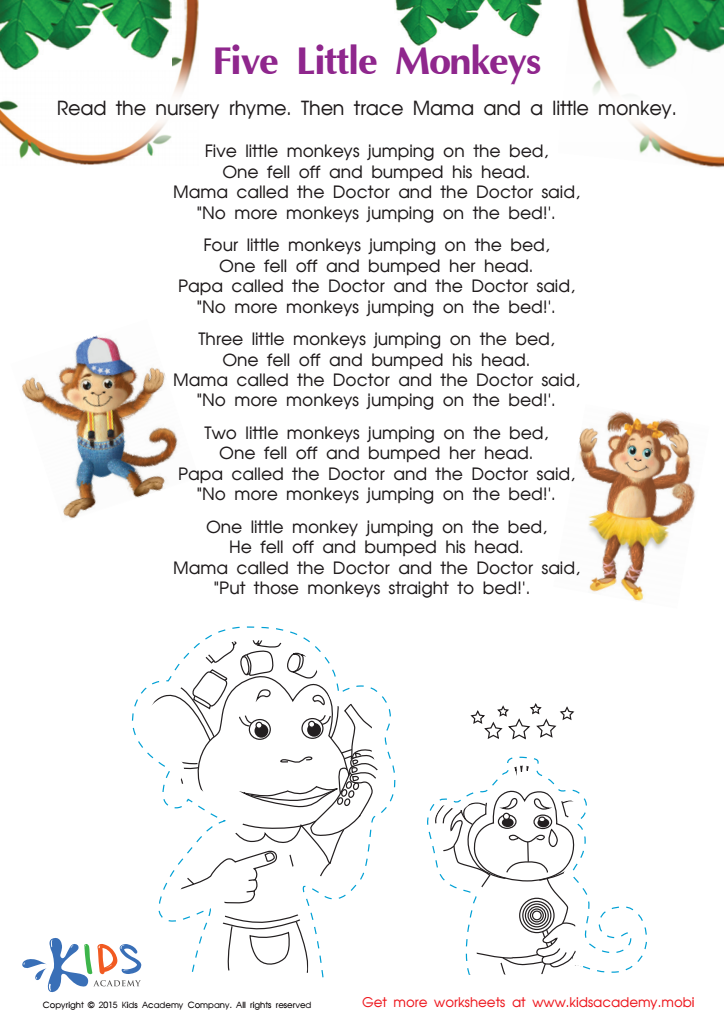
The Five Little Monkeys Nursery Rhyme Worksheet
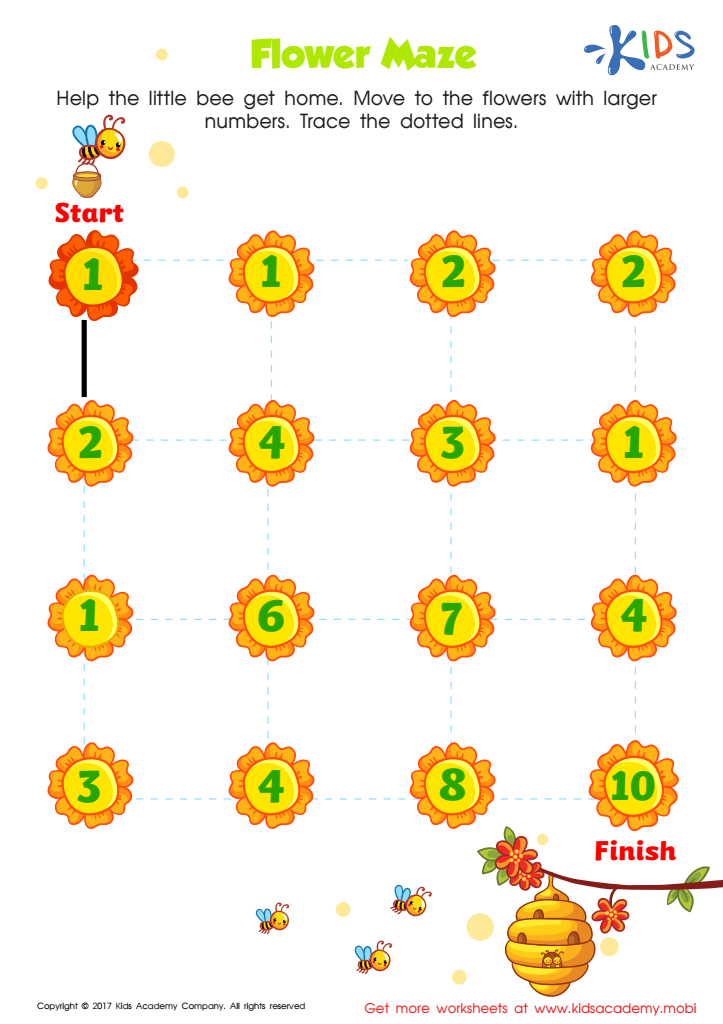
Number Maze For Kindergarten Printable
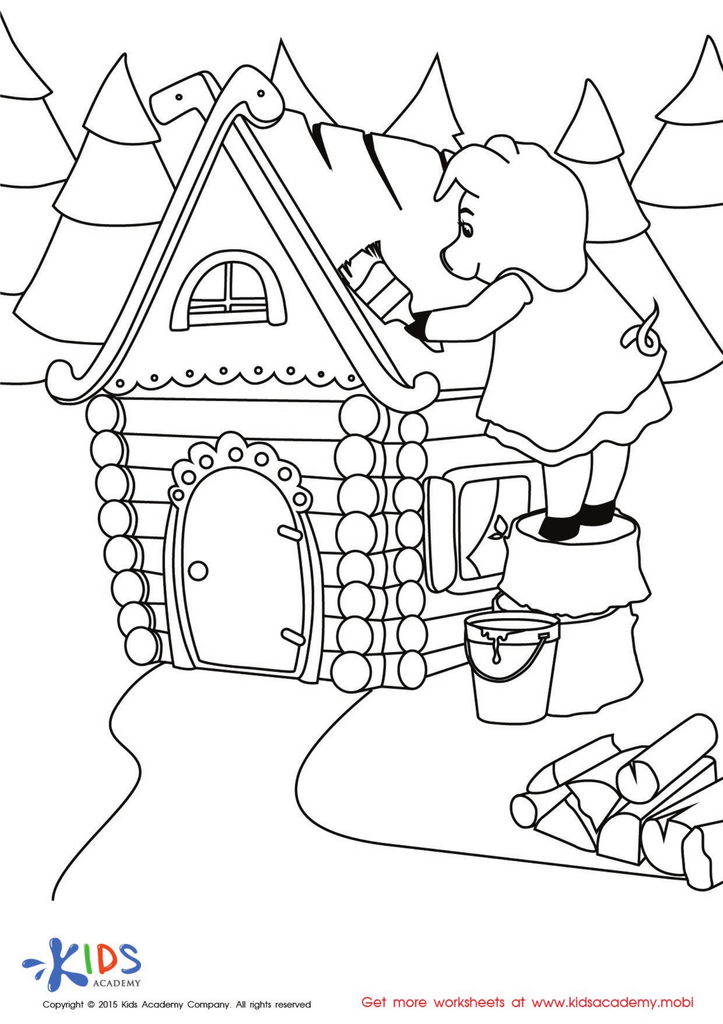
The Three Little Pigs Worksheet






.jpg)
.jpg)
Sequence understanding is crucial for children ages 5-8 because it lays the foundation for significant cognitive, social, and academic skills. At this young age, learning to recognize patterns and understand sequences helps kids make sense of the world around them, which is essential for problem-solving and logical thinking. For example, daily routines such as having breakfast before school, or learning the order of the days of the week, teach children how activities and events are structured.
Academically, sequence understanding supports reading and math. Grasping a storyline in literature requires understanding the sequence of events. Math concepts such as counting, adding, and subtracting all involve understanding numerical order. Science experiments need a step-by-step approach, reinforcing the importance of doing tasks in a specific order.
Socially, sequence understanding aids in following multi-step directions, crucial for classroom behavior and effective interactions. Successfully following directions reinforces listening skills and reflects the child's ability to filter and prioritize information.
Encouraging sequence skills through games, visual aids, and routines helps build confidence and independence in young learners. By emphasizing these skills, parents and teachers not only add to academic success but also foster critical thinking and organization that children will rely on throughout their lives.








