Shape identification Worksheets for Ages 5-8 - Page 2
40 filtered results
-
From - To
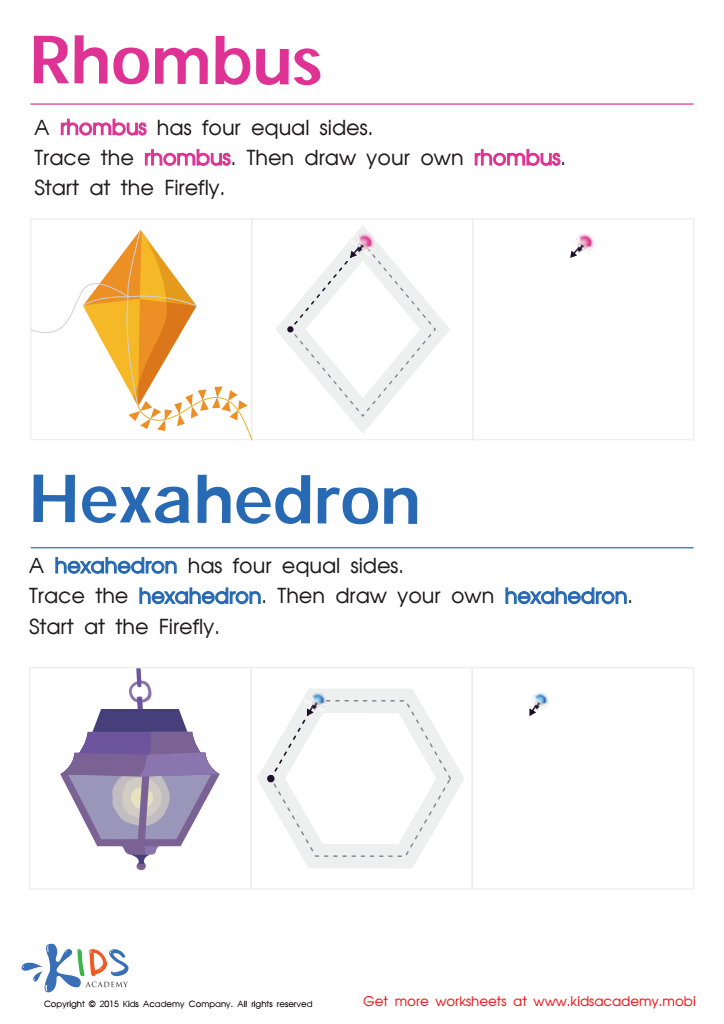
Draw a Rhombus And a Hexahedron Printable
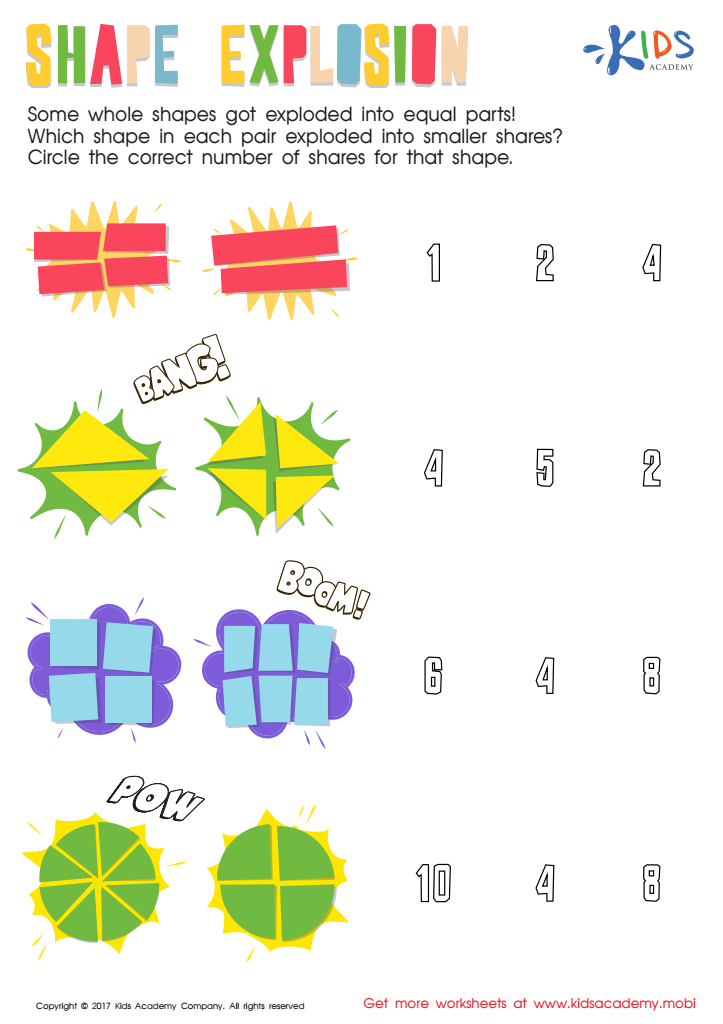
Shape Explosion Worksheet
Number 2 Printable
 Assign to My Students
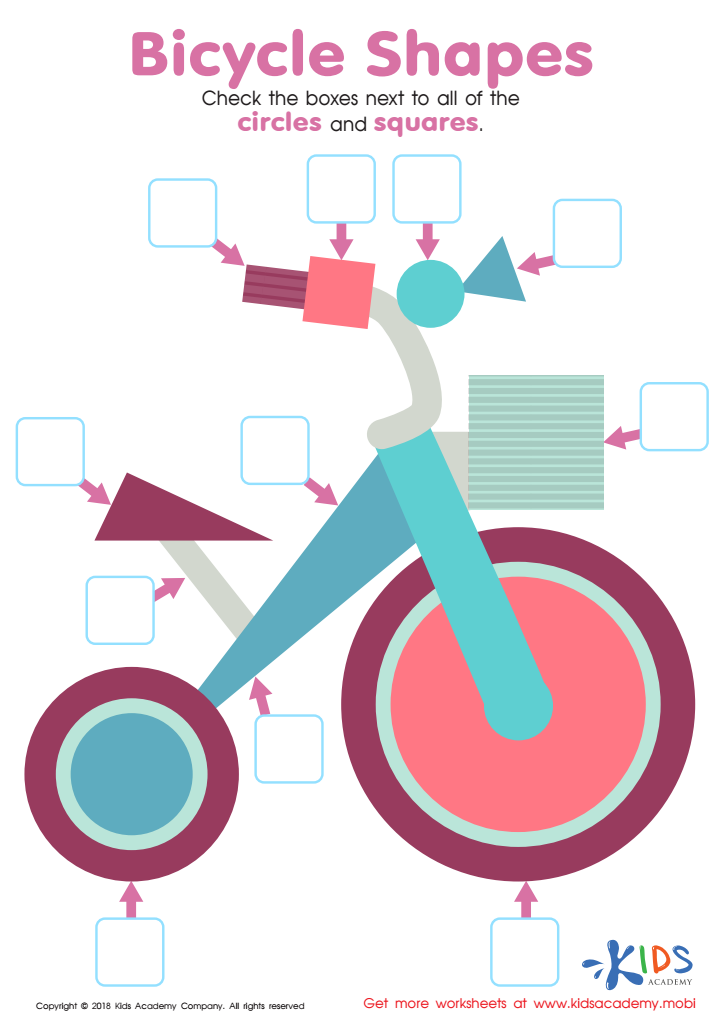
Bicycle Shapes Worksheet
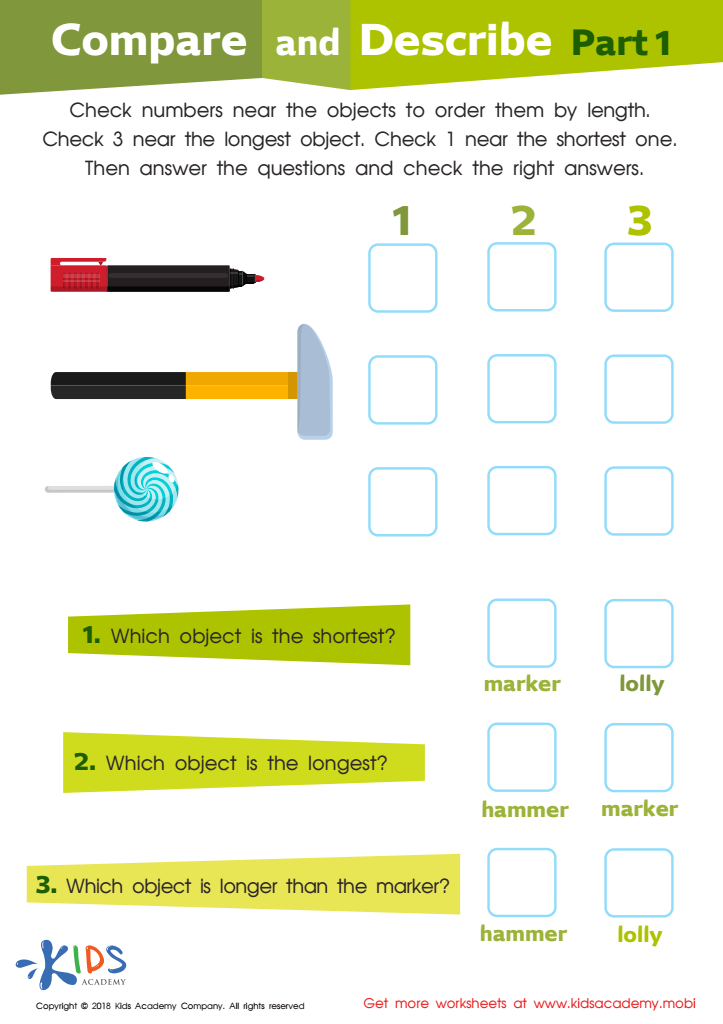
Compare and Describe: Part 1 Worksheet
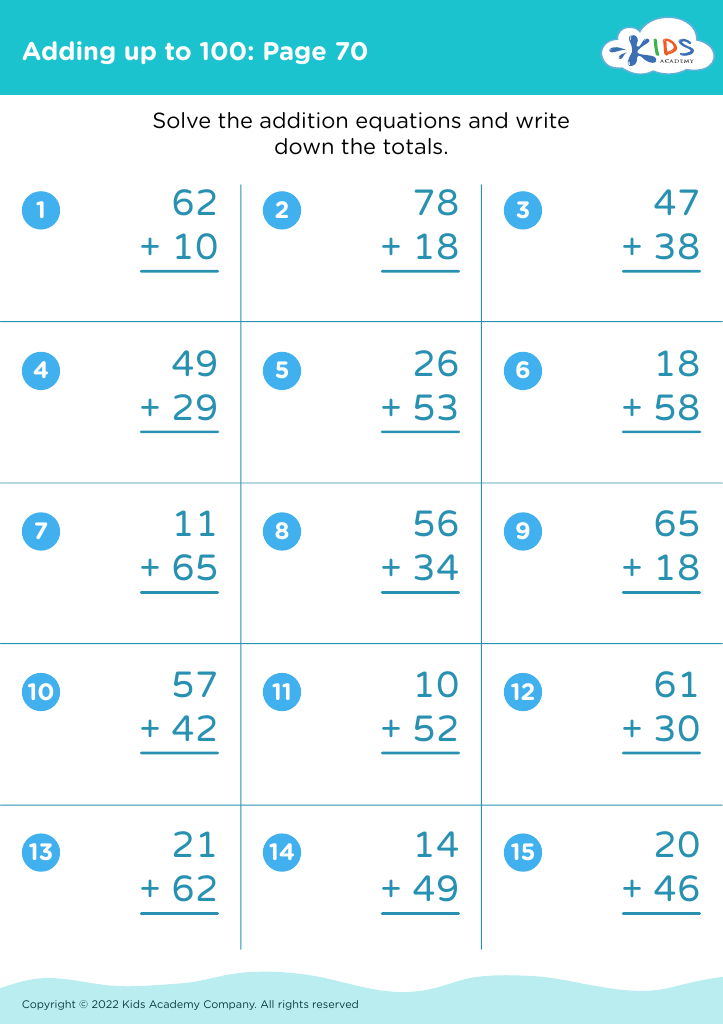
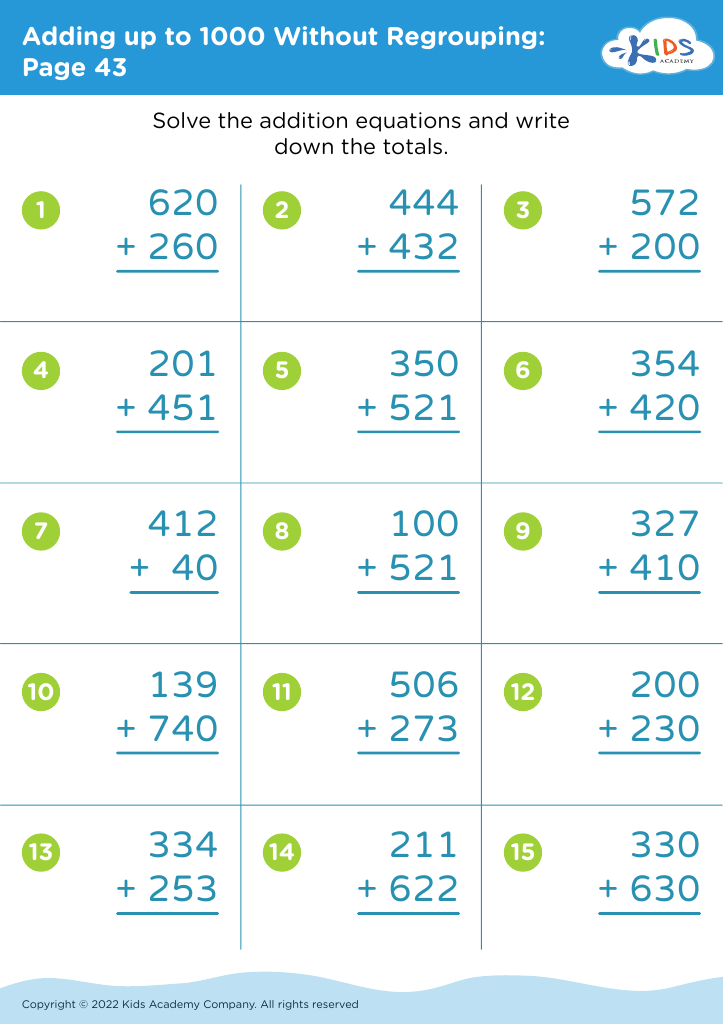
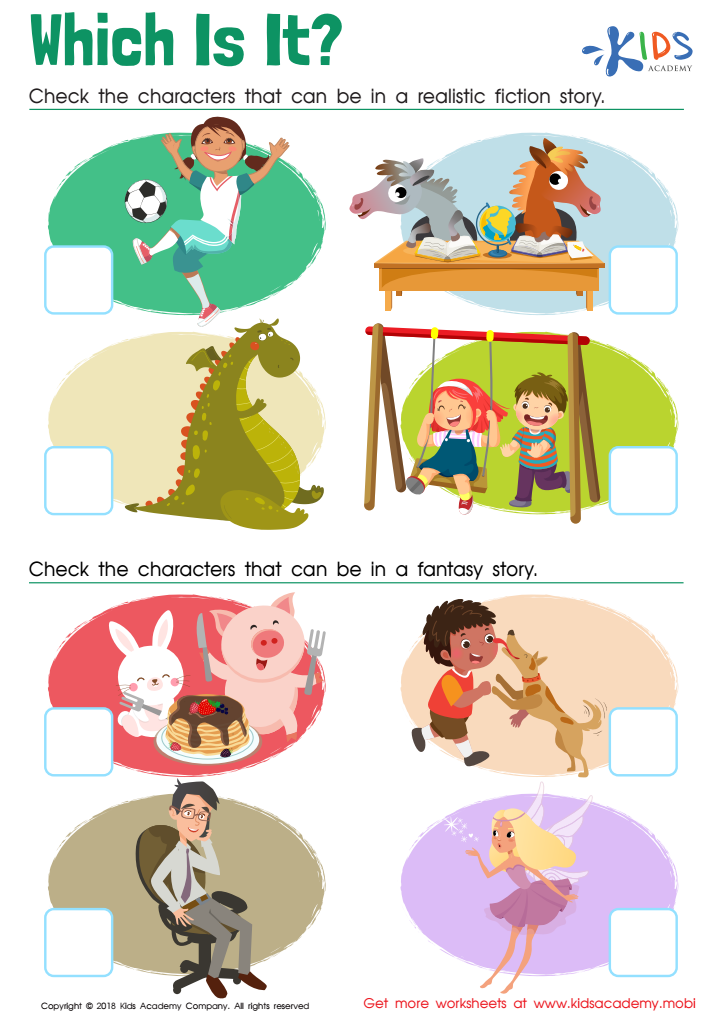
Which Is It? Worksheet
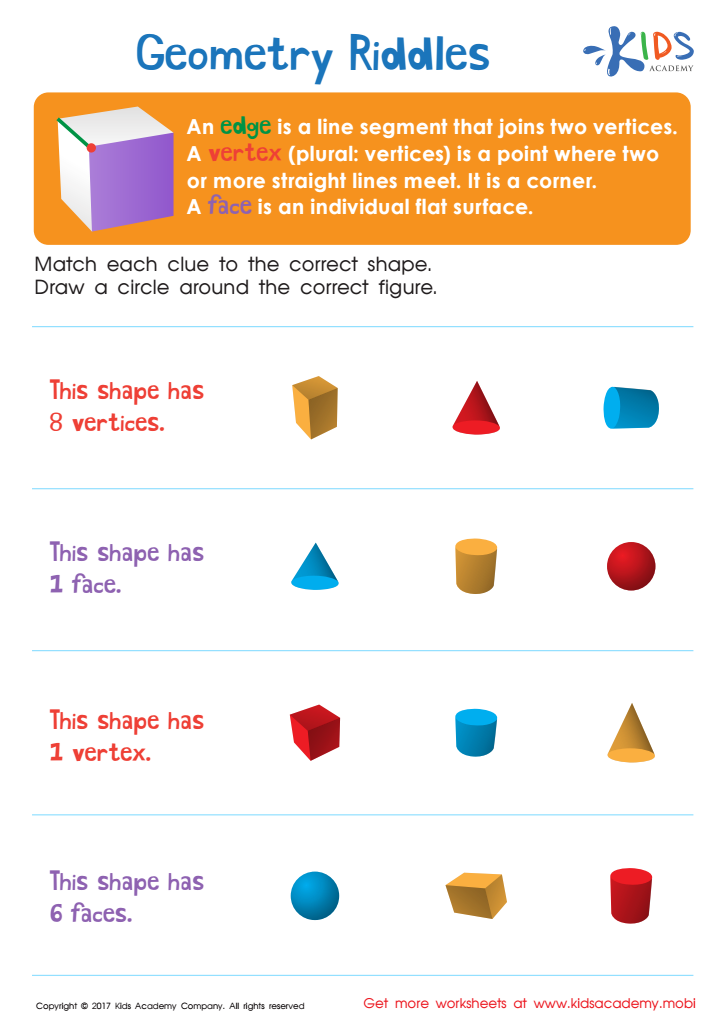
Geometry Riddles Printable
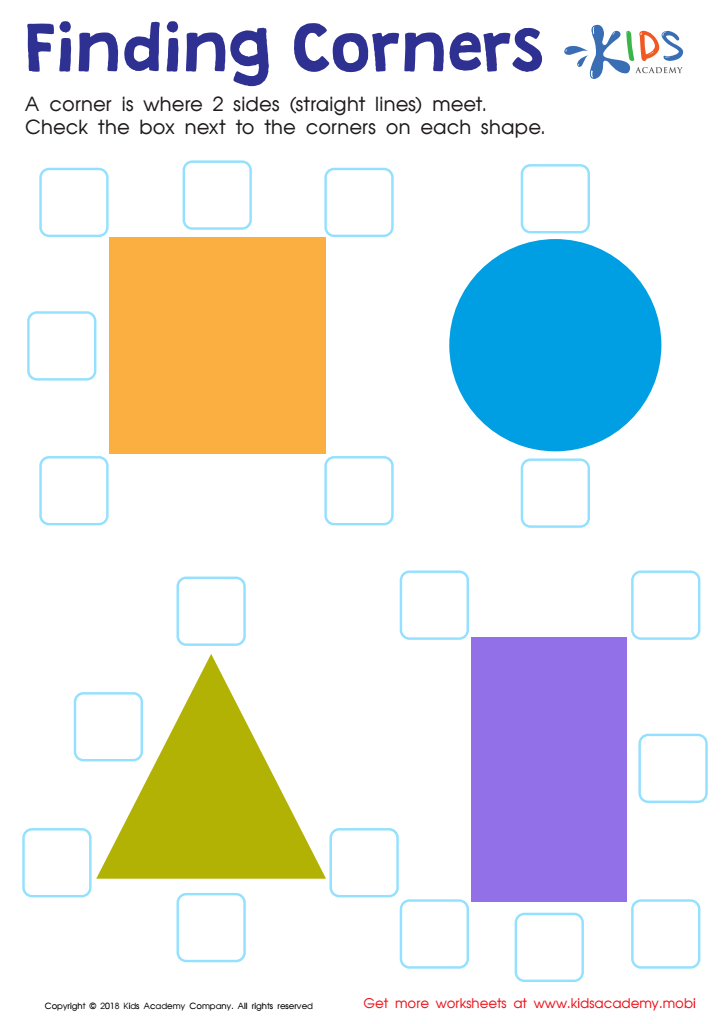
Finding Corners Worksheet
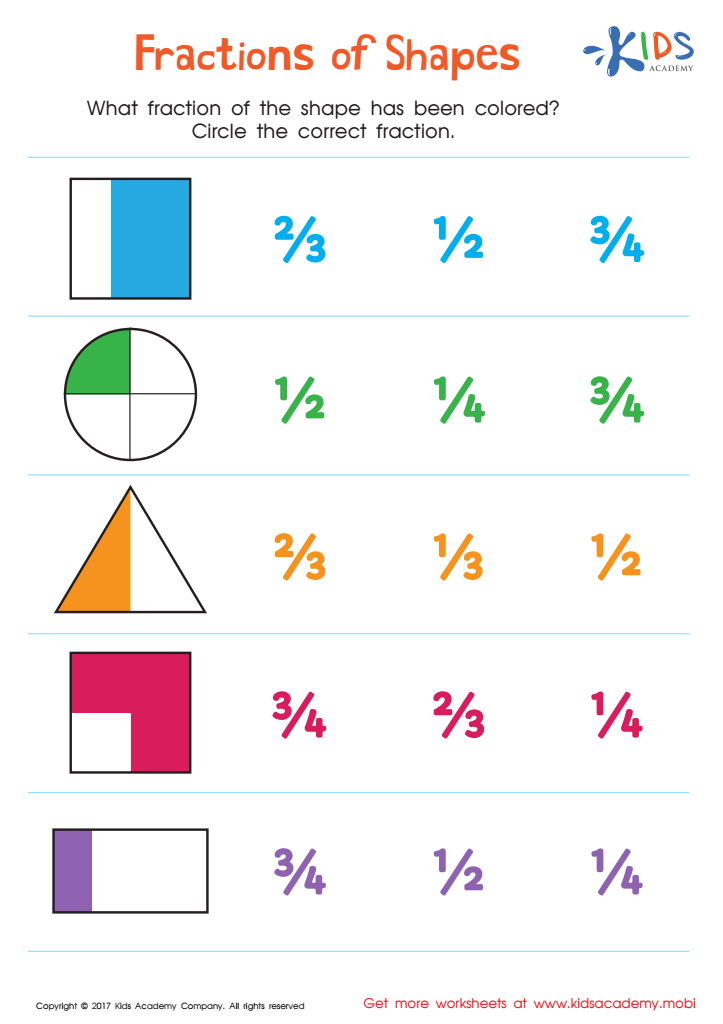
Fractions of Shapes: Math Concept Worksheet
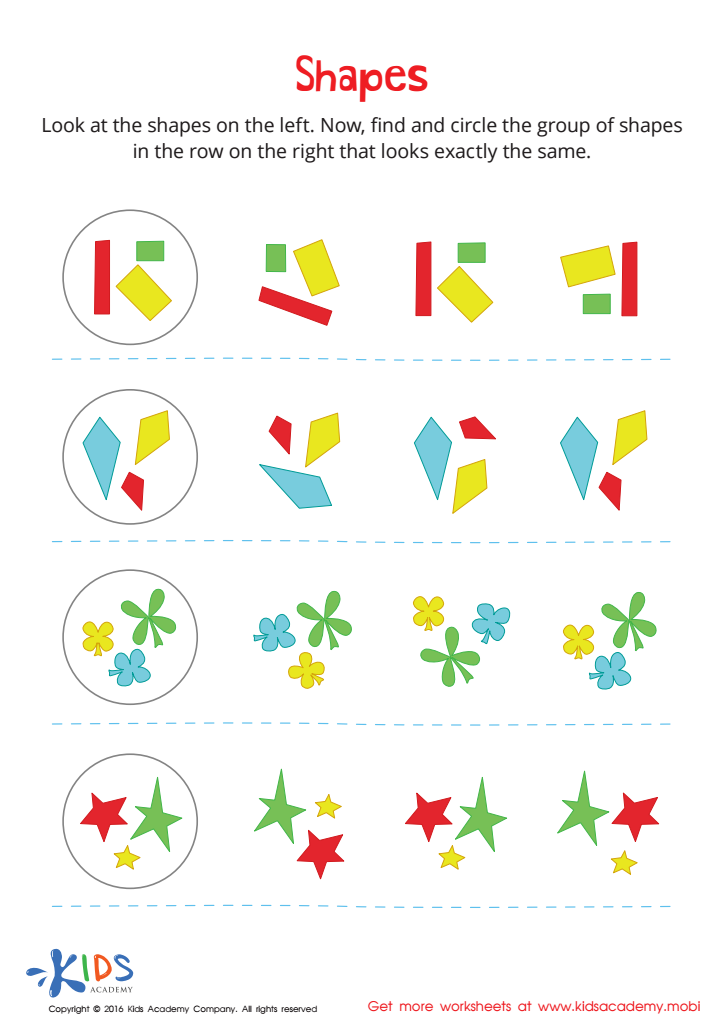
Shapes Worksheet
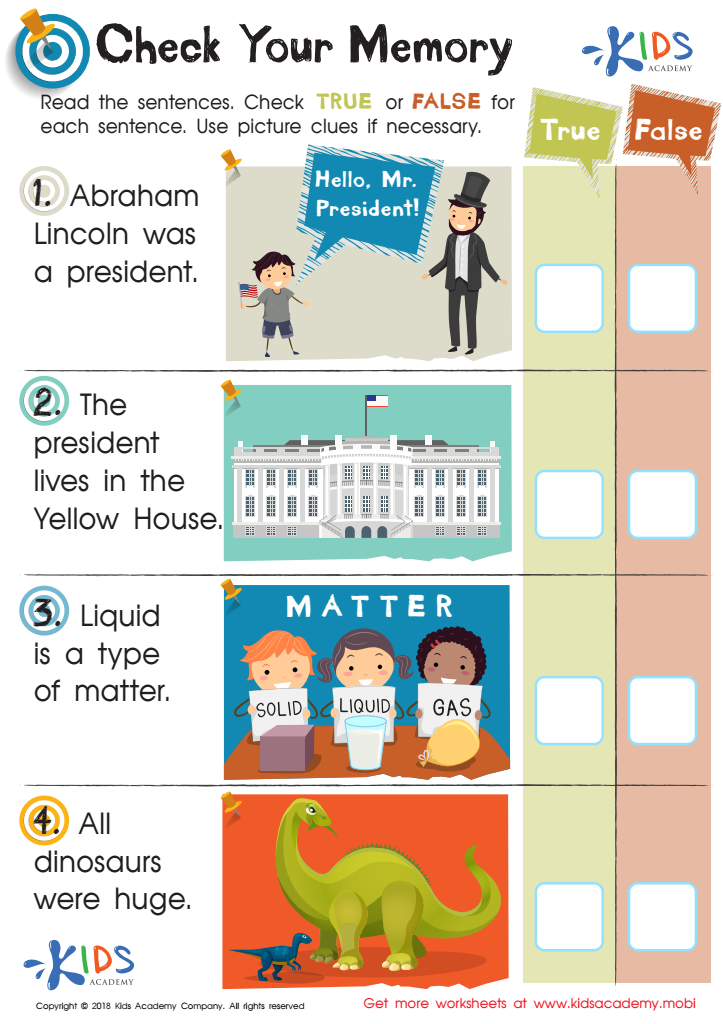
Check Memory Worksheet






Shape identification is a fundamental skill that plays a crucial role in the cognitive development of children ages 5-8. Understanding shapes is not just about recognizing circles, squares, and triangles; it helps children make sense of the world around them and fosters critical thinking. When children identify shapes, they enhance their spatial awareness, which is vital for tasks such as reading maps or understanding coordinates later in life.
Moreover, shape identification serves as a foundation for more advanced mathematical concepts. It improves problem-solving skills and encourages logical reasoning as kids learn to classify and manipulate shapes. By recognizing and naming shapes, children also develop their language skills, enhancing vocabulary and communication abilities.
Additionally, engaging in shape-related activities can foster creativity and imagination. Art projects that involve creating with shapes can spark interest in geometry and design, blending learning with fun.
For parents and teachers, supporting shape identification efforts is an investment in a child's intellectual growth and self-esteem. Engaging with shapes through games and real-life applications makes learning enjoyable, reinforcing the idea that education can be both informative and playful. Overall, shape identification is an essential building block for a child’s future academic success and social interaction.








