Hand-eye Coordination Addition & Subtraction Worksheets for Ages 5-8
29 filtered results
-
From - To
Enhance your child’s learning experience with our Hand-eye Coordination Addition and Subtraction Worksheets, specially designed for ages 5-8. These engaging worksheets not only support essential math skills but also improve fine motor skills through fun activities. Children will practice addition and subtraction while developing their hand-eye coordination, making math both enjoyable and effective. Our easy-to-follow exercises are perfect for reinforcing classroom learning at home. Equip your young learners with the tools they need for success in math while building their physical dexterity. Start your fun-filled math journey today and watch them thrive through interactive and skill-building activities!
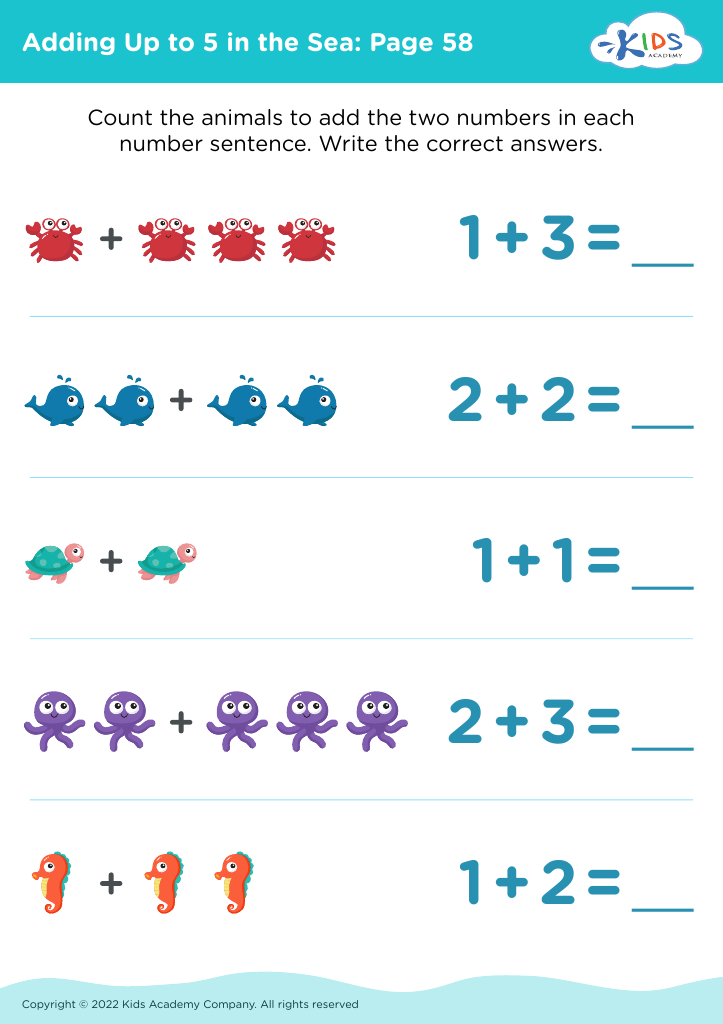
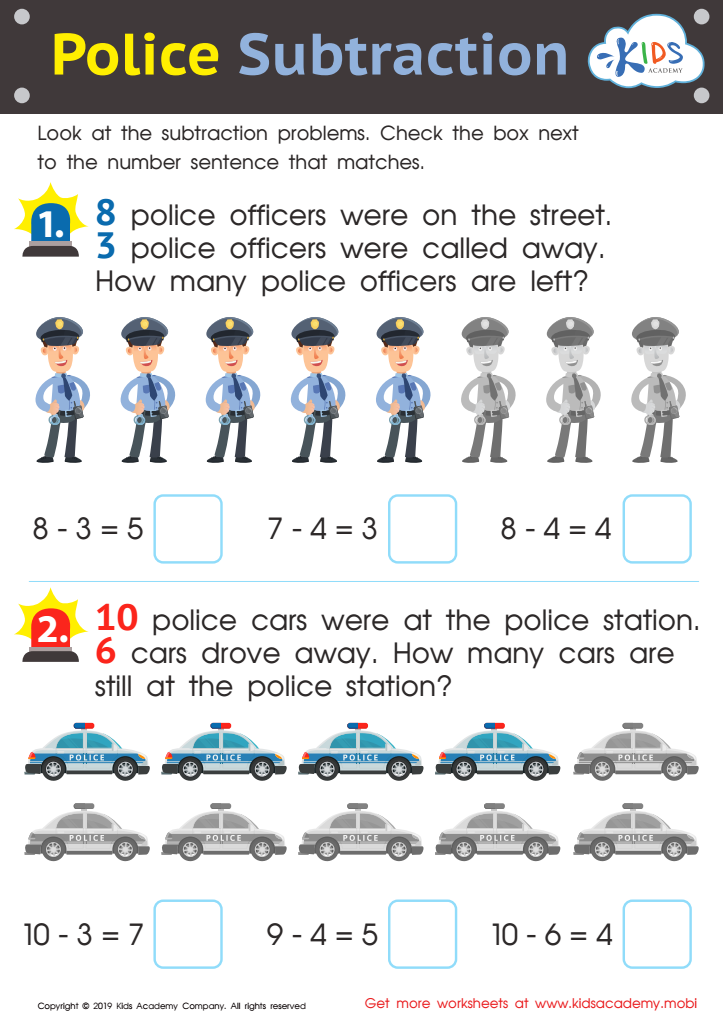
Police Subtraction Worksheet
 Assign to My Students
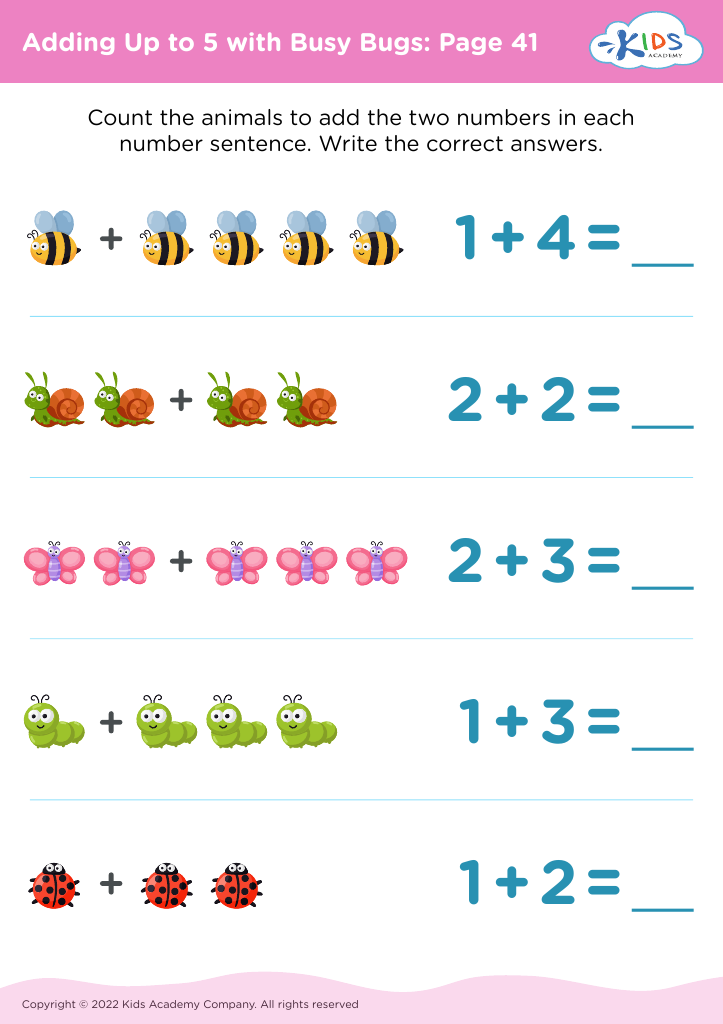
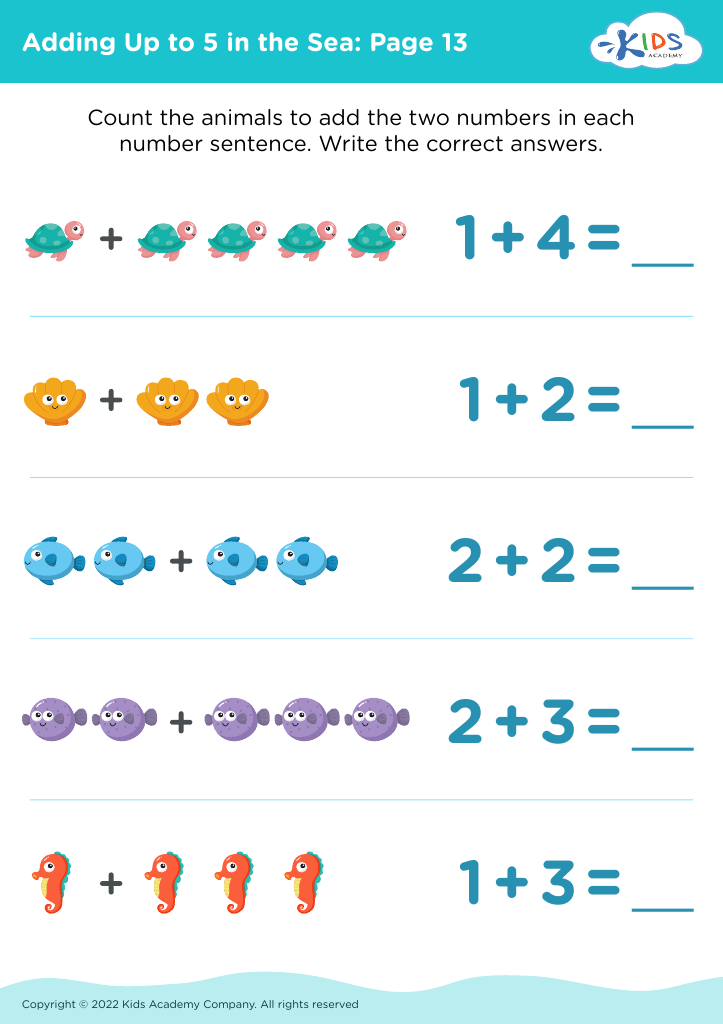
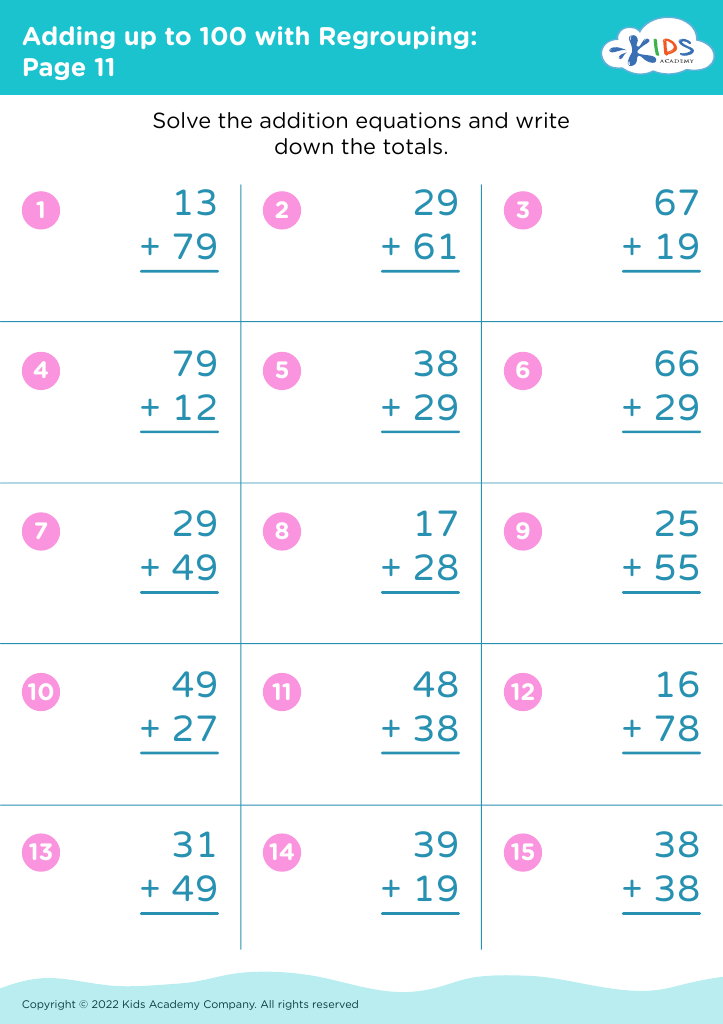
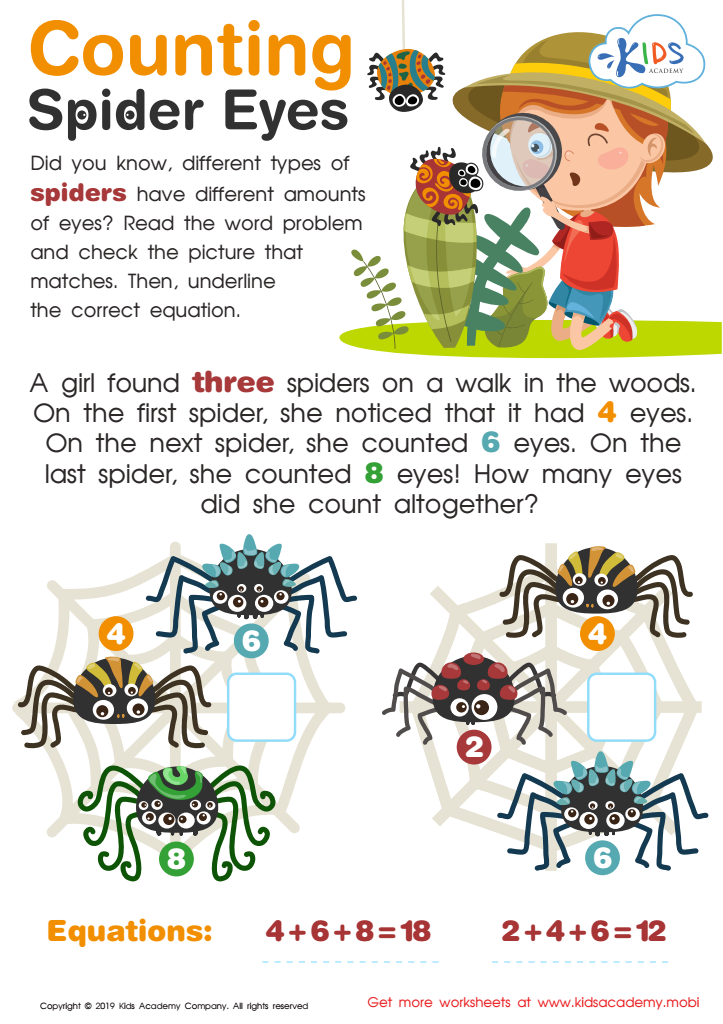
Counting Spider Eyes Worksheet
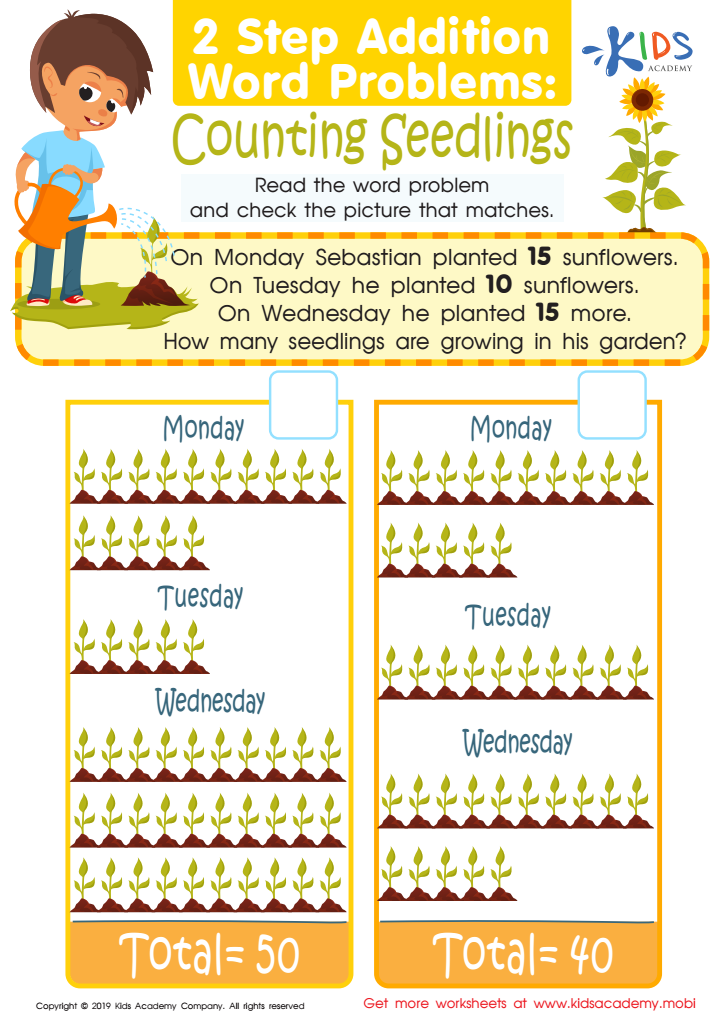
Counting Seedlings Worksheet
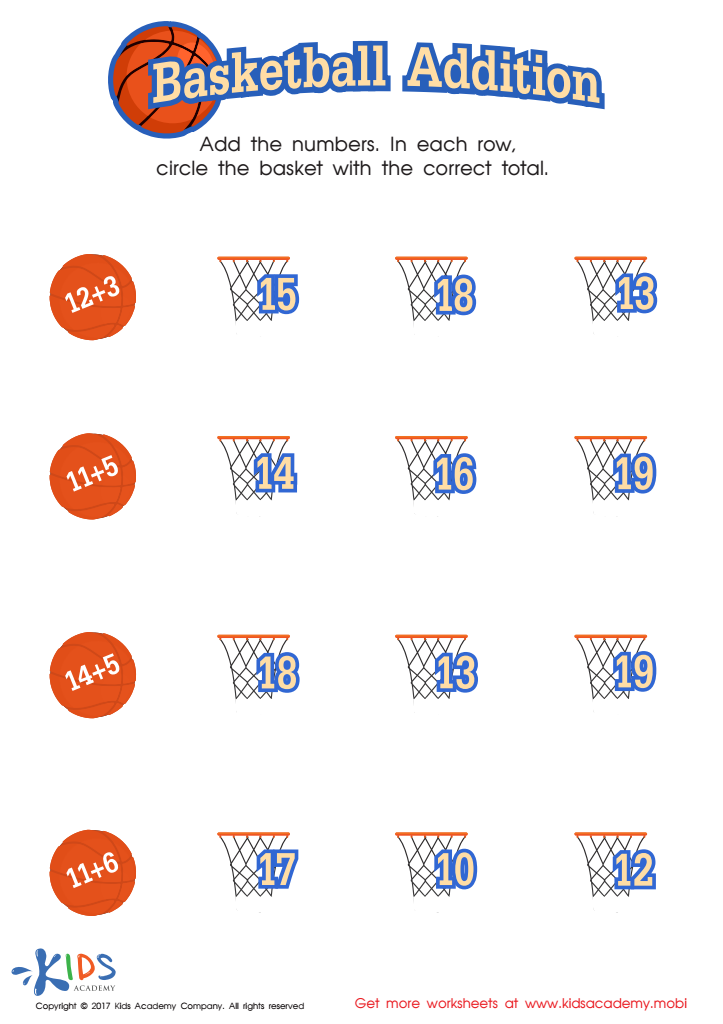
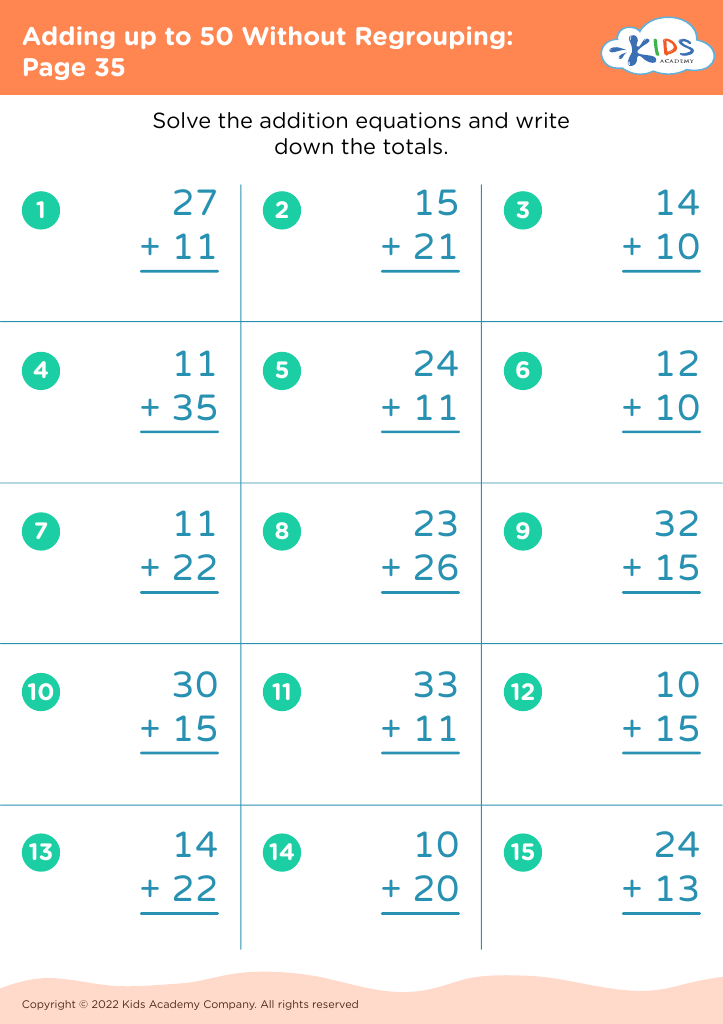
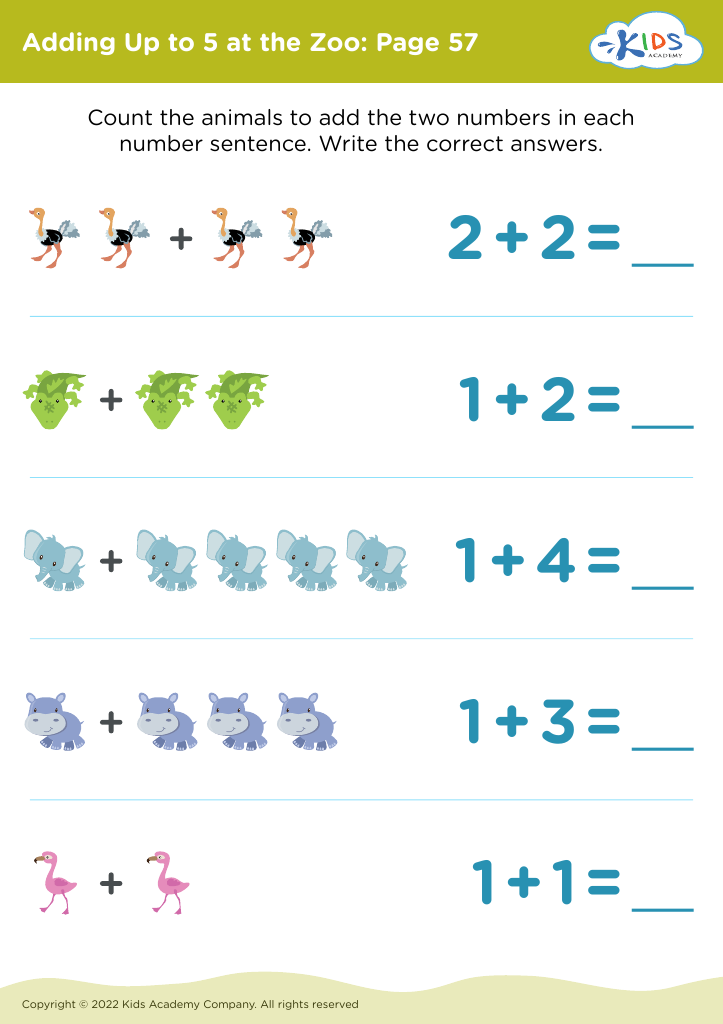
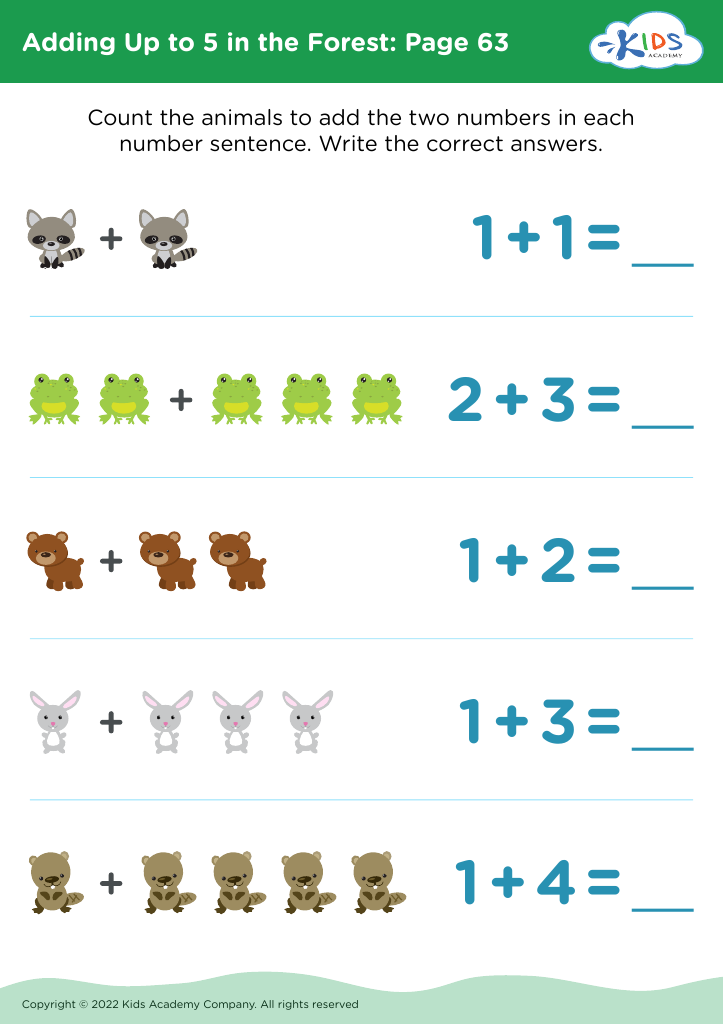
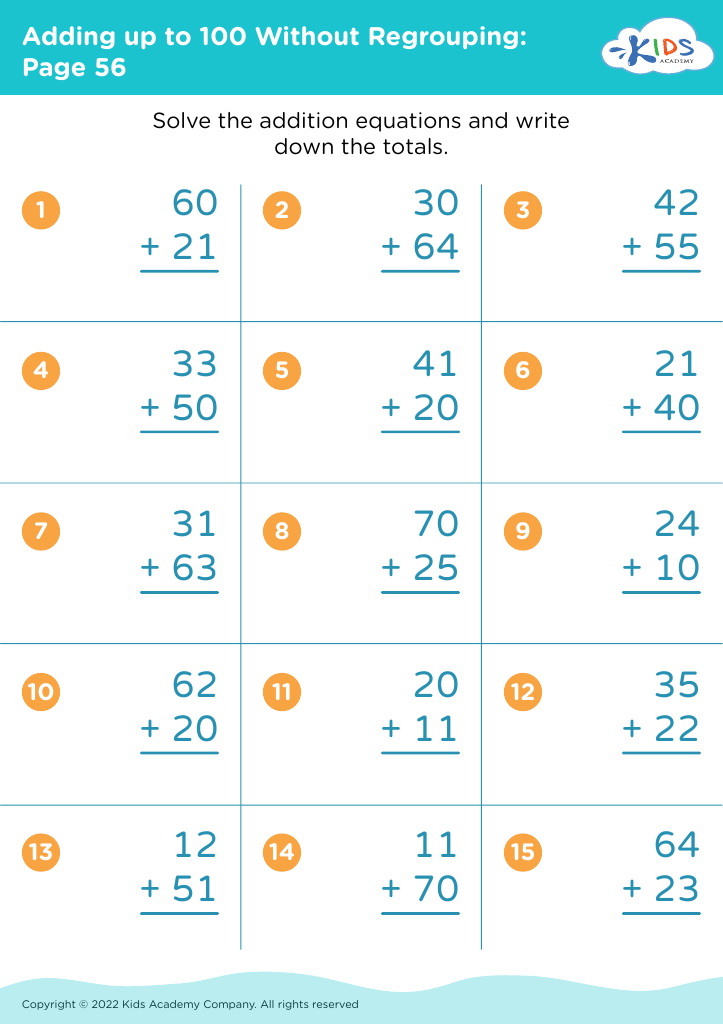
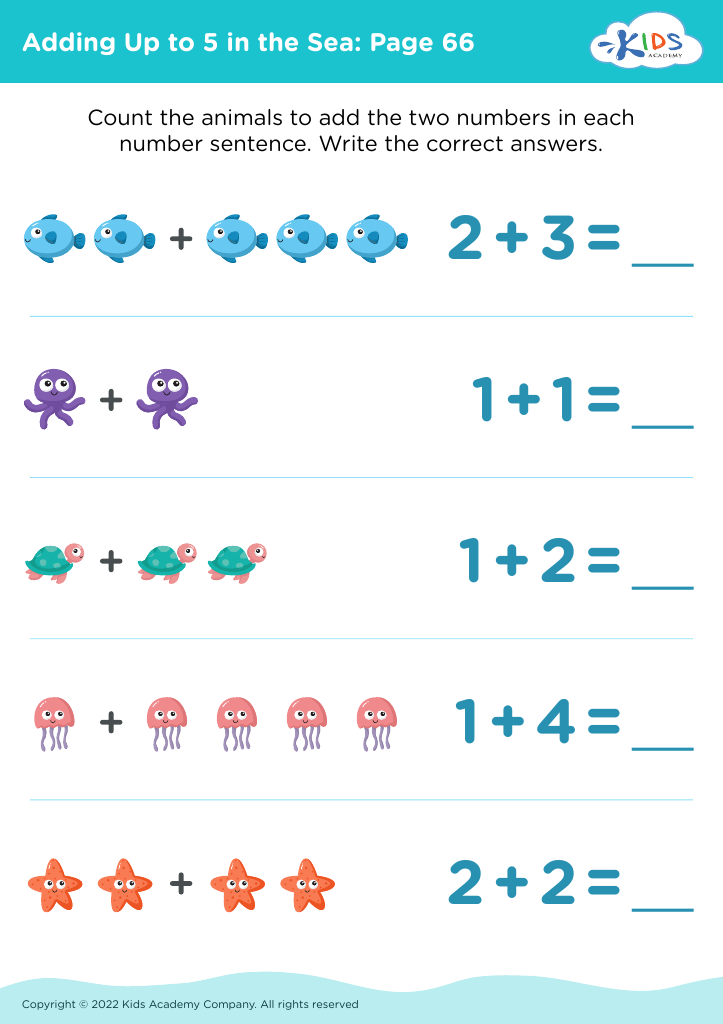
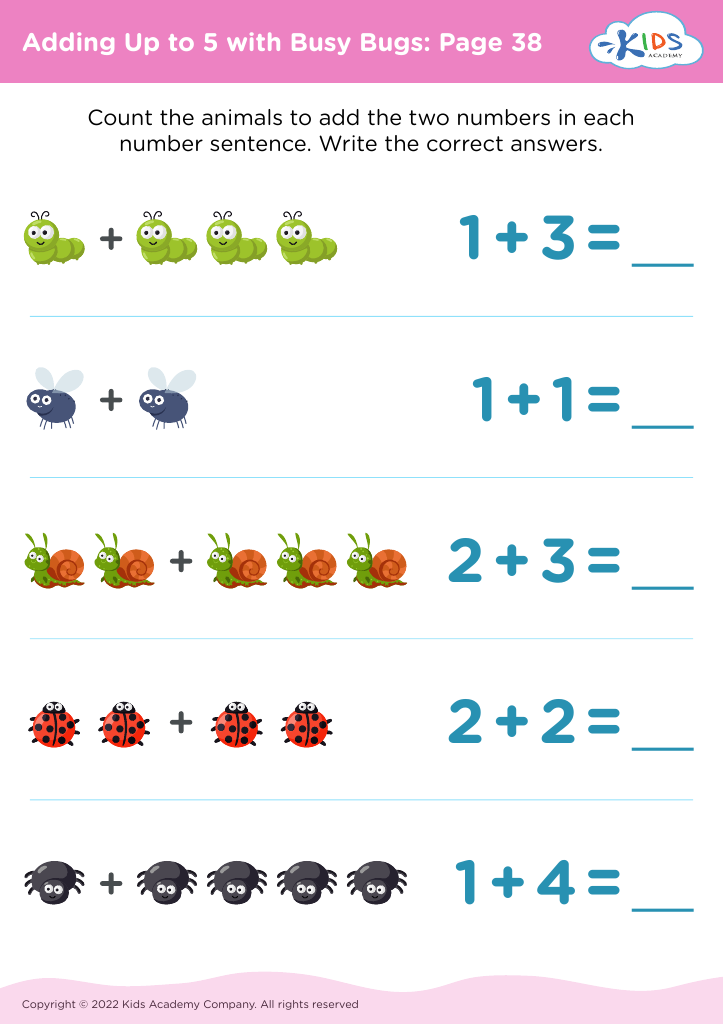
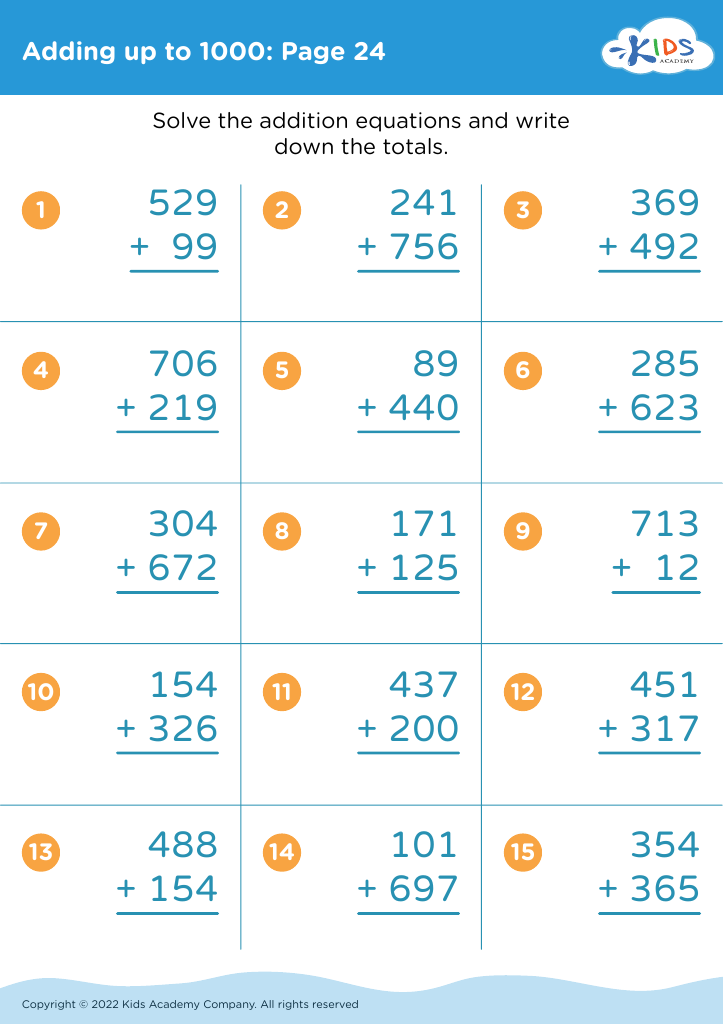
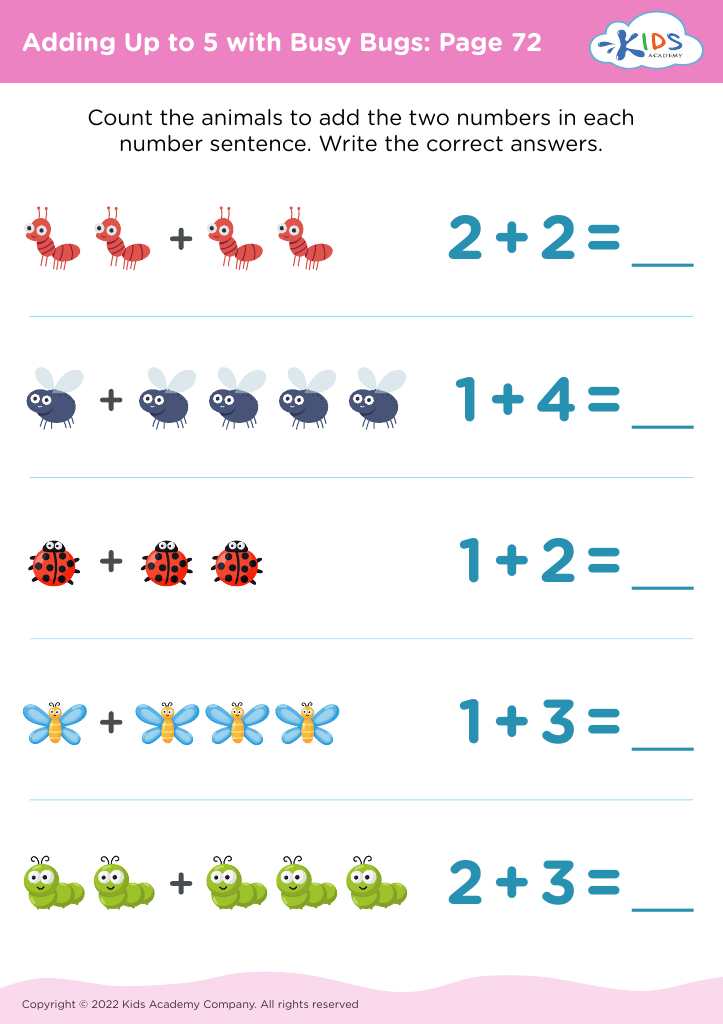
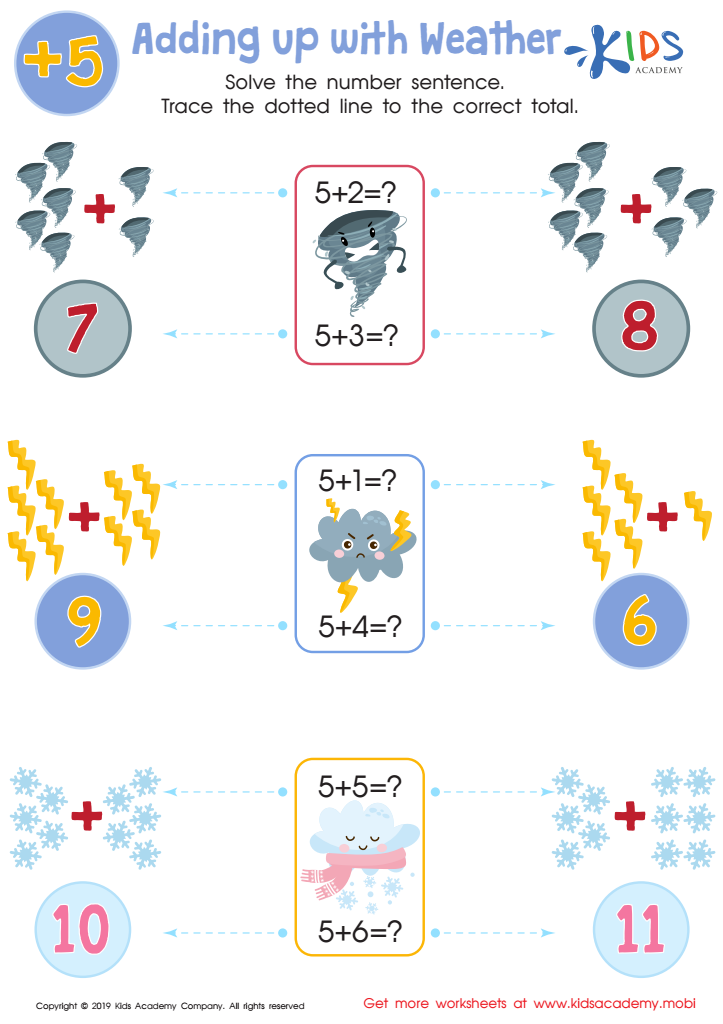
Adding up With Water Worksheet
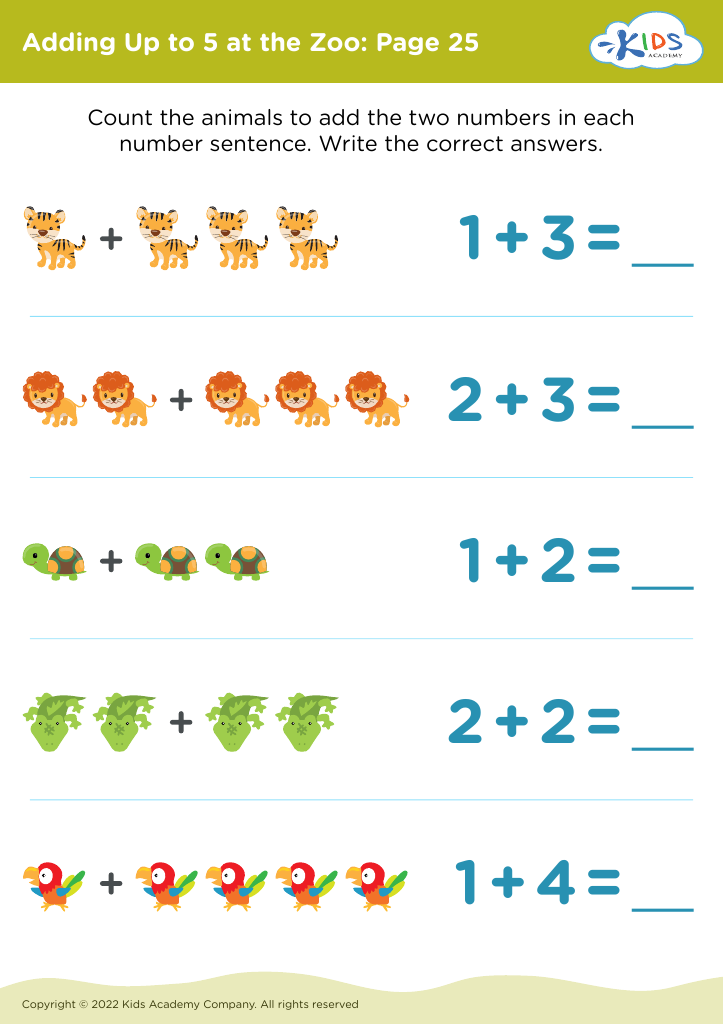
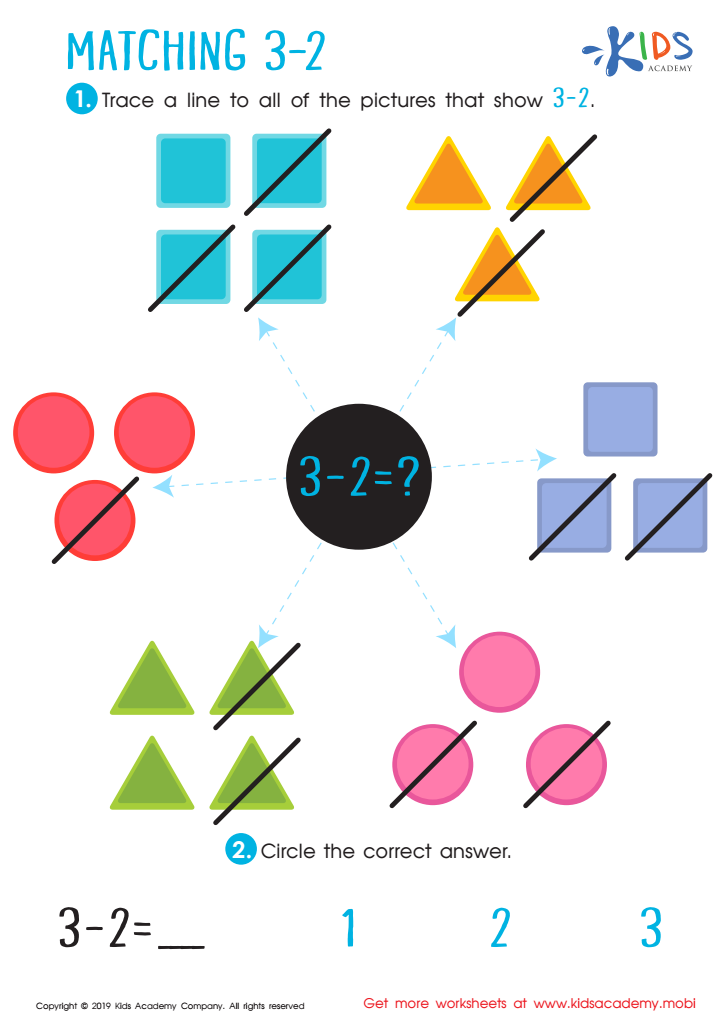
Matching 3-2 Worksheet








Hand-eye coordination is a critical skill that significantly impacts a child's overall development, particularly in the context of addition and subtraction for ages 5-8. During this developmental stage, children are honing their motor skills and cognitive abilities, making it essential for parents and teachers to foster these connections effectively.
Engaging children in activities that combine hand-eye coordination with math can help them visualize problems and solutions. For instance, using hands-on manipulatives like blocks or counting bears allows children to physically interact with numbers, making abstract concepts concrete and more understandable. This multisensory approach enhances their engagement, increases retention of mathematical concepts, and promotes problem-solving skills.
Moreover, integrating hand-eye coordination tasks boosts concentration and improves fine motor skills, prerequisites for writing and other academic tasks. As children learn to coordinate their movements while performing addition and subtraction, they build confidence and reduce math anxiety, leading to a positive learning experience.
Ultimately, when parents and teachers prioritize activities that combine hand-eye coordination with foundational math skills, they help cultivate independent, curious learners equipped for future academic challenges. This foundational groundwork is essential for long-term success in mathematics and beyond.








