Improve reading skills Addition & Subtraction Worksheets for Ages 5-8 - Page 2
29 filtered results
-
From - To
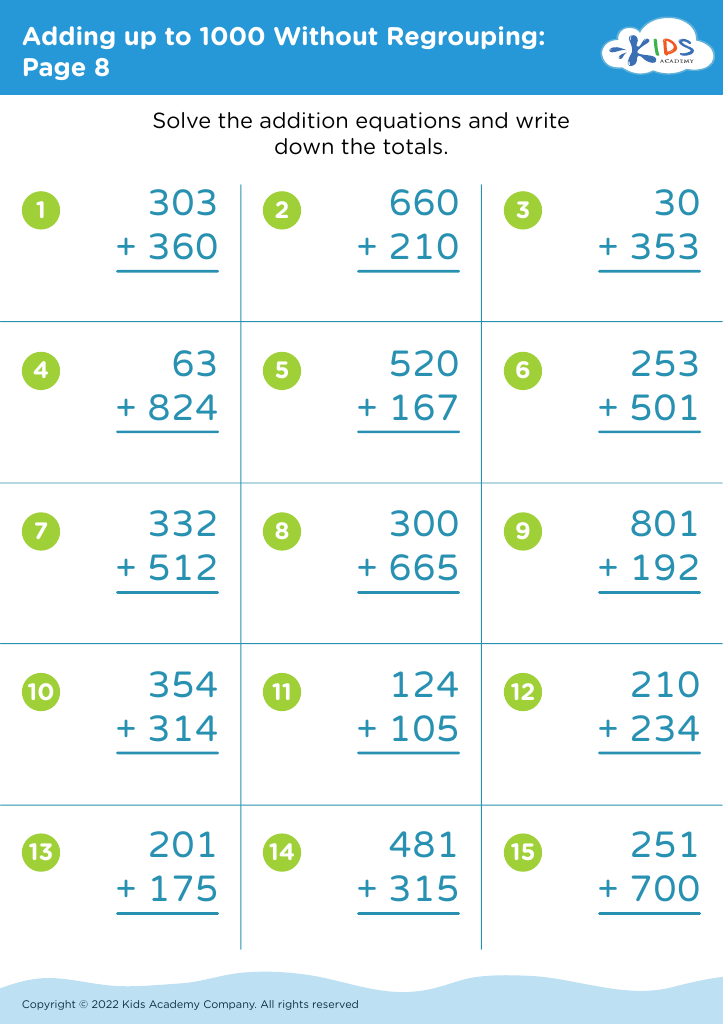
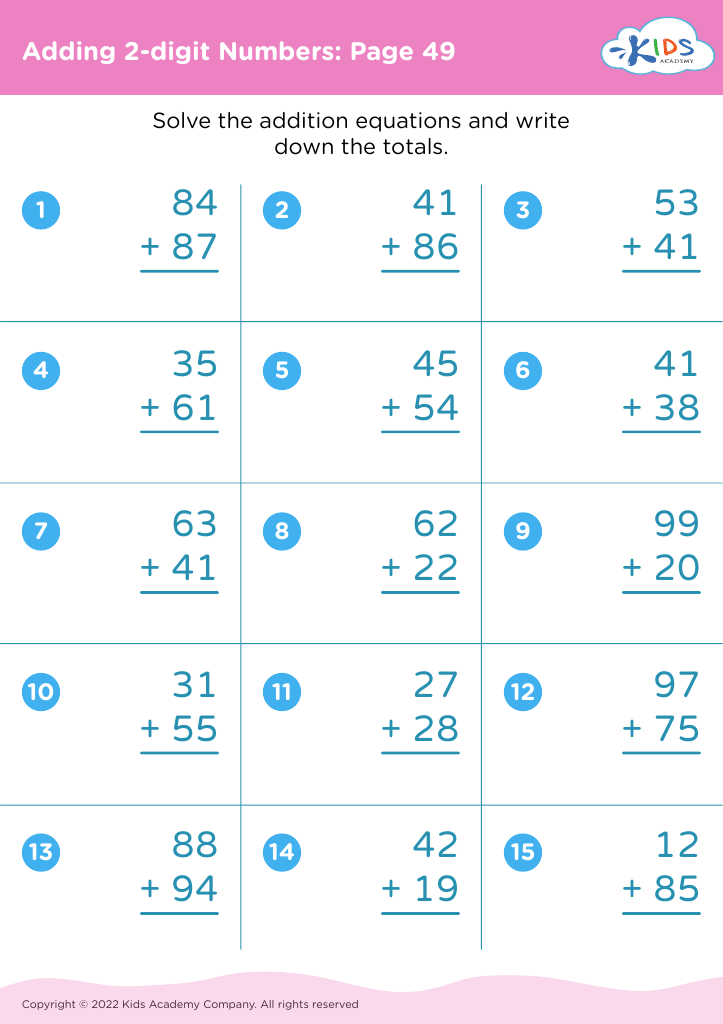
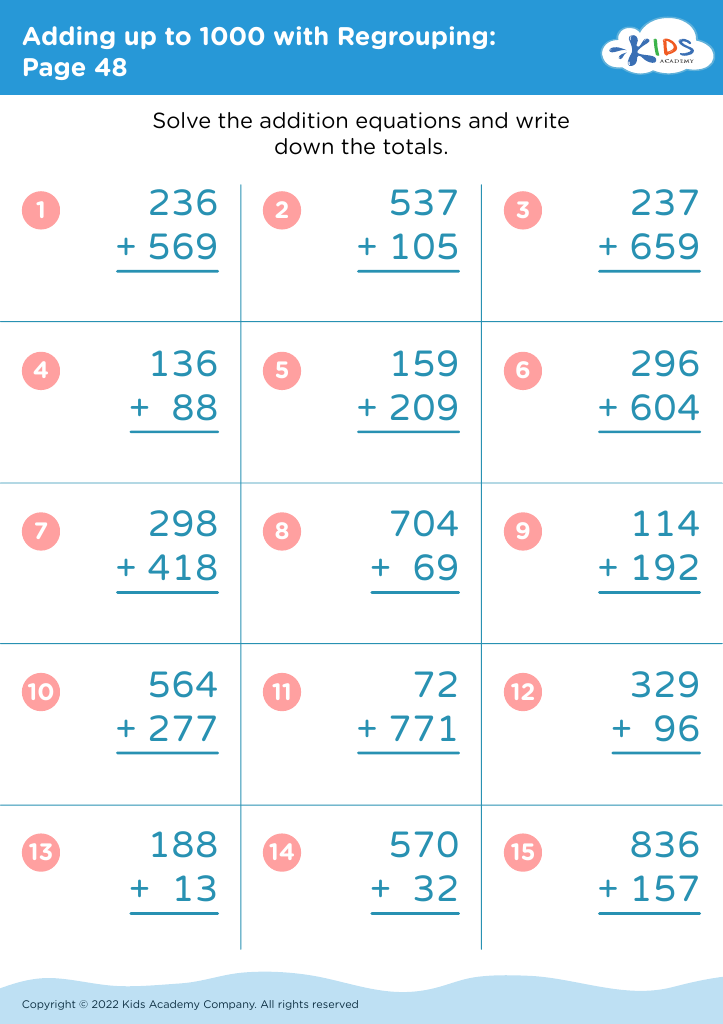
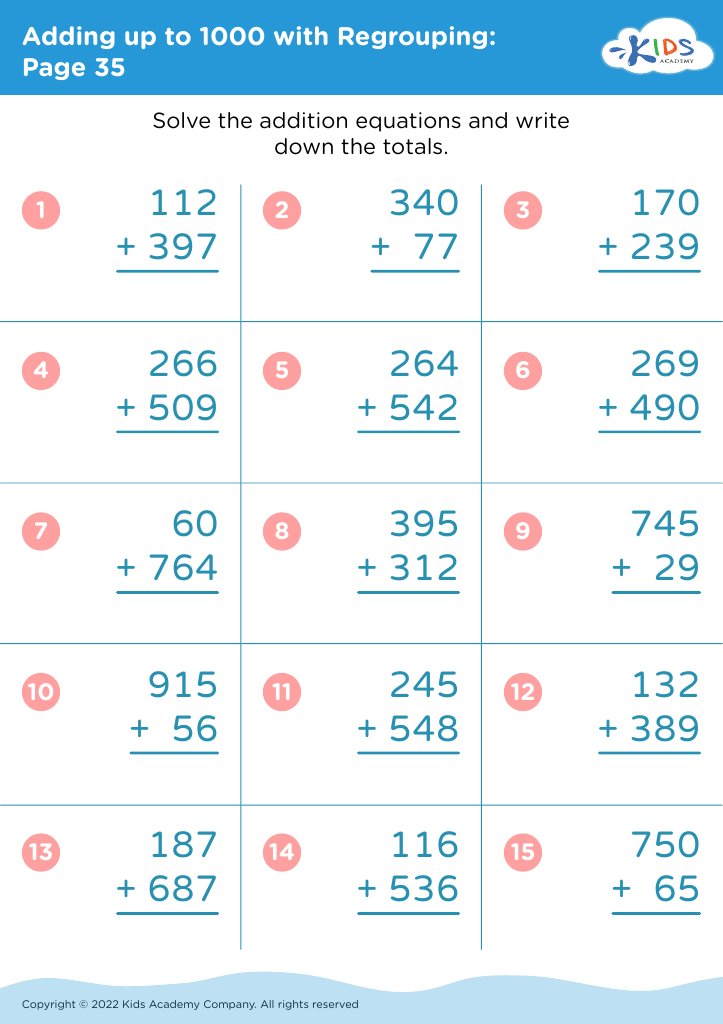
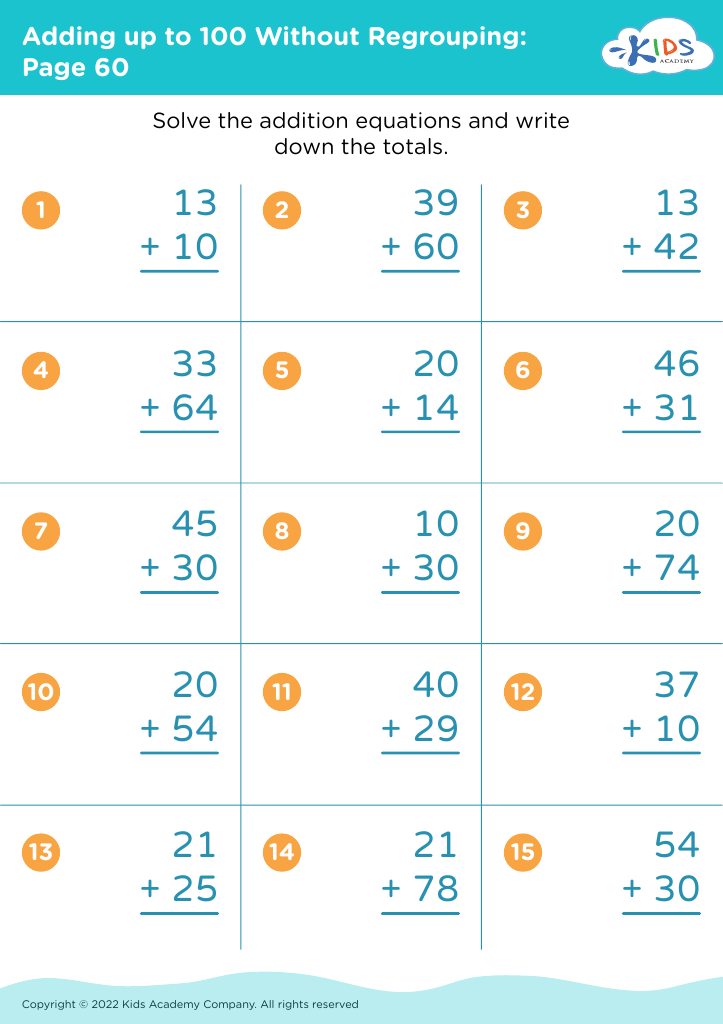








Improving reading skills, as well as addition and subtraction, for children aged 5-8 is crucial for overall academic success and cognitive development. At this critical age, children are not only mastering foundational literacy and numeracy but also learning how to think critically and solve problems. Reading skills enhance comprehension, enabling children to engage with educational material across subjects, while strong addition and subtraction skills provide essential tools for daily life and more advanced mathematical concepts.
Teachers and parents should recognize that these skills are interlinked. Reading proficiency encourages mathematical vocabulary and understanding of problems, while numerical confidence fosters logical reasoning. Engaging in reading and math activities helps children develop perseverance, boosts their self-esteem, and creates a more enjoyable learning experience. Consequently, children are better prepared for later, more complex topics.
Moreover, establishing a solid foundation in these areas promotes a positive attitude towards learning, making children more likely to embrace challenges in the future. Early intervention can prevent future difficulties in school and reduce anxiety associated with these subjects. Therefore, investing time and resources in enhancing reading and mathematical skills during these formative years can have a lasting impact on children’s educational journeys and lifelong learning.








