Logical thinking Addition & Subtraction Worksheets for Ages 5-8
10 filtered results
-
From - To
Develop your child's logical thinking skills with our engaging Addition and Subtraction Worksheets tailored for ages 5-8! These thoughtfully designed activities encourage young learners to think critically and enhance their problem-solving abilities while mastering basic arithmetic. Through fun puzzles and interactive tasks, children will explore number relationships and develop computational fluency. Our worksheets offer a perfect blend of challenging scenarios and visual aids to keep learning enjoyable. Ideal for classroom use or at-home practice, these resources provide a foundational understanding of math concepts. Inspire your child's confidence in math today with our comprehensive collection of worksheets focusing on logical thinking!
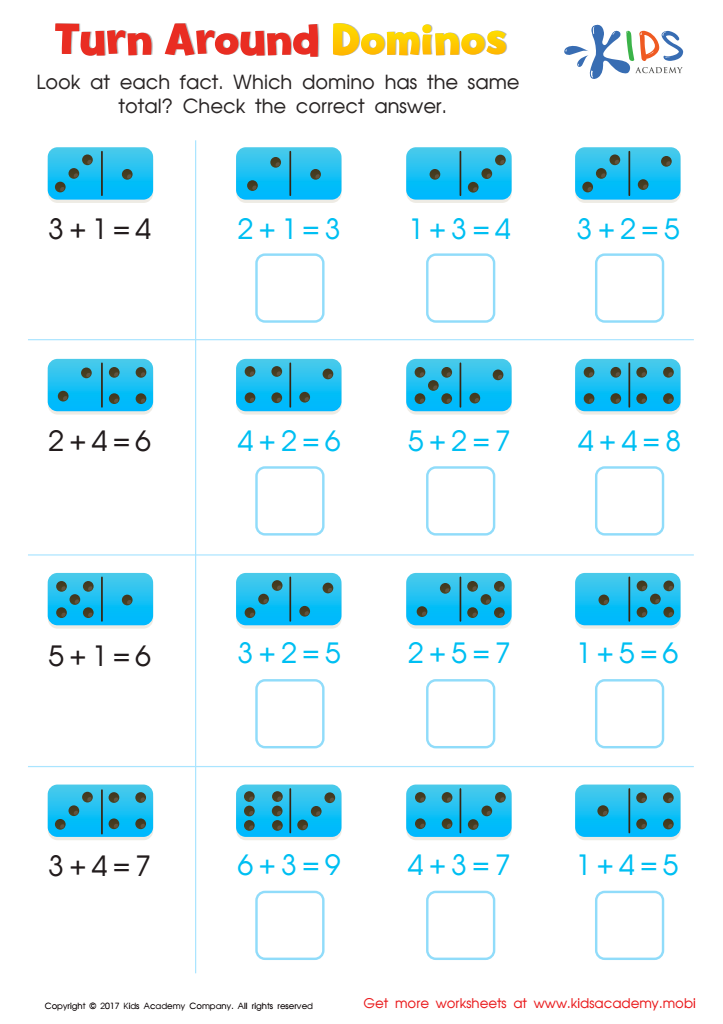
Turn Around Dominos Worksheet
 Assign to My Students
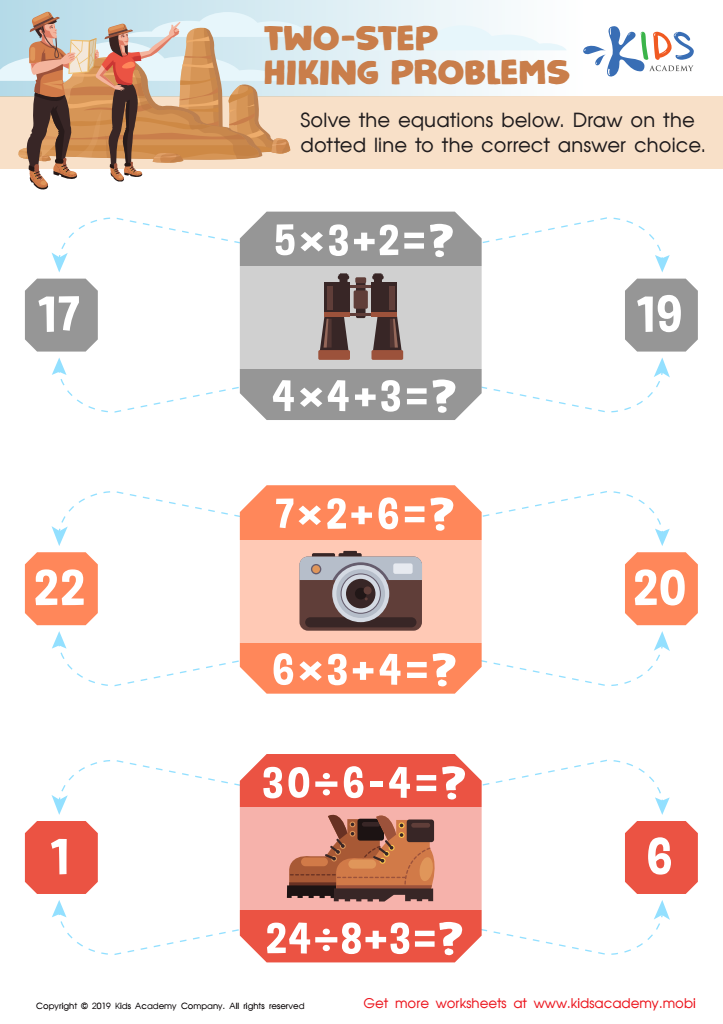
Two-Step Hiking Problems Worksheet
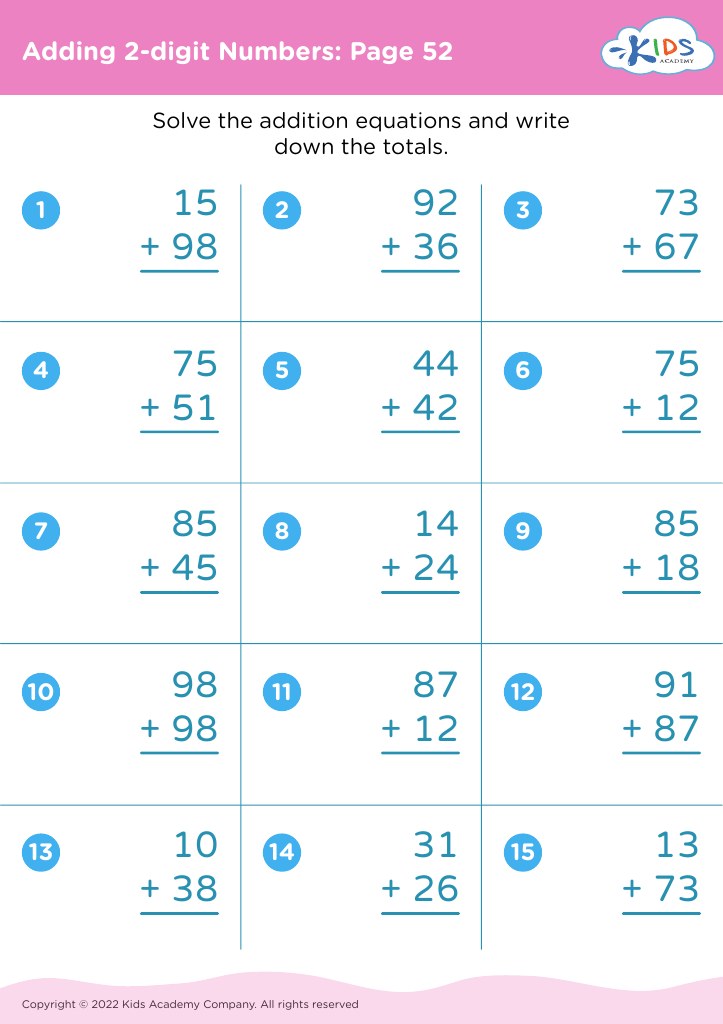
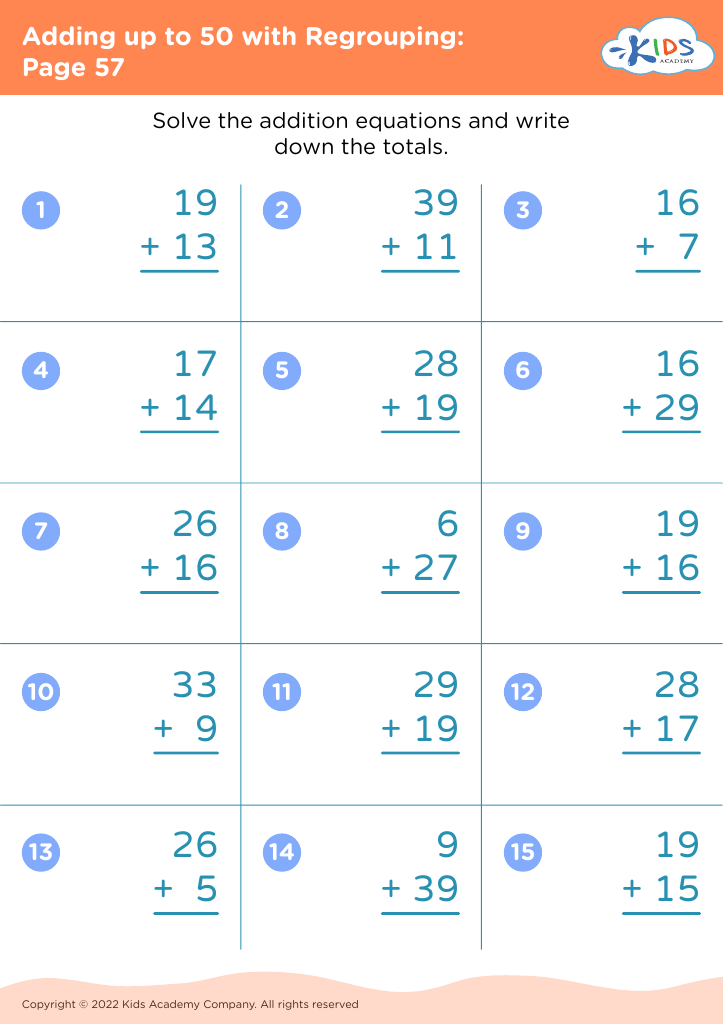
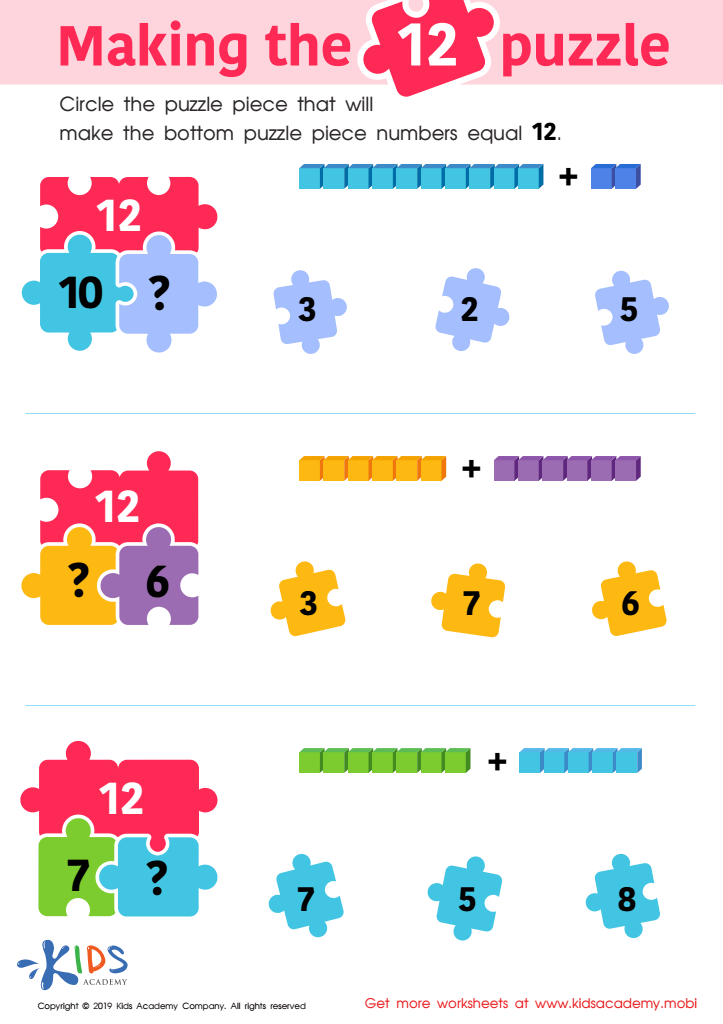
Making the 12 Puzzle Worksheet
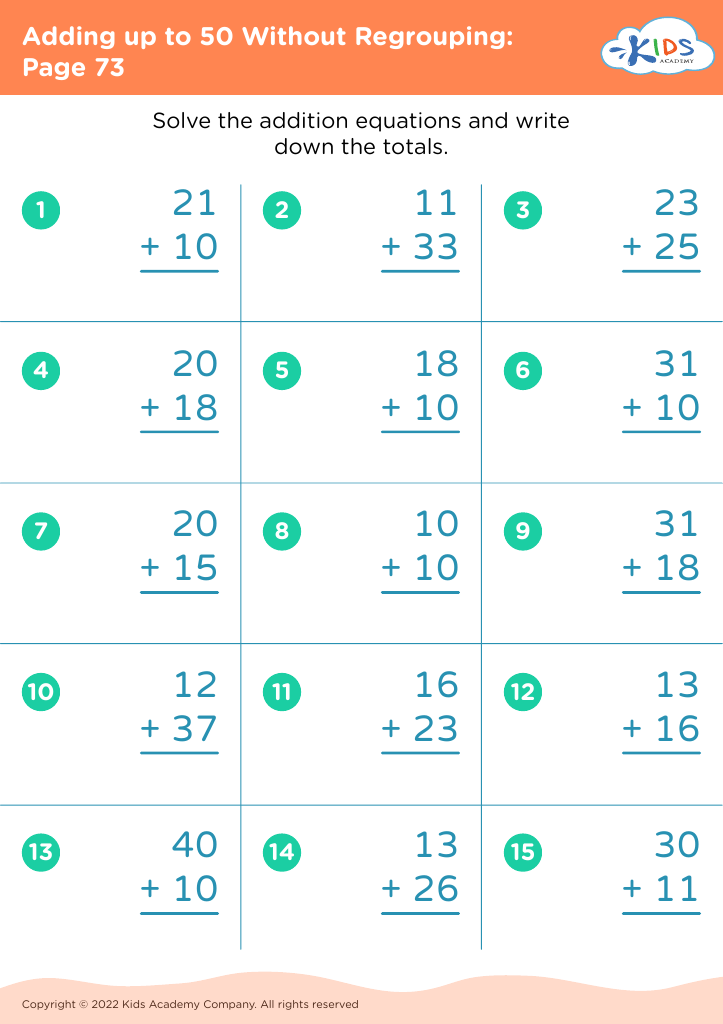
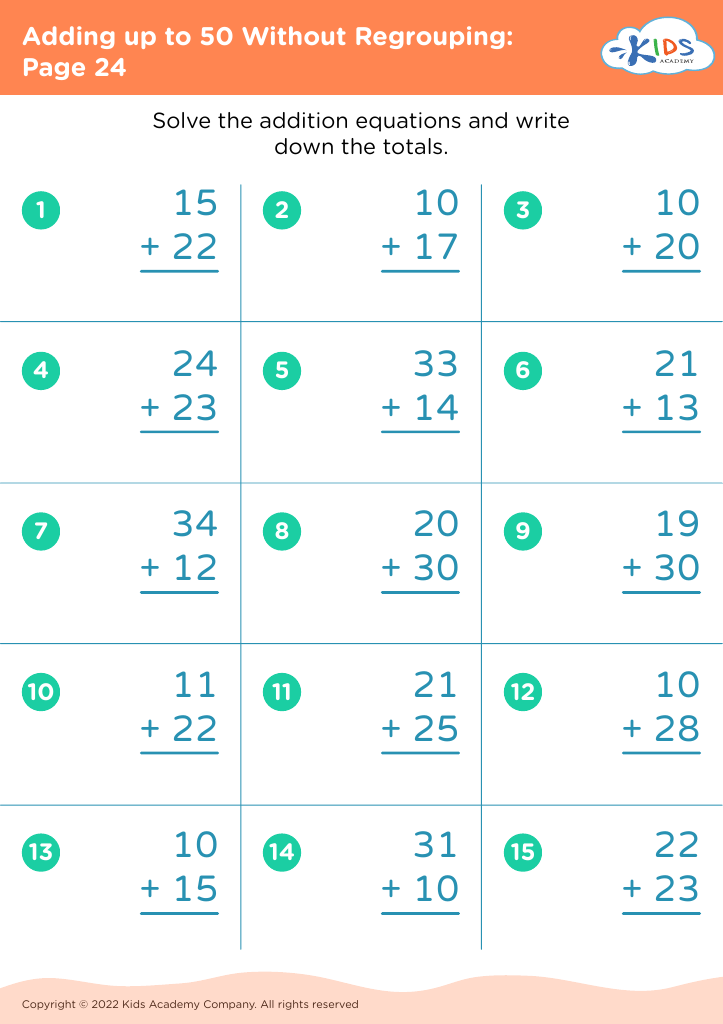
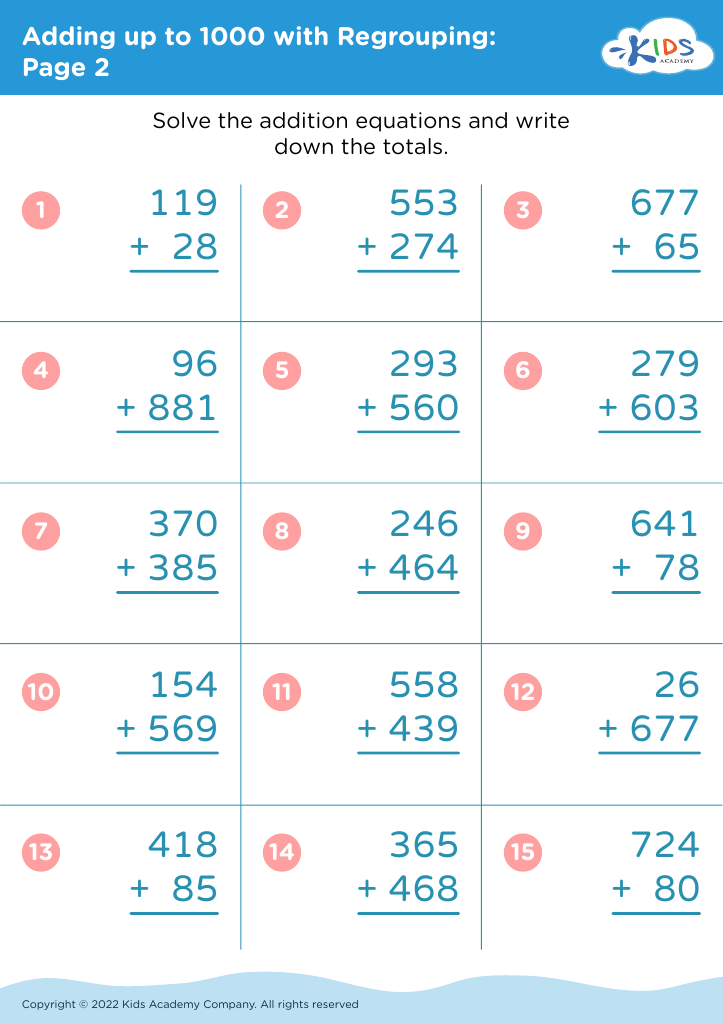








Logical thinking in addition and subtraction is essential for children aged 5-8, as it lays the groundwork for their mathematical understanding and problem-solving skills. During this developmental stage, children transition from concrete to more abstract thinking. Engaging them in logical reasoning when learning addition and subtraction helps them understand not just how to perform these operations, but why they work.
Parents and teachers should prioritize this because it fosters critical thinking, enabling children to approach problems systematically rather than through memorization. When children grasp the principles behind addition and subtraction, they become more confident in tackling complex math tasks and apply these skills in real-life situations, from determining change while shopping to estimating quantities in recipes.
Moreover, logical thinking encourages resilience. When they encounter challenging problems or mistakes, understanding the logic behind math enables them to analyze and learn from their errors instead of feeling defeated. This crucial skill set carries over into other areas of learning, helping develop perseverance and a positive attitude towards challenges. By nurturing logical thinking, parents and teachers contribute to well-rounded cognitive development, preparing kids not only for academic success but also for everyday decision-making and life skills.








